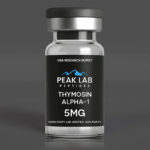
Thymosin Alpha-1
$63.00 Original price was: $63.00.$51.00Current price is: $51.00.
In stock
Become a Member and save 20% on Every Order.
Description
Thymosin Alpha-1 (Tα1)
Thymosin Alpha-1 – Research Use Only
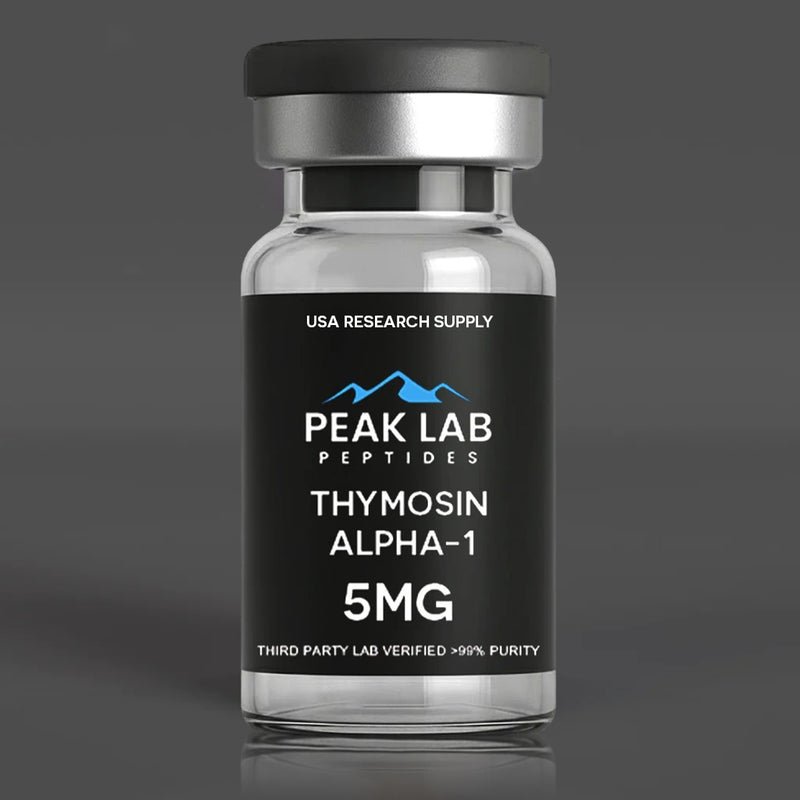
Thymosin Alpha-1 – 5mg (Lyophilized Peptide) – For Research Use Only
Thymosin Alpha-1 (Ta1) is a naturally occurring peptide fragment derived from prothymosin alpha, studied for its potential role in immune modulation, inflammation control, and cellular defense mechanisms. It has been of particular interest in research models exploring immune response enhancement, antiviral activity, and immune regulation.
Thymosin Alpha-1 is often studied in relation to immune system support, chronic infection models, and immune deficiency research.
Product Details:
-
Peptide: Thymosin Alpha-1
-
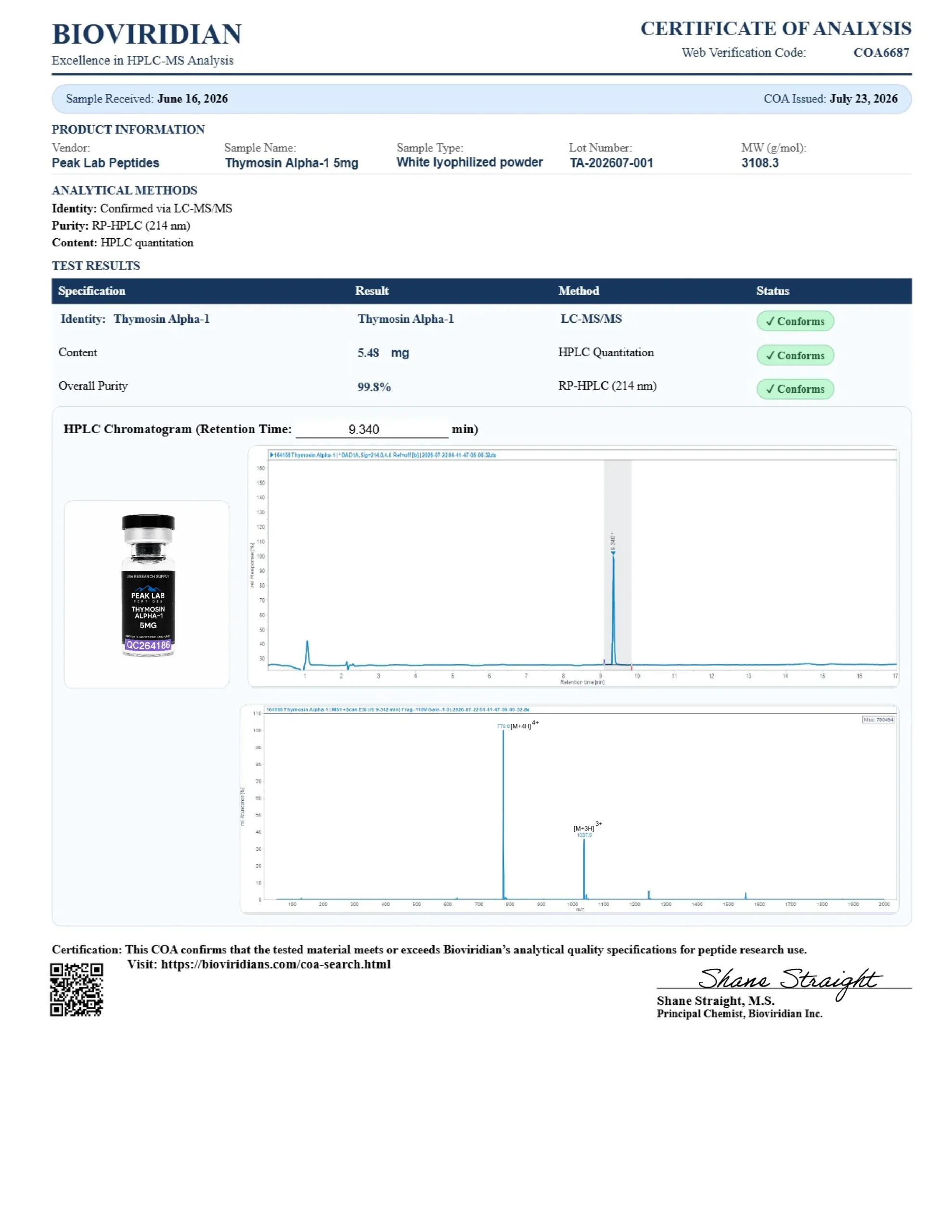
Purity: >98%
-
Form: Lyophilized powder
-
Quantity: 5mg per vial
-
Storage: Store at -4°F (-20°C). After reconstitution, refrigerate at 36–46°F (2–8°C) and use within 30 days.
-
Grade: For research purposes only. Not for human consumption or therapeutic use.
Potential Research Applications:
-
Immune modulation and enhancement studies
-
Chronic infection and antiviral research models
-
Inflammatory response and cytokine regulation studies
-
Immune deficiency and autoimmune condition research
THIS IS NOT FOR HUMAN CONSUMPTION. SOLD FOR RESEARCH ONLY!
Thymosin Alpha-1 Peptide Details
Thymosin Alpha-1 (Tα1) is a synthetic research peptide composed of 28 amino acids, originally derived from the biologically active fraction of thymic hormones. It has been widely studied in preclinical models for its immunomodulatory properties, particularly its effects on T-cell maturation and cytokine regulation.
Experimental research shows Tα1 interacts with pattern recognition receptors and plays a key role in immune signaling, including toll-like receptor (TLR) pathways and MyD88/NF-κB cascades. This peptide is frequently used in immunology-focused studies aimed at understanding host-defense mechanisms and regulatory signaling networks.
About Thymosin Alpha-1 Peptide
- Peptide Type: Synthetic polypeptide
- Sequence Length: 28 amino acids
- Common Alias: Thymalfasin
- Primary Use: Immune system modulation in preclinical studies
- Mechanism Target: MyD88/NF-κB pathway, toll-like receptors, T-cell pathways
- For Research Use Only: Not for clinical or therapeutic application
6 reviews for Thymosin Alpha-1
Thymosin Alpha-1 Peptide Scientific Research
1. T-Cell Function and Differentiation Studies
Tα1 is commonly used to explore mechanisms of T-cell development, activation, and signaling. It has been shown to influence CD4+/CD8+ ratios and enhance effector responses in immunocompromised models.
2. Toll-Like Receptor (TLR) and Pattern Recognition Pathways
In vitro assays highlight Tα1's role in modulating TLR-mediated innate immune responses. It activates MyD88-dependent signaling, leading to upregulation of NF-κB and downstream cytokine expression.
3. Cytokine Modulation and Immune Balance
Thymosin Alpha-1 is utilized in research evaluating cytokine regulation, particularly IL-2, IFN-γ, and TNF-α. It has been shown to support immune balance in stress and inflammation models.
4. Antigen Presentation and APC Maturation
Experimental studies indicate enhanced dendritic cell maturation and increased expression of MHC class I and II molecules under Tα1 influence, supporting its use in antigen presentation and vaccine research paradigms.
5. Host Defense and Stress Response
Tα1 is employed in infection and immune-compromised models to examine its effect on restoring immune competence, supporting research into peptide-mediated resistance mechanisms and systemic resilience.
Thymosin Alpha-1 Peptide FAQ
Q: What is Thymosin Alpha-1 derived from?
A: It is a synthetic version of a naturally occurring thymic peptide found in thymic extracts, originally identified as part of thymosin fraction 5.
Q: What signaling pathways does Thymosin Alpha-1 affect?
A: Primarily toll-like receptors and the MyD88/NF-κB pathway, along with T-cell activation pathways and cytokine gene regulation.
Q: What are typical research models using Thymosin Alpha-1?
A: It is commonly used in immunodeficiency, infection, inflammation, and cancer-related immune regulation models.
Q: Is Thymosin Alpha-1 used therapeutically?
A: While Thymosin Alpha-1 has been studied in clinical trials, this version is strictly intended for laboratory research use only.
Q: Does Thymosin Alpha-1 influence both innate and adaptive immunity?
A: Yes. It has been shown to impact T-cell responses, antigen-presenting cell maturation, and cytokine release associated with innate immunity.
Storage & Handling
All peptides are supplied as sterile, lyophilized powder and are stable when handled correctly.
- On arrival: Store vials in a cool, dry place away from heat and direct sunlight.
- Long-term (powder): For optimal longevity, keep lyophilized peptides refrigerated to help maintain integrity.
- After reconstitution: Use an appropriate research diluent (for example, BAC water). Store the reconstituted solution in the refrigerator and use within 20–30 days for best stability.
Note: Minimize exposure to moisture and repeated freeze–thaw cycles. Follow your institution's safety procedures when handling research materials.
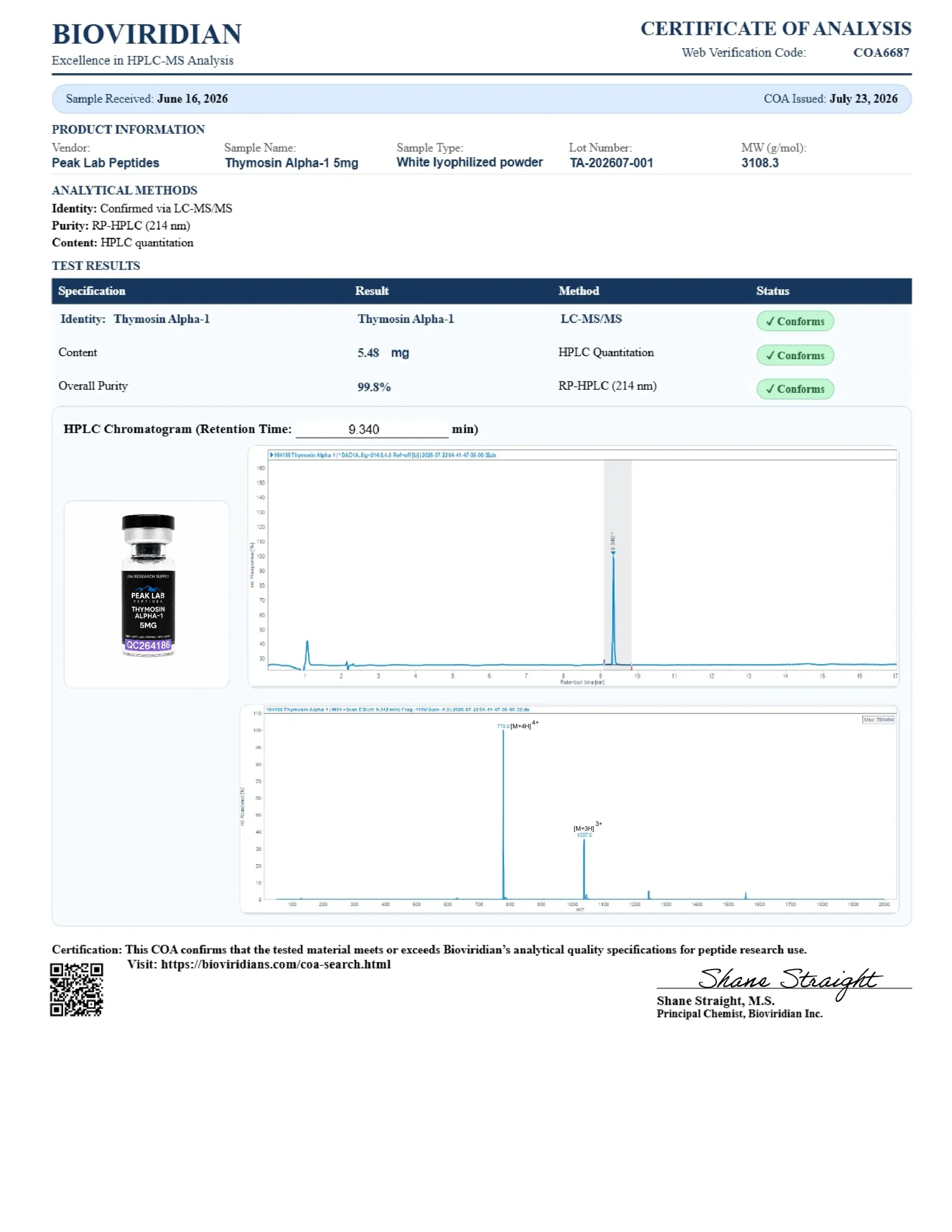
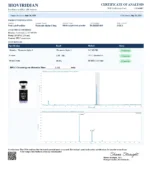
Peak Lab Peptides maintains quality-control processes and routinely performs third-party testing to support purity and identity verification. COAs are available upon request for applicable batches. Documentation may vary depending on production timelines.
We aim to make batch-level documentation available whenever possible. Our goal is to expand COA access across the full catalog as production capacity grows.
All products are for laboratory research use only and are not intended for human consumption.
Related Products
5-amino-1mq
5-Amino-1MQ (5-amino-1-methylquinolinium)
5-Amino-1MQ – Research Use Only
5-Amino-1MQ – 5mg (Lyophilized Powder) – For Research Use Only
5-Amino-1MQ is a small molecule methyltransferase inhibitor studied for its potential impact on cellular metabolism, energy regulation, and fat loss pathways. Research suggests it may inhibit NNMT (Nicotinamide N-Methyltransferase), an enzyme linked to metabolic rate and fat cell energy regulation.
Studies have explored 5-Amino-1MQ for its potential role in increasing NAD+ levels, enhancing energy expenditure, and promoting fat metabolism in various models.
Product Details:
-
Compound: 5-Amino-1MQ (5-Amino-1-Methylquinolinium)
-
Purity: >98%
-
Form: Lyophilized powder
-
Quantity: 50mg per vial
-
Storage: Store at -4°F (-20°C). After reconstitution, refrigerate at 36–46°F (2–8°C) and use within 30 days.
-
Grade: For research use only. Not for human consumption or therapeutic use.
Potential Research Applications:
-
Studies on NNMT inhibition and metabolic regulation
-
NAD+ production and energy pathway research
-
Fat metabolism and weight loss models
-
Investigations into cellular energy expenditure
Ara-290 (10mg)
ARA-290 (Cibinetide)
ARA-290 – 10mg (Lyophilized Peptide) – For Research Use Only
ARA-290 is a synthetic peptide derived from erythropoietin (EPO) that is specifically engineered to retain tissue-protective properties without stimulating erythropoiesis. It is widely studied for its potential in anti-inflammatory, neuroprotective, and tissue repair research.
ARA-290 interacts with the innate repair receptor (IRR), making it a promising candidate in research related to chronic inflammation, neuropathic pain, and autoimmune conditions.
Product Details:
-
Peptide: ARA-290
-
Purity: >98%
-
Form: Lyophilized powder
-
Quantity: 10mg per vial
-
Storage: Store at -4°F (-20°C). After reconstitution, refrigerate at 36–46°F (2–8°C) and use within 30 days.
-
Grade: Research use only. Not for human consumption or therapeutic use.
Potential Research Applications:
-
Anti-inflammatory pathway studies
-
Neuropathic pain models
-
Tissue protection and repair research
-
Innate repair receptor (IRR) exploration
DSIP
DSIP (Delta Sleep-Inducing Peptide)
DSIP (Delta Sleep-Inducing Peptide) – 5mg (Lyophilized Powder) – For Research Use Only
DSIP is a naturally occurring neuropeptide studied for its potential role in sleep regulation, stress response, and neuroendocrine function. Originally isolated from the brain, DSIP is of particular interest in research on sleep patterns, circadian rhythm modulation, and stress adaptation mechanisms.
Studies have also explored its potential influence on hormone release, oxidative stress, and neuroprotection.
Product Details:
-
Peptide: DSIP (Delta Sleep-Inducing Peptide)
-
Purity: >98%
-
Form: Lyophilized powder
-
Quantity: 5mg per vial
-
Storage: Store at -4°F (-20°C). After reconstitution, refrigerate at 36–46°F (2–8°C) and use within 30 days.
-
Grade: For research purposes only. Not for human consumption, therapeutic, or diagnostic use.
Potential Research Applications:
-
Sleep regulation and circadian rhythm studies
-
Stress adaptation and cortisol modulation research
-
Neuroprotection and oxidative stress models
-
Endocrine system and hormone balance investigations
For laboratory research only. This product is not intended to diagnose, treat, cure, or prevent any disease.
GHK-Cu
KissPeptin-10
Kisspeptin-10
Kisspeptin-10 – 10mg (Lyophilized Peptide) – For Research Use Only
Kisspeptin-10 is a short-chain peptide fragment of the kisspeptin family, known for its regulatory role in the hypothalamic-pituitary-gonadal (HPG) axis. It is widely studied for its potential to influence GnRH (Gonadotropin-Releasing Hormone) secretion, making it a key subject in research on fertility, reproductive hormone modulation, and endocrine function.
Kisspeptin-10 has also been explored in studies related to puberty onset, reproductive health, and hormone signaling pathways.
Product Details:
-
Peptide: Kisspeptin-10 (Metastin 10 fragment)
-
Purity: >98%
-
Form: Lyophilized powder
-
Quantity: 10mg per vial
-
Storage: Store at -4°F (-20°C). After reconstitution, refrigerate at 36–46°F (2–8°C) and use within 30 days.
-
Grade: For research purposes only. Not for human consumption, therapeutic, or diagnostic use.
Potential Research Applications:
-
Fertility and reproductive hormone studies
-
HPG axis and GnRH secretion models
-
Endocrine signaling and modulation research
-
Studies on puberty and reproductive health
For laboratory research only. This product is not intended to diagnose, treat, cure, or prevent any disease.
KPV (Lysine-Proline-Valine)
Product Details:
Peptide: KPV (Lys-Pro-Val) Purity: >98% Form: Lyophilized powder Quantity: 10mg per vial Storage: Store at -4°F (-20°C). After reconstitution, refrigerate at 36–46°F (2–8°C) and use within 30 days. Grade: For research purposes only. Not for human consumption, therapeutic, or diagnostic use. Potential Research Applications: Gut health and intestinal inflammation models (e.g., IBD, leaky gut) Skin inflammation and dermatitis research Cytokine modulation and immune response studies Localized anti-inflammatory peptide therapy research For laboratory research only. This product is not intended to diagnose, treat, cure, or prevent any disease.LL-37 (5mg)
LL-37 – 5mg (Lyophilized Peptide in 3ml Vial) – For Research Use Only
LL-37 is a human antimicrobial peptide derived from the cathelicidin family, extensively studied for its roles in innate immunity, antimicrobial defense, wound healing, and inflammation regulation. LL-37 exhibits broad-spectrum activity against bacteria, viruses, and fungi, and plays a key role in modulating the body’s immune and inflammatory responses. In research, LL-37 is of particular interest in models exploring skin healing, immune signaling, tissue regeneration, and antimicrobial resistance.Product Details:
Peptide: LL-37 Purity: >98% Form: Lyophilized powder Quantity: 5mg per vial Vial Size: 3ml sterile glass vial Storage: Store at -4°F (-20°C). After reconstitution, refrigerate at 36–46°F (2–8°C) and use within 30 days. Grade: For research purposes only. Not for human consumption, therapeutic, or diagnostic use.Potential Research Applications:
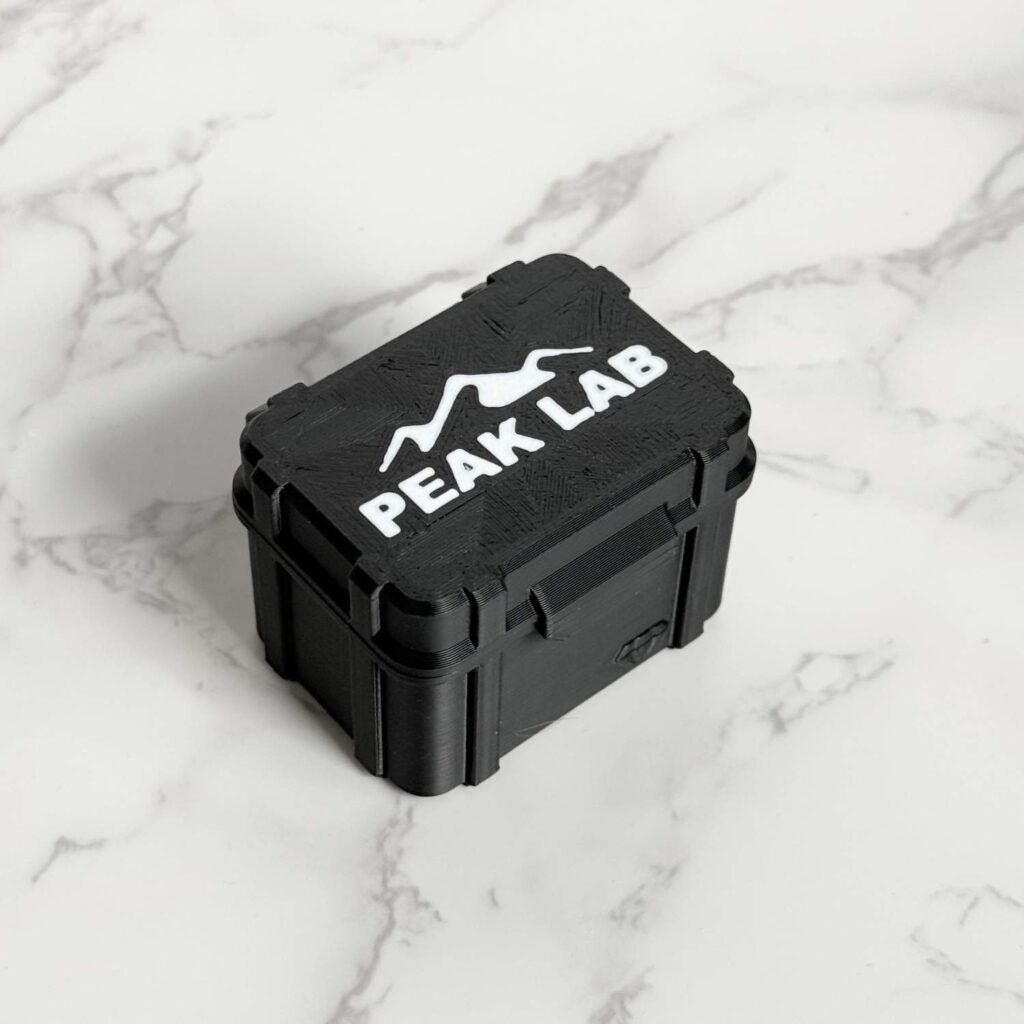
Antimicrobial and infection control models Wound healing and skin regeneration studies Immune system modulation and inflammation research Studies on epithelial repair and barrier function For laboratory research use only. This product is not intended to diagnose, treat, cure, or prevent any disease.Peptide Storage Case (3ml x 6) — Hard Shell Compact Organizer
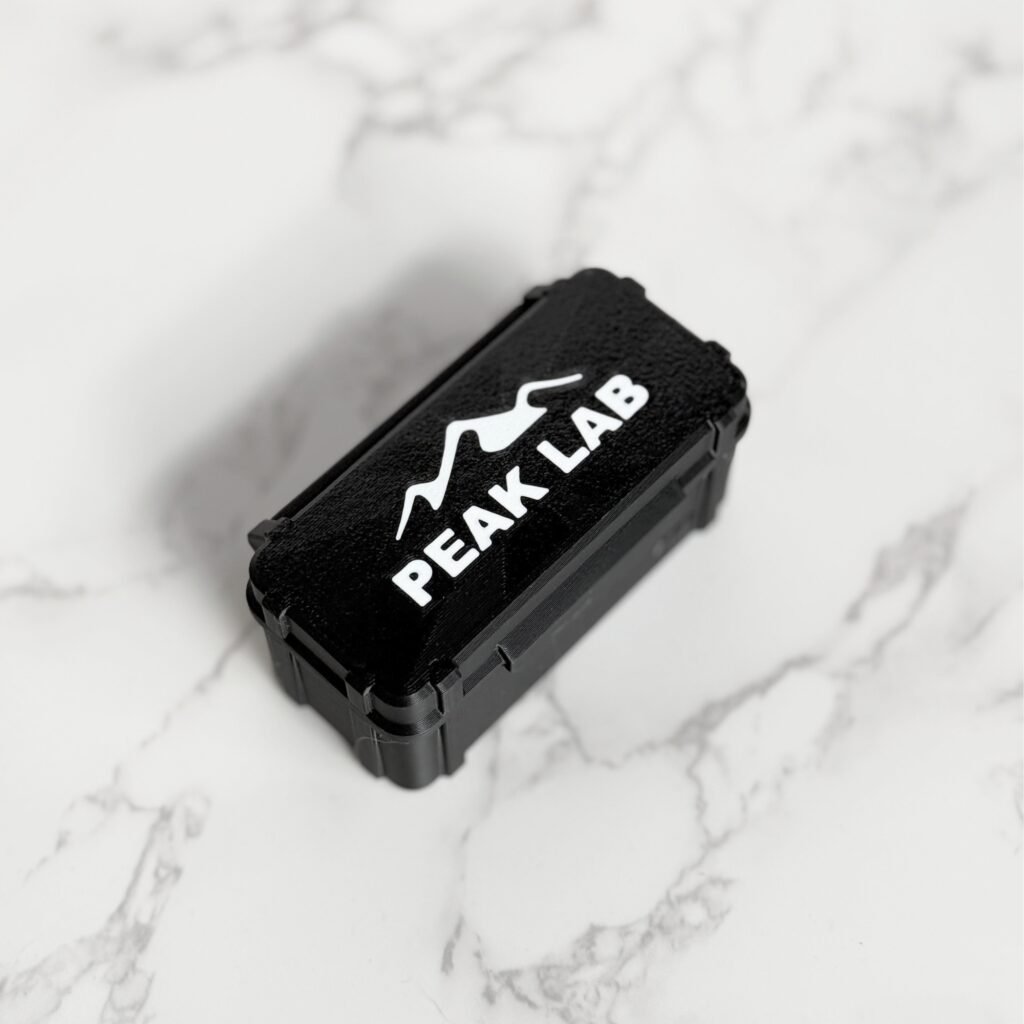
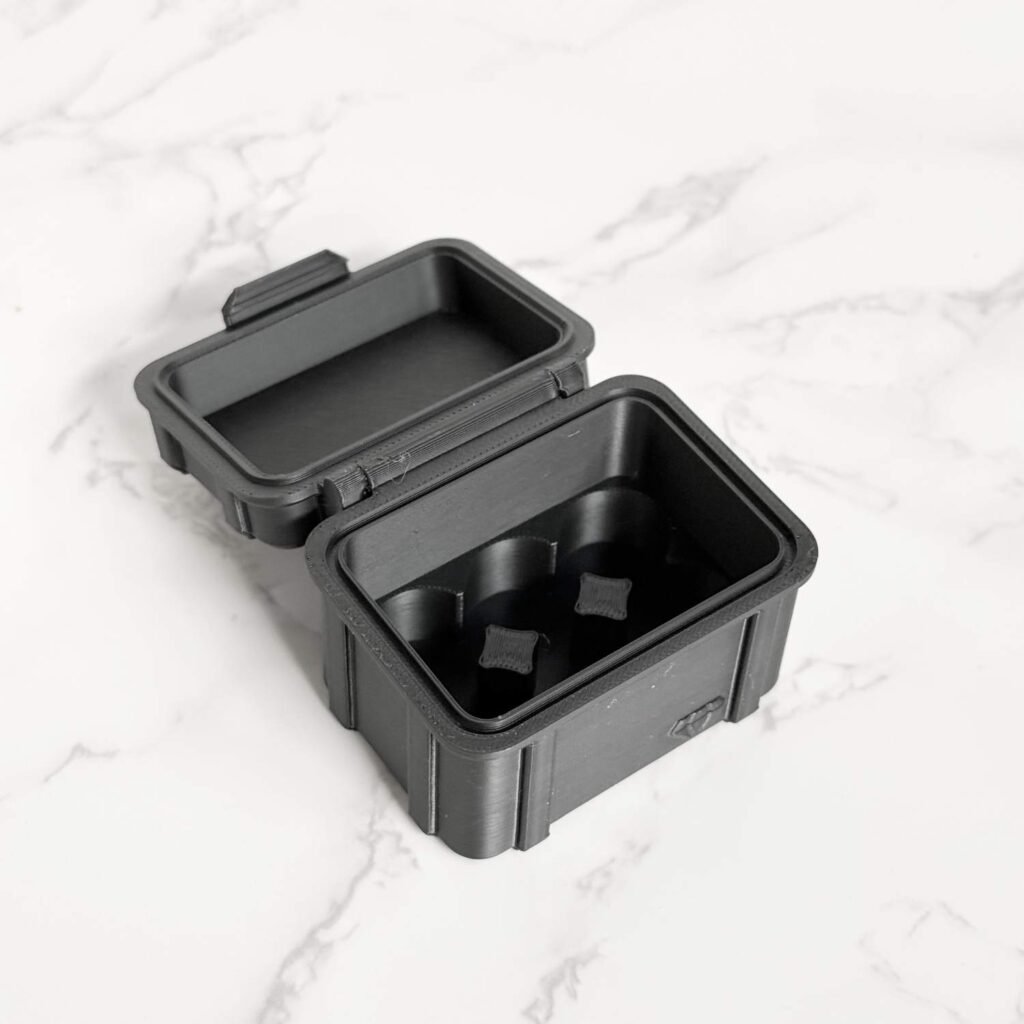
A compact solution for organizing and protecting your research materials.
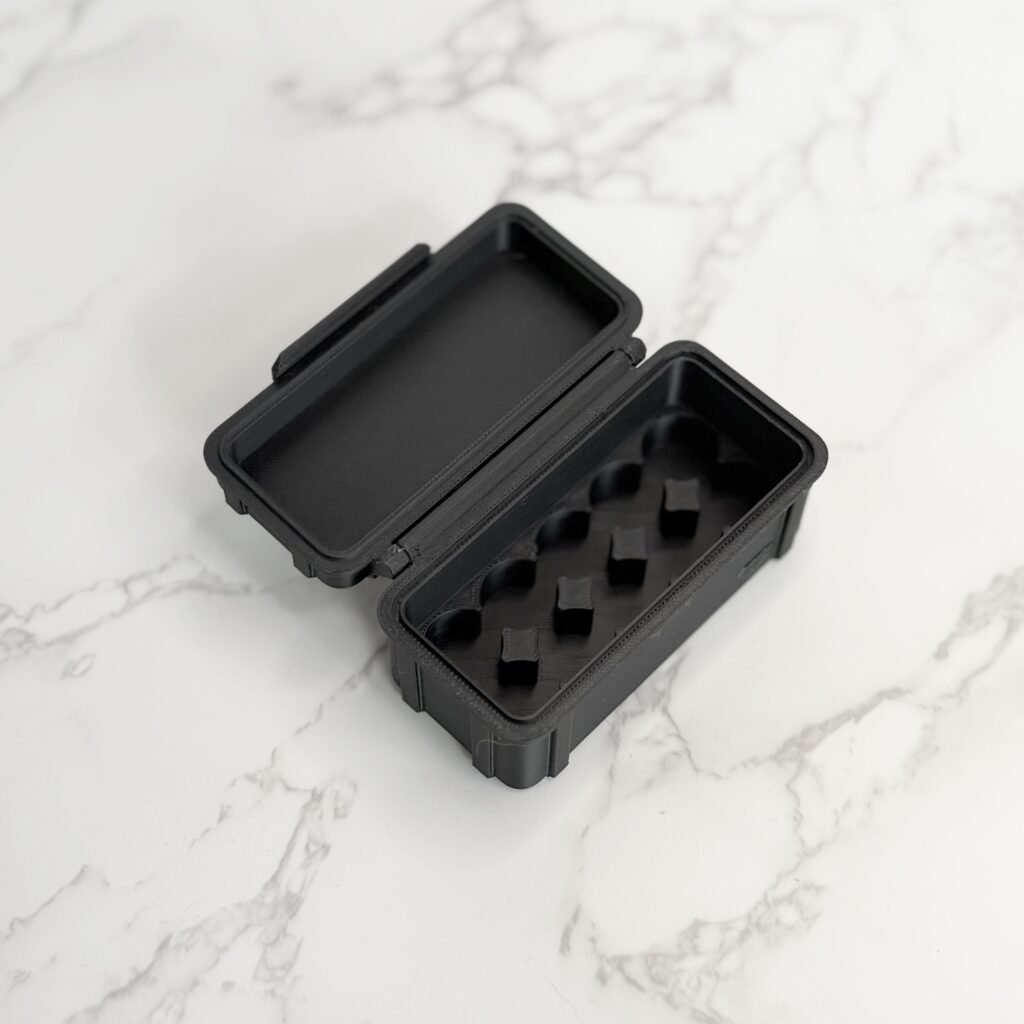
This hard shell peptide storage case is designed to securely hold up to 6 standard 3ml vials, with a precision-fit interior that keeps each vial stable and separated.
Smaller and more portable than our full-size case, this version is ideal for streamlined setups, travel, or keeping frequently used materials organized.
Key Features:
- Custom-fit layout: Holds 6 × 3ml vials
- Hard shell exterior: Durable, impact-resistant protection
- Secure closure: Keeps contents safely contained
- Precision interior insert: Reduces movement and vibration
- Compact & portable: Perfect for minimal setups or travel
Designed for clean organization and reliable protection in any research environment.
Important:
- For research use only. Not for human consumption.
- Vials not included
TB-500
TB-500 (TB500)
TB-500 (Thymosin Beta-4 Fragment) – 5mg or 10mg (Lyophilized Peptide) – For Research Use Only
TB-500 is a synthetic Thymosin Beta-4 fragment studied in preclinical models for its roles in actin-binding dynamics, cell migration, angiogenesis, and tissue repair signaling. Supplied as lyophilized powder at 99%+ HPLC verified purity. Batch-specific COA included. For in vitro research use only.

Anna –
Everything about the ordering process feels smooth and professional.
Nicholas –
Clean, organized packaging reflects high quality standards.
Heather –
Fair pricing combined with reliable product quality.
Karen –
Products are neatly packed and clearly organized.
Jason –
I’ve had multiple positive experiences with this seller.
Bill –
“Interesting read! I noticed your research focuses on Thymosin Alpha-1’s immune modulation properties. Have you come across any studies comparing its mechanisms to other immunomodulatory peptides like BPC-157? I recently read this analysis https://mindbodyneurology.com/bpc-157-and-kpv_peptides-for-mcas/ that explores BPC-157’s effects on mast cell activation, and was curious how these different peptides might complement each other in research settings. Would love to hear your thoughts on potential synergies or differences in their molecular pathways.”