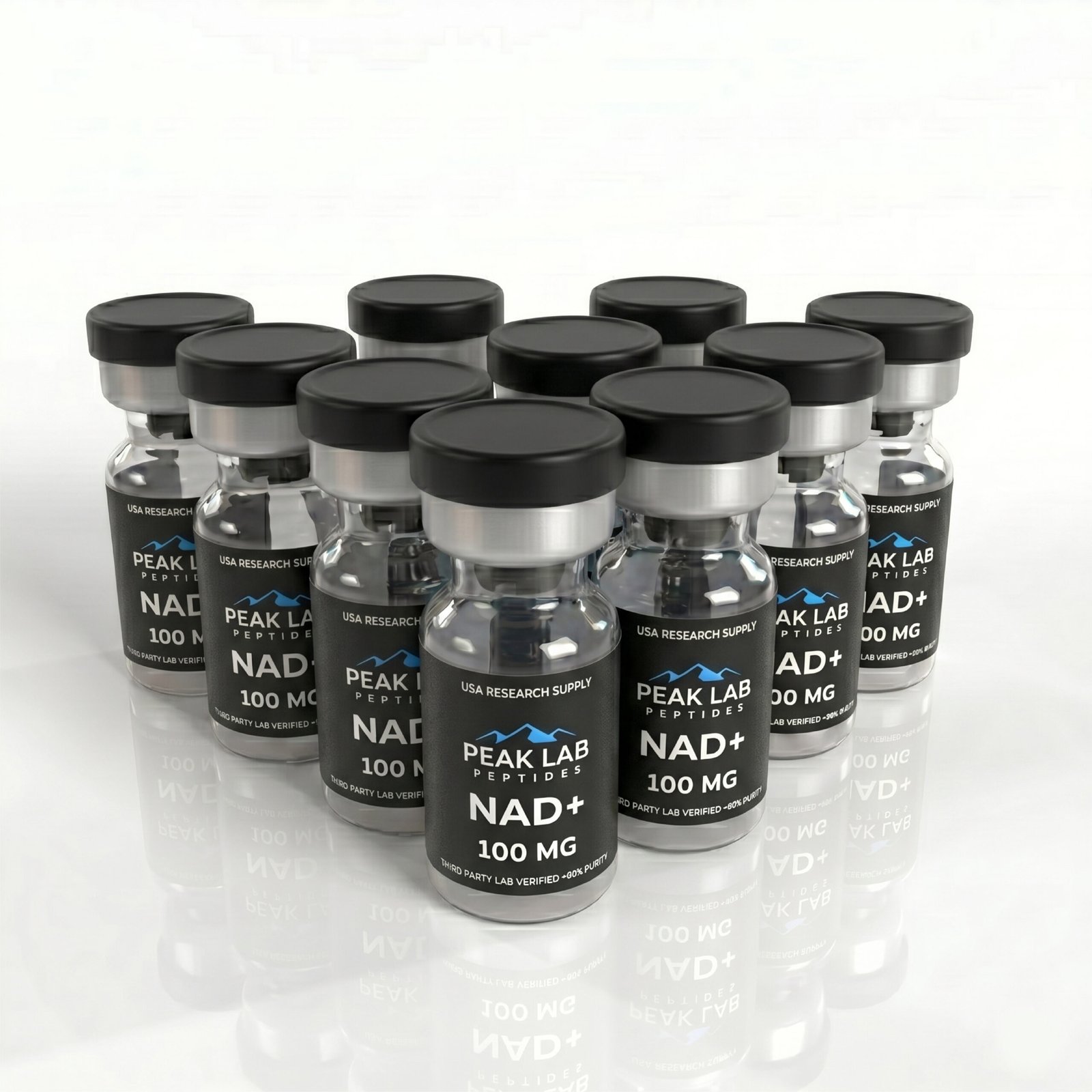
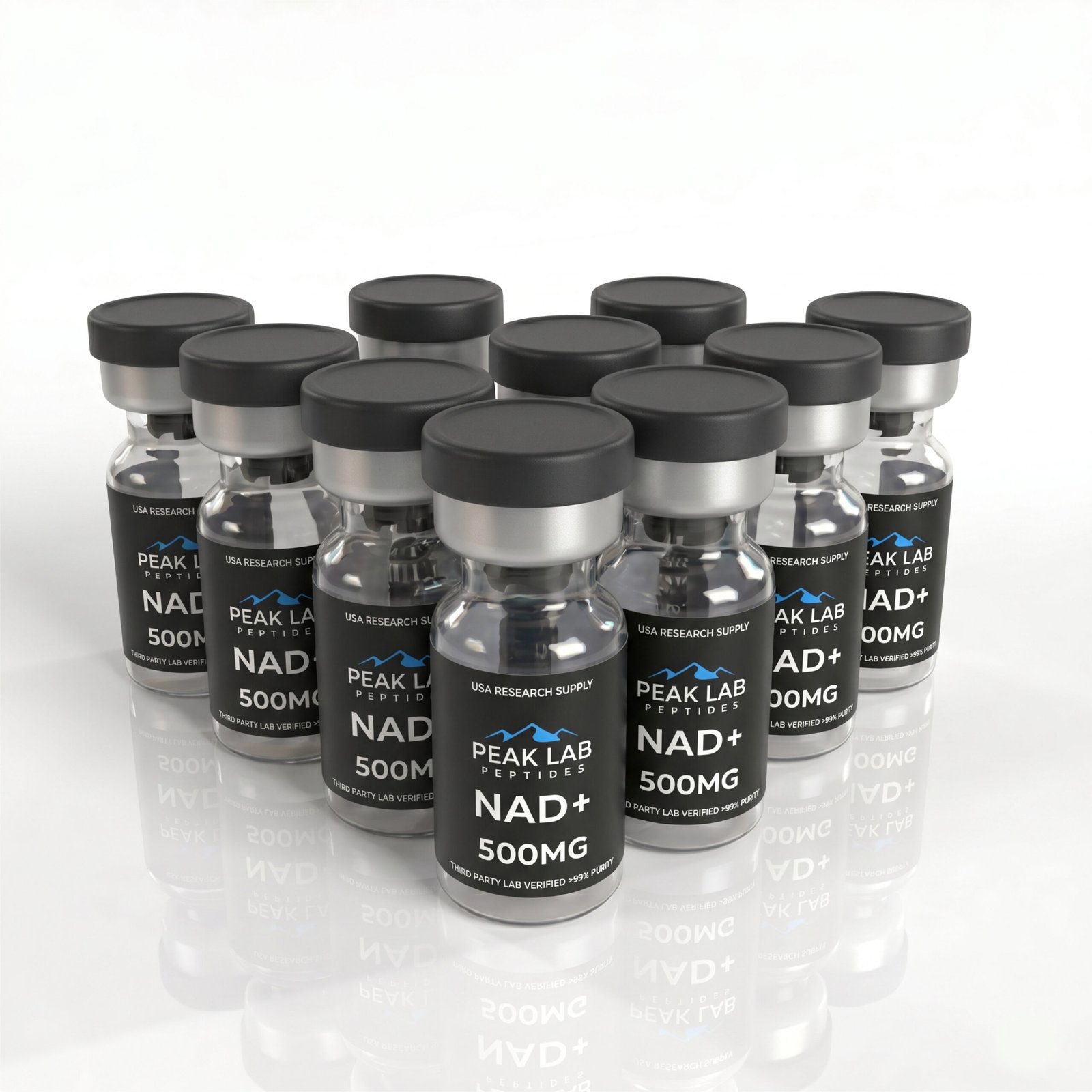
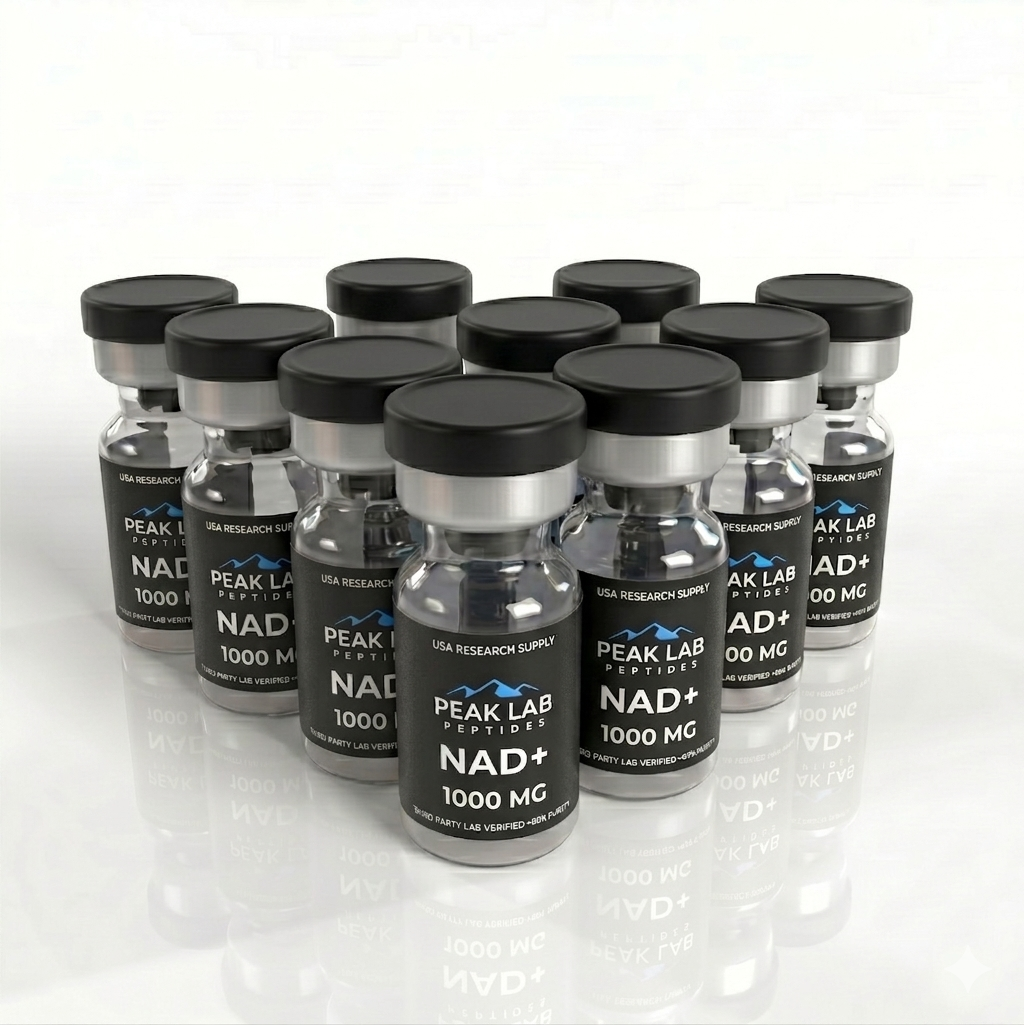
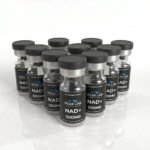
NAD+ 10-Vial Kit
$208.00 – $808.00Price range: $208.00 through $808.00
Become a Member and save 20% on Every Order.
Description
NAD+ 10 Vial Kit
NAD+ (Nicotinamide Adenine Dinucleotide) – 500mg (Lyophilized Powder) 10 Vial Kit – For Research Use Only
NAD+ is a naturally occurring coenzyme found in all living cells, studied for its fundamental role in cellular energy metabolism, mitochondrial function, and biochemical signaling pathways. Research models have explored its activity in sirtuin activation, DNA repair mechanisms, and oxidative stress response in controlled laboratory environments. Its role as a key coenzyme in redox reactions makes it a subject of significant interest in cellular biology and metabolic pathway research.
Product Details:
- Compound: NAD+ (Nicotinamide Adenine Dinucleotide)
- Purity: >99%
- Form: Lyophilized powder
- Quantity: 100mg, 500mg, or 1000mg per vial / 10 vials per kit
- Storage: Store at -4°F (-20°C). After reconstitution, refrigerate at 36–46°F (2–8°C) and use within 30 days.
- Grade: For research purposes only. Not for human consumption, therapeutic, or diagnostic use.
Potential Research Applications:
- Mitochondrial function and cellular energy metabolism studies
- Sirtuin pathway activation and NAD+ dependent enzyme research
- DNA repair mechanism and oxidative stress response models
- Redox signaling and cellular biochemistry investigations
For laboratory research only. This product is not intended to diagnose, treat, cure, or prevent any disease.
NAD+ 10 vial kit Peptide Details
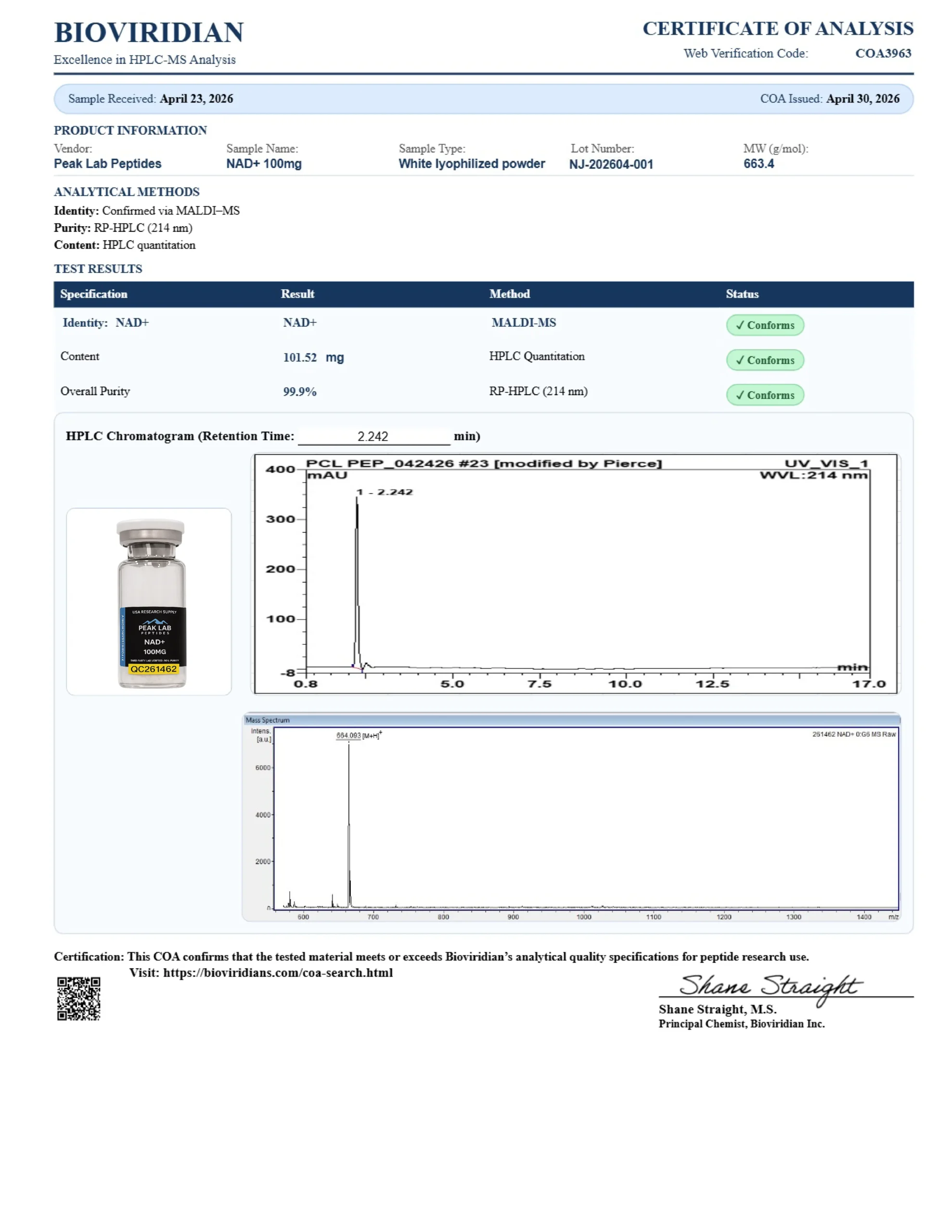
NAD+ 10 vial kit Certificate of Analysis
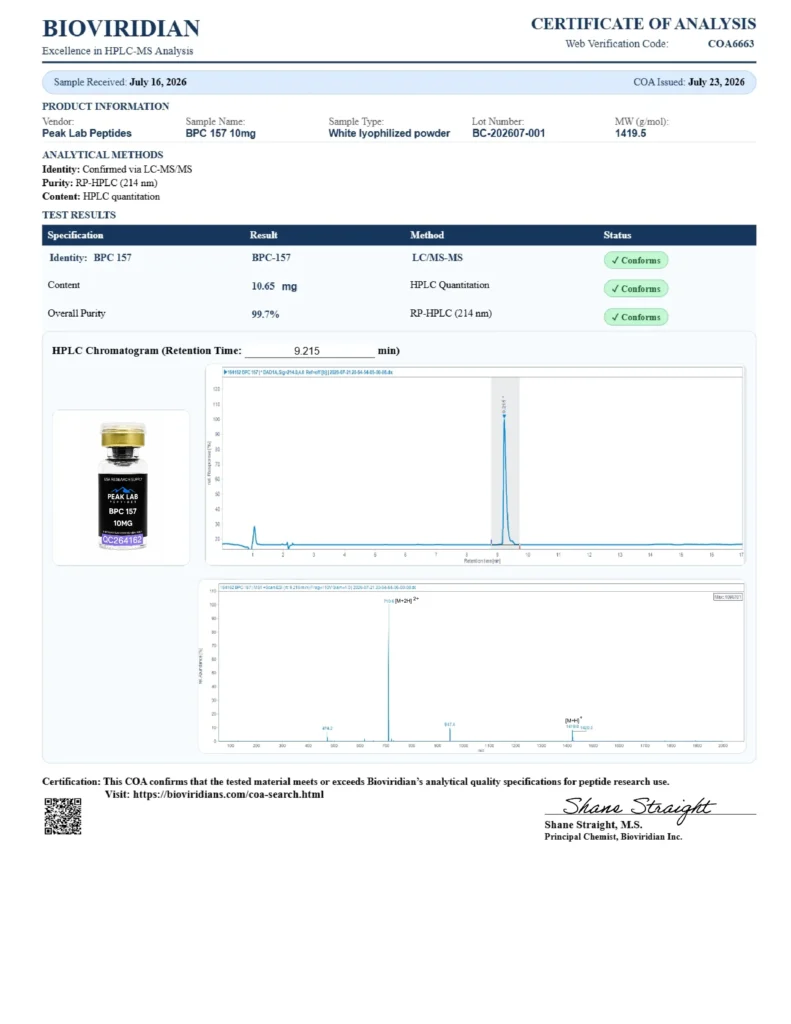
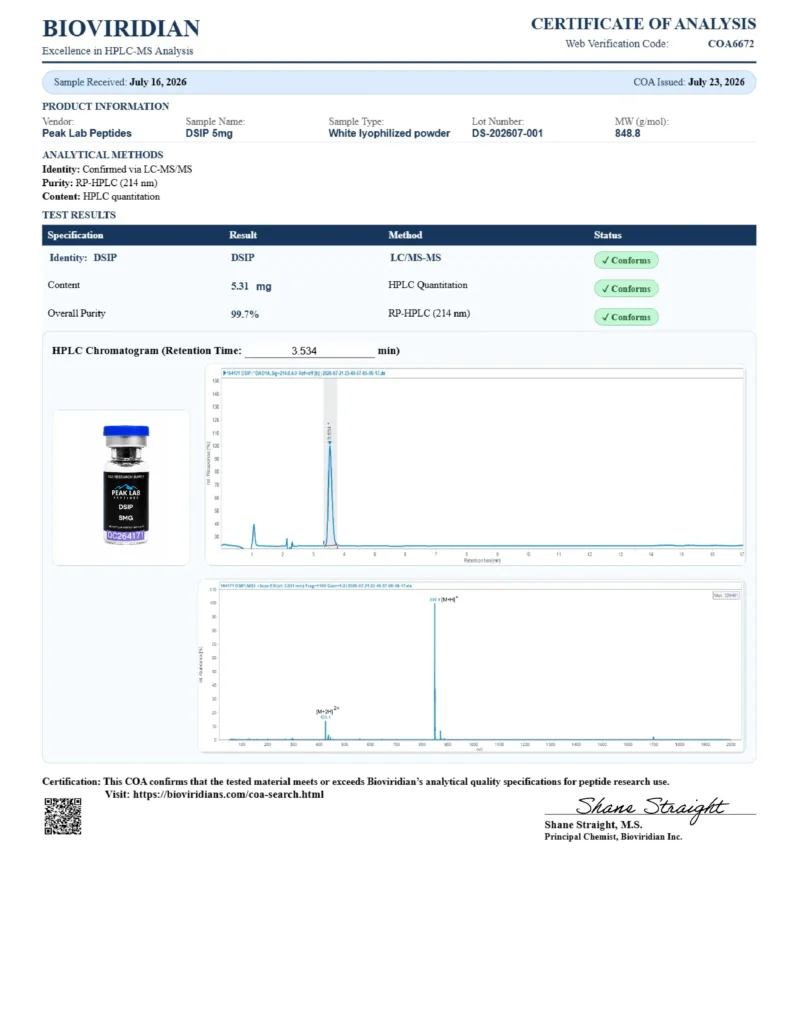
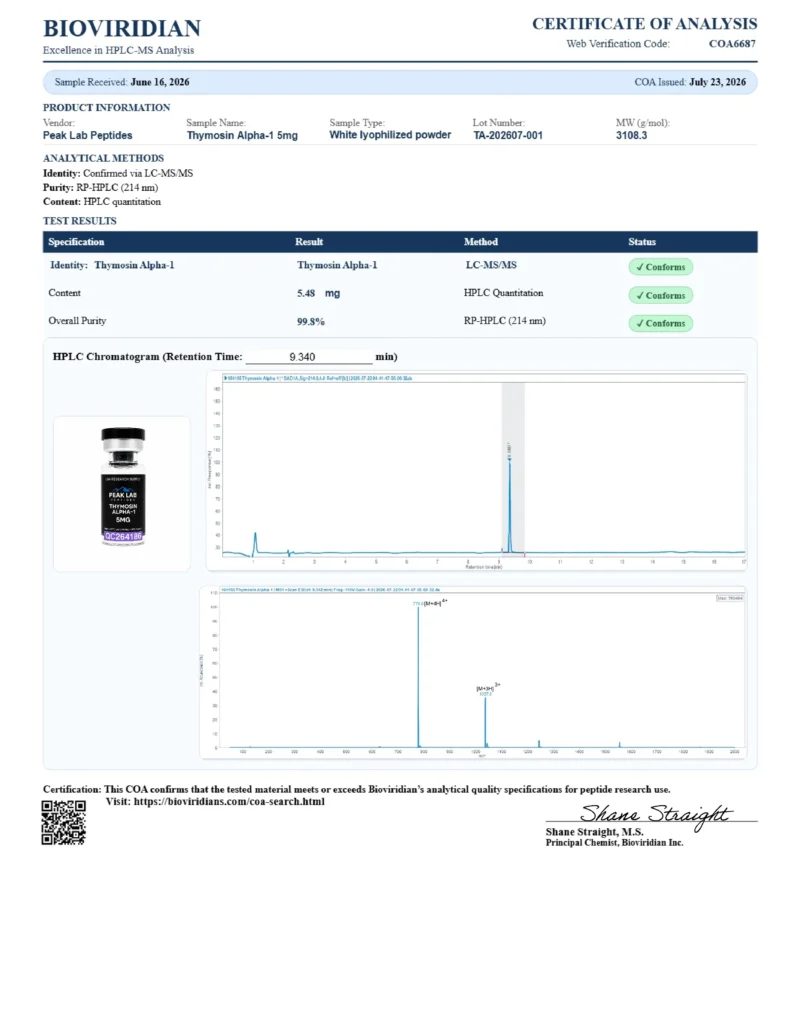
Third-party tested. Click image to view full-resolution certificate.
NAD+ 10 vial kit (Nicotinamide Adenine Dinucleotide) is an essential coenzyme used in laboratory research to explore redox metabolism, mitochondrial energy production, and cellular aging mechanisms. Functioning as a pivotal electron transporter, NAD⁺ cycles between its oxidized NAD+ 10 vial kit and reduced (NADH) states to facilitate key biochemical pathways such as oxidative phosphorylation and glycolysis.
In addition to its metabolic roles, NAD⁺ acts as a substrate for regulatory enzymes like sirtuins and PARPs (poly ADP-ribose polymerases), which are involved in DNA repair, epigenetic regulation, and cellular stress responses. These functions make NAD⁺ a central molecule in anti-aging, neuroprotection, and metabolic resilience research. All uses are limited to non-clinical, in-vitro or in-vivo animal models.
About NAD+ 10 vial kit Peptide
- Molecule Type: Pyridine nucleotide coenzyme
- Forms: NAD+ 10 vial kit⁺ (oxidized) and NADH (reduced)
- Primary Role: Redox electron transfer in cellular respiration
- Other Roles:
- DNA repair and genomic stability
- Epigenetic gene expression (via sirtuins)
- Immune signaling and oxidative stress modulation
- Research Use:
- Mitochondrial function assays
- Neurodegenerative model systems
- Metabolomics and transcriptomics profiling
- Aging and longevity investigations
- Note: Not for human consumption or clinical use. Supplied strictly for research purposes.
NAD+ 10 vial kit Peptide Scientific Research
1. Redox Biochemistry and Energy Metabolism
NAD+ 10 vial kit is central to mitochondrial energy production, acting as an electron acceptor in the citric acid cycle, glycolysis, and oxidative phosphorylation. Its ratio with NADH serves as a readout for metabolic balance and cellular redox status in experimental systems.
2. Sirtuin and PARP Enzyme Studies
As a required substrate, NAD+ 10 vial kit activates sirtuins (SIRT1–SIRT7) and PARP enzymes, key regulators of longevity, DNA repair, and apoptosis. Preclinical studies use NAD⁺ to quantify changes in gene expression, chromatin remodeling, and stress response markers.
3. Neurodegenerative and Anti-Aging Research
NAD+ 10 vial kit is commonly studied in aging models for its role in neuronal protection, mitochondrial maintenance, and NAD⁺-dependent signaling. Restoration of NAD⁺ levels is correlated with improved cognitive performance, mitochondrial biogenesis, and decreased cellular senescence in animal models.
4. Metabolomic and Transcriptomic Profiling
High-throughput omics studies utilize NAD+ 10 vial kit modulation to examine systemic changes in gene expression and metabolic pathways. This includes pathways associated with immune regulation, cellular repair mechanisms, and oxidative stress resilience.
NAD+ 10 vial kit Peptide FAQ
Q: What is NAD+ 10 vial kit used for in research?
A: NAD+ 10 vial kit is used to investigate cellular energy metabolism, mitochondrial function, DNA repair, and aging mechanisms in preclinical studies.
Q: Is NAD+ 10 vial kit the same as NADH?
A: No. NAD+ 10 vial kit is the oxidized form, while NADH is the reduced form. Both are involved in redox reactions that power energy metabolism.
Q: Why is NAD+ 10 vial kit important in anti-aging research?
A: NAD+ 10 vial kit activates enzymes like sirtuins and PARPs that regulate DNA integrity, gene expression, and stress responses, which are critical for longevity studies.
Q: Can NAD+ 10 vial kit be used in humans?
A: No. This product is strictly for research use in in-vitro or in-vivo experimental models and is not approved for human or clinical applications.
Q: What systems is NAD+ 10 vial kit commonly studied in?
A: NAD+ 10 vial kit is frequently examined in neurodegeneration, muscle metabolism, mitochondrial signaling, and metabolic syndrome models.
erimental design.
Storage & Handling
All peptides are supplied as sterile, lyophilized powder and are stable when handled correctly.- On arrival: Store vials in a cool, dry place away from heat and direct sunlight.
- Long-term (powder): For optimal longevity, keep lyophilized peptides refrigerated to help maintain integrity.
- After reconstitution: Use an appropriate research diluent (for example, BAC water). Store the reconstituted solution in the refrigerator and use within 20–30 days for best stability.
Note: Minimize exposure to moisture and repeated freeze–thaw cycles. Follow your institution's safety procedures when handling research materials.
Storage & Handling
All peptides are supplied as sterile, lyophilized powder and are stable when handled correctly.
- On arrival: Store vials in a cool, dry place away from heat and direct sunlight.
- Long-term (powder): For optimal longevity, keep lyophilized peptides refrigerated to help maintain integrity.
- After reconstitution: Use an appropriate research diluent (for example, BAC water). Store the reconstituted solution in the refrigerator and use within 20–30 days for best stability.
Note: Minimize exposure to moisture and repeated freeze–thaw cycles. Follow your institution's safety procedures when handling research materials.
Peak Lab Peptides maintains quality-control processes and routinely performs third-party testing to support purity and identity verification. COAs are available upon request for applicable batches. Documentation may vary depending on production timelines.
We aim to make batch-level documentation available whenever possible. Our goal is to expand COA access across the full catalog as production capacity grows.
All products are for laboratory research use only and are not intended for human consumption.
Related Products
ACE-031
BPC-157, TB-500 – “Wolverine Stack”
BPC-157 and TB-500
BPC-157 + TB-500 – 10mg (Lyophilized Peptide Blend) – For Research Use Only
This advanced research peptide blend combines BPC-157 and TB-500 (Thymosin Beta-4 Fragment) — two well-studied peptides known for their potential in tissue repair, inflammation control, and accelerated recovery.
-
BPC-157 is a synthetic peptide derived from a gastric protein, studied for its possible role in gut health, tendon and ligament repair, and inflammation modulation.
-
TB-500 is a synthetic fragment of Thymosin Beta-4, researched for its potential to promote cell migration, angiogenesis, and muscle recovery.
Together, this combination is highly sought after in research models involving injury recovery, soft tissue repair, and anti-inflammatory studies.
Product Details:
-
Peptides: BPC-157 + TB-500 (5mg each unless otherwise specified)
-
Purity: >98%
-
Form: Lyophilized powder
-
Quantity: 10mg per vial
-
Storage: Store at -4°F (-20°C). After reconstitution, refrigerate at 36–46°F (2–8°C) and use within 30 days.
-
Grade: For research purposes only. Not for human consumption, therapeutic, or diagnostic use.
Potential Research Applications:
-
Injury recovery and soft tissue repair studies
-
Tendon, ligament, and muscle healing models
-
Anti-inflammatory and immune modulation research
-
Angiogenesis and cellular regeneration investigations
For laboratory research only. This product is not intended to diagnose, treat, cure, or prevent any disease.
GHK-Cu 10-Vial Kit
GLOW Blend 10-Vial Kit (GHK-Cu 50mg, BPC-157 10mg, TB-500 10mg)
IGF-1 LR3 10-Vial Kit
IGF-1 LR3 10 Vial Kit
IGF-1 LR3 (Long Arg3 Insulin-Like Growth Factor-1) – 1mg (Lyophilized Peptide) 10 Vial Kit – For Research Use Only
IGF-1 LR3 is a synthetic analog of human Insulin-Like Growth Factor-1 (IGF-1), modified to extend its half-life in vitro through substitution of arginine at position 3 and removal of the first three amino acids of the native IGF-1 sequence. These modifications increase resistance to IGF-1 binding proteins, enhancing stability and prolonged activity in controlled research environments. Research has explored its role in cellular growth signaling, differentiation pathways, and IGF-1 receptor interaction mechanisms in laboratory models.
Product Details:
- Peptide: IGF-1 LR3 (Long Arg3 Insulin-Like Growth Factor-1)
- Sequence: 83 amino acids
- Purity: ≥99% (HPLC verified)
- Form: Lyophilized powder
- Quantity: 1mg per vial / 10 vials per kit
- Storage: Store lyophilized peptide at -4°F (-20°C). Once reconstituted, refrigerate at 36–46°F (2–8°C) and use within 30 days.
- Grade: For laboratory research use only. Not for human use, consumption, or therapeutic applications.
Potential Research Applications:
- IGF-1 receptor binding affinity and cellular signaling studies
- Cellular growth and differentiation pathway research
- Binding protein resistance and in vitro stability mechanism models
- Growth factor analog activity and structure-function investigations
For laboratory research only. This product is not intended to diagnose, treat, cure, or prevent any disease.
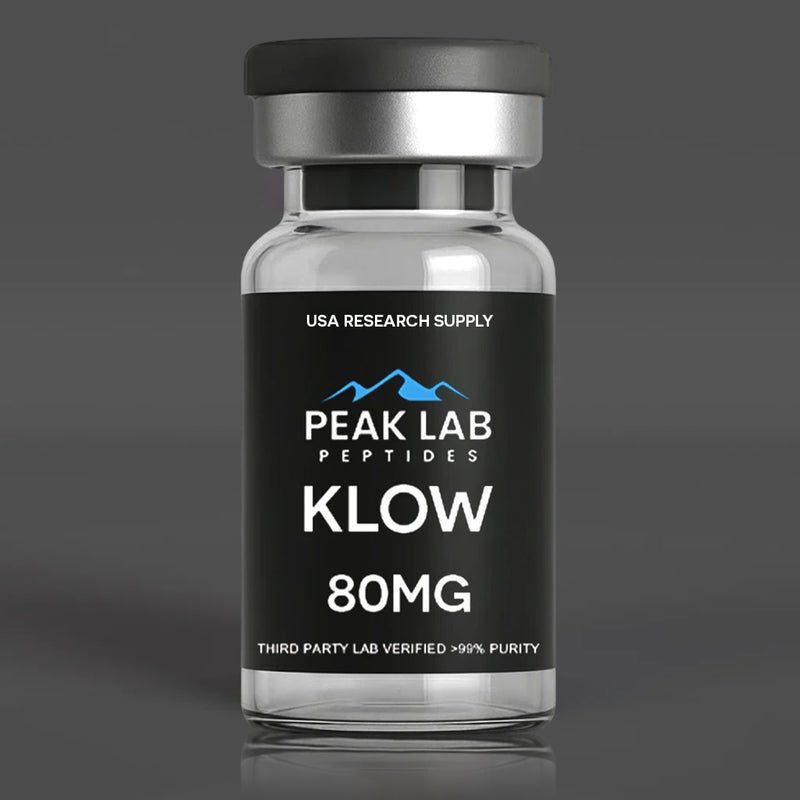
KLOW Blend 10-Vial Kit (GHK-Cu, TB-500, BPC-157, KPV)
KLOW Blend 10 Vial Kit
KLOW – 80mg Peptide Blend (Lyophilized Powder) 10 Vial Kit – For Research Use Only GHK-Cu • TB-500 • BPC-157 • KPV
KLOW is an advanced 4-in-1 research peptide blend combining 80mg of regenerative and anti-inflammatory compounds studied for their potential in tissue repair signaling, immune modulation, and cellular recovery mechanisms in controlled laboratory environments. Each component contributes a distinct and complementary mechanism of action, making KLOW a subject of interest in multi-pathway research models.
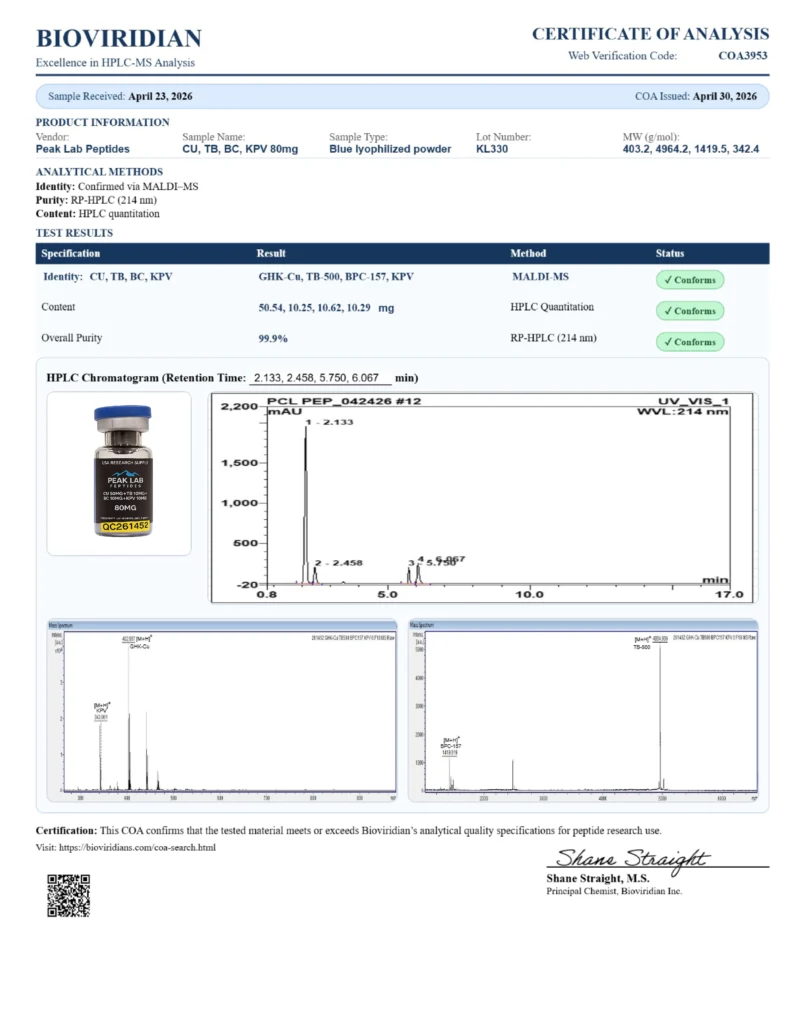
Active Ingredients (Per Vial):
GHK-Cu – 50mg A copper-binding tripeptide studied for its role in collagen synthesis, cellular regeneration signaling, and extracellular matrix remodeling in laboratory research models.
TB-500 – 10mg A synthetic fragment of Thymosin Beta-4 studied for its interaction with G-actin sequestration, angiogenesis pathway activity, and cell migration mechanisms in preclinical research.
BPC-157 – 10mg A synthetic pentadecapeptide derived from a gastric protein, studied for its role in tissue repair signaling, NO system modulation, and VEGF pathway activity in controlled research environments.
KPV – 10mg A naturally occurring tripeptide fragment studied for its role in inflammatory signaling pathway modulation and immune regulation mechanisms across multiple tissue types.
Product Details:
- Total Peptide Content: 80mg per vial
- Form: Lyophilized powder
- Purity: >99%
- Quantity: 10 vials per kit
- Storage: Store at -4°F (-20°C). After reconstitution, refrigerate at 36–46°F (2–8°C) and use within 30 days.
- Grade: For research purposes only. Not for human consumption, therapeutic, or diagnostic use.
Potential Research Applications:
- Multi-peptide synergy and complementary pathway mechanism studies
- Cellular regeneration signaling and extracellular matrix research
- Inflammatory pathway modulation and immune regulation models
- Angiogenesis, cell migration, and tissue repair signaling investigations
For laboratory research only. This product is not intended to diagnose, treat, cure, or prevent any disease.
MOTS-c 10-Vial Kit
MOTS-c 10 vial kit
MOTS-c – 10mg or 40mg (Lyophilized Peptide) 10 vial kit – For Research Use Only
MOTS-c 10 vial kit is a mitochondrial-derived peptide (MDP) encoded by the mitochondrial genome, widely studied for its potential role in metabolic regulation, energy homeostasis, and cellular protection. Research has focused on its ability to influence glucose metabolism, insulin sensitivity, and mitochondrial function, making it a key subject in studies on metabolic health and aging.
MOTS-c 10 vial kit is of special interest in research exploring exercise mimetic effects, fat metabolism, and metabolic syndrome models.
Product Details:
-
Peptide: MOTS-c 10 vial kit (Mitochondrial Open Reading Frame of the 12S rRNA-c)
-
Purity: >99%
-
Form: Lyophilized powder
-
Quantity: 10mg or 40mg per vial
-
Storage: Store at -4°F (-20°C). After reconstitution, refrigerate at 36–46°F (2–8°C) and use within 30 days.
-
Grade: For research purposes only. Not for human consumption or therapeutic applications.
Potential Research Applications:
-
Glucose metabolism and insulin sensitivity studies
-
Mitochondrial function and energy regulation research
-
Aging, longevity, and metabolic health models
-
Exercise mimetic and fat metabolism investigations
For laboratory research use only. This product is not intended to diagnose, treat, cure, or prevent any disease.
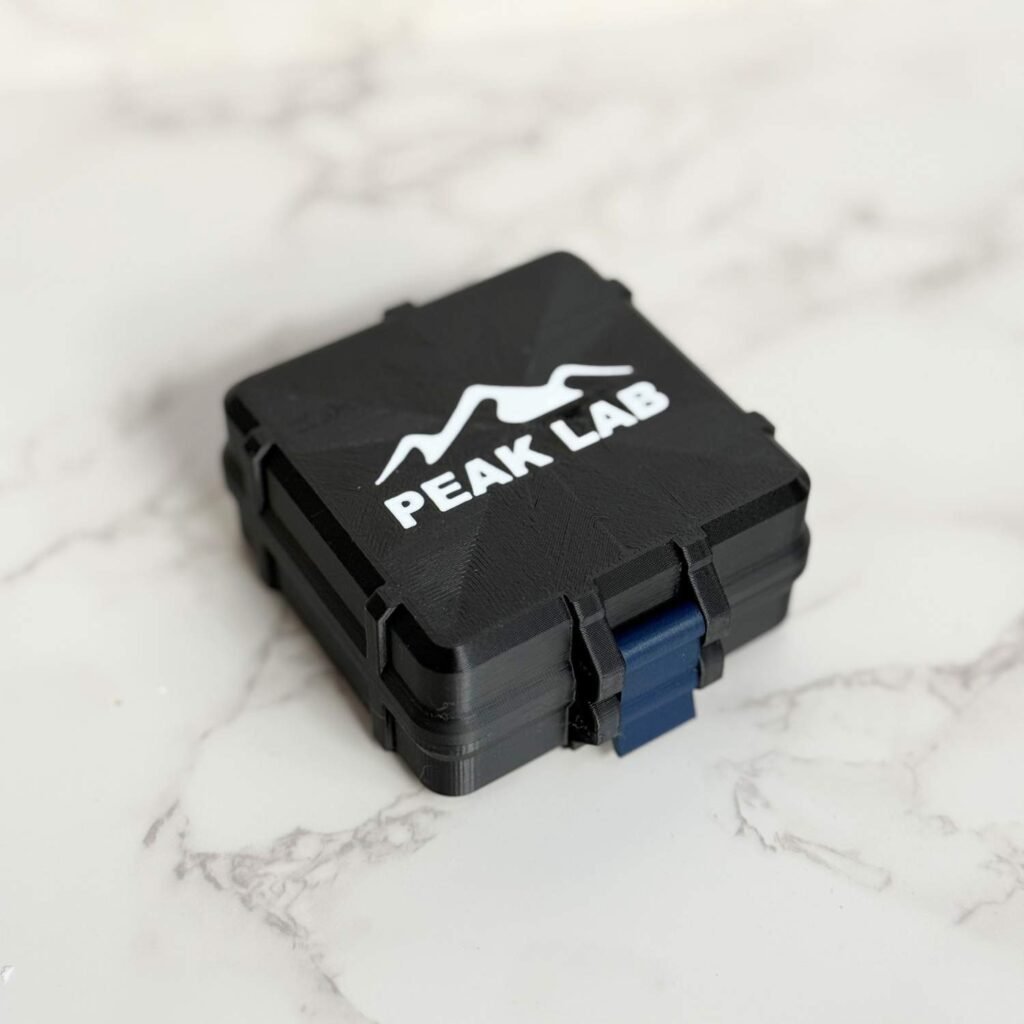
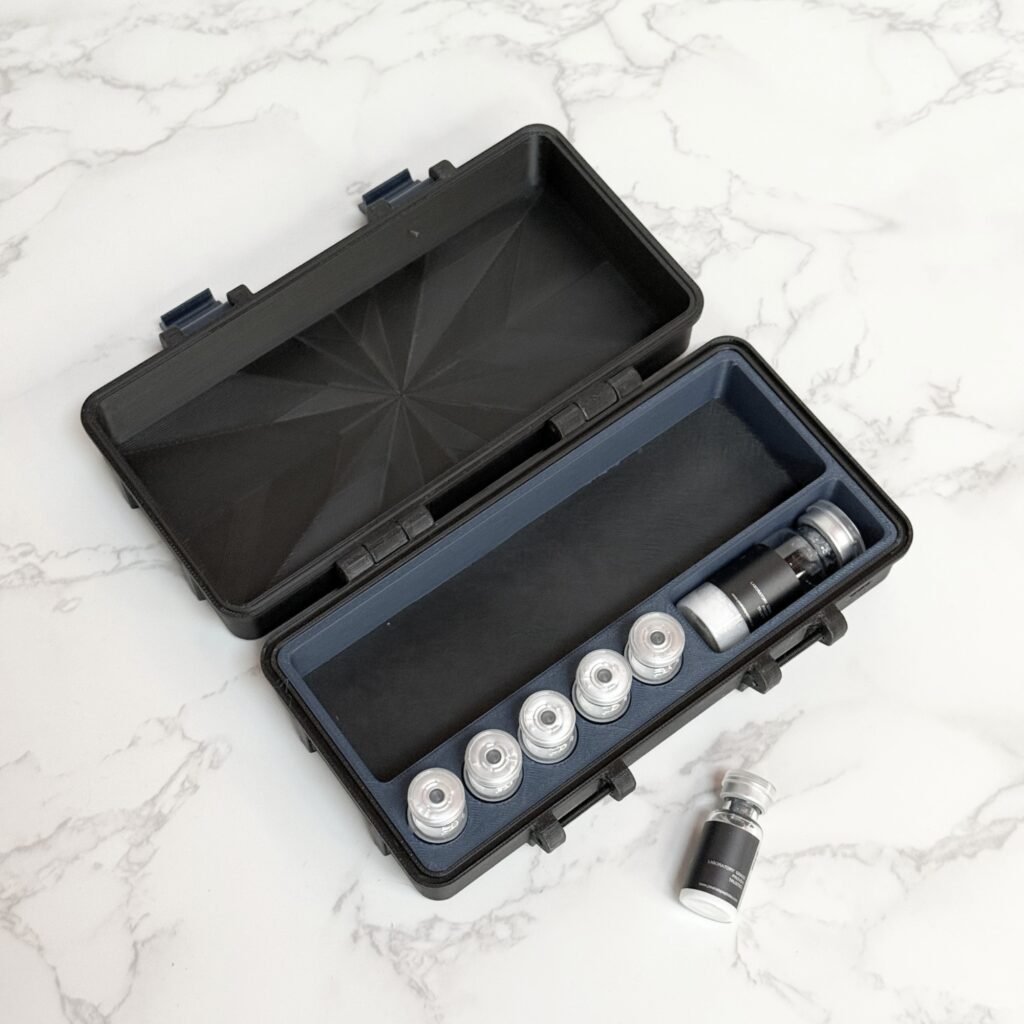
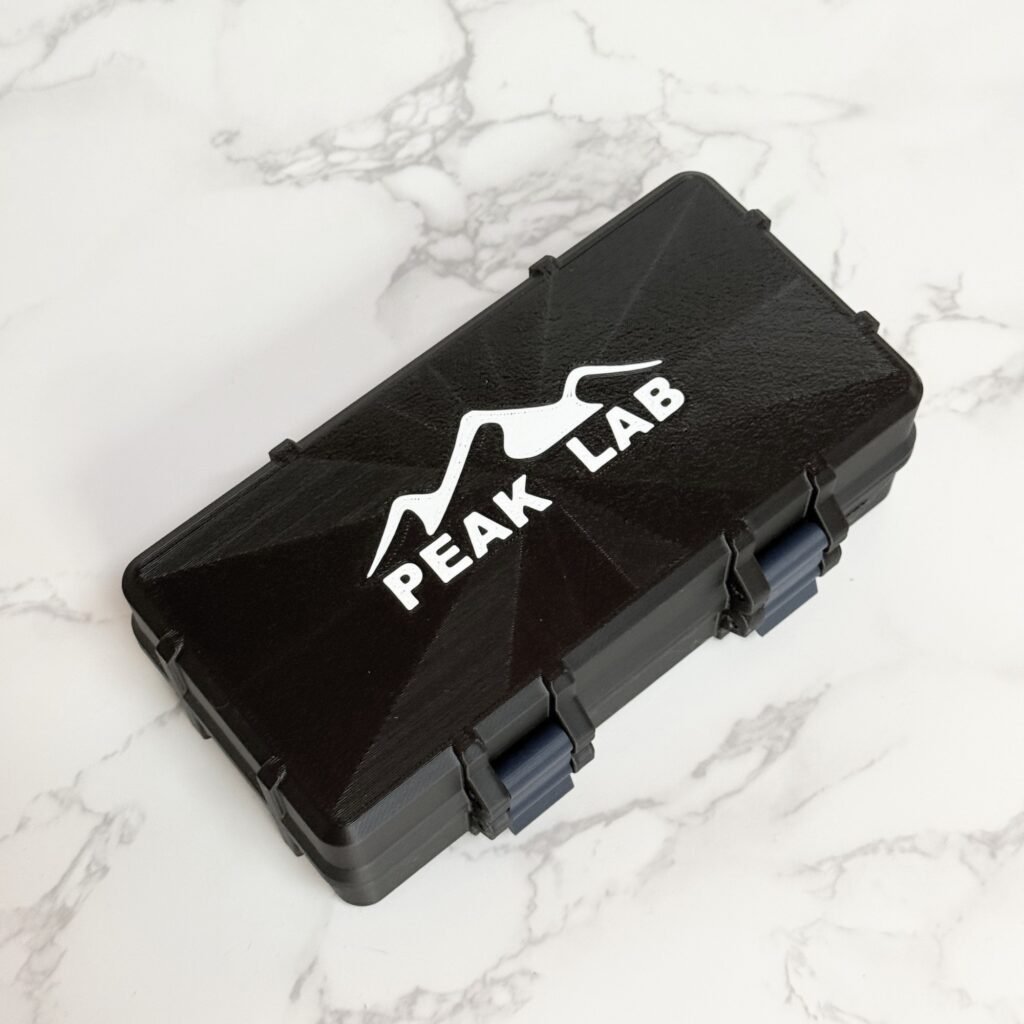
Peptide Storage Case (3ml x 8, 10ml x 1) — Hard Shell Protective Organizer
Keep your research materials organized, protected, and ready for use.
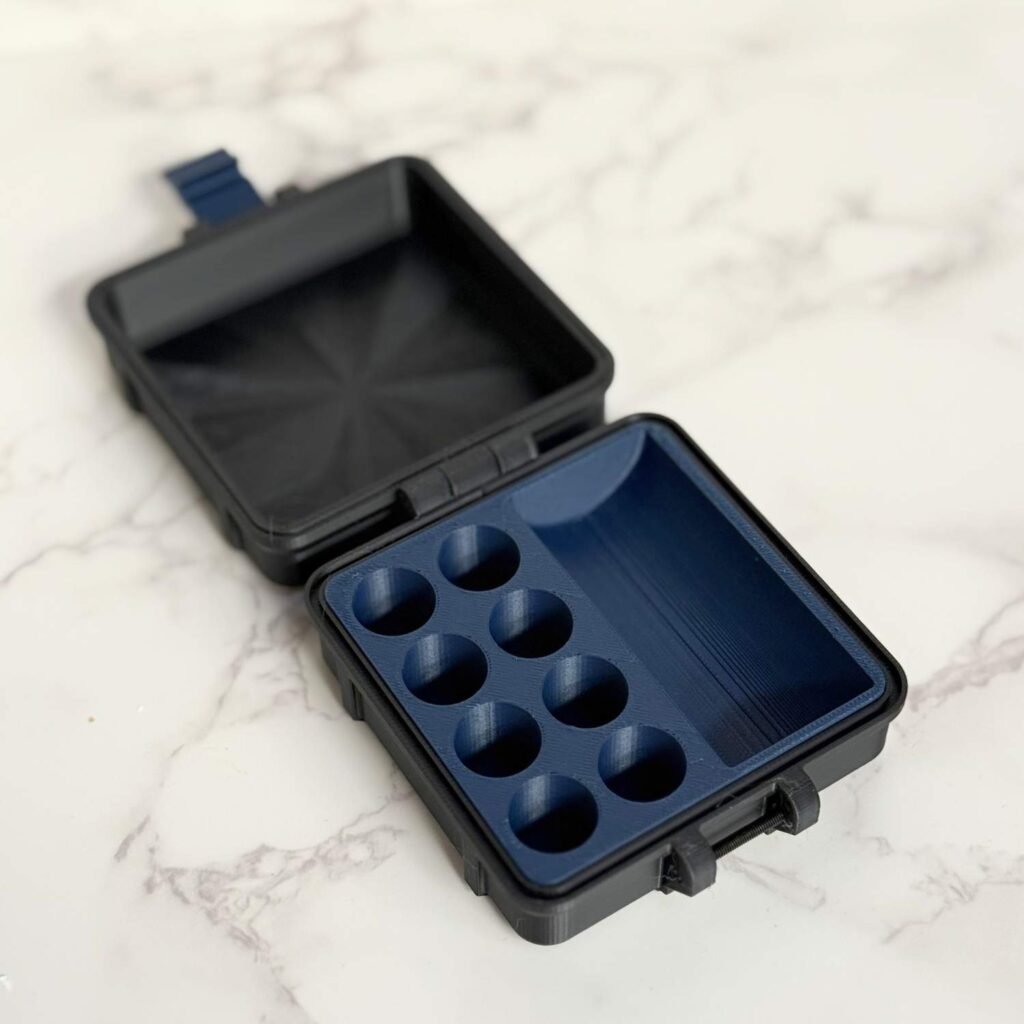
This hard shell peptide storage case is designed to securely hold up to 8 standard 3ml vials and 1 larger 10ml vial, with a precision-fit interior that keeps everything in place during transport or storage.
The compact, durable design makes it ideal for both at-home organization and on-the-go use, while the structured interior prevents movement, tipping, or contact between vials.
Key Features:
- Custom-fit layout: Holds 8 × 3ml vials + 1 × 10ml vial
- Hard shell exterior: Durable, impact-resistant protection
- Secure closure: Keeps contents safely contained
- Precision interior insert: Minimizes movement and vibration
- Compact & travel-friendly: Easy to store or carry
Built for reliability and clean organization, this case helps maintain a professional and efficient research setup.
Important:
- For research use only. Not for human consumption.
- Vials not included
TB-500
TB-500 (TB500)
TB-500 (Thymosin Beta-4 Fragment) – 5mg or 10mg (Lyophilized Peptide) – For Research Use Only
TB-500 is a synthetic Thymosin Beta-4 fragment studied in preclinical models for its roles in actin-binding dynamics, cell migration, angiogenesis, and tissue repair signaling. Supplied as lyophilized powder at 99%+ HPLC verified purity. Batch-specific COA included. For in vitro research use only.
Thymosin Alpha-1
Thymosin Alpha-1 (Tα1)
Thymosin Alpha-1 – Research Use Only
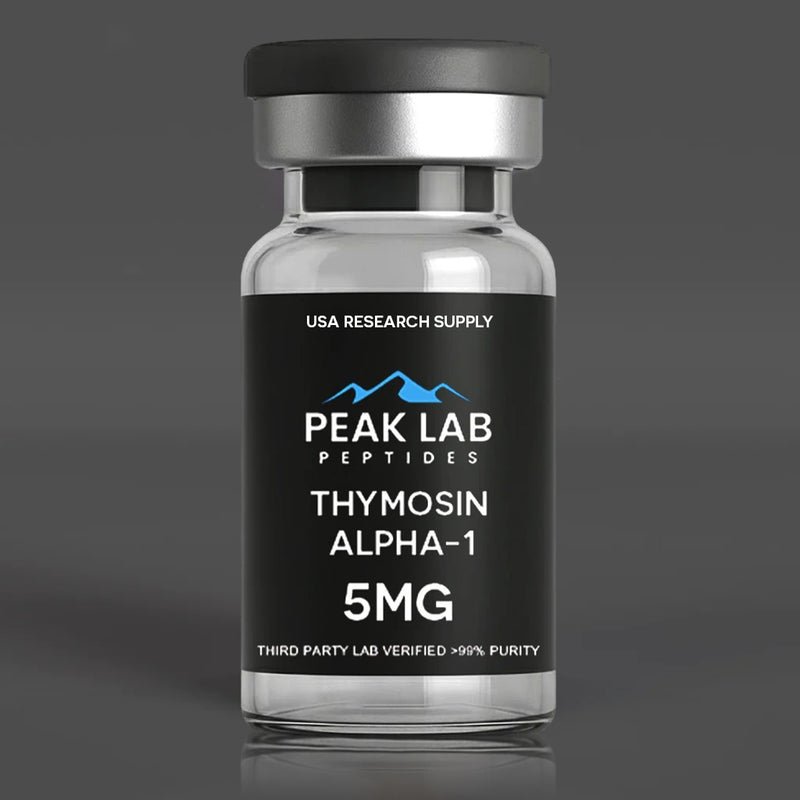
Thymosin Alpha-1 – 5mg (Lyophilized Peptide) – For Research Use Only
Thymosin Alpha-1 (Ta1) is a naturally occurring peptide fragment derived from prothymosin alpha, studied for its potential role in immune modulation, inflammation control, and cellular defense mechanisms. It has been of particular interest in research models exploring immune response enhancement, antiviral activity, and immune regulation.
Thymosin Alpha-1 is often studied in relation to immune system support, chronic infection models, and immune deficiency research.
Product Details:
-
Peptide: Thymosin Alpha-1
-
Purity: >98%
-
Form: Lyophilized powder
-
Quantity: 5mg per vial
-
Storage: Store at -4°F (-20°C). After reconstitution, refrigerate at 36–46°F (2–8°C) and use within 30 days.
-
Grade: For research purposes only. Not for human consumption or therapeutic use.
Potential Research Applications:
-
Immune modulation and enhancement studies
-
Chronic infection and antiviral research models
-
Inflammatory response and cytokine regulation studies
-
Immune deficiency and autoimmune condition research