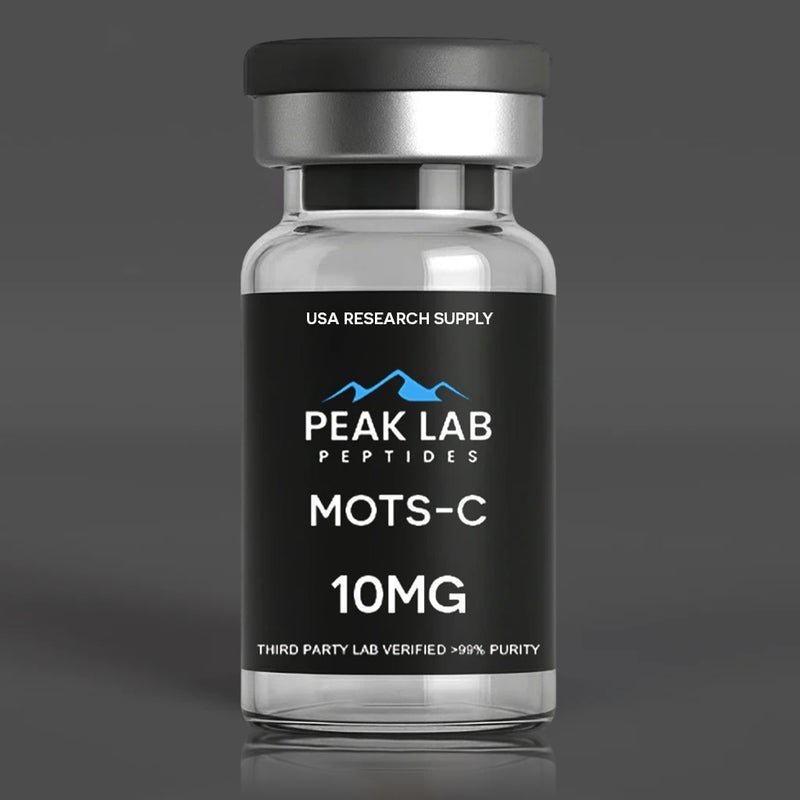
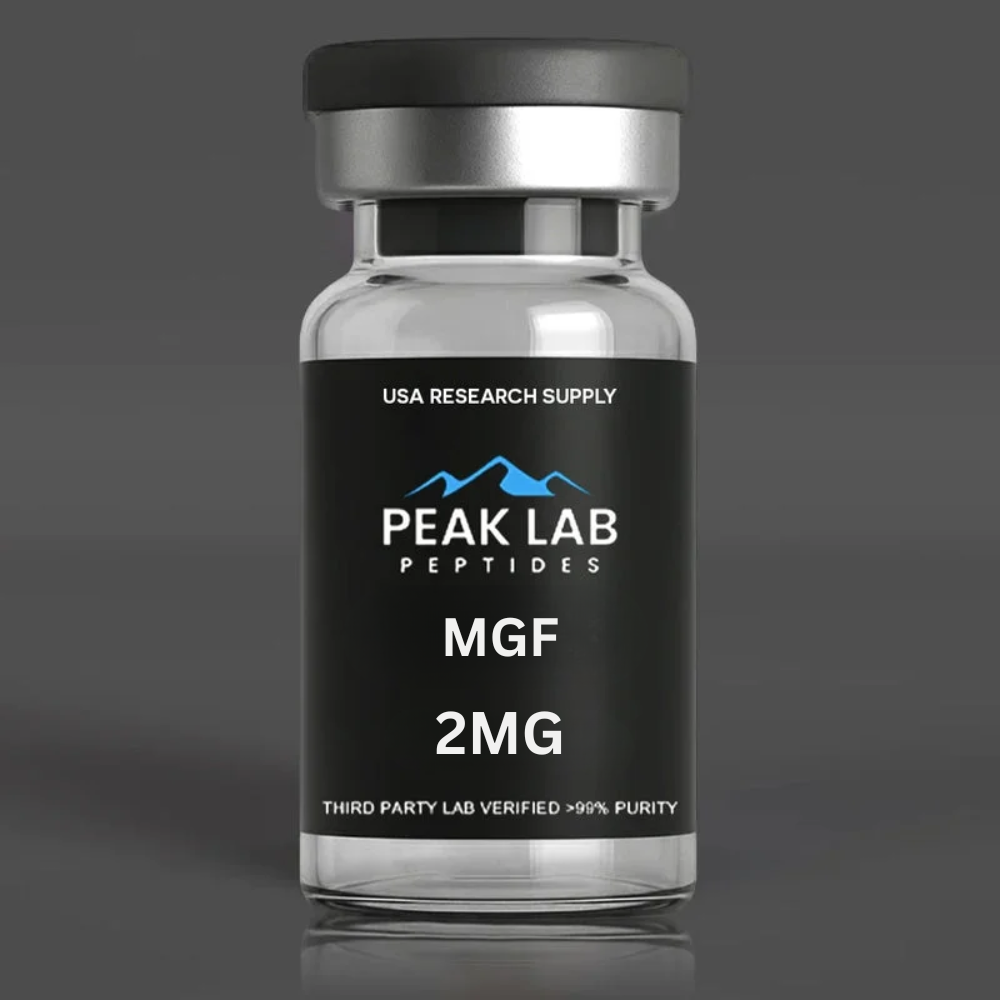
MGF
$32.00 Original price was: $32.00.$26.00Current price is: $26.00.
In stock
Become a Member and save 20% on Every Order.
Description
MGF (Mechano Growth Factor), also known as IGF-1Ec, is a splice variant of insulin-like growth factor-1 (IGF-1) identified in experimental research as a locally acting peptide associated with mechanical stress–responsive signaling in skeletal muscle tissue. In laboratory research settings, MGF is studied as a molecular mediator involved in muscle adaptation, cellular signaling, and tissue remodeling processes.
Unlike systemic IGF-1 isoforms, MGF is characterized by a unique E-domain sequence resulting from alternative splicing of the IGF-1 gene. This structural distinction has made MGF a subject of interest in studies examining localized growth factor signaling, satellite cell activation mechanisms, and mechanotransduction-associated pathways in controlled experimental models.
MGF is supplied exclusively for scientific and laboratory research use. It is not intended for human or veterinary consumption, clinical investigation, diagnostic use, or therapeutic application.
Chemical Identity & Classification
- IGF-1 splice variant (IGF-1Ec)
- Synthetic research peptide analogue
- Growth factor–related signaling research compound
Why Researchers Study MGF
- To investigate muscle-specific growth factor signaling
- To study satellite cell activation and myogenic signaling pathways
- To explore mechanotransduction and local tissue adaptation mechanisms
Key Research Systems & Pathways
- IGF-1 receptor–associated signaling (context-dependent)
- PI3K/Akt and MAPK/ERK pathways
- Satellite cell activation and differentiation signaling
- Mechanically induced gene expression and tissue remodeling pathways
MGF is synthesized under controlled laboratory conditions to ensure high purity, molecular accuracy, and reproducibility for preclinical research environments.
Mechanism of Action & Pathways
In experimental models, MGF is studied for its role in local growth factor signaling following mechanical stimuli, such as stretch or injury models in skeletal muscle research. Studies focus on how MGF influences cellular recruitment, satellite cell signaling, and early-phase tissue adaptation, often in contrast to systemic IGF-1 signaling dynamics.
Cellular & Molecular Research
MGF is commonly utilized in laboratory studies examining:
- Satellite cell activation and myogenic signaling
- Local growth factor–mediated intracellular pathways
- Comparative signaling between IGF-1 isoforms
All investigations are conducted in controlled in vitro or biochemical assay environments.
Muscle & Mechanotransduction Research
Research applications may include:
- Skeletal muscle adaptation models
- Mechanotransduction and load-responsive signaling studies
- Tissue remodeling and regeneration-associated pathway analysis
These investigations remain exploratory and mechanistic, without therapeutic interpretation.
Experimental Models
- In vitro myocyte and satellite cell assays
- Ex vivo muscle tissue studies
- Non-clinical in vivo preclinical research models
All use is strictly limited to laboratory research contexts.
What is MGF used for in research?
MGF is used in laboratory research to study muscle-specific growth factor signaling, satellite cell activation, and mechanotransduction-related pathways.
How is MGF different from standard IGF-1?
MGF is an IGF-1 splice variant with a unique E-domain, resulting in different localization and signaling behavior in experimental systems.
Which pathways are commonly studied with MGF?
Research commonly focuses on IGF-1–related signaling, PI3K/Akt and MAPK pathways, and satellite cell–associated mechanisms.
Is MGF approved for human or clinical use?
No. MGF is strictly for research use only and is not intended for human consumption, veterinary use, or clinical application.
How should MGF be stored and handled?
MGF should be stored and handled according to standard laboratory peptide storage and handling practices to maintain stability and integrity.
Storage & Handling
All peptides are supplied as sterile, lyophilized powder and are stable when handled correctly.
- On arrival: Store vials in a cool, dry place away from heat and direct sunlight.
- Long-term (powder): For optimal longevity, keep lyophilized peptides refrigerated to help maintain integrity.
- After reconstitution: Use an appropriate research diluent (for example, BAC water). Store the reconstituted solution in the refrigerator and use within 20–30 days for best stability.
Note: Minimize exposure to moisture and repeated freeze–thaw cycles. Follow your institution's safety procedures when handling research materials.
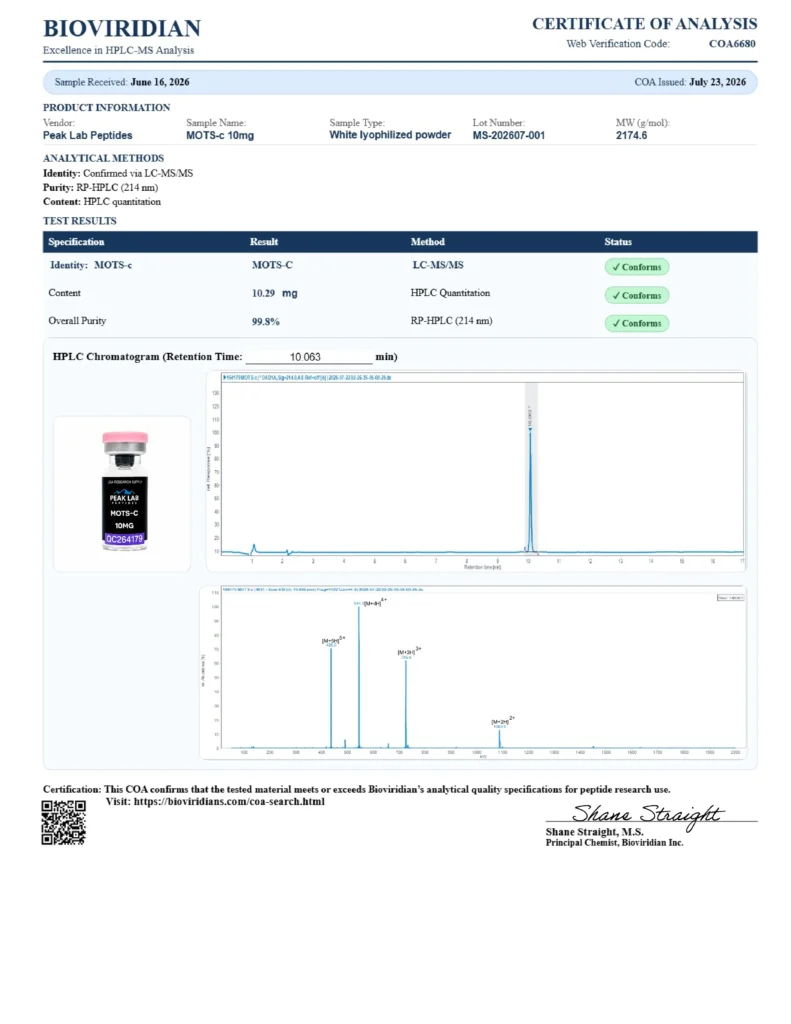
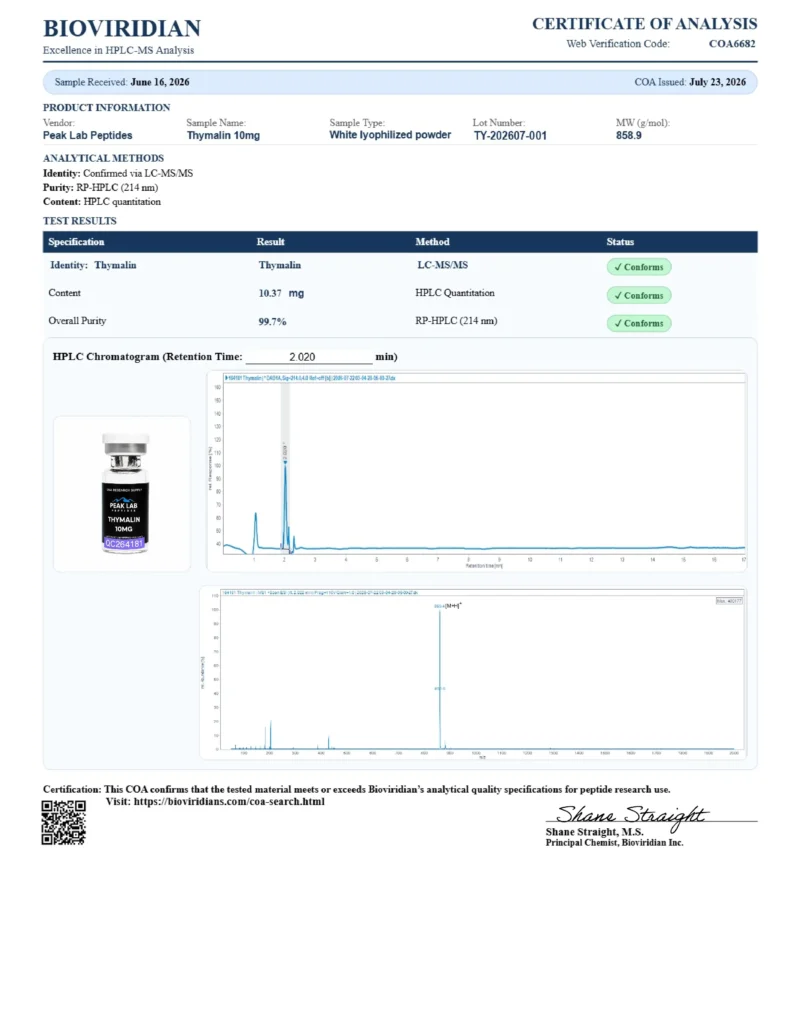
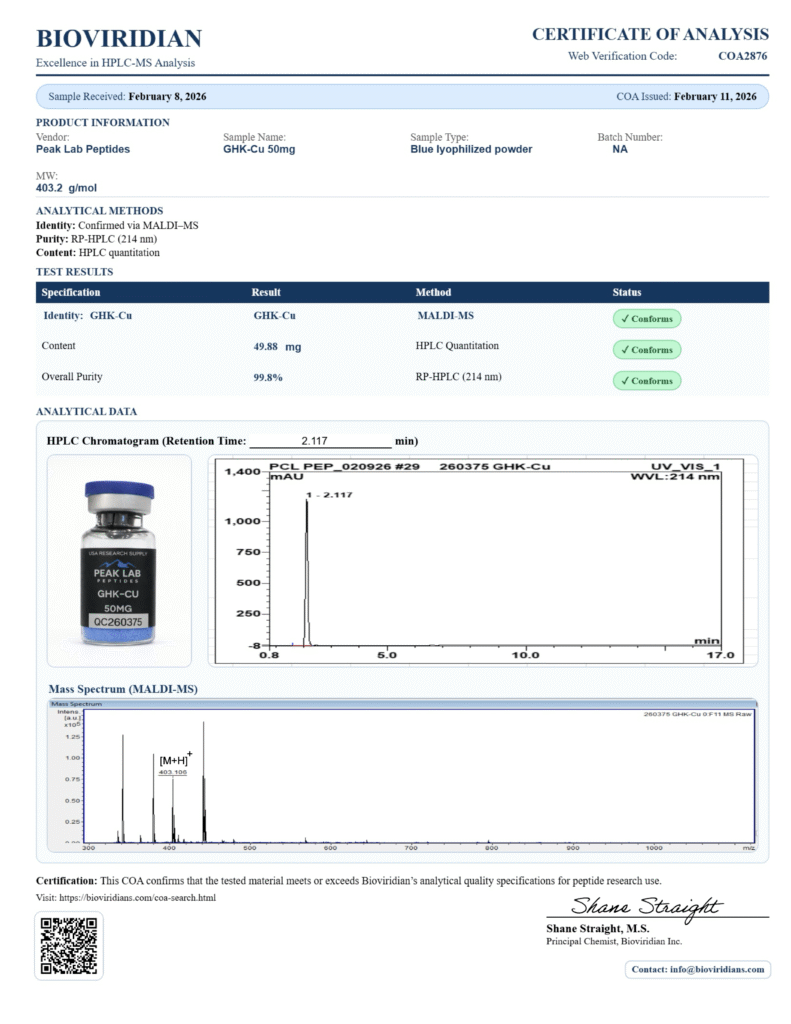
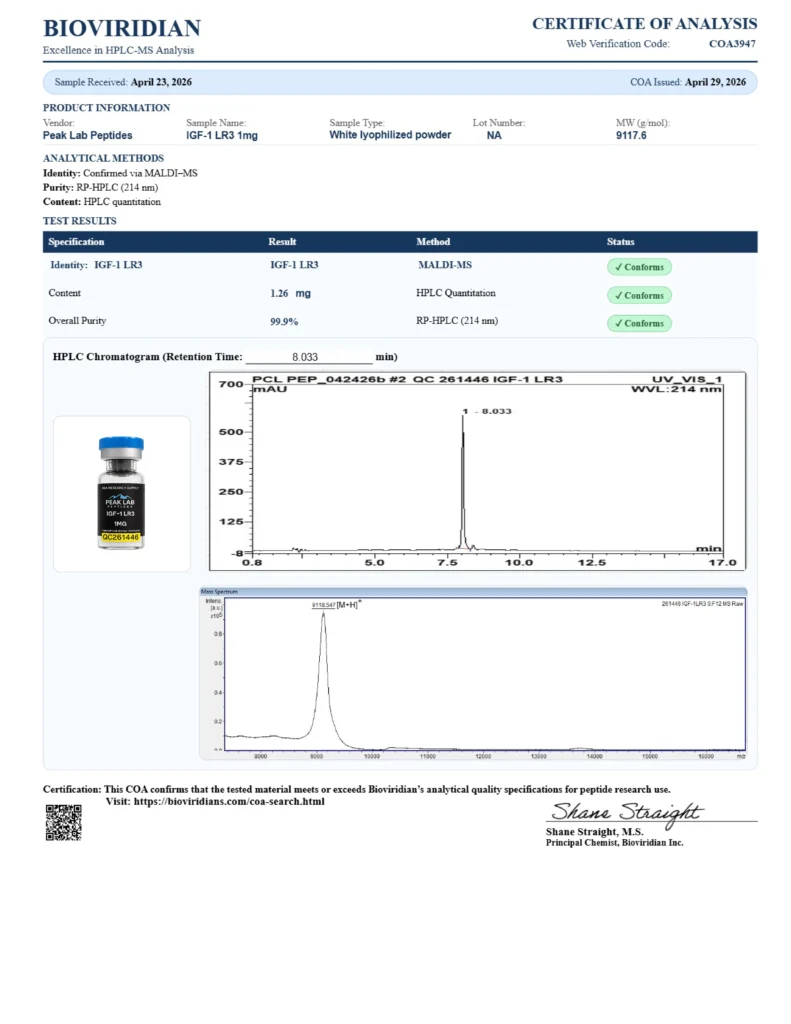
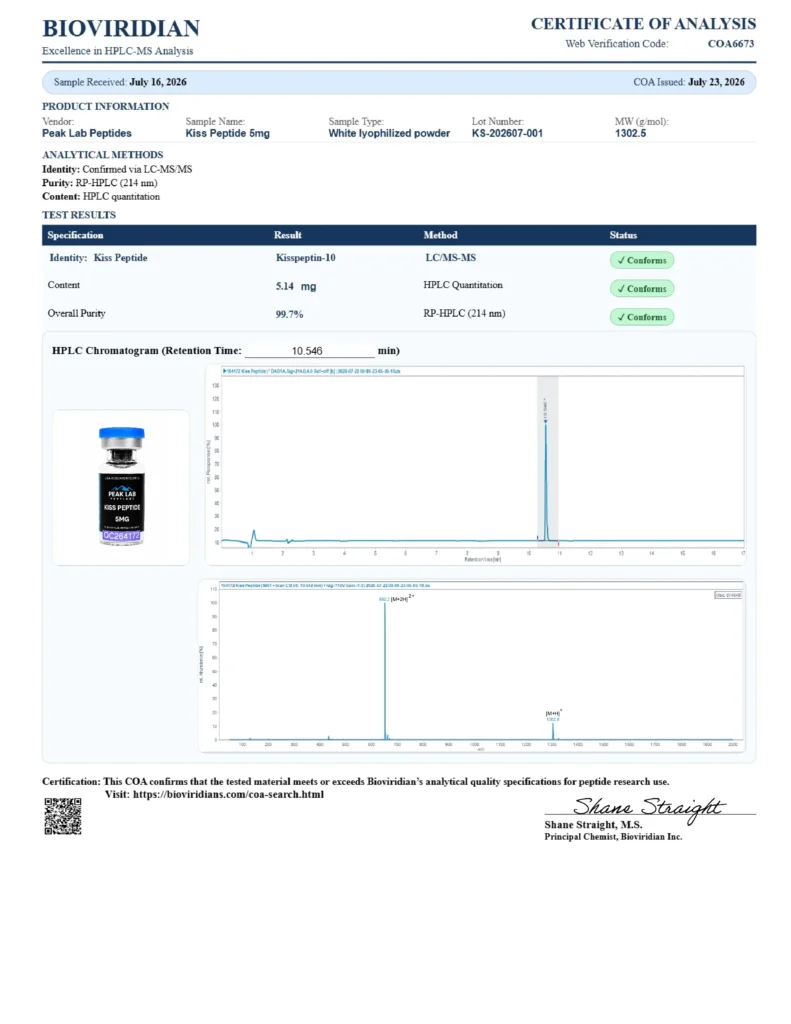
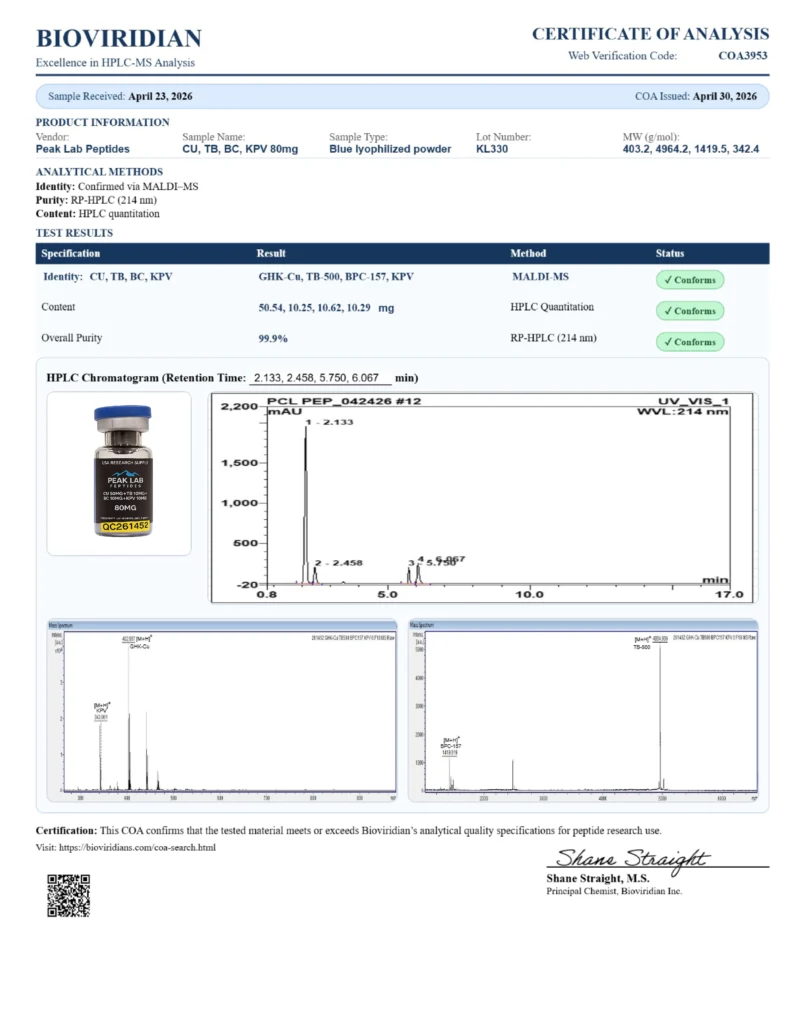
Peak Lab Peptides maintains quality-control processes and routinely performs third-party testing to support purity and identity verification. COAs are available upon request for applicable batches. Documentation may vary depending on production timelines.
We aim to make batch-level documentation available whenever possible. Our goal is to expand COA access across the full catalog as production capacity grows.
All products are for laboratory research use only and are not intended for human consumption.
Related Products
Dermorphin
GHK-Cu
GLOW Blend 70mg (GHK-Cu 50mg, BPC-157 10mg, TB-500 10mg)
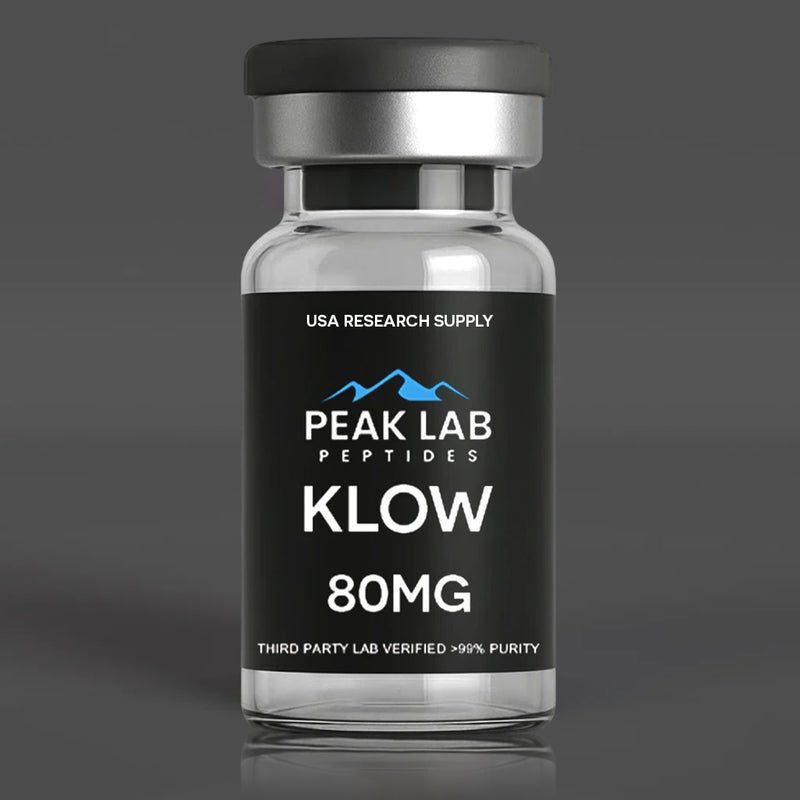
KLOW Blend 80mg – GHK-Cu, TB-500, BPC-157, KPV
KLOW – 80mg Peptide Blend (Lyophilized Powder) – For Research Use Only GHK-Cu • TB-500 • BPC-157 • KPV
KLOW is an advanced 4-in-1 research peptide blend combining 80mg of regenerative and anti-inflammatory compounds studied for their potential in tissue repair, immune modulation, and cellular recovery. Designed for comprehensive healing models, KLOW offers synergistic support across skin, muscle, and gut research applications. Active Ingredients (Per Vial): GHK-Cu – 50mg Studied for skin regeneration, wound healing, collagen stimulation, and hair follicle support. TB-500 – 10mg A fragment of Thymosin Beta-4, known for supporting angiogenesis, cell migration, and muscle recovery. BPC-157 – 10mg Derived from a gastric protein, BPC-157 is studied for gut repair, tendon/ligament healing, and anti-inflammatory effects. KPV – 10mg A tripeptide fragment with strong research interest for localized inflammation and immune modulation, particularly in the gut and skin. Product Details: Total Peptide Content: 80mg per vial: Lyophilized powder Purity: >98% Storage: Store at -4°F (-20°C). After reconstitution, refrigerate at 36–46°F (2–8°C) and use within 30 days. Grade: For research purposes only. Not for human consumption, therapeutic, or diagnostic use. Potential Research Applications: Soft tissue, muscle, and ligament repair Skin rejuvenation and wound healing models Inflammatory bowel and gut barrier integrity studies Anti-inflammatory and immune modulation research For laboratory research only. This product is not intended to diagnose, treat, cure, or prevent any disease.KPV (Lysine-Proline-Valine)
Product Details:
Peptide: KPV (Lys-Pro-Val) Purity: >98% Form: Lyophilized powder Quantity: 10mg per vial Storage: Store at -4°F (-20°C). After reconstitution, refrigerate at 36–46°F (2–8°C) and use within 30 days. Grade: For research purposes only. Not for human consumption, therapeutic, or diagnostic use. Potential Research Applications: Gut health and intestinal inflammation models (e.g., IBD, leaky gut) Skin inflammation and dermatitis research Cytokine modulation and immune response studies Localized anti-inflammatory peptide therapy research For laboratory research only. This product is not intended to diagnose, treat, cure, or prevent any disease.PEG-MGF 2mg
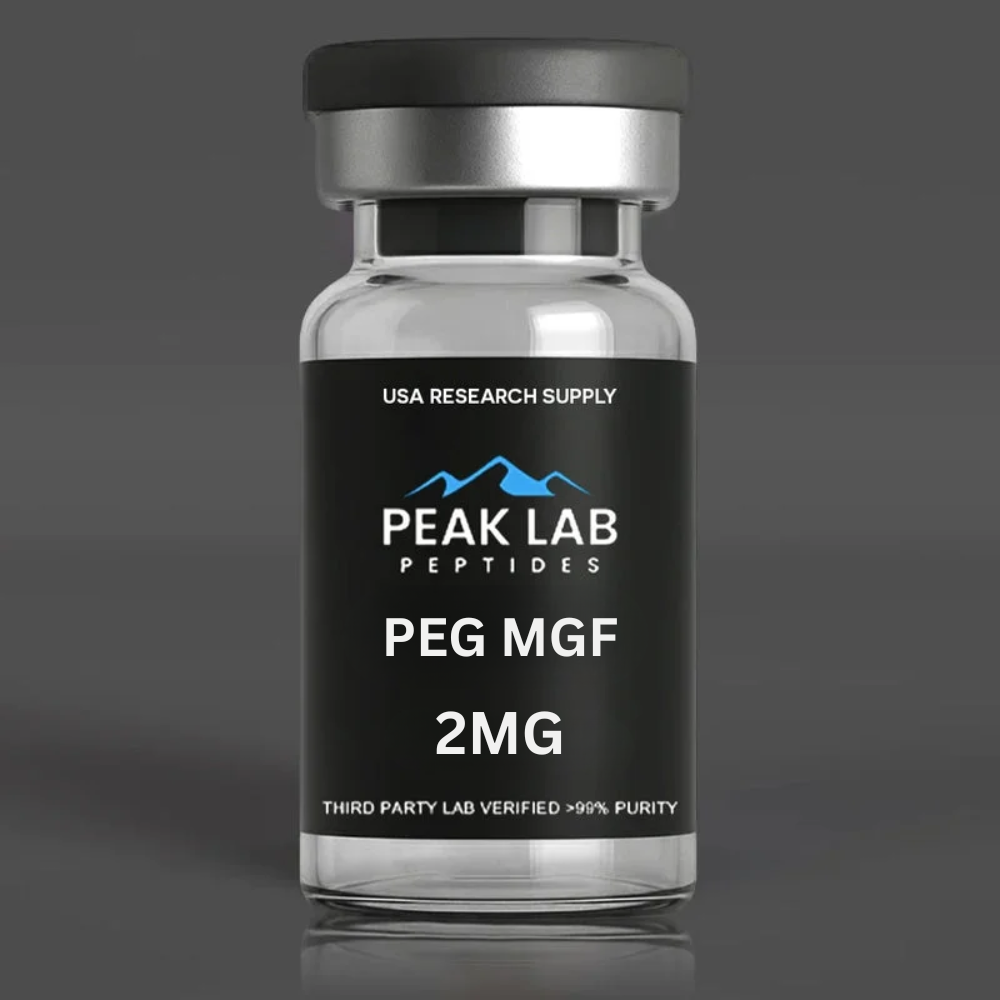
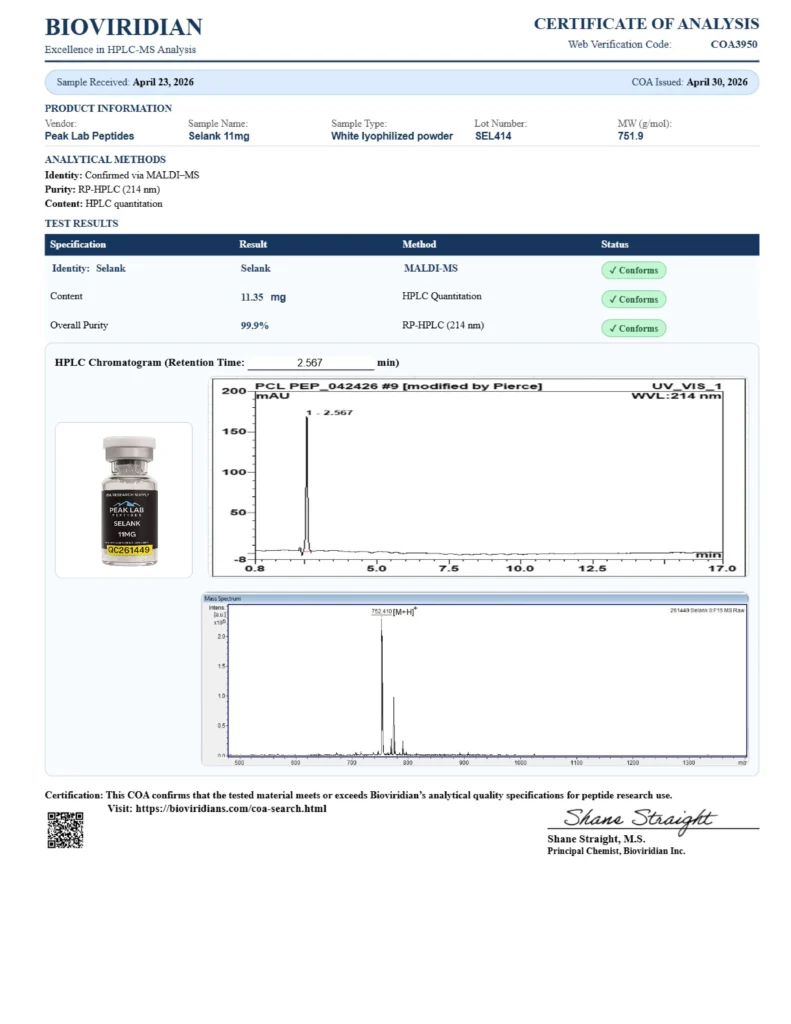
Selank 10/11mg
Selank
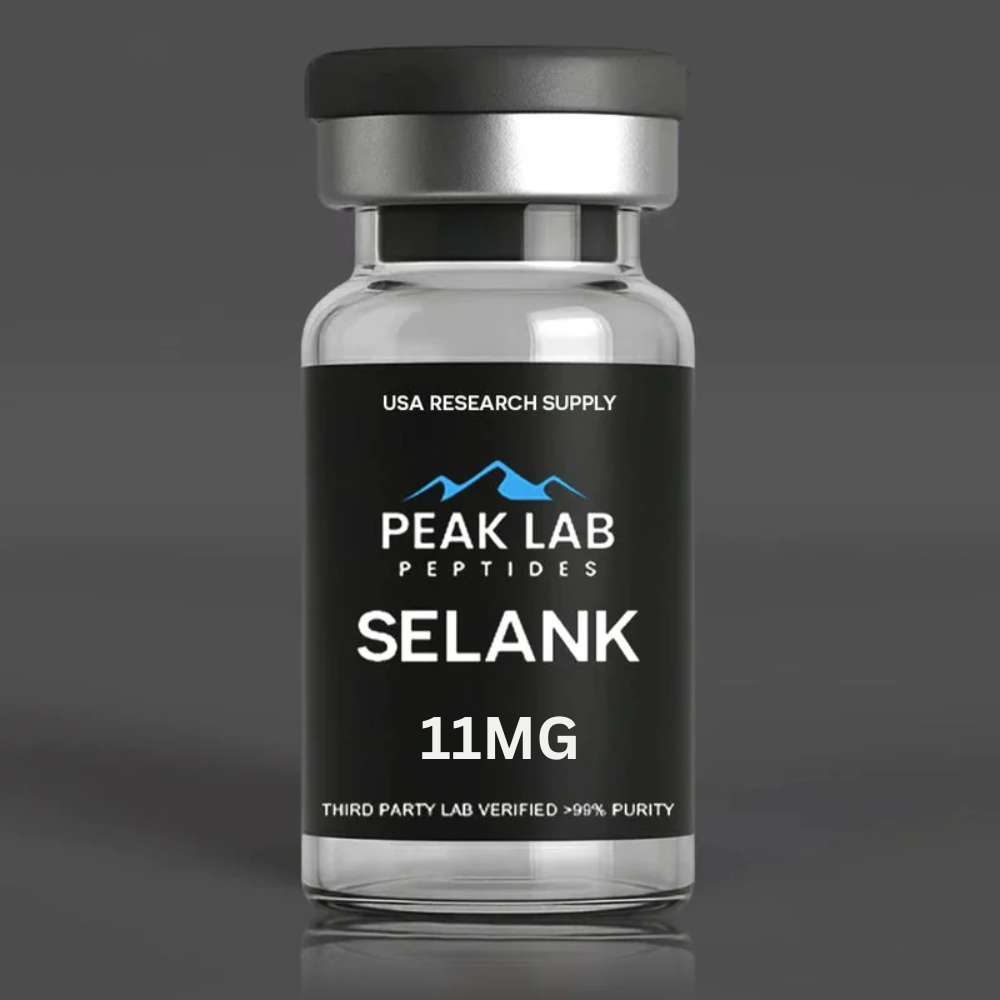
Selank – 11mg (Lyophilized Peptide) – For Research Use Only
Selank is a synthetic peptide analog of the naturally occurring tetrapeptide Tuftsin, extensively studied for its potential nootropic, anxiolytic, and immunomodulatory properties. Research suggests that Selank may support cognitive function, anxiety reduction, and immune system regulation through its interaction with neurotransmitter systems, particularly GABA and serotonin pathways.
Product Details:
-
Peptide: Selank (Tuftsin analog)
-
Purity: >98%
-
Form: Lyophilized powder
-
Quantity: 11mg per vial
-
Storage: Store at -4°F (-20°C). After reconstitution, refrigerate at 36–46°F (2–8°C) and use within 30 days.
-
Grade: For research purposes only. Not for human consumption, therapeutic, or diagnostic use.
Potential Research Applications:
-
Nootropic and cognitive function studies
-
Anxiolytic and mood regulation research
-
Immune modulation and cytokine balance exploration
-
Neurotransmitter activity and brain health models
For laboratory research only. This product is not intended to diagnose, treat, cure, or prevent any disease.