MOTS-c
$37.00 – $118.00Price range: $37.00 through $118.00

Become a Member and save 20% on Every Order.
Description
MOTS-c
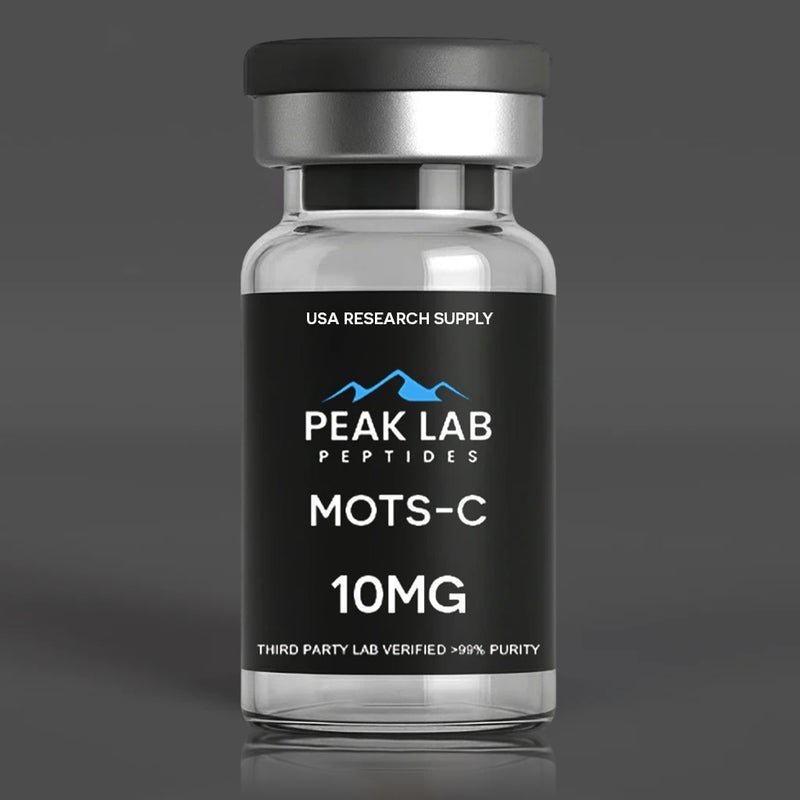
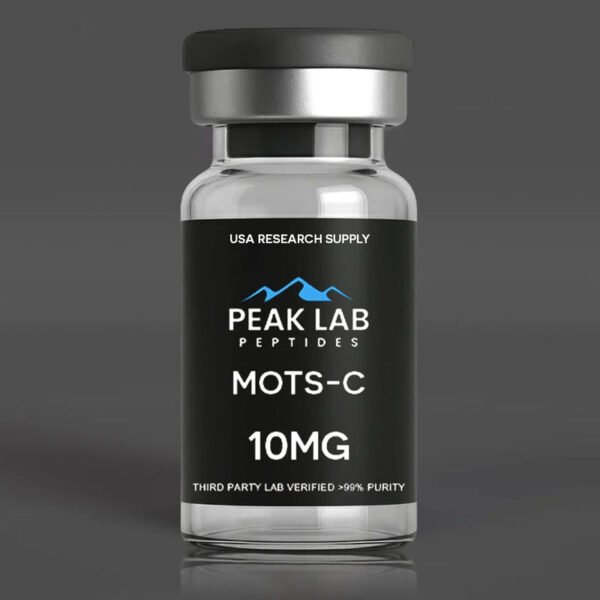
MOTS-c – 10mg (Lyophilized Peptide) – For Research Use Only
MOTS-c is a mitochondrial-derived peptide (MDP) encoded by the mitochondrial genome, widely studied for its potential role in metabolic regulation, energy homeostasis, and cellular protection. Research has focused on its ability to influence glucose metabolism, insulin sensitivity, and mitochondrial function, making it a key subject in studies on metabolic health and aging.
MOTS-c is of special interest in research exploring exercise mimetic effects, fat metabolism, and metabolic syndrome models.
Product Details:
-
Peptide: MOTS-c (Mitochondrial Open Reading Frame of the 12S rRNA-c)
-
Purity: >98%
-
Form: Lyophilized powder
-
Quantity: 10mg per vial
-
Storage: Store at -4°F (-20°C). After reconstitution, refrigerate at 36–46°F (2–8°C) and use within 30 days.
-
Grade: For research purposes only. Not for human consumption or therapeutic applications.
Potential Research Applications:
-
Glucose metabolism and insulin sensitivity studies
-
Mitochondrial function and energy regulation research
-
Aging, longevity, and metabolic health models
-
Exercise mimetic and fat metabolism investigations
For laboratory research use only. This product is not intended to diagnose, treat, cure, or prevent any disease.
THIS IS NOT FOR HUMAN CONSUMPTION. SOLD FOR RESEARCH ONLY!
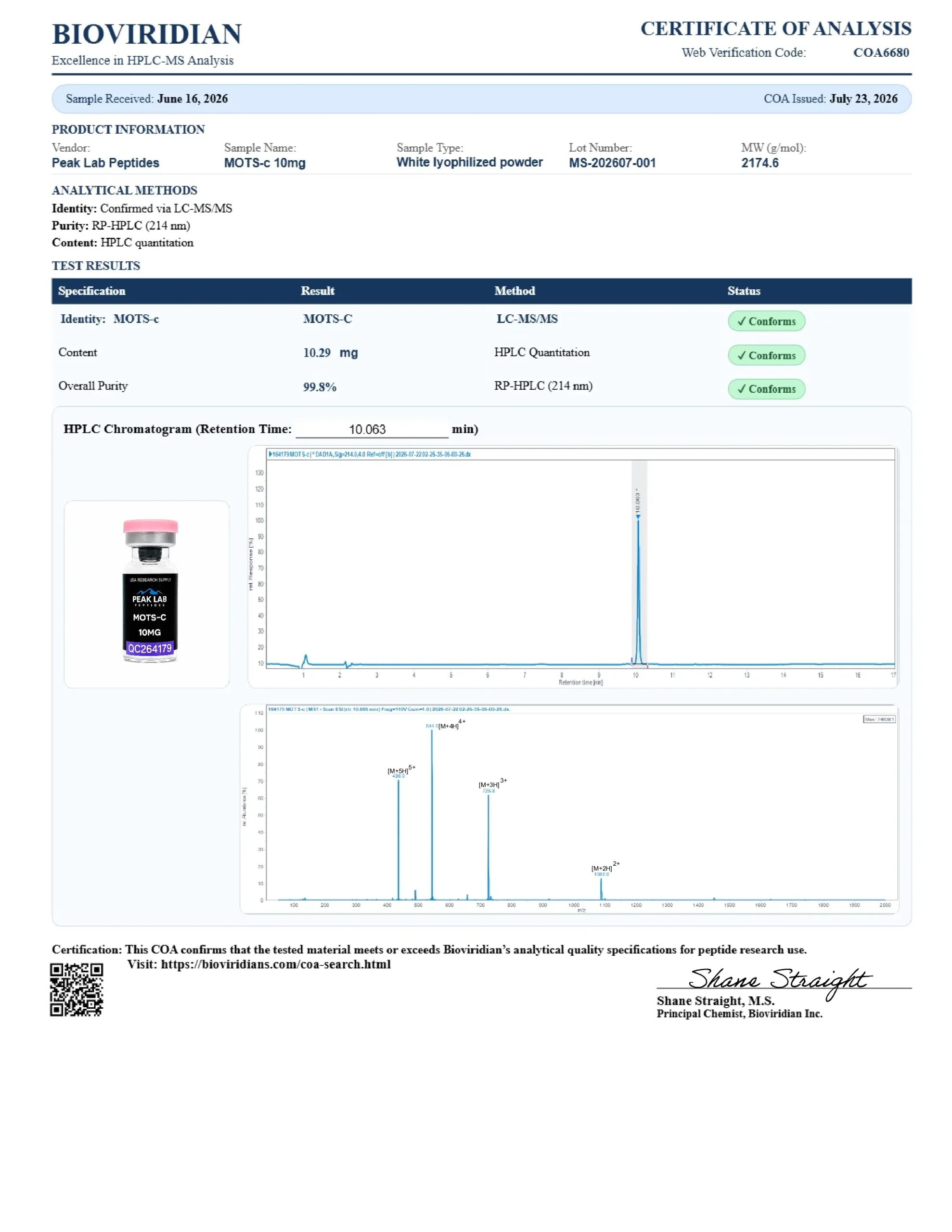
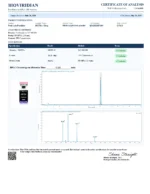
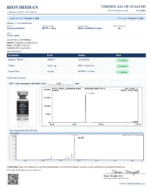
SLU-PP-332 Certificate of Analysis
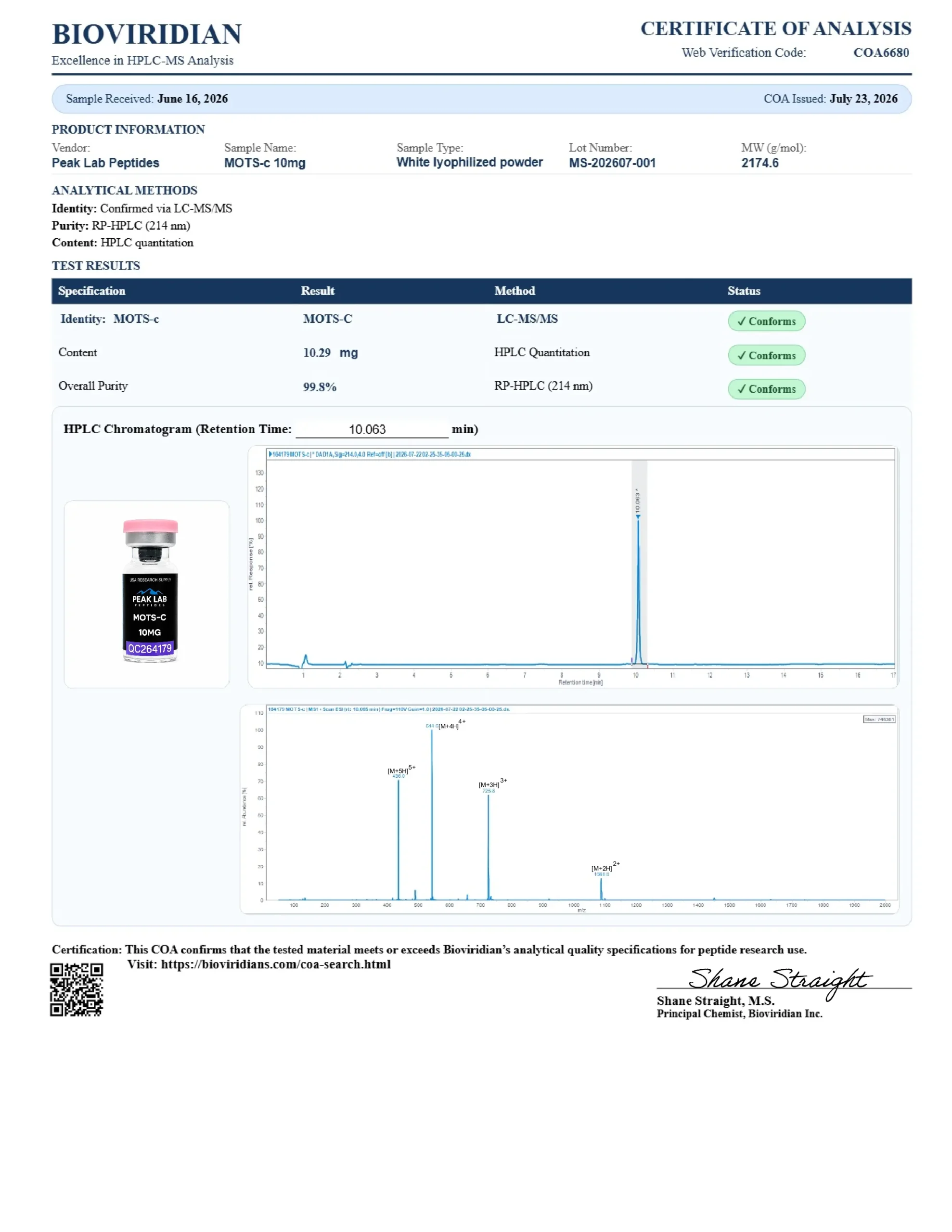
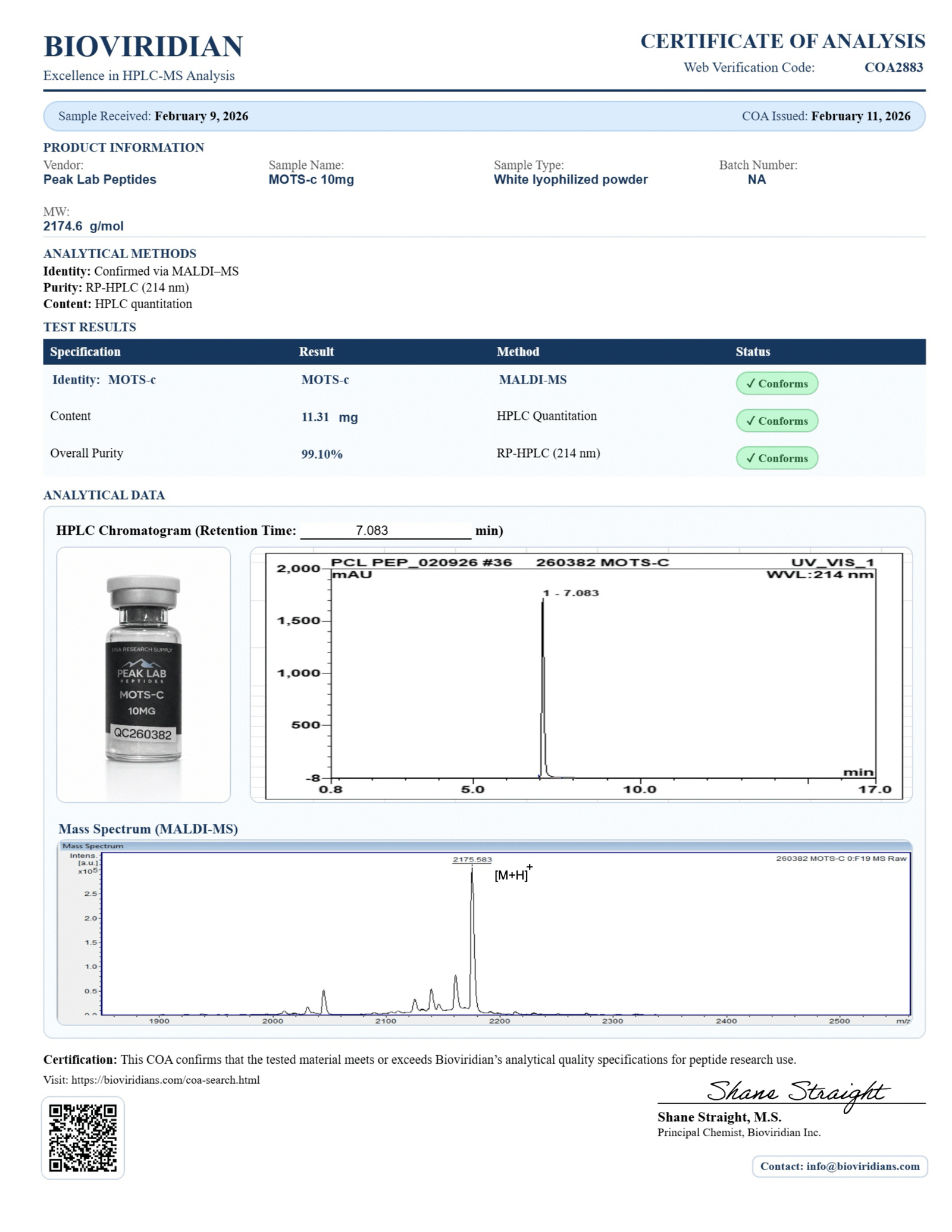
Third-party tested. Click image to view full-resolution certificate.
MOTS-c is a 16-amino-acid peptide (Met-Arg-Trp-Gln-Glu-Met-Gly-Tyr-Ile-Phe-Tyr-Pro-Arg-Lys-Leu-Arg) derived from the mitochondrial genome, encoded within the 12S rRNA region. Classified as a mitochondrial-derived peptide (MDP), MOTS-c has become a significant focus of research in the fields of cellular energy regulation, stress resistance, and aging biology.
In laboratory settings, MOTS-c has been observed to modulate AMPK signaling, promote metabolic homeostasis, and interact with pathways that influence mitochondrial performance. It is widely used in non-clinical studies investigating peptide-based mitochondrial communication, systemic energy balance, and exercise adaptation models.
- Peptide Type: Mitochondrial-Derived Peptide (MDP)
- Sequence: Met-Arg-Trp-Gln-Glu-Met-Gly-Tyr-Ile-Phe-Tyr-Pro-Arg-Lys-Leu-Arg
- Purity: ≥99% (HPLC-verified)
- Molecular Focus: Mitochondrial signaling, AMPK activation, energy regulation
- Applications: Aging research, metabolic stress response, mitochondrial homeostasis
- Format: Lyophilized peptide, 40mg vial
- Use Case: Laboratory research only
- Mitochondrial communication with the nucleus
- Regulation of cellular energy and nutrient sensing
- Systemic metabolic homeostasis
While originally believed to act only within mitochondria, MOTS-c has now been detected in the nucleus and in circulation, confirming its role as a bona fide hormone-like signaling molecule.
Key areas of research interest include:
- Metabolism and weight regulation
- Exercise capacity and fatigue resistance
- Insulin sensitivity and glucose handling
- Bone remodeling and osteoporosis models
- Longevity and age-related functional decline
- Cardiometabolic and vascular health
MOTS-c has become a focus of intensive metabolic and gerontology research over the last several years due to its potential to modulate energy pathways that were historically accessible mainly through dietary restriction or exercise.
5 reviews for MOTS-c
1. AMPK Activation & Metabolic Regulation
MOTS-c has been shown in preclinical studies to activate AMP-activated protein kinase (AMPK), a master regulator of cellular energy homeostasis. AMPK activation helps promote glucose uptake, lipid oxidation, and improved mitochondrial efficiency in both in-vitro and in-vivo models.
2. Mitochondrial–Nuclear Signaling
MOTS-c is reported to translocate from mitochondria to the nucleus under stress conditions, influencing nuclear gene expression linked to metabolic regulation. This mitochondrial-nuclear crosstalk is a growing area of research in aging biology and cellular adaptation.
3. Stress Resistance & Longevity Pathways
Studies suggest MOTS-c enhances cellular resistance to metabolic stress by regulating redox balance, promoting mitochondrial biogenesis, and modulating stress-adaptive genes. It has been explored in models evaluating lifespan, exercise performance, and oxidative stress responses.
4. Obesity & Insulin Sensitivity Models
Preclinical studies have used MOTS-c in obesity and glucose metabolism models to examine its potential in modulating insulin sensitivity, weight regulation, and lipid metabolism. Results highlight its relevance in diabetes and metabolic disease frameworks.
5. Molecular Biomarker Profiling
Researchers use MOTS-c to analyze gene expression changes in metabolic pathways, focusing on AMPK targets, sirtuins, inflammatory cytokines, and mitochondrial dynamics proteins (e.g., PGC-1α, NRF1, TFAM) across tissues such as liver, muscle, and adipose.
Q: What is MOTS-c primarily used for in research?
A: It is used to study mitochondrial signaling, AMPK activation, stress adaptation, and metabolic pathway regulation in aging and obesity models.
Q: Is MOTS-c a natural peptide?
A: Yes, MOTS-c is an endogenous peptide encoded in the mitochondrial genome, making it a naturally occurring component of cellular regulatory networks.
Q: Is MOTS-c suitable for human supplementation?
A: No. MOTS-c is strictly intended for in-vitro or in-vivo laboratory research and is not approved for human or therapeutic use.
Q: How does MOTS-c influence aging research?
A: MOTS-c has shown promise in preclinical aging models by promoting metabolic efficiency, enhancing resilience to oxidative stress, and modulating longevity-associated pathways.
Q: What’s the recommended storage for MOTS-c?
A: Store the lyophilized vial at -20°C. After reconstitution with sterile solvent, keep refrigerated and use within a few days under sterile lab protocols.
Storage & Handling
All peptides are supplied as sterile, lyophilized powder and are stable when handled correctly.
- On arrival: Store vials in a cool, dry place away from heat and direct sunlight.
- Long-term (powder): For optimal longevity, keep lyophilized peptides refrigerated to help maintain integrity.
- After reconstitution: Use an appropriate research diluent (for example, BAC water). Store the reconstituted solution in the refrigerator and use within 20–30 days for best stability.
Note: Minimize exposure to moisture and repeated freeze–thaw cycles. Follow your institution's safety procedures when handling research materials.
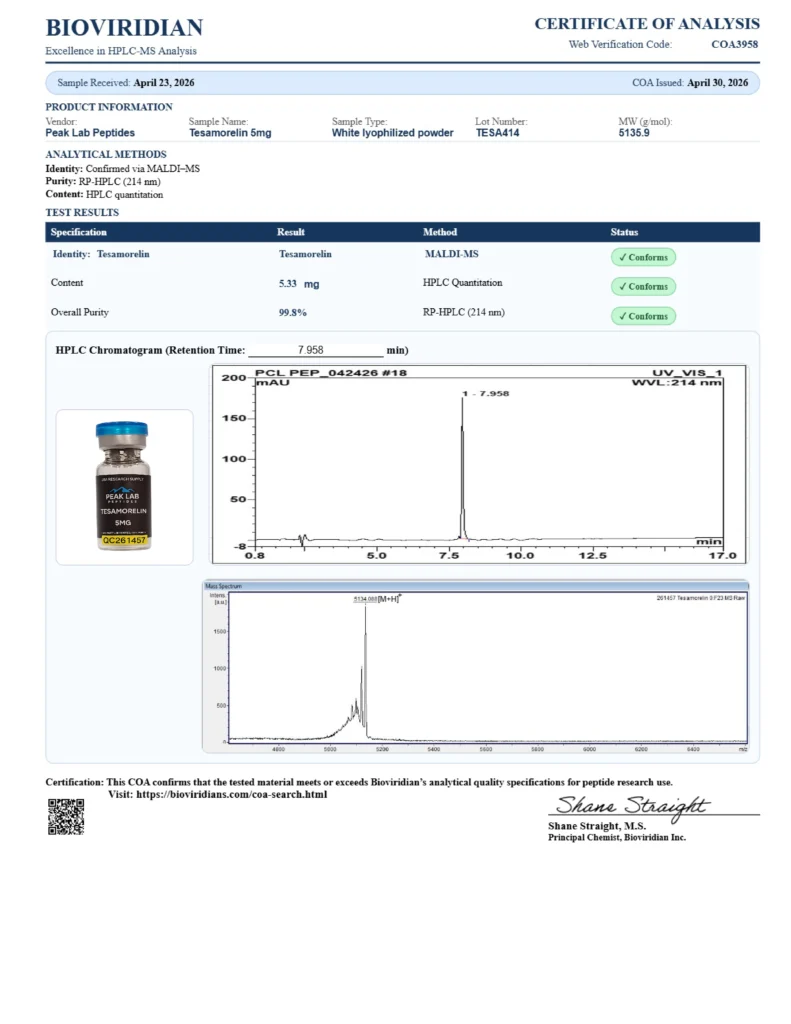
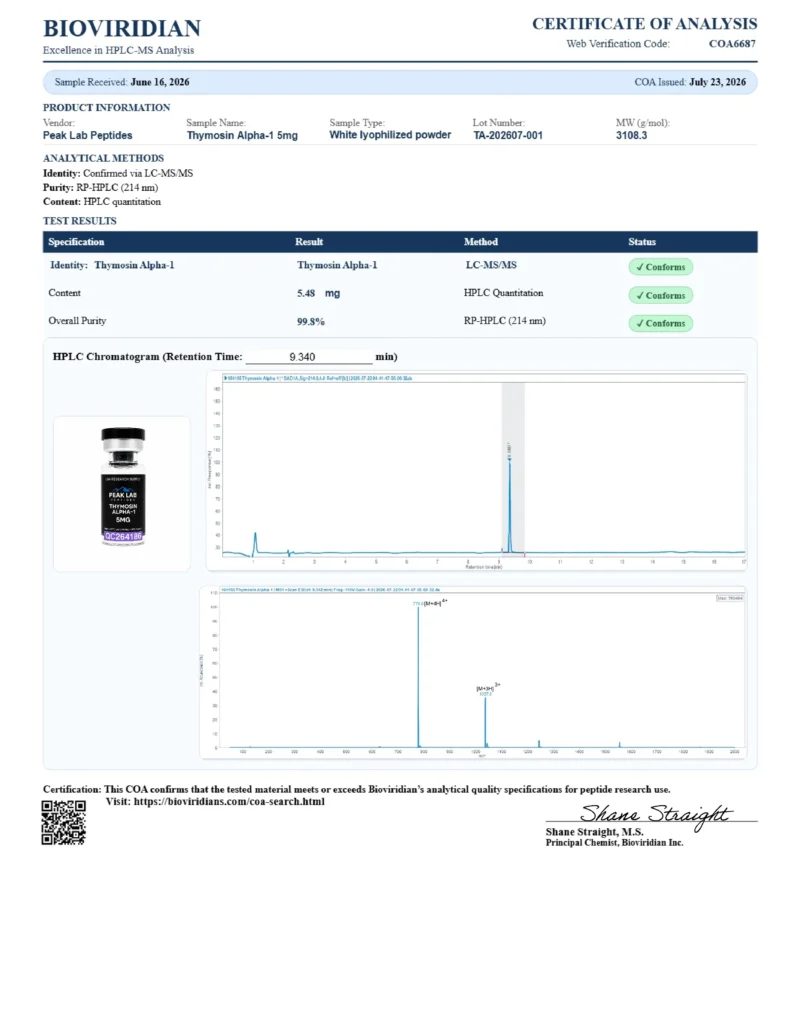
Peak Lab Peptides maintains quality-control processes and routinely performs third-party testing to support purity and identity verification. COAs are available upon request for applicable batches. Documentation may vary depending on production timelines.
We aim to make batch-level documentation available whenever possible. Our goal is to expand COA access across the full catalog as production capacity grows.
All products are for laboratory research use only and are not intended for human consumption.
Related Products
B12 (1ml / 1mg)
Vitamin B12 (Cyanocobalamin)
Product Details:
Compound: Cyanocobalamin (Vitamin B12) Concentration: 1mg / 1ml per vial Form: Sterile injectable solution Container: 3ml / 10ml multi-dose vial Storage: Store in a cool, dry place. Refrigerate after opening. Research Grade: For laboratory research purposes only. Not for human consumption or therapeutic use. Research Applications May Include: Studies on energy metabolism and fatigue Neurological repair and neuroprotection research Red blood cell production modelsEpithalon
Epithalon – 10mg (Lyophilized Peptide) – For Research Use Only
Epithalon (also known as Epitalon) is a synthetic tetrapeptide (Ala-Glu-Asp-Gly) derived from the naturally occurring pineal gland peptide Epithalamin. It is widely studied for its potential anti-aging, telomerase-activating, and longevity-enhancing effects. Research suggests that Epithalon may promote telomere extension, support circadian rhythm regulation, and improve oxidative stress resistance. It is a popular compound in studies involving cellular aging, pineal gland function, and DNA repair mechanisms. Product Details: Peptide: Epithalon (Ala-Glu-Asp-Gly) Purity: >98% Form: Lyophilized powder Quantity: 10mg per vial Storage: Store at -4°F (-20°C). After reconstitution, refrigerate at 36–46°F (2–8°C) and use within 30 days. Grade: For research purposes only. Not for human consumption, therapeutic, or diagnostic use. Potential Research Applications: Telomerase activation and cellular longevity studies Anti-aging and pineal gland function research Circadian rhythm and melatonin regulation studies DNA repair and oxidative stress resistance models For laboratory research only. This product is not intended to diagnose, treat, cure, or prevent any disease.GLP-1 Cag + GLP-1 Sema
Cagrilintide + Semaglutide
Cagrilintide + Semaglutide – 10mg (Lyophilized Peptide Blend) – For Research Use Only
The combination of Cagrilintide and Semaglutide brings together two powerful peptides studied for their potential synergistic effects on appetite regulation, weight management, and metabolic health.
-
Cagrilintide is an amylin analog researched for its role in promoting satiety and reducing food intake.
-
Semaglutide is a GLP-1 receptor agonist studied for its effects on appetite suppression, glucose regulation, and insulin sensitivity.
This dual peptide blend is highly regarded in research models focused on obesity, metabolic syndrome, and energy balance.
Product Details:
-
Peptides: Cagrilintide + Semaglutide (5mg each unless otherwise specified)
-
Purity: >98%
-
Form: Lyophilized powder
-
Quantity: 10mg per vial
-
Storage: Store at -4°F (-20°C). After reconstitution, refrigerate at 36–46°F (2–8°C) and use within 30 days.
-
Grade: For research purposes only. Not for human consumption, therapeutic, or diagnostic use.
Potential Research Applications:
-
Appetite suppression and satiety studies
-
Obesity and weight management models
-
Metabolic health and insulin sensitivity research
-
Dual pathway hormone modulation investigations
For laboratory research use only. This product is not intended to diagnose, treat, cure, or prevent any disease.
GLP-3 Reta
Retatrutide
GLP-3 R – 5mg-30mg (Lyophilized Peptide) – For Research Use Only
GLP-3 R is a novel research peptide categorized within the glucagon-like peptide (GLP) family, studied for its potential activity on metabolic regulation, appetite control, and glucose homeostasis. While structurally distinct from GLP-1 analogs, GLP-3 R is being investigated for its potential interactions with GLP receptor pathways and its role in energy balance, insulin sensitivity, and weight management.
This compound is part of emerging research aimed at expanding the understanding of gut hormone analogs and their effects on metabolic disorders.
Product Details:
-
Peptide: GLP-3 R
-
Purity: >98%
-
Form: Lyophilized powder
-
Quantity: 5mg-30mg per vial
-
Storage: Store at -4°F (-20°C). After reconstitution, refrigerate at 36–46°F (2–8°C) and use within 30 days.
-
Grade: For research purposes only. Not for human consumption, therapeutic, or diagnostic use.
Potential Research Applications:
-
Metabolic regulation and energy balance studies
-
Appetite suppression and satiety signaling research
-
Glucose metabolism and insulin response models
-
Exploration of novel GLP receptor analog activity
For laboratory research only. This product is not inte
Ipamorelin
Ipamorelin
Ipamorelin – 5mg (Lyophilized Peptide) – For Research Use Only
Ipamorelin is a selective Growth Hormone Secretagogue (GHS) studied for its ability to stimulate natural growth hormone (GH) release without significantly affecting cortisol or prolactin levels. Known for its clean safety profile in research models, Ipamorelin is commonly explored in studies on muscle growth, recovery, fat metabolism, and anti-aging.
Ipamorelin is often paired in research with other GH-releasing peptides like CJC-1295 No DAC for synergistic effects.
Product Details:
-
Peptide: Ipamorelin
-
Purity: >98%
-
Form: Lyophilized powder
-
Quantity: 5mg per vial
-
Storage: Store at -4°F (-20°C). After reconstitution, refrigerate at 36–46°F (2–8°C) and use within 30 days.
-
Grade: For research purposes only. Not for human consumption, therapeutic, or diagnostic use.
Potential Research Applications:
-
Growth hormone secretion and endocrine studies
-
Muscle growth, recovery, and anti-aging research models
-
Fat metabolism and body composition studies
-
GH axis and pituitary function investigations
For laboratory research only. This product is not intended to diagnose, treat, cure, or prevent any disease.
KissPeptin-10
Kisspeptin-10
Kisspeptin-10 – 10mg (Lyophilized Peptide) – For Research Use Only
Kisspeptin-10 is a short-chain peptide fragment of the kisspeptin family, known for its regulatory role in the hypothalamic-pituitary-gonadal (HPG) axis. It is widely studied for its potential to influence GnRH (Gonadotropin-Releasing Hormone) secretion, making it a key subject in research on fertility, reproductive hormone modulation, and endocrine function.
Kisspeptin-10 has also been explored in studies related to puberty onset, reproductive health, and hormone signaling pathways.
Product Details:
-
Peptide: Kisspeptin-10 (Metastin 10 fragment)
-
Purity: >98%
-
Form: Lyophilized powder
-
Quantity: 10mg per vial
-
Storage: Store at -4°F (-20°C). After reconstitution, refrigerate at 36–46°F (2–8°C) and use within 30 days.
-
Grade: For research purposes only. Not for human consumption, therapeutic, or diagnostic use.
Potential Research Applications:
-
Fertility and reproductive hormone studies
-
HPG axis and GnRH secretion models
-
Endocrine signaling and modulation research
-
Studies on puberty and reproductive health
For laboratory research only. This product is not intended to diagnose, treat, cure, or prevent any disease.
SLU-PP-332
SLU-PP-332
SLU-PP-332 is a synthetic research compound investigated for its interaction with metabolic and cellular regulatory pathways. Early laboratory studies suggest that SLU-PP-332 may influence energy homeostasis, mitochondrial activity, and cellular signaling mechanisms involved in metabolic balance. Because of these characteristics, SLU-PP-332 has become a subject of interest in preclinical research exploring metabolic function, energy utilization, and adaptive cellular responses under controlled conditions. As with all research compounds, SLU-PP-332 is supplied for laboratory and scientific use only. It is not approved for human use, medical purposes, or diagnostic applications. Researchers typically examine SLU-PP-332 in vitro or in controlled animal models to better understand its structure, stability, and functional characteristics within biological systems.Protected: SS-31
TB-500
TB-500 (TB500)
TB-500 (Thymosin Beta-4 Fragment) – 5mg or 10mg (Lyophilized Peptide) – For Research Use Only
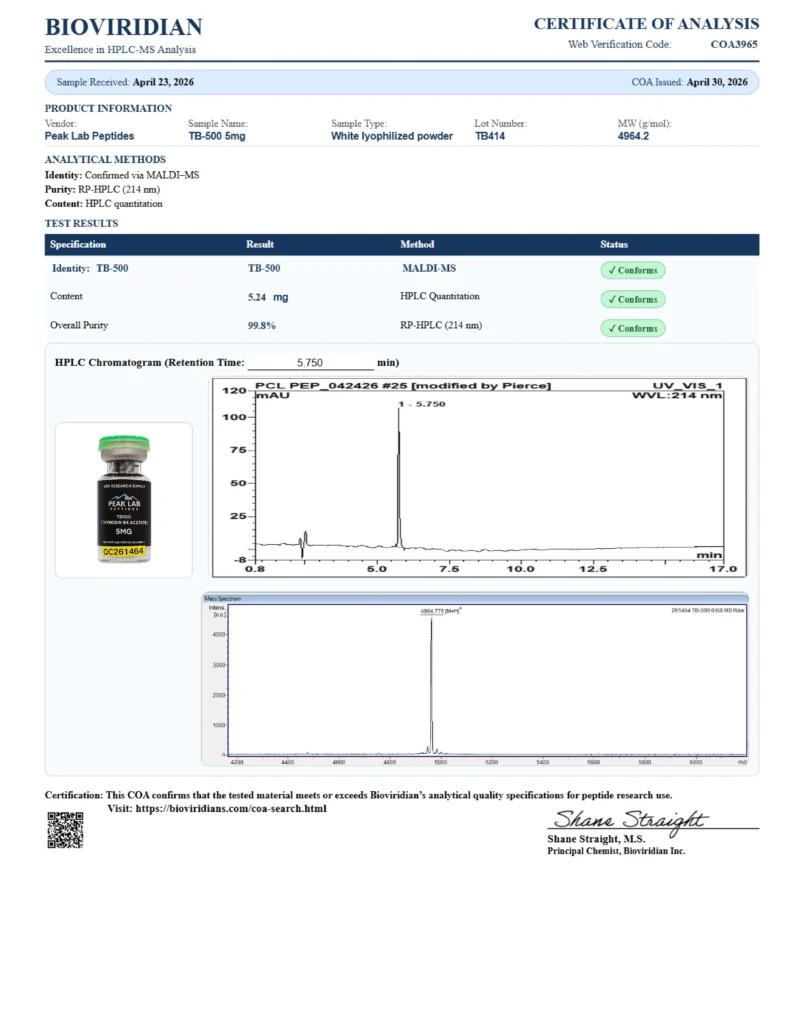
TB-500 is a synthetic Thymosin Beta-4 fragment studied in preclinical models for its roles in actin-binding dynamics, cell migration, angiogenesis, and tissue repair signaling. Supplied as lyophilized powder at 99%+ HPLC verified purity. Batch-specific COA included. For in vitro research use only.


Susan –
Consistent quality control gives confidence in every purchase.
Donald –
Website is easy to navigate with a hassle-free checkout experience.
Kenneth –
Orders are processed quickly without unnecessary delays.
Paul –
I’ve ordered multiple times and every experience has been positive.
Mark –
Excellent value for money with dependable service.