KPV 10-Vial Kit
$560.00 Original price was: $560.00.$368.00Current price is: $368.00.
Become a Member and save 20% on Every Order.
Description
KPV 10 Vial Kit
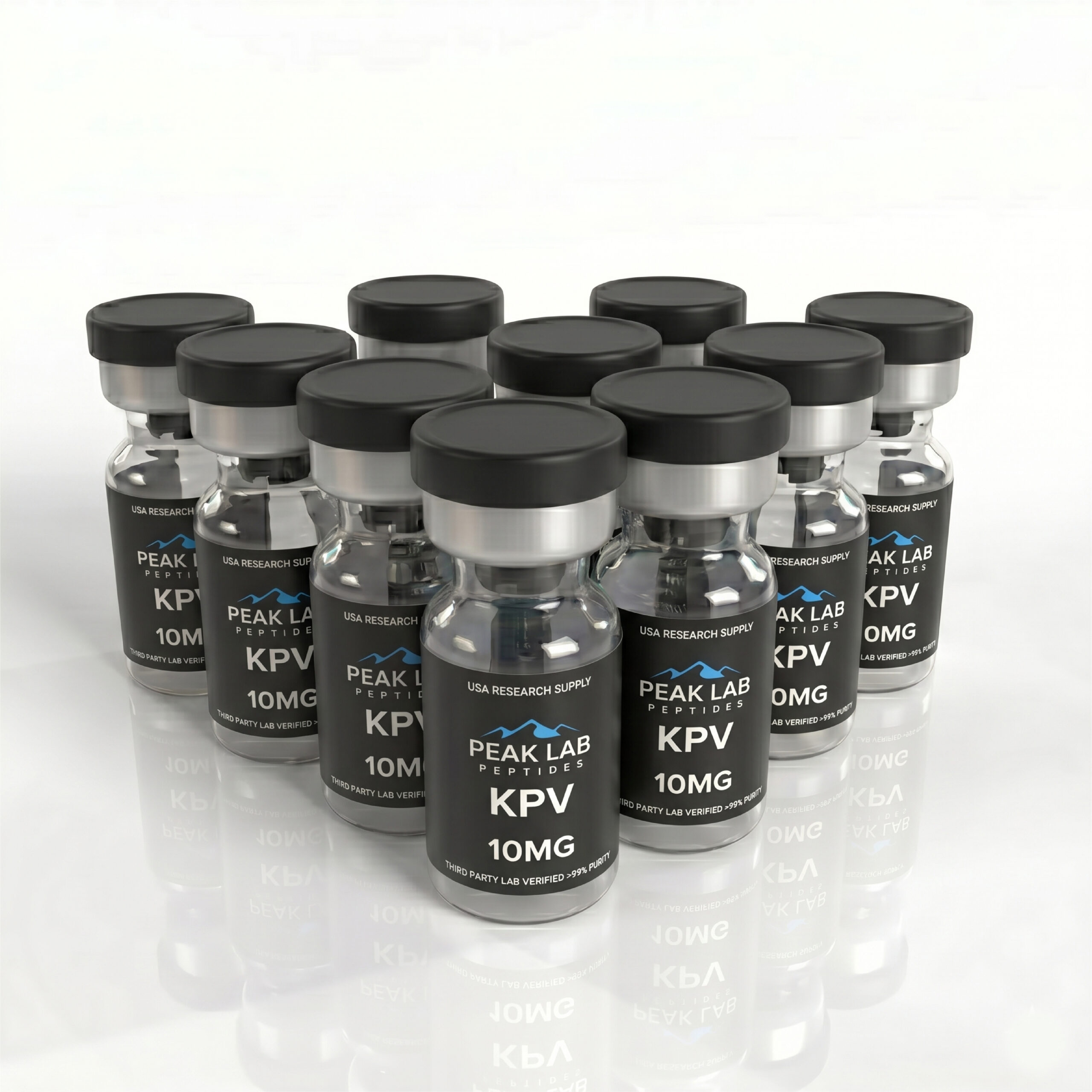
KPV – 10mg (Lyophilized Peptide) 10 Vial Kit – For Research Use Only
KPV (Lys-Pro-Val) is a naturally occurring tripeptide derived from the C-terminal end of alpha-melanocyte-stimulating hormone (α-MSH), studied for its potential to modulate inflammatory signaling pathways and immune regulation in controlled laboratory environments. Research has explored its activity in epithelial barrier function, cytokine modulation, and localized inflammatory response mechanisms across multiple tissue types.
Product Details:
- Peptide: KPV (Lys-Pro-Val)
- Purity: >99%
- Form: Lyophilized powder
- Quantity: 10mg per vial / 10 vials per kit
- Storage: Store at -4°F (-20°C). After reconstitution, refrigerate at 36–46°F (2–8°C) and use within 30 days.
- Grade: For research purposes only. Not for human consumption, therapeutic, or diagnostic use.
Potential Research Applications:
- Inflammatory signaling pathway modulation studies
- Epithelial barrier function and mucosal tissue research
- Cytokine regulation and immune response mechanism models
- α-MSH derived peptide activity and receptor interaction investigations
For laboratory research only. This product is not intended to diagnose, treat, cure, or prevent any disease.
KPV 10 vial kit peptide Details
Lysine-Proline-Valine KPV 10 vial kit is a short tripeptide fragment derived from the C-terminal region of α-melanocyte-stimulating hormone (α-MSH). In experimental systems, KPV 10 vial kit is widely studied for its role in modulating cellular responses to environmental stressors, particularly in epithelial and skin-model research. Laboratory data suggest that KPV can influence oxidative-stress pathways, inflammatory signaling, and programmed cell death in keratinocyte models exposed to external insults such as particulate matter.
KPV supplied for research is intended exclusively for laboratory investigation by qualified professionals. It is not approved as a therapeutic, cosmetic, or over-the-counter product and must not be used for human or veterinary administration.
About KPV 10 vial kit peptide
KPV is a naturally occurring peptide sequence (Lys-Pro-Val) derived from α-MSH, a regulatory hormone involved in multiple cell-signaling pathways. Because of its compact size and origin from a well-characterized parent peptide, KPV is frequently used to explore:
- How cells respond to oxidative and inflammatory stress
- The interplay between reactive oxygen species (ROS) and intracellular signaling cascades
- Mechanisms of cell survival, apoptosis, and pyroptosis in barrier tissues such as skin
In keratinocyte studies, KPV has been evaluated under conditions simulating exposure to airborne particulates (e.g., PM10) to better understand how environmental factors may impact skin cells and how specific peptides can modulate downstream signaling and cell-fate decisions.
KPV 10 vial kit peptide Scientific Research
- KPV 10 vial kit and Oxidative Stress in Keratinocytes
Airborne particulate matter (PM), including fine PM10, is commonly used in vitro to model environmental stress on skin cells. In human HaCaT keratinocyte systems:
- PM10 exposure has been observed to reduce cell viability and increase cytotoxicity.
- This is typically accompanied by elevated reactive oxygen species (ROS) production and activation of stress-related signaling pathways.
When KPV was introduced into these models at specific concentrations (e.g., 50 μg/mL in reported studies):
- Keratinocyte viability appeared to be partially restored relative to PM10-only conditions.
- ROS levels were reduced compared to untreated PM10-exposed controls, suggesting that KPV may modulate redox-related pathways at the cellular level.
These outcomes are limited to controlled experimental systems and do not constitute established effects in human subjects.
- KPV and Inflammatory Signaling (IL-1β / NF-κB Axis)
PM10-challenged keratinocyte models often show an increase in pro-inflammatory mediators, including interleukin-1β (IL-1β):
- PM10 exposure can drive IL-1β secretion and activation of redox-sensitive transcription factors, such as nuclear factor-kappa B (NF-κB).
- This is associated with heightened inflammatory signaling and may contribute to various forms of cell stress and injury in vitro.
In the presence of KPV 10 vial kit :
- Experimental data reported lower IL-1β secretion compared with PM10-exposed controls.
- KPV was associated with reduced NF-κB activation, consistent with dampening of specific redox-sensitive pathways.
These observations place KPV as a useful tool for dissecting how oxidative stress links to inflammatory transcriptional responses in skin-cell research models.
- KPV 10 vial kit , Apoptosis Markers, and Cell-Fate Pathways
PM10 can trigger cell death programs, including apoptosis and pyroptosis, through ROS-mediated signaling and caspase activation. In HaCaT models:
- PM10 exposure elevates apoptosis-related markers, including Bax, Bcl-2 alterations, and cleaved caspase-3, alongside IL-1β changes.
- Caspase-1 activation is commonly explored as part of pyroptosis-related
When KPV was added in these experimental paradigms:
- Levels of ROS-associated caspase activity were reduced compared with PM10-only conditions.
- The expression of Bax, Bcl-2, cleaved caspase-3, and IL-1β was reported to be lower, consistent with a shift toward reduced apoptosis/pyroptosis signaling under the specific in vitro conditions tested.
These findings highlight KPV’s value as a research probe to understand how short peptides might intersect with stress-, apoptosis-, and pyroptosis-related pathways in keratinocytes.
- 3D Skin Models and Environmental Stress
Beyond monolayer cell culture, KPV has also been evaluated in three-dimensional (3D) skin models intended to more closely mimic epidermal architecture:
- PM10 exposure in 3D systems can induce inflammatory cell death and structural changes in the model tissue.
- KPV 10 vial kit treatment, under defined experimental conditions, has been reported to attenuate markers of inflammatory cell death, supporting its use in advanced in vitro skin platforms.
These 3D data are exploratory but support the use of KPV in functional skin-model research, especially in projects focused on environmental pollutant responses, barrier integrity, and peptide-based modulation of stress pathways.
KPV 10 vial kit peptide FAQ
Q1: What is Lysine-Proline-Valine KPV 10 vial kit used for in research?
A1: KPV 10 vial kit is primarily used to study cellular responses to oxidative and inflammatory stress, especially in keratinocyte and skin-model systems. Researchers investigate how KPV influences ROS production, inflammatory mediators, and cell-fate pathways such as apoptosis and pyroptosis under controlled conditions.
Q2: Does KPV protect human skin from pollution in real-world use?
A2: Current findings for KPV 10 vial kit come from in vitro and model-system research. While these studies provide mechanistic insight, they do not establish proven protective effects in real-world human use. KPV 10 vial kit supplied by research vendors is not approved as a therapeutic or cosmetic product.
Q3: Is KPV 10 vial kit considered a cosmetic ingredient or skincare active?
A3: In this context, KPV 10 vial kit is supplied as a research peptide for laboratory investigation only. Any potential cosmetic or skincare applications remain speculative and would require extensive safety, regulatory, and clinical evaluation before practical use.
Q4: How is KPV 10 vial kit typically studied in the laboratory?
A4: KPV 10 vial kit is commonly examined in cultured keratinocytes (such as HaCaT cells) and occasionally in 3D reconstructed skin models. It is usually applied at defined concentrations, with researchers monitoring endpoints like ROS levels, IL-1β secretion, caspase activation, and markers of cell viability and death.
Q5: Can KPV 10 vial kit be used for self-treatment or topical application?
A5: No. KPV 10 vial kit offered for research purposes is not intended for self-use, clinical application, or over-the-counter topical products. It must only be handled by qualified professionals within appropriate research facilities.
Storage & Handling
All peptides are supplied as sterile, lyophilized powder and are stable when handled correctly.- On arrival: Store vials in a cool, dry place away from heat and direct sunlight.
- Long-term (powder): For optimal longevity, keep lyophilized peptides refrigerated to help maintain integrity.
- After reconstitution: Use an appropriate research diluent (for example, BAC water). Store the reconstituted solution in the refrigerator and use within 20–30 days for best stability.
Note: Minimize exposure to moisture and repeated freeze–thaw cycles. Follow your institution's safety procedures when handling research materials.
Storage & Handling
All peptides are supplied as sterile, lyophilized powder and are stable when handled correctly.
- On arrival: Store vials in a cool, dry place away from heat and direct sunlight.
- Long-term (powder): For optimal longevity, keep lyophilized peptides refrigerated to help maintain integrity.
- After reconstitution: Use an appropriate research diluent (for example, BAC water). Store the reconstituted solution in the refrigerator and use within 20–30 days for best stability.
Note: Minimize exposure to moisture and repeated freeze–thaw cycles. Follow your institution's safety procedures when handling research materials.
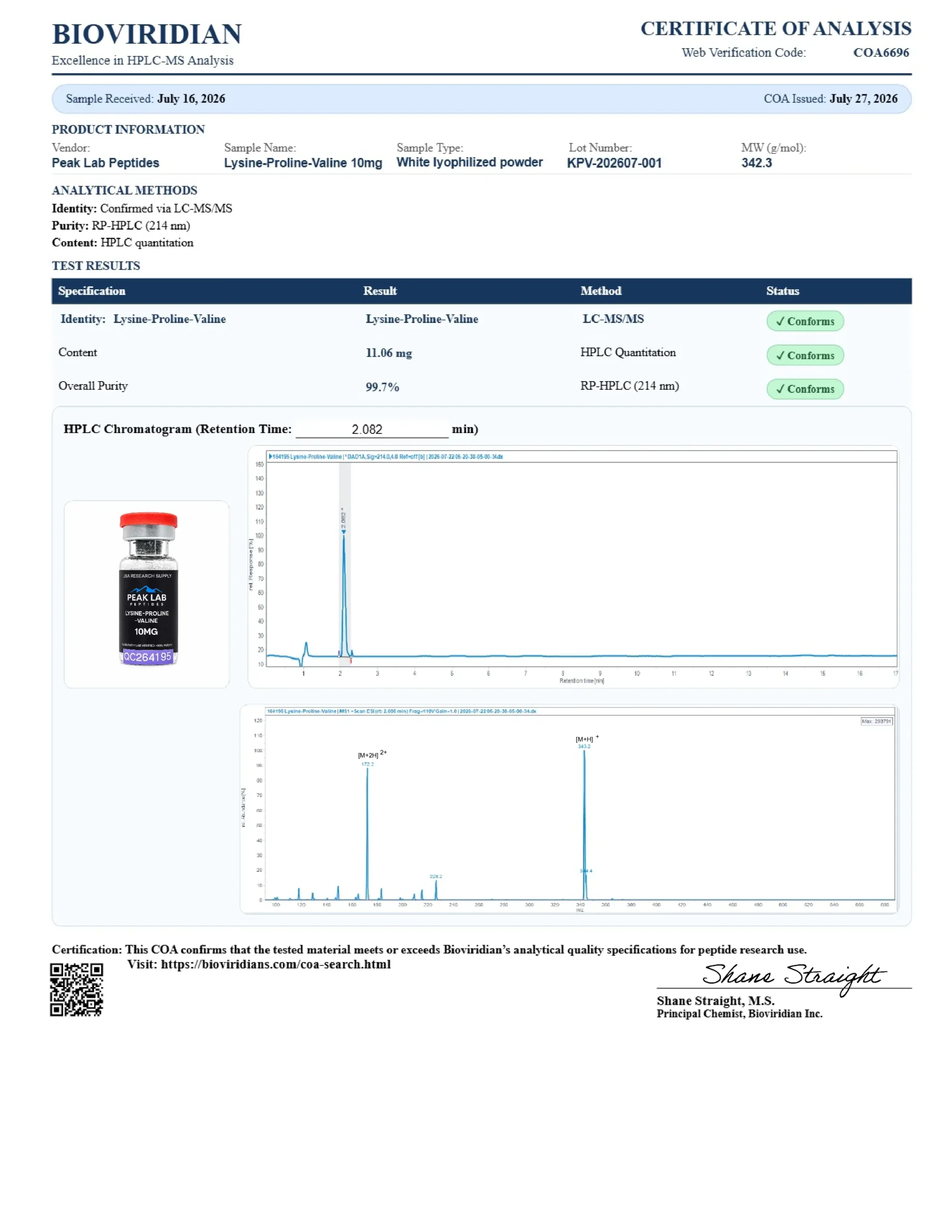
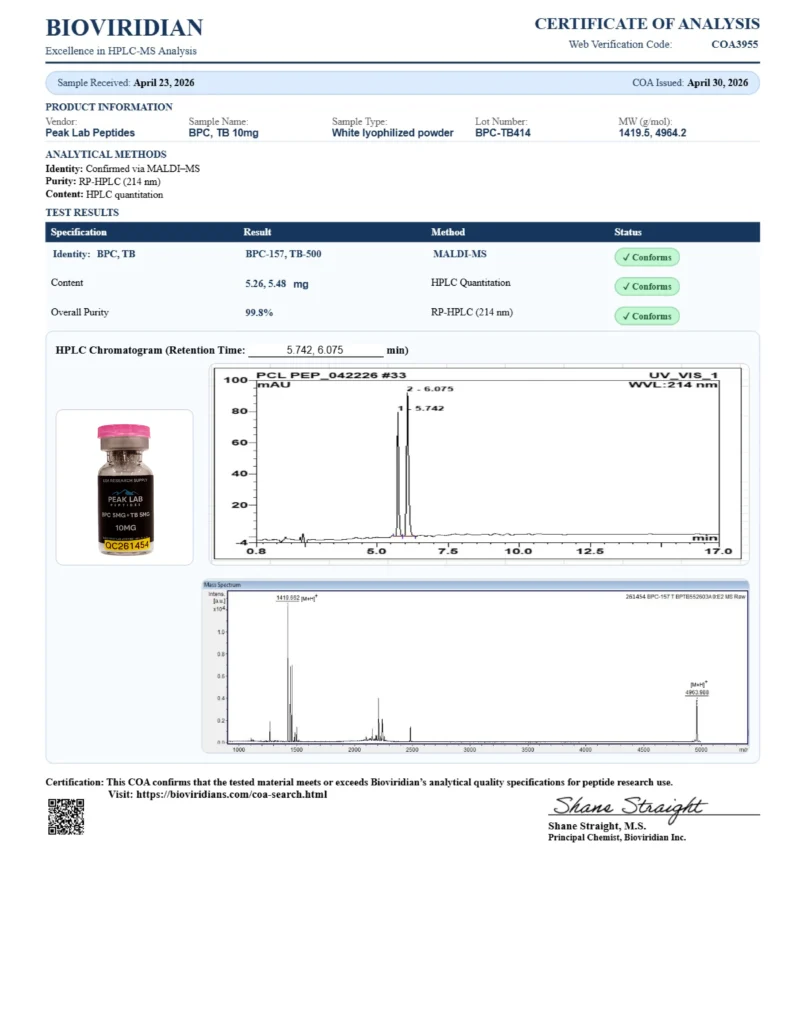
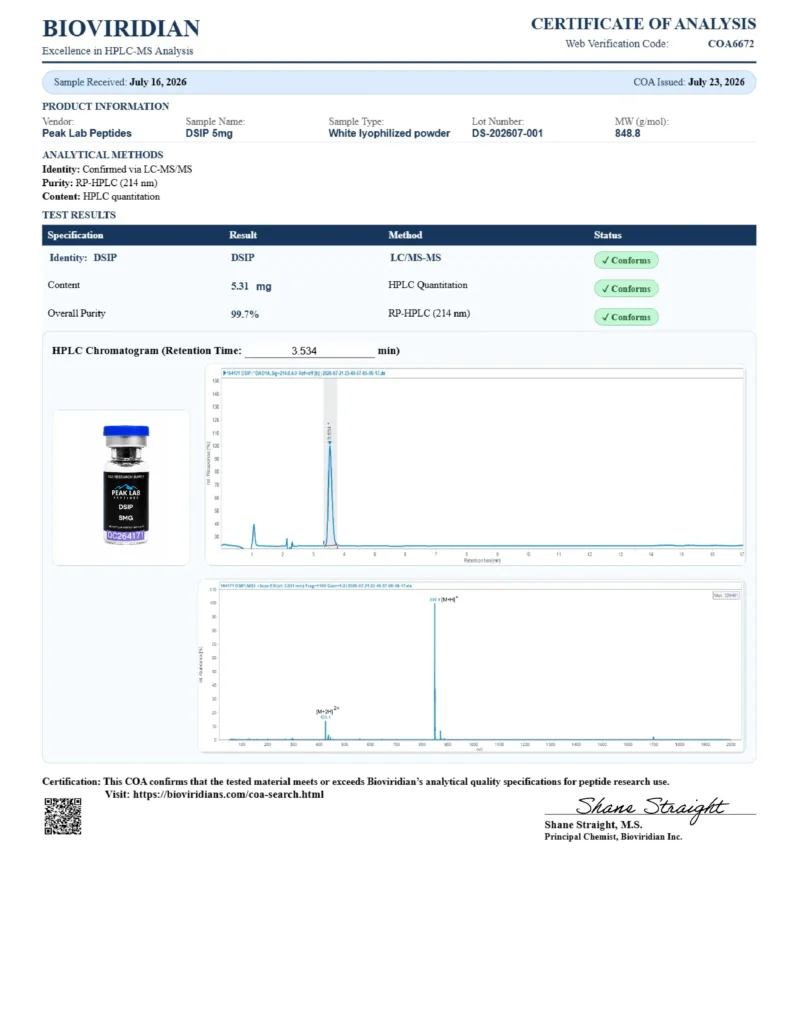
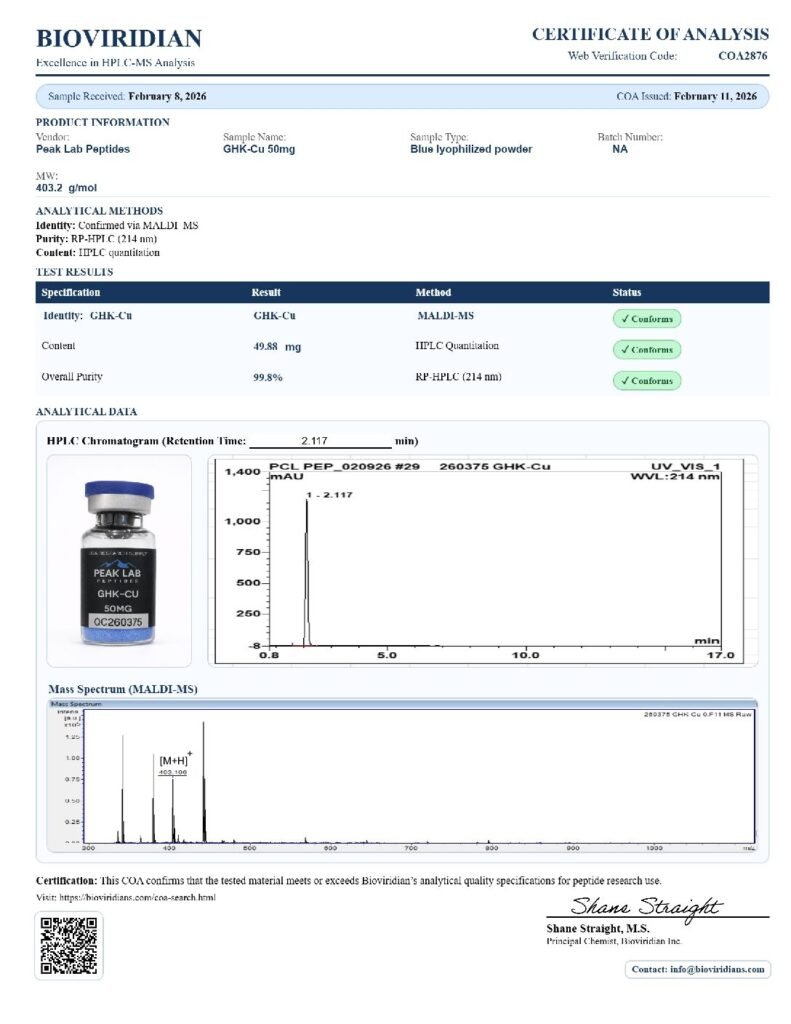
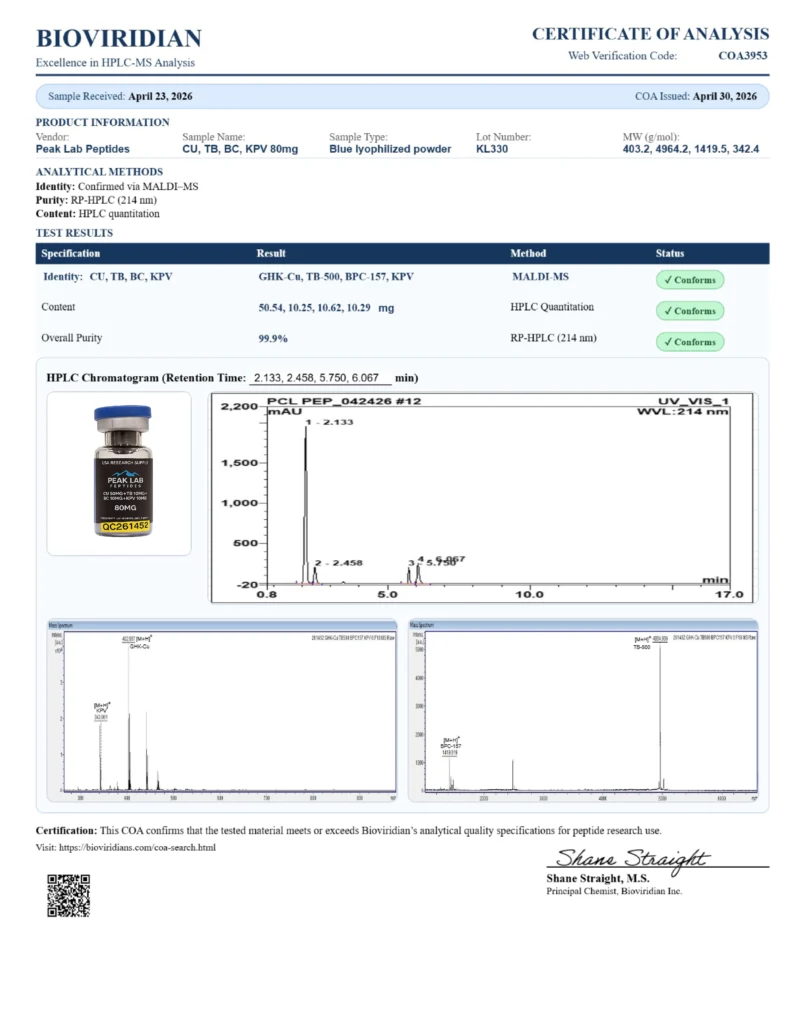
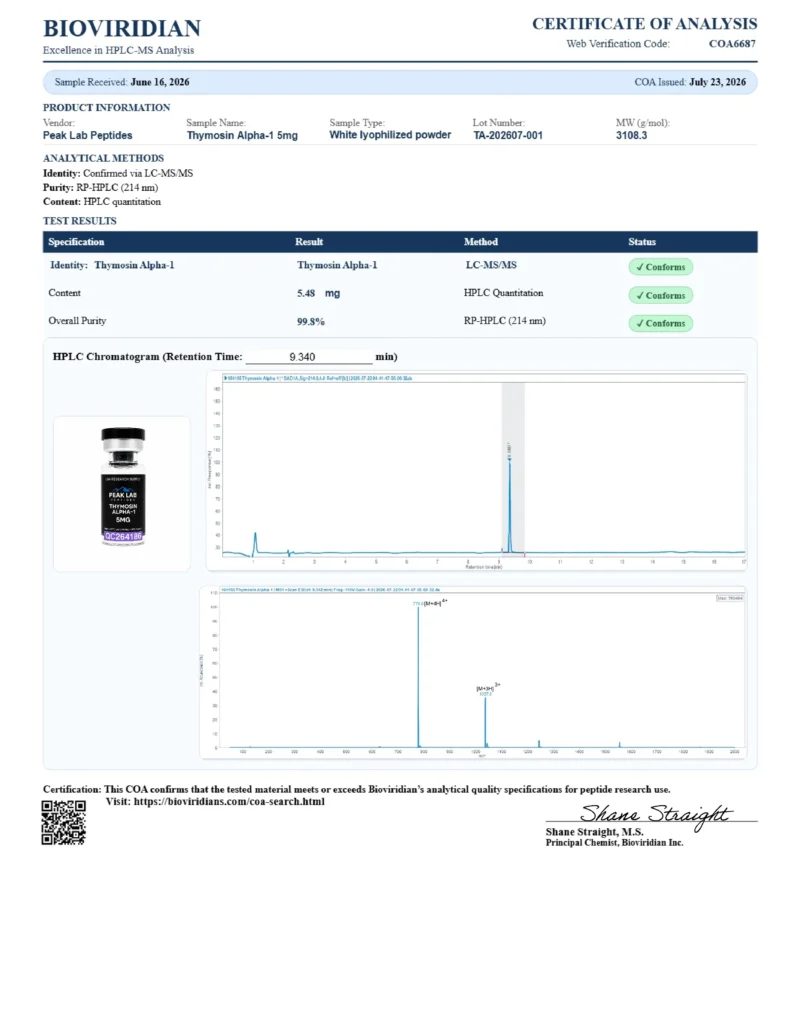
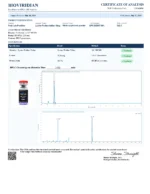
Peak Lab Peptides maintains quality-control processes and routinely performs third-party testing to support purity and identity verification. COAs are available upon request for applicable batches. Documentation may vary depending on production timelines.
We aim to make batch-level documentation available whenever possible. Our goal is to expand COA access across the full catalog as production capacity grows.
All products are for laboratory research use only and are not intended for human consumption.
Related Products
5-amino-1mq
5-Amino-1MQ peptide (5-amino-1-methylquinolinium)
5-Amino-1MQ peptide– Research Use Only
5-Amino-1MQ peptide – 5mg (Lyophilized Powder) – For Research Use Only
5-Amino-1MQ peptide is a small molecule methyltransferase inhibitor studied for its potential impact on cellular metabolism, energy regulation, and fat loss pathways. Research suggests it may inhibit NNMT (Nicotinamide N-Methyltransferase), an enzyme linked to metabolic rate and fat cell energy regulation.
Studies have explored 5-Amino-1MQ peptide for its potential role in increasing NAD+ levels, enhancing energy expenditure, and promoting fat metabolism in various models.
Product Details:
-
Compound: 5-Amino-1MQ (5-Amino-1-Methylquinolinium)
-
Purity: >98%
-
Form: Lyophilized powder
-
Quantity: 50mg per vial
-
Storage: Store at -4°F (-20°C). After reconstitution, refrigerate at 36–46°F (2–8°C) and use within 30 days.
-
Grade: For research use only. Not for human consumption or therapeutic use.
Potential Research Applications:
-
Studies on NNMT inhibition and metabolic regulation
-
NAD+ production and energy pathway research
-
Fat metabolism and weight loss models
-
Investigations into cellular energy expenditure
Ara-290 (10mg)
ARA-290 (Cibinetide)
ARA-290 – 10mg (Lyophilized Peptide) – For Research Use Only
ARA-290 is a synthetic peptide derived from erythropoietin (EPO) that is specifically engineered to retain tissue-protective properties without stimulating erythropoiesis. It is widely studied for its potential in anti-inflammatory, neuroprotective, and tissue repair research.
ARA-290 interacts with the innate repair receptor (IRR), making it a promising candidate in research related to chronic inflammation, neuropathic pain, and autoimmune conditions.
Product Details:
-
Peptide: ARA-290
-
Purity: >98%
-
Form: Lyophilized powder
-
Quantity: 10mg per vial
-
Storage: Store at -4°F (-20°C). After reconstitution, refrigerate at 36–46°F (2–8°C) and use within 30 days.
-
Grade: Research use only. Not for human consumption or therapeutic use.
Potential Research Applications:
-
Anti-inflammatory pathway studies
-
Neuropathic pain models
-
Tissue protection and repair research
-
Innate repair receptor (IRR) exploration
Epithalon 10-Vial Kit
Epithalon – 10mg (Lyophilized Peptide) 10 vial kit – For Research Use Only
Epithalon 10 vial kit (also known as Epitalon) is a synthetic tetrapeptide (Ala-Glu-Asp-Gly) derived from the naturally occurring pineal gland peptide Epithalon 10 vial kit. It is widely studied for its potential anti-aging, telomerase-activating, and longevity-enhancing effects. Research suggests that Epithalon 10 vial kit may promote telomere extension, support circadian rhythm regulation, and improve oxidative stress resistance. It is a popular compound in studies involving cellular aging, pineal gland function, and DNA repair mechanisms. Product Details: Peptide: Epithalon 10 vial kit(Ala-Glu-Asp-Gly) Purity: >98% Form: Lyophilized powder Quantity: 10mg per vial Storage: Store at -4°F (-20°C). After reconstitution, refrigerate at 36–46°F (2–8°C) and use within 30 days. Grade: For research purposes only. Not for human consumption, therapeutic, or diagnostic use. Potential Research Applications: Telomerase activation and cellular longevity studies Anti-aging and pineal gland function research Circadian rhythm and melatonin regulation studies DNA repair and oxidative stress resistance models For laboratory research only. This product is not intended to diagnose, treat, cure, or prevent any disease.MOTS-c 10-Vial Kit
MOTS-c 10 vial kit
MOTS-c – 10mg or 40mg (Lyophilized Peptide) 10 vial kit – For Research Use Only
MOTS-c 10 vial kit is a mitochondrial-derived peptide (MDP) encoded by the mitochondrial genome, widely studied for its potential role in metabolic regulation, energy homeostasis, and cellular protection. Research has focused on its ability to influence glucose metabolism, insulin sensitivity, and mitochondrial function, making it a key subject in studies on metabolic health and aging.
MOTS-c 10 vial kit is of special interest in research exploring exercise mimetic effects, fat metabolism, and metabolic syndrome models.
Product Details:
-
Peptide: MOTS-c 10 vial kit (Mitochondrial Open Reading Frame of the 12S rRNA-c)
-
Purity: >99%
-
Form: Lyophilized powder
-
Quantity: 10mg or 40mg per vial
-
Storage: Store at -4°F (-20°C). After reconstitution, refrigerate at 36–46°F (2–8°C) and use within 30 days.
-
Grade: For research purposes only. Not for human consumption or therapeutic applications.
Potential Research Applications:
-
Glucose metabolism and insulin sensitivity studies
-
Mitochondrial function and energy regulation research
-
Aging, longevity, and metabolic health models
-
Exercise mimetic and fat metabolism investigations
For laboratory research use only. This product is not intended to diagnose, treat, cure, or prevent any disease.
NAD+ 10-Vial Kit
NAD+ 10 Vial Kit
NAD+ (Nicotinamide Adenine Dinucleotide) – 500mg (Lyophilized Powder) 10 Vial Kit – For Research Use Only
NAD+ is a naturally occurring coenzyme found in all living cells, studied for its fundamental role in cellular energy metabolism, mitochondrial function, and biochemical signaling pathways. Research models have explored its activity in sirtuin activation, DNA repair mechanisms, and oxidative stress response in controlled laboratory environments. Its role as a key coenzyme in redox reactions makes it a subject of significant interest in cellular biology and metabolic pathway research.
Product Details:
- Compound: NAD+ (Nicotinamide Adenine Dinucleotide)
- Purity: >99%
- Form: Lyophilized powder
- Quantity: 100mg, 500mg, or 1000mg per vial / 10 vials per kit
- Storage: Store at -4°F (-20°C). After reconstitution, refrigerate at 36–46°F (2–8°C) and use within 30 days.
- Grade: For research purposes only. Not for human consumption, therapeutic, or diagnostic use.
Potential Research Applications:
- Mitochondrial function and cellular energy metabolism studies
- Sirtuin pathway activation and NAD+ dependent enzyme research
- DNA repair mechanism and oxidative stress response models
- Redox signaling and cellular biochemistry investigations
For laboratory research only. This product is not intended to diagnose, treat, cure, or prevent any disease.
Peptide Storage Case (3ml x 10) — Hard Shell Mid-Size Organizer
A versatile mid-size case for researchers who need more capacity without the bulk.
This hard shell peptide storage case is designed to securely hold up to 10 standard 3ml vials, with a precision-fit interior that keeps each vial stable and separated. Sized between our compact and full-size cases, this version is ideal for expanded setups that still need to stay portable and organized.
Key Features:
- Custom-fit layout: Holds 10 × 3ml vials
- Hard shell exterior: Durable, impact-resistant protection
- Secure closure: Keeps contents safely contained
- Precision interior insert: Reduces movement and vibration
- Mid-size & portable: Balanced capacity for daily use or travel
Designed for clean organization and reliable protection in any research environment.
Important:
- For research use only. Not for human consumption.
- Vials not included
Peptide Storage Case (3ml x 5 + Multi-Compartment) — Hard Shell Complete Organizer
An all-in-one solution for organizing your full research workflow.
This hard shell peptide storage case is designed to securely hold up to 5 standard 3ml vials, with additional dedicated compartments for other essential research materials. The precision-fit interior keeps every component stable and separated, so your full setup stays organized in a single case.
Built with a lightweight, impact-resistant shell and secure snap latches, this case is freezer and refrigerator safe — making it a reliable option for both at-home storage and on-the-go use.
Key Features:
- Custom-fit layout: Holds 5 × 3ml vials plus dedicated storage for essential research supplies
- Hard shell exterior: Durable, impact-resistant protection
- Secure snap latches: Keeps contents safely contained
- Precision interior compartments: Minimize movement and vibration
- Freezer & refrigerator safe: Maintains integrity in cold storage
- Compact dimensions: 6.75"W × 4"D × 2.25"H
- Travel-friendly: Lightweight and easy to transport
The most complete option in our storage lineup, built for researchers who want everything organized in one place.
Important:
- For research use only. Not for human consumption.
- Vials and supplies not included
Peptide Storage Case (3ml x 6) — Hard Shell Compact Organizer
A compact solution for organizing and protecting your research materials.
This hard shell peptide storage case is designed to securely hold up to 6 standard 3ml vials, with a precision-fit interior that keeps each vial stable and separated.
Smaller and more portable than our full-size case, this version is ideal for streamlined setups, travel, or keeping frequently used materials organized.
Key Features:
- Custom-fit layout: Holds 6 × 3ml vials
- Hard shell exterior: Durable, impact-resistant protection
- Secure closure: Keeps contents safely contained
- Precision interior insert: Reduces movement and vibration
- Compact & portable: Perfect for minimal setups or travel
Designed for clean organization and reliable protection in any research environment.
Important:
- For research use only. Not for human consumption.
- Vials not included
Research Spray Kit
Thymosin Alpha-1
Thymosin Alpha-1 (Tα1)
Thymosin Alpha-1 – Research Use Only
Thymosin Alpha-1 – 5mg (Lyophilized Peptide) – For Research Use Only
Thymosin Alpha-1 (Ta1) is a naturally occurring peptide fragment derived from prothymosin alpha, studied for its potential role in immune modulation, inflammation control, and cellular defense mechanisms. It has been of particular interest in research models exploring immune response enhancement, antiviral activity, and immune regulation.
Thymosin Alpha-1 is often studied in relation to immune system support, chronic infection models, and immune deficiency research.
Product Details:
-
Peptide: Thymosin Alpha-1
-
Purity: >98%
-
Form: Lyophilized powder
-
Quantity: 5mg per vial
-
Storage: Store at -4°F (-20°C). After reconstitution, refrigerate at 36–46°F (2–8°C) and use within 30 days.
-
Grade: For research purposes only. Not for human consumption or therapeutic use.
Potential Research Applications:
-
Immune modulation and enhancement studies
-
Chronic infection and antiviral research models
-
Inflammatory response and cytokine regulation studies
-
Immune deficiency and autoimmune condition research