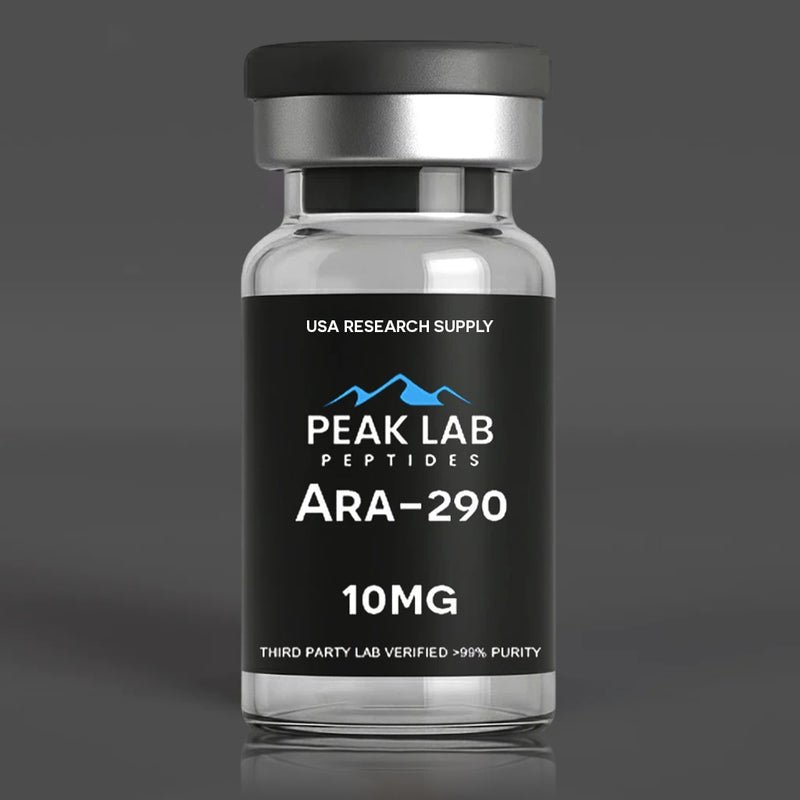
Ara-290 (10mg)
$50.00 Original price was: $50.00.$40.00Current price is: $40.00.
In stock
Become a Member and save 20% on Every Order.
Description
ARA-290 (Cibinetide)
ARA-290 – 10mg (Lyophilized Peptide) – For Research Use Only
ARA-290 is a synthetic peptide derived from erythropoietin (EPO) that is specifically engineered to retain tissue-protective properties without stimulating erythropoiesis. It is widely studied for its potential in anti-inflammatory, neuroprotective, and tissue repair research.
ARA-290 interacts with the innate repair receptor (IRR), making it a promising candidate in research related to chronic inflammation, neuropathic pain, and autoimmune conditions.
Product Details:
-
Peptide: ARA-290
-
Purity: >98%
-
Form: Lyophilized powder
-
Quantity: 10mg per vial
-
Storage: Store at -4°F (-20°C). After reconstitution, refrigerate at 36–46°F (2–8°C) and use within 30 days.
-
Grade: Research use only. Not for human consumption or therapeutic use.
Potential Research Applications:
-
Anti-inflammatory pathway studies
-
Neuropathic pain models
-
Tissue protection and repair research
-
Innate repair receptor (IRR) exploration
ARA-290 is a small peptide derived from the structure of erythropoietin (EPO) and designed to selectively engage tissue-protective signaling pathways without the hematopoietic effects typically associated with EPO. In research settings, ARA-290 is primarily investigated for its interaction with the so-called innate repair receptor (IRR) and tissue-protective receptor (TPR), where it has been shown in preclinical and early clinical studies to influence inflammatory signaling, vascular repair mechanisms, neuropathic pain pathways, and wound-healing processes.
Supplied strictly as a research compound, ARA-290 is intended for use in controlled laboratory experiments only. It is not approved for human or veterinary consumption, diagnosis, treatment, or prevention of any disease.
ARA-290 is a non-erythropoietic EPO analogue engineered to retain tissue-protective and anti-inflammatory properties while minimizing effects on red blood cell production and cardiovascular parameters. By targeting specific EPO-related receptor complexes (often referred to as IRR/TPR), ARA-290 is used to explore:
- Modulation of inflammatory cytokine release
- Protection and repair of vascular and endothelial cells
- Regulation of immune-cell activity and antigen presentation
- Neural repair mechanisms and small fiber nerve integrity
- Wound repair and tissue regeneration in ischemic or inflammatory environments
Preclinical and translational research has examined ARA-290 in models of vascular injury, islet transplantation, autoimmune conditions, neuropathic pain, and small fiber neuropathy, making it a versatile tool for studying tissue protection and immune modulation.
5 reviews for Ara-290 (10mg)
Blood Vessel and Endothelial Health
Retinal and systemic ischemic injury models have highlighted the importance of endothelial colony forming cells (ECFCs) in vascular repair. ARA-290 has been studied for its ability to:
- Protect ECFCs from inflammation-induced damage
- Enhance ECFC proliferation, migration, and survival
- Improve homing of ECFCs to injured or ischemic regions of the vasculature
These findings support the use of ARA-290 as a probe for mechanisms underlying vascular regeneration and microvascular repair. Research also suggests that ARA-290 may help improve the performance and durability of transplanted ECFCs, a key interest in regenerative medicine and vascular engineering models.
Inflammatory Cytokines and Islet Cell Survival
In models of islet cell transplantation, ARA-290 has been investigated for its potential to modulate inflammatory responses that typically limit graft survival. Studies in mice have shown that:
- ARA-290 can reduce macrophage activation and lessen the secretion of pro-inflammatory cytokines such as IL-6, IL-12, and TNF-α
- Reduced inflammatory signaling correlates with improved survival and function of transplanted islet cells
Mechanistically, these effects are linked to ARA-290 binding to tissue-protective receptor complexes, leading to decreased apoptosis, enhanced tissue protection, and more favorable local immune profiles. These results are experimental and focused on understanding how selective immune modulation can improve cell transplant outcomes.
Tissue Protection and Repair
ARA-290’s tissue-protective activity has been demonstrated across multiple preclinical models of injury and inflammation. Engagement of the TPR/IRR is associated with:
- Reduced apoptotic cell death in stressed tissues
- Diminished levels of damaging inflammatory cytokines
- Enhanced tissue regeneration, faster wound closure, and reduced scar formation in experimental wound models
These properties have led to significant interest in ARA-290 as a tool compound to study the biology of injury response, wound repair, and organ protection under ischemic or inflammatory conditions, particularly in the context of metabolic diseases such as diabetes.
Immune System Modulation
The TPR is expressed on several immune cell types, including macrophages, dendritic cells, mast cells, and T cells. ARA-290 has been used to interrogate how selective receptor targeting can reshape immune responses:
- In macrophages, ARA-290 reduces secretion of TNF-α and IL-6, which can limit excessive inflammation while still permitting pathogen control in many settings.
- ARA-290 influences chemokine signaling, reducing recruitment of inflammatory cells while supporting the activity of resident tissue macrophages involved in repair.
- Studies suggest that ARA-290 can modulate antigen presentation by dendritic cells, potentially altering adaptive immune responses and graft rejection pathways.
These immune-modulating properties have prompted investigations of ARA-290 in experimental models of colitis, systemic lupus erythematosus (SLE), and other autoimmune or inflammatory conditions. In certain lupus models, ARA-290 has been associated with reduced autoantibody levels and improved kidney parameters, illustrating its utility in studying targeted immune modulation.
Neuropathic Pain and Small Fiber Neuropathy
One of the most advanced areas of ARA-290 research relates to neuropathic pain and small fiber neuropathy:
- ARA-290 acts on the innate repair receptor, and emerging data indicate that it can also inhibit TRPV1 channel activity (the capsaicin/heat receptor), a key mediator of burning and heat-related pain.
- Studies in subjects with small fiber neuropathy (e.g., associated with sarcoidosis or metabolic disease) have reported increases in intraepidermal nerve fiber density and reductions in pain scores following ARA-290 exposure in controlled settings.
- These effects have led to clinical development of ARA-290 (also known as cibinetide) in neuropathic pain indications, including sarcoid neuropathy and diabetic neuropathy, under regulated investigational protocols.
In research contexts, ARA-290 therefore serves as a powerful tool to explore the relationship between immune signaling, nerve fiber integrity, and chronic neuropathic pain mechanisms.
Orphan and Translational Development Context
ARA-290 (cibinetide) has received orphan drug designation in specific neuropathic conditions and has progressed into mid- and late-stage clinical trials in those settings. From a research perspective, this makes ARA-290 particularly relevant in:
- Translational neuropathy models
- Chronic inflammatory and autoimmune pain syndromes
- Diabetic wound-healing and impaired tissue repair models
While these developments highlight its translational potential, ARA-290 supplied as a research peptide remains intended solely for non-clinical experimental use.
Q1: What is ARA-290 in a research context?
A1: ARA-290 is a non-erythropoietic peptide derived from erythropoietin, used in research to study tissue protection, immune modulation, vascular repair, and neuropathic pain mechanisms via the innate repair/tissue-protective receptor pathways.
Q2: What are the main experimental applications of ARA-290?
A2: Common research applications include models of vascular and endothelial repair, islet transplantation, autoimmune and inflammatory diseases, neuropathic pain, small fiber neuropathy, and wound healing in metabolic disease.
Q3: How does ARA-290 differ from full-length erythropoietin (EPO)?
A3: ARA-290 is designed to selectively activate tissue-protective receptor complexes without stimulating the hematopoietic and many cardiovascular effects associated with full-length EPO, making it more suitable for focused tissue-protection and immune-modulation research.
Q4: Is ARA-290 intended for human or veterinary use?
A4: No. ARA-290 from research suppliers is for laboratory use only and is not intended for human or veterinary consumption, diagnosis, treatment, or prevention of any condition.
Q5: Why is ARA-290 of interest in neuropathy research?
A5: ARA-290 has been studied for its effects on small nerve fiber integrity, inflammatory signaling, and TRPV1-related pain pathways, making it a valuable compound for investigating mechanisms underlying neuropathic pain and small fiber neuropathy in controlled studies.
Storage & Handling
All peptides are supplied as sterile, lyophilized powder and are stable when handled correctly.
- On arrival: Store vials in a cool, dry place away from heat and direct sunlight.
- Long-term (powder): For optimal longevity, keep lyophilized peptides refrigerated to help maintain integrity.
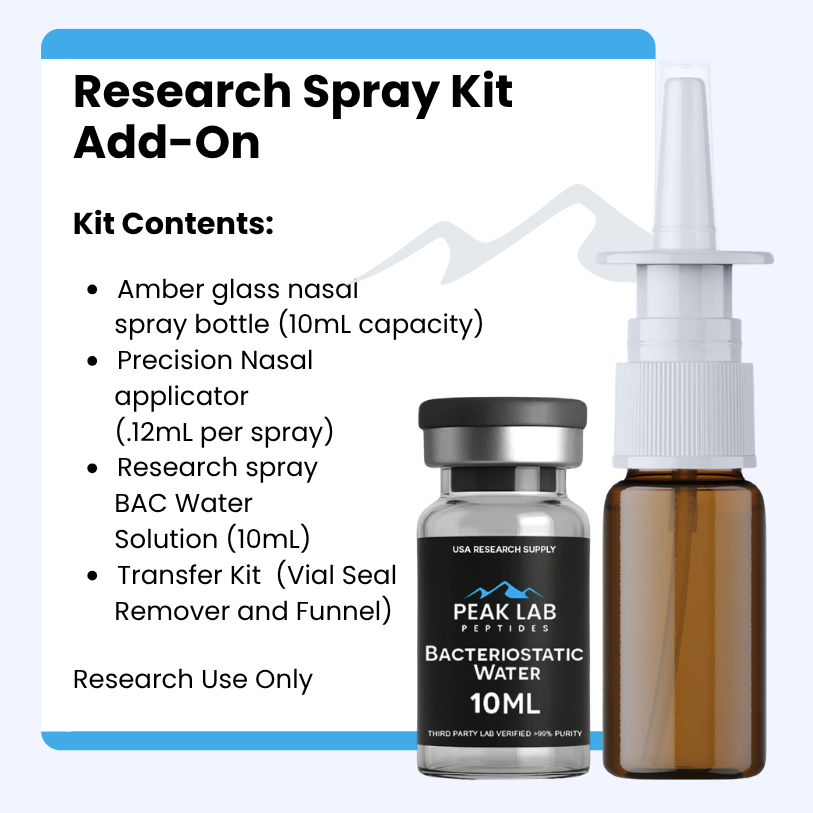
- After reconstitution: Use an appropriate research diluent (for example, BAC water). Store the reconstituted solution in the refrigerator and use within 20–30 days for best stability.
Note: Minimize exposure to moisture and repeated freeze–thaw cycles. Follow your institution's safety procedures when handling research materials.
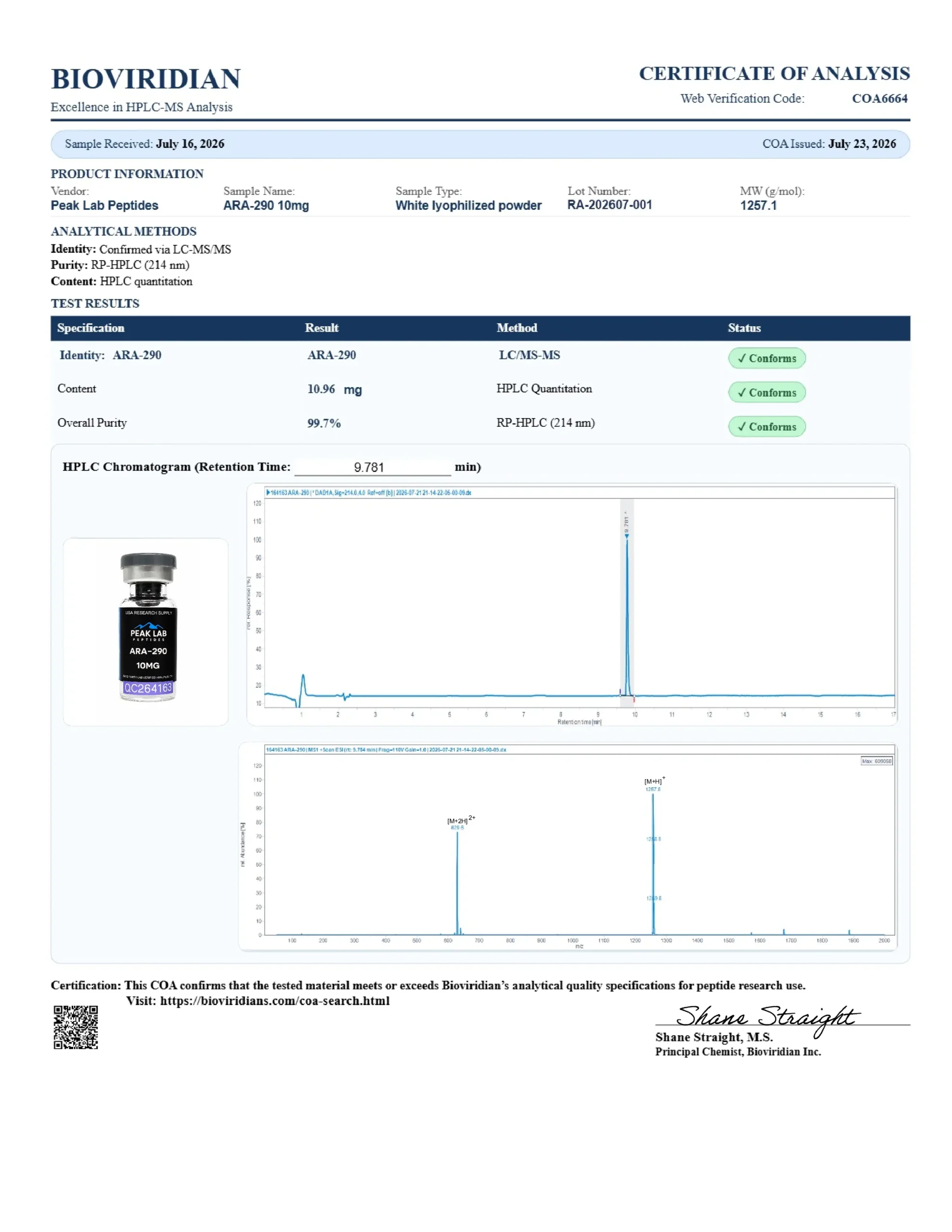
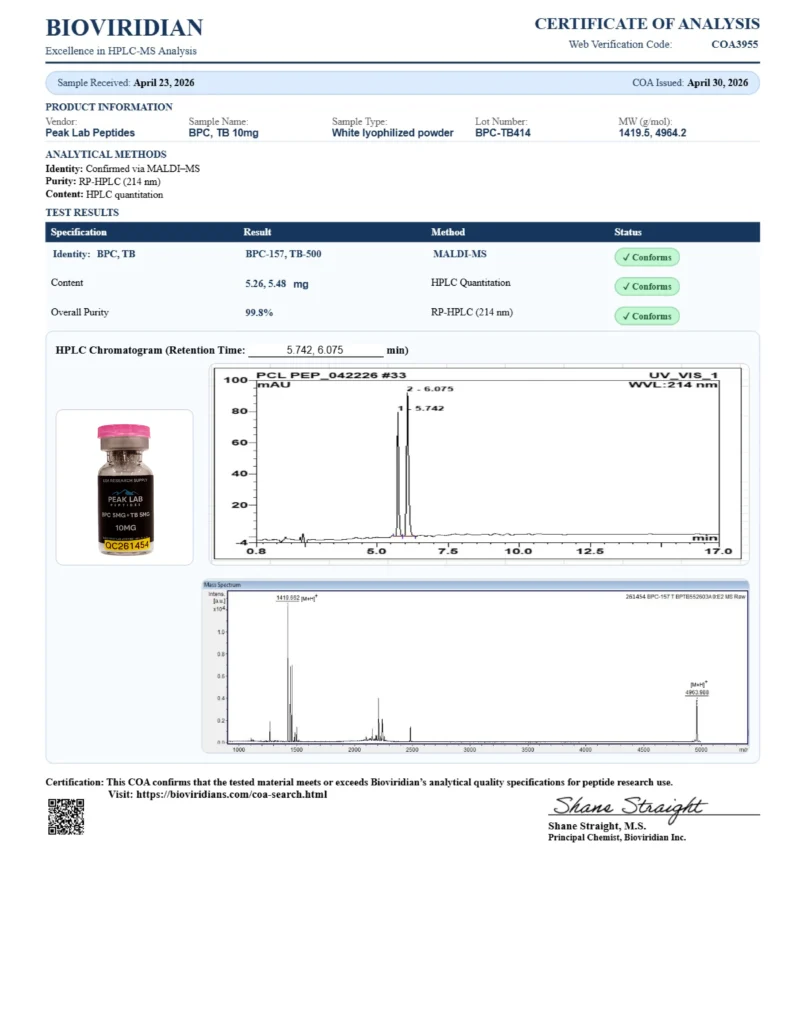
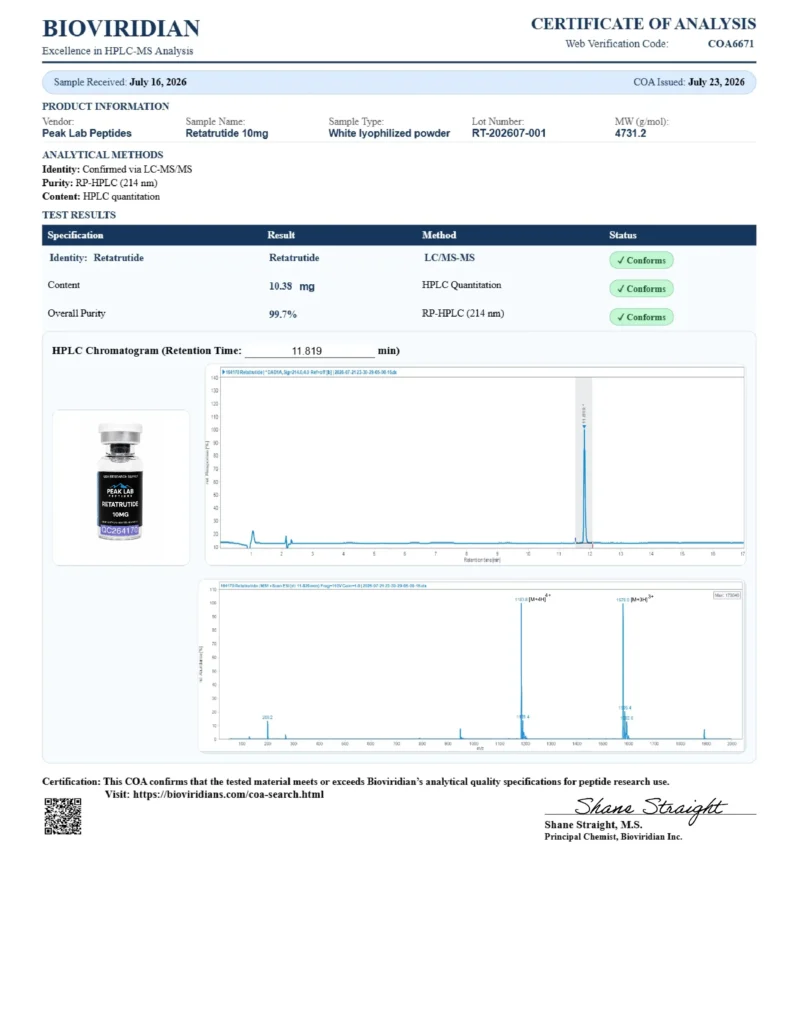
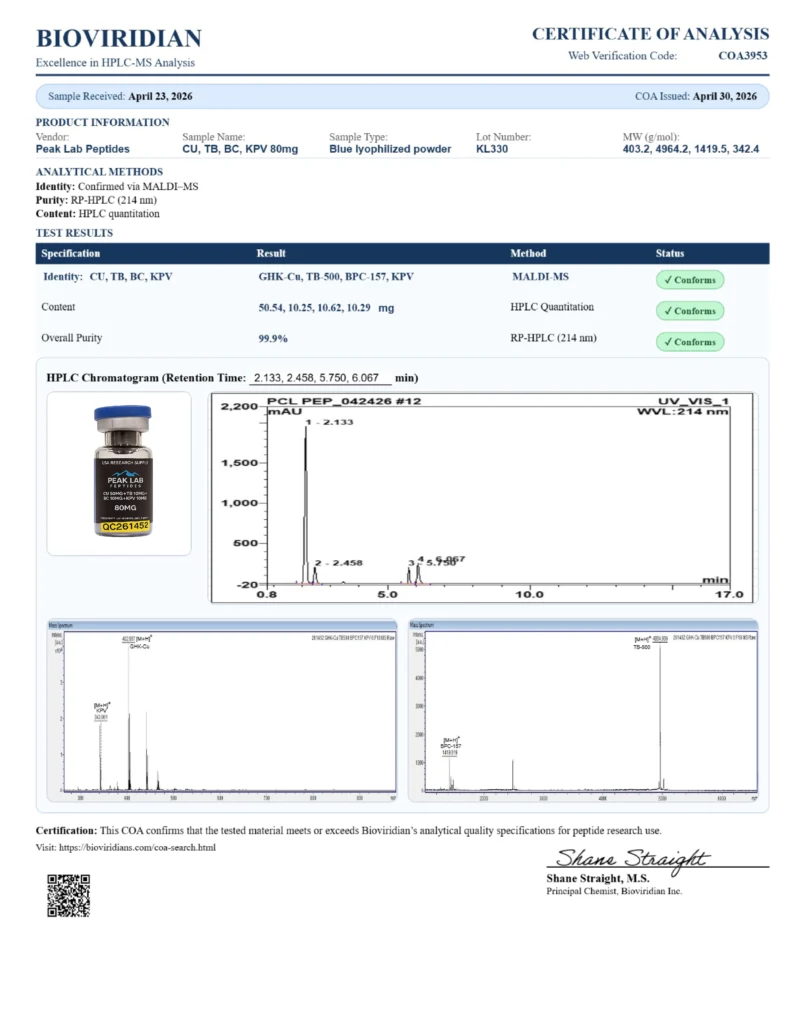
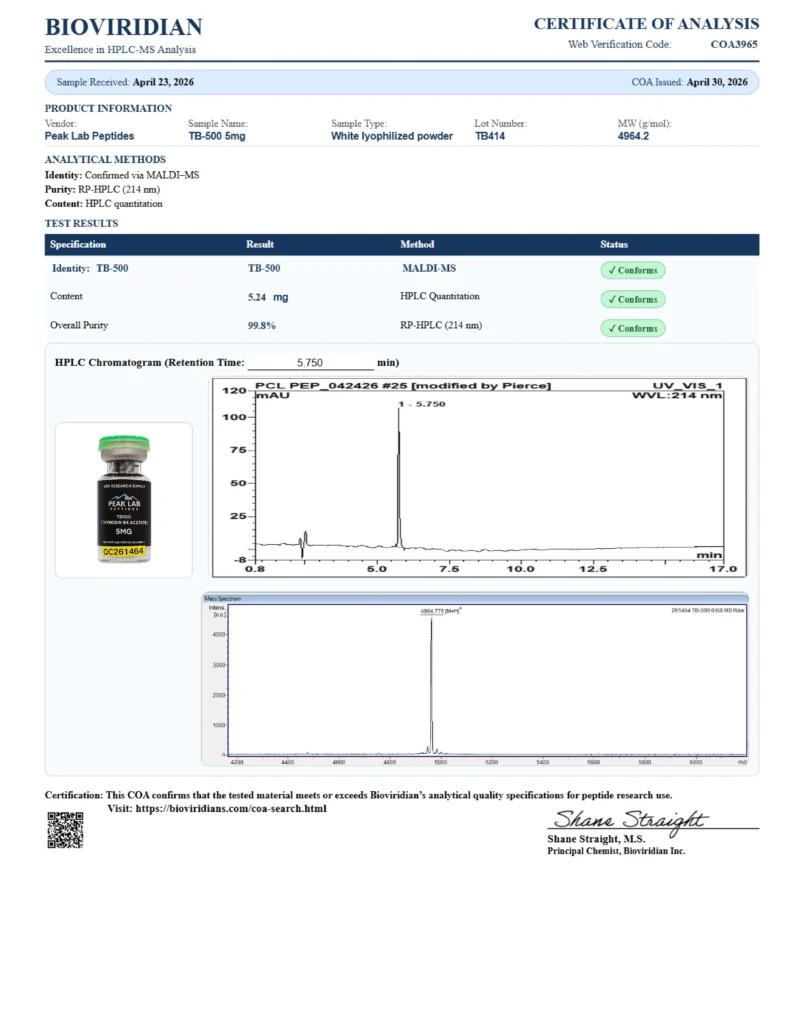
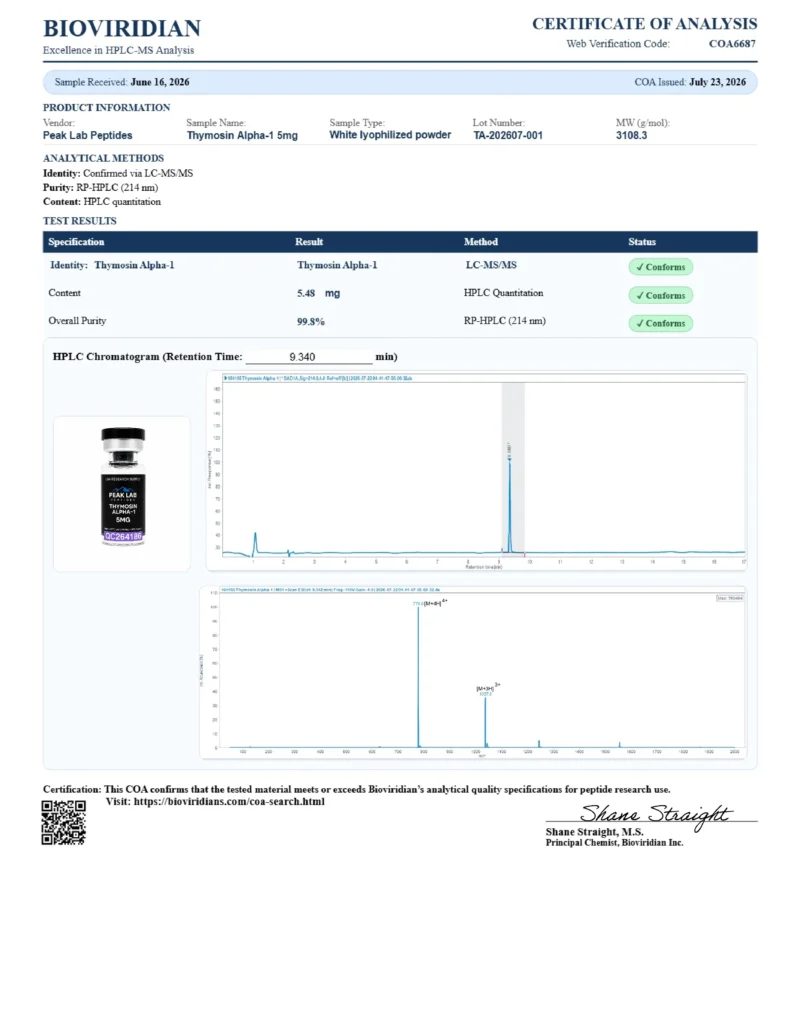
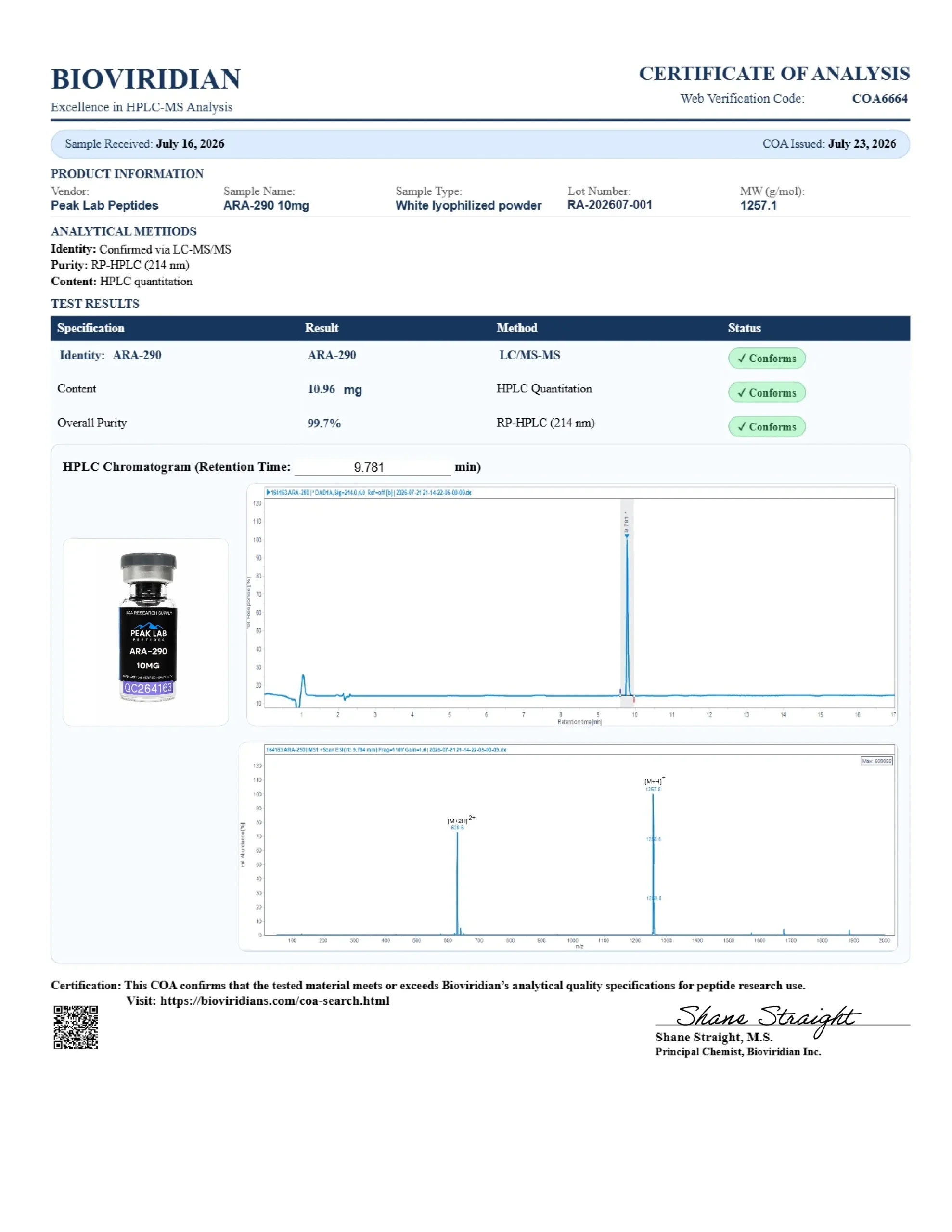
Peak Lab Peptides maintains quality-control processes and routinely performs third-party testing to support purity and identity verification. COAs are available upon request for applicable batches. Documentation may vary depending on production timelines.
We aim to make batch-level documentation available whenever possible. Our goal is to expand COA access across the full catalog as production capacity grows.
All products are for laboratory research use only and are not intended for human consumption.
Related Products
5-amino-1mq 5MG
5-Amino-1MQ (5-amino-1-methylquinolinium)
5-Amino-1MQ – Research Use Only
5-Amino-1MQ – 5mg (Lyophilized Powder) – For Research Use Only
5-Amino-1MQ is a small molecule methyltransferase inhibitor studied for its potential impact on cellular metabolism, energy regulation, and fat loss pathways. Research suggests it may inhibit NNMT (Nicotinamide N-Methyltransferase), an enzyme linked to metabolic rate and fat cell energy regulation.
Studies have explored 5-Amino-1MQ for its potential role in increasing NAD+ levels, enhancing energy expenditure, and promoting fat metabolism in various models.
Product Details:
-
Compound: 5-Amino-1MQ (5-Amino-1-Methylquinolinium)
-
Purity: >98%
-
Form: Lyophilized powder
-
Quantity: 50mg per vial
-
Storage: Store at -4°F (-20°C). After reconstitution, refrigerate at 36–46°F (2–8°C) and use within 30 days.
-
Grade: For research use only. Not for human consumption or therapeutic use.
Potential Research Applications:
-
Studies on NNMT inhibition and metabolic regulation
-
NAD+ production and energy pathway research
-
Fat metabolism and weight loss models
-
Investigations into cellular energy expenditure
Acetic Acid 0.6%
Acetic Acid 0.6% – 10ml (Sterile Solution) – For Laboratory Use Only
Acetic Acid 0.6% is a sterile, aqueous solution commonly used in research and lab settings for pH adjustment, buffer preparation, and preservative applications. Its mild acidic properties make it suitable for studies involving topical antimicrobial effects, cellular environment modification, and reagent preparation. This solution is intended for controlled research environments requiring low-concentration acetic acid in a sterile, injectable-grade format.Product Details:
Compound: Acetic Acid 0.6% in sterile water Volume: 10ml multi-dose vial Form: Sterile solution Concentration: 0.6% w/v Storage: Store at 68–77°F (20–25°C); protect from light and contamination Grade: For laboratory research only. Not for human or animal use in therapeutic or diagnostic procedures.Potential Research Applications:
pH regulation and buffer system studies Topical antimicrobial and cytotoxicity research Reagent dilution and formulation preparation Laboratory protocol requiring acidic conditions For laboratory use only. This product is not intended to diagnose, treat, cure, or prevent any disease.BPC-157
BPC-157
BPC-157 (Body Protection Compound 157) is a synthetic pentadecapeptide studied in preclinical models for its roles in tissue repair signaling, angiogenesis, nitric oxide modulation, and gastrointestinal mucosal research. Supplied as lyophilized powder at 99%+ HPLC verified purity. Batch-specific COA included. For in vitro research use only.
DSIP
DSIP (Delta Sleep-Inducing Peptide)
DSIP (Delta Sleep-Inducing Peptide) – 5mg (Lyophilized Powder) – For Research Use Only
DSIP is a naturally occurring neuropeptide studied for its potential role in sleep regulation, stress response, and neuroendocrine function. Originally isolated from the brain, DSIP is of particular interest in research on sleep patterns, circadian rhythm modulation, and stress adaptation mechanisms.
Studies have also explored its potential influence on hormone release, oxidative stress, and neuroprotection.
Product Details:
-
Peptide: DSIP (Delta Sleep-Inducing Peptide)
-
Purity: >98%
-
Form: Lyophilized powder
-
Quantity: 5mg per vial
-
Storage: Store at -4°F (-20°C). After reconstitution, refrigerate at 36–46°F (2–8°C) and use within 30 days.
-
Grade: For research purposes only. Not for human consumption, therapeutic, or diagnostic use.
Potential Research Applications:
-
Sleep regulation and circadian rhythm studies
-
Stress adaptation and cortisol modulation research
-
Neuroprotection and oxidative stress models
-
Endocrine system and hormone balance investigations
For laboratory research only. This product is not intended to diagnose, treat, cure, or prevent any disease.
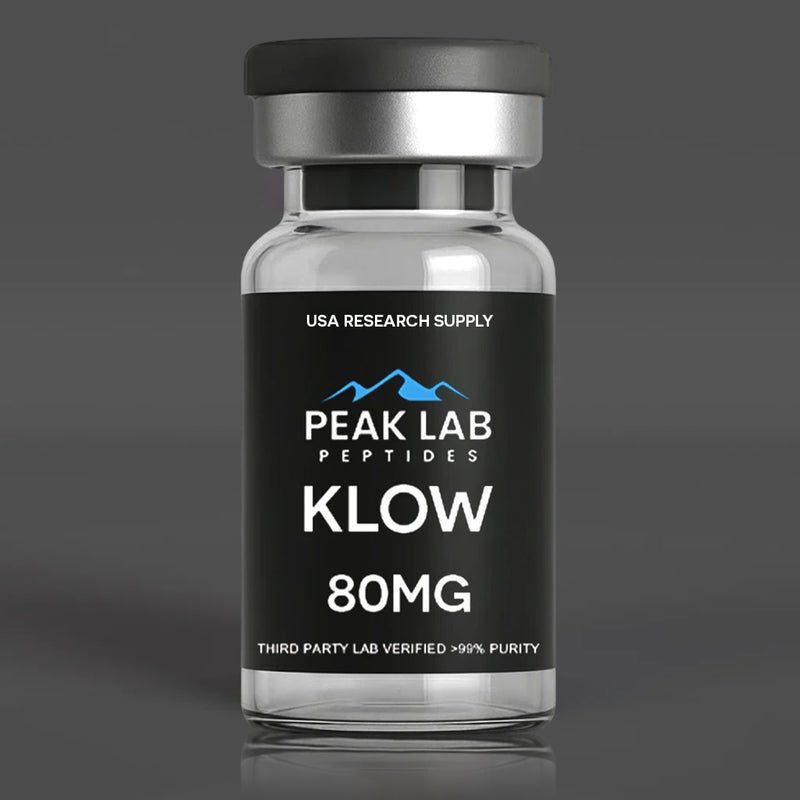
KLOW Blend 80mg – GHK-Cu, TB-500, BPC-157, KPV
KLOW – 80mg Peptide Blend (Lyophilized Powder) – For Research Use Only GHK-Cu • TB-500 • BPC-157 • KPV
KLOW is an advanced 4-in-1 research peptide blend combining 80mg of regenerative and anti-inflammatory compounds studied for their potential in tissue repair, immune modulation, and cellular recovery. Designed for comprehensive healing models, KLOW offers synergistic support across skin, muscle, and gut research applications. Active Ingredients (Per Vial): GHK-Cu – 50mg Studied for skin regeneration, wound healing, collagen stimulation, and hair follicle support. TB-500 – 10mg A fragment of Thymosin Beta-4, known for supporting angiogenesis, cell migration, and muscle recovery. BPC-157 – 10mg Derived from a gastric protein, BPC-157 is studied for gut repair, tendon/ligament healing, and anti-inflammatory effects. KPV – 10mg A tripeptide fragment with strong research interest for localized inflammation and immune modulation, particularly in the gut and skin. Product Details: Total Peptide Content: 80mg per vial: Lyophilized powder Purity: >98% Storage: Store at -4°F (-20°C). After reconstitution, refrigerate at 36–46°F (2–8°C) and use within 30 days. Grade: For research purposes only. Not for human consumption, therapeutic, or diagnostic use. Potential Research Applications: Soft tissue, muscle, and ligament repair Skin rejuvenation and wound healing models Inflammatory bowel and gut barrier integrity studies Anti-inflammatory and immune modulation research For laboratory research only. This product is not intended to diagnose, treat, cure, or prevent any disease.NAD+
NAD+ (Nicotinamide Adenine Dinucleotide)
NAD+ (Nicotinamide Adenine Dinucleotide) – 500mg (Lyophilized Powder) – For Research Use Only
NAD+ is a vital coenzyme found in all living cells, playing a critical role in energy metabolism, mitochondrial function, and cellular repair. It is heavily studied in research models exploring aging, metabolic health, oxidative stress, and neuroprotection.
NAD+ is particularly significant in studies on sirtuin activation, DNA repair pathways, and mitochondrial health, making it a key component of advanced longevity and metabolic research.
Product Details:
-
Compound: NAD+ (Nicotinamide Adenine Dinucleotide)
-
Purity: >98%
-
Form: Lyophilized powder
-
Quantity: 500mg per vial
-
Storage: Store at -4°F (-20°C). After reconstitution, refrigerate at 36–46°F (2–8°C) and use within 30 days.
-
Grade: For research purposes only. Not for human consumption, therapeutic, or diagnostic use.
Potential Research Applications:
-
Mitochondrial function and energy metabolism studies
-
Anti-aging, longevity, and sirtuin pathway research
-
DNA repair and oxidative stress models
-
Neuroprotection and cognitive function investigations
For laboratory research only. This product is not intended to diagnose, treat, cure, or prevent any disease.
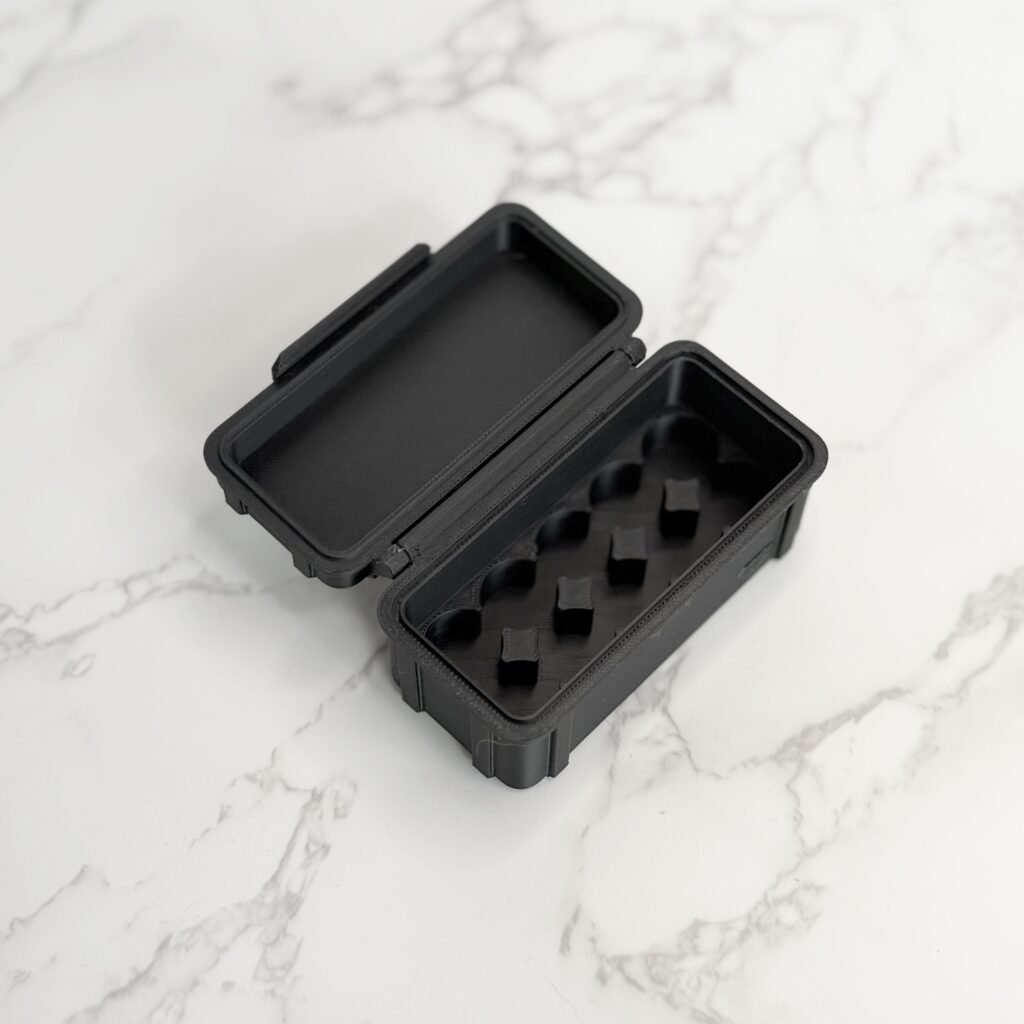
Peptide Storage Case (3ml x 8, 10ml x 1) — Hard Shell Protective Organizer
Keep your research materials organized, protected, and ready for use.
This hard shell peptide storage case is designed to securely hold up to 8 standard 3ml vials and 1 larger 10ml vial, with a precision-fit interior that keeps everything in place during transport or storage.
The compact, durable design makes it ideal for both at-home organization and on-the-go use, while the structured interior prevents movement, tipping, or contact between vials.
Key Features:
- Custom-fit layout: Holds 8 × 3ml vials + 1 × 10ml vial
- Hard shell exterior: Durable, impact-resistant protection
- Secure closure: Keeps contents safely contained
- Precision interior insert: Minimizes movement and vibration
- Compact & travel-friendly: Easy to store or carry
Built for reliability and clean organization, this case helps maintain a professional and efficient research setup.
Important:
- For research use only. Not for human consumption.
- Vials not included
Sermorelin
Sermorelin
Sermorelin – 10mg (Lyophilized Peptide) – For Research Use Only
Sermorelin is a synthetic peptide analog of Growth Hormone-Releasing Hormone (GHRH 1-29), the active fragment responsible for stimulating natural growth hormone (GH) release. It is widely studied for its potential to enhance endogenous GH production, support recovery, promote muscle growth, and aid in anti-aging research models.
Sermorelin is often researched alongside other GH secretagogues such as Ipamorelin or CJC-1295 for synergistic effects on growth hormone pathways.
Product Details:
-
Peptide: Sermorelin (GHRH 1-29)
-
Purity: >98%
-
Form: Lyophilized powder
-
Quantity: 5mg per vial
-
Storage: Store at -4°F (-20°C). After reconstitution, refrigerate at 36–46°F (2–8°C) and use within 30 days.
-
Grade: For research purposes only. Not for human consumption, therapeutic, or diagnostic use.
Potential Research Applications:
-
Growth hormone stimulation studies
-
Muscle growth and recovery research models
-
Anti-aging and longevity studies
-
GH axis and endocrine function exploration
For laboratory research use only. This product is not intended to diagnose, treat, cure, or prevent any disease.
Tesamorelin
Tesamorelin
Tesamorelin – 10mg (Lyophilized Peptide) – For Research Use Only
Tesamorelin is a synthetic peptide analog of Growth Hormone-Releasing Hormone (GHRH), specifically engineered to increase endogenous growth hormone (GH) secretion. It is widely studied for its potential effects on lipolysis, body composition, and metabolic health, particularly in models focused on visceral fat reduction and aging research.
Tesamorelin has been of special interest in studies involving growth hormone deficiency, fat metabolism, and cardiovascular risk markers.
Product Details:
-
Peptide: Tesamorelin (GHRH analog)
-
Purity: >98%
-
Form: Lyophilized powder
-
Quantity: 2mg per vial
-
Storage: Store at -4°F (-20°C). After reconstitution, refrigerate at 36–46°F (2–8°C) and use within 30 days.
-
Grade: For research purposes only. Not for human consumption, therapeutic, or diagnostic applications.
Potential Research Applications:
-
Growth hormone secretion and lipolysis studies
-
Visceral adipose tissue and metabolic research models
-
Body composition and anti-aging investigations
-
Cardiovascular risk factor and insulin sensitivity studies
For laboratory research only. This product is not intended to diagnose, treat, cure, or prevent any disease.
Thymosin Alpha-1
Thymosin Alpha-1 (Tα1)
Thymosin Alpha-1 – Research Use Only
Thymosin Alpha-1 – 5mg (Lyophilized Peptide) – For Research Use Only
Thymosin Alpha-1 (Ta1) is a naturally occurring peptide fragment derived from prothymosin alpha, studied for its potential role in immune modulation, inflammation control, and cellular defense mechanisms. It has been of particular interest in research models exploring immune response enhancement, antiviral activity, and immune regulation.
Thymosin Alpha-1 is often studied in relation to immune system support, chronic infection models, and immune deficiency research.
Product Details:
-
Peptide: Thymosin Alpha-1
-
Purity: >98%
-
Form: Lyophilized powder
-
Quantity: 5mg per vial
-
Storage: Store at -4°F (-20°C). After reconstitution, refrigerate at 36–46°F (2–8°C) and use within 30 days.
-
Grade: For research purposes only. Not for human consumption or therapeutic use.
Potential Research Applications:
-
Immune modulation and enhancement studies
-
Chronic infection and antiviral research models
-
Inflammatory response and cytokine regulation studies
-
Immune deficiency and autoimmune condition research

Kenneth –
Product descriptions match exactly what was delivered.
Andrew –
Clear product details and proper labeling are a big plus.
Steven –
A dependable seller for research-grade peptides.
Joshua –
Very happy with both the product quality and overall service.
Paul –
Orders are processed and shipped without unnecessary delays.