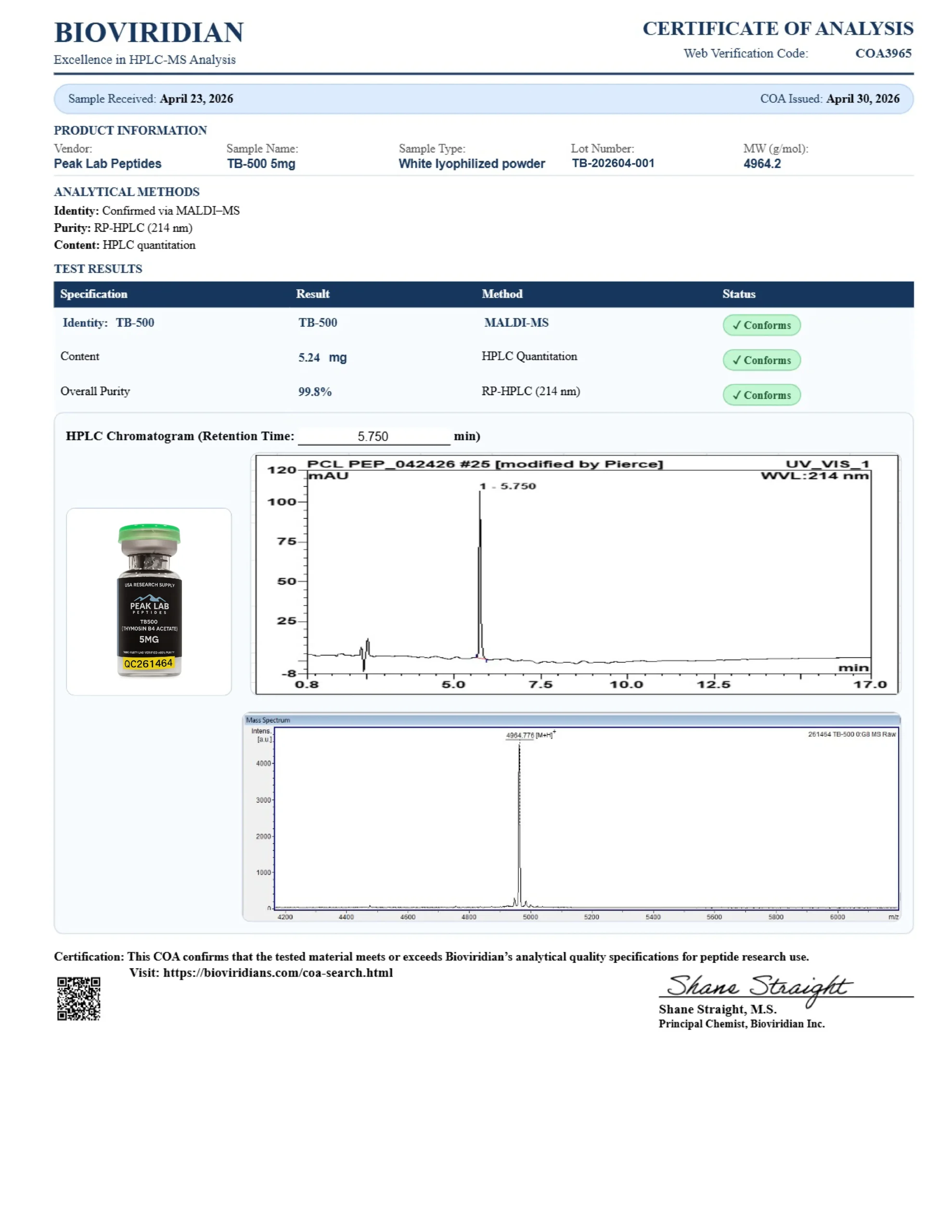
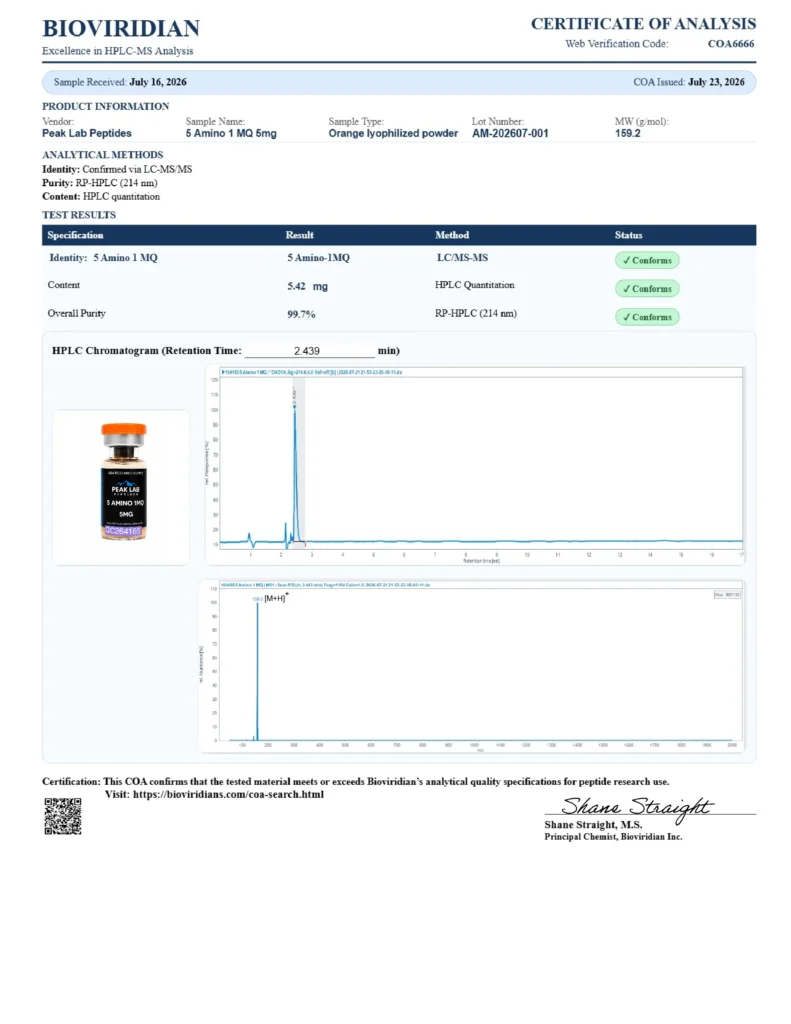
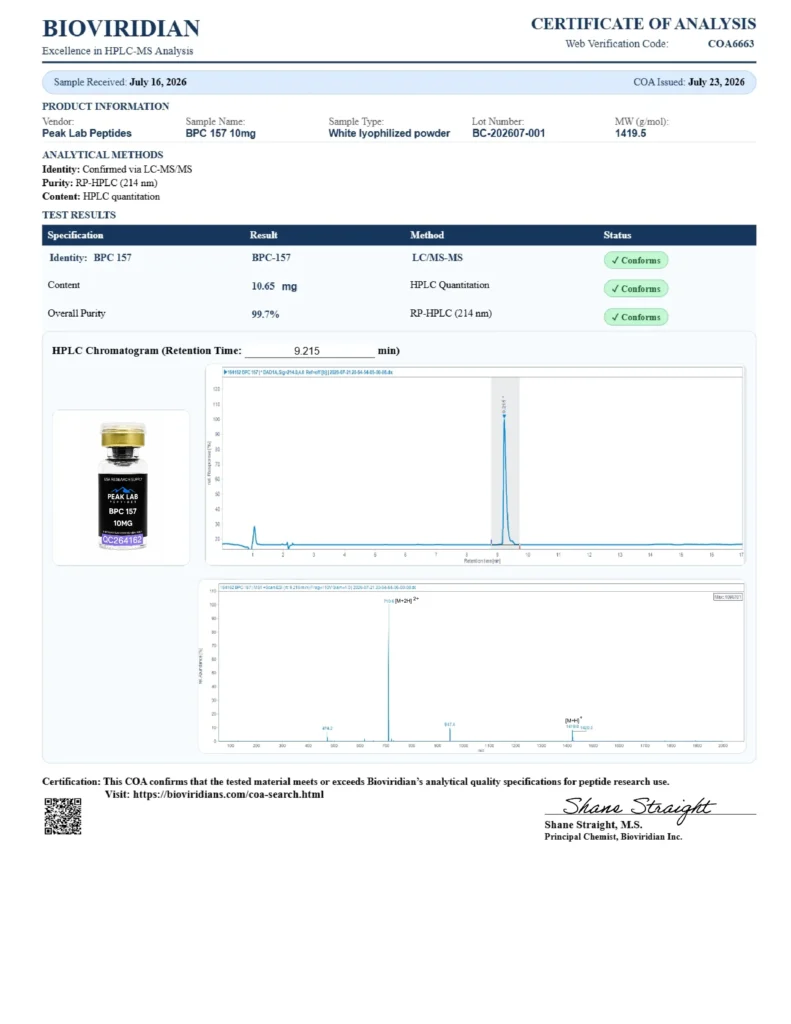
99.8% — exceeds 99.00% minimum spec
- Batch
- TB-202604-001
- Test date
- April 30, 2026
- Method
- HPLC + MS
- Lab
-
Bioviridian
College Station, TX
Related Products
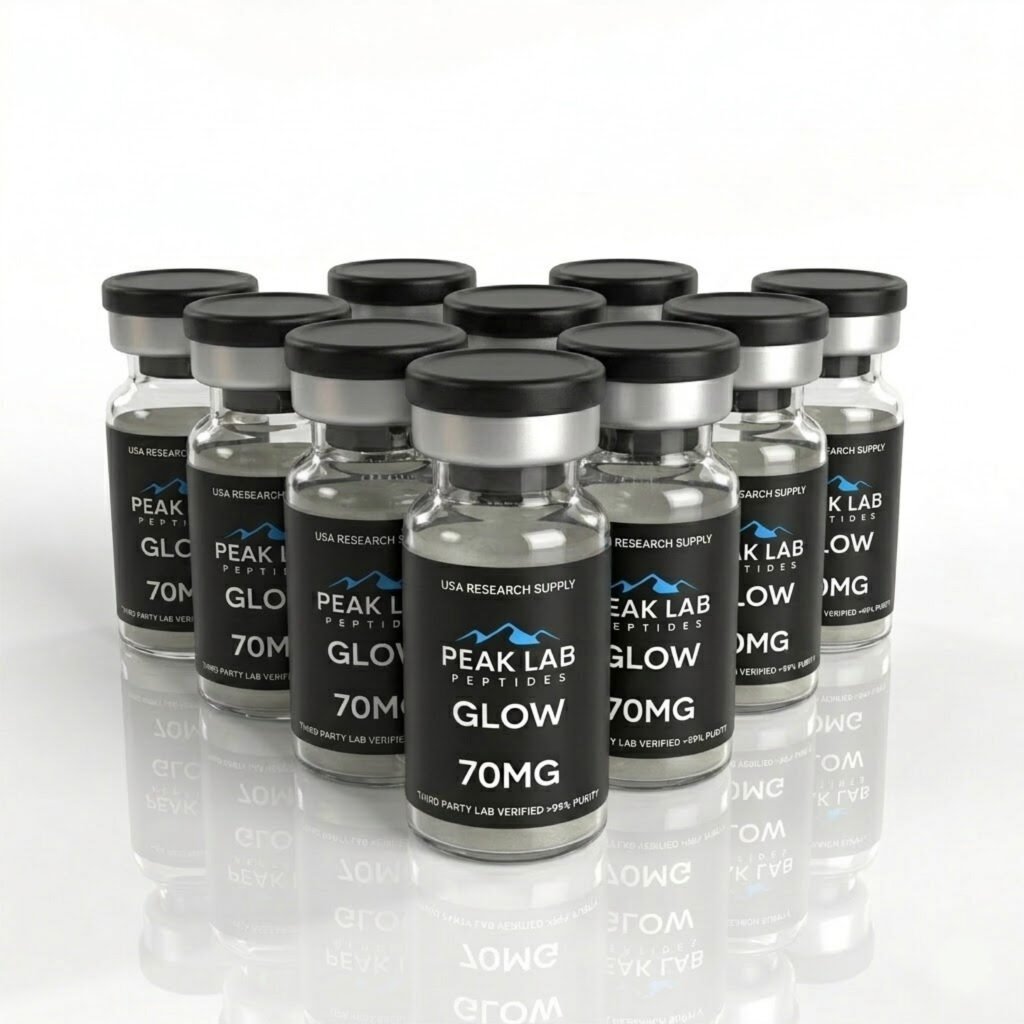
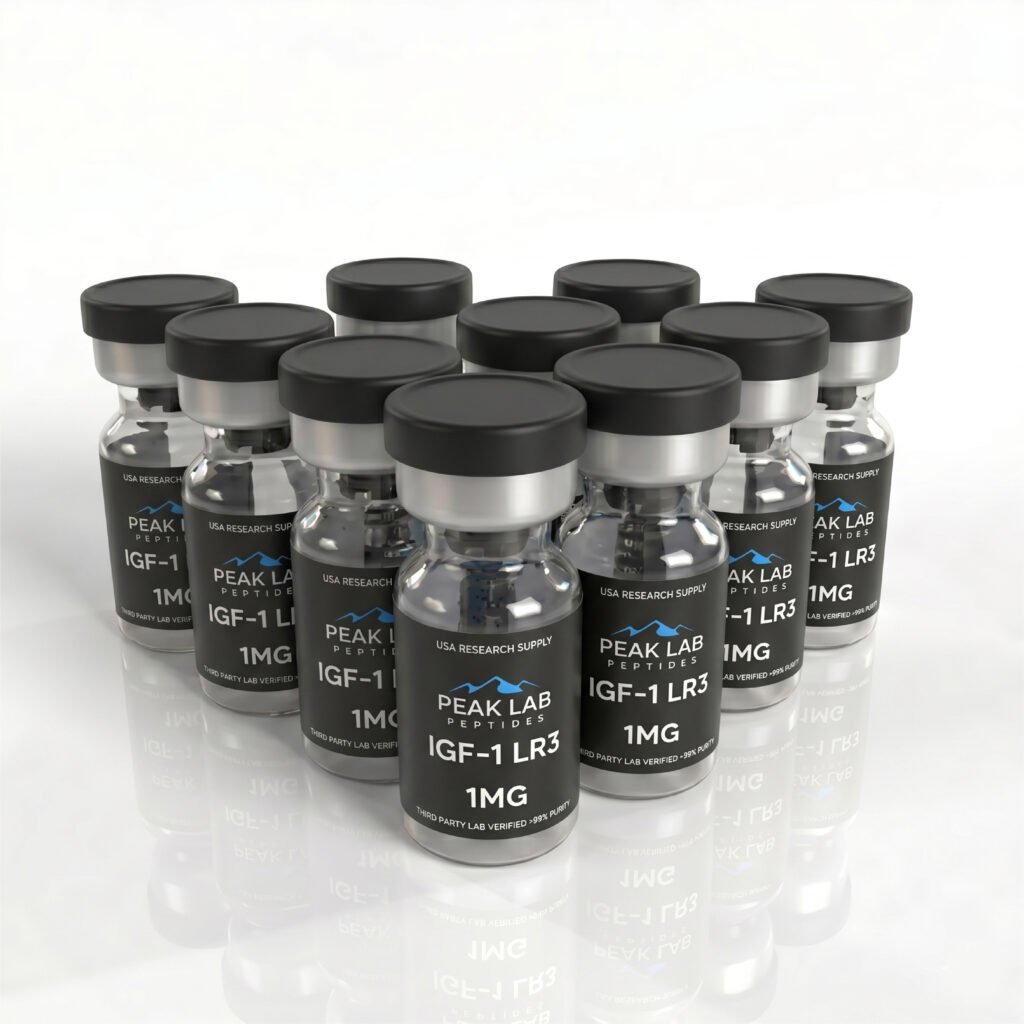
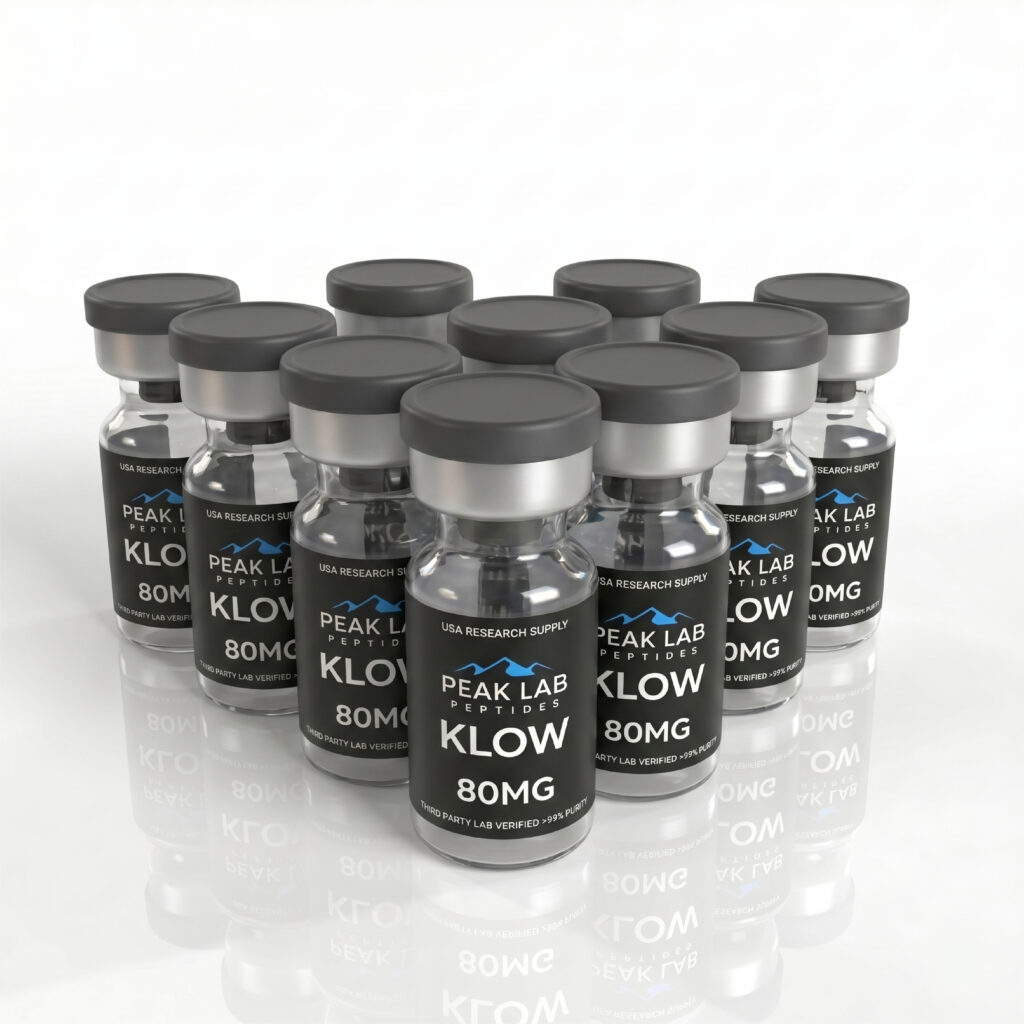
KLOW Blend 10-Vial Kit (GHK-Cu, TB-500, BPC-157, KPV)
KLOW Blend 10 Vial Kit
KLOW – 80mg Peptide Blend (Lyophilized Powder) 10 Vial Kit – For Research Use Only GHK-Cu • TB-500 • BPC-157 • KPV
KLOW is an advanced 4-in-1 research peptide blend combining 80mg of regenerative and anti-inflammatory compounds studied for their potential in tissue repair signaling, immune modulation, and cellular recovery mechanisms in controlled laboratory environments. Each component contributes a distinct and complementary mechanism of action, making KLOW a subject of interest in multi-pathway research models.
Active Ingredients (Per Vial):
GHK-Cu – 50mg A copper-binding tripeptide studied for its role in collagen synthesis, cellular regeneration signaling, and extracellular matrix remodeling in laboratory research models.
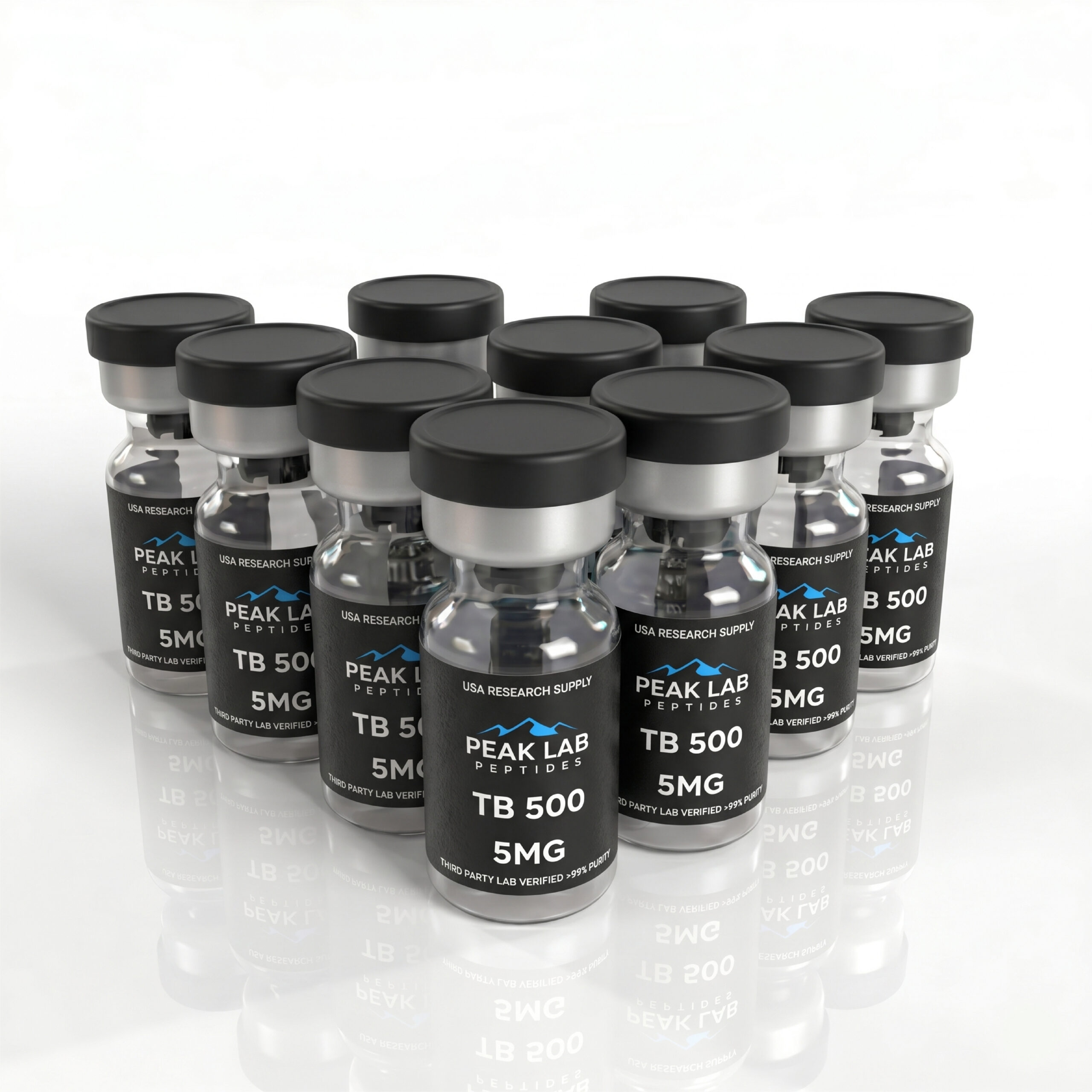
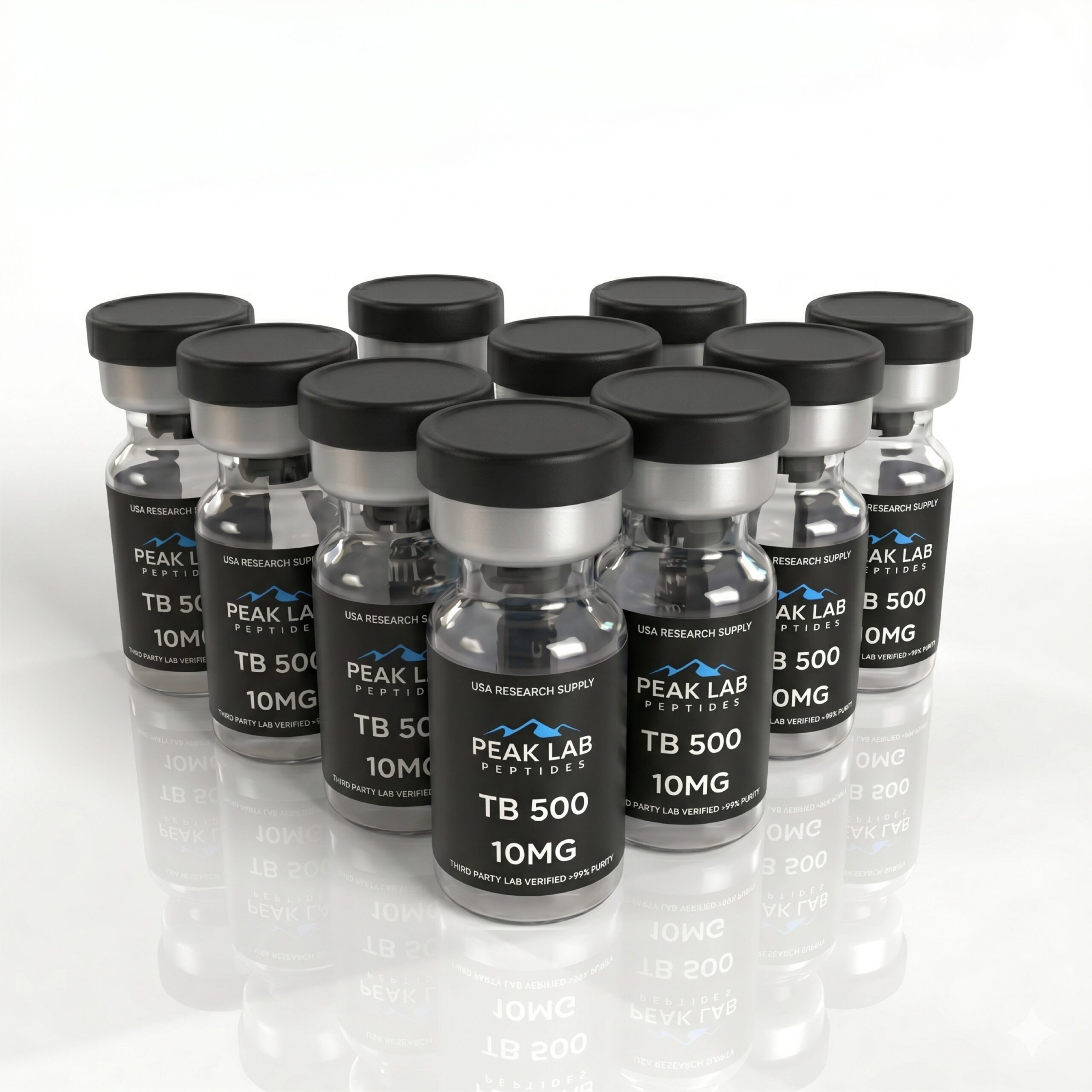
TB-500 – 10mg A synthetic fragment of Thymosin Beta-4 studied for its interaction with G-actin sequestration, angiogenesis pathway activity, and cell migration mechanisms in preclinical research.
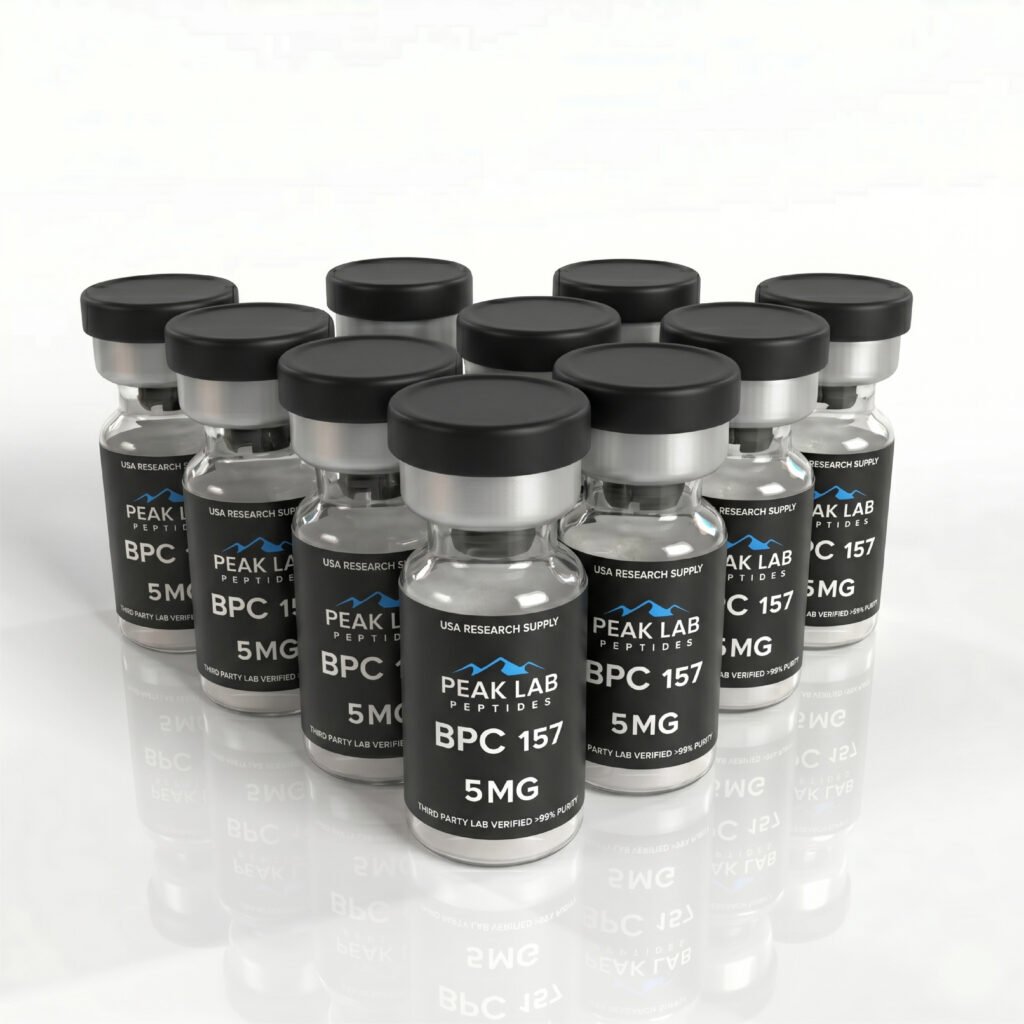
BPC-157 – 10mg A synthetic pentadecapeptide derived from a gastric protein, studied for its role in tissue repair signaling, NO system modulation, and VEGF pathway activity in controlled research environments.
KPV – 10mg A naturally occurring tripeptide fragment studied for its role in inflammatory signaling pathway modulation and immune regulation mechanisms across multiple tissue types.
Product Details:
- Total Peptide Content: 80mg per vial
- Form: Lyophilized powder
- Purity: >99%
- Quantity: 10 vials per kit
- Storage: Store at -4°F (-20°C). After reconstitution, refrigerate at 36–46°F (2–8°C) and use within 30 days.
- Grade: For research purposes only. Not for human consumption, therapeutic, or diagnostic use.
Potential Research Applications:
- Multi-peptide synergy and complementary pathway mechanism studies
- Cellular regeneration signaling and extracellular matrix research
- Inflammatory pathway modulation and immune regulation models
- Angiogenesis, cell migration, and tissue repair signaling investigations
For laboratory research only. This product is not intended to diagnose, treat, cure, or prevent any disease.
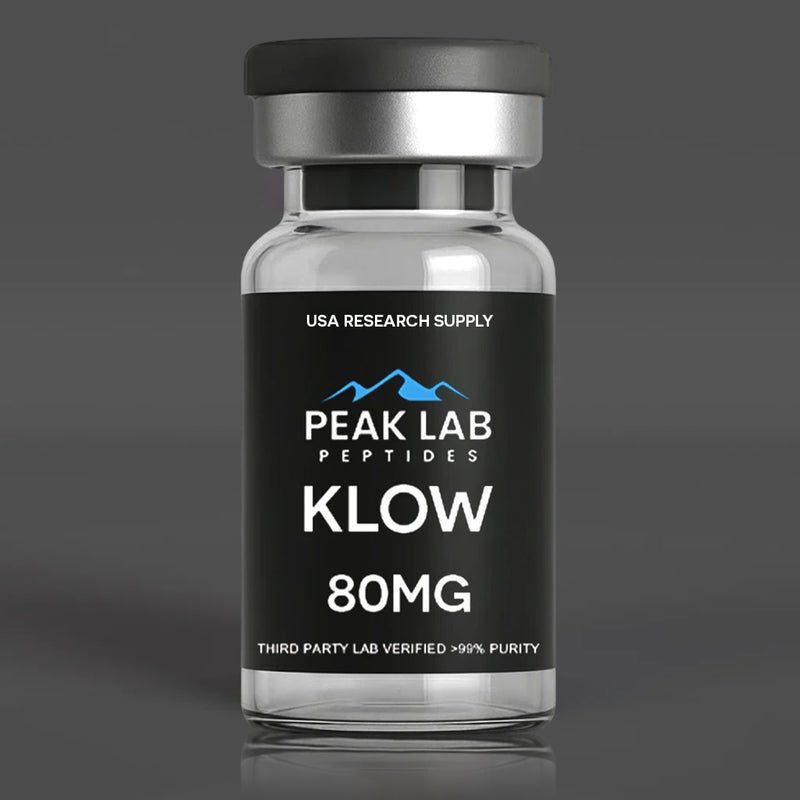
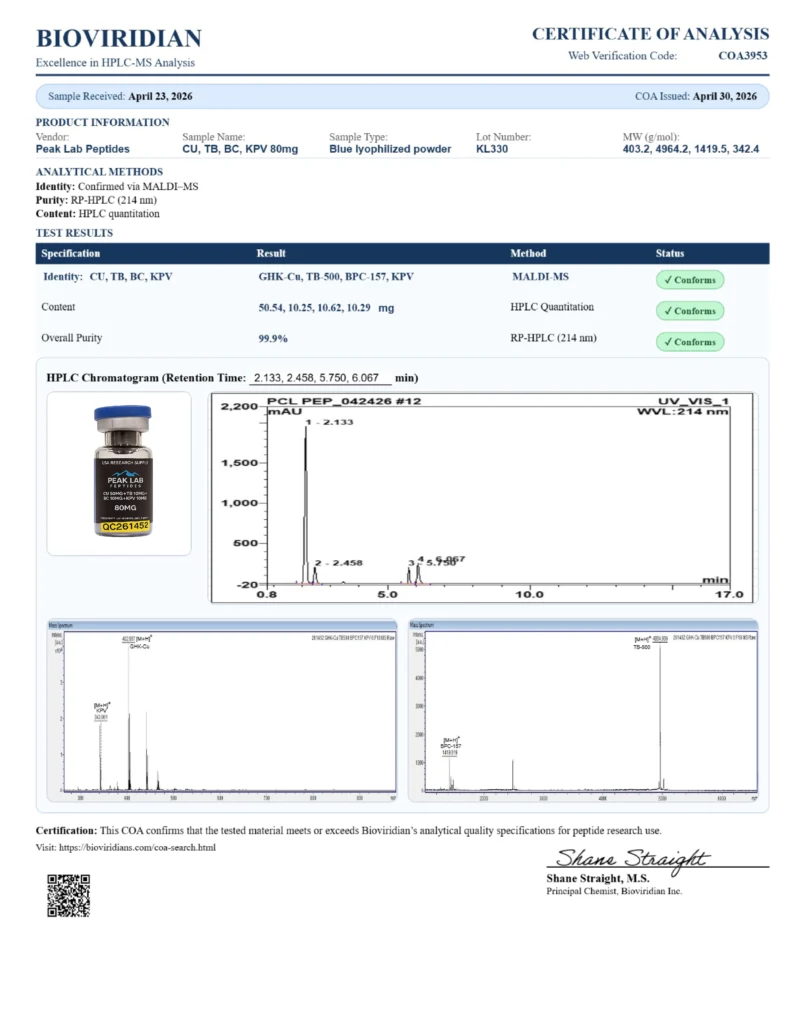
KLOW Blend 80mg – GHK-Cu, TB-500, BPC-157, KPV
KLOW Blend
KLOW – 80mg Peptide Blend (Lyophilized Powder) – For Research Use Only GHK-Cu • TB-500 • BPC-157 • KPV
KLOW is an advanced 4-in-1 research peptide blend combining 80mg of compounds studied for their potential in tissue repair signaling, immune modulation, and cellular recovery mechanisms in controlled laboratory environments. Each component contributes a distinct and complementary mechanism of action, making KLOW a subject of interest in multi-pathway research models.
Active Ingredients (Per Vial):
GHK-Cu – 50mg A copper-binding tripeptide studied for its role in collagen synthesis, cellular regeneration signaling, and extracellular matrix remodeling in laboratory research models.
TB-500 – 10mg A synthetic fragment of Thymosin Beta-4 studied for its interaction with G-actin sequestration, angiogenesis pathway activity, and cell migration mechanisms in preclinical research.
BPC-157 – 10mg A synthetic pentadecapeptide derived from a gastric protein, studied for its role in tissue repair signaling, NO system modulation, and VEGF pathway activity in controlled research environments.
KPV – 10mg A naturally occurring tripeptide fragment studied for its role in inflammatory signaling pathway modulation and immune regulation mechanisms across multiple tissue types.
Product Details:
- Total Peptide Content: 80mg per vial
- Form: Lyophilized powder
- Purity: >99%
- Quantity: 80mg vial
- Storage: Store at -4°F (-20°C). After reconstitution, refrigerate at 36–46°F (2–8°C) and use within 30 days.
- Grade: For research purposes only. Not for human consumption, therapeutic, or diagnostic use.
Potential Research Applications:
- Multi-peptide synergy and complementary pathway mechanism studies
- Cellular regeneration signaling and extracellular matrix research
- Inflammatory pathway modulation and immune regulation models
- Angiogenesis, cell migration, and tissue repair signaling investigations
For laboratory research only. This product is not intended to diagnose, treat, cure, or prevent any disease.
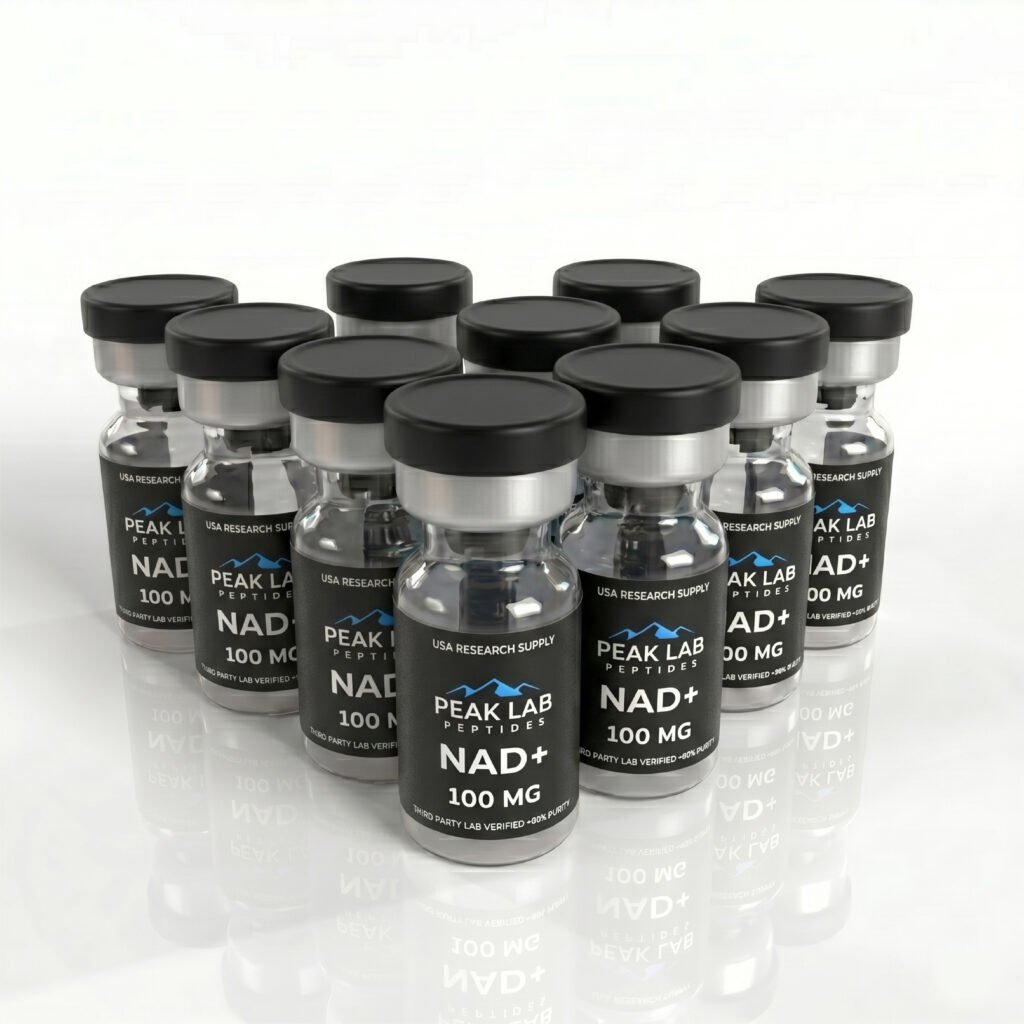
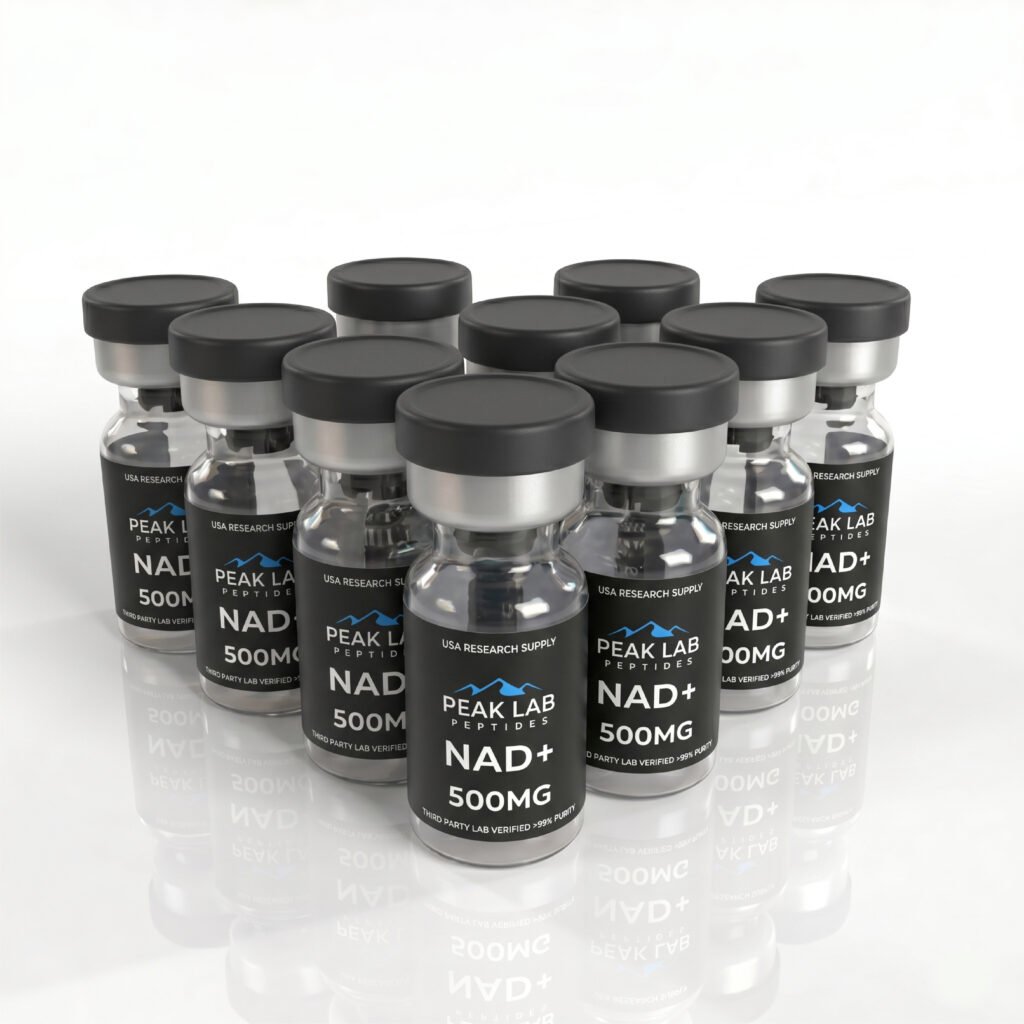
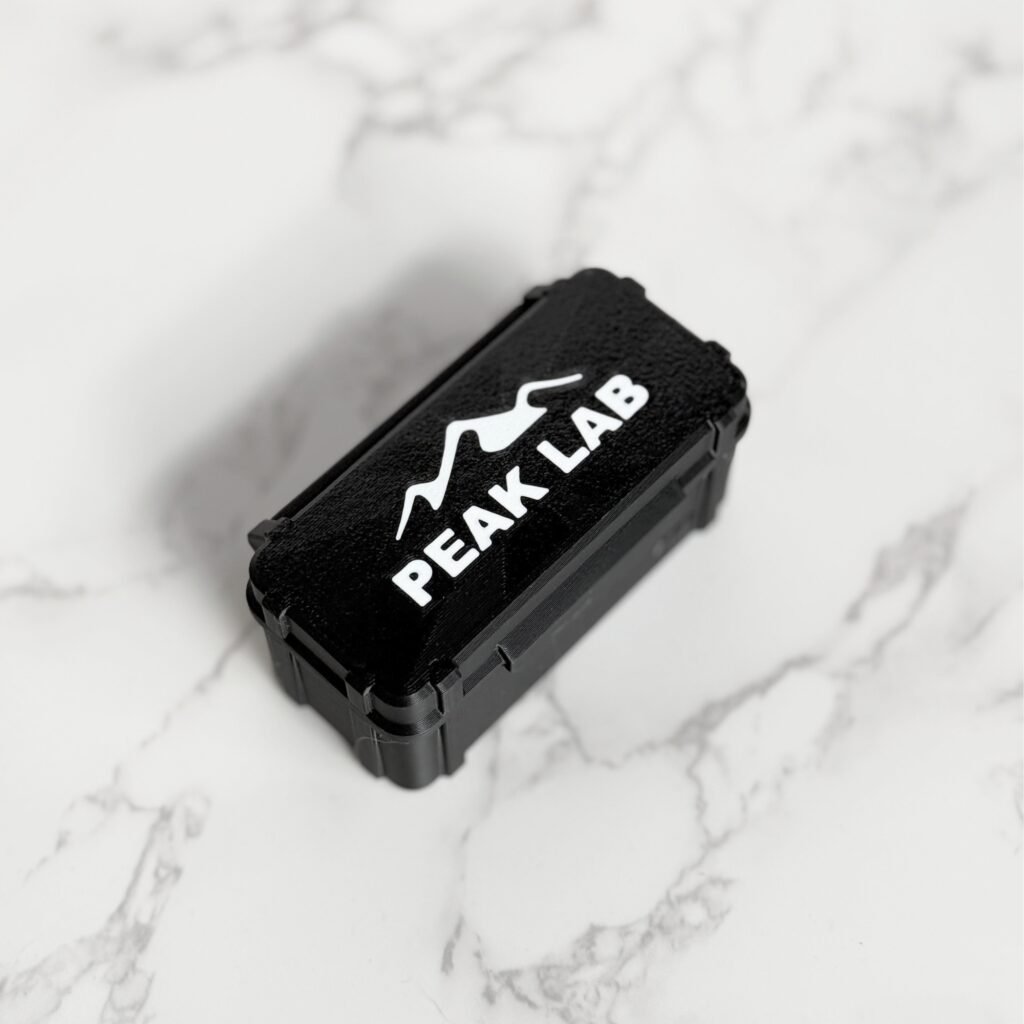
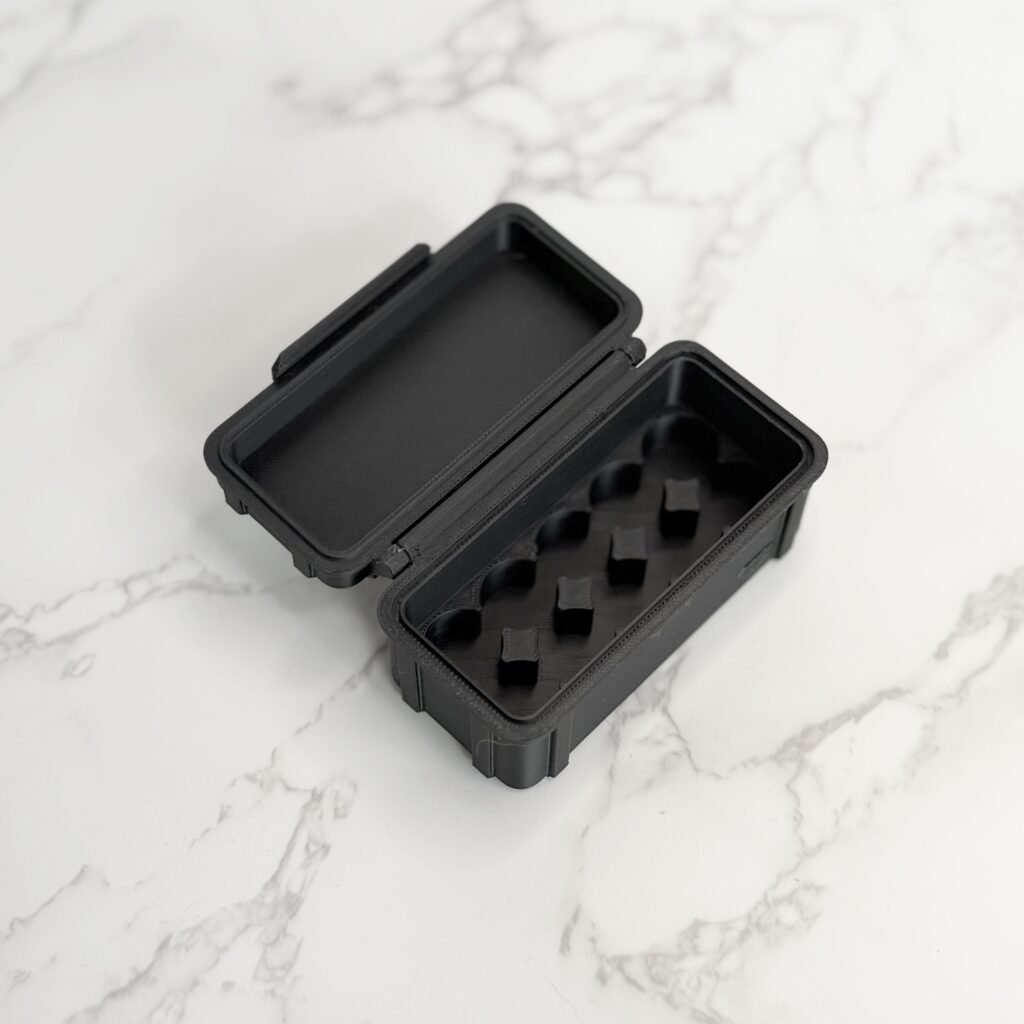
Peptide Storage Case (3ml x 10) — Hard Shell Mid-Size Organizer
A versatile mid-size case for researchers who need more capacity without the bulk.
This hard shell peptide storage case is designed to securely hold up to 10 standard 3ml vials, with a precision-fit interior that keeps each vial stable and separated. Sized between our compact and full-size cases, this version is ideal for expanded setups that still need to stay portable and organized.
Key Features:
- Custom-fit layout: Holds 10 × 3ml vials
- Hard shell exterior: Durable, impact-resistant protection
- Secure closure: Keeps contents safely contained
- Precision interior insert: Reduces movement and vibration
- Mid-size & portable: Balanced capacity for daily use or travel
Designed for clean organization and reliable protection in any research environment.
Important:
- For research use only. Not for human consumption.
- Vials not included
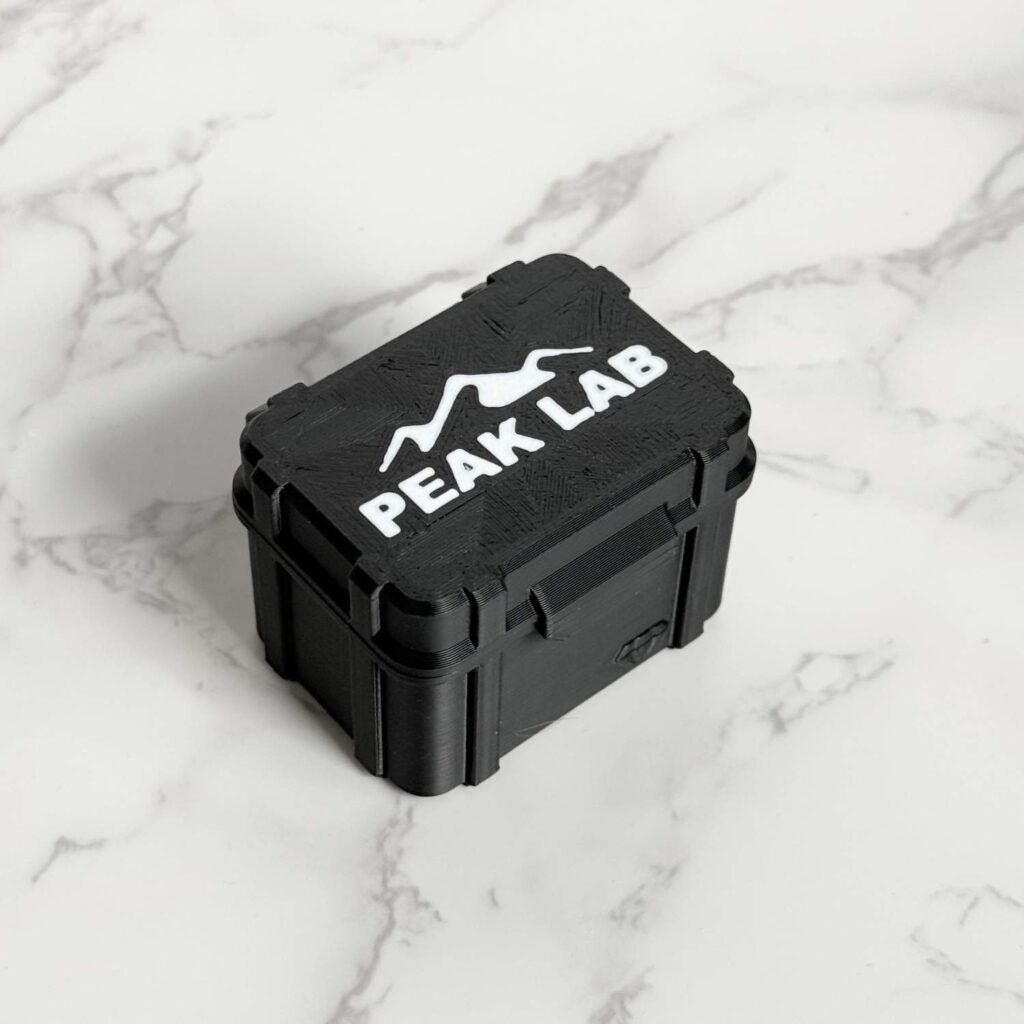
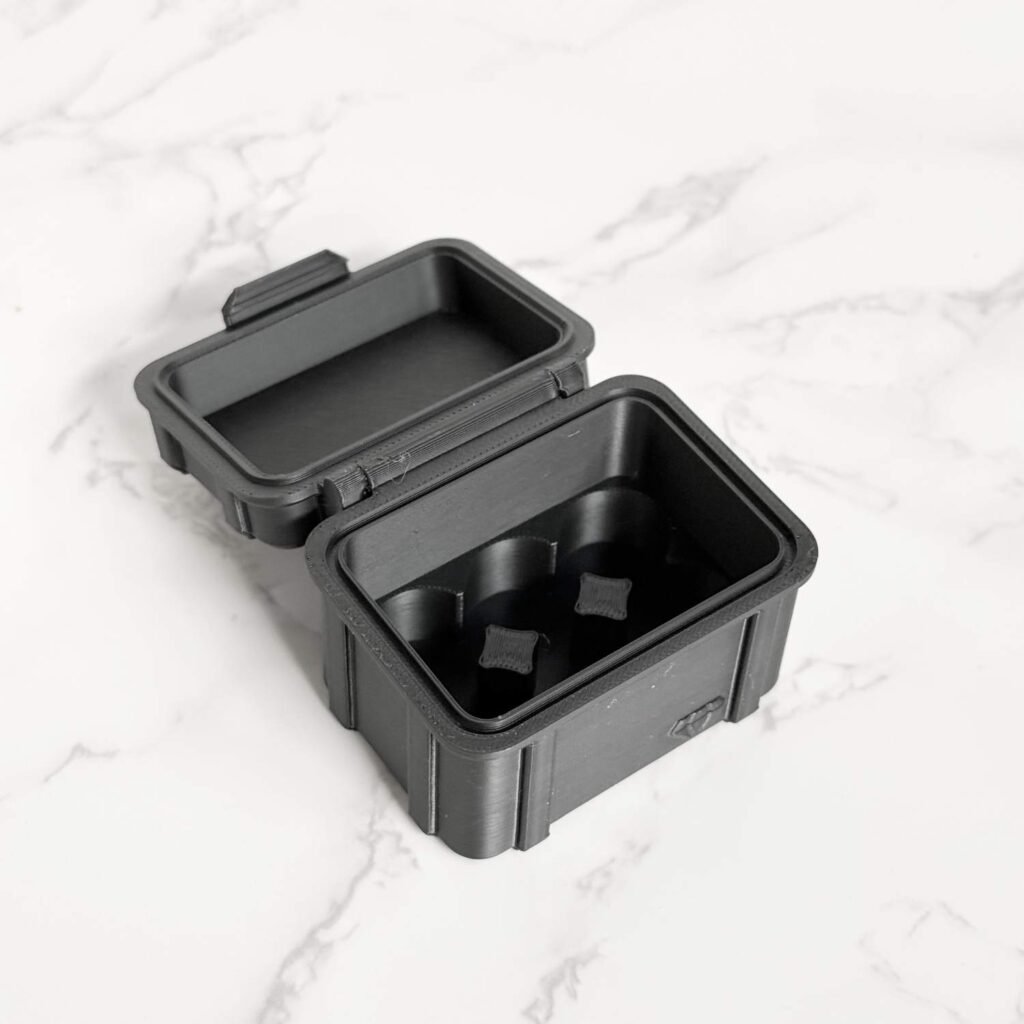
Peptide Storage Case (3ml x 6) — Hard Shell Compact Organizer
A compact solution for organizing and protecting your research materials.
This hard shell peptide storage case is designed to securely hold up to 6 standard 3ml vials, with a precision-fit interior that keeps each vial stable and separated.
Smaller and more portable than our full-size case, this version is ideal for streamlined setups, travel, or keeping frequently used materials organized.
Key Features:
- Custom-fit layout: Holds 6 × 3ml vials
- Hard shell exterior: Durable, impact-resistant protection
- Secure closure: Keeps contents safely contained
- Precision interior insert: Reduces movement and vibration
- Compact & portable: Perfect for minimal setups or travel
Designed for clean organization and reliable protection in any research environment.
Important:
- For research use only. Not for human consumption.
- Vials not included