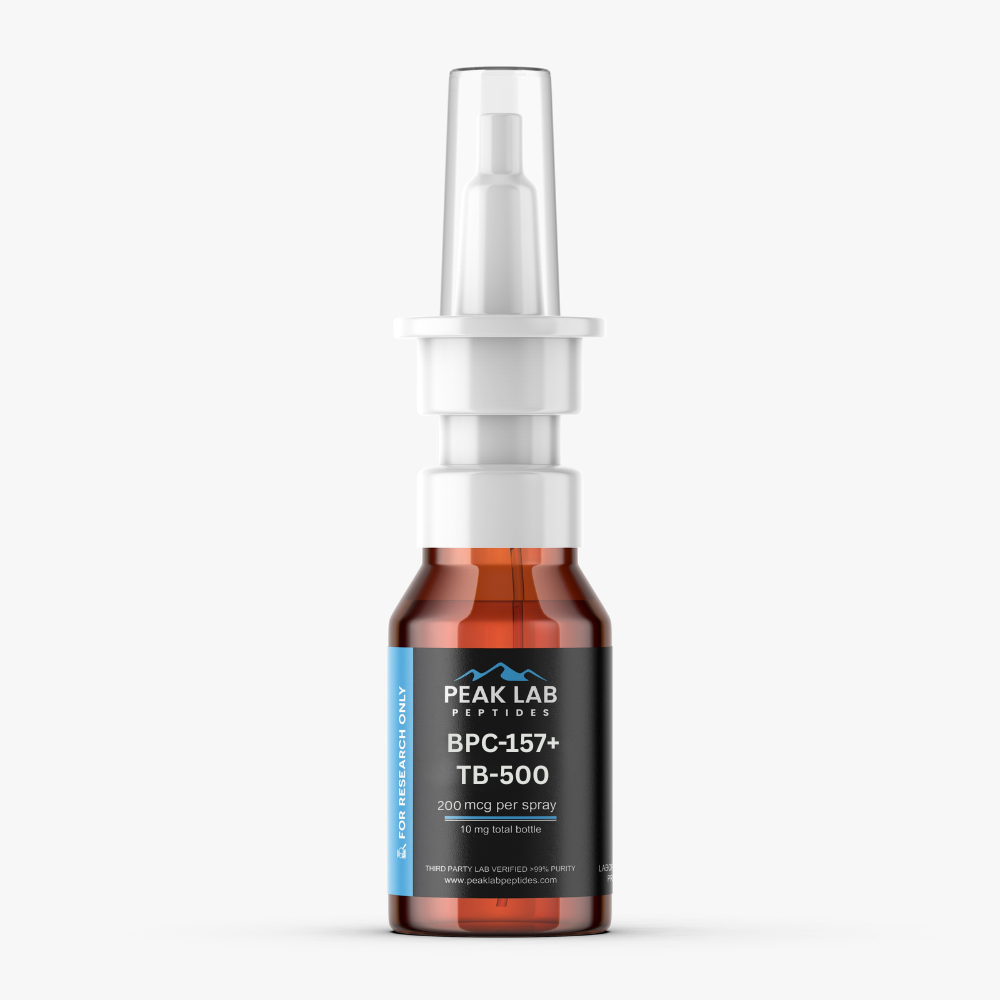
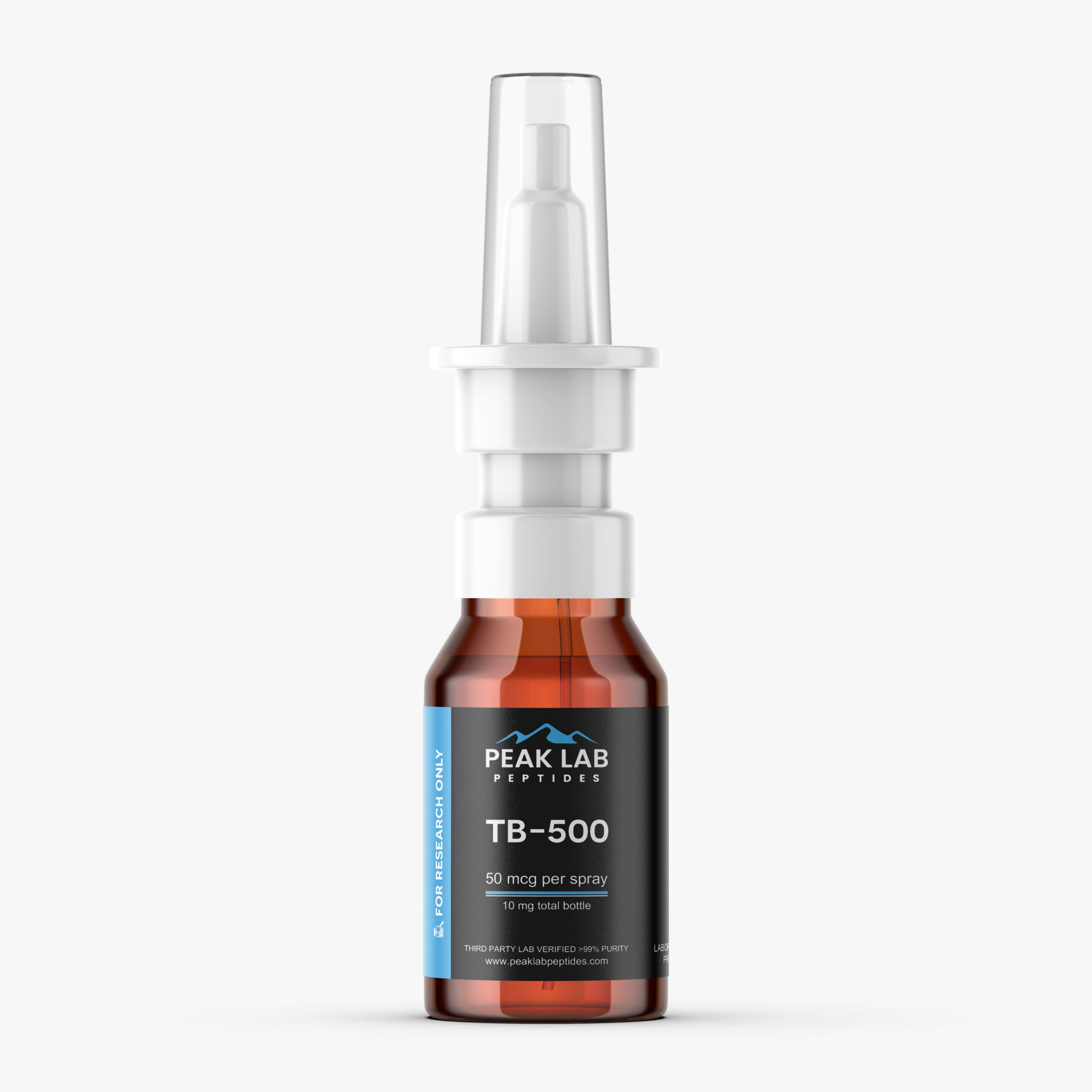
TB-500 Nasal Spray

Original price was: $189.00.Current price is: $150.00.

Member Price: $120.00 Become a member →
...
99%+ purity guaranteed
USA Lab Verified

Become a Member and save 20% on Every Order. 

Become a Member

EMAIL US FOR WHOLESALE PRICING
Orders of $5,000 or more

Description

TB-500 (TB500)

TB-500 (Thymosin Beta-4 Fragment) – 5mg or 10mg (Lyophilized Peptide) – For Research Use Only

TB-500 is a synthetic Thymosin Beta-4 fragment studied in preclinical models for its roles in actin-binding dynamics, cell migration, angiogenesis, and tissue repair signaling. Supplied as lyophilized powder at 99%+ HPLC verified purity. Batch-specific COA included. For in vitro research use only.

Description + COA

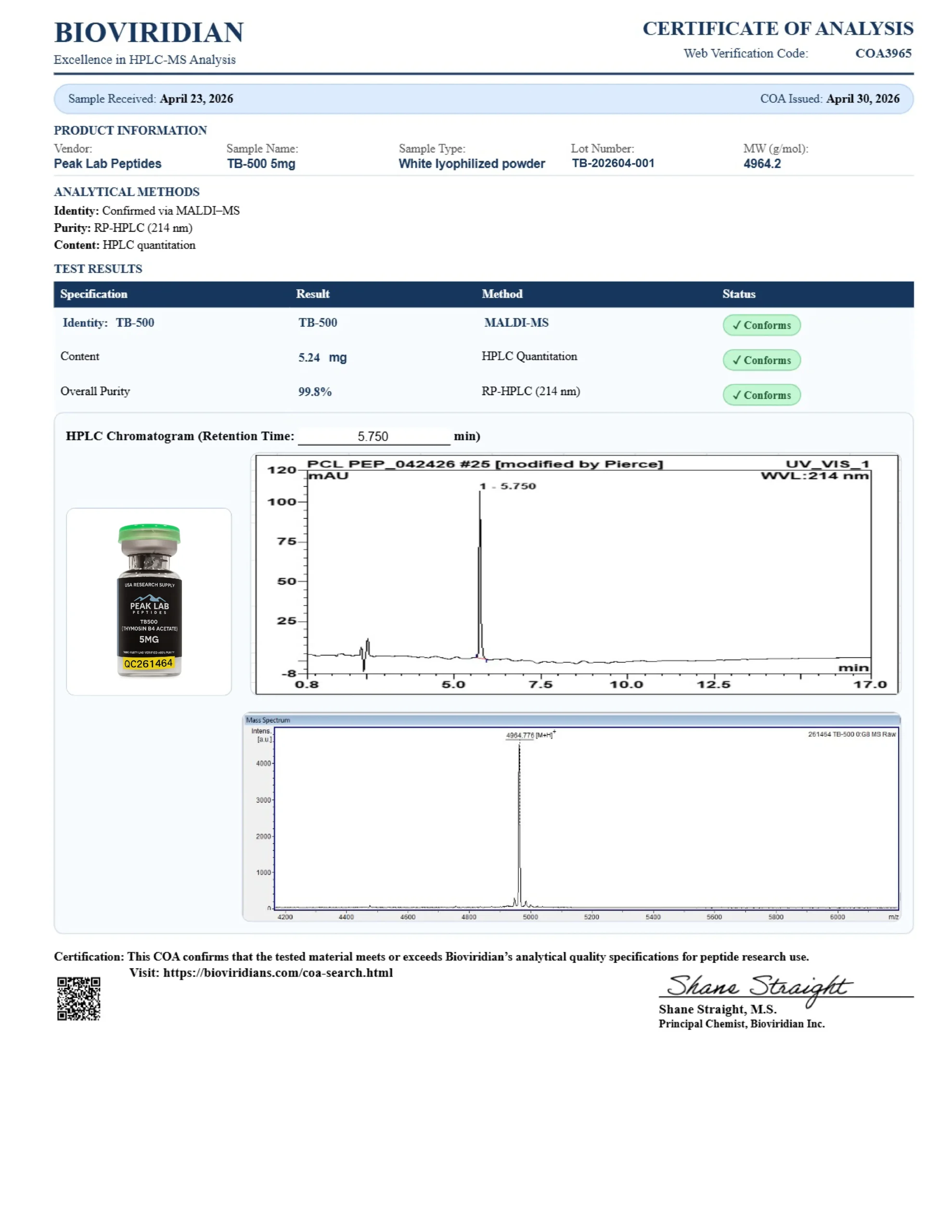
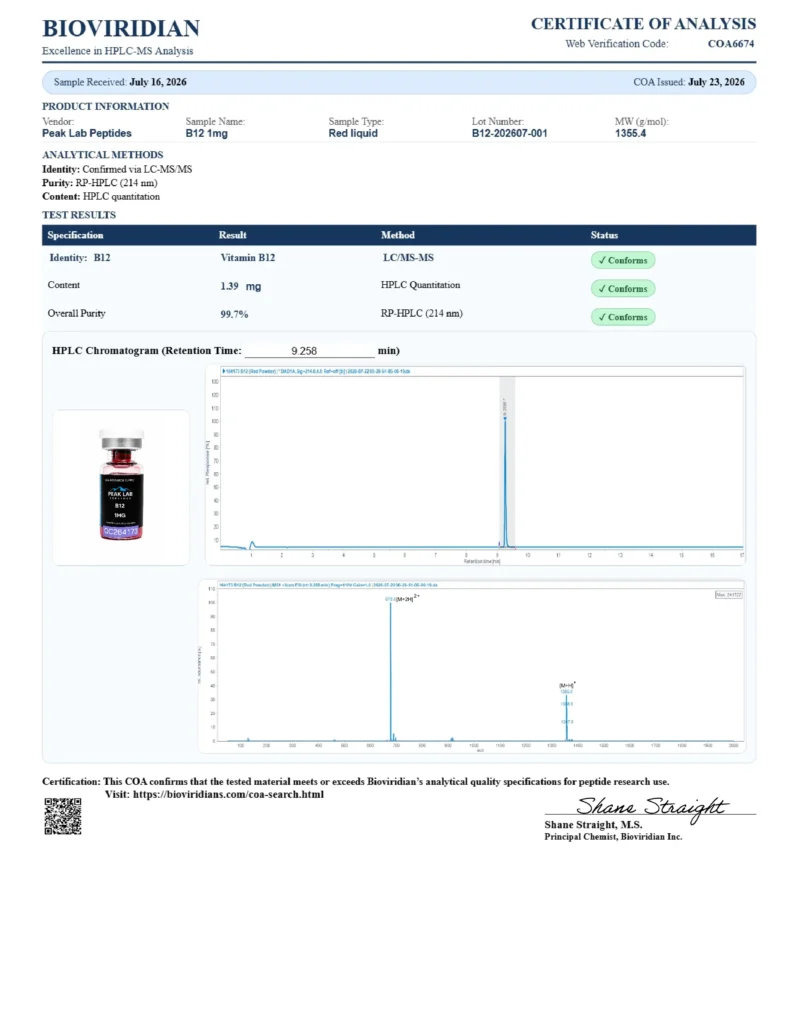
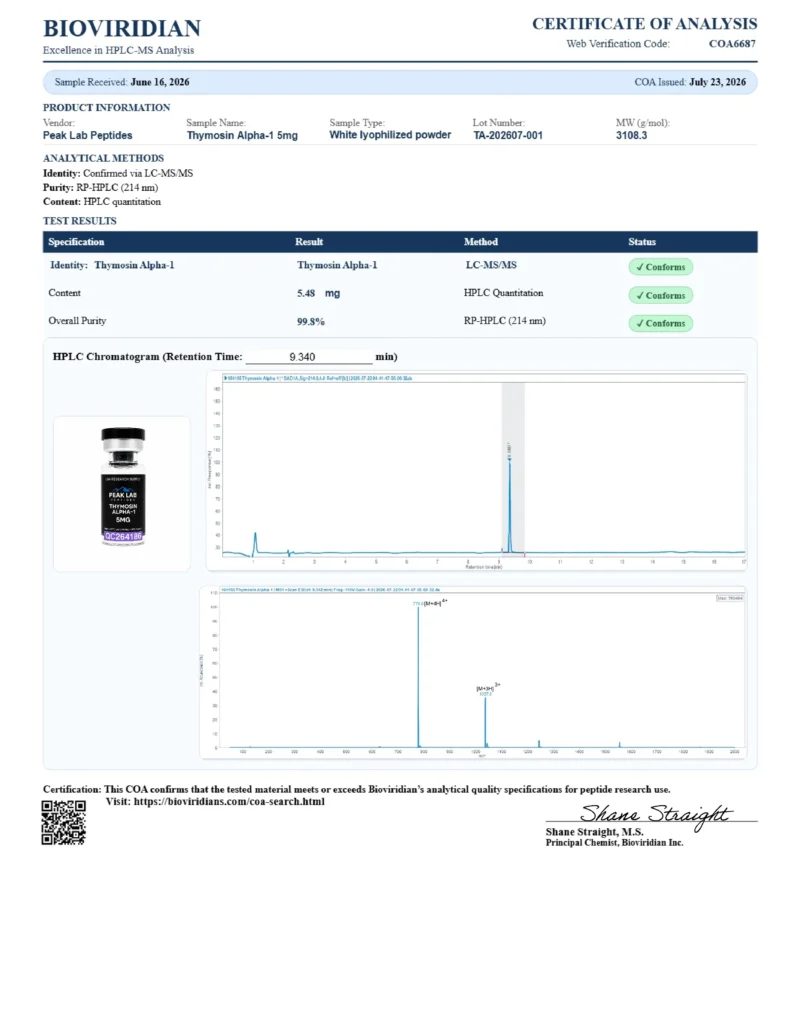
TB-500 Certificate of Analysis

Third-party tested. Click image to view full-resolution certificate.

TB-500 (Thymosin Beta-4) is a synthetic research peptide that mirrors a 43-amino-acid sequence of the naturally occurring actin-sequestering protein found in many tissues. It plays a significant role in cellular motility, tissue repair, and regeneration by modulating the polymerization and organization of actin filaments.

In preclinical models, TB-500 has been studied for its ability to influence cell migration, angiogenesis, and inflammatory responses. By regulating the G-actin/F-actin balance and promoting the expression of critical growth factors, TB-500 is a key tool in regenerative peptide research.


Overview
  • Alias: Thymosin Beta-4 (Tβ4)
  • Sequence: SDKP… (43 amino acids)
  • Molecular Formula: C212H350N56O78S
  • Molecular Weight: ~4963.5 Da
  • Purity: ≥98% (HPLC verified)
  • Form: Lyophilized peptide
  • For Research Use Only: Not for human or veterinary use
Reviews (0)

Reviews

There are no reviews yet.

Be the first to review “TB-500 Nasal Spray”

Your email address will not be published. Required fields are marked *

Research

1. Cytoskeletal Remodeling

TB-500 regulates the actin cytoskeleton by sequestering G-actin and promoting polymerization into F-actin. This process is essential for changes in cell shape, migration, and structural plasticity.

2. Angiogenesis & Endothelial Cell Function

TB-500 has demonstrated pro-angiogenic properties in vitro and in vivo. It upregulates vascular endothelial growth factor (VEGF) and supports endothelial cell migration and tube formation, which are crucial for neovascularization in tissue repair models.

3. Wound Healing & Epithelial Regeneration

Studies have observed accelerated epithelialization in dermal and corneal injury models, suggesting that TB-500 promotes cell migration and tissue reorganization in healing wounds.

4. Anti-Inflammatory and Oxidative Stress Modulation

TB-500 influences inflammation resolution and cellular responses to oxidative stress, likely via modulation of key transcriptional regulators and cytokine pathways. It’s used in studies investigating systemic and localized tissue stress.

5. Extracellular Matrix & Tissue Remodeling

The peptide plays a role in ECM remodeling by influencing fibroblast activation, collagen deposition, and MMP (matrix metalloproteinase) expression, which are all key elements in soft tissue regeneration.

FAQ 

Q: What is TB-500 derived from?
A: TB-500 is a synthetic peptide modeled after the natural protein Thymosin Beta-4, found in various mammalian tissues.

Q: What is the primary function of TB-500 in research?
A: It is used to study cellular migration, angiogenesis, and wound healing through actin cytoskeleton regulation.

Q: Is TB-500 injectable?
A: While some experimental studies use injection as a delivery method in animal models, TB-500 is strictly for research purposes and not for human administration.

Q: Can TB-500 promote muscle or tendon repair?
A: In preclinical studies, TB-500 has shown potential for improving soft tissue recovery in musculoskeletal models.

Q: Does TB-500 affect inflammation?
A: Yes. It has been studied for its anti-inflammatory and oxidative stress modulating properties, making it useful in systemic recovery models.


Shipping & Delivery

Storage & Handling

All peptides are supplied as sterile, lyophilized powder and are stable when handled correctly.

  • On arrival: Store vials in a cool, dry place away from heat and direct sunlight.
  • Long-term (powder): For optimal longevity, keep lyophilized peptides refrigerated to help maintain integrity.
  • After reconstitution: Use an appropriate research diluent (for example, BAC water). Store the reconstituted solution in the refrigerator and use within 20–30 days for best stability.

Note: Minimize exposure to moisture and repeated freeze–thaw cycles. Follow your institution's safety procedures when handling research materials.

Peak Lab Peptides maintains quality-control processes and routinely performs third-party testing to support purity and identity verification. COAs are available upon request for applicable batches. Documentation may vary depending on production timelines.

We aim to make batch-level documentation available whenever possible. Our goal is to expand COA access across the full catalog as production capacity grows.

All products are for laboratory research use only and are not intended for human consumption.