(6 customer reviews)

CJC-1295 No DAC

Price range: $44.00 through $76.00

Member Price: $35.20$60.80 Become a member →
...
99%+ purity guaranteed
USA Lab Verified

Become a Member and save 20% on Every Order. 

Become a Member

EMAIL US FOR WHOLESALE PRICING
Orders of $5,000 or more

Description

CJC-1295 No DAC

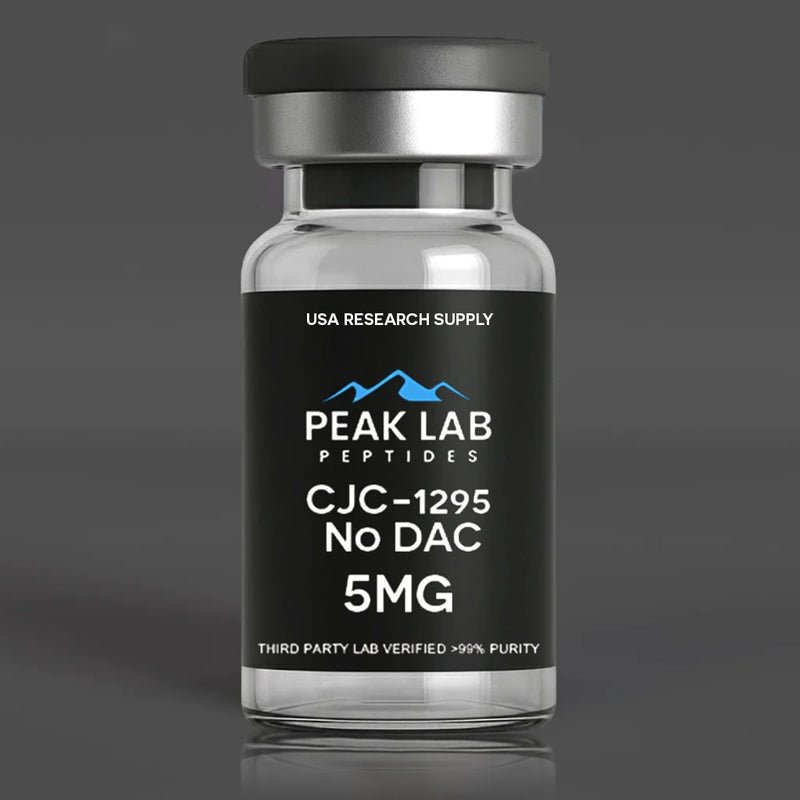
CJC-1295 No DAC – 5mg (Lyophilized Peptide) – For Research Use Only

CJC-1295 No DAC is a synthetic analog of Growth Hormone-Releasing Hormone (GHRH) designed for research on stimulating natural growth hormone (GH) release in a pulsatile manner. The “No DAC” (Drug Affinity Complex) version has a shorter half-life, allowing it to mimic the body’s natural GH secretion rhythm.

CJC-1295 No DAC is commonly studied in models focused on muscle growth, fat metabolism, anti-aging, and recovery when used alone or stacked with other GH secretagogues like Ipamorelin.

Product Details:

  • Peptide: CJC-1295 No DAC

  • Purity: >98%

  • Form: Lyophilized powder

  • Quantity: 5mg per vial

  • Storage: Store at -4°F (-20°C). After reconstitution, refrigerate at 36–46°F (2–8°C) and use within 30 days.

  • Grade: For research purposes only. Not for human use, medical, or diagnostic applications.

Potential Research Applications:

  • Growth hormone release studies

  • Muscle growth and recovery models

  • Anti-aging and longevity research

  • Fat metabolism and body composition investigations

THIS IS NOT FOR HUMAN CONSUMPTION. SOLD FOR RESEARCH ONLY!

Description

This blend combines two widely studied research peptides used in endocrine signaling models: CJC-1295 (No DAC), a growth hormone–releasing hormone (GHRH) analogue, and Ipamorelin, a growth hormone secretagogue receptor (GHSR) agonist often studied within ghrelin-pathway research. In controlled laboratory settings, the combination is used to explore multi-pathway growth hormone axis signaling, including how GHRH receptor stimulation and GHSR activation may interact within standardized assay systems. Supplied strictly for qualified laboratory and educational research use. Not for human or veterinary use.

Overview

CJC-1295 (No DAC) is typically used as a GHRH-pathway research tool to study pituitary signaling and GH release mechanisms, while ipamorelin is used to study GHSR-mediated signaling. Because these peptides act through distinct receptor systems, researchers may evaluate them together in comparative or combination designs to examine pathway crosstalk and combined signaling outputs.

Blend composition:

  • CJC-1295 (No DAC): 5 mg
  • Ipamorelin: 5 mg
  • Total peptide content: 10 mg

Common research characteristics:

  • Targets studied: GHRH receptor (CJC-1295 No DAC) + GHSR/ghrelin receptor (Ipamorelin)
  • Research focus areas: GH-axis signaling, receptor pharmacology, endocrine feedback modeling, biomarker assays
  • Format: Commonly supplied as a lyophilized blend for research handling and storage stability
Reviews (6)

6 reviews for CJC-1295 No DAC

  1. Dorothy

    This store has earned my trust through consistency.

  2. Sandra

    Shipping was quicker than expected and tracking was accurate.

  3. Ashley

    Consistent quality across multiple orders. I trust this store completely.

  4. Betty

    Products were properly sealed and arrived intact.

  5. Margaret

    Delivery timelines were accurate and dependable.

  6. Lisa

    The store maintains a high professional standard.

Add a review

Your email address will not be published. Required fields are marked *

Research

This combination is primarily used in research settings that model GH-axis regulation through two complementary signaling inputs: one via GHRH receptor activation and the other via GHSR activation. Because GH release and downstream markers are regulated by feedback mechanisms, combination studies often emphasize time-course design, signaling endpoints, and reproducibility of assay conditions.

Common research themes include:

  • Dual-pathway GH-axis signaling: Studying how GHRH receptor activation and GHSR stimulation influence GH-axis biomarkers and receptor-driven signaling in controlled models.
  • Receptor crosstalk and combined signaling: Exploring whether simultaneous activation of two upstream pathways produces additive or synergistic signaling patterns in functional assays (model-dependent and protocol-specific).
  • Endocrine feedback and pulsatility modeling: Using time-based experimental designs to evaluate signaling dynamics and receptor responsiveness across different exposure patterns.
  • Assay development and benchmarking: Employing the blend as a standardized input for method optimization in GH-axis research workflows, including comparative profiling against single-compound controls.

Compliance note: Published discussions may include claims about body composition, performance, or clinical effects. PeakLab Peptides does not make claims about outcomes. This blend is supplied strictly for laboratory research use only, with no human consumption guidance.

FAQ 

Q1: What is included in the CJC-1295 (No DAC) + Ipamorelin blend?
A1: The blend contains CJC-1295 (No DAC) 5 mg and ipamorelin 5 mg, for a total of 10 mg of peptide content.

Q2: What does “No DAC” mean for CJC-1295?
A2: “No DAC” indicates the peptide is not conjugated to a drug affinity complex (DAC) modification. Researchers may select non-DAC versions when they want a shorter-acting GHRH-analog profile in certain assay designs.

Q3: What receptors are studied with this blend?
A3: CJC-1295 (No DAC) is studied for GHRH receptor signaling, while ipamorelin is studied for growth hormone secretagogue receptor (GHSR/ghrelin receptor) signaling.

Q4: Why do researchers study CJC-1295 with ipamorelin together?
A4: Because they act on different receptor pathways related to GH-axis regulation, researchers may evaluate them together to study combined signaling behavior and pathway interaction in controlled models.

Q5: How should this peptide blend be stored for lab use?
A5: Store sealed, dry, and protected from light according to your lab’s SOP. Many labs use cold storage for peptides and minimize moisture exposure and repeated temperature cycling.

Shipping & Delivery

Storage & Handling

All peptides are supplied as sterile, lyophilized powder and are stable when handled correctly.

  • On arrival: Store vials in a cool, dry place away from heat and direct sunlight.
  • Long-term (powder): For optimal longevity, keep lyophilized peptides refrigerated to help maintain integrity.
  • After reconstitution: Use an appropriate research diluent (for example, BAC water). Store the reconstituted solution in the refrigerator and use within 20–30 days for best stability.

Note: Minimize exposure to moisture and repeated freeze–thaw cycles. Follow your institution's safety procedures when handling research materials.

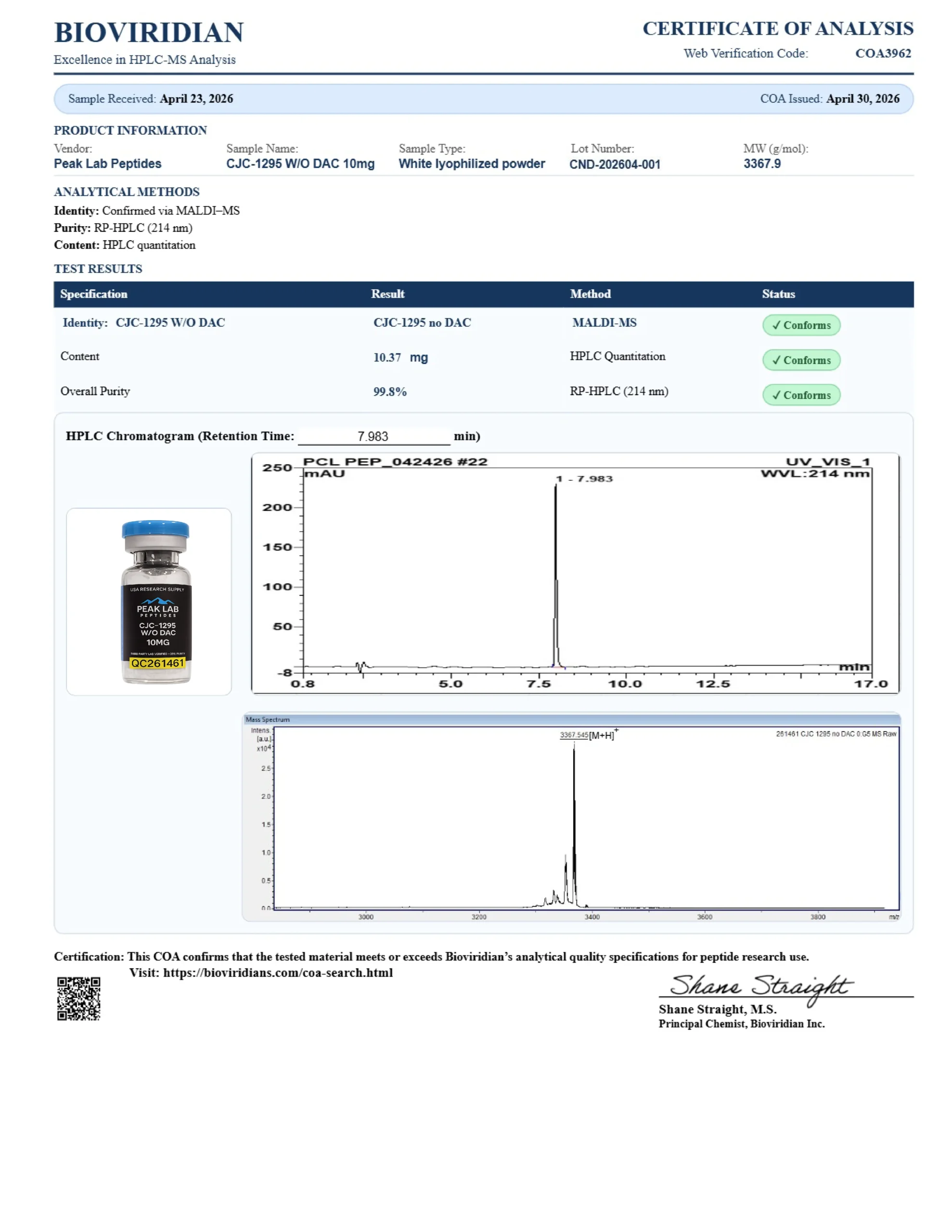
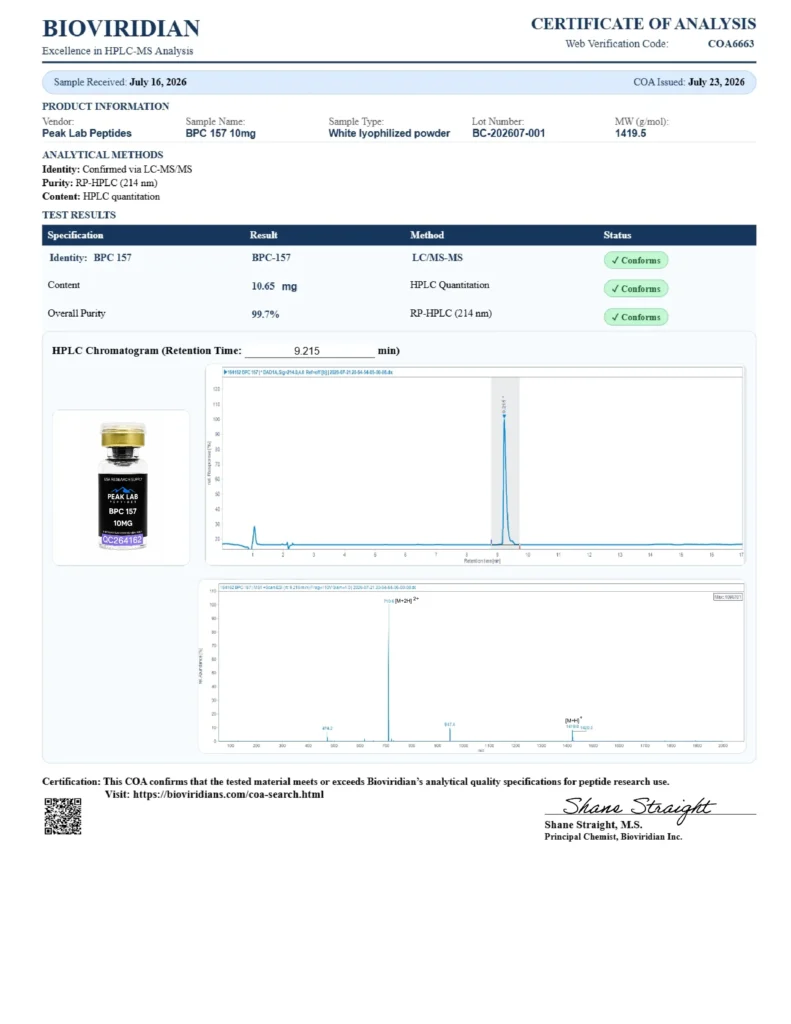
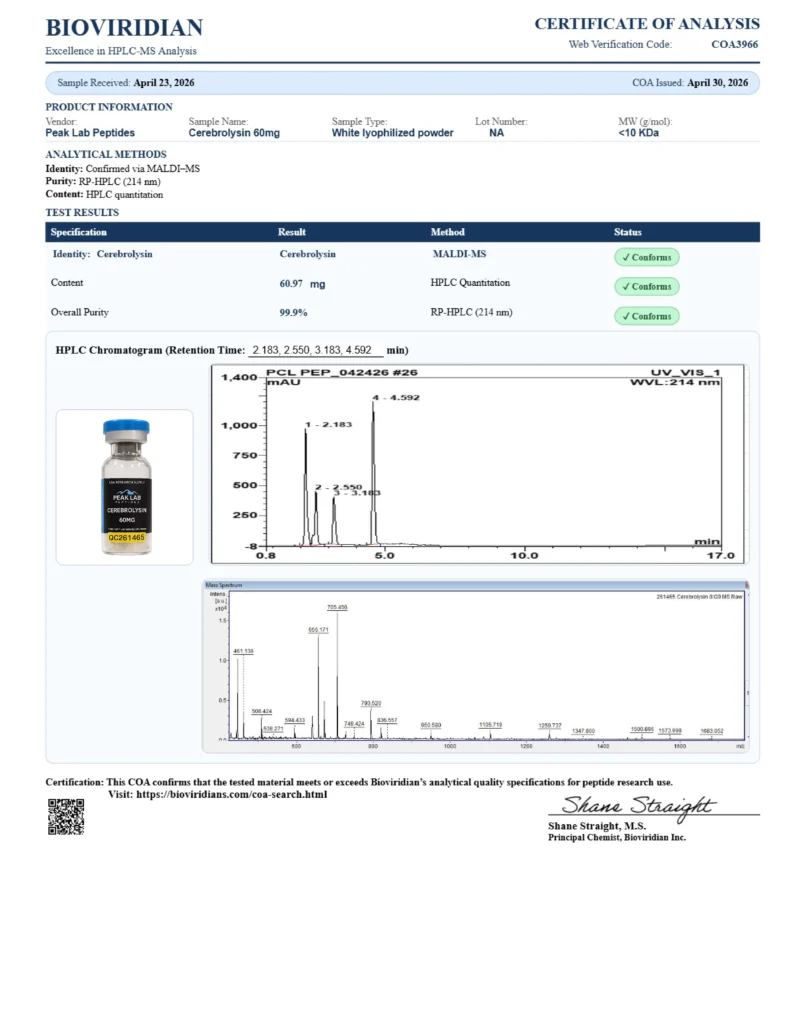
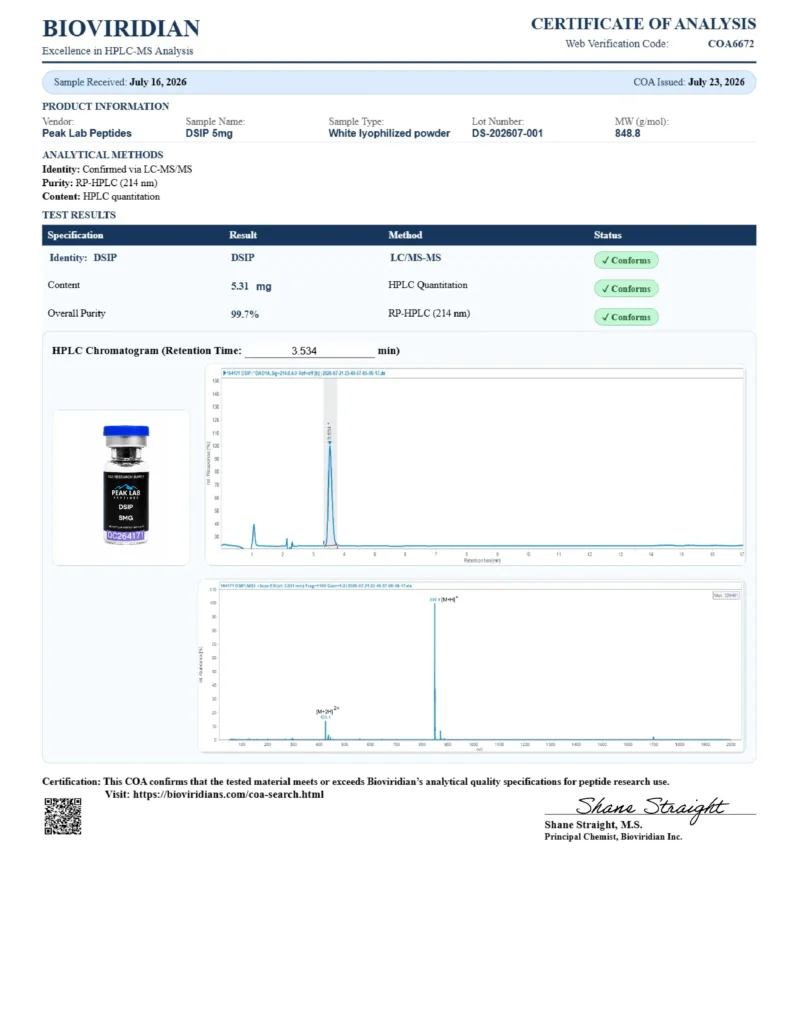
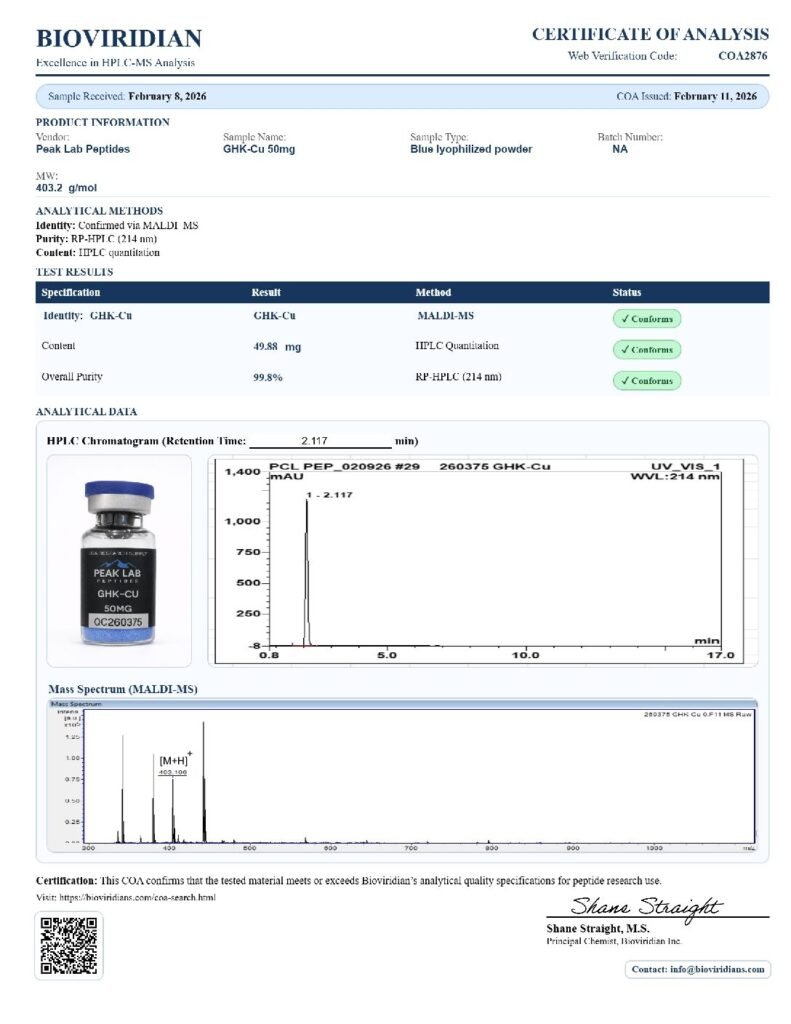
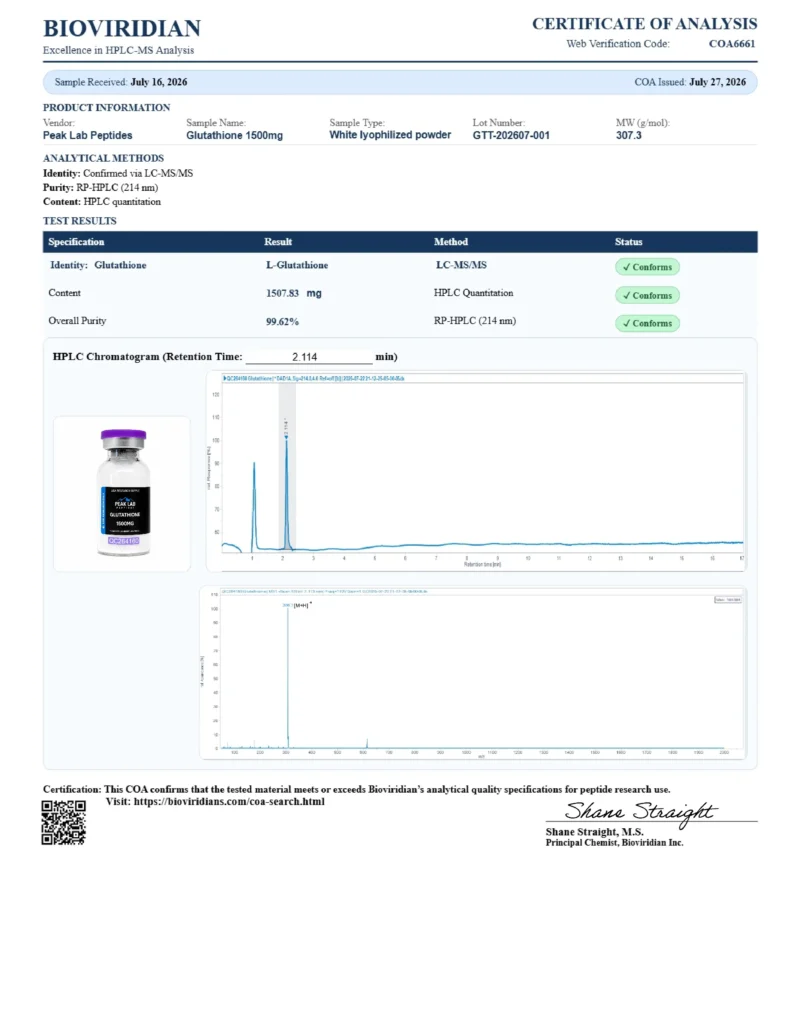
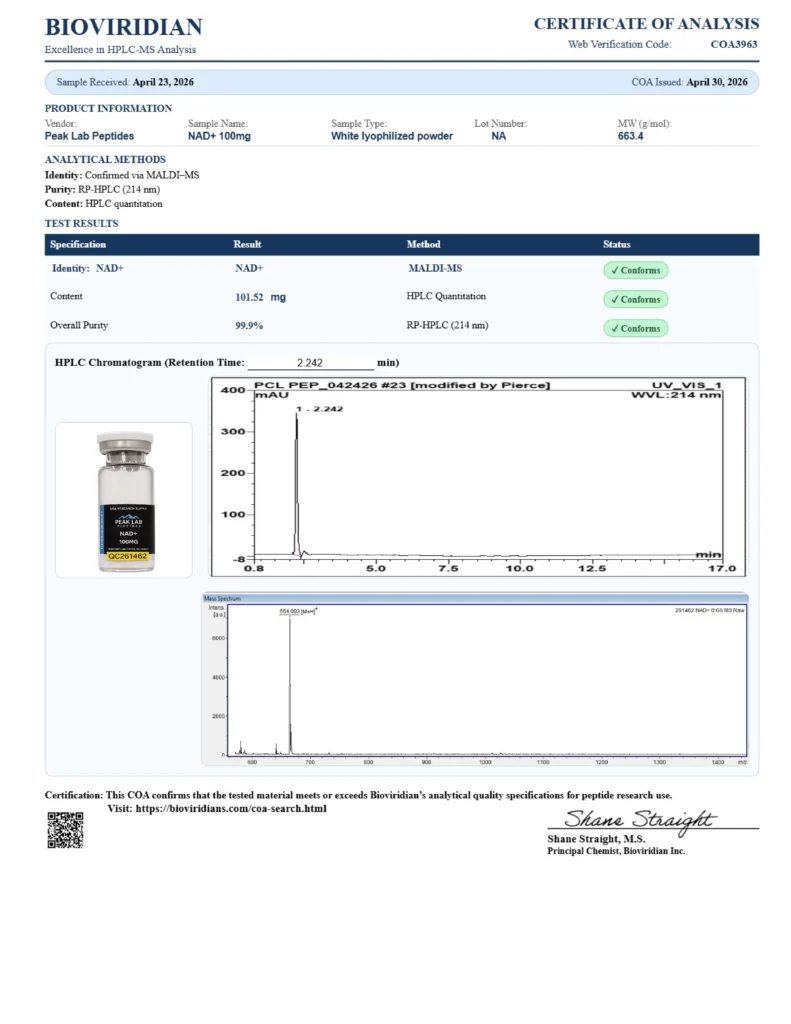
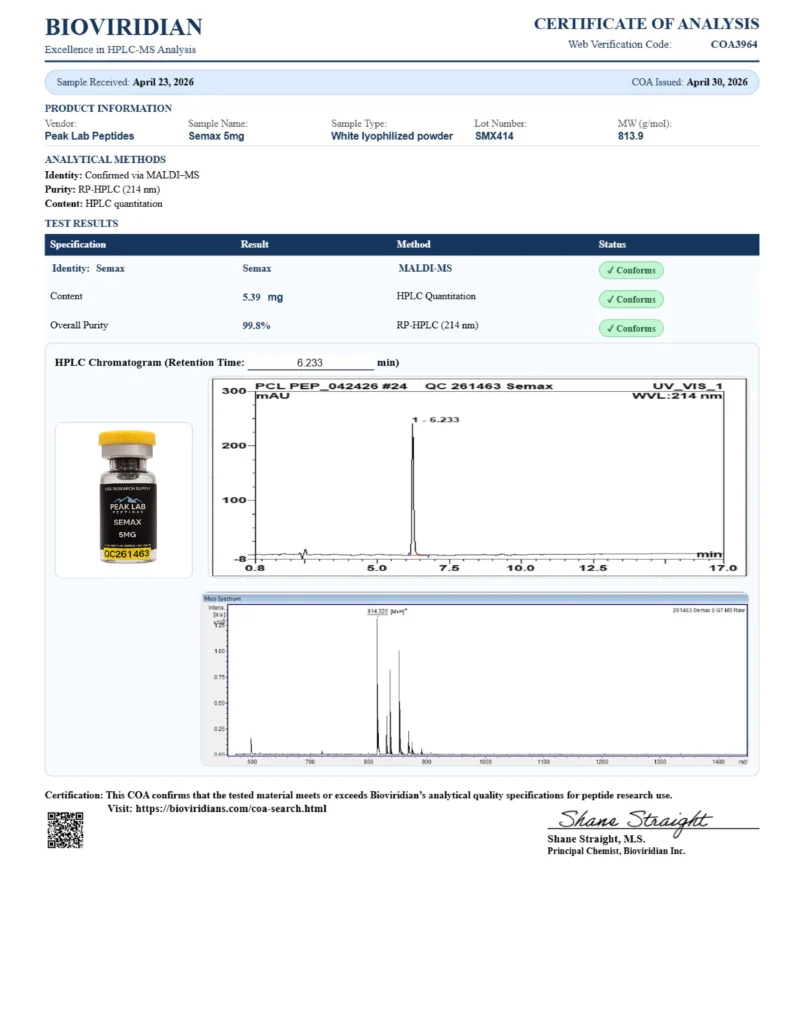
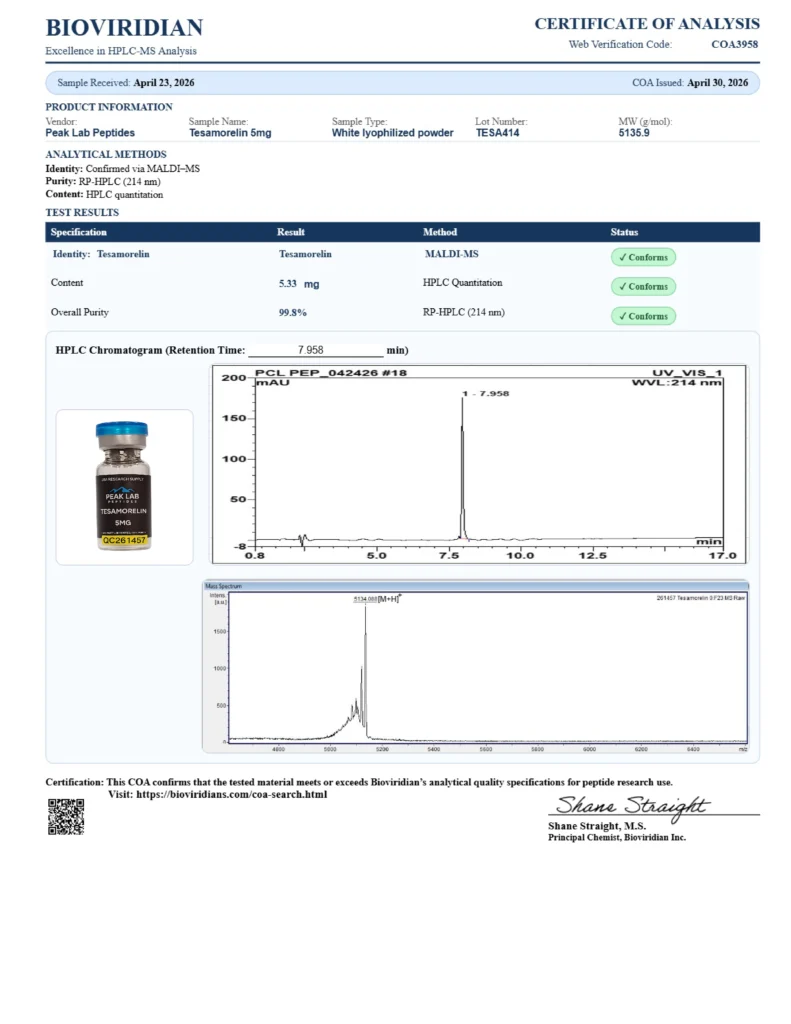
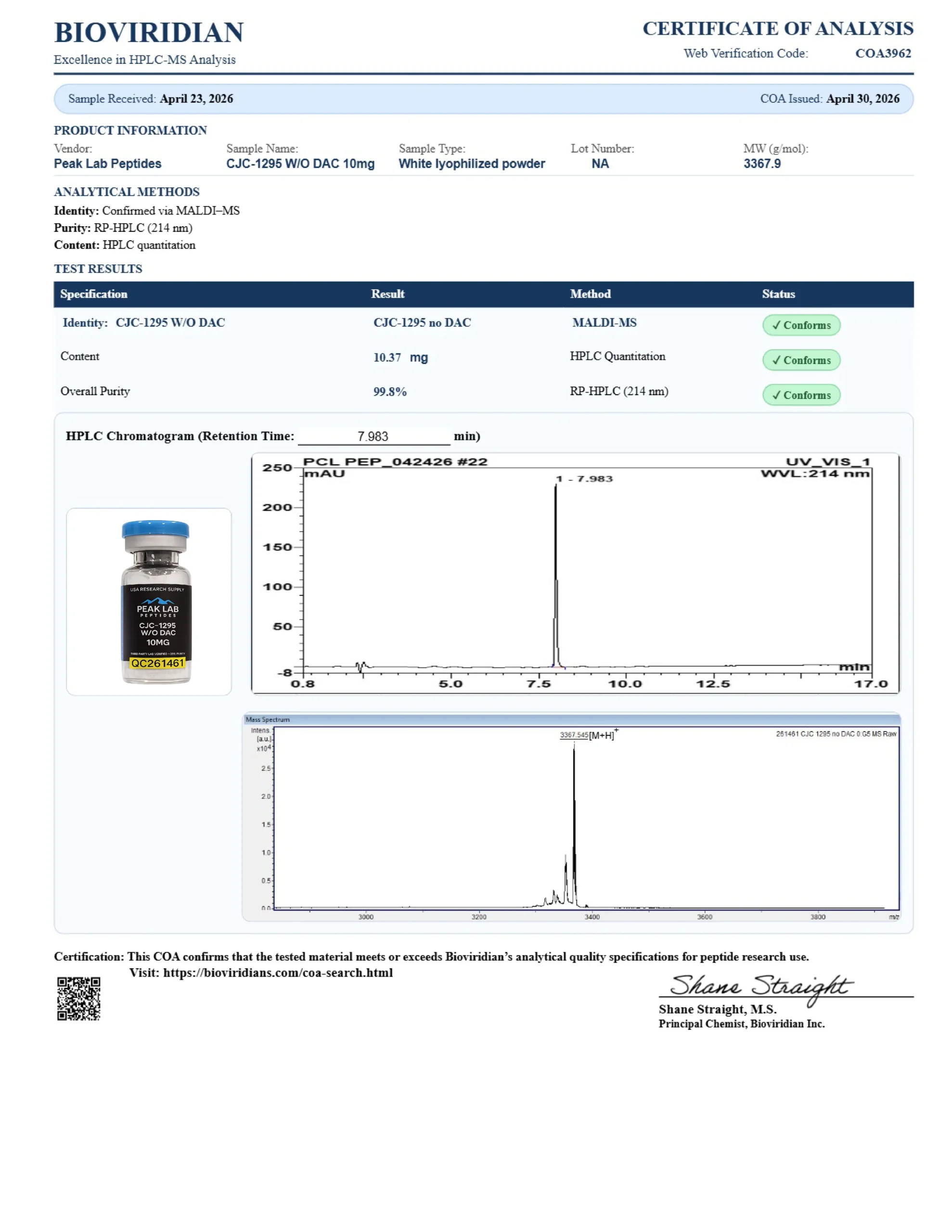
Peak Lab Peptides maintains quality-control processes and routinely performs third-party testing to support purity and identity verification. COAs are available upon request for applicable batches. Documentation may vary depending on production timelines.

We aim to make batch-level documentation available whenever possible. Our goal is to expand COA access across the full catalog as production capacity grows.

All products are for laboratory research use only and are not intended for human consumption.