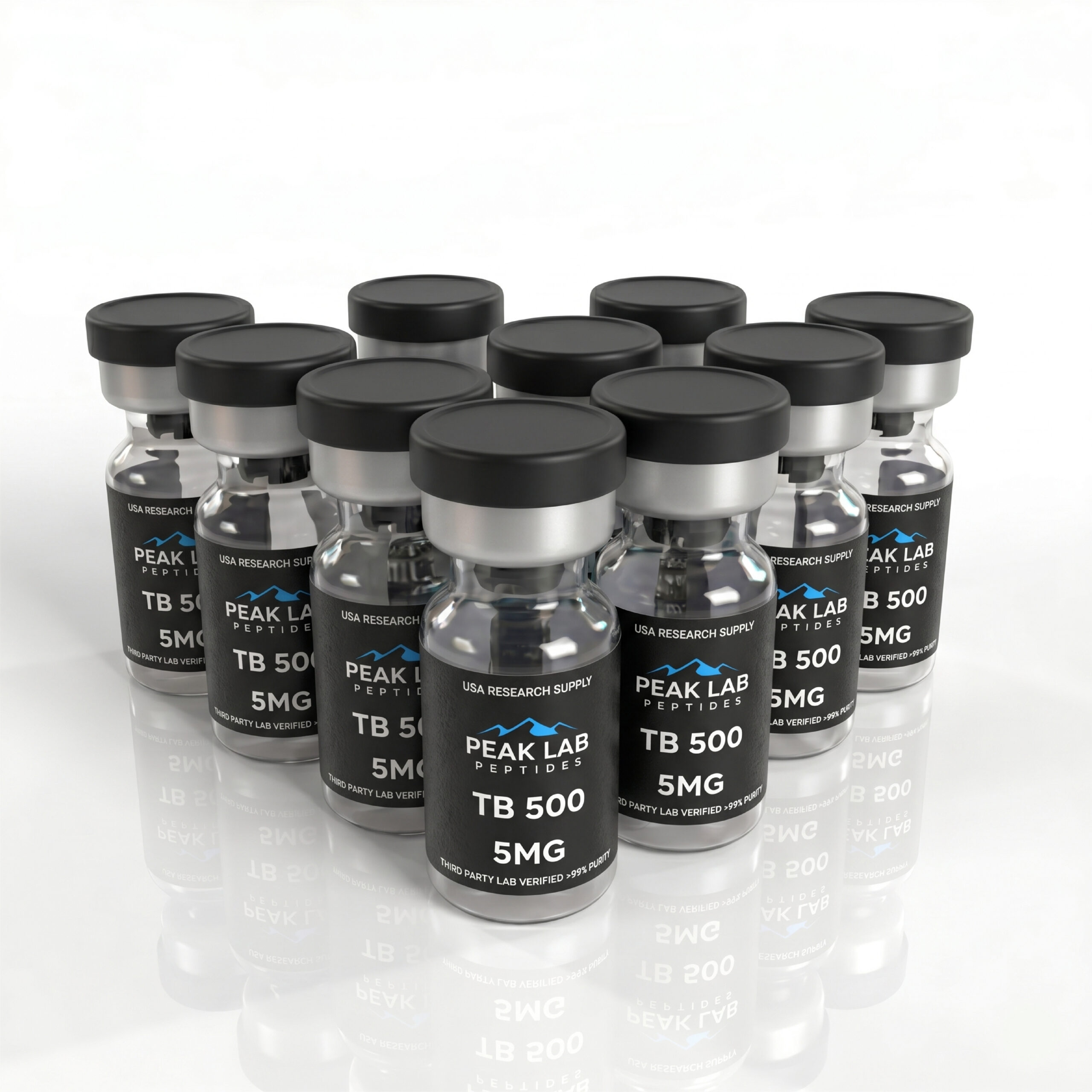
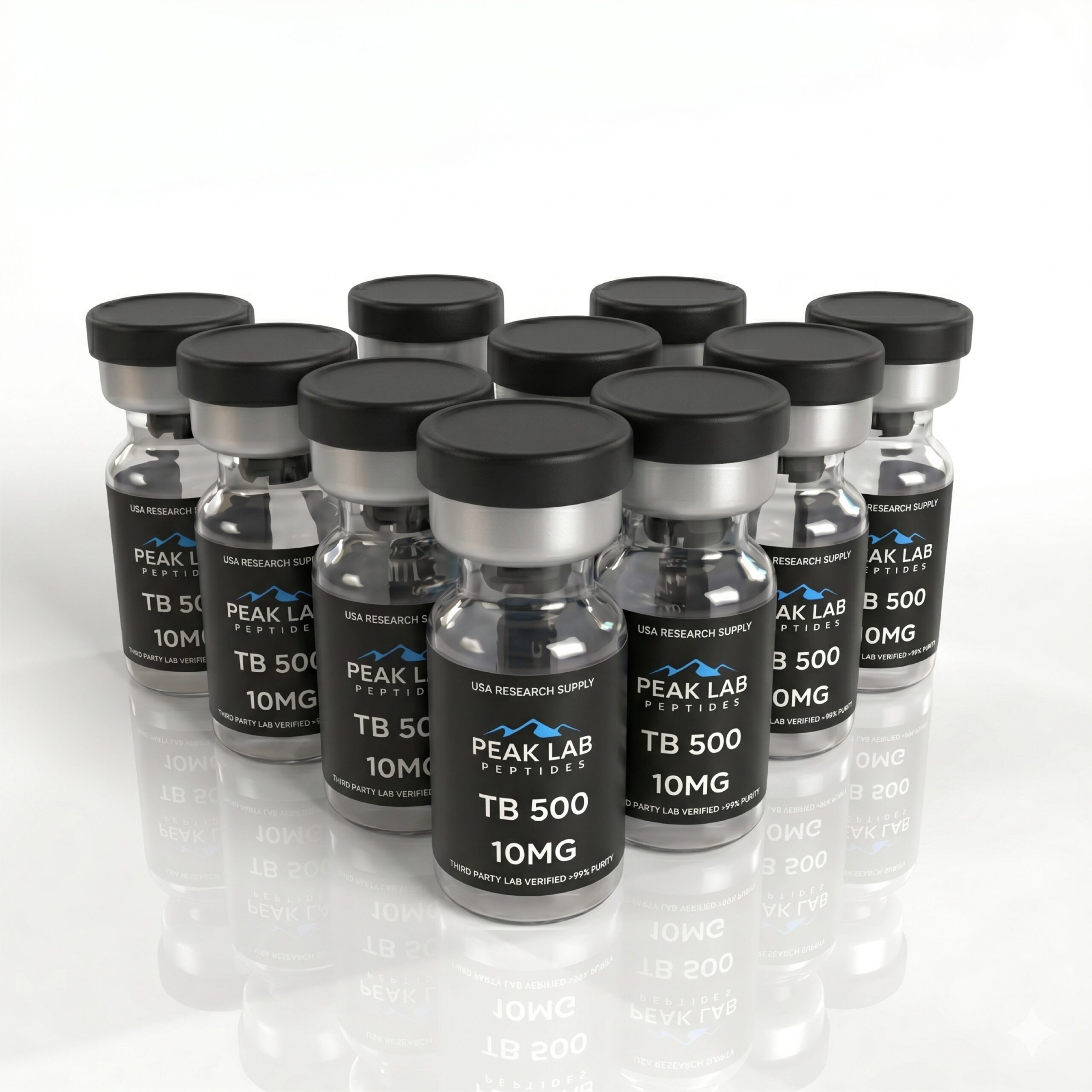
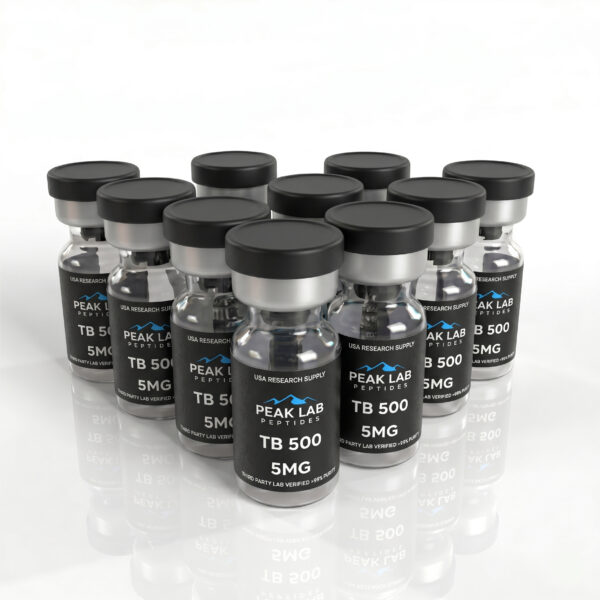
TB-500 10-Vial Kit
$304.00 – $432.00Price range: $304.00 through $432.00

Become a Member and save 20% on Every Order.
Description
TB-500 (Thymosin Beta-4 Fragment) 10 Vial Kit
TB-500 – 5mg (Lyophilized Peptide) 10 Vial Kit – For Research Use Only
TB-500 is a synthetic peptide corresponding to a 43-amino acid sequence of Thymosin Beta-4 (Tβ4), an actin-binding protein naturally distributed across mammalian tissues. It is one of the most widely studied regenerative research peptides in preclinical science, with a substantial body of literature examining its roles in cell migration, angiogenesis, cytoskeletal dynamics, and tissue repair signaling.
Chemical Profile
- Sequence: Ac-Ser-Asp-Lys-Pro-Asp-Met-Ala-Glu-Ile-Glu-Lys-Phe-Asp-Lys-Ser-Lys-Leu-Lys-Lys-Thr-Glu-Thr-Gln-Glu-Lys-Asn-Pro-Leu-Pro-Ser-Lys-Glu-Thr-Ile-Glu-Gln-Glu-Lys-Gln-Ala-Gly-Glu-Ser
- Molecular Formula: C₂₁₂H₃₅₀N₅₆O₇₈S
- Molecular Weight: 4,963 Da
- CAS Number: 77591-33-4
- Form: Lyophilized powder
- Purity: >99% (HPLC verified)
- Quantity: 5mg per vial / 10 vials per kit
- Storage: Store at -20°C long term / 4°C after reconstitution
TB-500 in Preclinical Research
Actin Binding and Cytoskeletal Dynamics TB-500’s primary mechanism of interest involves its interaction with G-actin (globular actin), the monomeric form of actin that regulates filament assembly. By sequestering G-actin, TB-500 influences the G-actin/F-actin balance, which in turn affects cellular processes dependent on cytoskeletal remodeling including cell migration, membrane dynamics, and cytokinesis.
Cell Migration Research One of the most studied properties of TB-500 in preclinical systems is its role in promoting cell migration. Research has examined how TB-500’s actin-modulating activity influences the motility of endothelial cells, keratinocytes, and fibroblasts — cell types central to tissue regeneration processes.
Angiogenesis Research TB-500 has been studied in the context of angiogenesis, the formation of new blood vessels from pre-existing vasculature. Preclinical models suggest it may influence VEGF-related transcriptional programs and endothelial cell behavior relevant to vascular repair and tissue perfusion research.
Tissue Repair and Wound Healing Models Multiple preclinical studies have examined TB-500 in wound healing models, investigating its effects on repair timelines, cellular recruitment, and extracellular matrix dynamics. A 2024 study identified TB-500 metabolites — particularly Ac-LKKTE — as potentially contributing to observed wound healing activity in vitro.
Inflammatory Signaling Research Preclinical research has investigated TB-500 in the context of inflammatory pathway modulation, examining its interactions with oxidative stress signaling and innate pathway nodes under experimentally defined stress conditions.
Cardiac and Vascular Research Emerging preclinical literature has studied TB-500 in cardiac tissue models, examining its potential interactions with cardiomyocyte survival signaling and vascular integrity mechanisms following experimental injury.
TB-500 vs BPC-157: Research Distinctions
TB-500 and BPC-157 are frequently studied together due to their complementary preclinical research profiles, but they have distinct molecular mechanisms:
| TB-500 | BPC-157 | |
|---|---|---|
| Type | Thymosin Beta-4 fragment | Gastric pentadecapeptide |
| Size | 43 amino acids | 15 amino acids |
| Primary Mechanism | Actin binding / G-actin sequestration | NO system / VEGF modulation |
| Key Research Area | Cell migration, cytoskeletal dynamics | Tissue repair, GI mucosal research |
Both are available individually or as the Wolverine Research Combo — BPC-157 and TB-500 bundled together for researchers studying complementary repair pathways.
Quality and Testing Standards
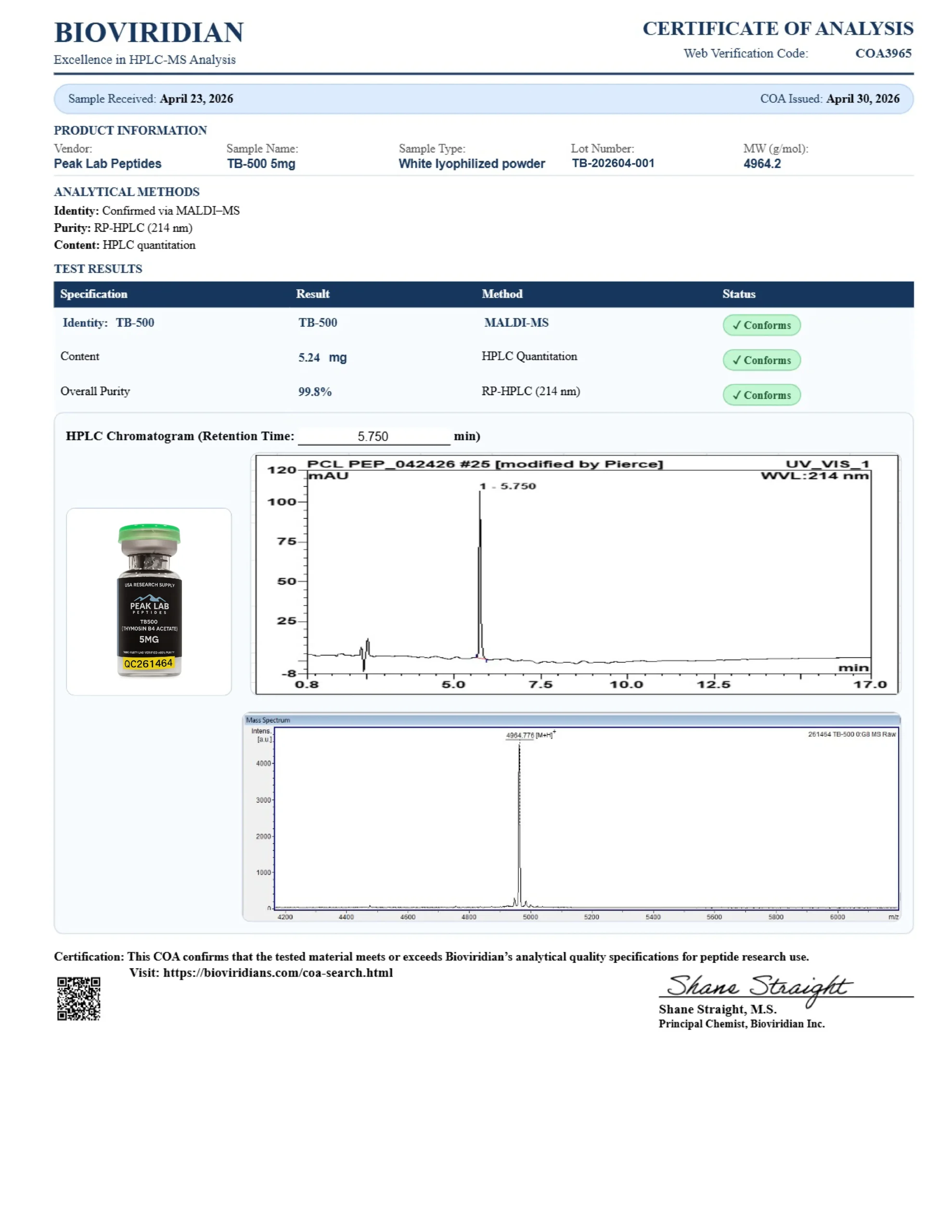
- HPLC Analysis — Confirms >99% purity
- Mass Spectrometry — Confirms correct peptide sequence and molecular identity
- Batch-Specific COA — Certificate of Analysis included with every order
- Third-Party Verified — Independent laboratory testing on every production run
Frequently Asked Questions
What is TB-500? TB-500 is a synthetic peptide corresponding to the active region of Thymosin Beta-4, an actin-binding protein studied for its roles in cell migration, angiogenesis, and tissue repair mechanisms in preclinical models.
What purity is Peak Lab Peptides TB-500? Our TB-500 is HPLC verified to >99% purity with mass spectrometry identity confirmation. Every batch includes a third-party Certificate of Analysis.
Is TB-500 the same as Thymosin Beta-4? TB-500 corresponds to a specific 43-amino acid sequence of Thymosin Beta-4 (Tβ4). It is a synthetic analog used in research to study the biological activity associated with the Tβ4 actin-binding domain.
How should TB-500 be stored? Store lyophilized TB-500 at -20°C for long-term stability. After reconstitution with bacteriostatic water, store at 4°C and use within 28 days.
What is the difference between TB-500 and BPC-157? TB-500 is primarily studied for actin-binding dynamics and cell migration mechanisms. BPC-157 is primarily studied for NO system modulation and VEGF signaling. Both are available as the Wolverine Research Combo for researchers studying complementary pathways.
For laboratory research use only. Not for human or veterinary use, consumption, or medical application.
TB-500 10 vial kit peptide Details
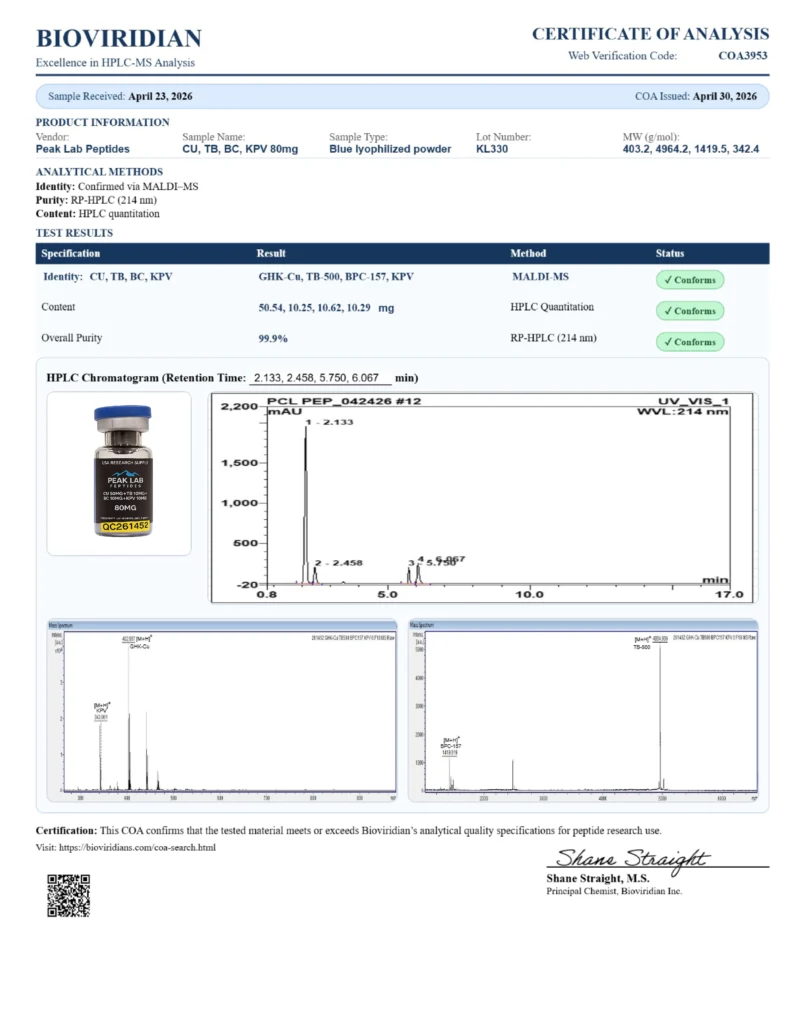
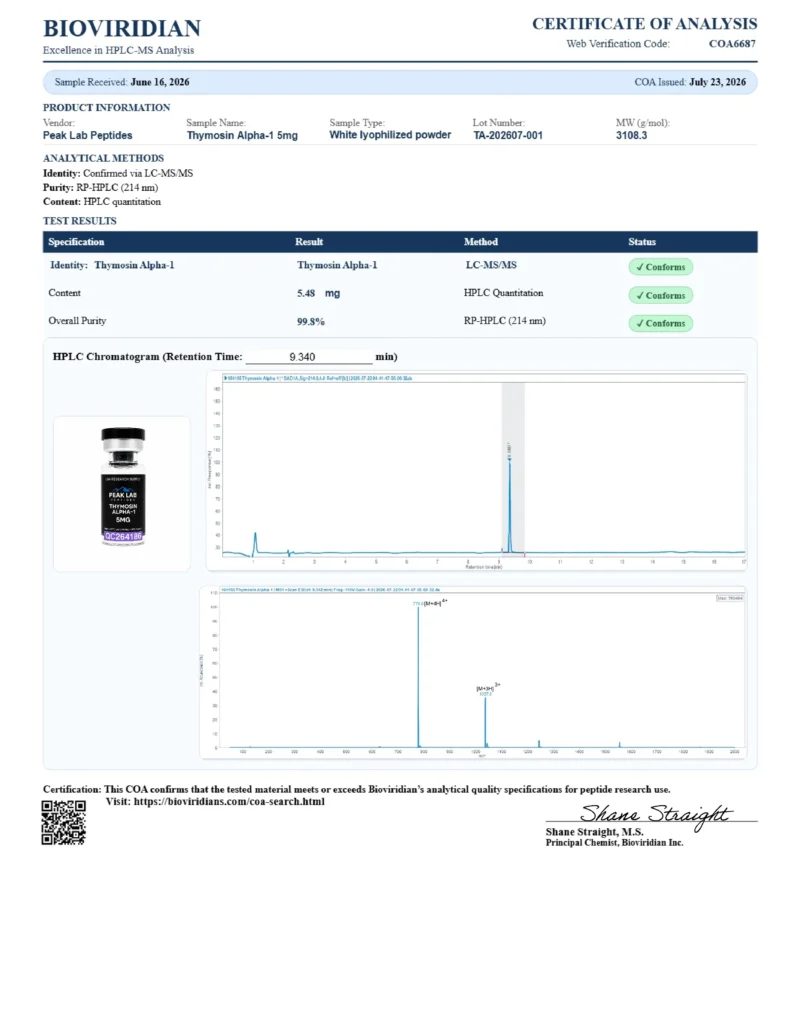
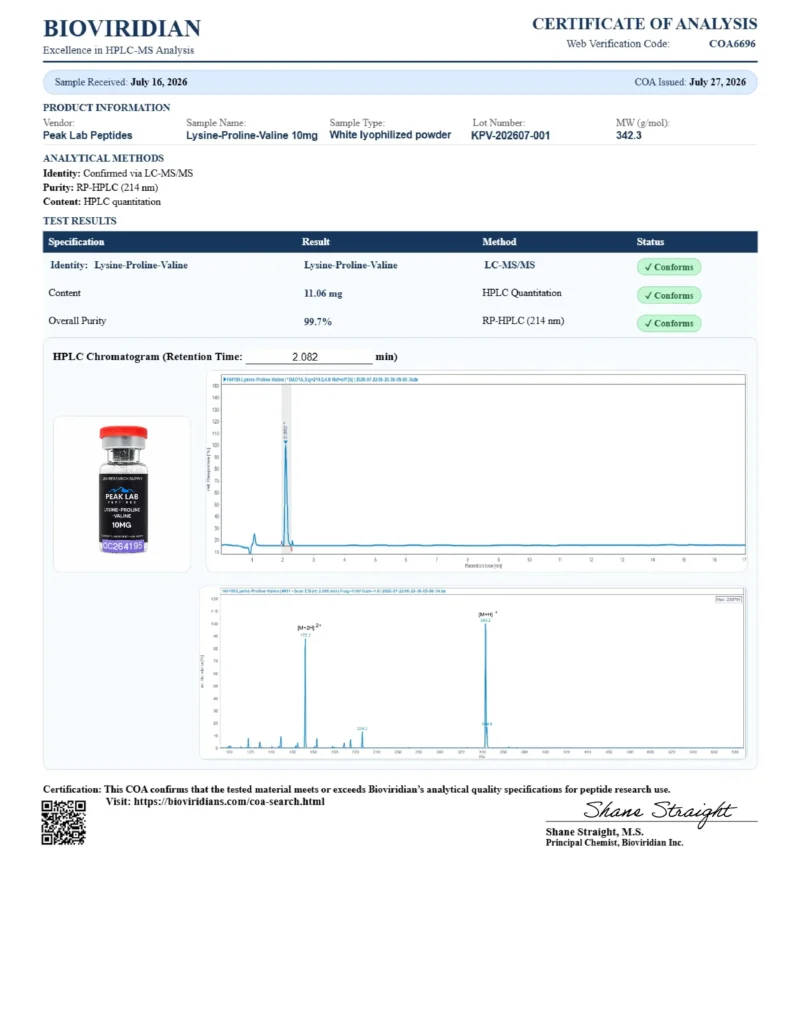
TB-500 10 vial kit Certificate of Analysis
Third-party tested. Click image to view full-resolution certificate.
TB-500 (Thymosin Beta-4) is a synthetic research peptide that mirrors a 43-amino-acid sequence of the naturally occurring actin-sequestering protein found in many tissues. It plays a significant role in cellular motility, tissue repair, and regeneration by modulating the polymerization and organization of actin filaments.
In preclinical models, TB-500 has been studied for its ability to influence cell migration, angiogenesis, and inflammatory responses. By regulating the G-actin/F-actin balance and promoting the expression of critical growth factors, TB-500 is a key tool in regenerative peptide research.
About TB-500 10 vial kit peptide
- Alias: Thymosin Beta-4 (Tβ4)
- Sequence: SDKP… (43 amino acids)
- Molecular Formula: C212H350N56O78S
- Molecular Weight: ~4963.5 Da
- Purity: ≥98% (HPLC verified)
- Form: Lyophilized peptide
- For Research Use Only: Not for human or veterinary use
TB-500 10 vial kit peptide Scientific Research
1. Cytoskeletal Remodeling
TB-500 10 vial kit regulates the actin cytoskeleton by sequestering G-actin and promoting polymerization into F-actin. This process is essential for changes in cell shape, migration, and structural plasticity.
2. Angiogenesis & Endothelial Cell Function
TB-500 10 vial kit has demonstrated pro-angiogenic properties in vitro and in vivo. It upregulates vascular endothelial growth factor (VEGF) and supports endothelial cell migration and tube formation, which are crucial for neovascularization in tissue repair models.
3. Wound Healing & Epithelial Regeneration
Studies have observed accelerated epithelialization in dermal and corneal injury models, suggesting that TB-500 10 vial kit promotes cell migration and tissue reorganization in healing wounds.
4. Anti-Inflammatory and Oxidative Stress Modulation
TB-500 10 vial kit influences inflammation resolution and cellular responses to oxidative stress, likely via modulation of key transcriptional regulators and cytokine pathways. It’s used in studies investigating systemic and localized tissue stress.
5. Extracellular Matrix & Tissue Remodeling
The peptide plays a role in ECM remodeling by influencing fibroblast activation, collagen deposition, and MMP (matrix metalloproteinase) expression, which are all key elements in soft tissue regeneration.
TB-500 10 vial kit peptide FAQ
Q: What is TB-500 10 vial kit derived from?
A: TB-500 10 vial kit is a synthetic peptide modeled after the natural protein Thymosin Beta-4, found in various mammalian tissues.
Q: What is the primary function of TB-500 10 vial kit in research?
A: It is used to study cellular migration, angiogenesis, and wound healing through actin cytoskeleton regulation.
Q: Is TB-500 10 vial kit injectable?
A: While some experimental studies use injection as a delivery method in animal models, TB-500 10 vial kit is strictly for research purposes and not for human administration.
Q: Can TB-500 10 vial kit promote muscle or tendon repair?
A: In preclinical studies, TB-500 10 vial kit has shown potential for improving soft tissue recovery in musculoskeletal models.
Q: Does TB-500 10 vial kit affect inflammation?
A: Yes. It has been studied for its anti-inflammatory and oxidative stress modulating properties, making it useful in systemic recovery models.
Storage & Handling
All peptides are supplied as sterile, lyophilized powder and are stable when handled correctly.- On arrival: Store vials in a cool, dry place away from heat and direct sunlight.
- Long-term (powder): For optimal longevity, keep lyophilized peptides refrigerated to help maintain integrity.
- After reconstitution: Use an appropriate research diluent (for example, BAC water). Store the reconstituted solution in the refrigerator and use within 20–30 days for best stability.
Note: Minimize exposure to moisture and repeated freeze–thaw cycles. Follow your institution's safety procedures when handling research materials.
Storage & Handling
All peptides are supplied as sterile, lyophilized powder and are stable when handled correctly.
- On arrival: Store vials in a cool, dry place away from heat and direct sunlight.
- Long-term (powder): For optimal longevity, keep lyophilized peptides refrigerated to help maintain integrity.
- After reconstitution: Use an appropriate research diluent (for example, BAC water). Store the reconstituted solution in the refrigerator and use within 20–30 days for best stability.
Note: Minimize exposure to moisture and repeated freeze–thaw cycles. Follow your institution's safety procedures when handling research materials.
Peak Lab Peptides maintains quality-control processes and routinely performs third-party testing to support purity and identity verification. COAs are available upon request for applicable batches. Documentation may vary depending on production timelines.
We aim to make batch-level documentation available whenever possible. Our goal is to expand COA access across the full catalog as production capacity grows.
All products are for laboratory research use only and are not intended for human consumption.
Related Products
5-amino-1mq
5-Amino-1MQ peptide (5-amino-1-methylquinolinium)
5-Amino-1MQ peptide– Research Use Only
5-Amino-1MQ peptide – 5mg (Lyophilized Powder) – For Research Use Only
5-Amino-1MQ peptide is a small molecule methyltransferase inhibitor studied for its potential impact on cellular metabolism, energy regulation, and fat loss pathways. Research suggests it may inhibit NNMT (Nicotinamide N-Methyltransferase), an enzyme linked to metabolic rate and fat cell energy regulation.
Studies have explored 5-Amino-1MQ peptide for its potential role in increasing NAD+ levels, enhancing energy expenditure, and promoting fat metabolism in various models.
Product Details:
-
Compound: 5-Amino-1MQ (5-Amino-1-Methylquinolinium)
-
Purity: >98%
-
Form: Lyophilized powder
-
Quantity: 50mg per vial
-
Storage: Store at -4°F (-20°C). After reconstitution, refrigerate at 36–46°F (2–8°C) and use within 30 days.
-
Grade: For research use only. Not for human consumption or therapeutic use.
Potential Research Applications:
-
Studies on NNMT inhibition and metabolic regulation
-
NAD+ production and energy pathway research
-
Fat metabolism and weight loss models
-
Investigations into cellular energy expenditure
AOD9604
AOD9604
AOD-9604 – 5mg (Lyophilized Peptide) – For Research Use Only
AOD-9604 is a modified fragment of human growth hormone (HGH), specifically amino acids 176–191, developed for its potential role in fat metabolism and lipolysis research. Unlike full-sequence HGH, AOD-9604 is studied for its ability to promote fat breakdown without influencing blood sugar or IGF-1 levels, making it a focus of metabolic and weight management studies.
Research has explored its effects on adipose tissue, body composition, and metabolic rate regulation.
Product Details:
-
Peptide: AOD-9604 (HGH Fragment 176–191)
-
Purity: >98%
-
Form: Lyophilized powder
-
Quantity: 5mg per vial
-
Storage: Store at -4°F (-20°C). After reconstitution, refrigerate at 36–46°F (2–8°C) and use within 30 days.
-
Grade: For research purposes only. Not for human consumption, therapeutic, or diagnostic use.
Potential Research Applications:
-
Fat metabolism and lipolysis studies
-
Obesity and weight management research models
-
Adipose tissue regulation investigations
-
Metabolic health and energy balance research
GHK-Cu
GHK-Cu 10-Vial Kit
IGF-1 LR3 10-Vial Kit
IGF-1 LR3 10 Vial Kit
IGF-1 LR3 (Long Arg3 Insulin-Like Growth Factor-1) – 1mg (Lyophilized Peptide) 10 Vial Kit – For Research Use Only
IGF-1 LR3 is a synthetic analog of human Insulin-Like Growth Factor-1 (IGF-1), modified to extend its half-life in vitro through substitution of arginine at position 3 and removal of the first three amino acids of the native IGF-1 sequence. These modifications increase resistance to IGF-1 binding proteins, enhancing stability and prolonged activity in controlled research environments. Research has explored its role in cellular growth signaling, differentiation pathways, and IGF-1 receptor interaction mechanisms in laboratory models.
Product Details:
- Peptide: IGF-1 LR3 (Long Arg3 Insulin-Like Growth Factor-1)
- Sequence: 83 amino acids
- Purity: ≥99% (HPLC verified)
- Form: Lyophilized powder
- Quantity: 1mg per vial / 10 vials per kit
- Storage: Store lyophilized peptide at -4°F (-20°C). Once reconstituted, refrigerate at 36–46°F (2–8°C) and use within 30 days.
- Grade: For laboratory research use only. Not for human use, consumption, or therapeutic applications.
Potential Research Applications:
- IGF-1 receptor binding affinity and cellular signaling studies
- Cellular growth and differentiation pathway research
- Binding protein resistance and in vitro stability mechanism models
- Growth factor analog activity and structure-function investigations
For laboratory research only. This product is not intended to diagnose, treat, cure, or prevent any disease.
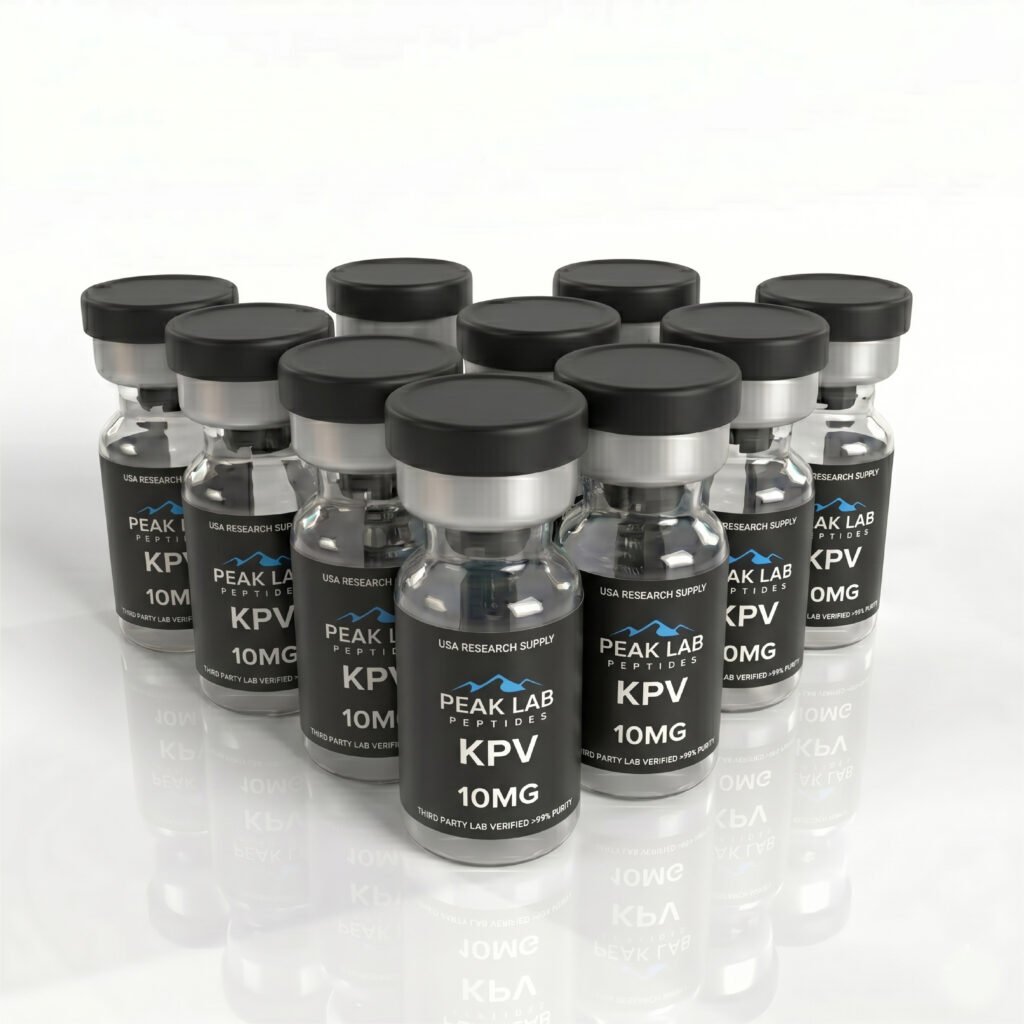
KPV 10-Vial Kit
KPV 10 Vial Kit
KPV – 10mg (Lyophilized Peptide) 10 Vial Kit – For Research Use Only
KPV (Lys-Pro-Val) is a naturally occurring tripeptide derived from the C-terminal end of alpha-melanocyte-stimulating hormone (α-MSH), studied for its potential to modulate inflammatory signaling pathways and immune regulation in controlled laboratory environments. Research has explored its activity in epithelial barrier function, cytokine modulation, and localized inflammatory response mechanisms across multiple tissue types.
Product Details:
- Peptide: KPV (Lys-Pro-Val)
- Purity: >99%
- Form: Lyophilized powder
- Quantity: 10mg per vial / 10 vials per kit
- Storage: Store at -4°F (-20°C). After reconstitution, refrigerate at 36–46°F (2–8°C) and use within 30 days.
- Grade: For research purposes only. Not for human consumption, therapeutic, or diagnostic use.
Potential Research Applications:
- Inflammatory signaling pathway modulation studies
- Epithelial barrier function and mucosal tissue research
- Cytokine regulation and immune response mechanism models
- α-MSH derived peptide activity and receptor interaction investigations
For laboratory research only. This product is not intended to diagnose, treat, cure, or prevent any disease.
Peptide Storage Case (3ml x 5 + Multi-Compartment) — Hard Shell Complete Organizer
An all-in-one solution for organizing your full research workflow.
This hard shell peptide storage case is designed to securely hold up to 5 standard 3ml vials, with additional dedicated compartments for other essential research materials. The precision-fit interior keeps every component stable and separated, so your full setup stays organized in a single case.
Built with a lightweight, impact-resistant shell and secure snap latches, this case is freezer and refrigerator safe — making it a reliable option for both at-home storage and on-the-go use.
Key Features:
- Custom-fit layout: Holds 5 × 3ml vials plus dedicated storage for essential research supplies
- Hard shell exterior: Durable, impact-resistant protection
- Secure snap latches: Keeps contents safely contained
- Precision interior compartments: Minimize movement and vibration
- Freezer & refrigerator safe: Maintains integrity in cold storage
- Compact dimensions: 6.75"W × 4"D × 2.25"H
- Travel-friendly: Lightweight and easy to transport
The most complete option in our storage lineup, built for researchers who want everything organized in one place.
Important:
- For research use only. Not for human consumption.
- Vials and supplies not included
Peptide Storage Case (3ml x 8, 10ml x 1) — Hard Shell Protective Organizer
Keep your research materials organized, protected, and ready for use.
This hard shell peptide storage case is designed to securely hold up to 8 standard 3ml vials and 1 larger 10ml vial, with a precision-fit interior that keeps everything in place during transport or storage.
The compact, durable design makes it ideal for both at-home organization and on-the-go use, while the structured interior prevents movement, tipping, or contact between vials.
Key Features:
- Custom-fit layout: Holds 8 × 3ml vials + 1 × 10ml vial
- Hard shell exterior: Durable, impact-resistant protection
- Secure closure: Keeps contents safely contained
- Precision interior insert: Minimizes movement and vibration
- Compact & travel-friendly: Easy to store or carry
Built for reliability and clean organization, this case helps maintain a professional and efficient research setup.
Important:
- For research use only. Not for human consumption.
- Vials not included
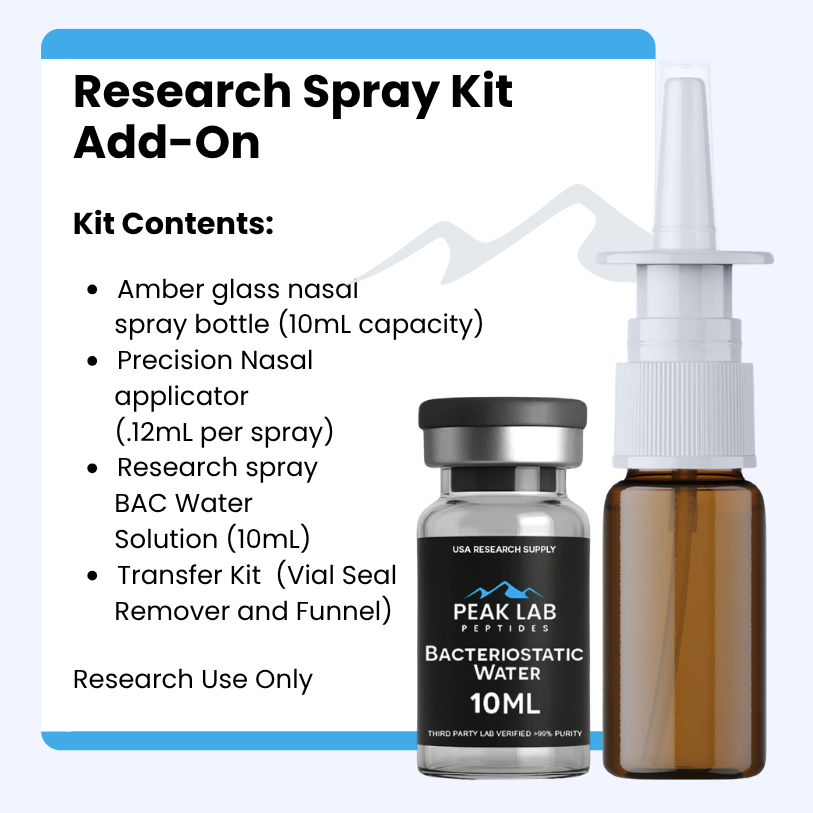
Research Spray Kit
TB-500
TB-500 (TB500)
TB-500 (Thymosin Beta-4 Fragment) – 5mg or 10mg (Lyophilized Peptide) – For Research Use Only
TB-500 is a synthetic Thymosin Beta-4 fragment studied in preclinical models for its roles in actin-binding dynamics, cell migration, angiogenesis, and tissue repair signaling. Supplied as lyophilized powder at 99%+ HPLC verified purity. Batch-specific COA included. For in vitro research use only.