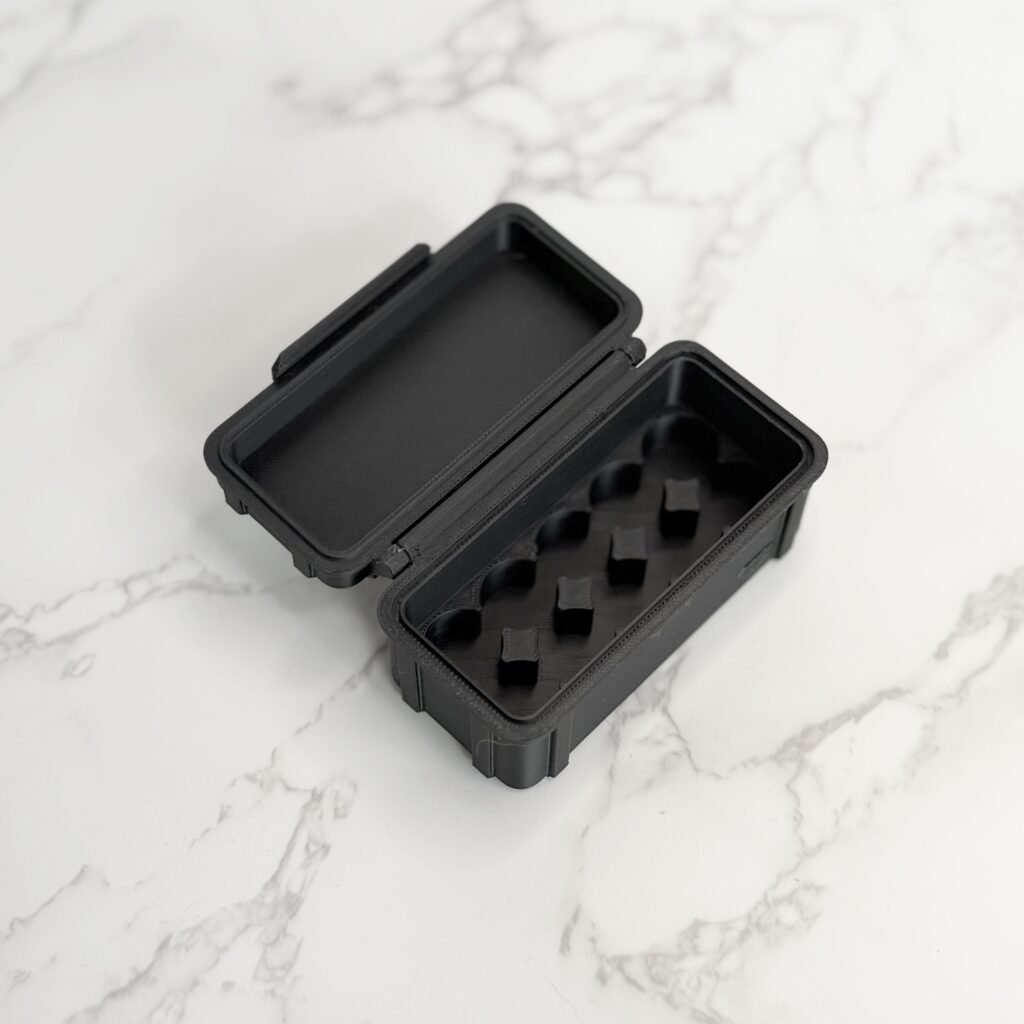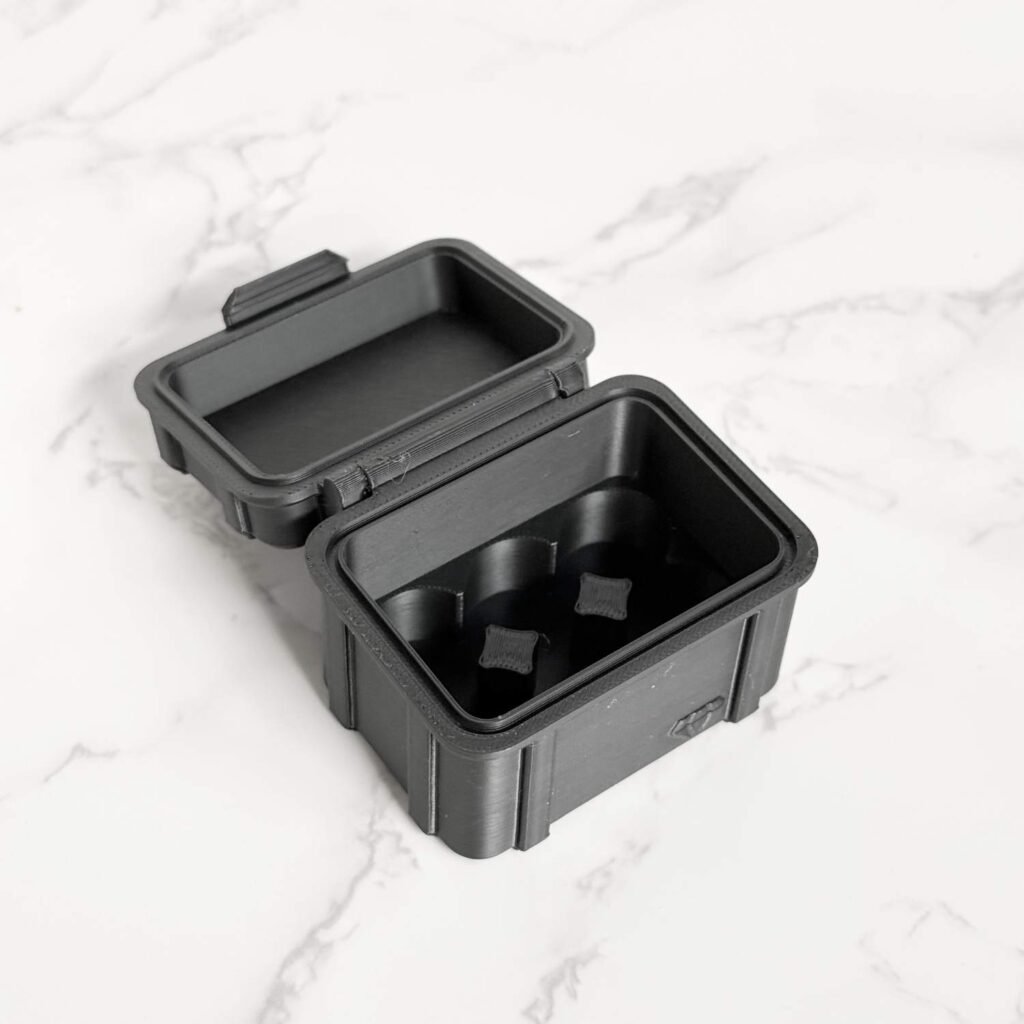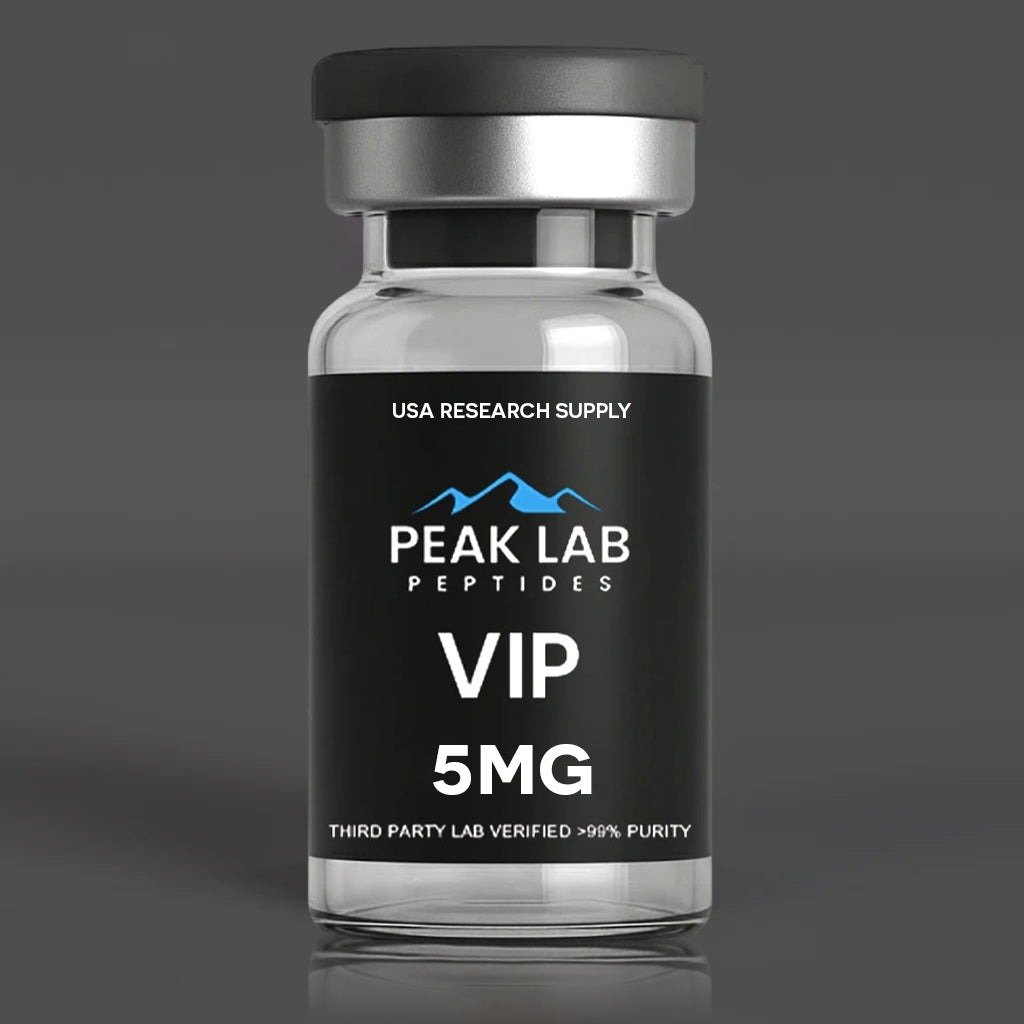
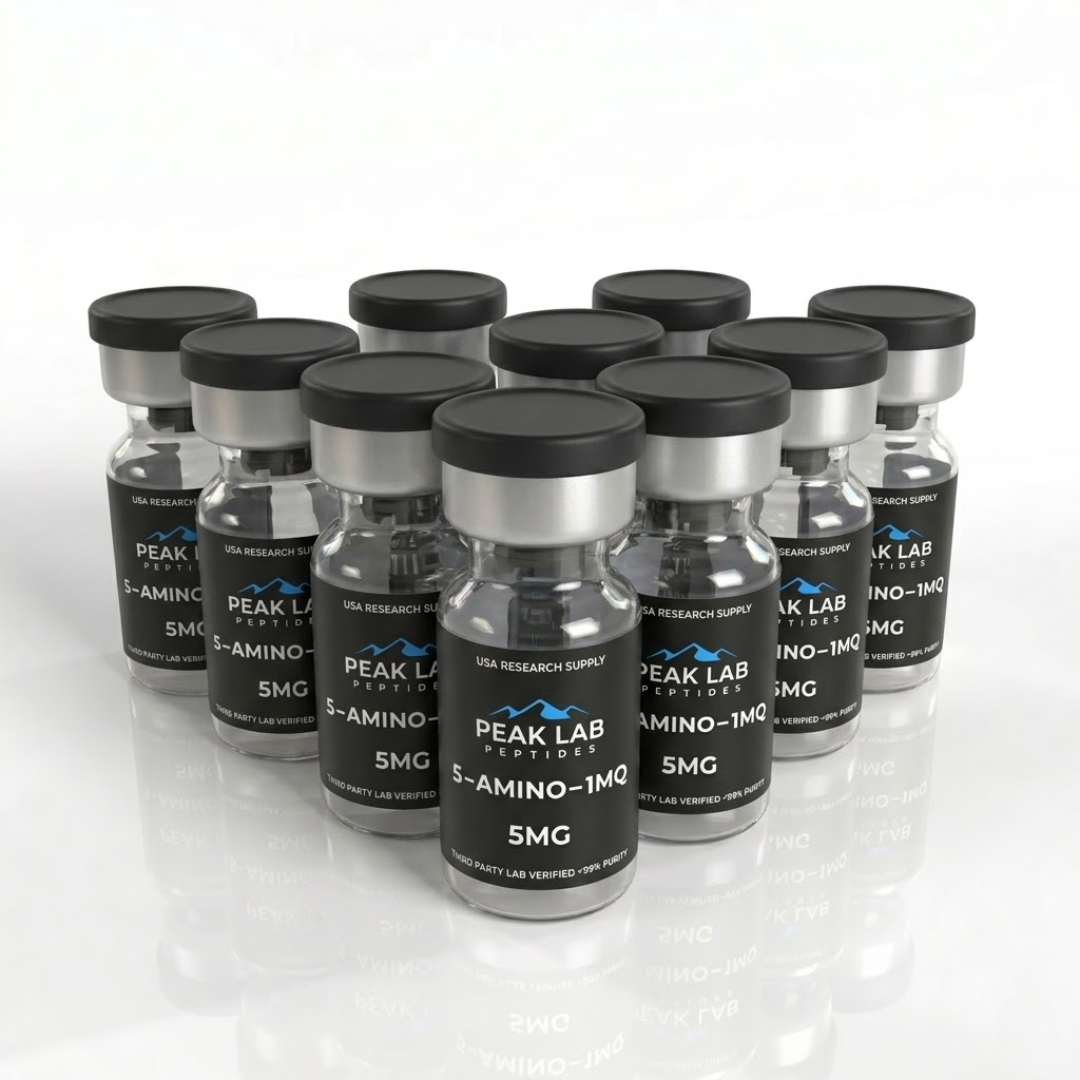
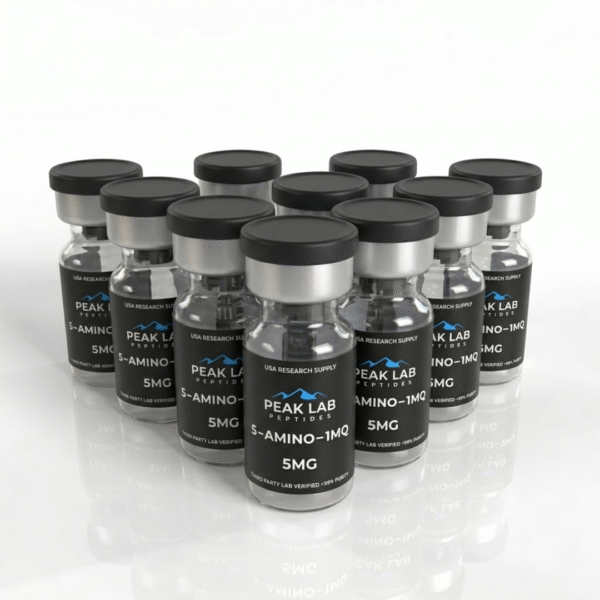
5-amino-1mq 10-Vial Kit
$265.92 – $352.00Price range: $265.92 through $352.00

Become a Member and save 20% on Every Order.
Description
5-amino-1mq 10 vial kit (5-amino-1-methylquinolinium)
5-amino-1mq 10 vial kit peptide– Research Use Only
5-amino-1mq 10 vial kit peptide – 5mg (Lyophilized Powder) – For Research Use Only
5-amino-1mq 10 vial kit peptide is a small molecule methyltransferase inhibitor studied for its potential impact on cellular metabolism, energy regulation, and fat loss pathways. Research suggests it may inhibit NNMT (Nicotinamide N-Methyltransferase), an enzyme linked to metabolic rate and fat cell energy regulation.
Studies have explored 5-amino-1mq 10 vial kit peptide for its potential role in increasing NAD+ levels, enhancing energy expenditure, and promoting fat metabolism in various models.
Product Details:
-
Compound: 5-amino-1mq 10 vial kit (5-Amino-1-Methylquinolinium)
-
Purity: >98%
-
Form: Lyophilized powder
-
Quantity: 50mg per vial
-
Storage: Store at -4°F (-20°C). After reconstitution, refrigerate at 36–46°F (2–8°C) and use within 30 days.
-
Grade: For research use only. Not for human consumption or therapeutic use.
Potential Research Applications:
-
Studies on NNMT inhibition and metabolic regulation
-
NAD+ production and energy pathway research
-
Fat metabolism and weight loss models
-
Investigations into cellular energy expenditure
Also check Sprays
5-amino-1mq 10 vial kit peptide Details
5-amino-1mq 10 vial kit is a small-molecule research compound studied for its ability to inhibit nicotinamide N-methyltransferase (NNMT), an enzyme involved in nicotinamide metabolism, methylation balance, and cellular energy regulation. By targeting NNMT, 5-Amino-1MQ is frequently used in preclinical models to explore how changes in NAD⁺ availability, adipocyte function, and metabolic signaling may influence energy balance and cellular homeostasis.
About 5-amino-1mq 10 vial kit peptide
5-amino-1mq 10 vial kit (5-amino-1-methylquinolinium) is a membrane-permeable analogue of methylquinolinium that has become a widely studied NNMT inhibitor in metabolic and cellular energetics research. NNMT is expressed in multiple tissues but is particularly abundant in adipose and hepatic cells, where it participates in nicotinamide utilization and impacts NAD⁺-related pathways.
Because NNMT activity can influence intracellular NAD⁺ levels and downstream regulators such as sirtuin 1 (SIRT1), 5-Amino-1MQ is often selected as a tool compound to probe:
- NNMT’s role in adipocyte size and fat storage
- NAD⁺-dependent metabolic pathways and mitochondrial function
- Sirtuin-linked gene regulation and cellular stress responses
5-amino-1mq 10 vial kit offers a standardized format for labs that require reproducible dosing within in vitro, ex vivo, or non-clinical in vivo experimental frameworks, in accordance with institutional and regulatory guidelines.
5-amino-1mq 10 vial kit peptide Scientific Research
Researchers employ 5-Amino-1MQ in a variety of metabolic and cellular biology models. The following themes summarize key areas of ongoing investigation:
NNMT, NAD⁺, and Energy Metabolism
NNMT catalyzes the methylation of nicotinamide, diverting potential NAD⁺ precursors into alternative metabolites. In multiple preclinical studies, elevated NNMT activity has been associated with altered NAD⁺ pools and changes in cellular energy efficiency, particularly in adipose tissue and liver.
By inhibiting NNMT, 5-Amino-1MQ has been used to study:
- How modulation of NNMT affects NAD⁺ levels in cell lines and animal models
- The downstream impact on mitochondrial respiration and oxidative metabolism
- The relationship between NNMT activity and regulators such as SIRT1, which is widely examined in the context of cellular aging, metabolic control, and stress responses
These investigations are mechanistic in nature and are designed to clarify how NNMT fits into broader metabolic and epigenetic networks.
Adipocyte Biology and Body Mass Models
In rodent models, NNMT expression in adipose tissue has been linked to adipocyte size, lipid accumulation, and changes in energy expenditure. Experimental NNMT inhibition with compounds such as 5-Amino-1MQ has been reported to correlate with:
- Reduced fat cell size and changes in fat mass in diet-induced models
- Shifts in metabolic efficiency and energy utilization
- Altered expression of glucose transporters (including GLUT4) in skeletal muscle and fat tissue
Some studies have observed notable changes in body mass and adipose tissue over relatively short experimental periods without modifications in food intake. These findings are specific to controlled animal models and are used to better understand how NNMT and related pathways influence energy storage and utilization, not to support clinical or therapeutic conclusions.
Muscle Function and Regenerative Research
NNMT is also expressed in skeletal muscle, and 5-Amino-1MQ has been utilized to examine NNMT’s role in muscle energetics and repair. Preclinical investigations in aged animal models have reported that NNMT inhibition may:
- Influence activation of muscle-resident stem cells following injury
- Alter myofiber cross-sectional area and contractile properties
- Interact with NAD⁺-dependent mechanisms implicated in mitochondrial quality and tissue resilience
These findings support the use of 5-Amino-1MQ as a research tool for studying muscle regeneration, sarcopenia models, and age-associated changes in muscle physiology. Any implications for human health remain speculative and unverified.
Neuro-Energetic Pathways and Cognition Research
NAD⁺ is central to neuronal energy metabolism and synaptic function. While 5-Amino-1MQ itself has not been extensively characterized in human neurocognitive contexts, its interaction with NNMT and effects on NAD⁺ pathways have generated interest in:
- Brain energy homeostasis and mitochondrial support in preclinical models
- Neuromuscular junction signaling and synaptic transmission
- How altered NAD⁺ metabolism may relate to age-related cognitive decline in experimental systems
Current research in this area remains exploratory, and 5-Amino-1MQ is used strictly as an investigative tool within laboratory models.
NNMT Expression in Oncology Research
Increased NNMT expression has been documented in several tumor types in preclinical and ex vivo studies, including gastric, pancreatic, renal, and bladder cancer models. Because NNMT is involved in methylation and metabolic control, 5-Amino-1MQ is of interest in:
- Characterizing NNMT as a potential biomarker of tumor metabolism
- Studying how NNMT modulation may influence cancer cell proliferation, redox balance, and methyl-donor utilization
- Evaluating NNMT as a possible experimental target in oncology research
At present, these efforts are confined to laboratory research. 5-amino-1mq 10 vial kit is not approved for diagnosis, treatment, or prevention of any disease.
5-amino-1mq 10 vial kitpeptide FAQ
Q1: What is 5-amino-1mq 10 vial kit peptide used for in research?
A1: 5-amino-1mq 10 vial kit peptide is used in laboratory studies to investigate NNMT inhibition, NAD⁺-related metabolic pathways, adipocyte biology, and cellular energetics in in vitro, ex vivo, and non-clinical in vivo models.
Q2: What is the primary mechanism of interest for 5-amino-1mq 10 vial kit?
A2: Researchers study 5-amino-1mq 10 vial kit primarily as an inhibitor of nicotinamide N-methyltransferase (NNMT), an enzyme that influences nicotinamide metabolism, NAD⁺ availability, and methylation-related biochemical pathways.
Q3: In what form is this 5-amino-1mq 10 vial kit product supplied?
A3: This product is supplied as lyophilized powder, intended solely for controlled laboratory use by qualified professionals.
Q4: Is 5-amino-1mq 10 vial kit peptide intended for human or veterinary use?
A4: No. 5-amino-1mq 10 vial kit from PeakLab Peptides is for research use only and is not intended for human or veterinary consumption, diagnosis, treatment, or prevention of any condition.
Q5: How should 5-amino-1mq 10 vial kit peptide be stored in the lab?
A5: Researchers generally store small-molecule research compounds in a cool, dry environment away from direct light, following their institution’s chemical storage and handling protocols to maintain stability and integrity.
Storage & Handling
All peptides are supplied as sterile, lyophilized powder and are stable when handled correctly.
- On arrival: Store vials in a cool, dry place away from heat and direct sunlight.
- Long-term (powder): For optimal longevity, keep lyophilized peptides refrigerated to help maintain integrity.
- After reconstitution: Use an appropriate research diluent (for example, BAC water). Store the reconstituted solution in the refrigerator and use within 20–30 days for best stability.
Note: Minimize exposure to moisture and repeated freeze–thaw cycles. Follow your institution's safety procedures when handling research materials.
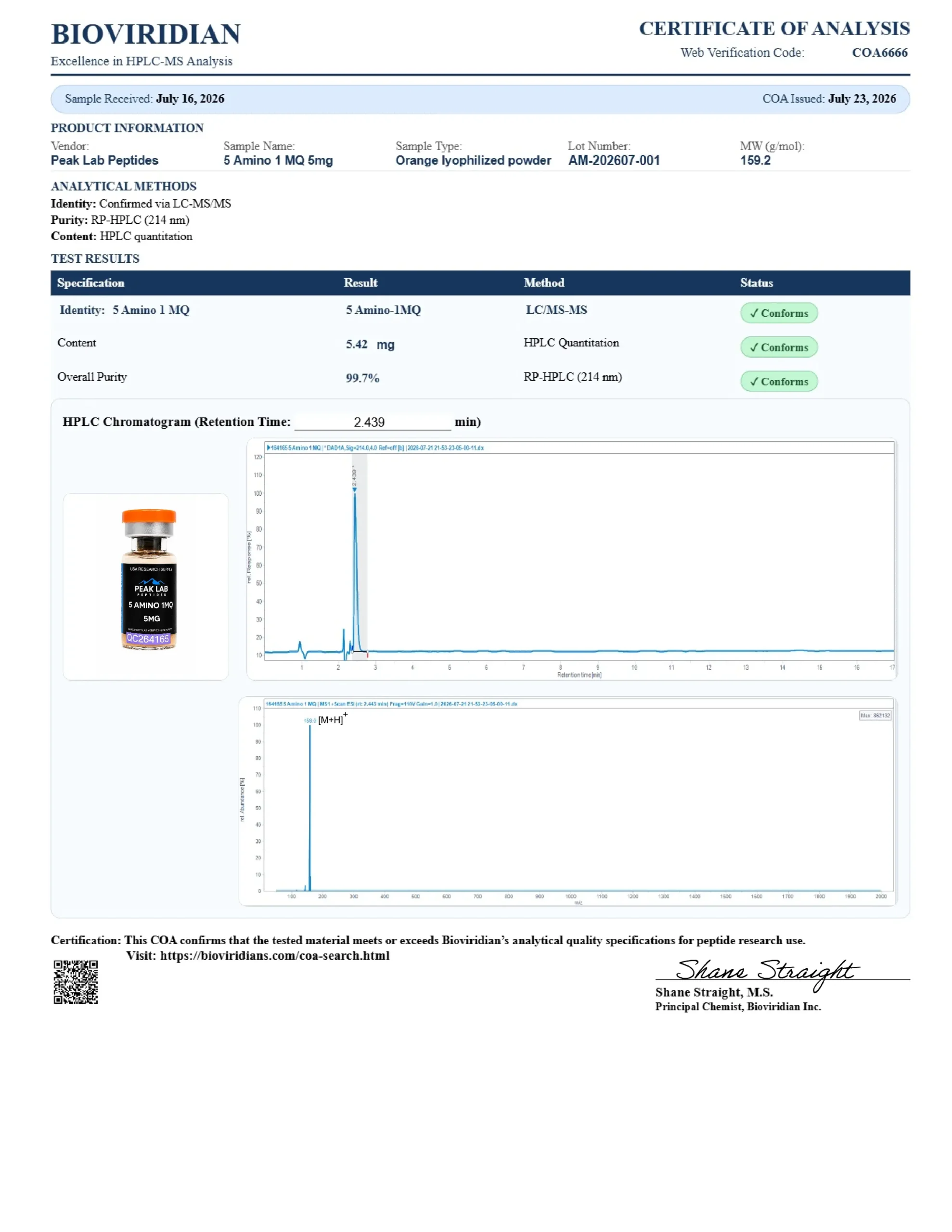
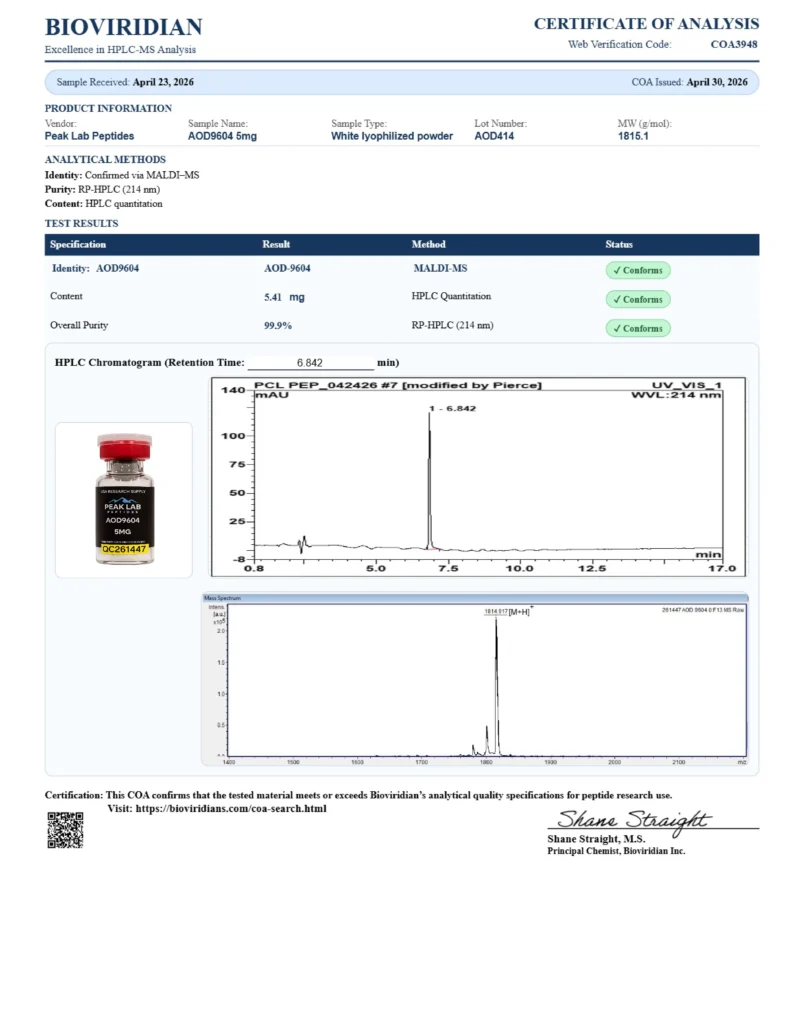
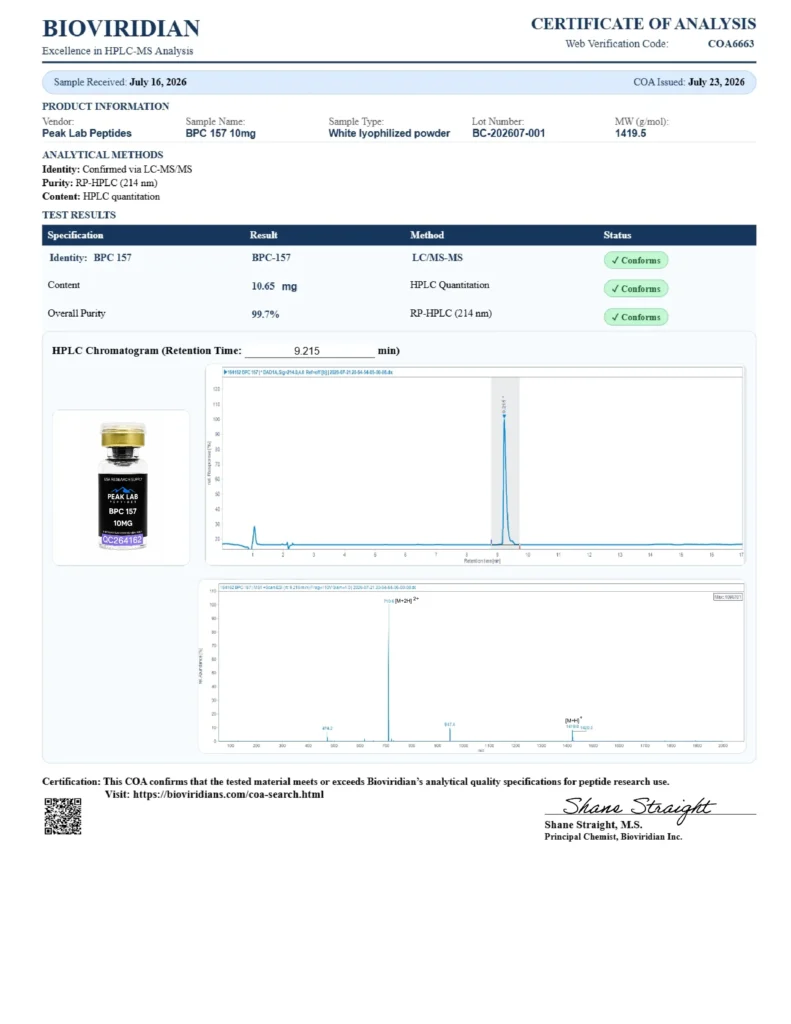
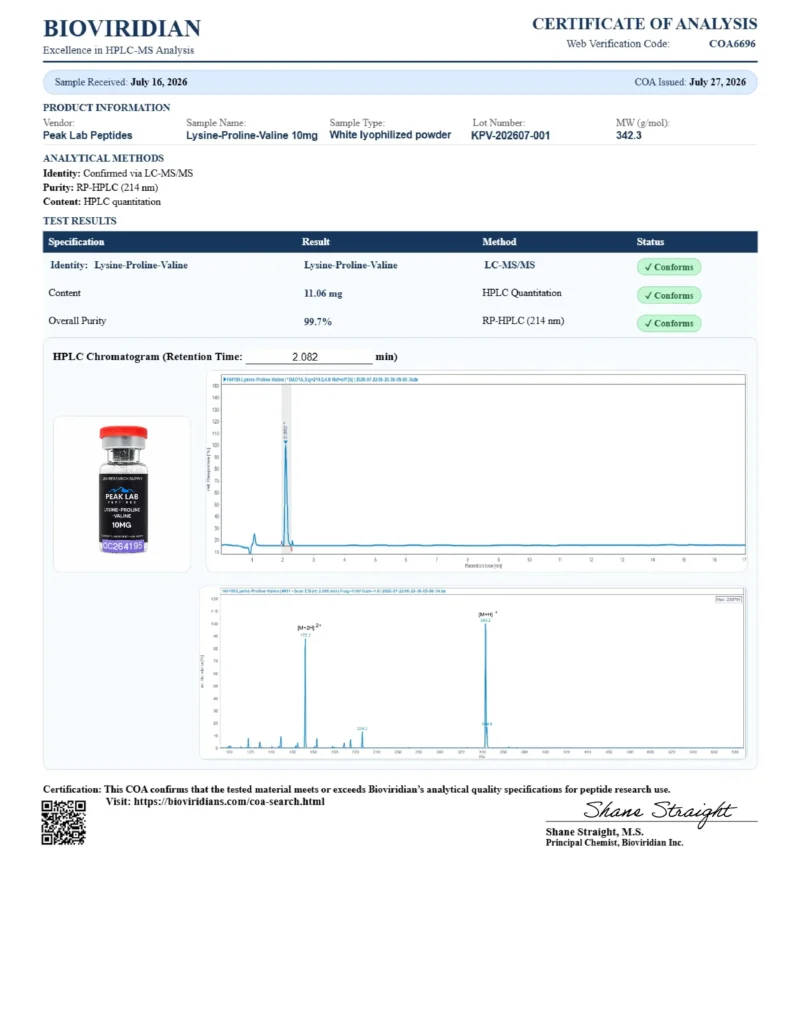
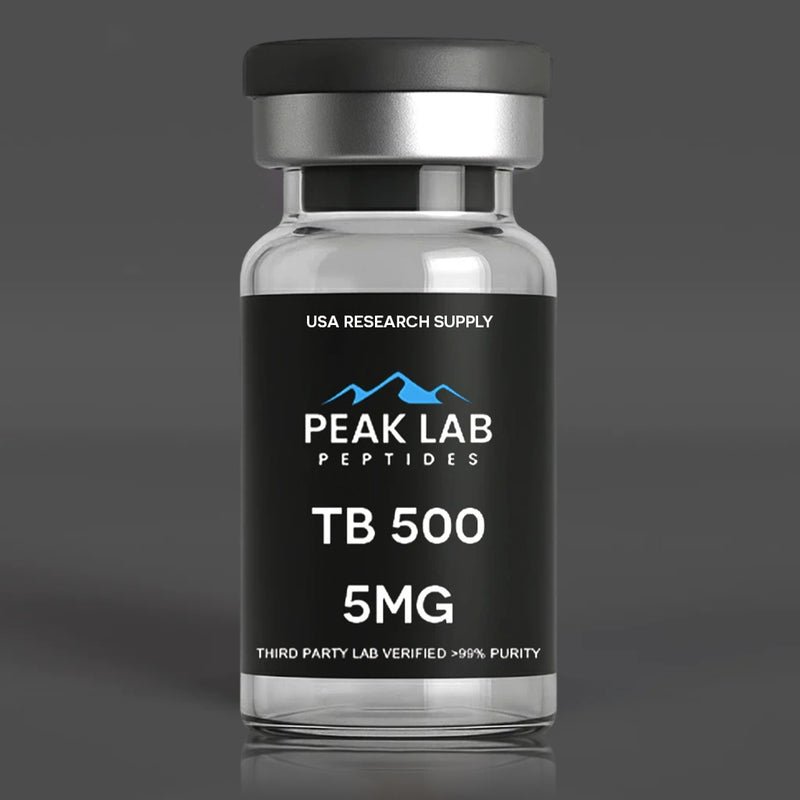
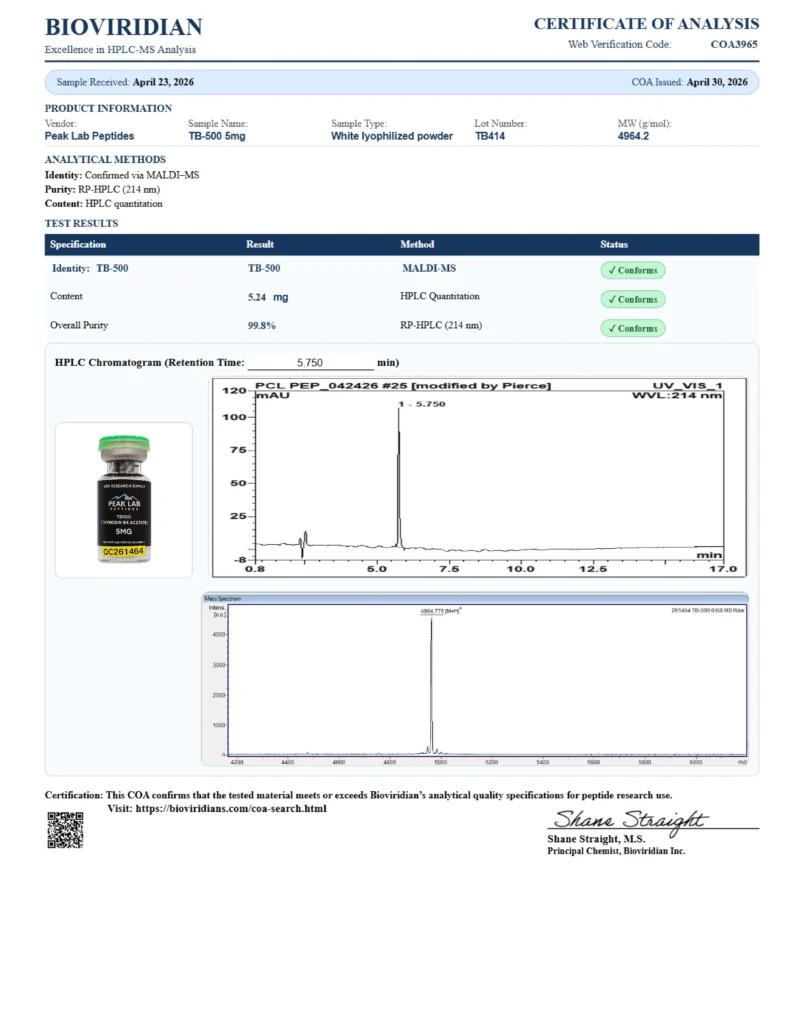
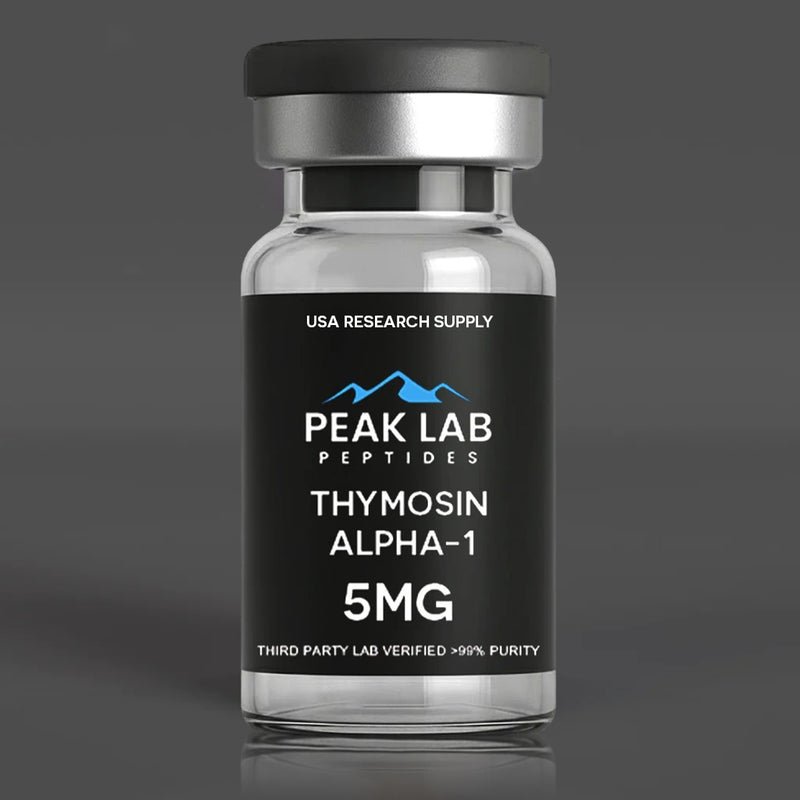
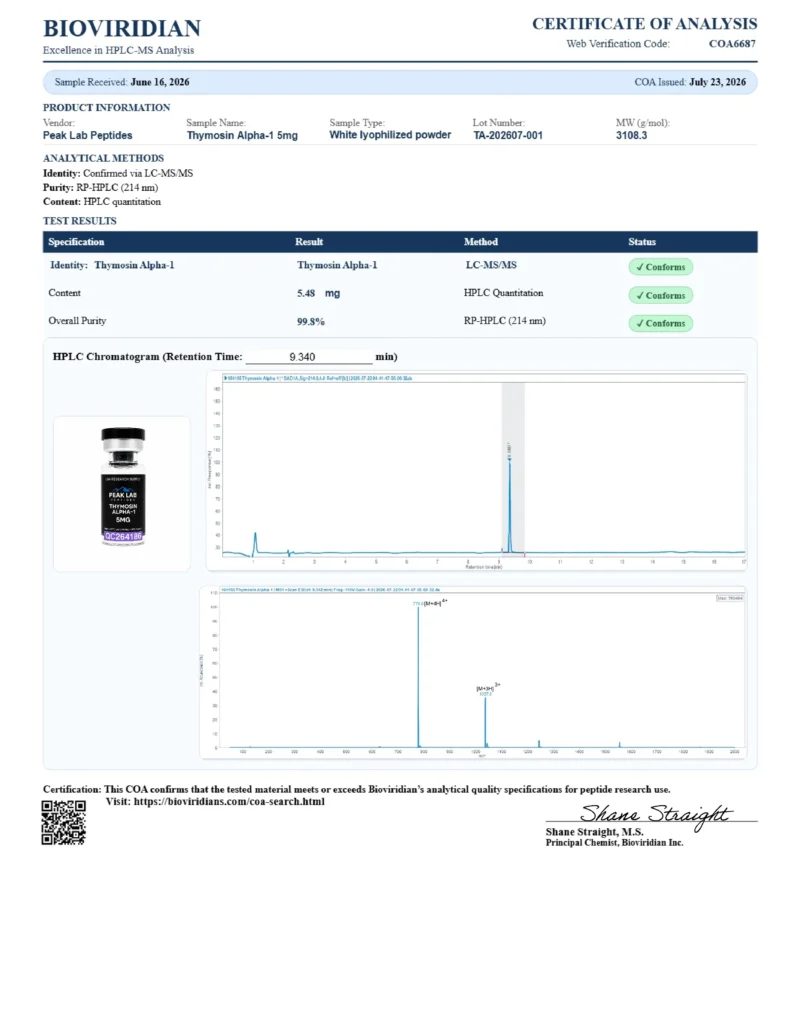
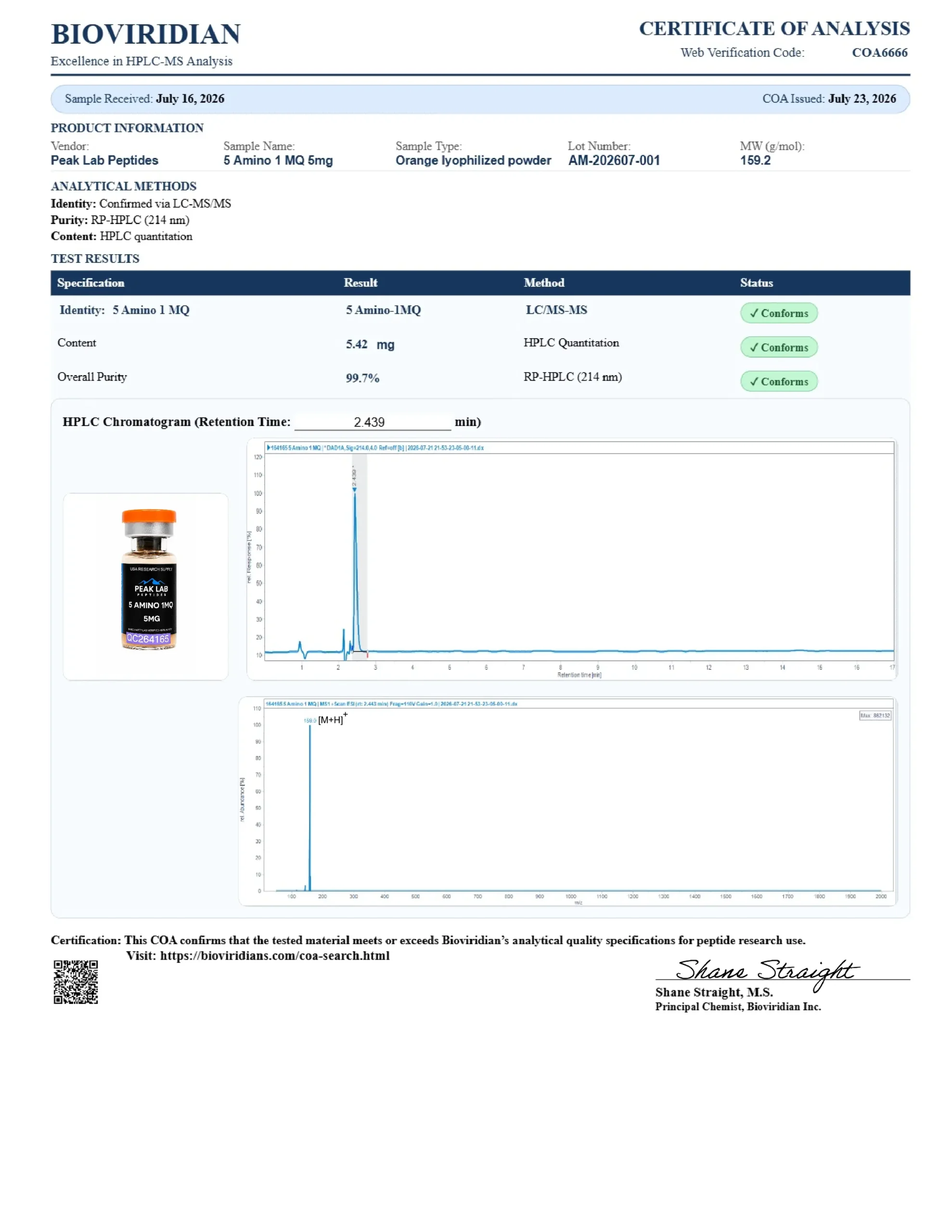
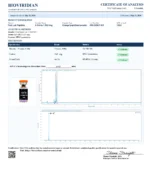
Peak Lab Peptides maintains quality-control processes and routinely performs third-party testing to support purity and identity verification. COAs are available upon request for applicable batches. Documentation may vary depending on production timelines.
We aim to make batch-level documentation available whenever possible. Our goal is to expand COA access across the full catalog as production capacity grows.
All products are for laboratory research use only and are not intended for human consumption.
Related Products
ACE-031
AOD9604
AOD9604
AOD-9604 – 5mg (Lyophilized Peptide) – For Research Use Only
AOD-9604 is a modified fragment of human growth hormone (HGH), specifically amino acids 176–191, developed for its potential role in fat metabolism and lipolysis research. Unlike full-sequence HGH, AOD-9604 is studied for its ability to promote fat breakdown without influencing blood sugar or IGF-1 levels, making it a focus of metabolic and weight management studies.
Research has explored its effects on adipose tissue, body composition, and metabolic rate regulation.
Product Details:
-
Peptide: AOD-9604 (HGH Fragment 176–191)
-
Purity: >98%
-
Form: Lyophilized powder
-
Quantity: 5mg per vial
-
Storage: Store at -4°F (-20°C). After reconstitution, refrigerate at 36–46°F (2–8°C) and use within 30 days.
-
Grade: For research purposes only. Not for human consumption, therapeutic, or diagnostic use.
Potential Research Applications:
-
Fat metabolism and lipolysis studies
-
Obesity and weight management research models
-
Adipose tissue regulation investigations
-
Metabolic health and energy balance research
Epithalon 10-Vial Kit
Epithalon – 10mg (Lyophilized Peptide) 10 vial kit – For Research Use Only
Epithalon 10 vial kit (also known as Epitalon) is a synthetic tetrapeptide (Ala-Glu-Asp-Gly) derived from the naturally occurring pineal gland peptide Epithalon 10 vial kit. It is widely studied for its potential anti-aging, telomerase-activating, and longevity-enhancing effects. Research suggests that Epithalon 10 vial kit may promote telomere extension, support circadian rhythm regulation, and improve oxidative stress resistance. It is a popular compound in studies involving cellular aging, pineal gland function, and DNA repair mechanisms. Product Details: Peptide: Epithalon 10 vial kit(Ala-Glu-Asp-Gly) Purity: >98% Form: Lyophilized powder Quantity: 10mg per vial Storage: Store at -4°F (-20°C). After reconstitution, refrigerate at 36–46°F (2–8°C) and use within 30 days. Grade: For research purposes only. Not for human consumption, therapeutic, or diagnostic use. Potential Research Applications: Telomerase activation and cellular longevity studies Anti-aging and pineal gland function research Circadian rhythm and melatonin regulation studies DNA repair and oxidative stress resistance models For laboratory research only. This product is not intended to diagnose, treat, cure, or prevent any disease.GHK-Cu
GHK-Cu 10-Vial Kit
GLOW Blend 10-Vial Kit (GHK-Cu 50mg, BPC-157 10mg, TB-500 10mg)
MOTS-c 10-Vial Kit
MOTS-c 10 vial kit
MOTS-c – 10mg or 40mg (Lyophilized Peptide) 10 vial kit – For Research Use Only
MOTS-c 10 vial kit is a mitochondrial-derived peptide (MDP) encoded by the mitochondrial genome, widely studied for its potential role in metabolic regulation, energy homeostasis, and cellular protection. Research has focused on its ability to influence glucose metabolism, insulin sensitivity, and mitochondrial function, making it a key subject in studies on metabolic health and aging.
MOTS-c 10 vial kit is of special interest in research exploring exercise mimetic effects, fat metabolism, and metabolic syndrome models.
Product Details:
-
Peptide: MOTS-c 10 vial kit (Mitochondrial Open Reading Frame of the 12S rRNA-c)
-
Purity: >99%
-
Form: Lyophilized powder
-
Quantity: 10mg or 40mg per vial
-
Storage: Store at -4°F (-20°C). After reconstitution, refrigerate at 36–46°F (2–8°C) and use within 30 days.
-
Grade: For research purposes only. Not for human consumption or therapeutic applications.
Potential Research Applications:
-
Glucose metabolism and insulin sensitivity studies
-
Mitochondrial function and energy regulation research
-
Aging, longevity, and metabolic health models
-
Exercise mimetic and fat metabolism investigations
For laboratory research use only. This product is not intended to diagnose, treat, cure, or prevent any disease.
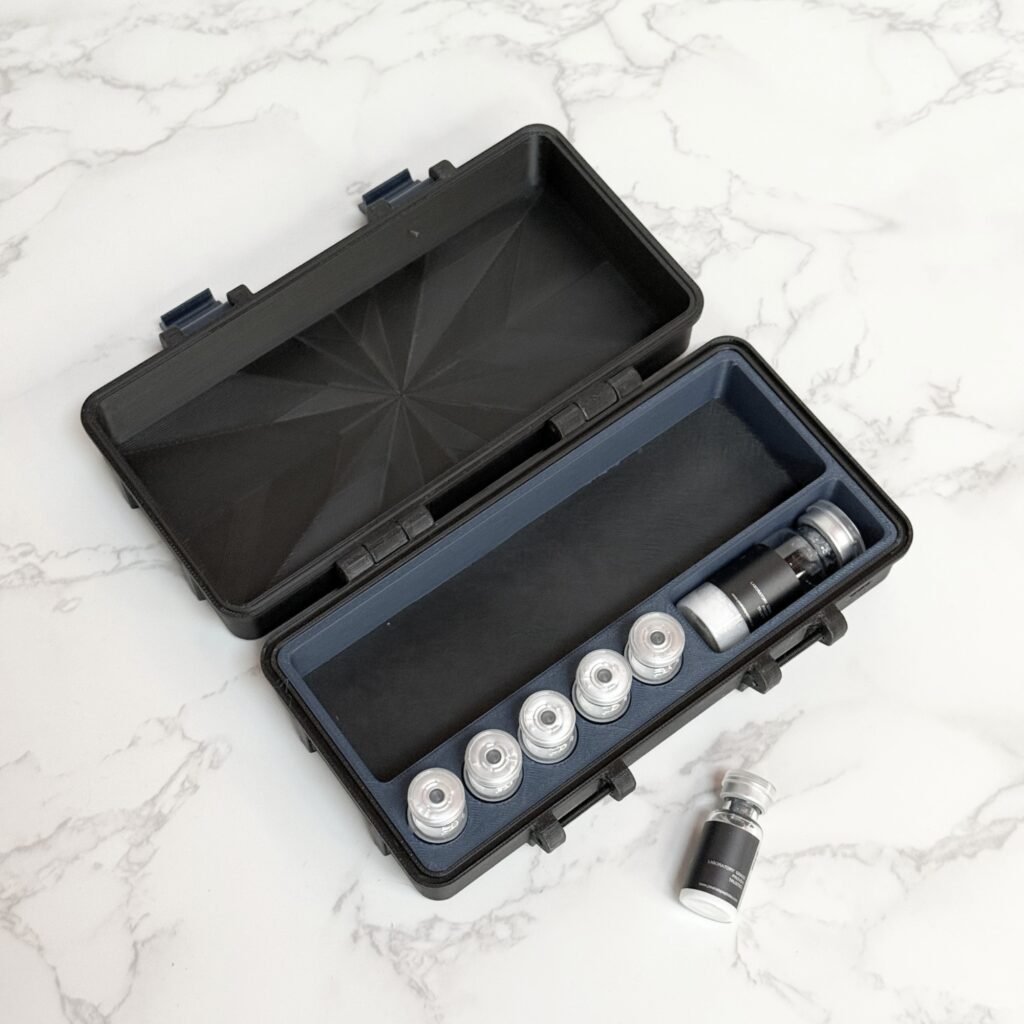
Peptide Storage Case (3ml x 10) — Hard Shell Mid-Size Organizer
A versatile mid-size case for researchers who need more capacity without the bulk.
This hard shell peptide storage case is designed to securely hold up to 10 standard 3ml vials, with a precision-fit interior that keeps each vial stable and separated. Sized between our compact and full-size cases, this version is ideal for expanded setups that still need to stay portable and organized.
Key Features:
- Custom-fit layout: Holds 10 × 3ml vials
- Hard shell exterior: Durable, impact-resistant protection
- Secure closure: Keeps contents safely contained
- Precision interior insert: Reduces movement and vibration
- Mid-size & portable: Balanced capacity for daily use or travel
Designed for clean organization and reliable protection in any research environment.
Important:
- For research use only. Not for human consumption.
- Vials not included
TB-500
TB-500 (TB500)
TB-500 (Thymosin Beta-4 Fragment) – 5mg or 10mg (Lyophilized Peptide) – For Research Use Only
TB-500 is a synthetic Thymosin Beta-4 fragment studied in preclinical models for its roles in actin-binding dynamics, cell migration, angiogenesis, and tissue repair signaling. Supplied as lyophilized powder at 99%+ HPLC verified purity. Batch-specific COA included. For in vitro research use only.


Reviews
There are no reviews yet.