
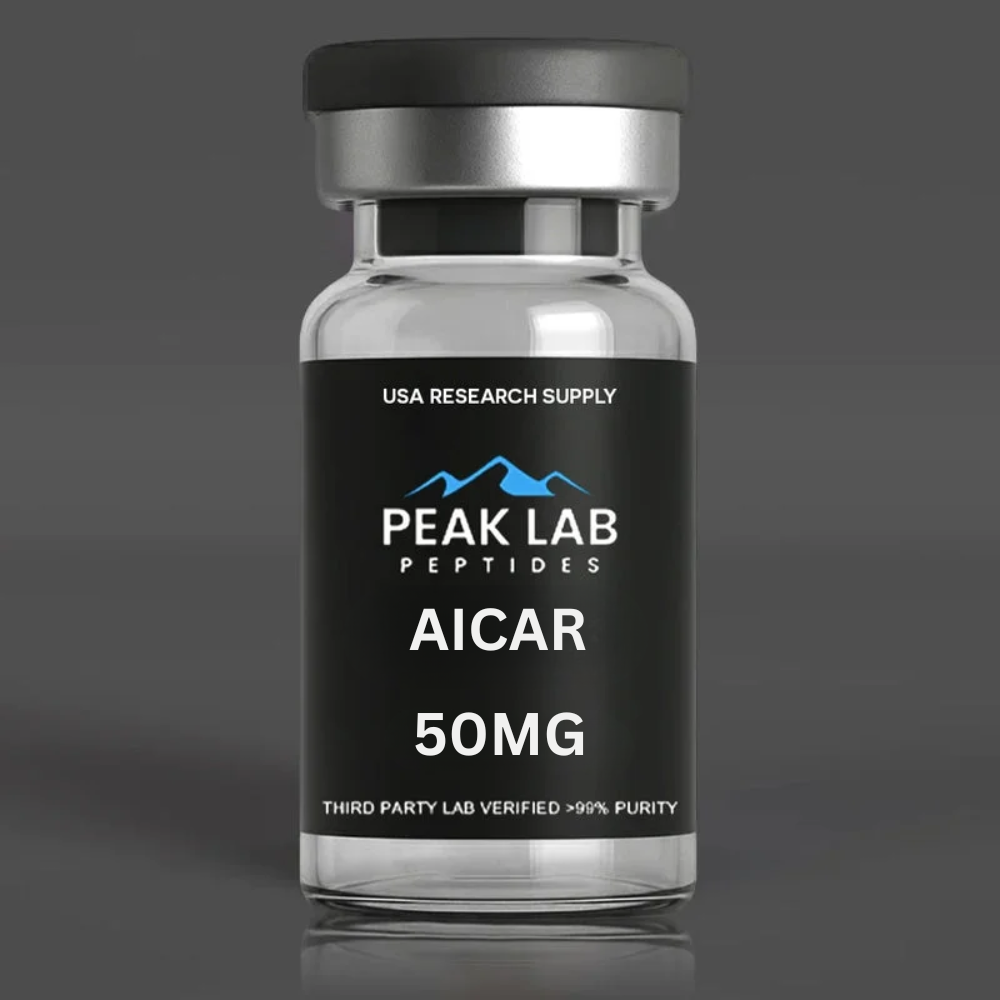
AICAR
$64.00 Original price was: $64.00.$52.00Current price is: $52.00.
In stock
Become a Member and save 20% on Every Order.
Description
Fast, reliable shipping
We offer fast, reliable shipping through UPS and USPS.
Shipping Options
UPS shipping options include:
- Next Day Air
- 2nd Day Air
- Ground
Order Processing
- Orders ship Monday through Firday.
- Orders placed before 6:00 PM EST / 3:00 PM PST are shipped the same day.
- Orders placed after the daily cutoff or on holidays will be processed on the next available shipping day.
Puerto Rico, Hawaii & Alaska
- Orders shipping to these destinations are sent via USPS unless alternative arrangements have been made in advance.
- Need a different shipping method? Contact us before placing your order so we can discuss available options.
Order Tracking
- Once your order has shipped, you'll receive a shipping confirmation email with tracking information so you can monitor your delivery.
- Orders totaling $200 or more qualify for FREE UPS 2nd Day Air shipping within the continental United States.
- Free 2nd Day Air shipping does not apply to orders shipping to Puerto Rico, Hawaii, or Alaska.
Handled correctly, stability holds
All peptides are supplied as sterile, lyophilized powder and are stable when handled correctly.
Store away from light
-20°C long-term
2-8°C
Sealed lyophilized vials are heat-stable; refrigerating or freezing sealed vials is optional. 2-8°C applies to reconstituted solutions.
Frequently Asked Questions
PRODUCT & PURITY
This product is offered for laboratory and research use only. It is not intended for human consumption, medical use, therapeutic use, or veterinary use.
Yes, all of our products are sterile and sealed with a sterility plug and safety cap.
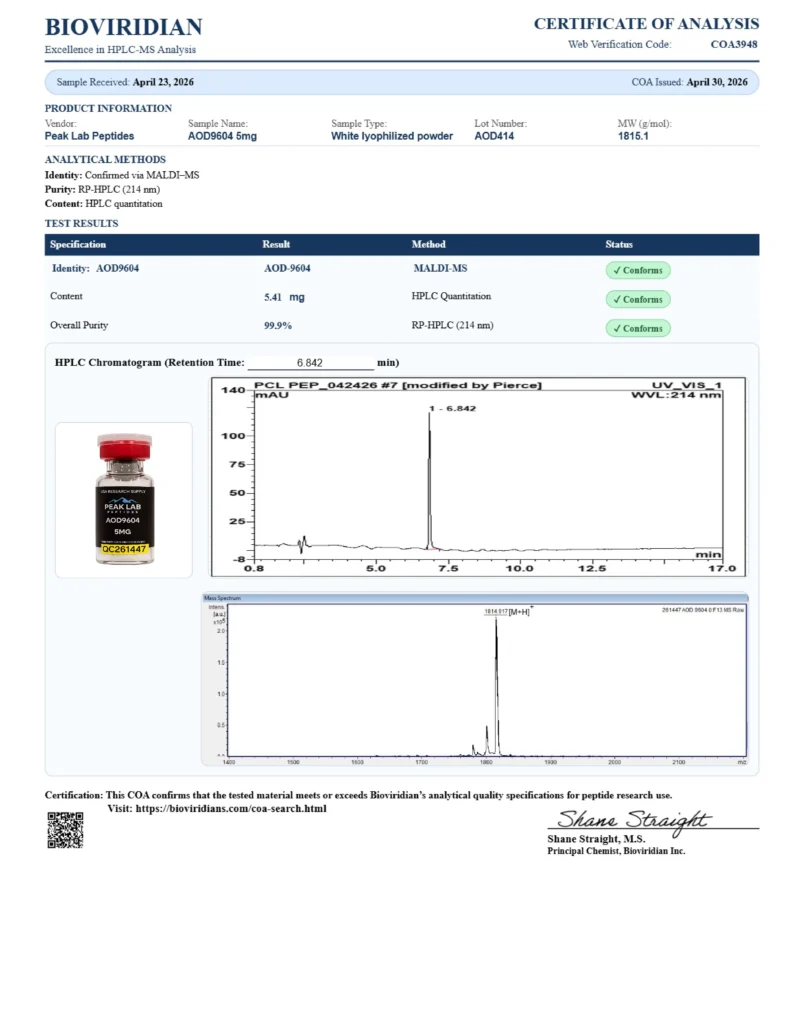
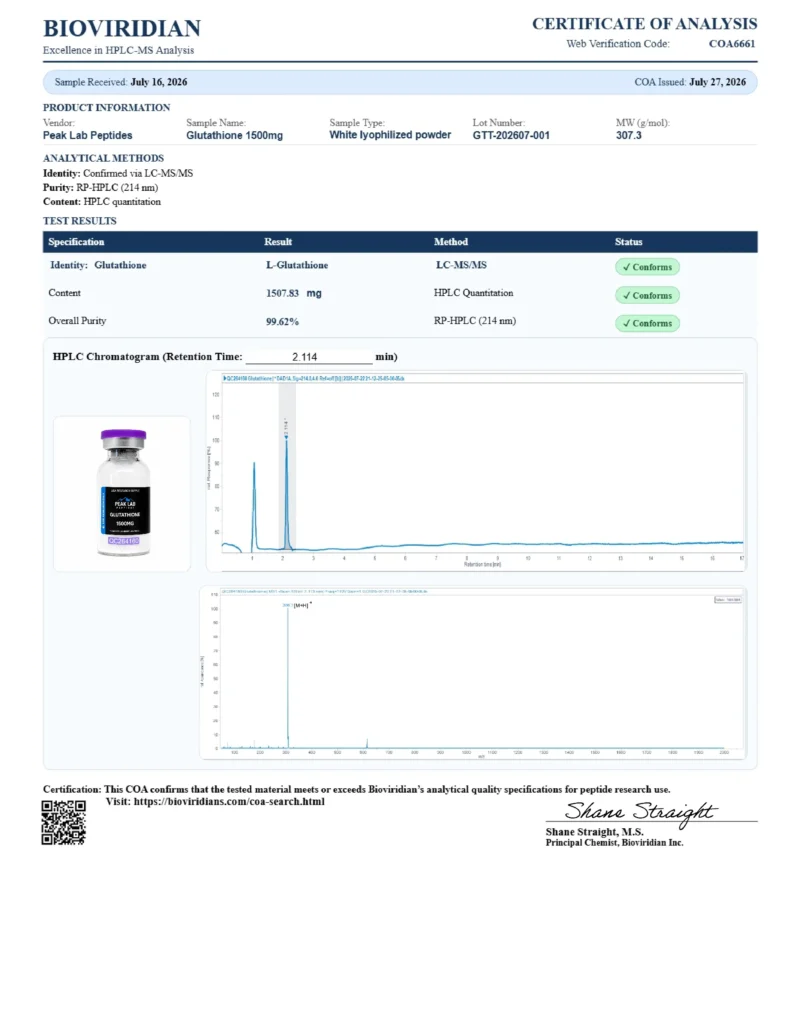
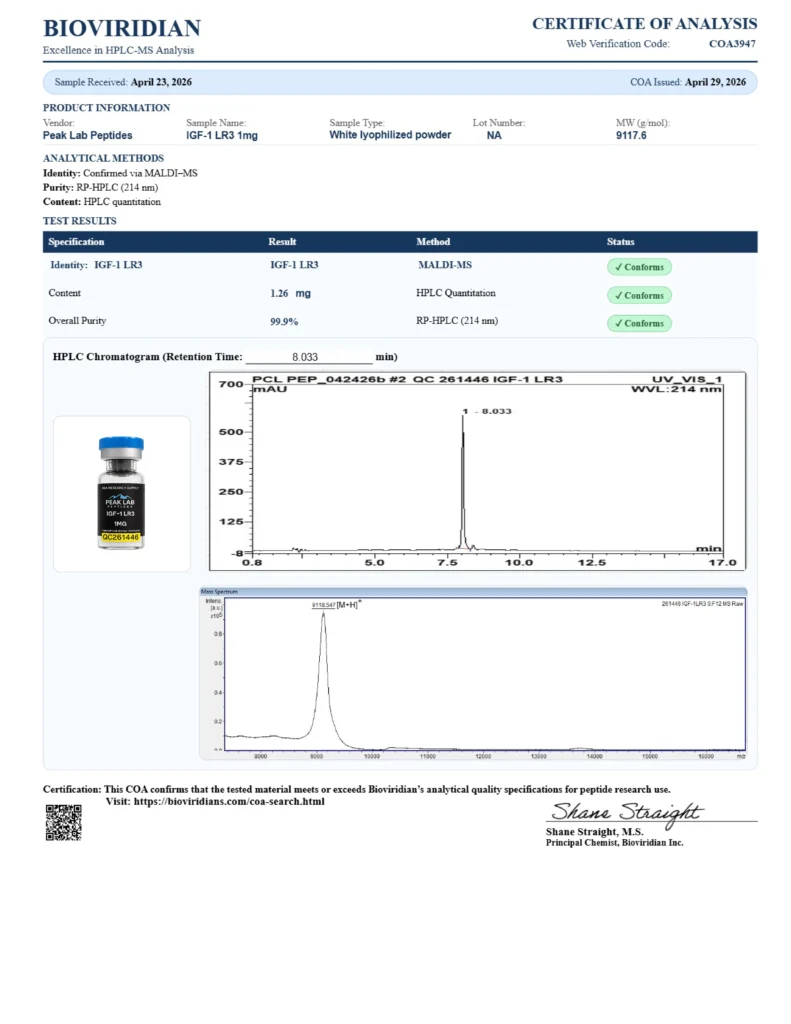
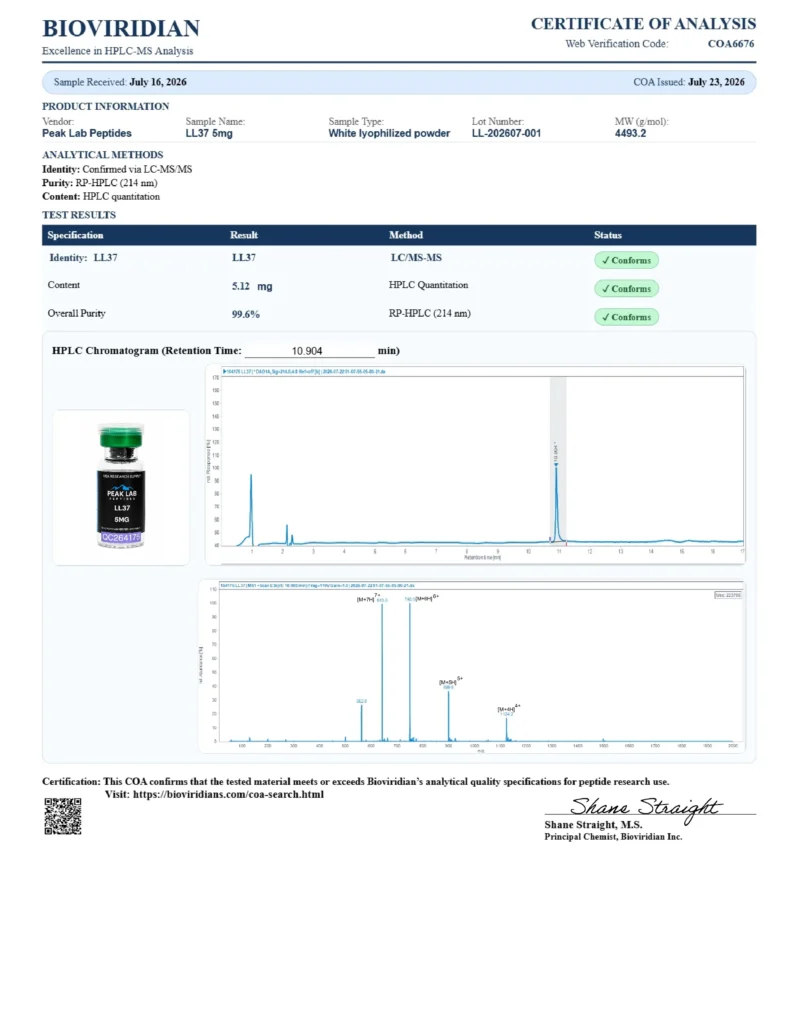
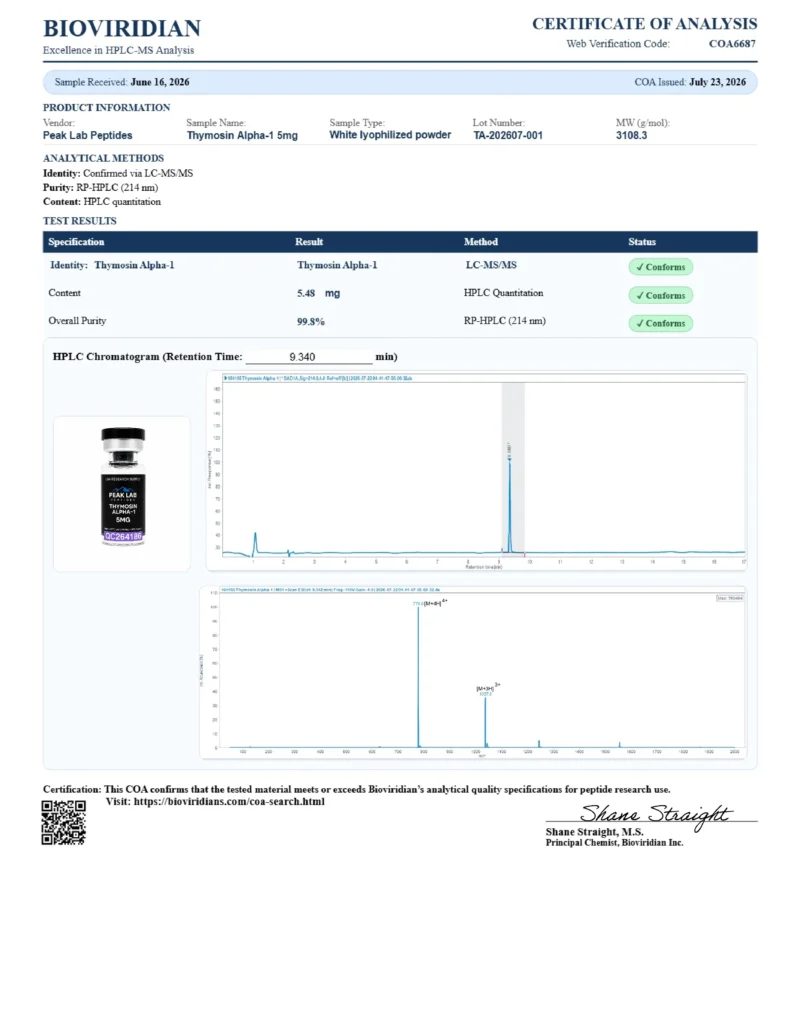
Our products undergo quality control internally at our lab and then 3rd party tested at Bioviridian (at their Texas facility) prior to shipment. All of our COA's are then posted on our site immediately upon receipt.
99% or higher. Period. The expected purity is listed on the individual product page or Certificate of Analysis, when available.
No. We are a manufacturing company and because these products are sold for research purposes only, we do not provide dosing, administration, or medical-use guidance.
Unless specifically stated otherwise, these products are not approved by the U.S. Food and Drug Administration for therapeutic or diagnostic use.
STORAGE & STABILITY
As a lyophilized powder, peptides are stable. Delays in shipments up to 7 days will have zero to minimal impact on efficacy of peptides. Most precautionary efforts must be made to maintain temperature consistency once reconstituted.
Store the product according to the storage recommendations provided on the label or accompanying documentation in your shipment. Proper storage helps maintain product integrity during its shelf life. Most peptides have an expiration date of 2 years if kept unreconstituted (lyophilized powder).
SHIPPING
Shipping times vary based on your location and the shipping method selected at checkout. We offer shipping options between 1 and 5 days.
No.
Once your order is processed, you will receive a shipping confirmation email with tracking information.
ORDERS
Each order includes the peptide vial as described on the product page above.
We accept all forms of credit cards and Zelle.
If your order has not yet been processed for shipment, we may be able to make changes. Please contact customer support as soon as possible after placing your order.
If your order arrives damaged or incorrect, contact our customer support team promptly at support@peaklabpeptides.com with your order number and photos of the package and product so we can assist you.
For the safety of our researchers and integrity of our products we can not accept returns whatsoever.
SUPPORT
If you have questions about your order or a product, please reach out through our customer support page or contact us at support@peaklabpeptides.com or call/text 605-524-2800.
Purity you can verify
TESTED
VERIFICATION
Peak Lab Peptides maintains quality-control processes and routinely performs third-party testing to support purity and identity verification. COAs are available upon request for applicable batches. Documentation may vary depending on production timelines.
AVAILABILITY
We aim to make batch-level documentation available whenever possible. Our goal is to expand COA access across the full catalog as production capacity grows.
All products are for laboratory research use only and are not intended for human consumption.
Related Products
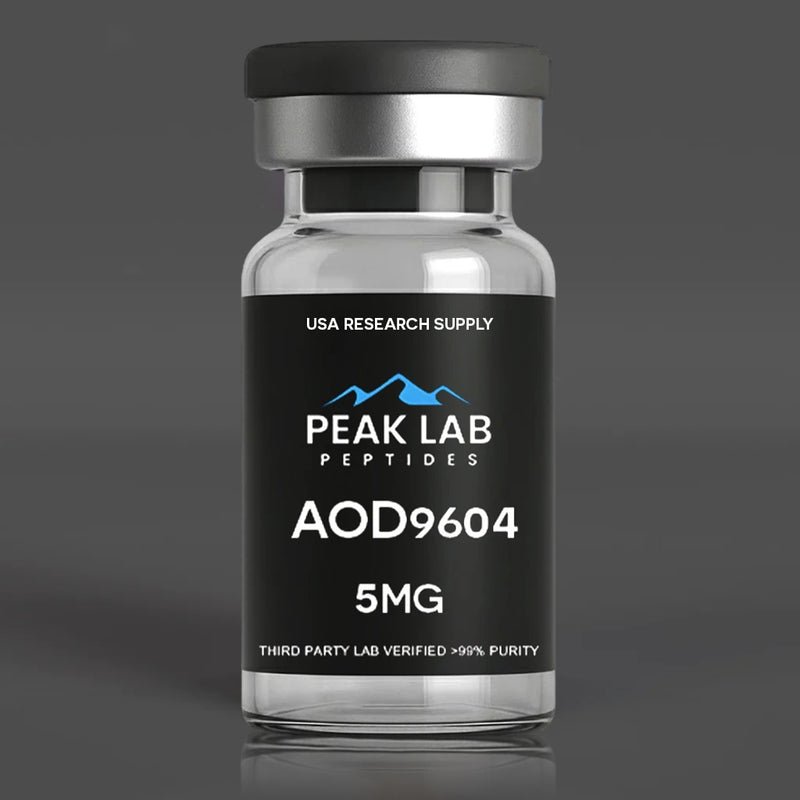
AOD9604
AOD9604
AOD-9604 – 5mg (Lyophilized Peptide) – For Research Use Only
AOD-9604 is a modified fragment of human growth hormone (HGH), specifically amino acids 176–191, developed for its potential role in fat metabolism and lipolysis research. Unlike full-sequence HGH, AOD-9604 is studied for its ability to promote fat breakdown without influencing blood sugar or IGF-1 levels, making it a focus of metabolic and weight management studies.
Research has explored its effects on adipose tissue, body composition, and metabolic rate regulation.
Product Details:
-
Peptide: AOD-9604 (HGH Fragment 176–191)
-
Purity: >98%
-
Form: Lyophilized powder
-
Quantity: 5mg per vial
-
Storage: Store at -4°F (-20°C). After reconstitution, refrigerate at 36–46°F (2–8°C) and use within 30 days.
-
Grade: For research purposes only. Not for human consumption, therapeutic, or diagnostic use.
Potential Research Applications:
-
Fat metabolism and lipolysis studies
-
Obesity and weight management research models
-
Adipose tissue regulation investigations
-
Metabolic health and energy balance research
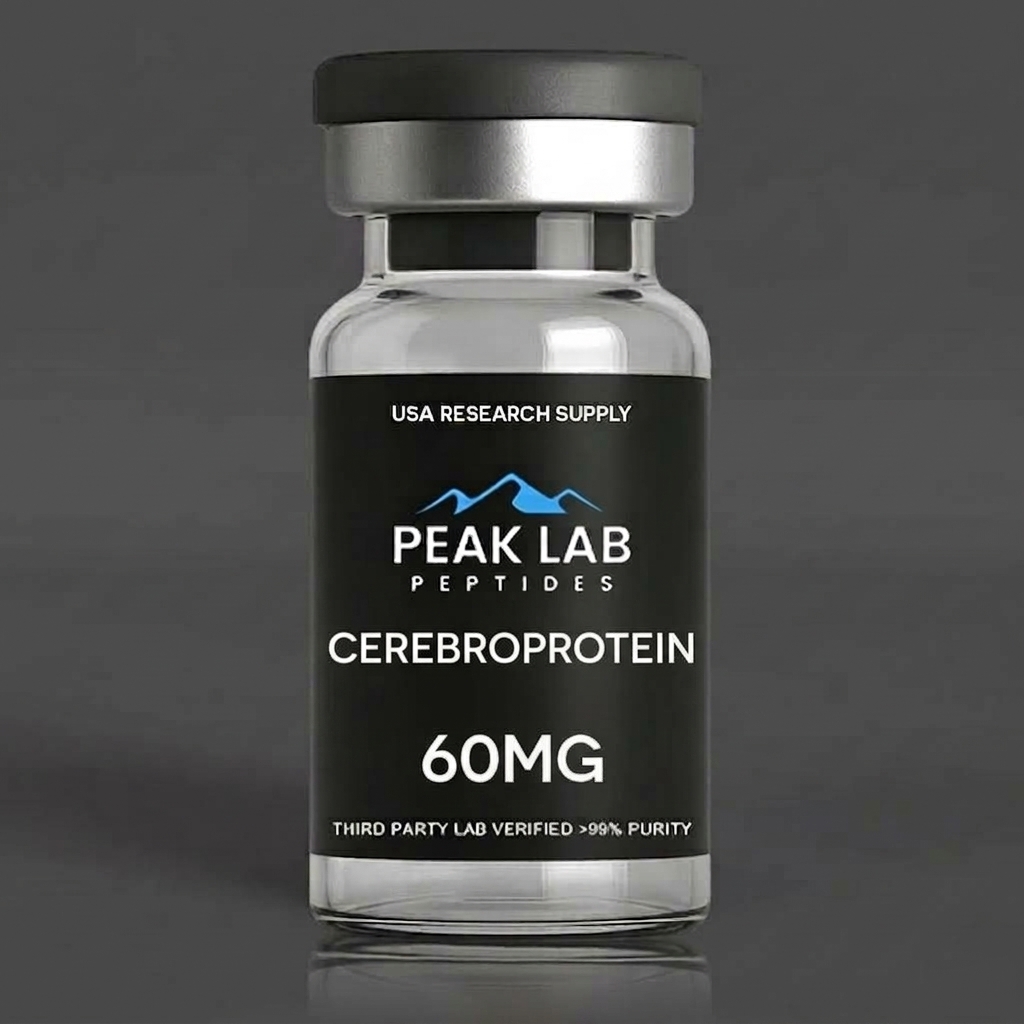
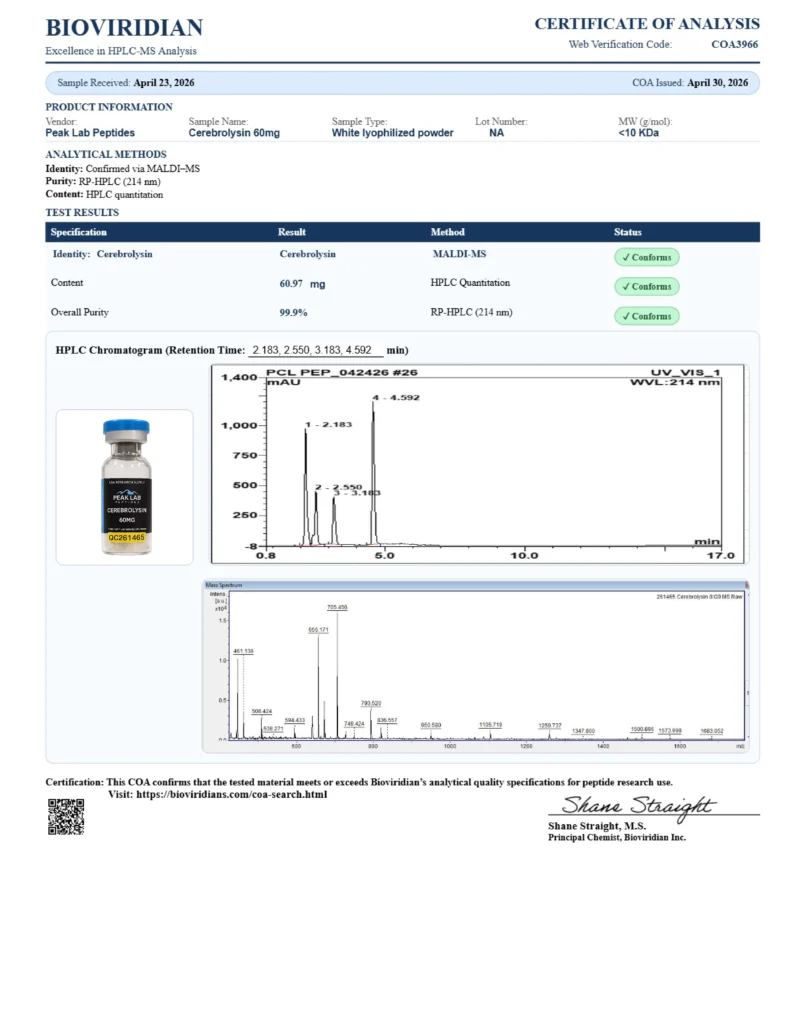
Cerebroprotein Hydrolysate 60mg
Cerebrolysin
Cerebroprotein Hydrolysate– 60mg (Lyophilized Peptide) – For Research Use Only
Cerebroprotein Hydrolysate is a unique neuropeptide preparation composed of low molecular weight peptides and amino acids. It is widely studied for its potential neuroprotective, neurotrophic, and cognitive-enhancing properties. Research models have focused on its role in supporting neuronal survival, synaptic plasticity, and brain repair mechanisms.
Cerebrolysin is of particular interest in studies related to brain injury, neurodegeneration, and cognitive decline.
Product Details:
-
Compound: Cerebroprotein Hydrolysate
-
Purity: Research-grade peptide complex
-
Form: Lyophilized powder
-
Quantity: 60mg per vial
-
Storage: Store at -4°F (-20°C). After reconstitution, refrigerate at 36–46°F (2–8°C) and use within 30 days.
-
Grade: For laboratory research only. Not for human consumption or therapeutic use.
Potential Research Applications:
-
Neuroprotection and brain injury models
-
Cognitive function and memory research
-
Studies on neurodegenerative conditions
-
Synaptic plasticity and neural repair exploration
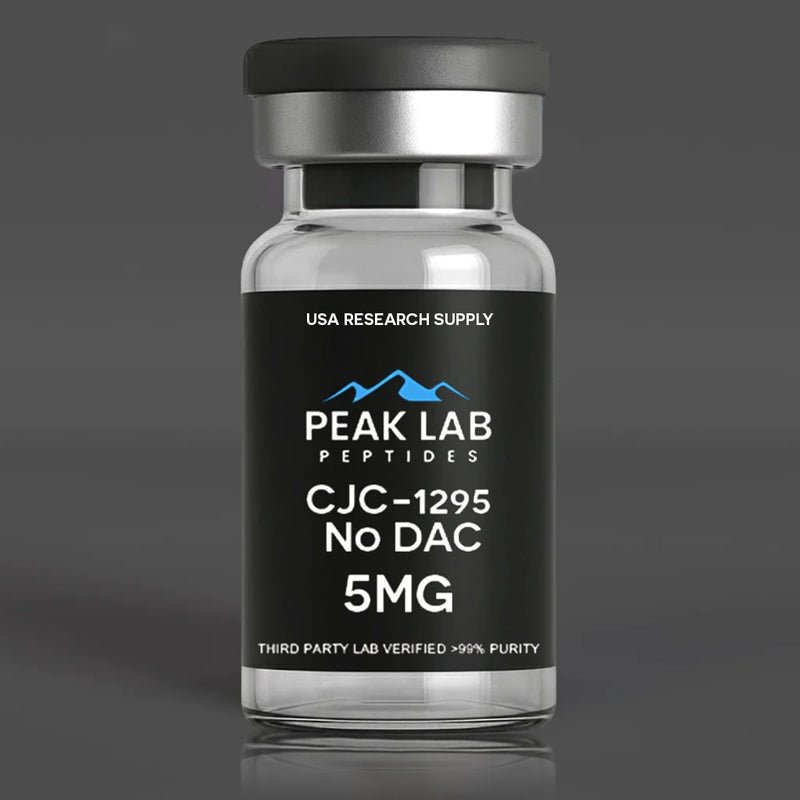
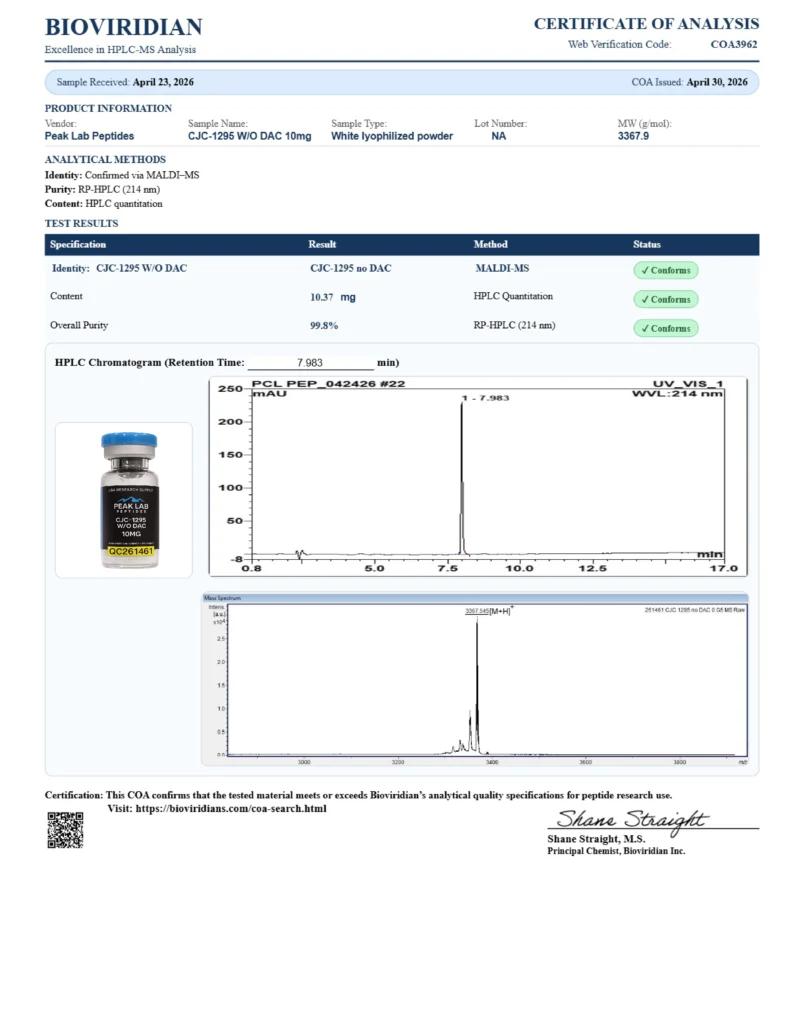
CJC-1295 No DAC
CJC-1295 No DAC
CJC-1295 No DAC – 5mg (Lyophilized Peptide) – For Research Use Only
CJC-1295 No DAC is a synthetic analog of Growth Hormone-Releasing Hormone (GHRH) designed for research on stimulating natural growth hormone (GH) release in a pulsatile manner. The “No DAC” (Drug Affinity Complex) version has a shorter half-life, allowing it to mimic the body’s natural GH secretion rhythm.
CJC-1295 No DAC is commonly studied in models focused on muscle growth, fat metabolism, anti-aging, and recovery when used alone or stacked with other GH secretagogues like Ipamorelin.
Product Details:
-
Peptide: CJC-1295 No DAC
-
Purity: >98%
-
Form: Lyophilized powder
-
Quantity: 5mg per vial
-
Storage: Store at -4°F (-20°C). After reconstitution, refrigerate at 36–46°F (2–8°C) and use within 30 days.
-
Grade: For research purposes only. Not for human use, medical, or diagnostic applications.
Potential Research Applications:
-
Growth hormone release studies
-
Muscle growth and recovery models
-
Anti-aging and longevity research
-
Fat metabolism and body composition investigations
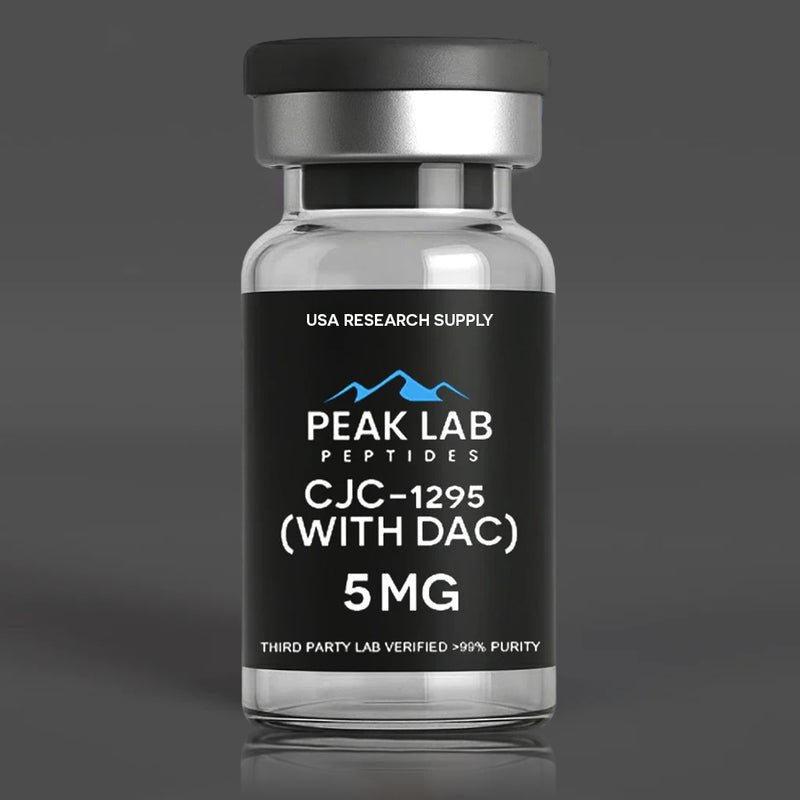
CJC-1295 with DAC
CJC-1295 with DAC
CJC-1295 with DAC – 5mg (Lyophilized Peptide) – For Research Use Only
CJC-1295 with DAC (Drug Affinity Complex) is a long-acting analog of Growth Hormone-Releasing Hormone (GHRH), designed to promote sustained release of growth hormone (GH) in research models. The DAC modification significantly extends its half-life, allowing for prolonged activity and making it ideal for studies on muscle growth, recovery, anti-aging, and fat metabolism.
CJC-1295 with DAC is often paired in research with peptides like Ipamorelin for synergistic GH axis stimulation.
Product Details:
-
Peptide: CJC-1295 with DAC
-
Purity: >98%
-
Form: Lyophilized powder
-
Quantity: 5mg per vial
-
Storage: Store at -4°F (-20°C). After reconstitution, refrigerate at 36–46°F (2–8°C) and use within 30 days.
-
Grade: For research purposes only. Not for human consumption, therapeutic, or diagnostic use.
Potential Research Applications:
-
Sustained growth hormone release studies
-
Muscle growth, recovery, and anti-aging research models
-
Fat metabolism and body composition investigations
-
Long-acting GHRH analog research
For laboratory research only. This product is not intended to diagnose, treat, cure, or prevent any disease.
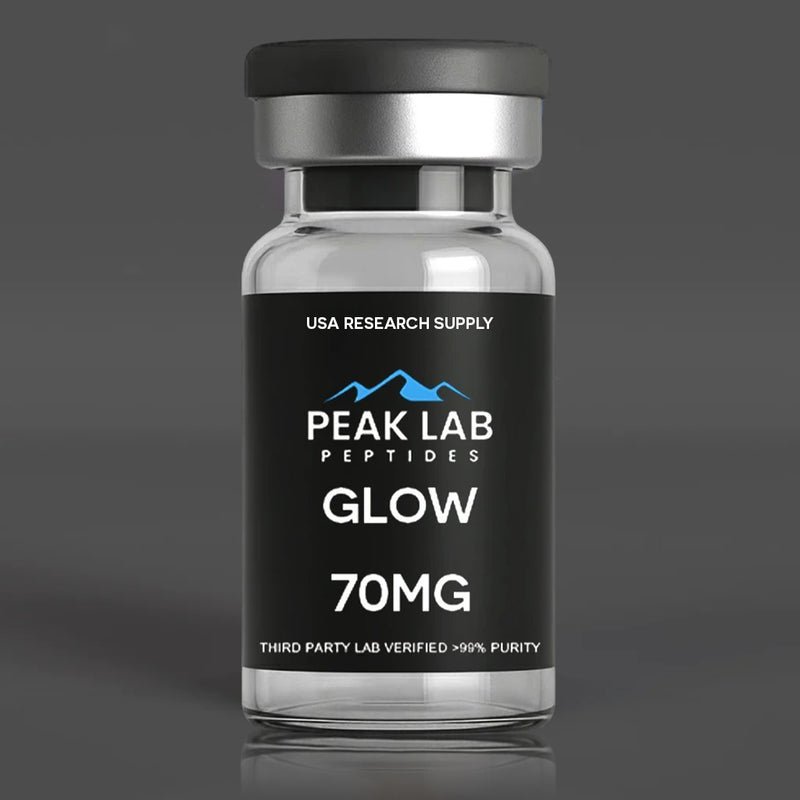
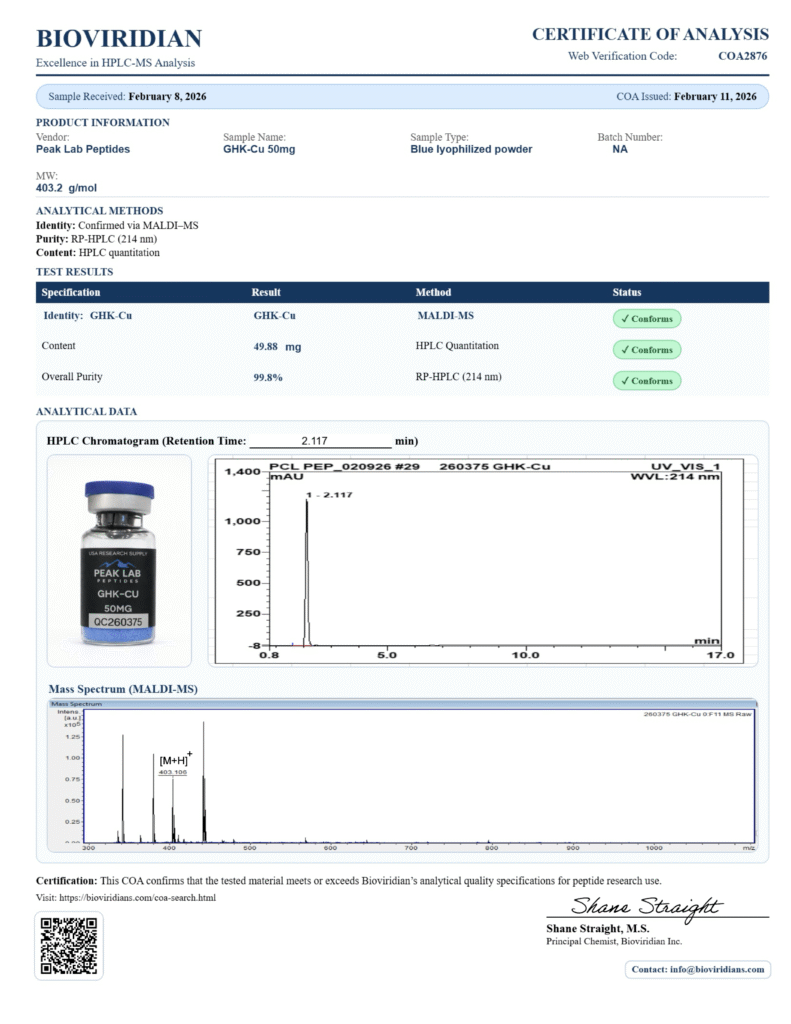
GLOW Blend 70mg (GHK-Cu 50mg, BPC-157 10mg, TB-500 10mg)
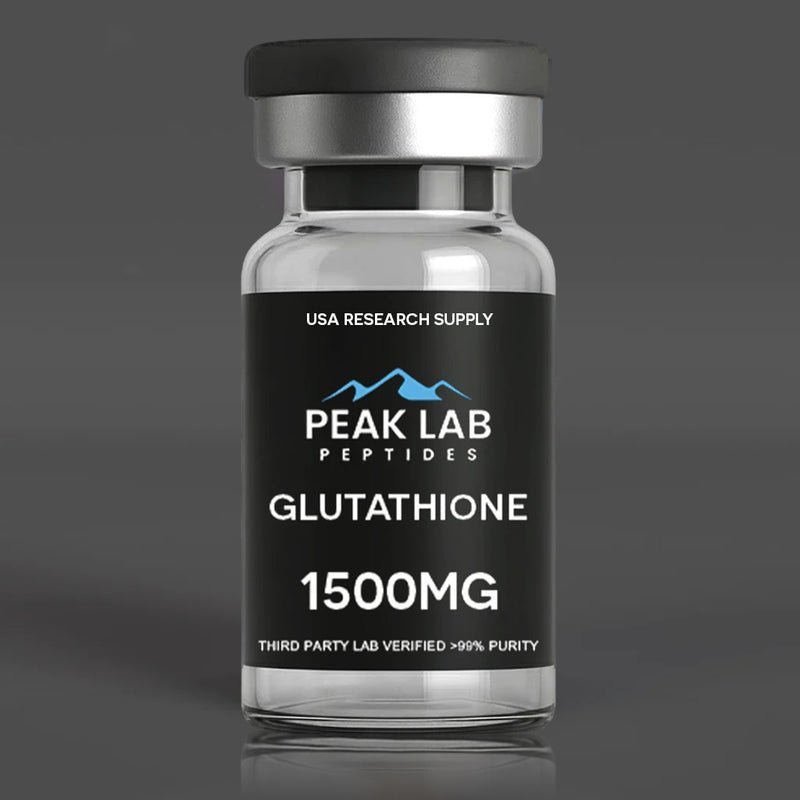
Glutathione
Glutathione
Glutathione – 1500mg (Lyophilized Powder) – For Research Use Only
Glutathione is a naturally occurring tripeptide composed of glutamine, cysteine, and glycine. It functions as a major intracellular antioxidant and plays a critical role in cellular detoxification, oxidative stress reduction, and immune support.
Widely studied for its potential in anti-aging, liver health, and cellular repair models, Glutathione supports the body’s natural defense mechanisms against free radicals and environmental toxins.
Product Details:
-
Compound: Glutathione (γ-L-Glutamyl-L-cysteinylglycine)
-
Purity: >98%
-
Form: Lyophilized powder
-
Quantity: 600mg or 1500mg per vial
-
Storage: Store at -4°F (-20°C). After reconstitution, refrigerate at 36–46°F (2–8°C) and use within 30 days.
-
Grade: For research use only. Not for human consumption or therapeutic applications.
Potential Research Applications:
-
Oxidative stress and antioxidant activity studies
-
Cellular detoxification and immune response research
-
Anti-aging and skin health models
-
Liver function and protective mechanism investigations
IGF-1 LR3
IGF-1 LR3 Peptide
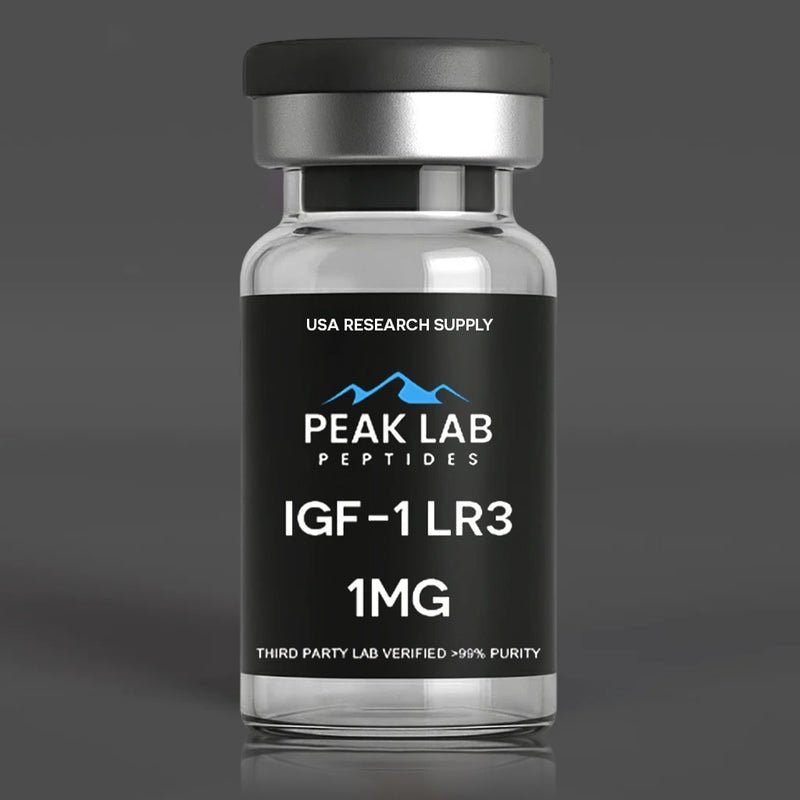
IGF-1 LR3 Peptide (Long Arg3 Insulin-Like Growth Factor-1) – 1mg (Lyophilized Peptide) – For Research Use Only
IGF-1 LR3 is a synthetic analog of human Insulin-Like Growth Factor-1 (IGF-1), modified to extend its half-life in vitro through substitution of arginine at position 3 and removal of the first three amino acids of the native IGF-1 sequence. These modifications increase resistance to IGF-1 binding proteins, enhancing stability and prolonged activity in controlled research environments. Research has explored its role in cellular growth signaling, differentiation pathways, and IGF-1 receptor interaction mechanisms in laboratory models.
Product Details:
- Peptide: IGF-1 LR3 (Long Arg3 Insulin-Like Growth Factor-1)
- Sequence: 83 amino acids
- Purity: ≥99% (HPLC verified)
- Form: Lyophilized powder
- Quantity: 1mg per vial
- Storage: Store lyophilized peptide at -4°F (-20°C). Once reconstituted, refrigerate at 36–46°F (2–8°C) and use within 30 days.
- Grade: For laboratory research use only. Not for human use, consumption, or therapeutic applications.
Potential Research Applications:
- IGF-1 receptor binding affinity and cellular signaling studies
- Cellular growth and differentiation pathway research
- Binding protein resistance and in vitro stability mechanism models
- Growth factor analog activity and structure-function investigations
For laboratory research only. This product is not intended to diagnose, treat, cure, or prevent any disease.
LL-37 (5mg)
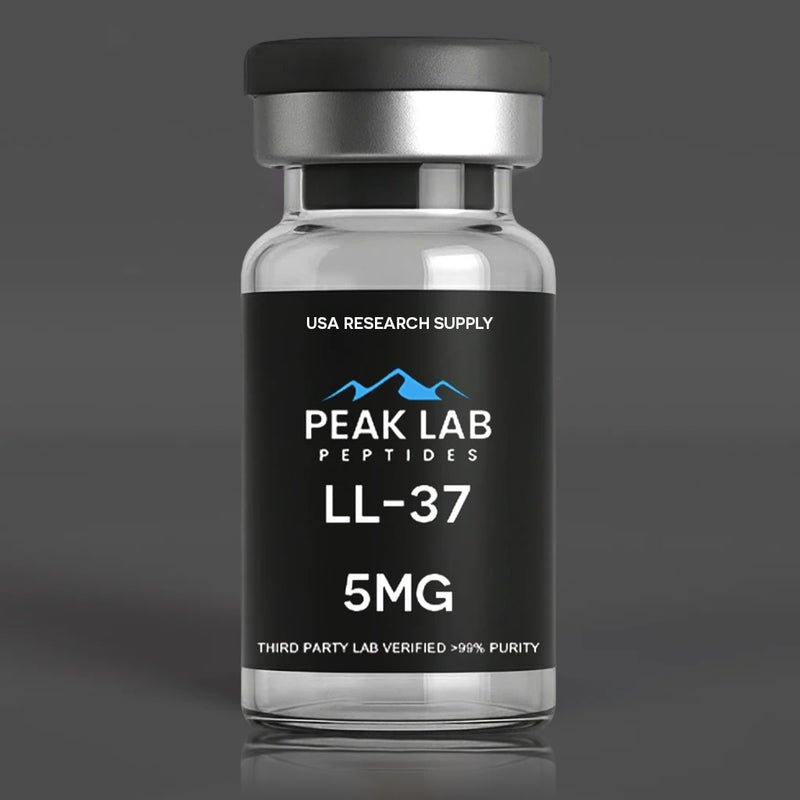
LL-37 Peptide – 5mg (Lyophilized Peptide in 3ml Vial) – For Research Use Only
LL-37 is a human antimicrobial peptide derived from the cathelicidin family, extensively studied for its roles in innate immunity, antimicrobial defense, wound healing, and inflammation regulation. LL-37 exhibits broad-spectrum activity against bacteria, viruses, and fungi, and plays a key role in modulating the body’s immune and inflammatory responses. In research, LL-37 is of particular interest in models exploring skin healing, immune signaling, tissue regeneration, and antimicrobial resistance.Product Details:
Peptide: LL-37 Purity: >98% Form: Lyophilized powder Quantity: 5mg per vial Vial Size: 3ml sterile glass vial Storage: Store at -4°F (-20°C). After reconstitution, refrigerate at 36–46°F (2–8°C) and use within 30 days. Grade: For research purposes only. Not for human consumption, therapeutic, or diagnostic use.Potential Research Applications:
Antimicrobial and infection control models Wound healing and skin regeneration studies Immune system modulation and inflammation research Studies on epithelial repair and barrier function For laboratory research use only. This product is not intended to diagnose, treat, cure, or prevent any disease.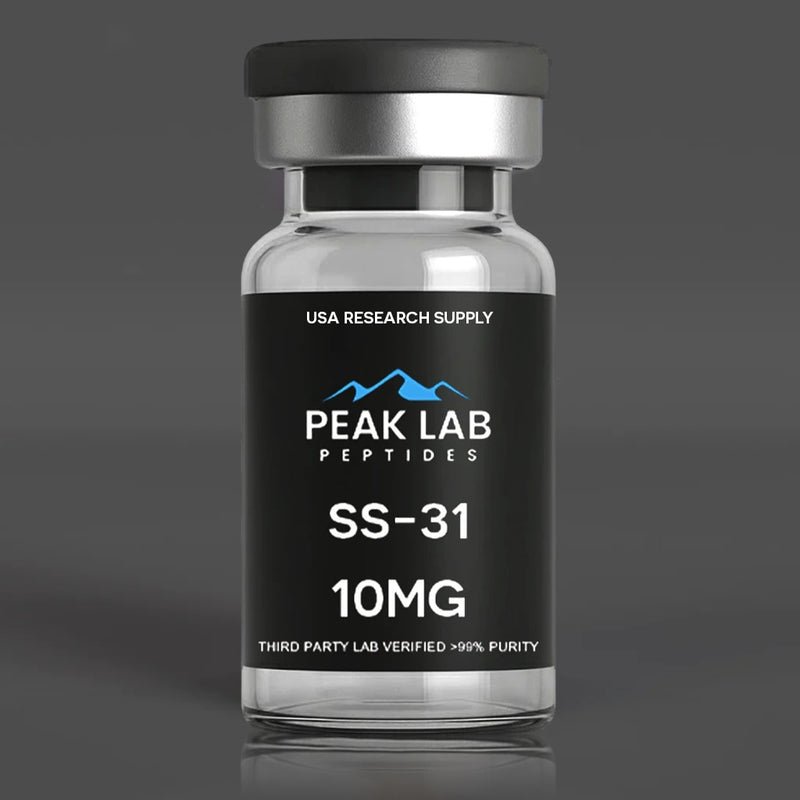
Protected: SS-31
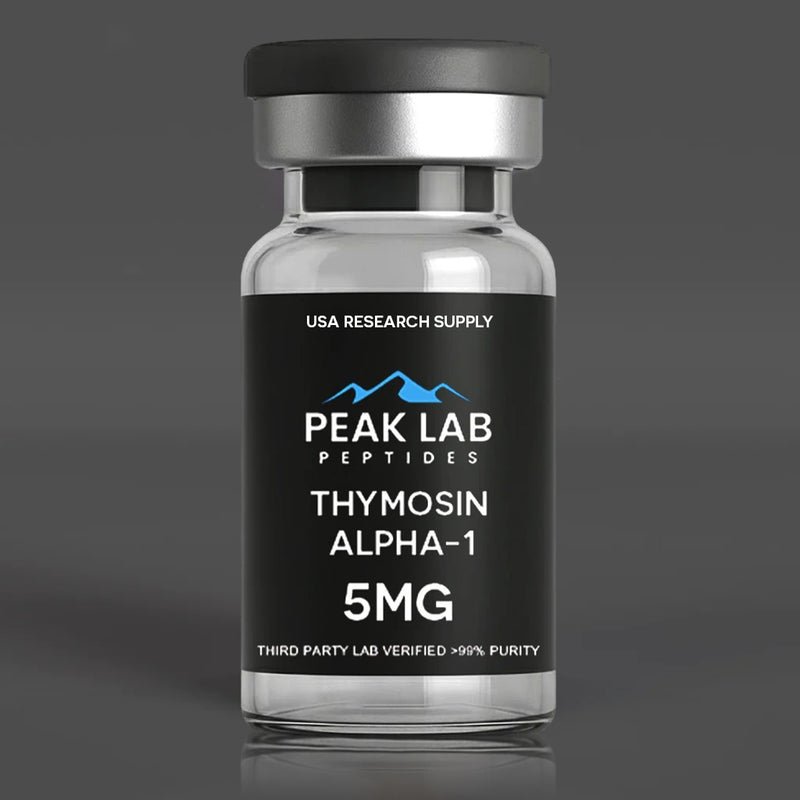
Thymosin Alpha-1
Thymosin Alpha-1 (Tα1)
Thymosin Alpha-1 – Research Use Only
Thymosin Alpha-1 – 5mg (Lyophilized Peptide) – For Research Use Only
Thymosin Alpha-1 (Ta1) is a naturally occurring peptide fragment derived from prothymosin alpha, studied for its potential role in immune modulation, inflammation control, and cellular defense mechanisms. It has been of particular interest in research models exploring immune response enhancement, antiviral activity, and immune regulation.
Thymosin Alpha-1 is often studied in relation to immune system support, chronic infection models, and immune deficiency research.
Product Details:
-
Peptide: Thymosin Alpha-1
-
Purity: >98%
-
Form: Lyophilized powder
-
Quantity: 5mg per vial
-
Storage: Store at -4°F (-20°C). After reconstitution, refrigerate at 36–46°F (2–8°C) and use within 30 days.
-
Grade: For research purposes only. Not for human consumption or therapeutic use.
Potential Research Applications:
-
Immune modulation and enhancement studies
-
Chronic infection and antiviral research models
-
Inflammatory response and cytokine regulation studies
-
Immune deficiency and autoimmune condition research