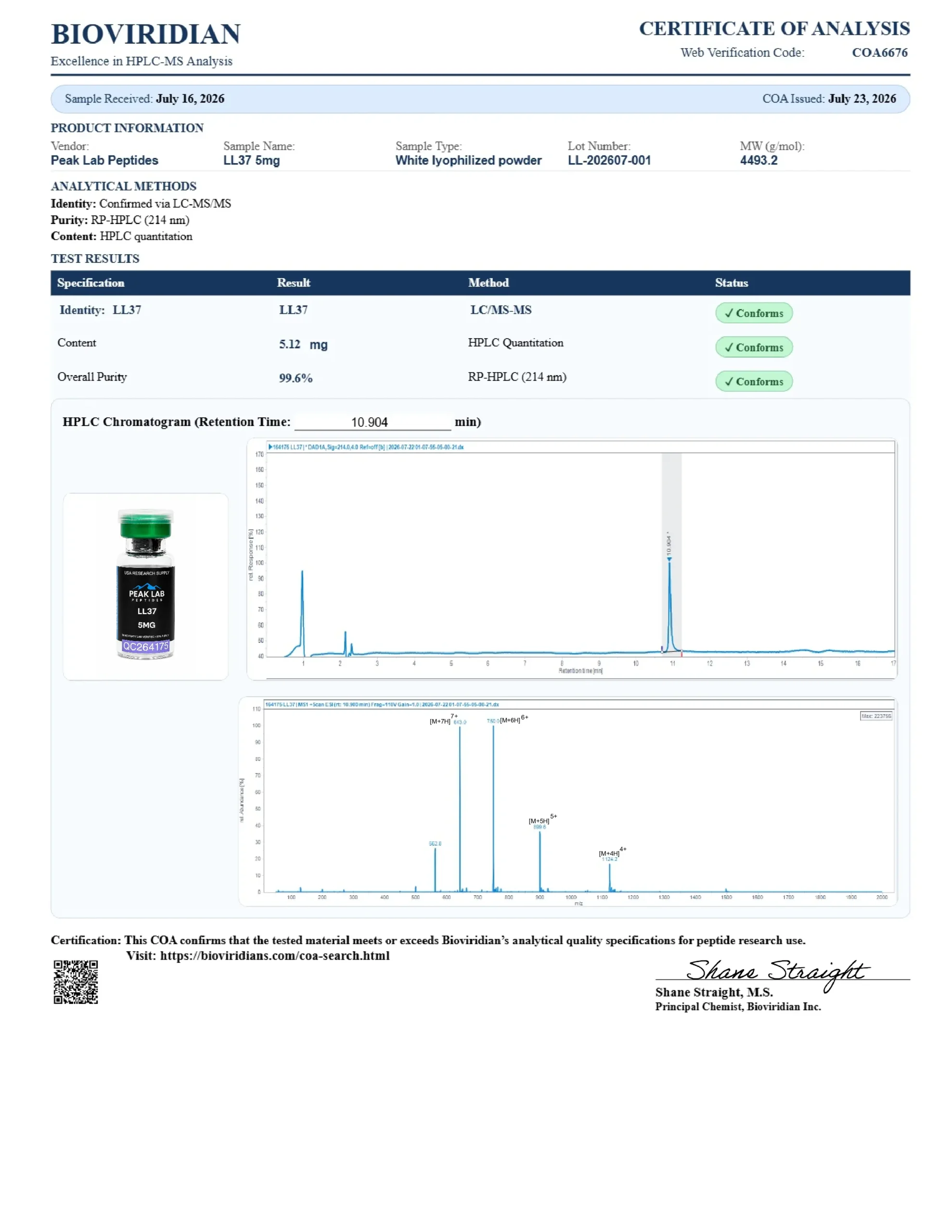
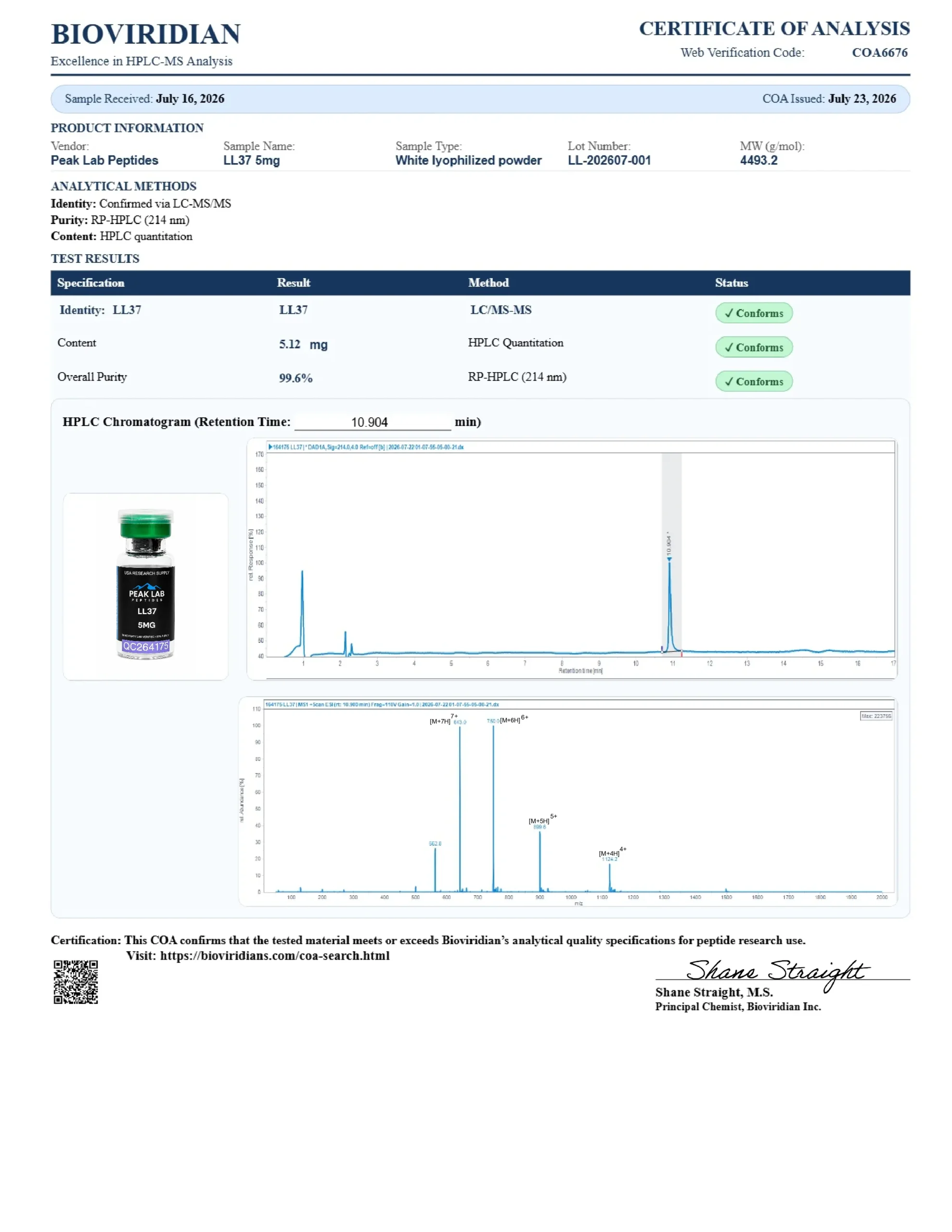
LL-37 (5mg)
$71.00 Original price was: $71.00.$58.00Current price is: $58.00.
In stock
Become a Member and save 20% on Every Order.
Description
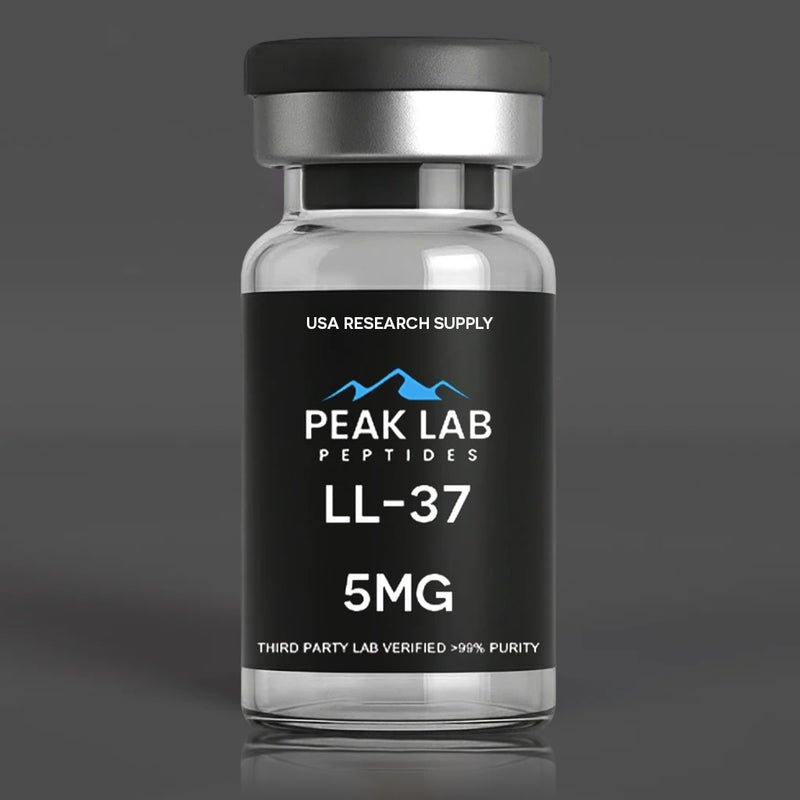
LL-37 Peptide – 5mg (Lyophilized Peptide in 3ml Vial) – For Research Use Only
LL-37 is a human antimicrobial peptide derived from the cathelicidin family, extensively studied for its roles in innate immunity, antimicrobial defense, wound healing, and inflammation regulation. LL-37 exhibits broad-spectrum activity against bacteria, viruses, and fungi, and plays a key role in modulating the body’s immune and inflammatory responses.
In research, LL-37 is of particular interest in models exploring skin healing, immune signaling, tissue regeneration, and antimicrobial resistance.
Product Details:
Peptide: LL-37
Purity: >98%
Form: Lyophilized powder
Quantity: 5mg per vial
Vial Size: 3ml sterile glass vial
Storage: Store at -4°F (-20°C). After reconstitution, refrigerate at 36–46°F (2–8°C) and use within 30 days.
Grade: For research purposes only. Not for human consumption, therapeutic, or diagnostic use.
Potential Research Applications:
Antimicrobial and infection control models
Wound healing and skin regeneration studies
Immune system modulation and inflammation research
Studies on epithelial repair and barrier function
For laboratory research use only. This product is not intended to diagnose, treat, cure, or prevent any disease.
LL-37 peptide Details
LL-37 is a human-derived antimicrobial peptide from the cathelicidin family that is widely studied for its role at the interface of host defense, inflammation, and tissue remodeling. In experimental models, LL-37 demonstrates broad-spectrum activity against bacteria, viruses, and fungi, while also interacting with immune and structural cells to influence inflammatory signaling, barrier integrity, and blood vessel formation.
As a research-only peptide, LL-37 is used to investigate innate immunity, inflammatory disease mechanisms, wound-repair biology, and tumor microenvironment dynamics. It is not approved for therapeutic, cosmetic, or diagnostic use in humans or animals.
About LL-37 peptide
LL-37 is the only known human cathelicidin-derived peptide and is generated by proteolytic processing of the CAP18 precursor protein. It is expressed in various epithelial surfaces and immune cells, especially at barrier sites such as skin, airways, and the gastrointestinal tract.
Key characteristics of LL-37 in research contexts include:
- Innate immune effector: Interacts with microbial membranes and host pattern-recognition systems.
- Immunomodulator: Can either enhance or restrain inflammatory responses depending on cell type, activation state, and local cytokine milieu.
- Tissue homeostasis mediator: Has been studied in relation to epithelial repair, angiogenesis, and extracellular matrix remodeling.
Because LL-37 shows context-dependent behavior, it serves as a versatile probe for exploring how a single peptide can coordinate antimicrobial defense with controlled inflammation and tissue repair.
LL-37 peptide Scientific Research
LL-37 and Inflammatory Diseases
LL-37 is frequently detected in inflamed tissues and has been evaluated in models of psoriasis, lupus, rheumatoid arthritis, atherosclerosis, and other immune-mediated conditions. Depending on the local environment, LL-37 has been observed to:
- Decrease keratinocyte apoptosis in certain skin models
- Increase interferon-alpha (IFN-α) production under specific stimulation conditions
- Influence chemotaxis of neutrophils and eosinophils
- Down-regulate toll-like receptor 4 (TLR4)–mediated signaling in selected systems
- Increase interleukin-18 (IL-18) production in some contexts
- Associate with reduced atherosclerotic plaque burden in certain experimental models
A notable feature is that LL-37 does not behave uniformly. For example, in T-cell research systems, LL-37 may enhance inflammatory actions when cells are not yet activated but may dampen inflammation once cells are already activated. This has led to the working hypothesis that LL-37 functions as a homeostatic modulator, helping fine-tune immune reactivity rather than driving a fixed pro- or anti-inflammatory outcome.
Antimicrobial Activity of LL-37
As part of the innate immune system, LL-37 is among the early-responding peptides during microbial challenge:
- Skin models: Baseline skin often shows low LL-37 levels, which can rise markedly upon exposure to microbial agents.
- Synergy with other peptides: LL-37 has been observed to act cooperatively with other endogenous peptides, such as human beta-defensin 2, in experimental infection models.
- LPS binding: LL-37 binds bacterial lipopolysaccharide (LPS), an essential component of gram-negative bacterial outer membranes, thereby disrupting microbial membrane integrity and contributing to direct antimicrobial effects.
- Gram-positive organisms: Despite its well-described interactions with LPS, LL-37 also demonstrates activity against gram-positive organisms and has been shown in vitro to enhance the effects of lysozyme against pathogens such as Staphylococcus aureus.
These properties make LL-37 a useful tool for studying multi-layered innate defense mechanisms in vitro and in vivo.
LL-37 and Lung Biology
In respiratory models, LL-37 has been studied in the context of airborne LPS exposure, toxic dust environments, and chronic airway disease:
- Epithelial response: LL-37 expression can increase in airway epithelial cells following exposure to irritants or microbial products.
- Wound closure and repair: Research indicates that LL-37 promotes airway epithelial cell migration and proliferation, supporting wound closure in in vitro and animal models.
- Angiogenesis and tissue homeostasis: LL-37 appears to contribute to coordinated repair responses by attracting structural cells and influencing local vasculature, underscoring its role as a potential homeostatic regulator in the airways.
These findings support the use of LL-37 as a model molecule for linking innate defense with epithelial repair in lung research.
LL-37 in Arthritis and Joint Inflammation
Elevated LL-37 levels have been reported in experimental models of joint inflammation, including those modeling rheumatoid arthritis:
- Presence in inflamed joints: LL-37 is detected in joint tissues and synovial fluid under inflammatory conditions, though current evidence does not support a direct pathogenic role.
- Protective hypotheses:
- LL-37–derived peptides have been shown in animal models to protect against collagen damage and reduce disease severity scores in inflammatory arthritis research systems.
- LL-37 has been associated with modulation of interleukin-32–driven inflammation, a cytokine linked to arthritis severity.
- Toll-like receptor pathways: LL-37 interacts with TLR pathways (e.g., TLR4), and ongoing work aims to clarify whether this interaction contributes to selective dampening of joint-destructive inflammatory responses.
Overall, LL-37 is being explored as a marker and potential modulator of inflammatory joint microenvironments rather than a primary cause of disease.
LL-37 and Intestinal Models
In gastrointestinal research, LL-37 has been evaluated for effects on epithelial barrier integrity, repair, and inflammation:
- Barrier maintenance: Cell culture studies show that LL-37 can enhance the migration of epithelial cells involved in maintaining the intestinal barrier.
- Apoptosis modulation: Under inflammatory conditions, LL-37 has been associated with reduced epithelial cell apoptosis, suggesting a possible protective effect on mucosal integrity.
- Combination with defensins: LL-37 appears to work alongside human beta-defensin 2 to promote wound closure and reduce TNF-related cell death in intestinal models.
These findings have led to interest in LL-37 as an experimental adjuvant in models of inflammatory bowel conditions, post-surgical healing, and antibiotic-associated gut injury—strictly at the research level.
LL-37, Cancer, and Blood Vessel Growth
The relationship between LL-37 and cancer is complex and context-dependent:
- Tumor microenvironment: In certain gastrointestinal and oral cancer models, LL-37 has been studied as part of vitamin D–responsive pathways in tumor-associated macrophages. These investigations look at how vitamin D–related signaling via LL-37 may influence local anti-tumor mechanisms.
- Angiogenesis: LL-37 can stimulate prostaglandin E2 (PGE2) production in endothelial cells, a mediator known to be involved in angiogenesis. This has implications for:
- Modeling pro-angiogenic responses in wound healing and ischemic tissue
- Exploring how altered angiogenesis may contribute to tumor growth or be targeted in cancer research
Through these lines of study, LL-37 is used as a tool to understand angiogenic control and the dual roles of inflammatory mediators in both repair and neoplastic processes.
LL-37 peptide FAQ
Q1: What is LL-37 primarily used for in research?
A1: LL-37 is used to study innate immunity, antimicrobial defense, inflammatory signaling, tissue repair, and angiogenesis. It serves as a model peptide for understanding how one molecule can bridge host defense, immune modulation, and structural tissue responses.
Q2: Is LL-37 considered an antibiotic or a drug for treating infections?
A2: No. While LL-37 displays antimicrobial activity in experimental systems, LL-37 supplied for research is not approved or marketed as an antibiotic or therapeutic product. It is a research-only peptide used to explore host–pathogen interactions and innate immune mechanisms.
Q3: How does LL-37 affect inflammation in experimental models?
A3: LL-37 may either enhance or restrain inflammatory responses depending on cell type, activation state, and local cytokines. It has shown effects on cytokine production, cell recruitment, and pattern-recognition receptor signaling, making it a key peptide for investigating immune homeostasis rather than a simple pro- or anti-inflammatory factor.
Q4: Is LL-37 being investigated in connection with autoimmune or joint diseases?
A4: Yes. LL-37 has been detected in inflamed joints and has been studied in models of rheumatoid arthritis and other immune-mediated conditions. Current research focuses on its potential role as a modulator of inflammation and tissue damage, not as a confirmed therapeutic.
Q5: Can LL-37 be used for human therapy, cosmetic purposes, or self-administration?
A5: No. LL-37 distributed by research suppliers is intended strictly for laboratory use by qualified professionals. It is not approved for human or veterinary administration, cosmetic use, or any self-use application.
Storage & Handling
All peptides are supplied as sterile, lyophilized powder and are stable when handled correctly.- On arrival: Store vials in a cool, dry place away from heat and direct sunlight.
- Long-term (powder): For optimal longevity, keep lyophilized peptides refrigerated to help maintain integrity.
- After reconstitution: Use an appropriate research diluent (for example, BAC water). Store the reconstituted solution in the refrigerator and use within 20–30 days for best stability.
Note: Minimize exposure to moisture and repeated freeze–thaw cycles. Follow your institution's safety procedures when handling research materials.
Storage & Handling
All peptides are supplied as sterile, lyophilized powder and are stable when handled correctly.
- On arrival: Store vials in a cool, dry place away from heat and direct sunlight.
- Long-term (powder): For optimal longevity, keep lyophilized peptides refrigerated to help maintain integrity.
- After reconstitution: Use an appropriate research diluent (for example, BAC water). Store the reconstituted solution in the refrigerator and use within 20–30 days for best stability.
Note: Minimize exposure to moisture and repeated freeze–thaw cycles. Follow your institution's safety procedures when handling research materials.
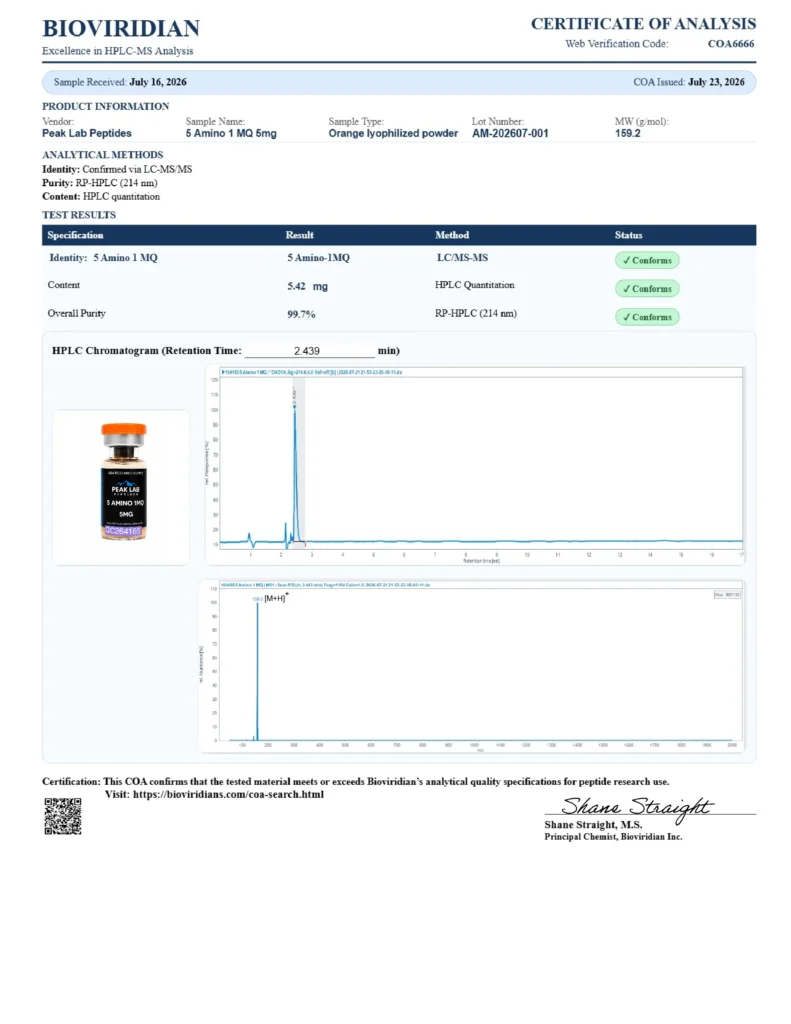
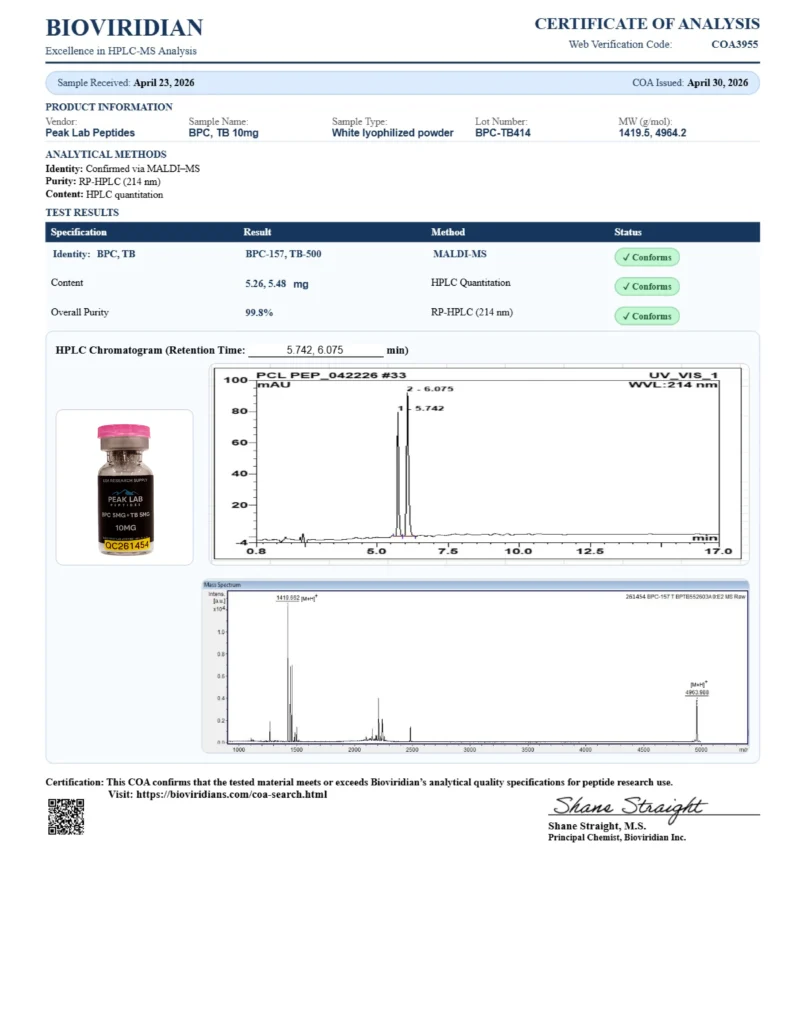
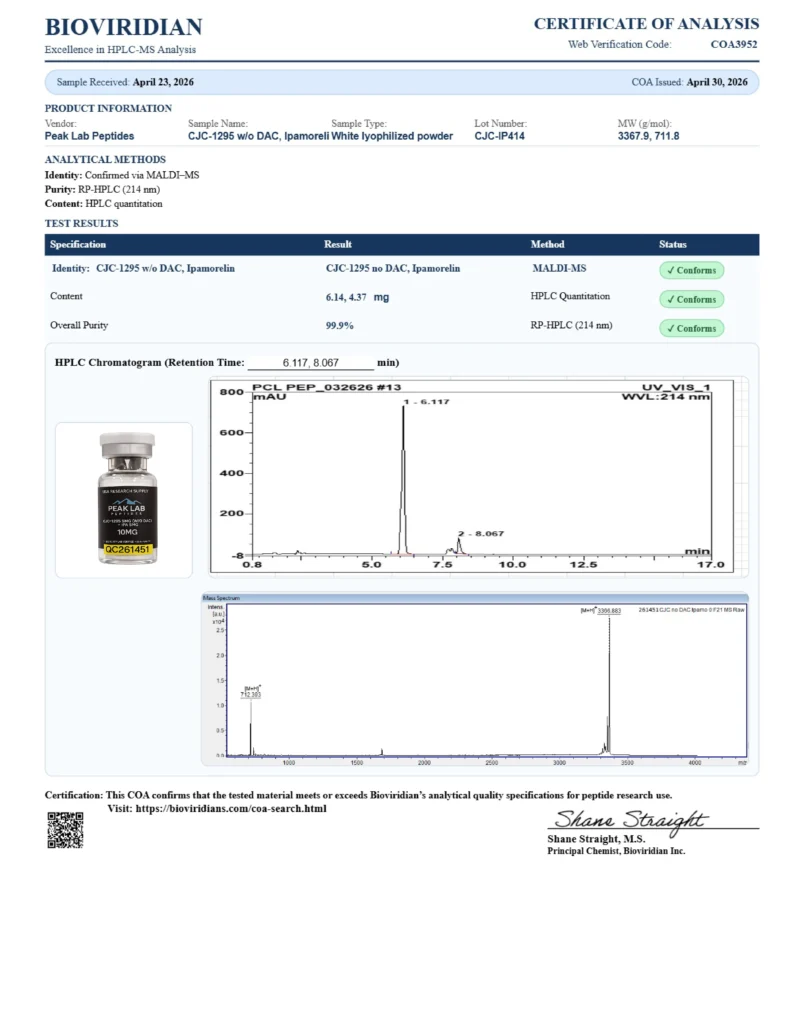
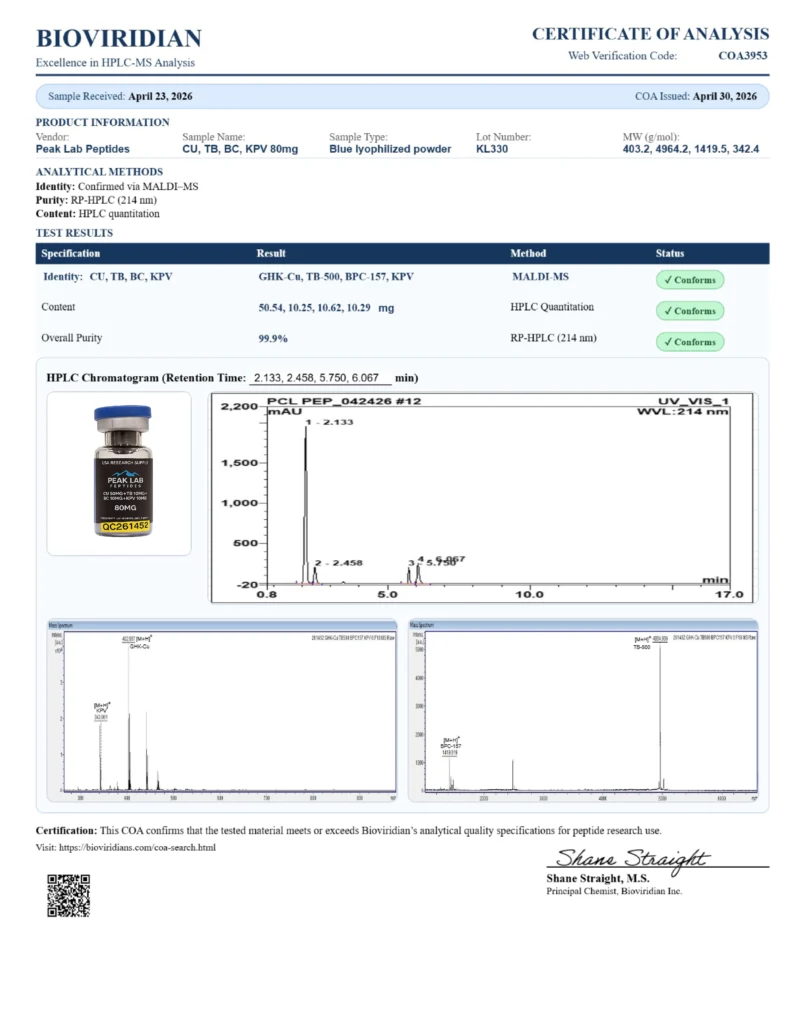
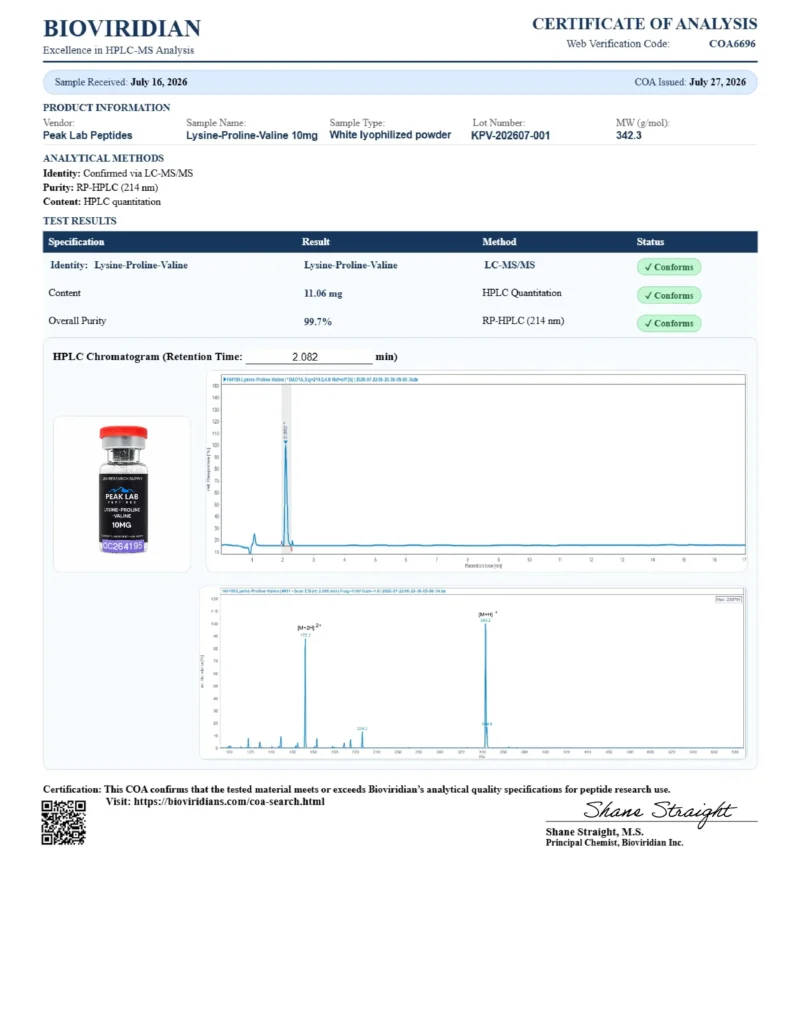
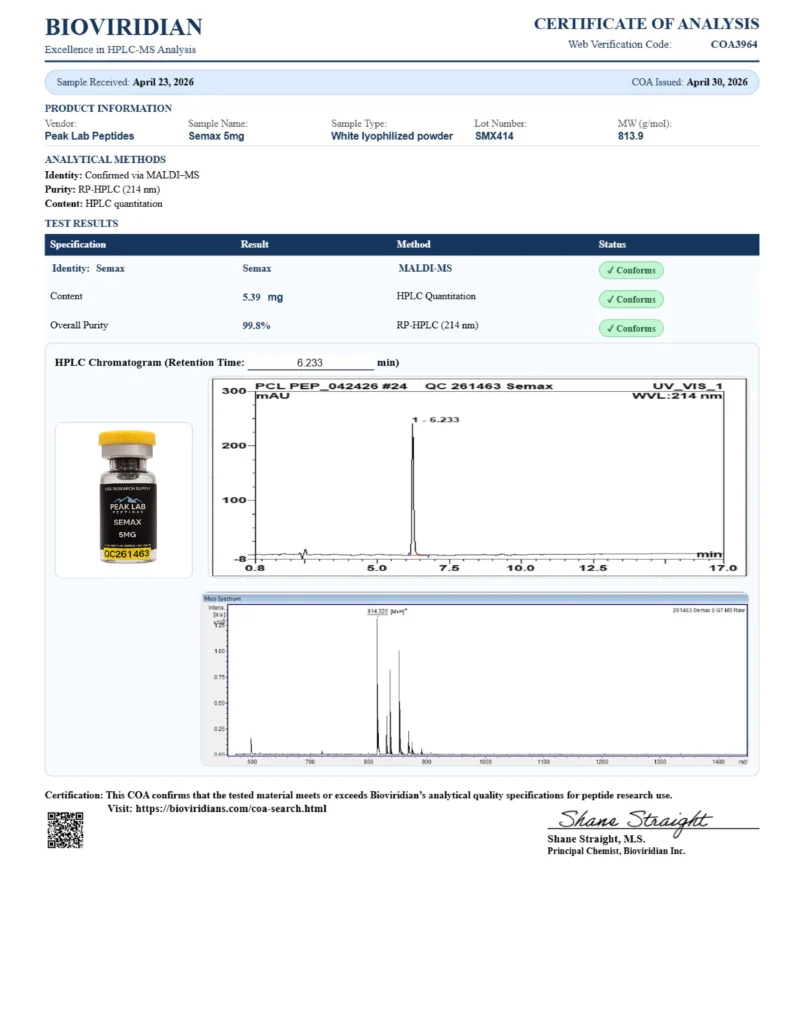
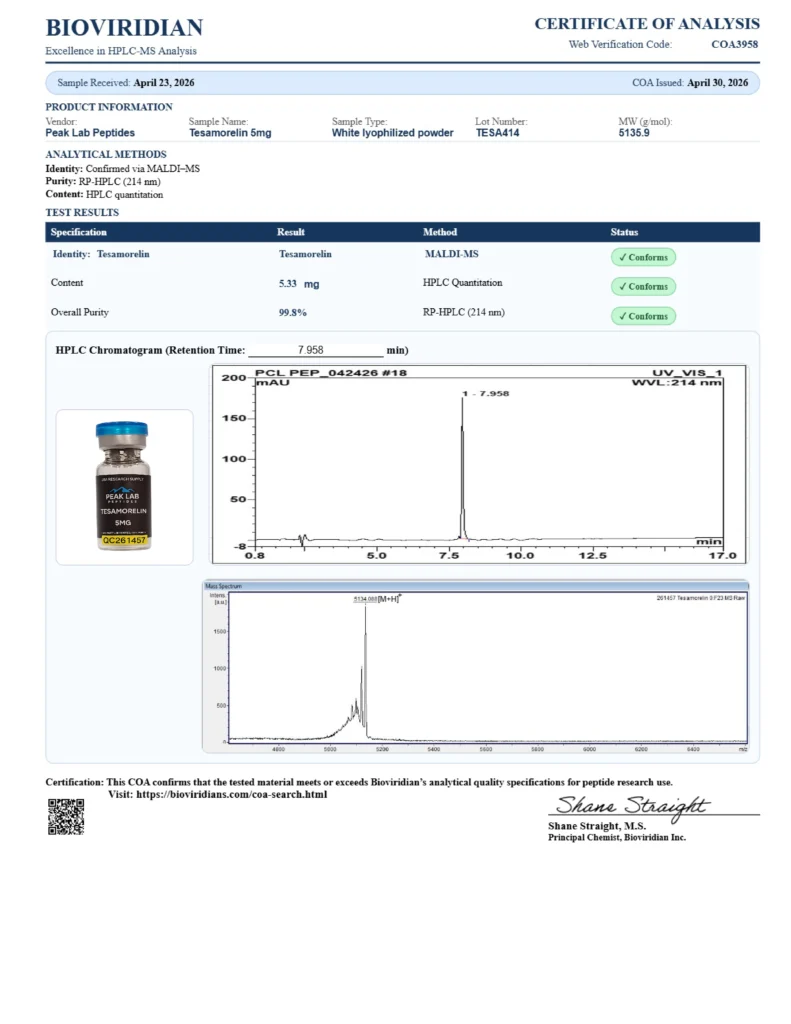
Peak Lab Peptides maintains quality-control processes and routinely performs third-party testing to support purity and identity verification. COAs are available upon request for applicable batches. Documentation may vary depending on production timelines.
We aim to make batch-level documentation available whenever possible. Our goal is to expand COA access across the full catalog as production capacity grows.
All products are for laboratory research use only and are not intended for human consumption.
Related Products
5-amino-1mq
5-Amino-1MQ peptide (5-amino-1-methylquinolinium)
5-Amino-1MQ peptide– Research Use Only
5-Amino-1MQ peptide – 5mg (Lyophilized Powder) – For Research Use Only
5-Amino-1MQ peptide is a small molecule methyltransferase inhibitor studied for its potential impact on cellular metabolism, energy regulation, and fat loss pathways. Research suggests it may inhibit NNMT (Nicotinamide N-Methyltransferase), an enzyme linked to metabolic rate and fat cell energy regulation.
Studies have explored 5-Amino-1MQ peptide for its potential role in increasing NAD+ levels, enhancing energy expenditure, and promoting fat metabolism in various models.
Product Details:
-
Compound: 5-Amino-1MQ (5-Amino-1-Methylquinolinium)
-
Purity: >98%
-
Form: Lyophilized powder
-
Quantity: 50mg per vial
-
Storage: Store at -4°F (-20°C). After reconstitution, refrigerate at 36–46°F (2–8°C) and use within 30 days.
-
Grade: For research use only. Not for human consumption or therapeutic use.
Potential Research Applications:
-
Studies on NNMT inhibition and metabolic regulation
-
NAD+ production and energy pathway research
-
Fat metabolism and weight loss models
-
Investigations into cellular energy expenditure
AOD9604
AOD9604
AOD-9604 – 5mg (Lyophilized Peptide) – For Research Use Only
AOD-9604 is a modified fragment of human growth hormone (HGH), specifically amino acids 176–191, developed for its potential role in fat metabolism and lipolysis research. Unlike full-sequence HGH, AOD-9604 is studied for its ability to promote fat breakdown without influencing blood sugar or IGF-1 levels, making it a focus of metabolic and weight management studies.
Research has explored its effects on adipose tissue, body composition, and metabolic rate regulation.
Product Details:
-
Peptide: AOD-9604 (HGH Fragment 176–191)
-
Purity: >98%
-
Form: Lyophilized powder
-
Quantity: 5mg per vial
-
Storage: Store at -4°F (-20°C). After reconstitution, refrigerate at 36–46°F (2–8°C) and use within 30 days.
-
Grade: For research purposes only. Not for human consumption, therapeutic, or diagnostic use.
Potential Research Applications:
-
Fat metabolism and lipolysis studies
-
Obesity and weight management research models
-
Adipose tissue regulation investigations
-
Metabolic health and energy balance research
Cerebroprotein Hydrolysate 60mg
Cerebrolysin
Cerebroprotein Hydrolysate– 60mg (Lyophilized Peptide) – For Research Use Only
Cerebroprotein Hydrolysate is a unique neuropeptide preparation composed of low molecular weight peptides and amino acids. It is widely studied for its potential neuroprotective, neurotrophic, and cognitive-enhancing properties. Research models have focused on its role in supporting neuronal survival, synaptic plasticity, and brain repair mechanisms.
Cerebrolysin is of particular interest in studies related to brain injury, neurodegeneration, and cognitive decline.
Product Details:
-
Compound: Cerebroprotein Hydrolysate
-
Purity: Research-grade peptide complex
-
Form: Lyophilized powder
-
Quantity: 60mg per vial
-
Storage: Store at -4°F (-20°C). After reconstitution, refrigerate at 36–46°F (2–8°C) and use within 30 days.
-
Grade: For laboratory research only. Not for human consumption or therapeutic use.
Potential Research Applications:
-
Neuroprotection and brain injury models
-
Cognitive function and memory research
-
Studies on neurodegenerative conditions
-
Synaptic plasticity and neural repair exploration
CJC-1295 No DAC + Ipamorelin – 5mg + 5mg (10mg total)
CJC-1295 No DAC + Ipamorelin
Product Details:
Peptides: CJC-1295 No DAC + Ipamorelin Purity: >98% Form: Lyophilized powder Quantity: 10mg total per vial (typically 5mg of each peptide unless otherwise specified) Storage: Store lyophilized powder at -20°C. Once reconstituted, refrigerate (2–8°C) and use within 30 days. Research Grade: For laboratory research purposes only. Not for human use, therapeutic, or diagnostic applications. Research Applications May Include: Synergistic stimulation of natural GH release Studies on recovery, lean mass, and anti-aging Exploration of GH/GHRH/GHRP axis functionalityEpithalon
Epithalon Peptide– 10mg (Lyophilized Peptide) – For Research Use Only
Epithalon (also known as Epitalon) is a synthetic tetrapeptide (Ala-Glu-Asp-Gly) derived from the naturally occurring pineal gland peptide Epithalamin. It is widely studied for its potential anti-aging, telomerase-activating, and longevity-enhancing effects. Research suggests that Epithalon may promote telomere extension, support circadian rhythm regulation, and improve oxidative stress resistance. It is a popular compound in studies involving cellular aging, pineal gland function, and DNA repair mechanisms. Product Details: Peptide: Epithalon (Ala-Glu-Asp-Gly) Purity: >98% Form: Lyophilized powder Quantity: 10mg per vial Storage: Store at -4°F (-20°C). After reconstitution, refrigerate at 36–46°F (2–8°C) and use within 30 days. Grade: For research purposes only. Not for human consumption, therapeutic, or diagnostic use. Potential Research Applications: Telomerase activation and cellular longevity studies Anti-aging and pineal gland function research Circadian rhythm and melatonin regulation studies DNA repair and oxidative stress resistance models For laboratory research only. This product is not intended to diagnose, treat, cure, or prevent any disease.GLOW Blend 70mg (GHK-Cu 50mg, BPC-157 10mg, TB-500 10mg)
IGF-1 LR3
IGF-1 LR3 Peptide
IGF-1 LR3 Peptide (Long Arg3 Insulin-Like Growth Factor-1) – 1mg (Lyophilized Peptide) – For Research Use Only
IGF-1 LR3 is a synthetic analog of human Insulin-Like Growth Factor-1 (IGF-1), modified to extend its half-life in vitro through substitution of arginine at position 3 and removal of the first three amino acids of the native IGF-1 sequence. These modifications increase resistance to IGF-1 binding proteins, enhancing stability and prolonged activity in controlled research environments. Research has explored its role in cellular growth signaling, differentiation pathways, and IGF-1 receptor interaction mechanisms in laboratory models.
Product Details:
- Peptide: IGF-1 LR3 (Long Arg3 Insulin-Like Growth Factor-1)
- Sequence: 83 amino acids
- Purity: ≥99% (HPLC verified)
- Form: Lyophilized powder
- Quantity: 1mg per vial
- Storage: Store lyophilized peptide at -4°F (-20°C). Once reconstituted, refrigerate at 36–46°F (2–8°C) and use within 30 days.
- Grade: For laboratory research use only. Not for human use, consumption, or therapeutic applications.
Potential Research Applications:
- IGF-1 receptor binding affinity and cellular signaling studies
- Cellular growth and differentiation pathway research
- Binding protein resistance and in vitro stability mechanism models
- Growth factor analog activity and structure-function investigations
For laboratory research only. This product is not intended to diagnose, treat, cure, or prevent any disease.
TB-500
TB-500 (TB500)
TB-500 (Thymosin Beta-4 Fragment) – 5mg or 10mg (Lyophilized Peptide) – For Research Use Only
TB-500 is a synthetic Thymosin Beta-4 fragment studied in preclinical models for its roles in actin-binding dynamics, cell migration, angiogenesis, and tissue repair signaling. Supplied as lyophilized powder at 99%+ HPLC verified purity. Batch-specific COA included. For in vitro research use only.
Thymosin Alpha-1
Thymosin Alpha-1 (Tα1)
Thymosin Alpha-1 – Research Use Only
Thymosin Alpha-1 – 5mg (Lyophilized Peptide) – For Research Use Only
Thymosin Alpha-1 (Ta1) is a naturally occurring peptide fragment derived from prothymosin alpha, studied for its potential role in immune modulation, inflammation control, and cellular defense mechanisms. It has been of particular interest in research models exploring immune response enhancement, antiviral activity, and immune regulation.
Thymosin Alpha-1 is often studied in relation to immune system support, chronic infection models, and immune deficiency research.
Product Details:
-
Peptide: Thymosin Alpha-1
-
Purity: >98%
-
Form: Lyophilized powder
-
Quantity: 5mg per vial
-
Storage: Store at -4°F (-20°C). After reconstitution, refrigerate at 36–46°F (2–8°C) and use within 30 days.
-
Grade: For research purposes only. Not for human consumption or therapeutic use.
Potential Research Applications:
-
Immune modulation and enhancement studies
-
Chronic infection and antiviral research models
-
Inflammatory response and cytokine regulation studies
-
Immune deficiency and autoimmune condition research