CJC-1295 No DAC
$51.20 – $83.20Price range: $51.20 through $83.20
Become a Member and save 20% on Every Order.
Description
CJC-1295 No DAC
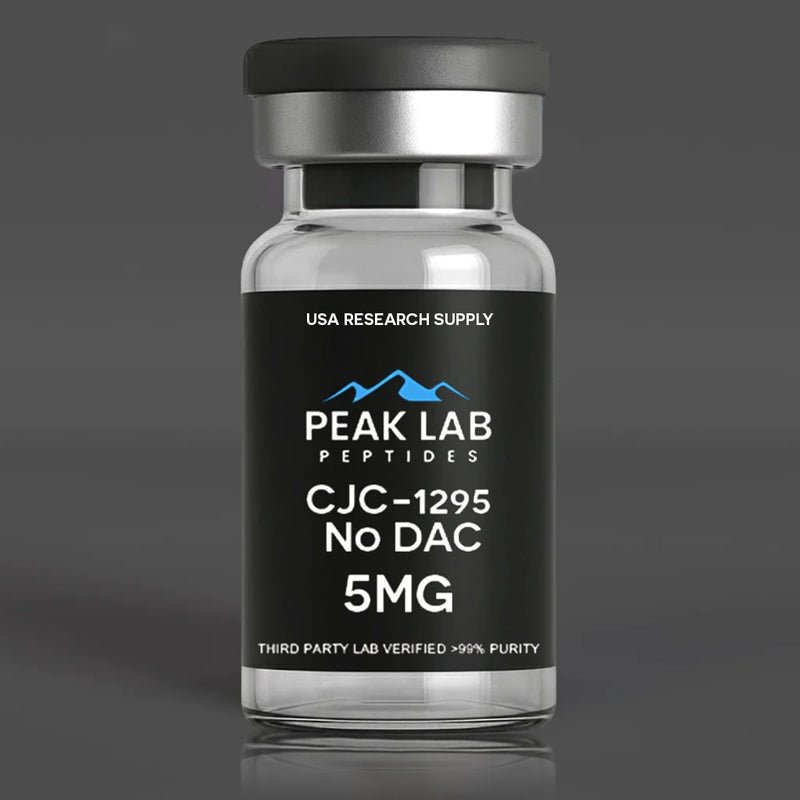
CJC-1295 No DAC – 5mg (Lyophilized Peptide) – For Research Use Only
CJC-1295 No DAC is a synthetic analog of Growth Hormone-Releasing Hormone (GHRH) designed for research on stimulating natural growth hormone (GH) release in a pulsatile manner. The “No DAC” (Drug Affinity Complex) version has a shorter half-life, allowing it to mimic the body’s natural GH secretion rhythm.
CJC-1295 No DAC is commonly studied in models focused on muscle growth, fat metabolism, anti-aging, and recovery when used alone or stacked with other GH secretagogues like Ipamorelin.
Product Details:
-
Peptide: CJC-1295 No DAC
-
Purity: >98%
-
Form: Lyophilized powder
-
Quantity: 5mg per vial
-
Storage: Store at -4°F (-20°C). After reconstitution, refrigerate at 36–46°F (2–8°C) and use within 30 days.
-
Grade: For research purposes only. Not for human use, medical, or diagnostic applications.
Potential Research Applications:
-
Growth hormone release studies
-
Muscle growth and recovery models
-
Anti-aging and longevity research
-
Fat metabolism and body composition investigations
THIS IS NOT FOR HUMAN CONSUMPTION. SOLD FOR RESEARCH ONLY!
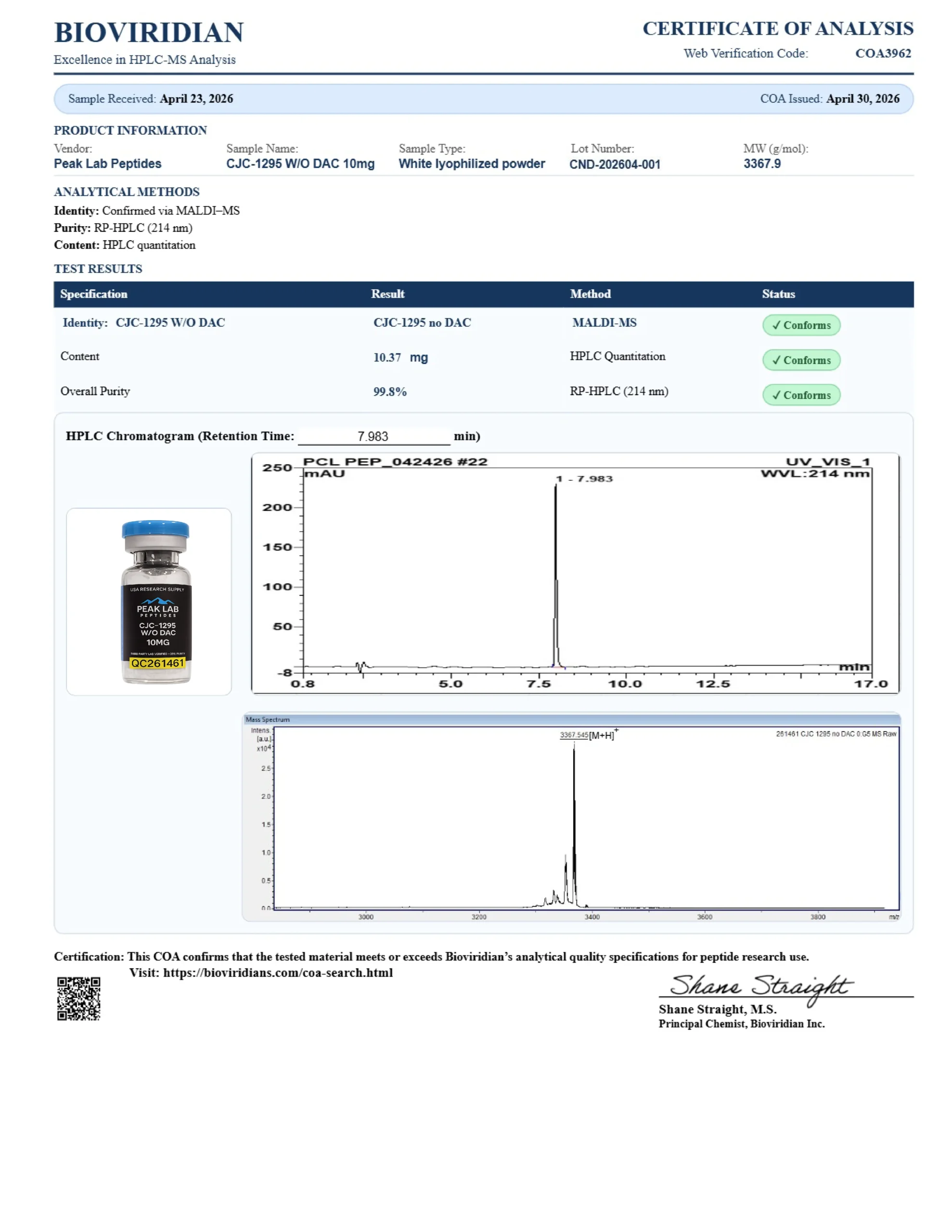
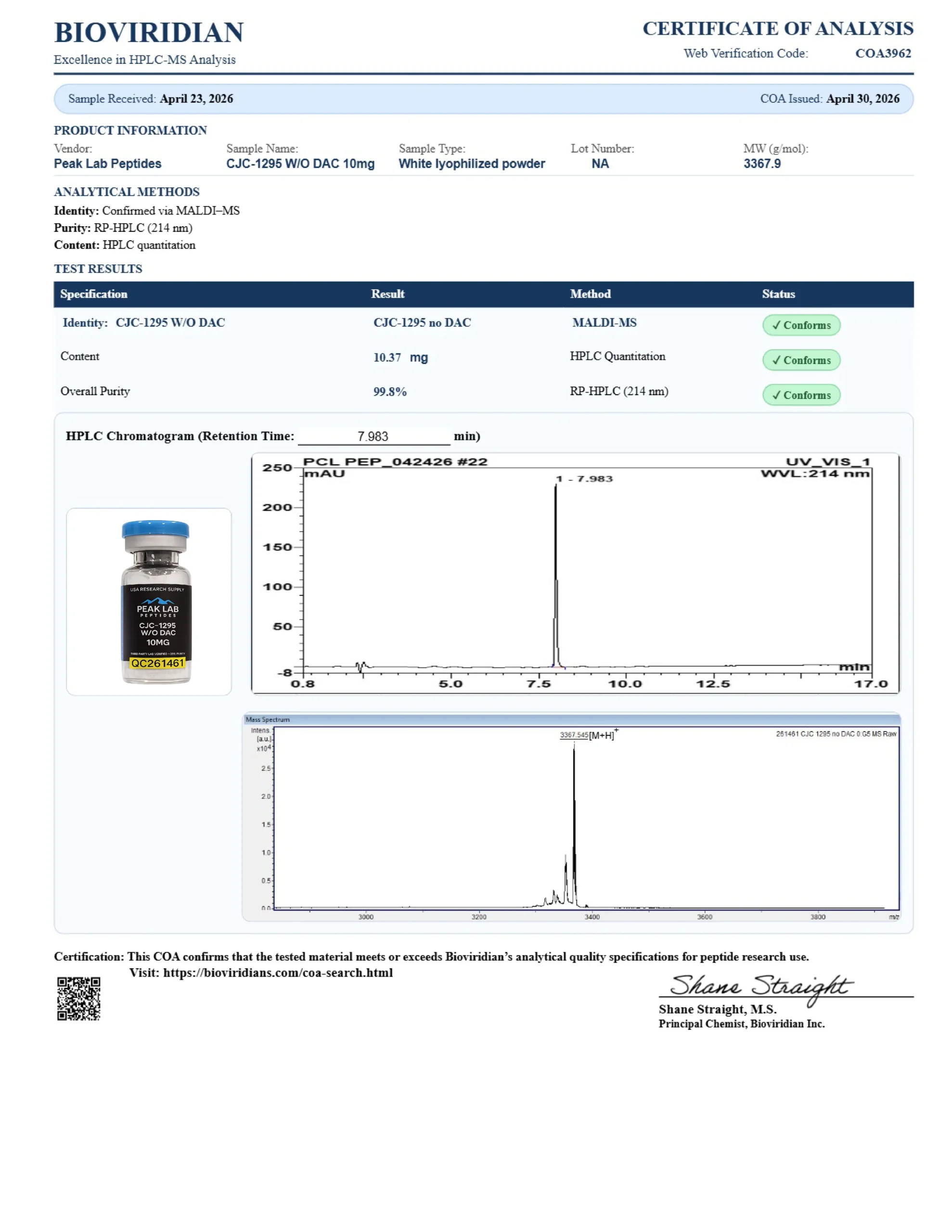
CJC-1295 No DAC Certificate of Analysis
Third-party tested. Click image to view full-resolution certificate.
CJC-1295 No DAC is a synthetic analog of Growth Hormone-Releasing Hormone (GHRH) designed for research on stimulating natural growth hormone (GH) release in a pulsatile manner. The “No DAC” (Drug Affinity Complex) version has a shorter half-life, allowing it to mimic the body’s natural GH secretion rhythm.
CJC-1295 No DAC is commonly studied in models focused on muscle growth, fat metabolism, anti-aging, and recovery when used alone or with other GH secretagogues like Ipamorelin.
Supplied strictly for qualified laboratory and educational research use. Not for human or veterinary use.
CJC-1295 (No DAC) is typically used as a GHRH-pathway research tool to study pituitary signaling and GH release mechanisms, while ipamorelin is used to study GHSR-mediated signaling. Because these peptides act through distinct receptor systems, researchers may evaluate them together in comparative or combination designs to examine pathway crosstalk and combined signaling outputs.
Blend composition:
- CJC-1295 (No DAC): 5 mg
- Ipamorelin: 5 mg
- Total peptide content: 10 mg
Common research characteristics:
- Targets studied: GHRH receptor (CJC-1295 No DAC) + GHSR/ghrelin receptor (Ipamorelin)
- Research focus areas: GH-axis signaling, receptor pharmacology, endocrine feedback modeling, biomarker assays
- Format: Commonly supplied as a lyophilized blend for research handling and storage stability
This combination is primarily used in research settings that model GH-axis regulation through two complementary signaling inputs: one via GHRH receptor activation and the other via GHSR activation. Because GH release and downstream markers are regulated by feedback mechanisms, combination studies often emphasize time-course design, signaling endpoints, and reproducibility of assay conditions.
Common research themes include:
- Dual-pathway GH-axis signaling: Studying how GHRH receptor activation and GHSR stimulation influence GH-axis biomarkers and receptor-driven signaling in controlled models.
- Receptor crosstalk and combined signaling: Exploring whether simultaneous activation of two upstream pathways produces additive or synergistic signaling patterns in functional assays (model-dependent and protocol-specific).
- Endocrine feedback and pulsatility modeling: Using time-based experimental designs to evaluate signaling dynamics and receptor responsiveness across different exposure patterns.
- Assay development and benchmarking: Employing the blend as a standardized input for method optimization in GH-axis research workflows, including comparative profiling against single-compound controls.
Compliance note: Published discussions may include claims about body composition, performance, or clinical effects. PeakLab Peptides does not make claims about outcomes. This blend is supplied strictly for laboratory research use only, with no human consumption guidance.
Q1: What is included in the CJC-1295 (No DAC) + Ipamorelin blend?
A1: The blend contains CJC-1295 (No DAC) 5 mg and ipamorelin 5 mg, for a total of 10 mg of peptide content.
Q2: What does “No DAC” mean for CJC-1295?
A2: “No DAC” indicates the peptide is not conjugated to a drug affinity complex (DAC) modification. Researchers may select non-DAC versions when they want a shorter-acting GHRH-analog profile in certain assay designs.
Q3: What receptors are studied with this blend?
A3: CJC-1295 (No DAC) is studied for GHRH receptor signaling, while ipamorelin is studied for growth hormone secretagogue receptor (GHSR/ghrelin receptor) signaling.
Q4: Why do researchers study CJC-1295 with ipamorelin together?
A4: Because they act on different receptor pathways related to GH-axis regulation, researchers may evaluate them together to study combined signaling behavior and pathway interaction in controlled models.
Q5: How should this peptide blend be stored for lab use?
A5: Store sealed, dry, and protected from light according to your lab’s SOP. Many labs use cold storage for peptides and minimize moisture exposure and repeated temperature cycling.
Storage & Handling
All peptides are supplied as sterile, lyophilized powder and are stable when handled correctly.- On arrival: Store vials in a cool, dry place away from heat and direct sunlight.
- Long-term (powder): For optimal longevity, keep lyophilized peptides refrigerated to help maintain integrity.
- After reconstitution: Use an appropriate research diluent (for example, BAC water). Store the reconstituted solution in the refrigerator and use within 20–30 days for best stability.
Note: Minimize exposure to moisture and repeated freeze–thaw cycles. Follow your institution's safety procedures when handling research materials.
Storage & Handling
All peptides are supplied as sterile, lyophilized powder and are stable when handled correctly.
- On arrival: Store vials in a cool, dry place away from heat and direct sunlight.
- Long-term (powder): For optimal longevity, keep lyophilized peptides refrigerated to help maintain integrity.
- After reconstitution: Use an appropriate research diluent (for example, BAC water). Store the reconstituted solution in the refrigerator and use within 20–30 days for best stability.
Note: Minimize exposure to moisture and repeated freeze–thaw cycles. Follow your institution's safety procedures when handling research materials.
Peak Lab Peptides maintains quality-control processes and routinely performs third-party testing to support purity and identity verification. COAs are available upon request for applicable batches. Documentation may vary depending on production timelines.
We aim to make batch-level documentation available whenever possible. Our goal is to expand COA access across the full catalog as production capacity grows.
All products are for laboratory research use only and are not intended for human consumption.
Related Products
Follistatin-344 (1mg)
Follistatin-344 Peptide – 1mg (Lyophilized Peptide) – For Research Use Only
Follistatin-344 is a naturally occurring glycoprotein studied for its role in regulating myostatin activity and muscle cell development pathways. Research has focused on its potential to influence cellular growth signaling, tissue modeling, and regenerative mechanisms in controlled laboratory environments. Its interaction with myostatin inhibition pathways makes it a subject of interest in advanced muscle biology and cellular repair research.
Product Details:
- Peptide: Follistatin-344
- Purity: >99%+
- Form: Lyophilized powder
- Quantity: 1mg per vial
- Storage: Store at -4°F (-20°C). After reconstitution, refrigerate at 36–46°F (2–8°C) and use within 30 days.
- Grade: For research purposes only. Not for human consumption, therapeutic, or diagnostic use.
Potential Research Applications:
- Myostatin inhibition and muscle cell development studies
- Cellular growth signaling and tissue modeling research
- Regenerative biology and recovery mechanism investigations
- Endocrine pathway and growth factor interaction studies
For laboratory research only. This product is not intended to diagnose, treat, cure, or prevent any disease.
Follistatin-344 10-Vial Kit
Follistatin-344 10 Vial Kit Follistatin-344 – 1mg (Lyophilized Peptide) 10 Vial Kit – For Research Use Only
Follistatin-344 is a naturally occurring glycoprotein studied for its role in regulating myostatin activity and muscle cell development pathways. Research has focused on its potential to influence cellular growth signaling, tissue modeling, and regenerative mechanisms in controlled laboratory environments. Its interaction with myostatin inhibition pathways makes it a subject of interest in advanced muscle biology and cellular repair research.
Product Details:
- Peptide: Follistatin-344
- Purity: >98%
- Form: Lyophilized powder
- Quantity: 1mg per vial / 10 vials per kit
- Storage: Store at -4°F (-20°C). After reconstitution, refrigerate at 36–46°F (2–8°C) and use within 30 days.
- Grade: For research purposes only. Not for human consumption, therapeutic, or diagnostic use.
Potential Research Applications:
- Myostatin inhibition and muscle cell development studies
- Cellular growth signaling and tissue modeling research
- Regenerative biology and recovery mechanism investigations
- Endocrine pathway and growth factor interaction studies
For laboratory research only. This product is not intended to diagnose, treat, cure, or prevent any disease.
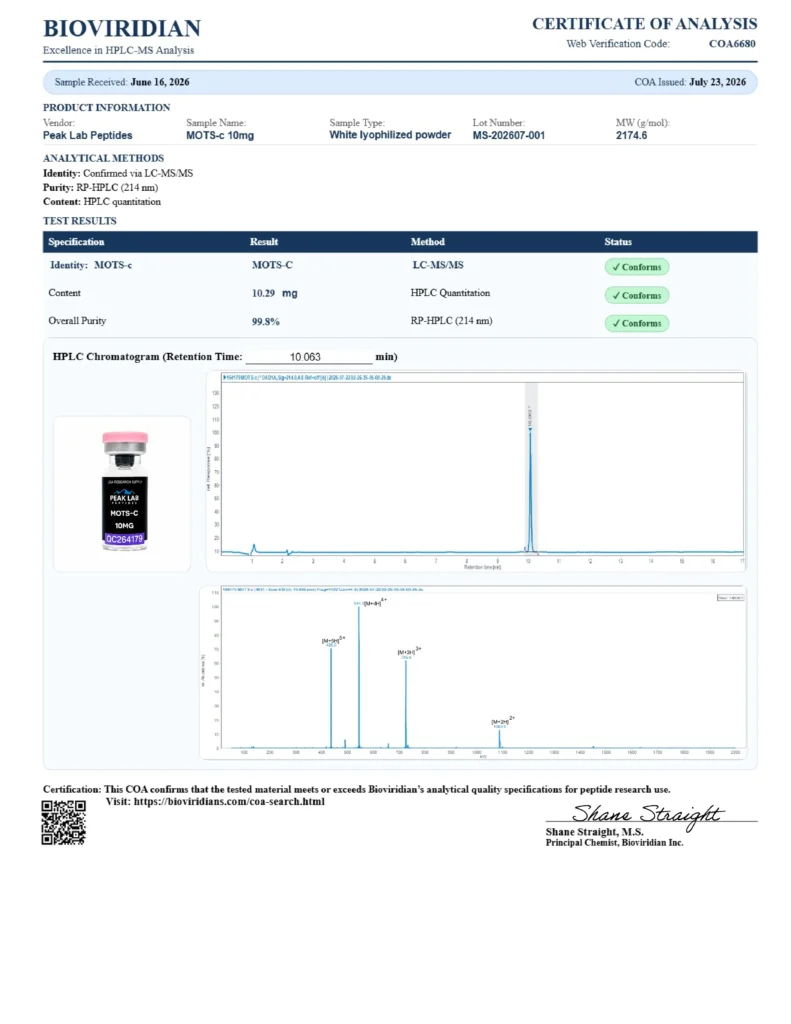
GLP-1 Cag
Cagrilintide
GLP-1 C – 5mg (Lyophilized Peptide) – For Research Use Only
GLP-1 C is a synthetic analog within the GLP-1 receptor agonist class, studied for its potential effects on appetite regulation, glucose metabolism, and weight control. Research models have explored GLP-1 C for its ability to support insulin sensitivity, reduce food intake, and influence metabolic pathways related to obesity and type 2 diabetes.
GLP-1 C is commonly examined alongside other metabolic peptides for its synergistic potential in multi-pathway metabolic research.
Product Details:
-
Peptide: GLP-1 C
-
Purity: >98%
-
Form: Lyophilized powder
-
Quantity: 5mg per vial
-
Storage: Store at -4°F (-20°C). After reconstitution, refrigerate at 36–46°F (2–8°C) and use within 30 days.
-
Grade: For research purposes only. Not for human consumption, therapeutic, or diagnostic use.
Potential Research Applications:
-
Appetite suppression and satiety studies
-
Glucose metabolism and insulin regulation research
-
Obesity and weight management models
-
Metabolic health and GLP-1 receptor pathway investigations
For laboratory research use only. This product is not intended to diagnose, treat, cure, or prevent any disease.
GLP-3 Reta
GLP-3 Reta
GLP-3 Rete– 5mg-60mg (Lyophilized Peptide) – For Research Use Only
GLP-3 R is a novel research peptide categorized within the glucagon-like peptide (GLP) family, studied for its potential activity on metabolic regulation, appetite control, and glucose homeostasis. While structurally distinct from GLP-1 analogs, GLP-3 R is being investigated for its potential interactions with GLP receptor pathways and its role in energy balance, insulin sensitivity, and weight management.
This compound is part of emerging research aimed at expanding the understanding of gut hormone analogs and their effects on metabolic disorders.
Product Details:
-
Peptide: GLP-3 R
-
Purity: >98%
-
Form: Lyophilized powder
-
Quantity: 5mg-30mg per vial
-
Storage: Store at -4°F (-20°C). After reconstitution, refrigerate at 36–46°F (2–8°C) and use within 30 days.
-
Grade: For research purposes only. Not for human consumption, therapeutic, or diagnostic use.
Potential Research Applications:
-
Metabolic regulation and energy balance studies
-
Appetite suppression and satiety signaling research
-
Glucose metabolism and insulin response models
-
Exploration of novel GLP receptor analog activity
For laboratory research only. This product is not inte
KLOW Blend 80mg – GHK-Cu, TB-500, BPC-157, KPV
KLOW Blend
KLOW – 80mg Peptide Blend (Lyophilized Powder) – For Research Use Only GHK-Cu • TB-500 • BPC-157 • KPV
KLOW is an advanced 4-in-1 research peptide blend combining 80mg of compounds studied for their potential in tissue repair signaling, immune modulation, and cellular recovery mechanisms in controlled laboratory environments. Each component contributes a distinct and complementary mechanism of action, making KLOW a subject of interest in multi-pathway research models.
Active Ingredients (Per Vial):
GHK-Cu – 50mg A copper-binding tripeptide studied for its role in collagen synthesis, cellular regeneration signaling, and extracellular matrix remodeling in laboratory research models.
TB-500 – 10mg A synthetic fragment of Thymosin Beta-4 studied for its interaction with G-actin sequestration, angiogenesis pathway activity, and cell migration mechanisms in preclinical research.
BPC-157 – 10mg A synthetic pentadecapeptide derived from a gastric protein, studied for its role in tissue repair signaling, NO system modulation, and VEGF pathway activity in controlled research environments.
KPV – 10mg A naturally occurring tripeptide fragment studied for its role in inflammatory signaling pathway modulation and immune regulation mechanisms across multiple tissue types.
Product Details:
- Total Peptide Content: 80mg per vial
- Form: Lyophilized powder
- Purity: >99%
- Quantity: 80mg vial
- Storage: Store at -4°F (-20°C). After reconstitution, refrigerate at 36–46°F (2–8°C) and use within 30 days.
- Grade: For research purposes only. Not for human consumption, therapeutic, or diagnostic use.
Potential Research Applications:
- Multi-peptide synergy and complementary pathway mechanism studies
- Cellular regeneration signaling and extracellular matrix research
- Inflammatory pathway modulation and immune regulation models
- Angiogenesis, cell migration, and tissue repair signaling investigations
For laboratory research only. This product is not intended to diagnose, treat, cure, or prevent any disease.
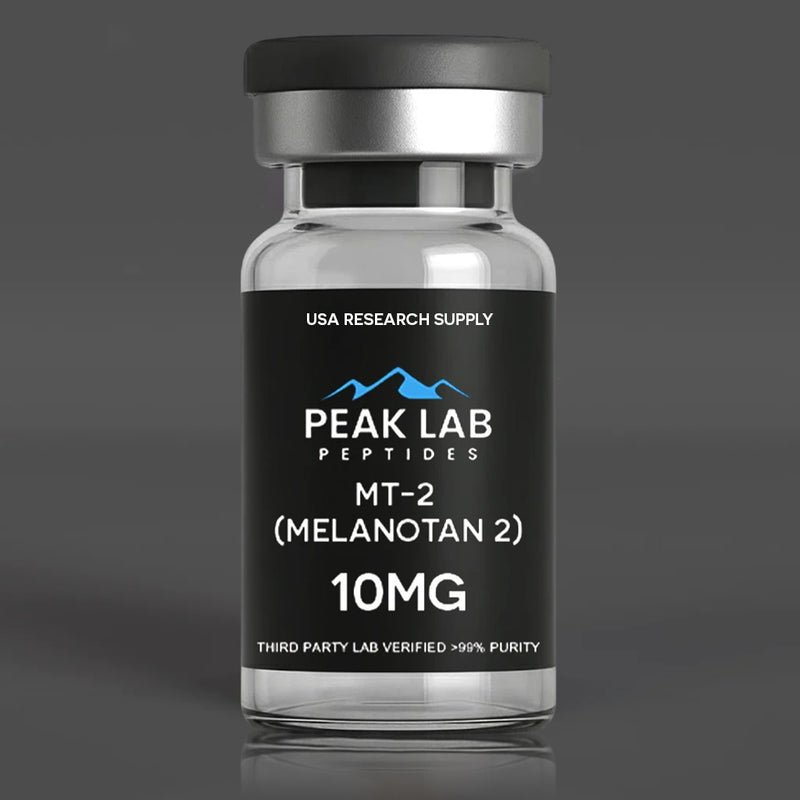
KPV (Lysine-Proline-Valine)
KPV
KPV – 10mg (Lyophilized Peptide) – For Research Use Only
KPV (Lys-Pro-Val) is a naturally occurring tripeptide derived from the C-terminal end of alpha-melanocyte-stimulating hormone (α-MSH), studied for its potential to modulate inflammatory signaling pathways and immune regulation in controlled laboratory environments. Research has explored its activity in epithelial barrier function, cytokine modulation, and localized inflammatory response mechanisms across multiple tissue types.
Product Details:
- Peptide: KPV (Lys-Pro-Val)
- Purity: >99%
- Form: Lyophilized powder
- Quantity: 10mg per vial
- Storage: Store at -4°F (-20°C). After reconstitution, refrigerate at 36–46°F (2–8°C) and use within 30 days.
- Grade: For research purposes only. Not for human consumption, therapeutic, or diagnostic use.
Potential Research Applications:
- Inflammatory signaling pathway modulation studies
- Epithelial barrier function and mucosal tissue research
- Cytokine regulation and immune response mechanism models
- α-MSH derived peptide activity and receptor interaction investigations
For laboratory research only. This product is not intended to diagnose, treat, cure, or prevent any disease.
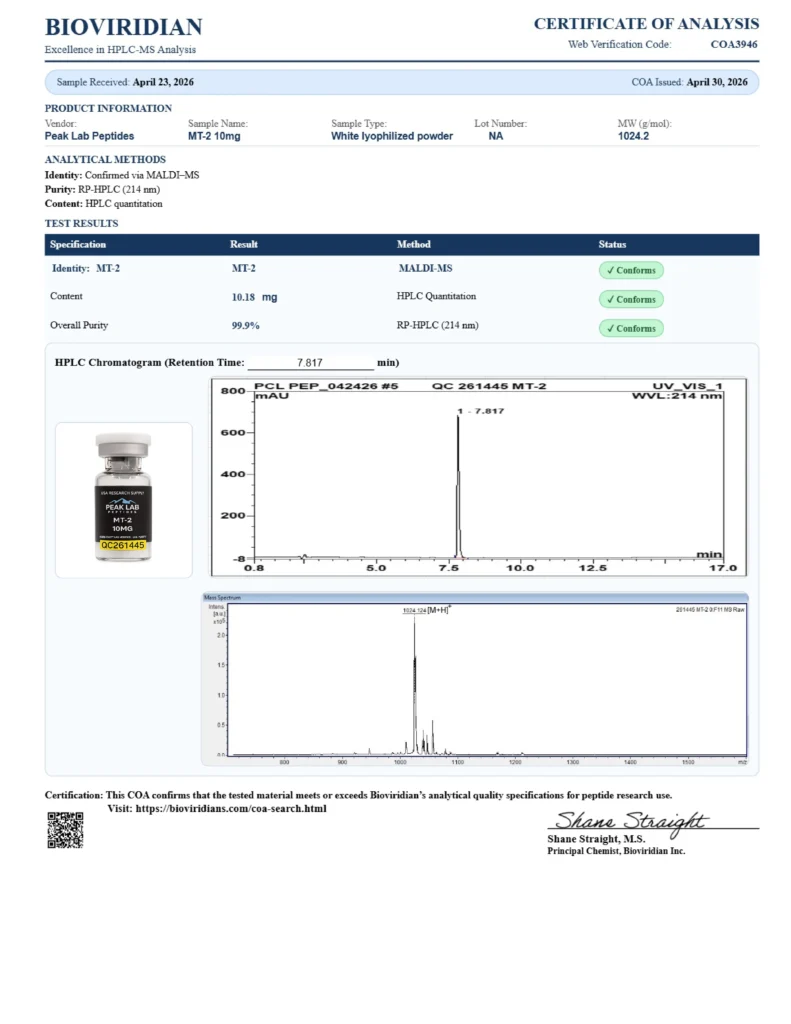
LL-37 (5mg)
LL-37 Peptide – 5mg (Lyophilized Peptide in 3ml Vial) – For Research Use Only
LL-37 is a human antimicrobial peptide derived from the cathelicidin family, extensively studied for its roles in innate immunity, antimicrobial defense, wound healing, and inflammation regulation. LL-37 exhibits broad-spectrum activity against bacteria, viruses, and fungi, and plays a key role in modulating the body’s immune and inflammatory responses. In research, LL-37 is of particular interest in models exploring skin healing, immune signaling, tissue regeneration, and antimicrobial resistance.Product Details:
Peptide: LL-37 Purity: >98% Form: Lyophilized powder Quantity: 5mg per vial Vial Size: 3ml sterile glass vial Storage: Store at -4°F (-20°C). After reconstitution, refrigerate at 36–46°F (2–8°C) and use within 30 days. Grade: For research purposes only. Not for human consumption, therapeutic, or diagnostic use.Potential Research Applications:
Antimicrobial and infection control models Wound healing and skin regeneration studies Immune system modulation and inflammation research Studies on epithelial repair and barrier function For laboratory research use only. This product is not intended to diagnose, treat, cure, or prevent any disease.NAD+
NAD+
NAD+ (Nicotinamide Adenine Dinucleotide) – For Research Use Only
NAD+ is a naturally occurring coenzyme found in all living cells, studied for its fundamental role in cellular energy metabolism, mitochondrial function, and biochemical signaling pathways. Research models have explored its activity in sirtuin activation, DNA repair mechanisms, and oxidative stress response in controlled laboratory environments. Its role as a key coenzyme in redox reactions makes it a subject of significant interest in cellular biology and metabolic pathway research.
Product Details:
- Compound: NAD+ (Nicotinamide Adenine Dinucleotide)
- Purity: >99%
- Form: Lyophilized powder
- Quantity: 100mg, 500mg, or 1000mg per vial
- Storage: Store at -4°F (-20°C). After reconstitution, refrigerate at 36–46°F (2–8°C) and use within 30 days.
- Grade: For research purposes only. Not for human consumption, therapeutic, or diagnostic use.
Potential Research Applications:
- Mitochondrial function and cellular energy metabolism studies
- Sirtuin pathway activation and NAD+ dependent enzyme research
- DNA repair mechanism and oxidative stress response models
- Redox signaling and cellular biochemistry investigations
For laboratory research only. This product is not intended to diagnose, treat, cure, or prevent any disease.
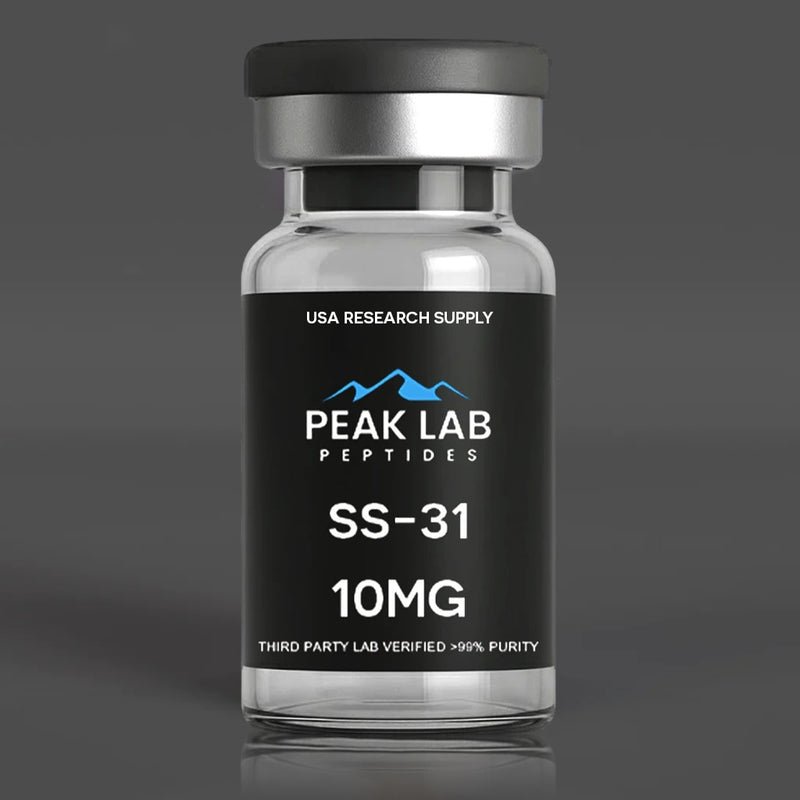
SLU-PP-332
SLU-PP-332
SLU-PP-332 is a synthetic research compound investigated for its interaction with metabolic and cellular regulatory pathways. Early laboratory studies suggest that SLU-PP-332 may influence energy homeostasis, mitochondrial activity, and cellular signaling mechanisms involved in metabolic balance. Because of these characteristics, SLU-PP-332 has become a subject of interest in preclinical research exploring metabolic function, energy utilization, and adaptive cellular responses under controlled conditions. As with all research compounds, SLU-PP-332 is supplied for laboratory and scientific use only. It is not approved for human use, medical purposes, or diagnostic applications. Researchers typically examine SLU-PP-332 in vitro or in controlled animal models to better understand its structure, stability, and functional characteristics within biological systems.Thymosin Alpha-1
Thymosin Alpha-1 (Tα1)
Thymosin Alpha-1 – Research Use Only
Thymosin Alpha-1 – 5mg (Lyophilized Peptide) – For Research Use Only
Thymosin Alpha-1 (Ta1) is a naturally occurring peptide fragment derived from prothymosin alpha, studied for its potential role in immune modulation, inflammation control, and cellular defense mechanisms. It has been of particular interest in research models exploring immune response enhancement, antiviral activity, and immune regulation.
Thymosin Alpha-1 is often studied in relation to immune system support, chronic infection models, and immune deficiency research.
Product Details:
-
Peptide: Thymosin Alpha-1
-
Purity: >98%
-
Form: Lyophilized powder
-
Quantity: 5mg per vial
-
Storage: Store at -4°F (-20°C). After reconstitution, refrigerate at 36–46°F (2–8°C) and use within 30 days.
-
Grade: For research purposes only. Not for human consumption or therapeutic use.
Potential Research Applications:
-
Immune modulation and enhancement studies
-
Chronic infection and antiviral research models
-
Inflammatory response and cytokine regulation studies
-
Immune deficiency and autoimmune condition research