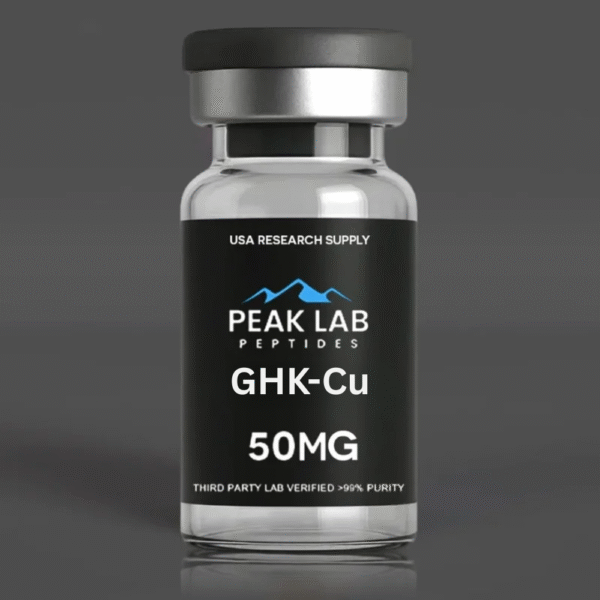
GHK-Cu
$35.30 – $50.40Price range: $35.30 through $50.40

Become a Member and save 20% on Every Order.
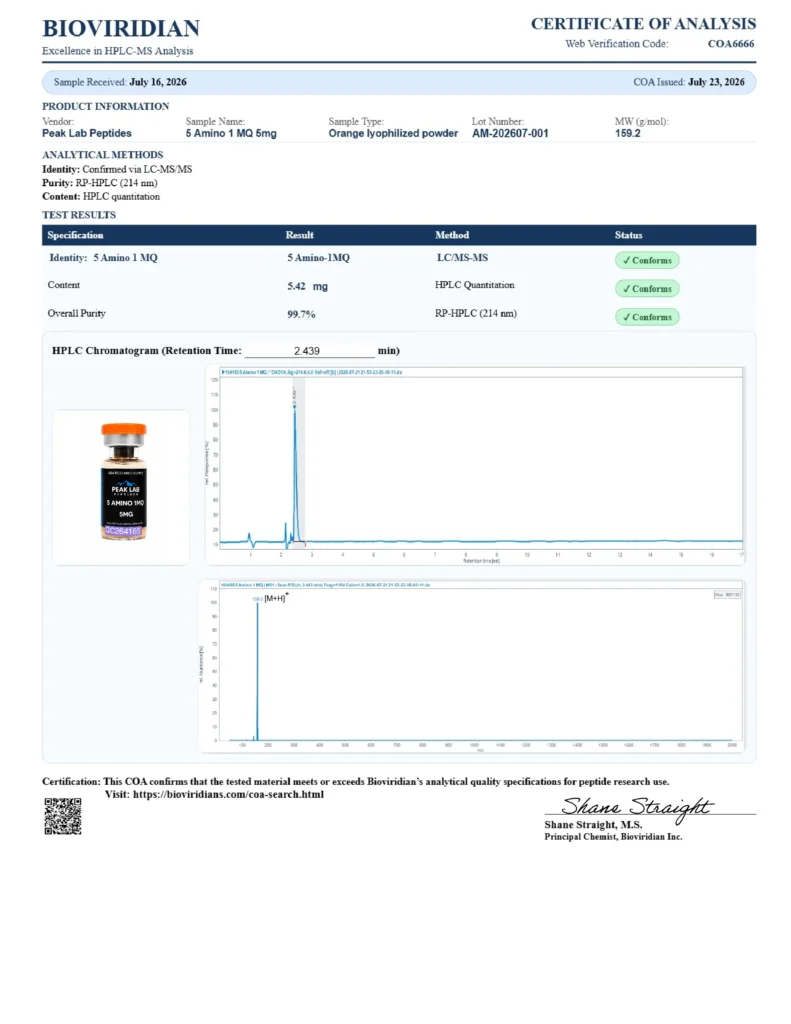
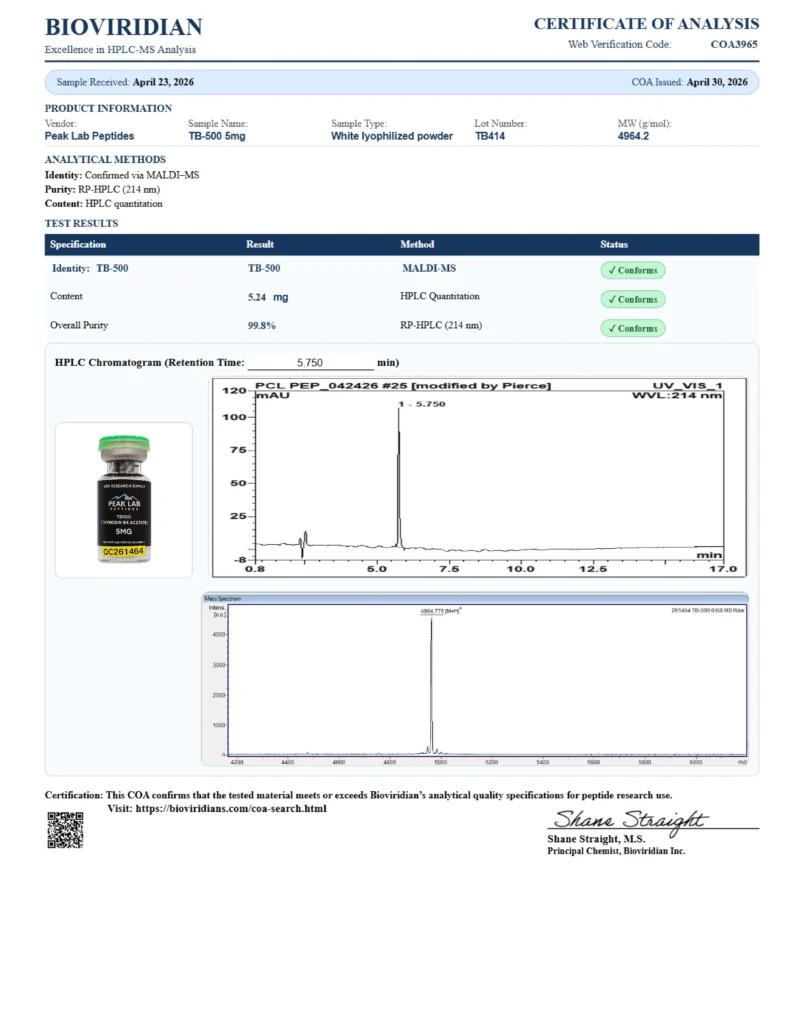
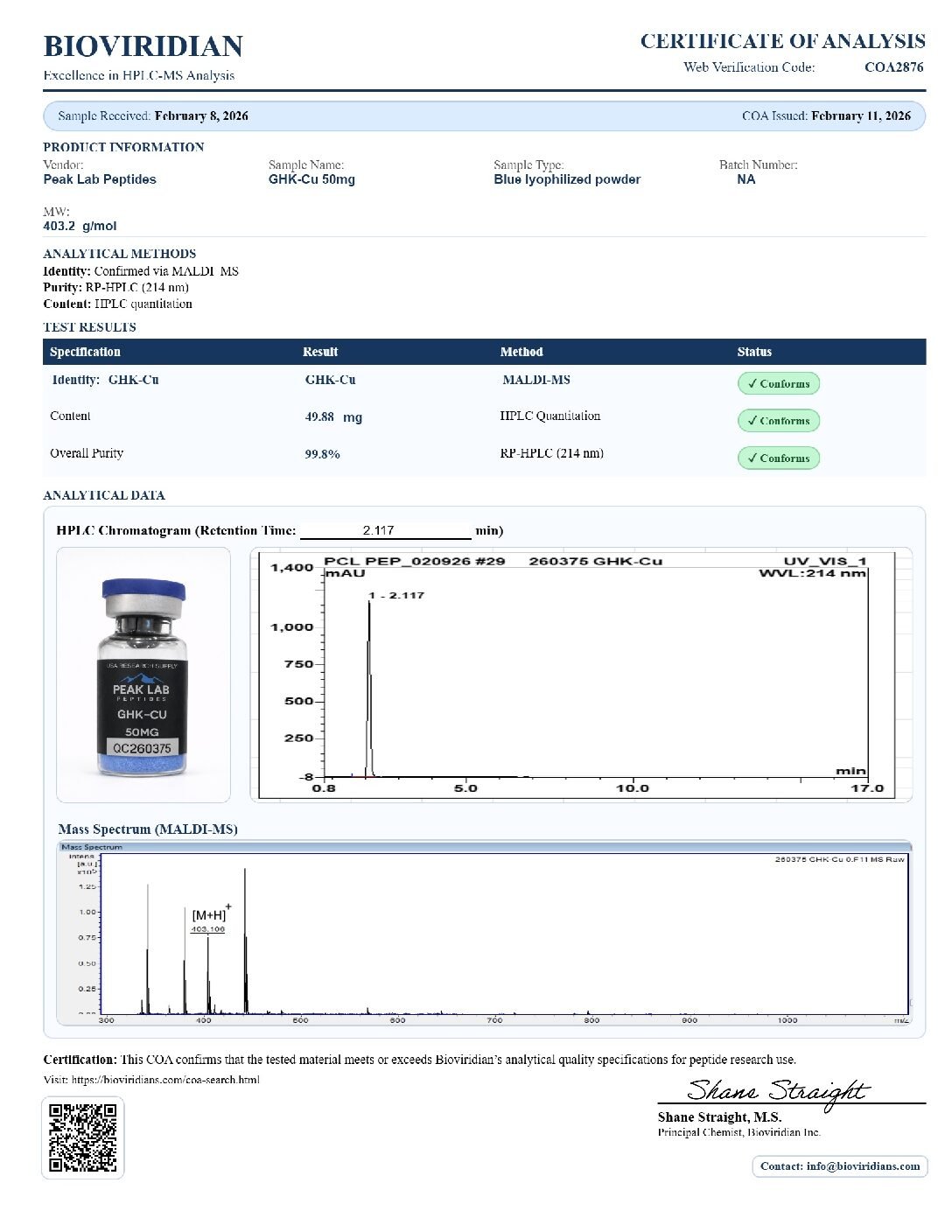
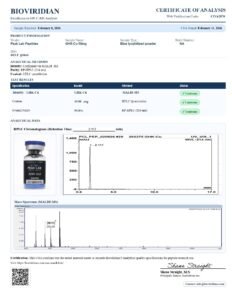
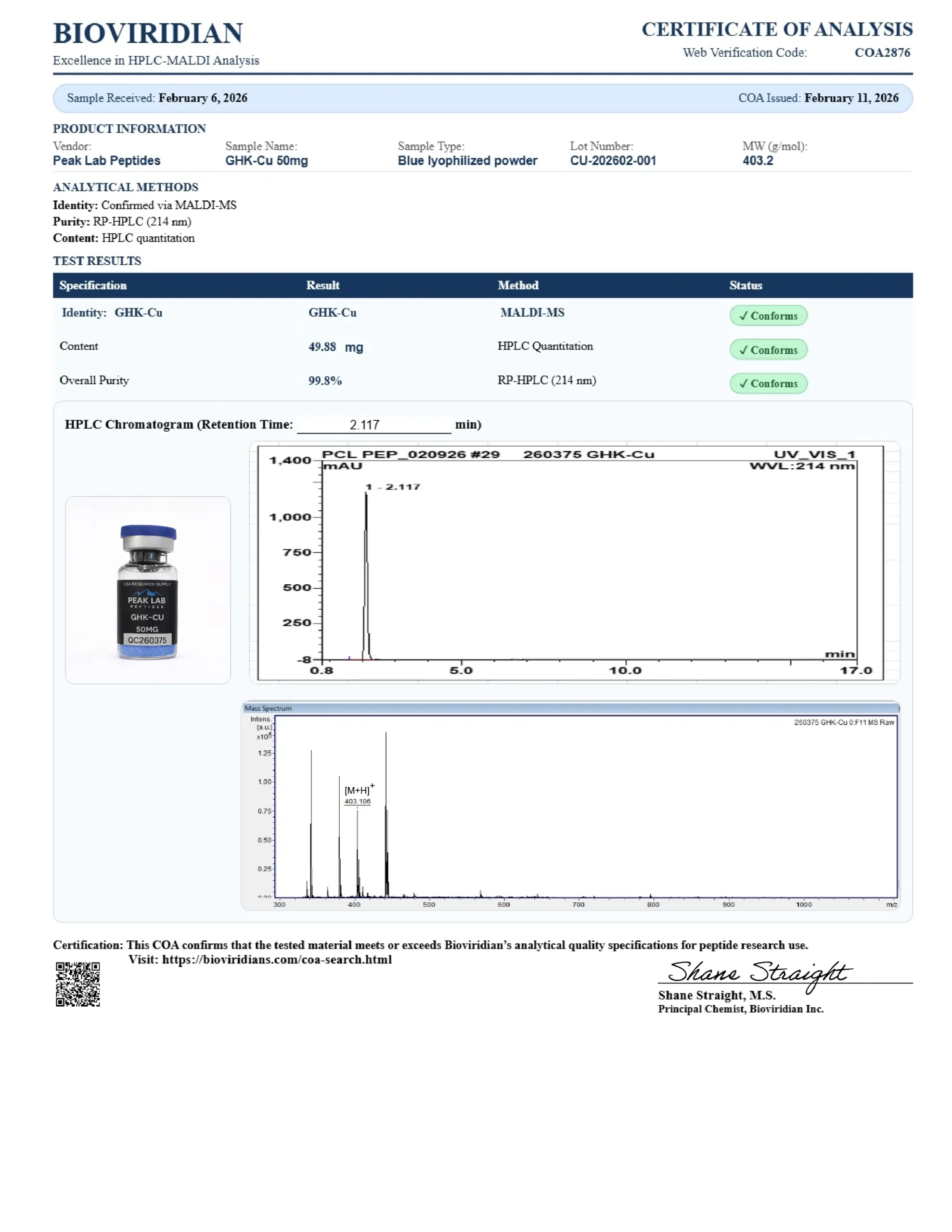
99.8% — exceeds 99.00% minimum spec
- Batch
- CU-202602-001
- Test date
- February 11, 2026
- Method
- HPLC + MS
- Lab
-
Bioviridian
College Station, TX
Description
GHK-Cu peptide Details
GHK-Cu is a naturally occurring copper-binding tripeptide (glycyl-L-histidyl-L-lysine) first isolated from human plasma, where its concentration is highest in youth and steadily declines with age. The peptide's biological activity depends on its high-affinity binding to copper(II) ions, which appears to activate a broad range of tissue-remodeling processes: research has documented GHK-Cu's role in stimulating collagen and elastin synthesis, upregulating antioxidant enzymes (superoxide dismutase, catalase), promoting angiogenesis, and modulating over 4,000 human genes related to tissue repair according to gene-array studies. This has made GHK-Cu one of the most published copper peptides in dermatological and wound-healing research, where both topical and injectable formulations have been studied for skin firmness, hair-follicle stimulation, and connective-tissue repair, in addition to broader interest in its role in cellular renewal and anti-inflammatory signaling.
GHK-Cu peptide Scientific Research
1. GHK-Cu and Skin / Wound Healing
GHK-Cu has been extensively investigated in skin-derived cell cultures and animal models focused on tissue repair:
- Extracellular Matrix Modulation: Studies in skin cultures indicate that GHK can stimulate both synthesis and controlled breakdown of collagen, glycosaminoglycans, and proteoglycans such as chondroitin sulfate.
- Cell Recruitment: GHK-Cu has been reported to promote the recruitment and activity of fibroblasts, immune cells, and endothelial cells at sites of experimental injury, supporting coordinated tissue-remodeling responses.
- Angiogenesis: In rodent burn models, GHK-Cu exposure has been associated with faster wound closure metrics and increased blood-vessel formation in damaged areas, suggesting a role in revascularization of compromised tissue.
These findings support the use of GHK-Cu as a probe compound in wound-healing, dermal biology, and extracellular matrix research.
2. GHK-Cu and Antimicrobial / Infection Models
Infection is a major impediment to timely wound repair, particularly in compromised tissues:
- Experimental work has shown that GHK-Cu, when combined with certain fatty acids, can form complexes with antimicrobial activity against selected bacterial and fungal strains relevant to wound contamination.
- Clinical-style research designs in diabetic and ischemic wound care have compared standard care alone versus standard care plus GHK-Cu–containing formulations, reporting improved closure rates and reduced infection incidence in the GHK-Cu groups under specific conditions.
These studies are interpreted within a research and exploratory context and highlight GHK-Cu’s potential relevance to host–microbe interactions and infection-related healing dynamics.
3. GHK-Cu, Nervous System, and Gene Expression
GHK-Cu has also been evaluated in nervous system and cognition-related models:
- Research suggests that GHK-Cu may promote angiogenesis in neural tissues, support neurite outgrowth, and modulate neuroinflammatory markers in experimental systems.
- Gene-expression analyses indicate that GHK-Cu can influence large sets of genes associated with repair, stress responses, and cell survival, leading to proposals that it may help “reset” certain pathological expression profiles toward patterns more consistent with homeostasis.
- In rodent brain-injury models, GHK-Cu has been linked to decreased neuronal apoptosis and reduced edema, with one proposed mechanism involving the miR-339-5p/VEGFA pathway, which is active in post-ischemic and hemorrhagic conditions.
These observations make GHK-Cu a useful research tool in neuroprotection, angiogenic signaling, and transcriptomic-response studies.
4. GHK-Cu and Inflammation / Fibrosis (e.g., Chemotherapy & ARDS Models)
GHK-Cu’s potential role in modulating inflammatory and fibrotic processes has been explored in several preclinical settings:
- In murine models treated with bleomycin (a chemotherapeutic agent associated with lung fibrosis), GHK-Cu has been reported to reduce fibrotic markers and structural changes in lung tissue.
- Mechanistic investigations point to modulation of inflammatory cytokines such as TNF-α and IL-6, along with altered extracellular matrix remodeling profiles.
- Similar protective trends have been observed in animal models of acute respiratory distress syndrome (ARDS), where GHK-Cu exposure correlated with reduced inflammatory injury parameters and improved histological findings.
These studies position GHK-Cu as an experimental modulator of inflammation and fibrotic remodeling, particularly in pulmonary research models.
5. GHK-Cu and Pain / Amino Acid Signaling
Analgesia and pain signaling represent another emerging area of GHK-Cu research:
- Rodent behavior studies indicate that GHK-Cu administration can produce dose-dependent changes in pain-related responses.
- Some work suggests that these effects may be linked to changes in levels of amino acids such as L-lysine and L-arginine, which have been associated with endogenous pain-modulating pathways.
While early-stage, these findings support the use of GHK-Cu in experimental pain models that do not rely on classical opioid or NSAID pathways.
Article Titles & Journals
- GHK Peptide as a Natural Modulator of Multiple Cellular Pathways in Skin Regeneration.
- Stem cell recovering effect of copper-free GHK in skin.
- The human tri-peptide GHK and tissue remodeling.
- Expression of glycosaminoglycans and small proteoglycans in wounds: modulation by the trip
- Effect of tripeptide-copper complexes on the process of skin wound healing and on cultured
Fast, reliable shipping
We offer fast, reliable shipping through UPS and USPS.
Shipping Options
UPS shipping options include:
- Next Day Air
- 2nd Day Air
- 3 Day Select
- UPS Ground
Order Processing
- We ship Monday through Saturday.
- Orders placed before 6:00 PM EST / 3:00 PM PST are typically shipped the same day.
- Orders placed after the daily cutoff or on holidays will be processed on the next available shipping day.
Puerto Rico, Hawaii & Alaska
- Orders shipping to these destinations are sent via USPS unless alternative arrangements have been made in advance.
- Need a different shipping method? Contact us before placing your order so we can discuss available options.
Order Tracking
- Once your order has shipped, you'll receive a shipping confirmation email with tracking information so you can monitor your delivery.
- Orders totaling $200 or more qualify for FREE UPS 2nd Day Air shipping within the continental United States.
- Free 2nd Day Air shipping does not apply to orders shipping to Puerto Rico, Hawaii, or Alaska.
Handled correctly, stability holds
All peptides are supplied as sterile, lyophilized powder and are stable when handled correctly.
Store vials in a cool, dry place away from heat and direct sunlight.
For optimal longevity, keep lyophilized peptides refrigerated to help maintain integrity.
Use an appropriate research diluent (for example, BAC water). Store the reconstituted solution in the refrigerator and use within 20–30 days for best stability.
Minimize exposure to moisture and repeated freeze–thaw cycles. Follow your institution's safety procedures when handling research materials.
Frequently Asked Questions
PRODUCT & PURITY
This product is offered for laboratory and research use only. It is not intended for human consumption, medical use, therapeutic use, or veterinary use.
Yes, all of our products are sterile and sealed with a sterility plug and safety cap.
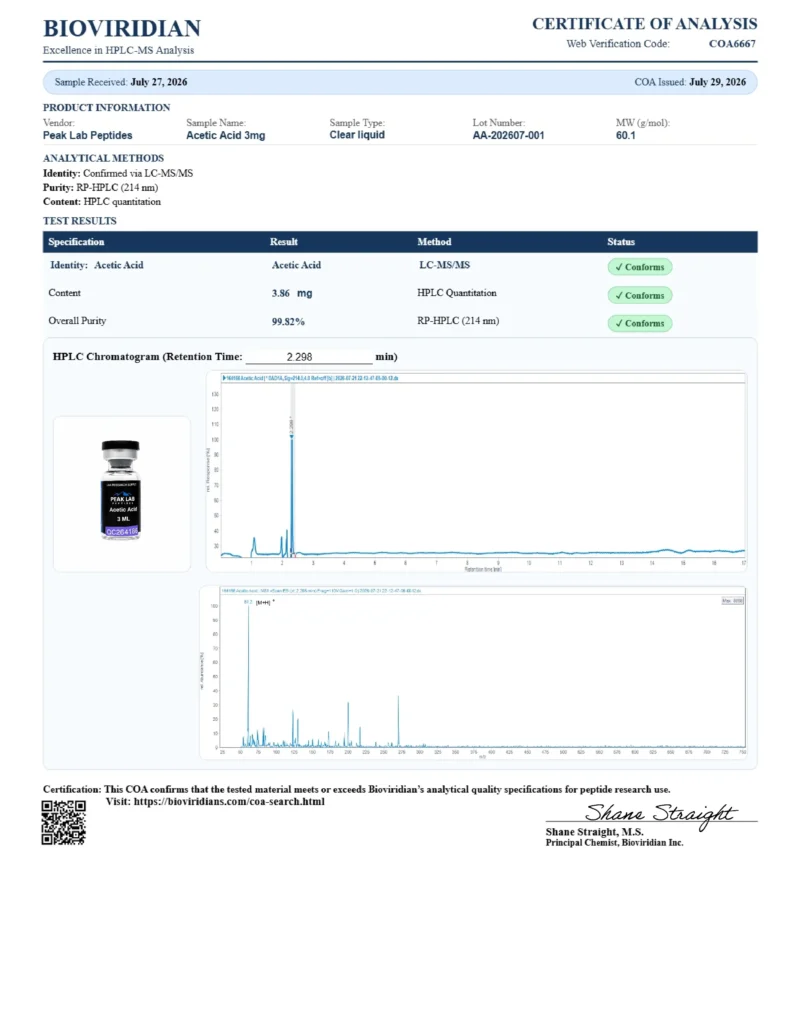
Our products undergo quality control internally at our lab and then 3rd party tested at Bioviridian (at their Texas facility) prior to shipment. All of our COA's are then posted on our site immediately upon receipt.
99% or higher. Period. The expected purity is listed on the individual product page or Certificate of Analysis, when available.
No. We are a manufacturing company and because these products are sold for research purposes only, we do not provide dosing, administration, or medical-use guidance.
Unless specifically stated otherwise, these products are not approved by the U.S. Food and Drug Administration for therapeutic or diagnostic use.
STORAGE & STABILITY
As a lyophilized powder, peptides are stable. Delays in shipments up to 7 days will have zero to minimal impact on efficacy of peptides. Most precautionary efforts must be made to maintain temperature consistency once reconstituted.
Store the product according to the storage recommendations provided on the label or accompanying documentation in your shipment. Proper storage helps maintain product integrity during its shelf life. Most peptides have an expiration date of 2 years if kept unreconstituted (lyophilized powder).
SHIPPING
Shipping times vary based on your location and the shipping method selected at checkout. We offer shipping options between 1 and 5 days.
No.
Once your order is processed, you will receive a shipping confirmation email with tracking information.
ORDERS
Each order includes the peptide vial as described on the product page above.
We accept all forms of credit cards and Zelle.
If your order has not yet been processed for shipment, we may be able to make changes. Please contact customer support as soon as possible after placing your order.
If your order arrives damaged or incorrect, contact our customer support team promptly at support@peaklabpeptides.com with your order number and photos of the package and product so we can assist you.
For the safety of our researchers and integrity of our products we can not accept returns whatsoever.
SUPPORT
If you have questions about your order or a product, please reach out through our customer support page or contact us at support@peaklabpeptides.com or call/text 605-524-2800.
Purity you can verify
TESTED
VERIFICATION
Peak Lab Peptides maintains quality-control processes and routinely performs third-party testing to support purity and identity verification. COAs are available upon request for applicable batches. Documentation may vary depending on production timelines.
AVAILABILITY
We aim to make batch-level documentation available whenever possible. Our goal is to expand COA access across the full catalog as production capacity grows.
All products are for laboratory research use only and are not intended for human consumption.
Related Products
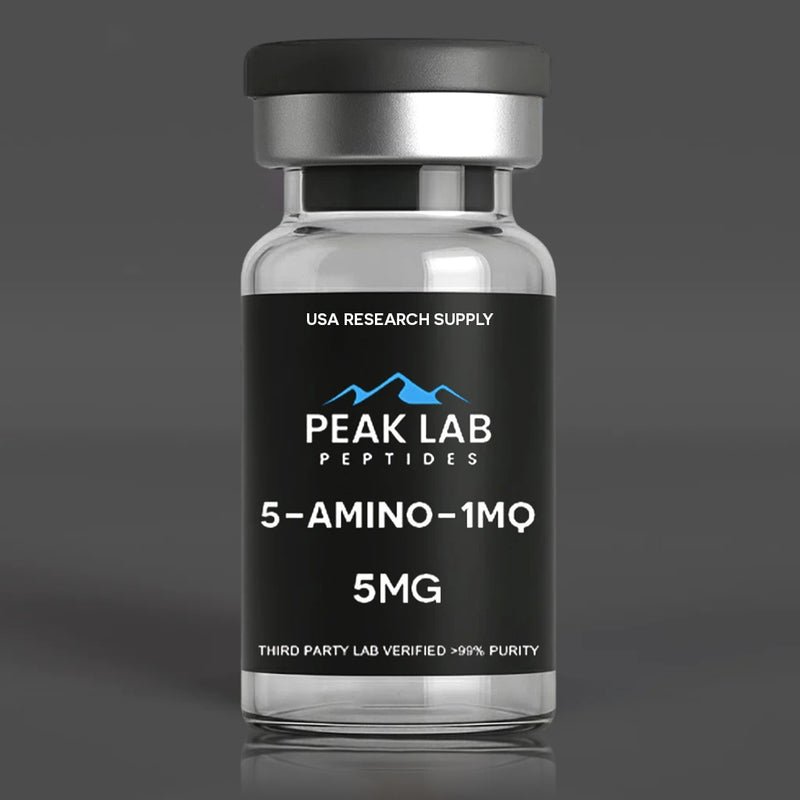
5-amino-1mq
5-Amino-1MQ peptide (5-amino-1-methylquinolinium)
5-Amino-1MQ peptide– Research Use Only
5-Amino-1MQ peptide – 5mg (Lyophilized Powder) – For Research Use Only
5-Amino-1MQ peptide is a small molecule methyltransferase inhibitor studied for its potential impact on cellular metabolism, energy regulation, and fat loss pathways. Research suggests it may inhibit NNMT (Nicotinamide N-Methyltransferase), an enzyme linked to metabolic rate and fat cell energy regulation.
Studies have explored 5-Amino-1MQ peptide for its potential role in increasing NAD+ levels, enhancing energy expenditure, and promoting fat metabolism in various models.
Product Details:
-
Compound: 5-Amino-1MQ (5-Amino-1-Methylquinolinium)
-
Purity: >98%
-
Form: Lyophilized powder
-
Quantity: 50mg per vial
-
Storage: Store at -4°F (-20°C). After reconstitution, refrigerate at 36–46°F (2–8°C) and use within 30 days.
-
Grade: For research use only. Not for human consumption or therapeutic use.
Potential Research Applications:
-
Studies on NNMT inhibition and metabolic regulation
-
NAD+ production and energy pathway research
-
Fat metabolism and weight loss models
-
Investigations into cellular energy expenditure
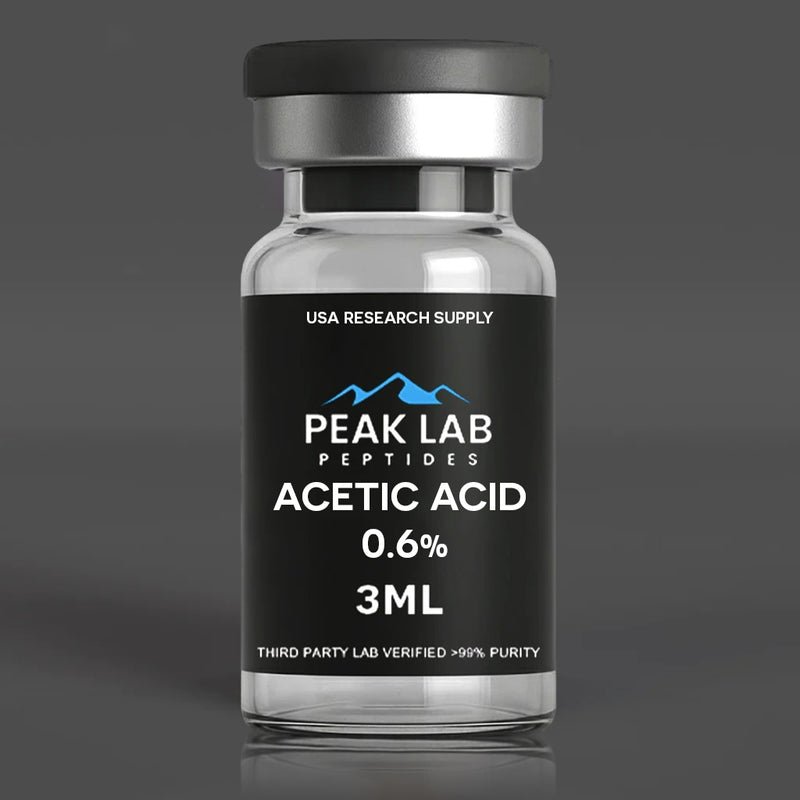
Acetic Acid 0.6%
Acetic Acid 0.6% – 10ml (Sterile Solution) – For Laboratory Use Only
Acetic Acid 0.6% is a sterile, aqueous solution commonly used in research and lab settings for pH adjustment, buffer preparation, and preservative applications. Its mild acidic properties make it suitable for studies involving topical antimicrobial effects, cellular environment modification, and reagent preparation. This solution is intended for controlled research environments requiring low-concentration acetic acid in a sterile, injectable-grade format.Product Details:
Compound: Acetic Acid 0.6% in sterile water Volume: 10ml multi-dose vial Form: Sterile solution Concentration: 0.6% w/v Storage: Store at 68–77°F (20–25°C); protect from light and contamination Grade: For laboratory research only. Not for human or animal use in therapeutic or diagnostic procedures.Potential Research Applications:
pH regulation and buffer system studies Topical antimicrobial and cytotoxicity research Reagent dilution and formulation preparation Laboratory protocol requiring acidic conditions For laboratory use only. This product is not intended to diagnose, treat, cure, or prevent any disease.BPC-157, TB-500 – “Wolverine Stack”
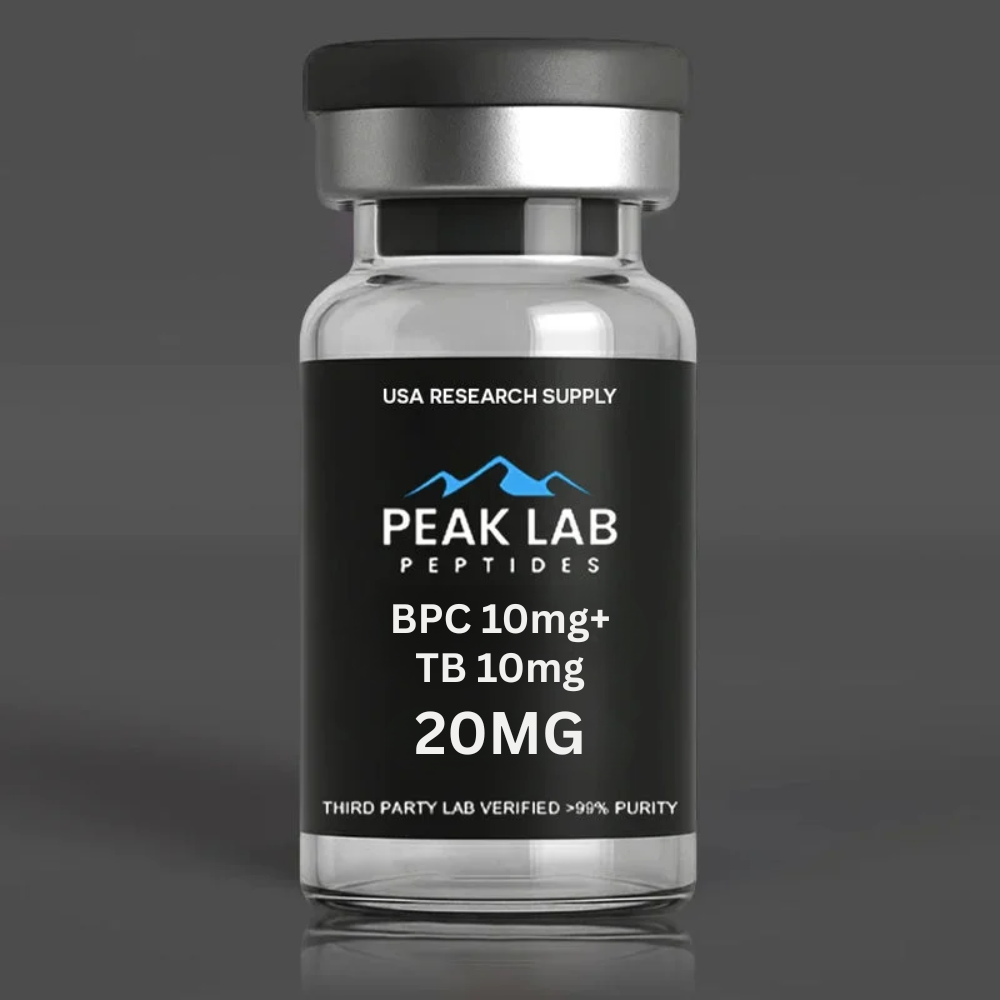
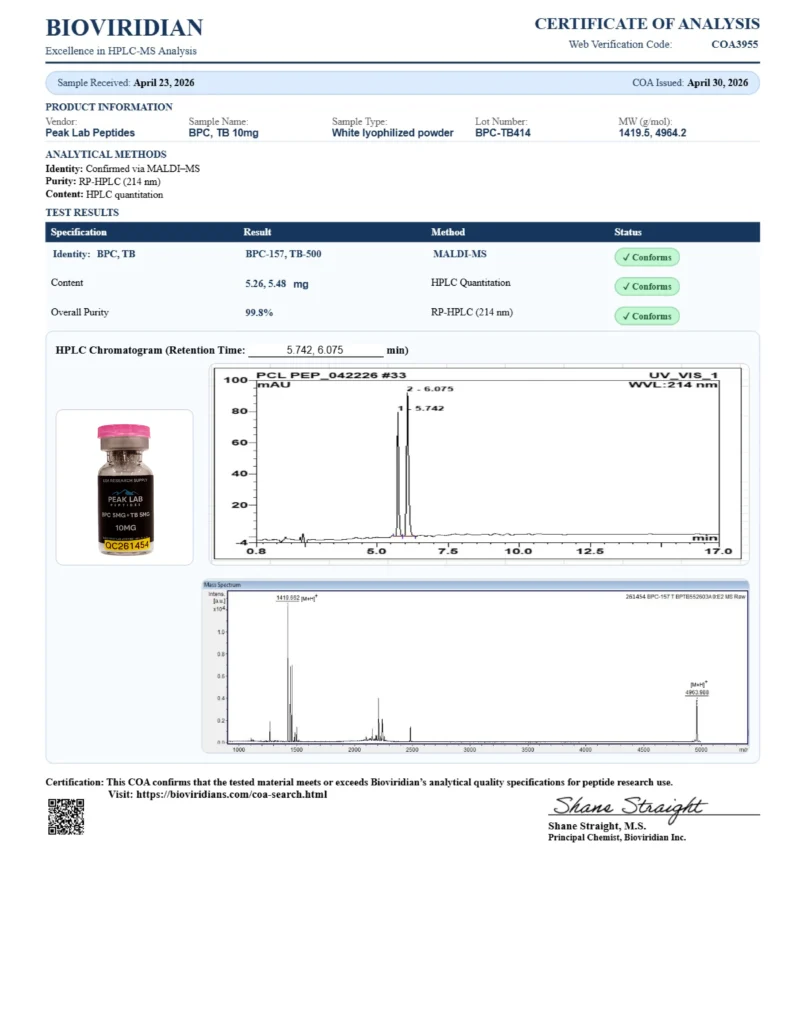
BPC-157 and TB-500
BPC-157 + TB-500 – 10mg (Lyophilized Peptide Blend) – For Research Use Only
This advanced research peptide blend combines BPC-157 and TB-500 (Thymosin Beta-4 Fragment) — two well-studied peptides known for their potential in tissue repair, inflammation control, and accelerated recovery.
-
BPC-157 is a synthetic peptide derived from a gastric protein, studied for its possible role in gut health, tendon and ligament repair, and inflammation modulation.
-
TB-500 is a synthetic fragment of Thymosin Beta-4, researched for its potential to promote cell migration, angiogenesis, and muscle recovery.
Together, this combination is highly sought after in research models involving injury recovery, soft tissue repair, and anti-inflammatory studies.
Product Details:
-
Peptides: BPC-157 + TB-500 (5mg each unless otherwise specified)
-
Purity: >98%
-
Form: Lyophilized powder
-
Quantity: 10mg per vial
-
Storage: Store at -4°F (-20°C). After reconstitution, refrigerate at 36–46°F (2–8°C) and use within 30 days.
-
Grade: For research purposes only. Not for human consumption, therapeutic, or diagnostic use.
Potential Research Applications:
-
Injury recovery and soft tissue repair studies
-
Tendon, ligament, and muscle healing models
-
Anti-inflammatory and immune modulation research
-
Angiogenesis and cellular regeneration investigations
For laboratory research only. This product is not intended to diagnose, treat, cure, or prevent any disease.
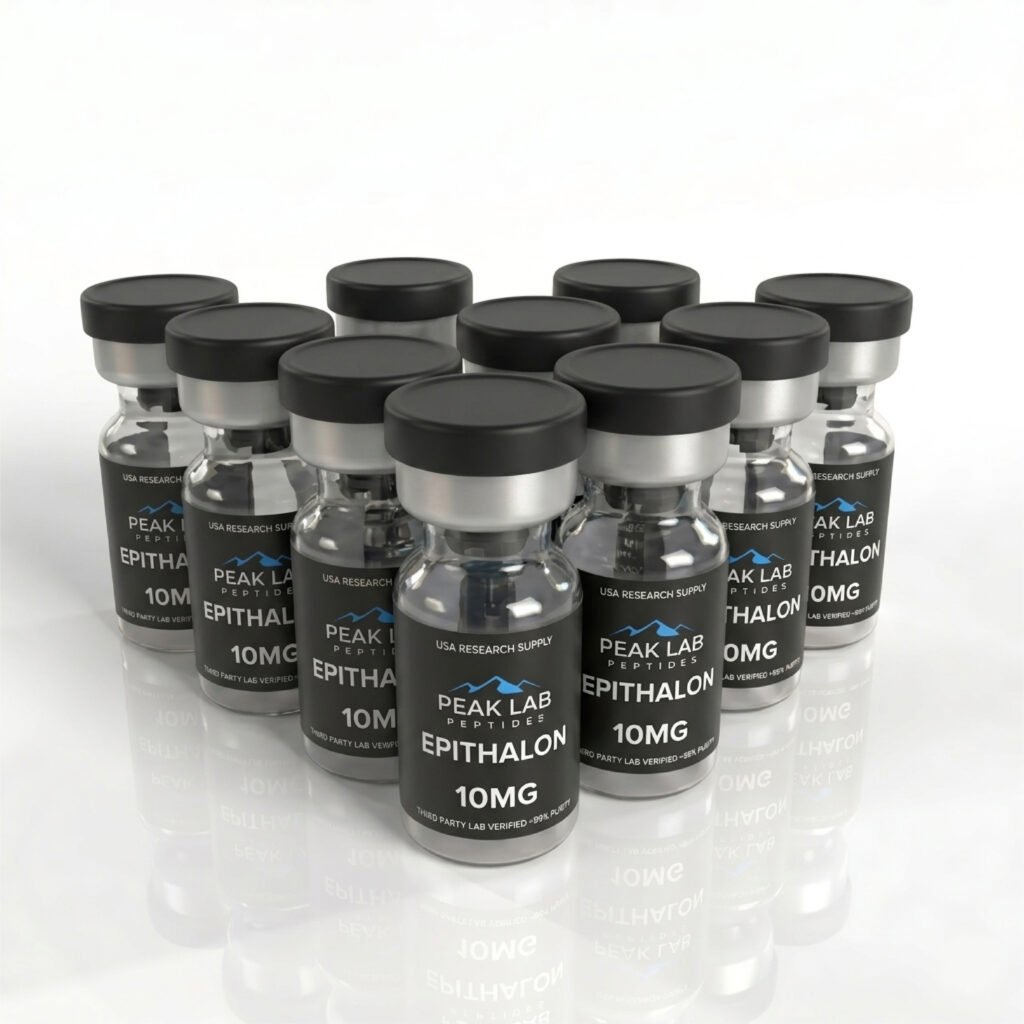
Epithalon 10-Vial Kit
Epithalon – 10mg (Lyophilized Peptide) 10 vial kit – For Research Use Only
Epithalon 10 vial kit (also known as Epitalon) is a synthetic tetrapeptide (Ala-Glu-Asp-Gly) derived from the naturally occurring pineal gland peptide Epithalon 10 vial kit. It is widely studied for its potential anti-aging, telomerase-activating, and longevity-enhancing effects. Research suggests that Epithalon 10 vial kit may promote telomere extension, support circadian rhythm regulation, and improve oxidative stress resistance. It is a popular compound in studies involving cellular aging, pineal gland function, and DNA repair mechanisms. Product Details: Peptide: Epithalon 10 vial kit(Ala-Glu-Asp-Gly) Purity: >98% Form: Lyophilized powder Quantity: 10mg per vial Storage: Store at -4°F (-20°C). After reconstitution, refrigerate at 36–46°F (2–8°C) and use within 30 days. Grade: For research purposes only. Not for human consumption, therapeutic, or diagnostic use. Potential Research Applications: Telomerase activation and cellular longevity studies Anti-aging and pineal gland function research Circadian rhythm and melatonin regulation studies DNA repair and oxidative stress resistance models For laboratory research only. This product is not intended to diagnose, treat, cure, or prevent any disease.GLOW Blend 10-Vial Kit (GHK-Cu 50mg, BPC-157 10mg, TB-500 10mg)
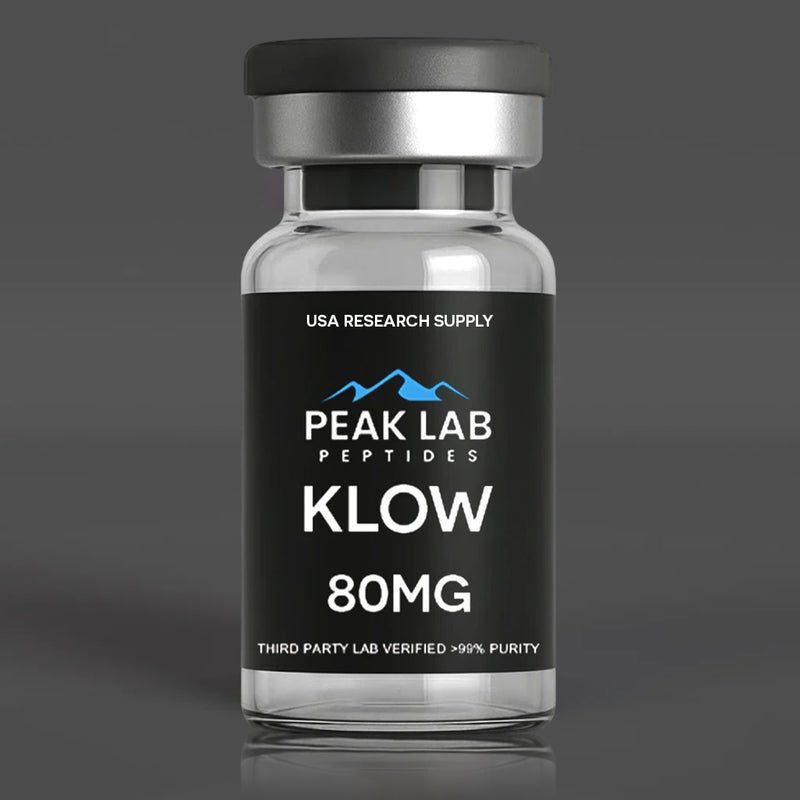
KLOW Blend 10-Vial Kit (GHK-Cu, TB-500, BPC-157, KPV)
KLOW Blend 10 Vial Kit
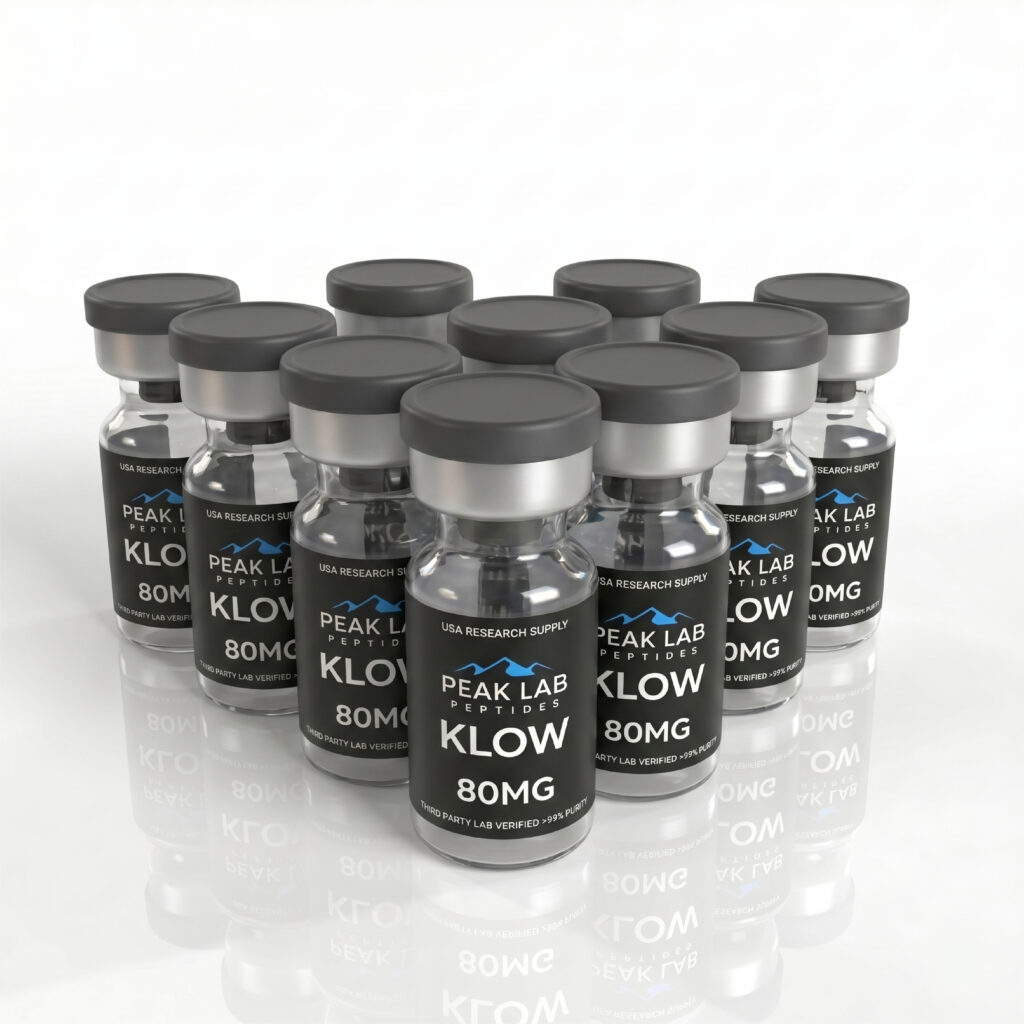
KLOW – 80mg Peptide Blend (Lyophilized Powder) 10 Vial Kit – For Research Use Only GHK-Cu • TB-500 • BPC-157 • KPV
KLOW is an advanced 4-in-1 research peptide blend combining 80mg of regenerative and anti-inflammatory compounds studied for their potential in tissue repair signaling, immune modulation, and cellular recovery mechanisms in controlled laboratory environments. Each component contributes a distinct and complementary mechanism of action, making KLOW a subject of interest in multi-pathway research models.
Active Ingredients (Per Vial):
GHK-Cu – 50mg A copper-binding tripeptide studied for its role in collagen synthesis, cellular regeneration signaling, and extracellular matrix remodeling in laboratory research models.
TB-500 – 10mg A synthetic fragment of Thymosin Beta-4 studied for its interaction with G-actin sequestration, angiogenesis pathway activity, and cell migration mechanisms in preclinical research.
BPC-157 – 10mg A synthetic pentadecapeptide derived from a gastric protein, studied for its role in tissue repair signaling, NO system modulation, and VEGF pathway activity in controlled research environments.
KPV – 10mg A naturally occurring tripeptide fragment studied for its role in inflammatory signaling pathway modulation and immune regulation mechanisms across multiple tissue types.
Product Details:
- Total Peptide Content: 80mg per vial
- Form: Lyophilized powder
- Purity: >99%
- Quantity: 10 vials per kit
- Storage: Store at -4°F (-20°C). After reconstitution, refrigerate at 36–46°F (2–8°C) and use within 30 days.
- Grade: For research purposes only. Not for human consumption, therapeutic, or diagnostic use.
Potential Research Applications:
- Multi-peptide synergy and complementary pathway mechanism studies
- Cellular regeneration signaling and extracellular matrix research
- Inflammatory pathway modulation and immune regulation models
- Angiogenesis, cell migration, and tissue repair signaling investigations
For laboratory research only. This product is not intended to diagnose, treat, cure, or prevent any disease.
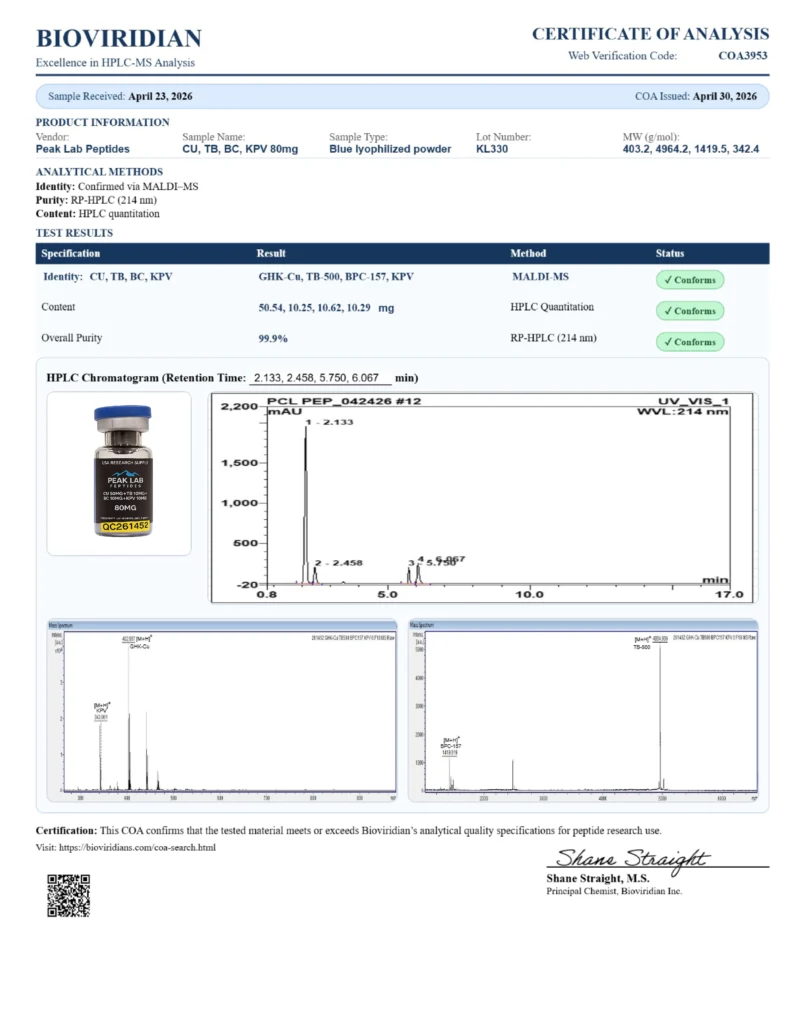
KLOW Blend 80mg – GHK-Cu, TB-500, BPC-157, KPV
KLOW Blend
KLOW – 80mg Peptide Blend (Lyophilized Powder) – For Research Use Only GHK-Cu • TB-500 • BPC-157 • KPV
KLOW is an advanced 4-in-1 research peptide blend combining 80mg of compounds studied for their potential in tissue repair signaling, immune modulation, and cellular recovery mechanisms in controlled laboratory environments. Each component contributes a distinct and complementary mechanism of action, making KLOW a subject of interest in multi-pathway research models.
Active Ingredients (Per Vial):
GHK-Cu – 50mg A copper-binding tripeptide studied for its role in collagen synthesis, cellular regeneration signaling, and extracellular matrix remodeling in laboratory research models.
TB-500 – 10mg A synthetic fragment of Thymosin Beta-4 studied for its interaction with G-actin sequestration, angiogenesis pathway activity, and cell migration mechanisms in preclinical research.
BPC-157 – 10mg A synthetic pentadecapeptide derived from a gastric protein, studied for its role in tissue repair signaling, NO system modulation, and VEGF pathway activity in controlled research environments.
KPV – 10mg A naturally occurring tripeptide fragment studied for its role in inflammatory signaling pathway modulation and immune regulation mechanisms across multiple tissue types.
Product Details:
- Total Peptide Content: 80mg per vial
- Form: Lyophilized powder
- Purity: >99%
- Quantity: 80mg vial
- Storage: Store at -4°F (-20°C). After reconstitution, refrigerate at 36–46°F (2–8°C) and use within 30 days.
- Grade: For research purposes only. Not for human consumption, therapeutic, or diagnostic use.
Potential Research Applications:
- Multi-peptide synergy and complementary pathway mechanism studies
- Cellular regeneration signaling and extracellular matrix research
- Inflammatory pathway modulation and immune regulation models
- Angiogenesis, cell migration, and tissue repair signaling investigations
For laboratory research only. This product is not intended to diagnose, treat, cure, or prevent any disease.
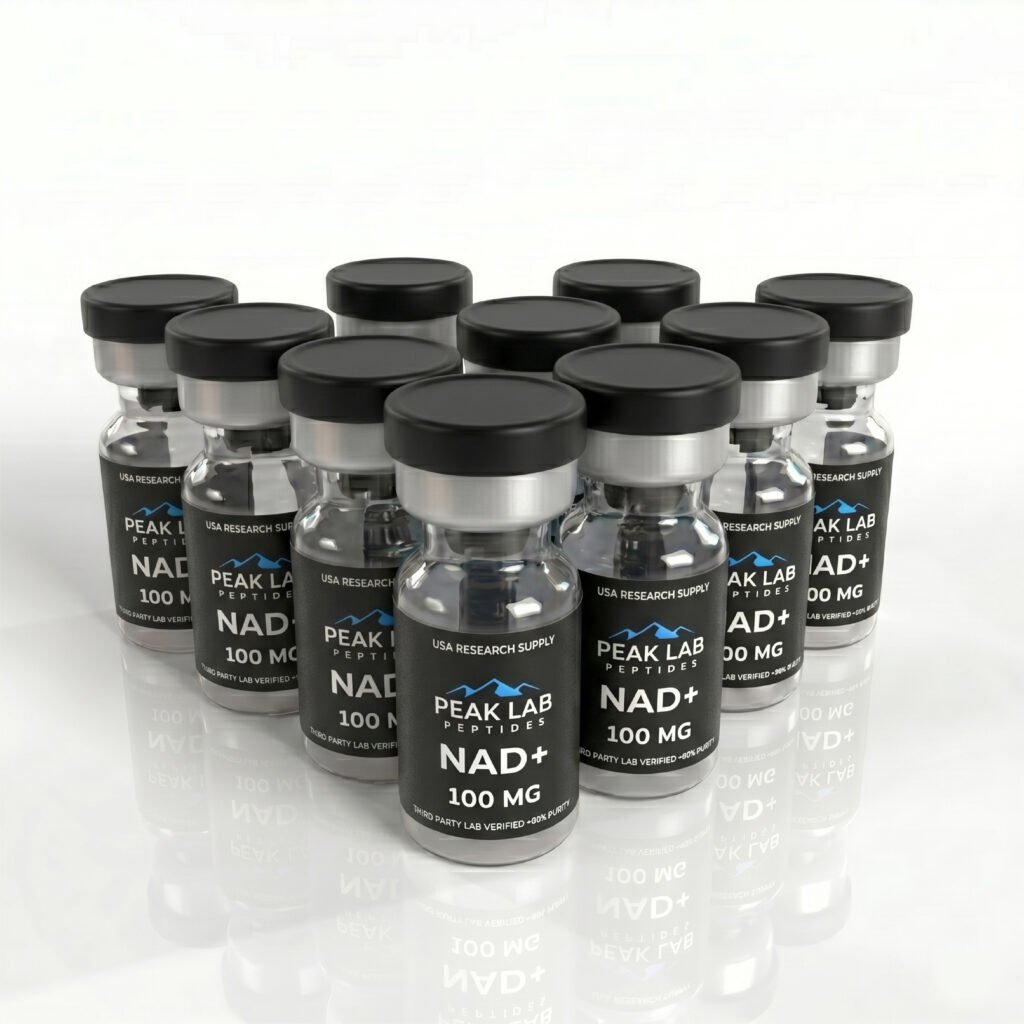
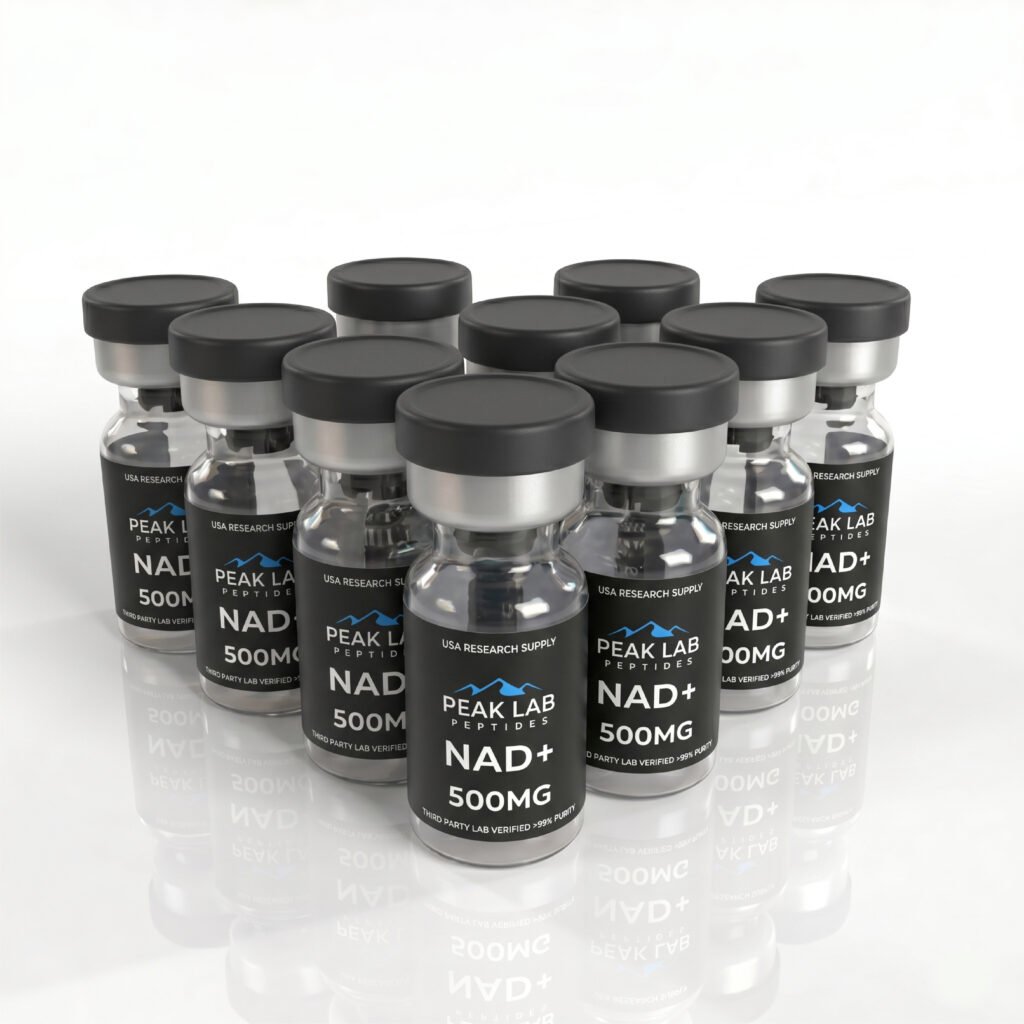
NAD+ 10-Vial Kit
NAD+ 10 Vial Kit
NAD+ (Nicotinamide Adenine Dinucleotide) – 500mg (Lyophilized Powder) 10 Vial Kit – For Research Use Only
NAD+ is a naturally occurring coenzyme found in all living cells, studied for its fundamental role in cellular energy metabolism, mitochondrial function, and biochemical signaling pathways. Research models have explored its activity in sirtuin activation, DNA repair mechanisms, and oxidative stress response in controlled laboratory environments. Its role as a key coenzyme in redox reactions makes it a subject of significant interest in cellular biology and metabolic pathway research.
Product Details:
- Compound: NAD+ (Nicotinamide Adenine Dinucleotide)
- Purity: >99%
- Form: Lyophilized powder
- Quantity: 100mg, 500mg, or 1000mg per vial / 10 vials per kit
- Storage: Store at -4°F (-20°C). After reconstitution, refrigerate at 36–46°F (2–8°C) and use within 30 days.
- Grade: For research purposes only. Not for human consumption, therapeutic, or diagnostic use.
Potential Research Applications:
- Mitochondrial function and cellular energy metabolism studies
- Sirtuin pathway activation and NAD+ dependent enzyme research
- DNA repair mechanism and oxidative stress response models
- Redox signaling and cellular biochemistry investigations
For laboratory research only. This product is not intended to diagnose, treat, cure, or prevent any disease.
Peptide Storage Case (3ml x 6) — Hard Shell Compact Organizer
A compact solution for organizing and protecting your research materials.
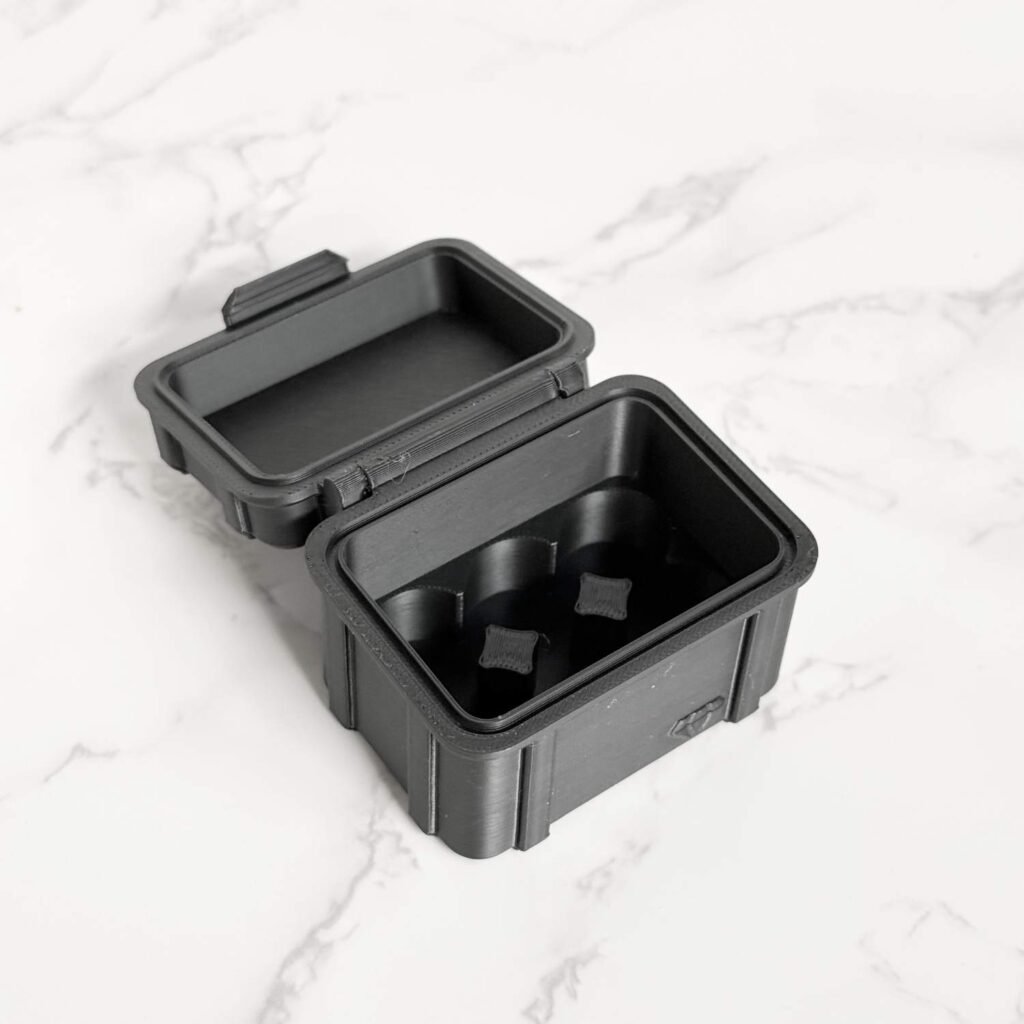
This hard shell peptide storage case is designed to securely hold up to 6 standard 3ml vials, with a precision-fit interior that keeps each vial stable and separated.
Smaller and more portable than our full-size case, this version is ideal for streamlined setups, travel, or keeping frequently used materials organized.
Key Features:
- Custom-fit layout: Holds 6 × 3ml vials
- Hard shell exterior: Durable, impact-resistant protection
- Secure closure: Keeps contents safely contained
- Precision interior insert: Reduces movement and vibration
- Compact & portable: Perfect for minimal setups or travel
Designed for clean organization and reliable protection in any research environment.
Important:
- For research use only. Not for human consumption.
- Vials not included
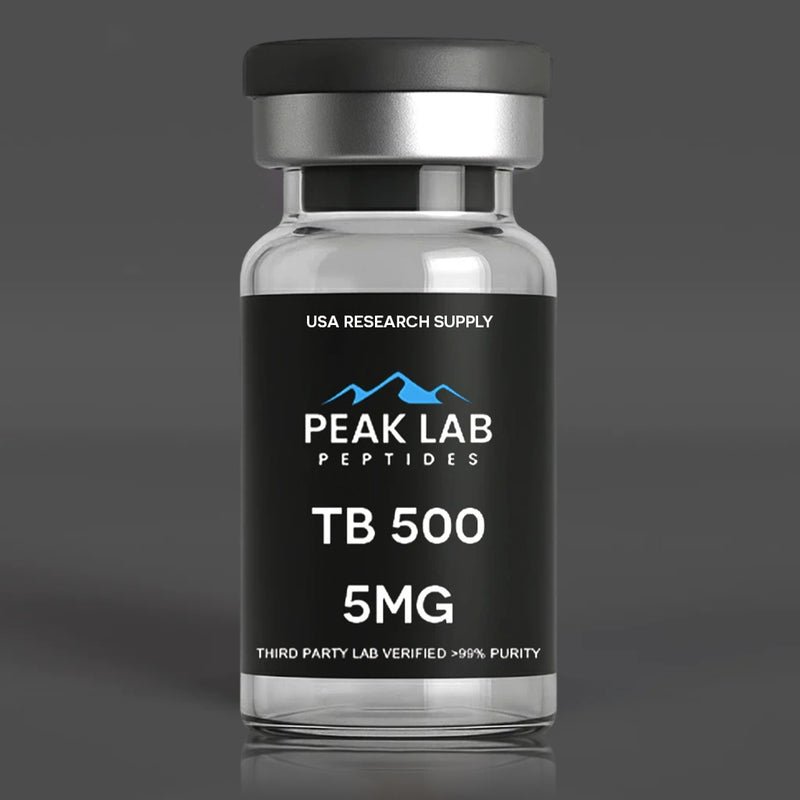
TB-500
TB-500 (TB500)
TB-500 (Thymosin Beta-4 Fragment) – 5mg or 10mg (Lyophilized Peptide) – For Research Use Only
TB-500 is a synthetic Thymosin Beta-4 fragment studied in preclinical models for its roles in actin-binding dynamics, cell migration, angiogenesis, and tissue repair signaling. Supplied as lyophilized powder at 99%+ HPLC verified purity. Batch-specific COA included. For in vitro research use only.