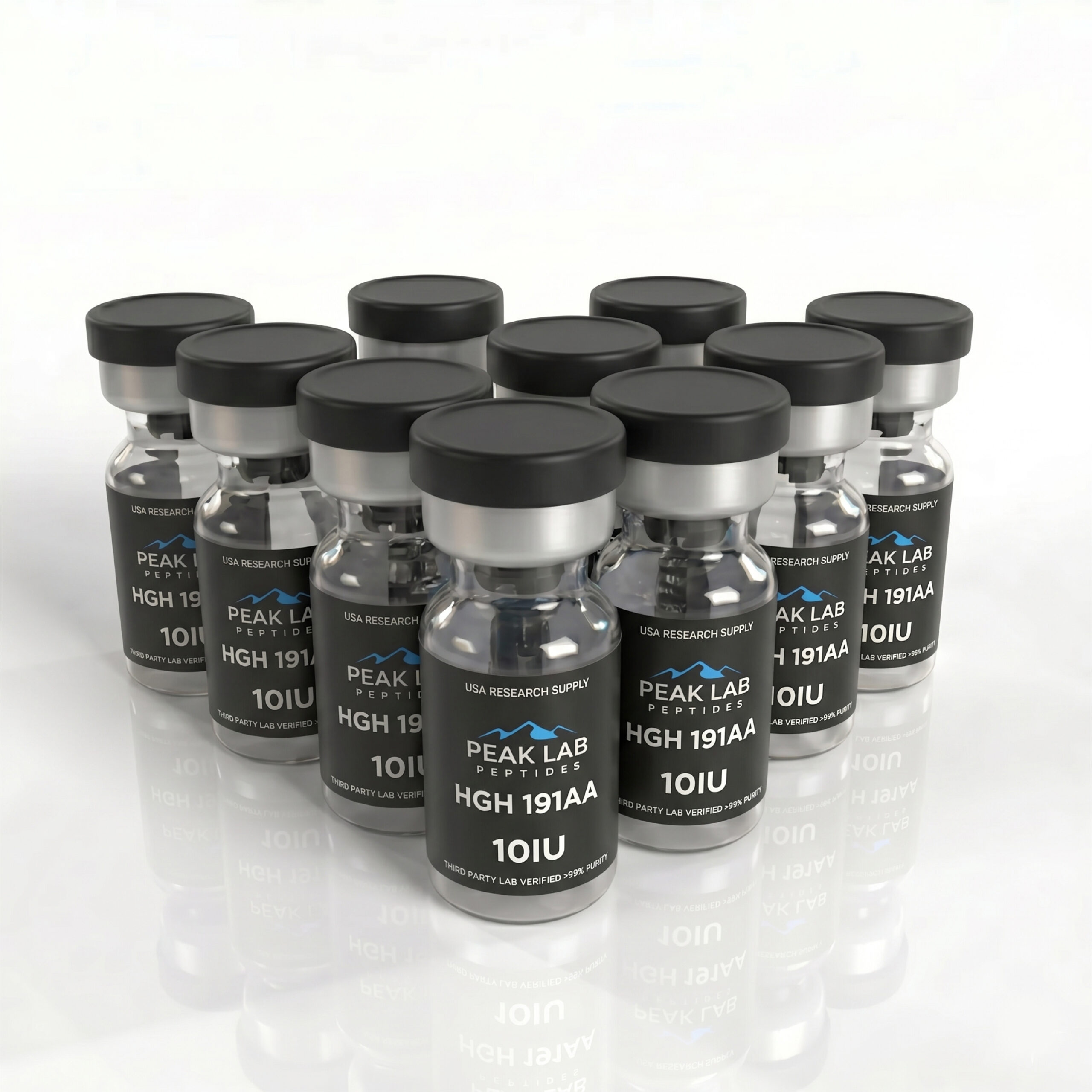
HGH 191AA 10-Vial Kit
$478.80 – $940.00Price range: $478.80 through $940.00
Become a Member and save 20% on Every Order.
Description
HGH 191AA 10 vial kit(Human Growth Hormone, somatropin)
HGH 191AA 10 vial kit – 15IU (Lyophilized Peptide) – For Research Use Only
HGH 191AA 10 vial kit (191 amino acid sequence) is a synthetic form of human growth hormone identical to naturally occurring GH produced in the pituitary gland. It is widely researched for its potential roles in cell regeneration, muscle growth, fat metabolism, and anti-aging studies.
The 191aa sequence is considered the gold standard for HGH research due to its full biological activity and low risk of immunogenic response compared to 192aa analogs.
Product Details:
-
Peptide: HGH 191AA 10 vial kit (Somatropin)
-
Quantity: 15IU per vial
-
Purity: >98%
-
Form: Lyophilized powder
-
Storage: Store at -4°F (-20°C). After reconstitution, refrigerate at 36–46°F (2–8°C) and use within 30 days.
-
Grade: For research purposes only. Not for human use, medical, or diagnostic applications.
Potential Research Applications:
-
Muscle growth and recovery studies
-
Fat loss and metabolic rate modeling
-
Anti-aging and cellular regeneration research
-
GH receptor signaling exploration
This product is intended for laboratory research use only. Not for human consumption or therapeutic use.
THIS IS NOT FOR HUMAN CONSUMPTION. SOLD FOR RESEARCH ONLY!
HGH 191AA 10 vial kit peptide Details
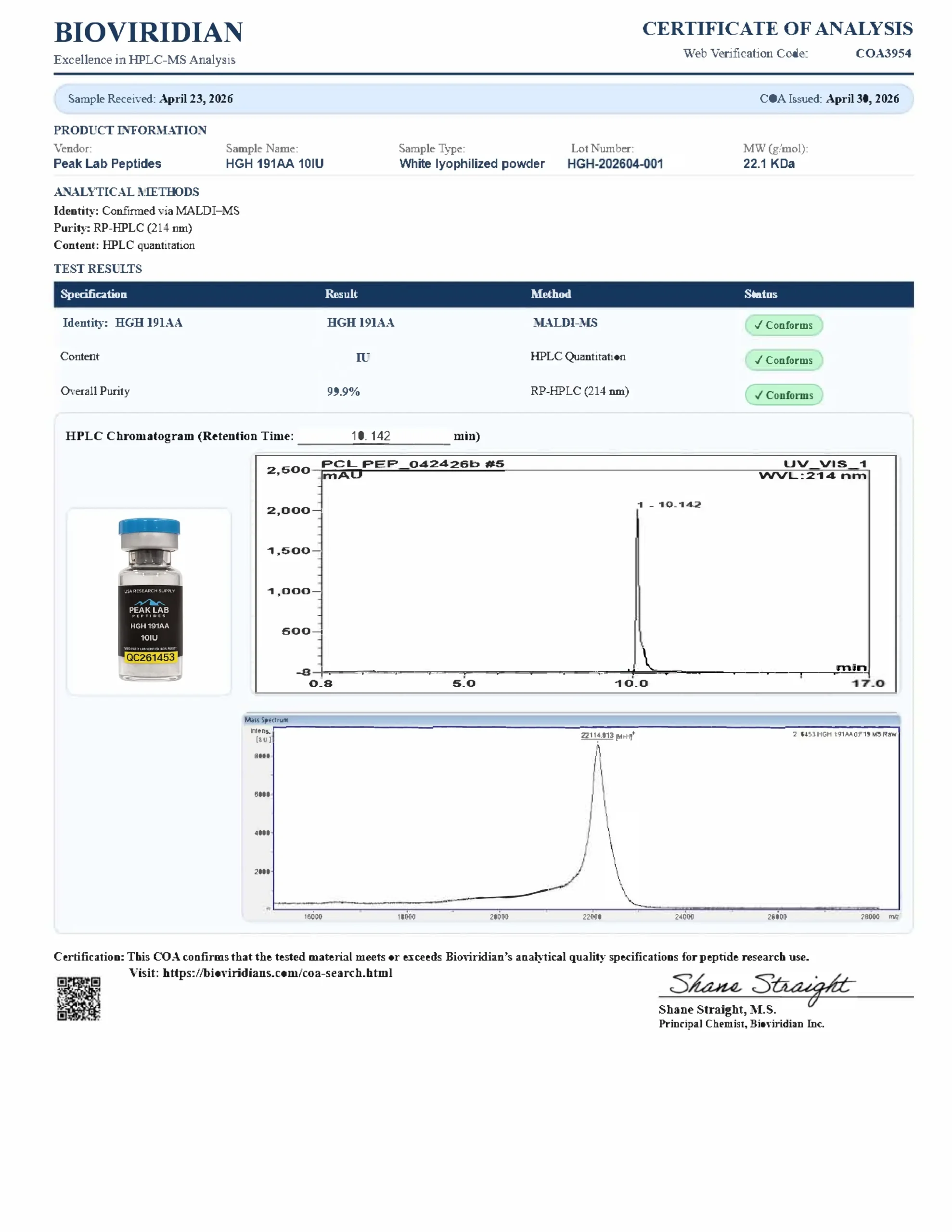
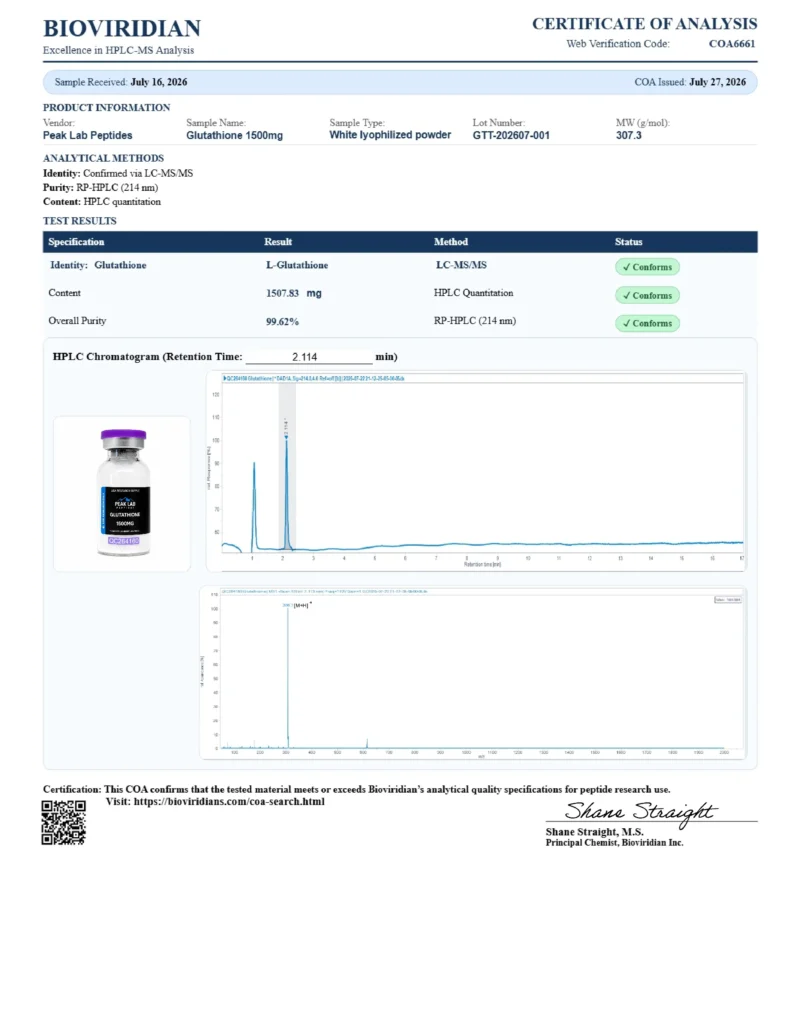
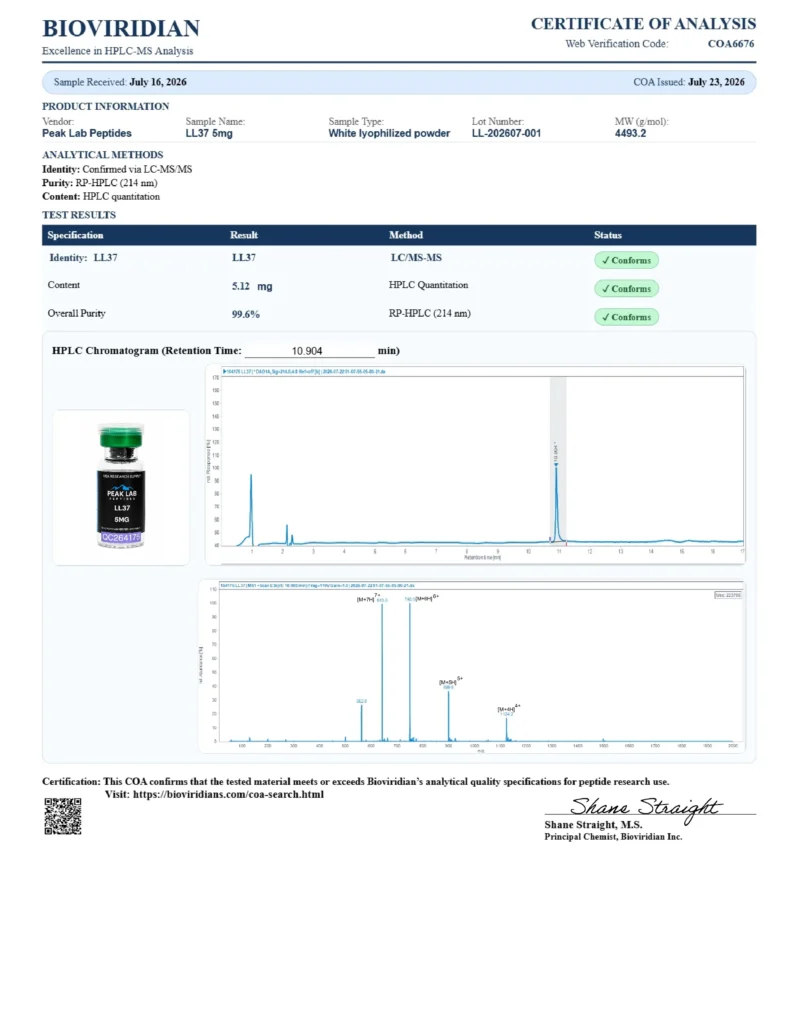
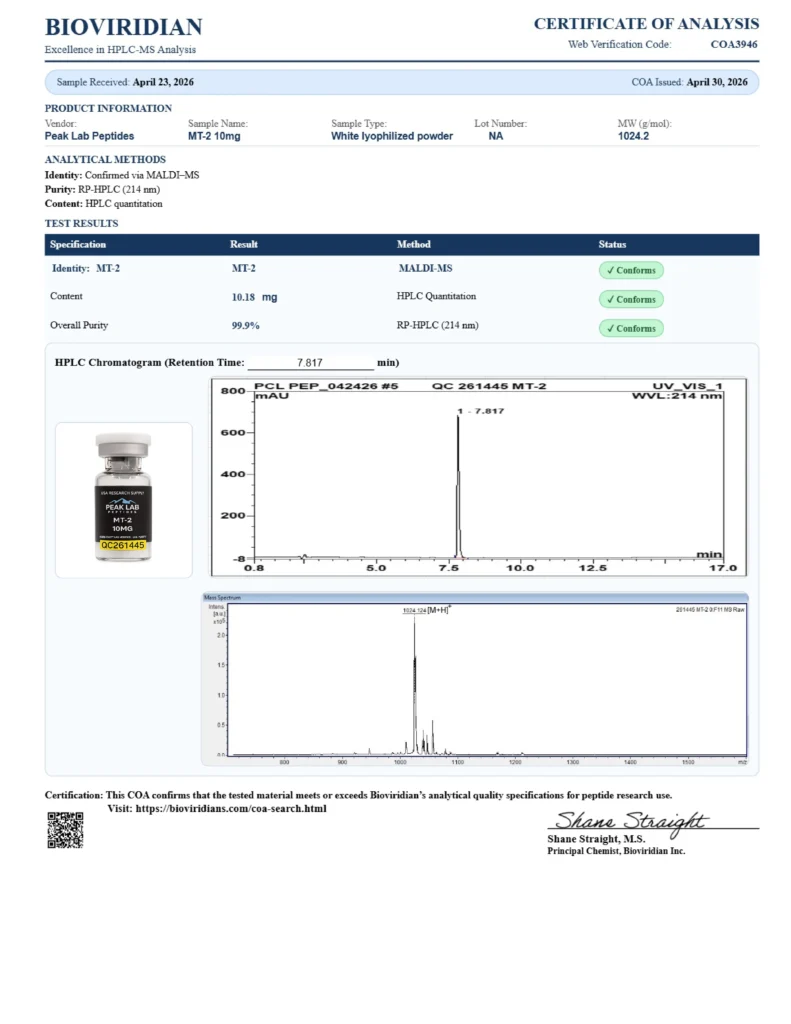
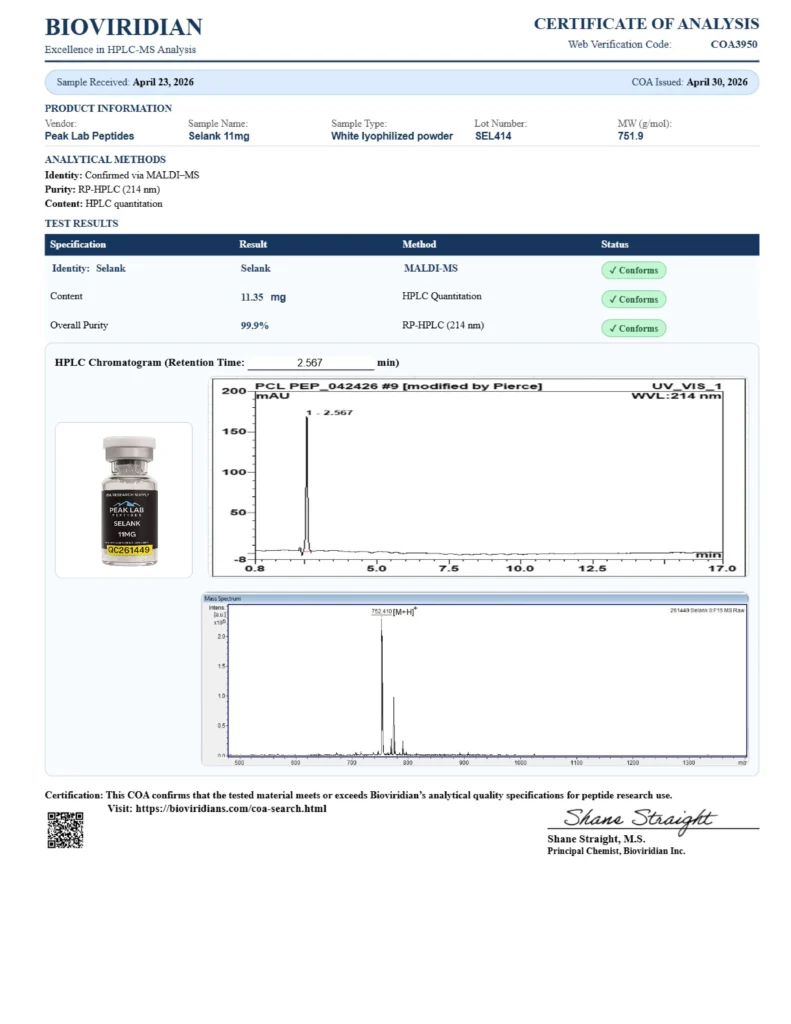
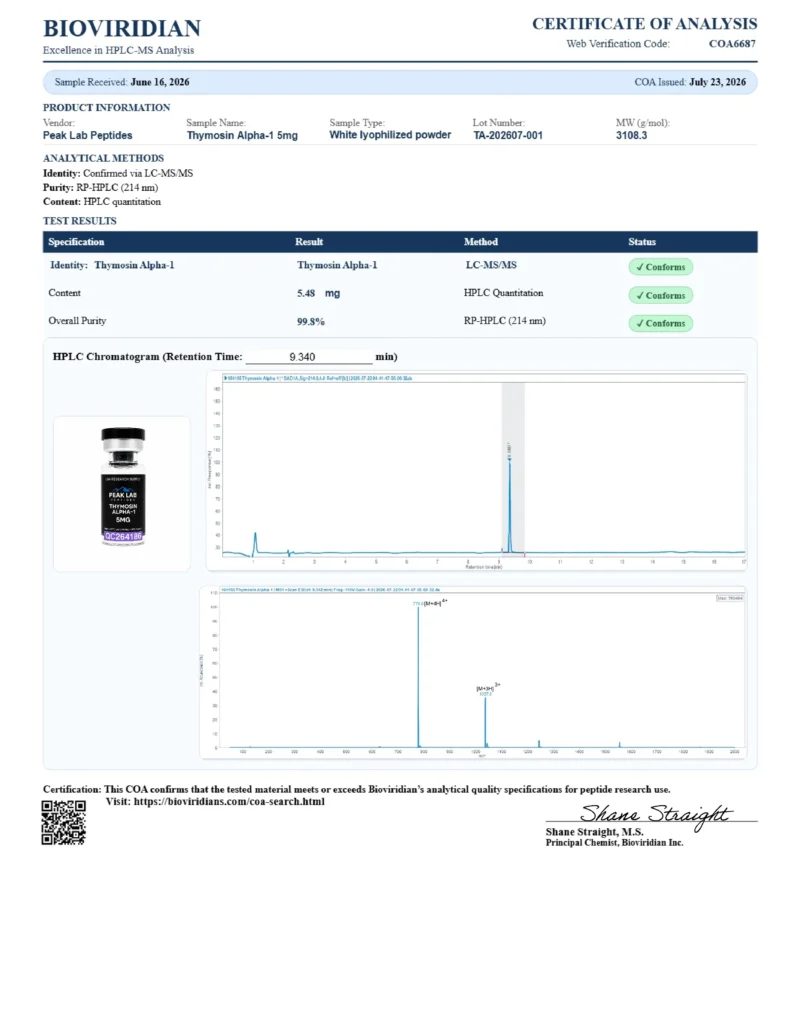
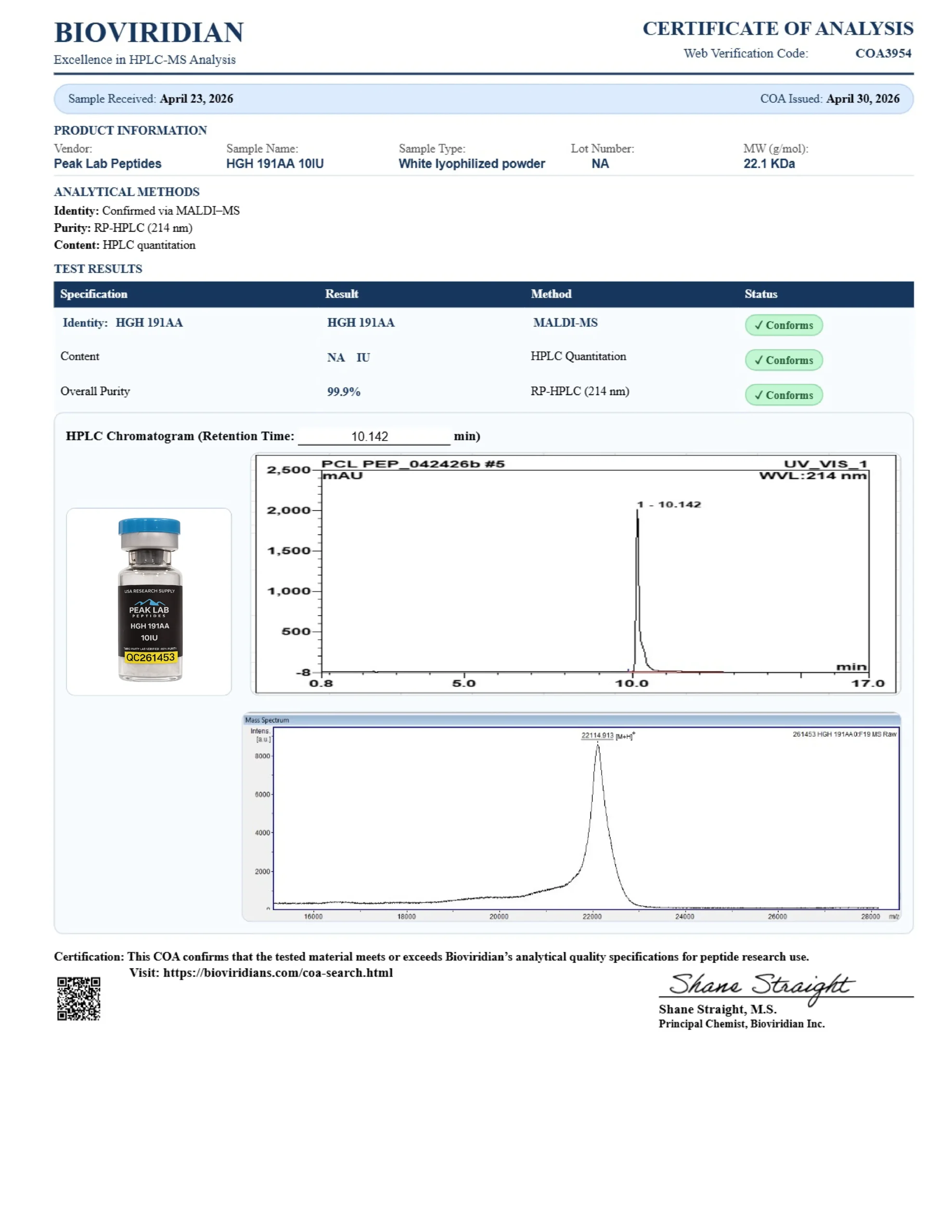
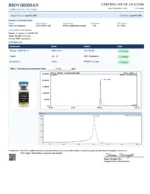
HGH 191AA 10 vial kit Certificate of Analysis
Third-party tested. Click image to view full-resolution certificate.
This compound is intended strictly for controlled laboratory research by qualified professionals. It is not labeled, marketed, or approved for human or veterinary use, and no claims are made regarding its safety or effectiveness for performance, physique enhancement, or any therapeutic purpose.
About HGH 191AA 10 vial kit peptide
HGH 191AA 10 vial kit is a polypeptide hormone produced via recombinant DNA technology to match the natural 191–amino acid human growth hormone. In experimental systems, it can:
- Bind to growth hormone receptors (GHR) in target tissues
- Influence downstream JAK–STAT and related signal-transduction pathways
- Modulate expression of IGF-1 and associated growth factors
- Serve as a reference standard for assays studying GH bioactivity and pharmacology
Because of its well-characterized structure and receptor interactions, Somatropin is commonly used in endocrine, metabolic, and tissue-growth research frameworks, especially where precise GH receptor activation is needed.
HGH 191AA 10 vial kit peptide Scientific Research
HGH 191AA 10 vial kit is frequently used to study the molecular mechanisms of GH receptor activation:
- Receptor Binding: Somatropin binds to GHR on target cells, enabling detailed analysis of receptor affinity, dimerization, and downstream activation.
- Signal Transduction: Experimental designs often track activation of JAK–STAT, PI3K/Akt, and MAPK pathways following Somatropin exposure, helping clarify how GH influences gene expression and cellular behavior.
- Comparative Studies: HGH 191AA 10 vial kit serves as a reference compound for comparing native GH activity to analogues, fragments, or modified GH-related molecules.
These studies support a deeper understanding of GH-driven transcriptional programs in liver, muscle, bone, and other tissues.
IGF-1 Regulation and Endocrine Feedback
Somatropin is also used to probe the GH–IGF-1 axis:
- IGF-1 Production: In liver and other IGF-1–producing tissues, Somatropin exposure is used to quantify dose–response relationships between GH stimulation and IGF-1 output.
- Endocrine Loops: Models that manipulate GH and IGF-1 with HGH 191AA help dissect feedback interactions involving growth hormone–releasing hormone (GHRH), somatostatin, and peripheral hormone levels.
This work contributes to endocrine models of growth, metabolism, and systemic signaling.
Metabolism and Tissue Modeling
In controlled research, HGH 191AA may be used to explore how GH signaling interacts with:
- Protein and Lipid Metabolism: Experimental systems can examine shifts in protein turnover, lipid handling, and related enzyme activity when GH pathways are activated.
- Bone and Connective Tissue: Somatropin is applied in models investigating bone formation markers, extracellular matrix regulation, and growth plate biology.
- Body-Composition Frameworks: Animal and in vitro models use GH stimulation to understand how hormone signaling contributes to changes in tissue composition at a mechanistic level, without implying outcomes in humans.
Assay Development and Standardization
Because its structure and activity are well defined, Somatropin is also used in methodological research:
- As a standard in bioassays and immunoassays that quantify GH levels
- As a reference compound in potency, stability, or degradation studies of GH-related products
This supports robust analytical methods in endocrine and pharmacologic research.
HGH 191AA 10 vial kit peptide FAQ
Q1: What is HGH 191AA 10 vial kit in a research context?
A1: HGH 191AA 10 vial kit(Somatropin) is a recombinant, 191–amino acid human growth hormone identical to endogenous pituitary GH, used in laboratory models to study GH receptor signaling, IGF-1 regulation, and related endocrine pathways.
Q2: How is Somatropin different from other growth hormone–related peptides?
A2: Somatropin replicates the full 191–amino acid sequence of natural human GH, whereas many GH secretagogues or analogues act indirectly by stimulating GH release or modifying specific domains of the hormone or receptor.
Q3: What types of experiments typically use HGH 191AA 10 vial kit?
A3: It is commonly used in receptor-binding studies, GH–IGF-1 axis investigations, metabolic and tissue-growth models, and as a standard in bioassays and immunoassays that quantify growth hormone activity.
Q4: Is HGH 191AA 10 vial kit (Somatropin) intended for performance enhancement or therapeutic use?
A4: No. Research-grade Somatropin is intended solely for scientific investigation by qualified professionals. It is not approved or marketed for performance enhancement, bodybuilding, or any therapeutic use in humans or animals.
Q5: Who should handle HGH 191AA 10 vial kit in the lab?
A5: Only trained personnel working in appropriately equipped laboratories and following institutional and regulatory safety guidelines should handle HGH 191AA 10 vial kit.
Storage & Handling
All peptides are supplied as sterile, lyophilized powder and are stable when handled correctly.- On arrival: Store vials in a cool, dry place away from heat and direct sunlight.
- Long-term (powder): For optimal longevity, keep lyophilized peptides refrigerated to help maintain integrity.
- After reconstitution: Use an appropriate research diluent (for example, BAC water). Store the reconstituted solution in the refrigerator and use within 20–30 days for best stability.
Note: Minimize exposure to moisture and repeated freeze–thaw cycles. Follow your institution's safety procedures when handling research materials.
Storage & Handling
All peptides are supplied as sterile, lyophilized powder and are stable when handled correctly.
- On arrival: Store vials in a cool, dry place away from heat and direct sunlight.
- Long-term (powder): For optimal longevity, keep lyophilized peptides refrigerated to help maintain integrity.
- After reconstitution: Use an appropriate research diluent (for example, BAC water). Store the reconstituted solution in the refrigerator and use within 20–30 days for best stability.
Note: Minimize exposure to moisture and repeated freeze–thaw cycles. Follow your institution's safety procedures when handling research materials.
Peak Lab Peptides maintains quality-control processes and routinely performs third-party testing to support purity and identity verification. COAs are available upon request for applicable batches. Documentation may vary depending on production timelines.
We aim to make batch-level documentation available whenever possible. Our goal is to expand COA access across the full catalog as production capacity grows.
All products are for laboratory research use only and are not intended for human consumption.
Related Products
Acetic Acid 0.6%
Acetic Acid 0.6% – 10ml (Sterile Solution) – For Laboratory Use Only
Acetic Acid 0.6% is a sterile, aqueous solution commonly used in research and lab settings for pH adjustment, buffer preparation, and preservative applications. Its mild acidic properties make it suitable for studies involving topical antimicrobial effects, cellular environment modification, and reagent preparation. This solution is intended for controlled research environments requiring low-concentration acetic acid in a sterile, injectable-grade format.Product Details:
Compound: Acetic Acid 0.6% in sterile water Volume: 10ml multi-dose vial Form: Sterile solution Concentration: 0.6% w/v Storage: Store at 68–77°F (20–25°C); protect from light and contamination Grade: For laboratory research only. Not for human or animal use in therapeutic or diagnostic procedures.Potential Research Applications:
pH regulation and buffer system studies Topical antimicrobial and cytotoxicity research Reagent dilution and formulation preparation Laboratory protocol requiring acidic conditions For laboratory use only. This product is not intended to diagnose, treat, cure, or prevent any disease.AOD9604
AOD9604
AOD-9604 – 5mg (Lyophilized Peptide) – For Research Use Only
AOD-9604 is a modified fragment of human growth hormone (HGH), specifically amino acids 176–191, developed for its potential role in fat metabolism and lipolysis research. Unlike full-sequence HGH, AOD-9604 is studied for its ability to promote fat breakdown without influencing blood sugar or IGF-1 levels, making it a focus of metabolic and weight management studies.
Research has explored its effects on adipose tissue, body composition, and metabolic rate regulation.
Product Details:
-
Peptide: AOD-9604 (HGH Fragment 176–191)
-
Purity: >98%
-
Form: Lyophilized powder
-
Quantity: 5mg per vial
-
Storage: Store at -4°F (-20°C). After reconstitution, refrigerate at 36–46°F (2–8°C) and use within 30 days.
-
Grade: For research purposes only. Not for human consumption, therapeutic, or diagnostic use.
Potential Research Applications:
-
Fat metabolism and lipolysis studies
-
Obesity and weight management research models
-
Adipose tissue regulation investigations
-
Metabolic health and energy balance research
BPC-157 + TB-500 – “Wolverine Stack” 10-Vial Kit
BPC-157 and TB-500 10 vial kit
BPC-157 + TB-500 – 10mg (Lyophilized Peptide Blend) 10 vial kit– For Research Use Only
This advanced research peptide blend combines BPC-157 10 vial kit and TB-500 10 vial kit (Thymosin Beta-4 Fragment) — two well-studied peptides known for their potential in tissue repair, inflammation control, and accelerated recovery.
-
BPC-157 10 vial kit is a synthetic peptide derived from a gastric protein, studied for its possible role in gut health, tendon and ligament repair, and inflammation modulation.
-
TB-500 10 vial kit is a synthetic fragment of Thymosin Beta-4, researched for its potential to promote cell migration, angiogenesis, and muscle recovery.
Together, this combination is highly sought after in research models involving injury recovery, soft tissue repair, and anti-inflammatory studies.
Product Details:
-
Peptides: BPC-157 10 vial kit + TB-500 10 vial kit (5mg each unless otherwise specified)
-
Purity: >98%
-
Form: Lyophilized powder
-
Quantity: 10mg per vial
-
Storage: Store at -4°F (-20°C). After reconstitution, refrigerate at 36–46°F (2–8°C) and use within 30 days.
-
Grade: For research purposes only. Not for human consumption, therapeutic, or diagnostic use.
Potential Research Applications:
-
Injury recovery and soft tissue repair studies
-
Tendon, ligament, and muscle healing models
-
Anti-inflammatory and immune modulation research
-
Angiogenesis and cellular regeneration investigations
For laboratory research only. This product is not intended to diagnose, treat, cure, or prevent any disease.
BPC-157, TB-500 – “Wolverine Stack”
BPC-157 and TB-500
BPC-157 + TB-500 – 10mg (Lyophilized Peptide Blend) – For Research Use Only
This advanced research peptide blend combines BPC-157 and TB-500 (Thymosin Beta-4 Fragment) — two well-studied peptides known for their potential in tissue repair, inflammation control, and accelerated recovery.
-
BPC-157 is a synthetic peptide derived from a gastric protein, studied for its possible role in gut health, tendon and ligament repair, and inflammation modulation.
-
TB-500 is a synthetic fragment of Thymosin Beta-4, researched for its potential to promote cell migration, angiogenesis, and muscle recovery.
Together, this combination is highly sought after in research models involving injury recovery, soft tissue repair, and anti-inflammatory studies.
Product Details:
-
Peptides: BPC-157 + TB-500 (5mg each unless otherwise specified)
-
Purity: >98%
-
Form: Lyophilized powder
-
Quantity: 10mg per vial
-
Storage: Store at -4°F (-20°C). After reconstitution, refrigerate at 36–46°F (2–8°C) and use within 30 days.
-
Grade: For research purposes only. Not for human consumption, therapeutic, or diagnostic use.
Potential Research Applications:
-
Injury recovery and soft tissue repair studies
-
Tendon, ligament, and muscle healing models
-
Anti-inflammatory and immune modulation research
-
Angiogenesis and cellular regeneration investigations
For laboratory research only. This product is not intended to diagnose, treat, cure, or prevent any disease.
IGF-1 LR3 10-Vial Kit
IGF-1 LR3 10 Vial Kit
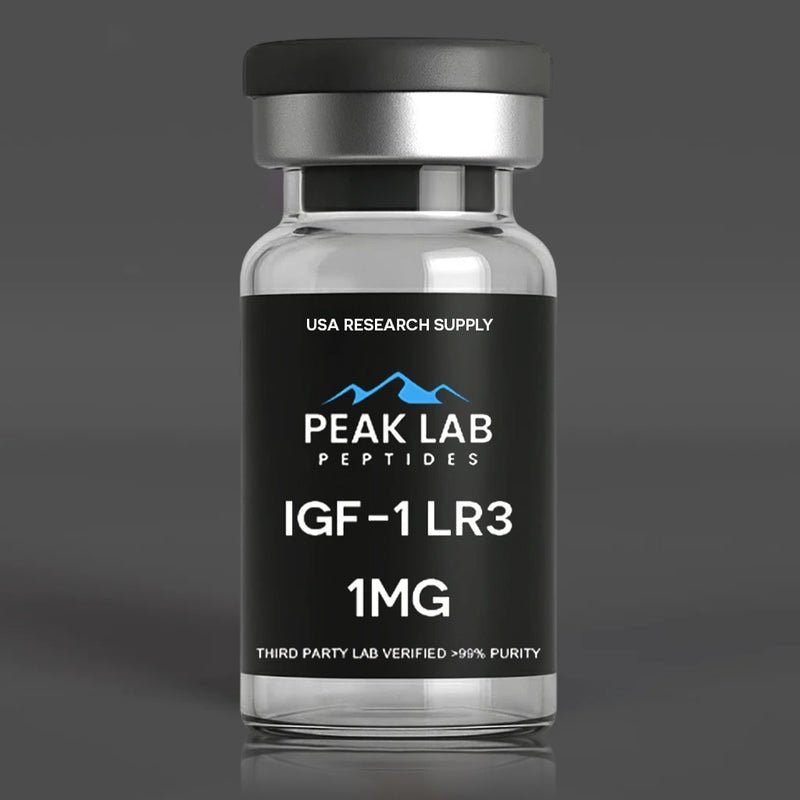
IGF-1 LR3 (Long Arg3 Insulin-Like Growth Factor-1) – 1mg (Lyophilized Peptide) 10 Vial Kit – For Research Use Only
IGF-1 LR3 is a synthetic analog of human Insulin-Like Growth Factor-1 (IGF-1), modified to extend its half-life in vitro through substitution of arginine at position 3 and removal of the first three amino acids of the native IGF-1 sequence. These modifications increase resistance to IGF-1 binding proteins, enhancing stability and prolonged activity in controlled research environments. Research has explored its role in cellular growth signaling, differentiation pathways, and IGF-1 receptor interaction mechanisms in laboratory models.
Product Details:
- Peptide: IGF-1 LR3 (Long Arg3 Insulin-Like Growth Factor-1)
- Sequence: 83 amino acids
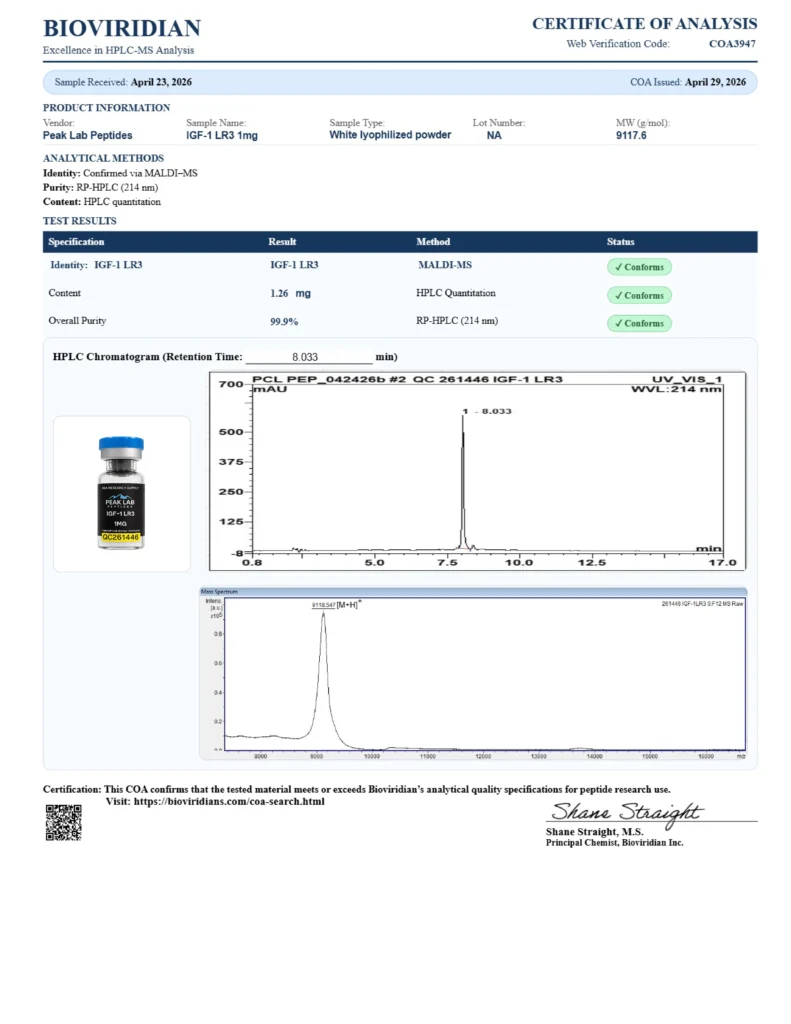
- Purity: ≥99% (HPLC verified)
- Form: Lyophilized powder
- Quantity: 1mg per vial / 10 vials per kit
- Storage: Store lyophilized peptide at -4°F (-20°C). Once reconstituted, refrigerate at 36–46°F (2–8°C) and use within 30 days.
- Grade: For laboratory research use only. Not for human use, consumption, or therapeutic applications.
Potential Research Applications:
- IGF-1 receptor binding affinity and cellular signaling studies
- Cellular growth and differentiation pathway research
- Binding protein resistance and in vitro stability mechanism models
- Growth factor analog activity and structure-function investigations
For laboratory research only. This product is not intended to diagnose, treat, cure, or prevent any disease.
Ipamorelin 10-Vial Kit
Ipamorelin 10 Vial Kit
Ipamorelin – 5mg or 10mg (Lyophilized Peptide) 10 Vial Kit – For Research Use Only
Ipamorelin is a selective Growth Hormone Secretagogue (GHS) studied for its ability to stimulate endogenous growth hormone release through ghrelin receptor activation, without significantly affecting cortisol or prolactin levels in research models. Research has explored its activity in GH axis signaling, pituitary function, and endocrine pathway regulation in controlled laboratory environments. Ipamorelin is often examined alongside other GH-releasing peptides such as CJC-1295 No DAC in studies investigating synergistic effects on growth hormone pathway dynamics.
Product Details:
- Peptide: Ipamorelin
- Purity: >99%
- Form: Lyophilized powder
- Quantity: 5mg or 10mg per vial / 10 vials per kit
- Storage: Store at -4°F (-20°C). After reconstitution, refrigerate at 36–46°F (2–8°C) and use within 30 days.
- Grade: For research purposes only. Not for human consumption, therapeutic, or diagnostic use.
Potential Research Applications:
- Growth hormone secretion and GHS-R receptor activation studies
- GH axis signaling and pituitary function research
- Endocrine pathway regulation and GH secretagogue mechanism models
- Multi-peptide GH axis synergy investigations
For laboratory research only. This product is not intended to diagnose, treat, cure, or prevent any disease.
KPV 10-Vial Kit
KPV 10 Vial Kit
KPV – 10mg (Lyophilized Peptide) 10 Vial Kit – For Research Use Only
KPV (Lys-Pro-Val) is a naturally occurring tripeptide derived from the C-terminal end of alpha-melanocyte-stimulating hormone (α-MSH), studied for its potential to modulate inflammatory signaling pathways and immune regulation in controlled laboratory environments. Research has explored its activity in epithelial barrier function, cytokine modulation, and localized inflammatory response mechanisms across multiple tissue types.
Product Details:
- Peptide: KPV (Lys-Pro-Val)
- Purity: >99%
- Form: Lyophilized powder
- Quantity: 10mg per vial / 10 vials per kit
- Storage: Store at -4°F (-20°C). After reconstitution, refrigerate at 36–46°F (2–8°C) and use within 30 days.
- Grade: For research purposes only. Not for human consumption, therapeutic, or diagnostic use.
Potential Research Applications:
- Inflammatory signaling pathway modulation studies
- Epithelial barrier function and mucosal tissue research
- Cytokine regulation and immune response mechanism models
- α-MSH derived peptide activity and receptor interaction investigations
For laboratory research only. This product is not intended to diagnose, treat, cure, or prevent any disease.
MOTS-c 10-Vial Kit
MOTS-c 10 vial kit
MOTS-c – 10mg or 40mg (Lyophilized Peptide) 10 vial kit – For Research Use Only
MOTS-c 10 vial kit is a mitochondrial-derived peptide (MDP) encoded by the mitochondrial genome, widely studied for its potential role in metabolic regulation, energy homeostasis, and cellular protection. Research has focused on its ability to influence glucose metabolism, insulin sensitivity, and mitochondrial function, making it a key subject in studies on metabolic health and aging.
MOTS-c 10 vial kit is of special interest in research exploring exercise mimetic effects, fat metabolism, and metabolic syndrome models.
Product Details:
-
Peptide: MOTS-c 10 vial kit (Mitochondrial Open Reading Frame of the 12S rRNA-c)
-
Purity: >99%
-
Form: Lyophilized powder
-
Quantity: 10mg or 40mg per vial
-
Storage: Store at -4°F (-20°C). After reconstitution, refrigerate at 36–46°F (2–8°C) and use within 30 days.
-
Grade: For research purposes only. Not for human consumption or therapeutic applications.
Potential Research Applications:
-
Glucose metabolism and insulin sensitivity studies
-
Mitochondrial function and energy regulation research
-
Aging, longevity, and metabolic health models
-
Exercise mimetic and fat metabolism investigations
For laboratory research use only. This product is not intended to diagnose, treat, cure, or prevent any disease.
Peptide Storage Case (3ml x 6) — Hard Shell Compact Organizer
A compact solution for organizing and protecting your research materials.
This hard shell peptide storage case is designed to securely hold up to 6 standard 3ml vials, with a precision-fit interior that keeps each vial stable and separated.
Smaller and more portable than our full-size case, this version is ideal for streamlined setups, travel, or keeping frequently used materials organized.
Key Features:
- Custom-fit layout: Holds 6 × 3ml vials
- Hard shell exterior: Durable, impact-resistant protection
- Secure closure: Keeps contents safely contained
- Precision interior insert: Reduces movement and vibration
- Compact & portable: Perfect for minimal setups or travel
Designed for clean organization and reliable protection in any research environment.
Important:
- For research use only. Not for human consumption.
- Vials not included