
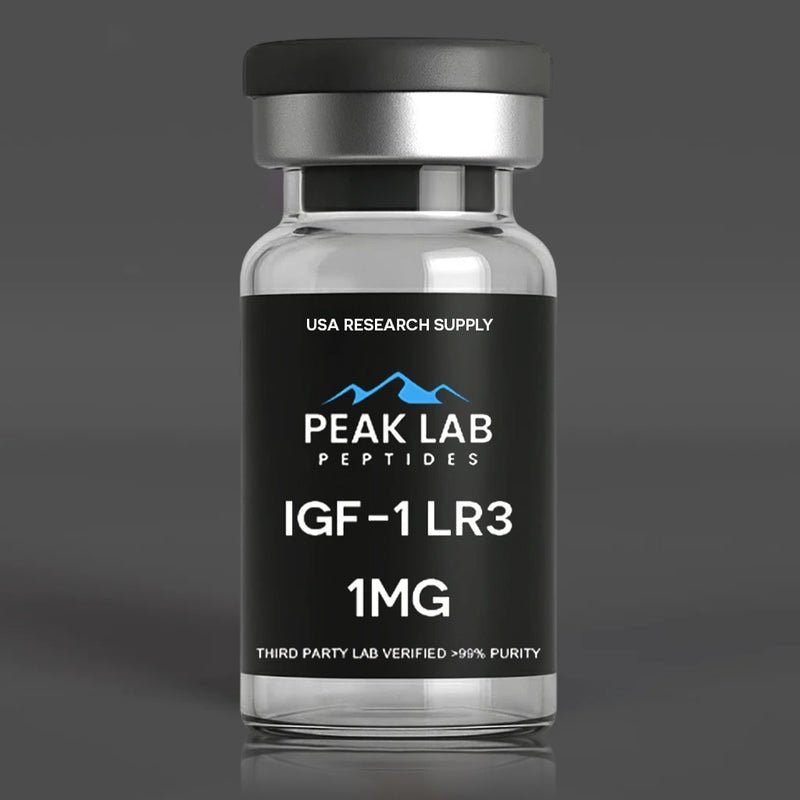
IGF-1 LR3

$67.00 Original price was: $67.00.$53.60Current price is: $53.60.
Become a Member and save 20% on Every Order.
Description
IGF-1 LR3 1mg – Research Peptide
For Research Use Only – Not for Human Consumption
IGF-1 LR3 (Long Arg3 Insulin-Like Growth Factor-1) is a synthetic peptide analog of human IGF-1. It has been modified to extend its half-life in vitro, allowing for enhanced stability and prolonged activity during laboratory testing. The substitution of arginine at position 3 and removal of the first three amino acids in the native IGF-1 sequence make LR3 more resistant to binding proteins, thereby increasing its bioavailability in research environments.
Researchers value IGF-1 LR3 for its role in studying cellular growth, differentiation, survival pathways, and metabolic functions. It has been widely used in experimental models to explore muscle cell proliferation, neuroprotection, and regenerative mechanisms.
Sequence: 83 amino acids
Form: Lyophilized powder
Purity: ≥ 98% (HPLC Verified)
Unit Size: 1mg vial
Storage: Store lyophilized peptide at -4°F. Once reconstituted, keep refrigerated at 36–46°F.
⚠ Disclaimer: All products are sold strictly for laboratory research use only. Not for human use, consumption, or therapeutic applications.
IGF-1 LR3 (Insulin-like Growth Factor-1 Long R3) is a synthetic, extended-acting analogue of native IGF-1 designed for research use in models of cell growth, tissue adaptation, and metabolic signaling. Structurally modified to reduce binding to IGF-binding proteins, IGF-1 LR3 may remain bioactive significantly longer than unmodified IGF-1 under experimental conditions, allowing for sustained receptor engagement and downstream pathway analysis.
In preclinical and in vitro systems, IGF-1 LR3 is commonly used to explore mechanisms of cell proliferation and differentiation, myostatin-related signaling in muscle biology, and metabolic processes involving glucose handling and lipid mobilization. IGF-1 LR3 supplied for research is not intended for human or veterinary use and should only be handled by qualified professionals in controlled laboratory environments.
IGF-1 LR3 is a recombinant peptide derivative of insulin-like growth factor-1 with a modified sequence that includes an arginine substitution at position 3 and an extended N-terminus. These changes are associated with reduced affinity for IGF-binding proteins and a prolonged active duration in experimental models.
Key areas of interest include:
- Cell proliferation and differentiation in multiple tissue types
- Muscle biology, including satellite cell behavior and myostatin-related pathways
- Metabolic signaling, particularly IGF-1R and insulin receptor cross-talk
- Tissue maintenance and repair models in long-term aging and glucocorticoid-exposure paradigms
By offering a prolonged IGF-1–like signal, IGF-1 LR3 enables researchers to investigate sustained pathway activation and long-term cellular responses in a more controlled way than with short-lived native IGF-1.
5 reviews for IGF-1 LR3
Cell Division, Proliferation, and Differentiation
IGF-1 LR3 is frequently used to study fundamental aspects of cell growth and maturation:
- Proliferation: Similar to native IGF-1, IGF-1 LR3 has been shown in research models to promote cell division in connective tissues such as skeletal muscle and bone, as well as in liver, kidney, nerve, skin, lung, and hematopoietic systems.
- Differentiation: IGF-1 is often described as a “maturation” factor because it can influence both proliferation and the differentiation of progenitor cells into specialized cell types. IGF-1 LR3, by extending IGF-1–like signaling, is used to assess how sustained pathway activation affects the timing and quality of differentiation events.
- Extended Activity: Due to reduced binding to IGF-binding proteins, IGF-1 LR3 may produce more prolonged receptor engagement than equivalent amounts of native IGF-1 in experimental systems, allowing for detailed study of dose–time relationships and cumulative effects on cell populations.
Notably, research commonly distinguishes between hyperplasia (increased cell number) and hypertrophy (increased cell size). IGF-1–type molecules, including IGF-1 LR3, are typically characterized in research as supporting hyperplastic responses rather than direct cell enlargement.
Metabolic Pathways and Glucose/Fat Handling
IGF-1 LR3 is also applied in metabolic research examining glucose and lipid regulation:
- Receptor Interactions: The peptide has been reported to engage both the IGF-1 receptor (IGF-1R) and, to a lesser extent, the insulin receptor in experimental systems, providing a means to investigate converging signaling cascades in muscle, liver, and nerve tissues.
- Glucose Uptake Models: By enhancing glucose uptake into responsive cells in vitro and in animal models, IGF-1 LR3 is used to study how changes in glucose disposal affect downstream lipid mobilization and glycogen turnover.
- Fat Metabolism: As glucose availability and utilization shift, experimental models have shown alterations in adipose-tissue and hepatic responses, including increased breakdown of stored substrates. These models help clarify how IGF-related signaling participates in energy balance and body-composition frameworks, without implying any clinical or weight-management use.
Studies in diabetic and insulin-resistance paradigms often use IGF-1 and its analogues to better understand how insulin demand and glucose homeostasis can be influenced at the receptor and signaling level.
Myostatin Signaling and Muscle Biology
Myostatin (GDF-8) is a negative regulator of muscle growth and differentiation. IGF-1 LR3 is used in muscle-focused research to probe possible interactions with this pathway:
- Myostatin Counter-Regulation: In preclinical models, IGF-1–type signaling has been reported to counteract some myostatin-associated effects on muscle cells, supporting investigations into how anabolic and anti-catabolic signals intersect.
- MyoD Activation: Animal data suggest that IGF-1 LR3 can influence key myogenic regulators such as MyoD, a transcription factor associated with muscle repair and adaptation following physical stress or injury.
- Muscle Integrity Models: In models of muscle-wasting conditions (e.g., dystrophic or disuse models), IGF-1 LR3 is used as a probe to evaluate how enhanced IGF signaling might affect muscle-cell survival, differentiation, and turnover dynamics.
These applications are strictly exploratory and are designed to improve understanding of muscle biology and regulatory networks rather than to define any therapeutic protocol.
Tissue Maintenance, Aging, and Longevity-Oriented Research
Because IGF-1 signaling is central to cell maintenance and repair, IGF-1 LR3 is also of interest in aging-related studies:
- Lifespan Correlations: Research in animal models (including mice, cows, and pigs) has explored correlations between IGF-1 levels, tissue integrity, and functional decline, using IGF-1 LR3 or similar constructs as tools to manipulate signaling.
- Neurocognitive and Organ-Function Models: Ongoing studies examine whether modulating IGF-1–like activity can influence trajectories of neurological changes, muscle atrophy, and organ function in aging or disease models, always under controlled research conditions.
These investigations seek to clarify how IGF-1 pathway activity relates to longevity, not to establish clinical life-extension strategies.
Glucocorticoid-Related Signaling and Side-Effect Models
Glucocorticoids, while clinically valuable in many inflammatory and immune-mediated conditions, can induce catabolic side effects:
- Catabolism and Tissue Integrity: Prolonged glucocorticoid exposure is associated with muscle wasting, increased fat accumulation, and reductions in bone density in experimental systems.
- IGF-1 LR3 as a Probe: IGF-1 LR3 is employed in research to assess whether enhanced IGF-1–type signaling can mitigate some of these catabolic signatures in specific models, providing insight into the crosstalk between glucocorticoid pathways and anabolic/repair pathways.
Such research is intended to expand mechanistic understanding of glucocorticoid side effects and to identify potential signaling targets for future investigation.
Q1: What is IGF-1 LR3 used for in research?
A1: IGF-1 LR3 is used to study cell proliferation and differentiation, muscle biology, metabolic signaling, and tissue-maintenance pathways. Its extended activity profile makes it suitable for experiments that require prolonged IGF-1–type signaling.
Q2: How is IGF-1 LR3 different from native IGF-1?
A2: IGF-1 LR3 contains sequence modifications that reduce its binding to IGF-binding proteins and extend its functional duration in experimental models. As a result, it generally remains active longer than native IGF-1 under comparable conditions.
Q3: Does IGF-1 LR3 cause muscle hypertrophy in research models?
A3: Research typically characterizes IGF-1 and its analogues, including IGF-1 LR3, as supporting hyperplasia (increased cell number) rather than direct hypertrophy (increased cell size). It is used to study muscle-cell proliferation, differentiation, and myostatin-related signaling, not as a defined hypertrophic agent.
Q4: Is IGF-1 LR3 being studied in metabolic and glucose-related models?
A4: Yes. IGF-1 LR3 is used to investigate how IGF-1/insulin receptor signaling affects glucose uptake, lipid mobilization, and energy balance in controlled laboratory systems, including models relevant to insulin resistance and glucocorticoid exposure.
Q5: Is IGF-1 LR3 intended for human consumption or performance enhancement?
A5: No. IGF-1 LR3 supplied by research vendors is labeled for laboratory research use only. It is not approved, marketed, or intended for human or veterinary consumption, performance enhancement, or any therapeutic application.
Storage & Handling
All peptides are supplied as sterile, lyophilized powder and are stable when handled correctly.
- On arrival: Store vials in a cool, dry place away from heat and direct sunlight.
- Long-term (powder): For optimal longevity, keep lyophilized peptides refrigerated to help maintain integrity.
- After reconstitution: Use an appropriate research diluent (for example, BAC water). Store the reconstituted solution in the refrigerator and use within 20–30 days for best stability.
Note: Minimize exposure to moisture and repeated freeze–thaw cycles. Follow your institution's safety procedures when handling research materials.
Peak Lab Peptides maintains quality-control processes and routinely performs third-party testing to support purity and identity verification. COAs are available upon request for applicable batches. Documentation may vary depending on production timelines.
We aim to make batch-level documentation available whenever possible. Our goal is to expand COA access across the full catalog as production capacity grows.
All products are for laboratory research use only and are not intended for human consumption.
Related Products
AOD9604
AOD9604
AOD-9604 – 5mg (Lyophilized Peptide) – For Research Use Only
AOD-9604 is a modified fragment of human growth hormone (HGH), specifically amino acids 176–191, developed for its potential role in fat metabolism and lipolysis research. Unlike full-sequence HGH, AOD-9604 is studied for its ability to promote fat breakdown without influencing blood sugar or IGF-1 levels, making it a focus of metabolic and weight management studies.
Research has explored its effects on adipose tissue, body composition, and metabolic rate regulation.
Product Details:
-
Peptide: AOD-9604 (HGH Fragment 176–191)
-
Purity: >98%
-
Form: Lyophilized powder
-
Quantity: 5mg per vial
-
Storage: Store at -4°F (-20°C). After reconstitution, refrigerate at 36–46°F (2–8°C) and use within 30 days.
-
Grade: For research purposes only. Not for human consumption, therapeutic, or diagnostic use.
Potential Research Applications:
-
Fat metabolism and lipolysis studies
-
Obesity and weight management research models
-
Adipose tissue regulation investigations
-
Metabolic health and energy balance research
B12 (1ml diluted – 10ml vial)
Vitamin B12 (Cyanocobalamin)
Product Details:
Compound: Cyanocobalamin (Vitamin B12) Concentration: 10mg per 10ml vial (1mg/ml) Form: Sterile injectable solution Container: 10ml multi-dose vial Storage: Store in a cool, dry place. Refrigerate after opening. Research Grade: For laboratory research purposes only. Not for human consumption or therapeutic use. Research Applications May Include: Studies on energy metabolism and fatigue Neurological repair and neuroprotection research Red blood cell production models
BPC-157
BPC-157
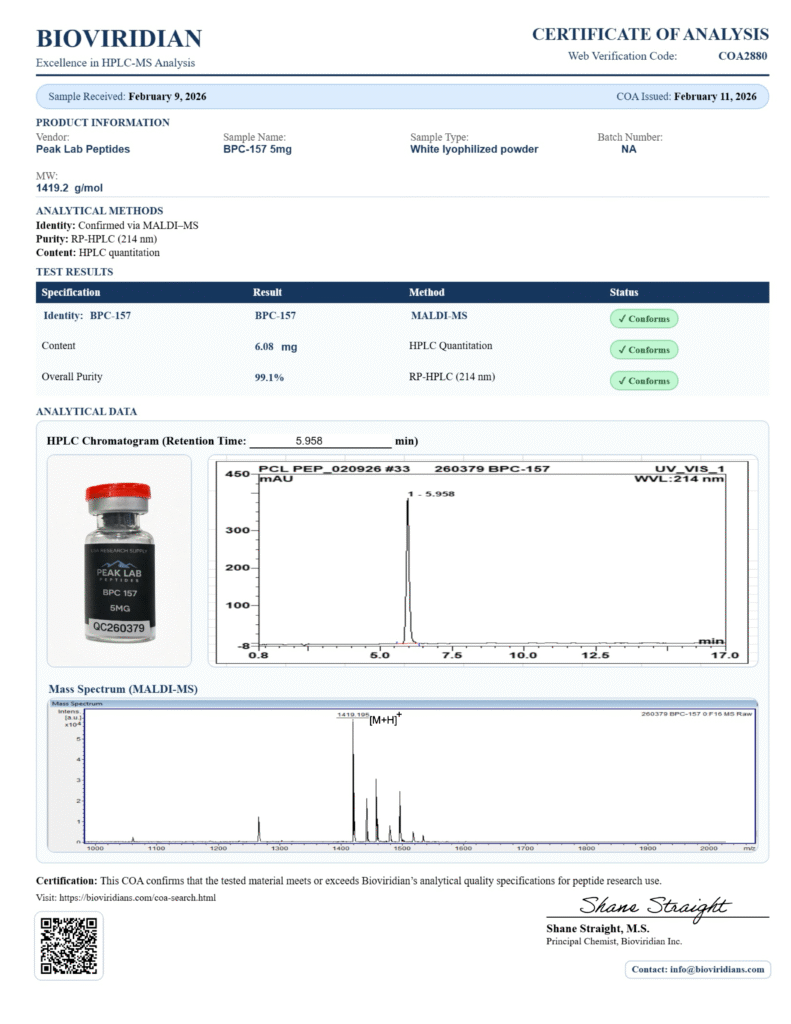
BPC-157 (Body Protection Compound 157) is a synthetic pentadecapeptide studied in preclinical models for its roles in tissue repair signaling, angiogenesis, nitric oxide modulation, and gastrointestinal mucosal research. Supplied as lyophilized powder at 99%+ HPLC verified purity. Batch-specific COA included. For in vitro research use only.
BPC-157, TB-500 – “Wolverine Stack”
BPC-157 and TB-500
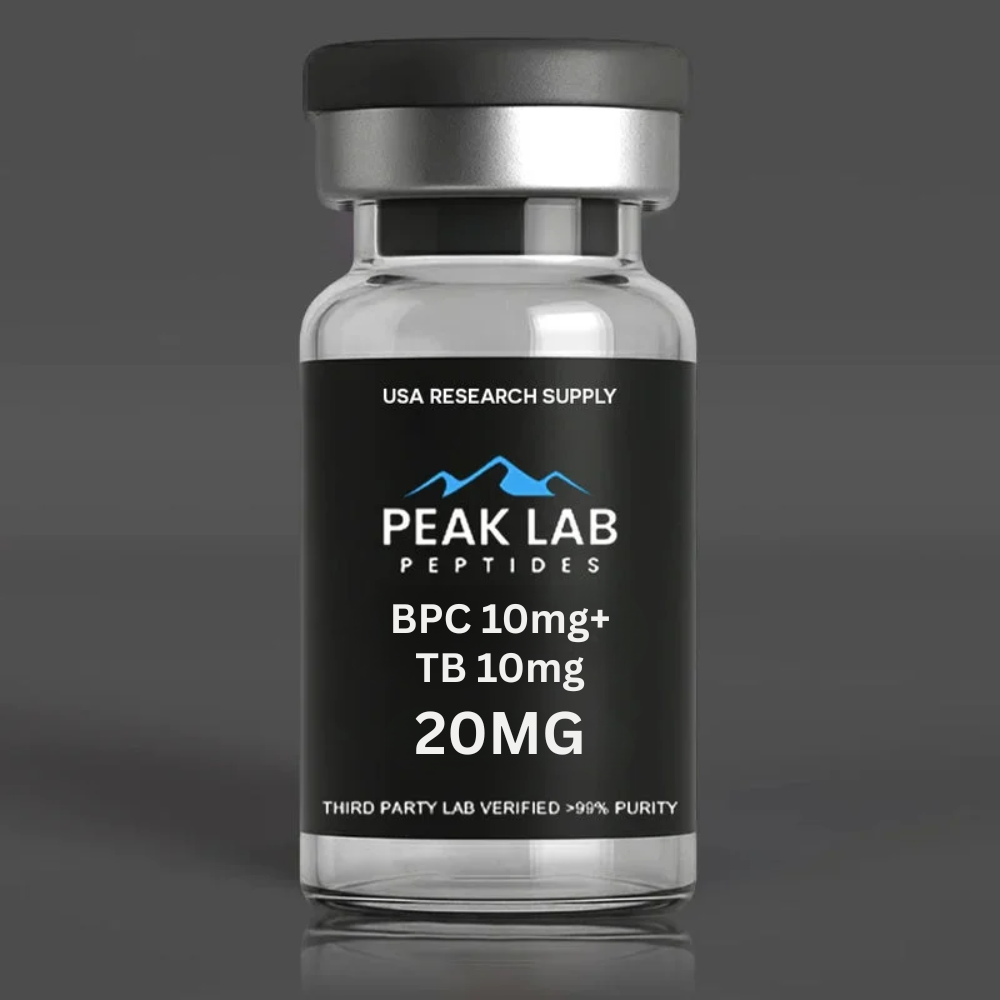
BPC-157 + TB-500 – 10mg (Lyophilized Peptide Blend) – For Research Use Only
This advanced research peptide blend combines BPC-157 and TB-500 (Thymosin Beta-4 Fragment) — two well-studied peptides known for their potential in tissue repair, inflammation control, and accelerated recovery.
-
BPC-157 is a synthetic peptide derived from a gastric protein, studied for its possible role in gut health, tendon and ligament repair, and inflammation modulation.
-
TB-500 is a synthetic fragment of Thymosin Beta-4, researched for its potential to promote cell migration, angiogenesis, and muscle recovery.
Together, this combination is highly sought after in research models involving injury recovery, soft tissue repair, and anti-inflammatory studies.
Product Details:
-
Peptides: BPC-157 + TB-500 (5mg each unless otherwise specified)
-
Purity: >98%
-
Form: Lyophilized powder
-
Quantity: 10mg per vial
-
Storage: Store at -4°F (-20°C). After reconstitution, refrigerate at 36–46°F (2–8°C) and use within 30 days.
-
Grade: For research purposes only. Not for human consumption, therapeutic, or diagnostic use.
Potential Research Applications:
-
Injury recovery and soft tissue repair studies
-
Tendon, ligament, and muscle healing models
-
Anti-inflammatory and immune modulation research
-
Angiogenesis and cellular regeneration investigations
For laboratory research only. This product is not intended to diagnose, treat, cure, or prevent any disease.
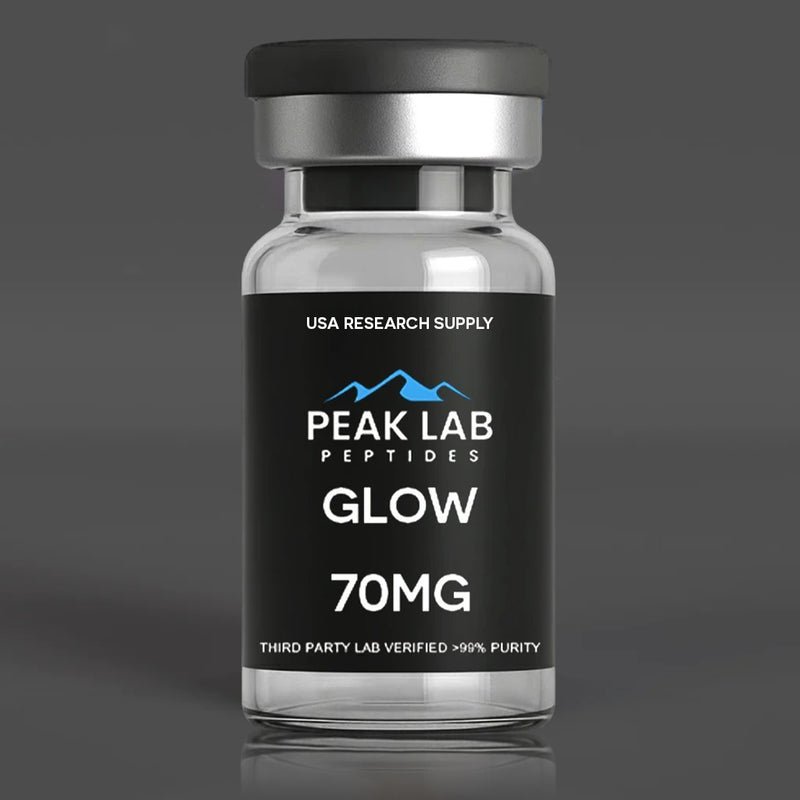
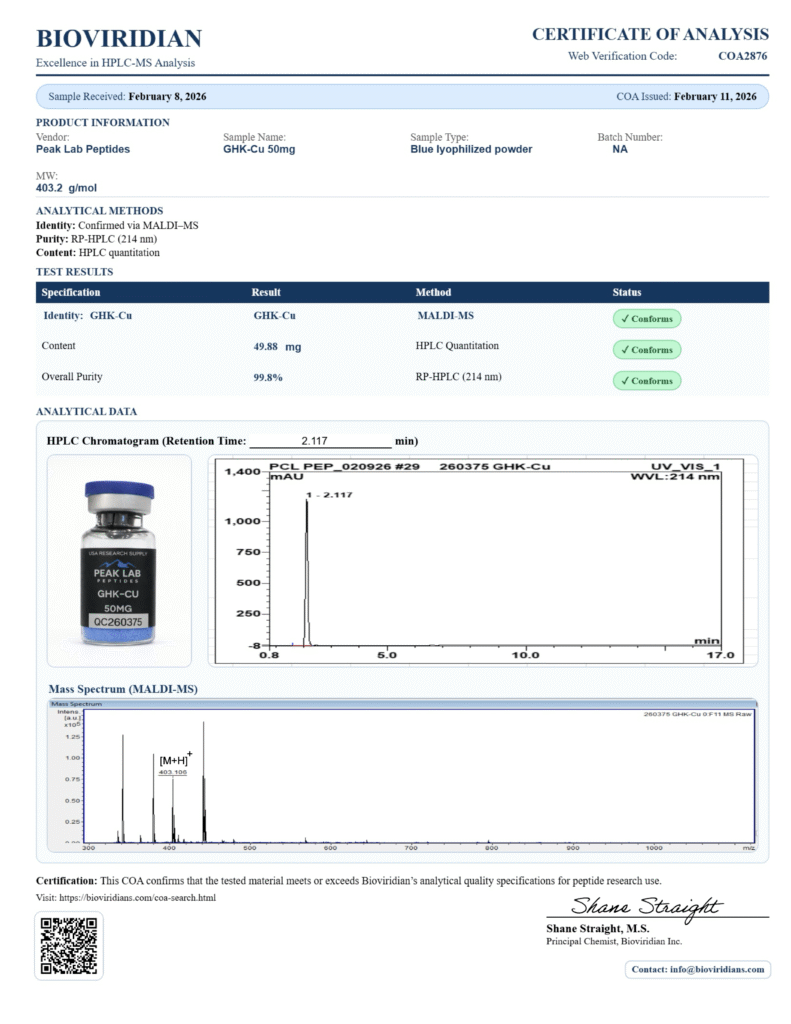
GLOW Blend 70mg (GHK-Cu 50mg, BPC-157 10mg, TB-500 10mg)
HGH 191AA
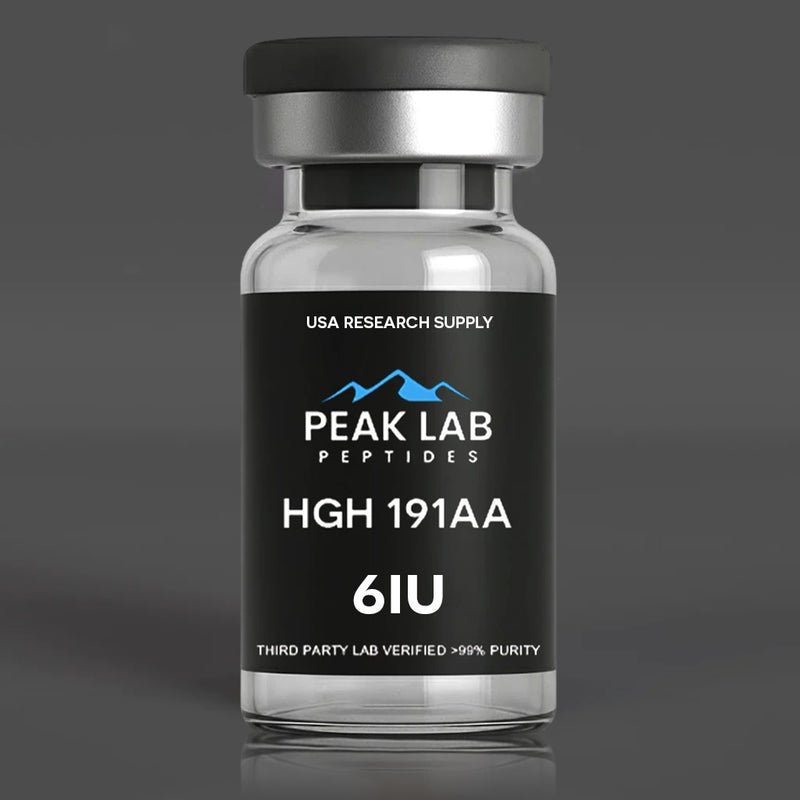
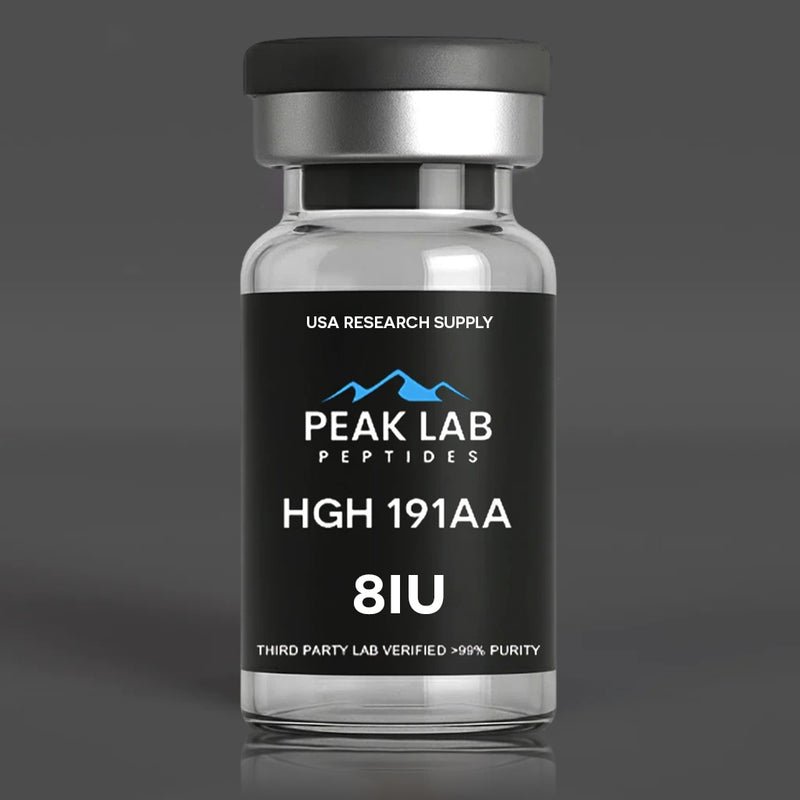
HGH 191AA (Human Growth Hormone, somatropin)
HGH 191aa – 15IU (Lyophilized Peptide) – For Research Use Only
HGH 191AA (191 amino acid sequence) is a synthetic form of human growth hormone identical to naturally occurring GH produced in the pituitary gland. It is widely researched for its potential roles in cell regeneration, muscle growth, fat metabolism, and anti-aging studies.
The 191aa sequence is considered the gold standard for HGH research due to its full biological activity and low risk of immunogenic response compared to 192aa analogs.
Product Details:
-
Peptide: HGH 191aa (Somatropin)
-
Quantity: 15IU per vial
-
Purity: >98%
-
Form: Lyophilized powder
-
Storage: Store at -4°F (-20°C). After reconstitution, refrigerate at 36–46°F (2–8°C) and use within 30 days.
-
Grade: For research purposes only. Not for human use, medical, or diagnostic applications.
Potential Research Applications:
-
Muscle growth and recovery studies
-
Fat loss and metabolic rate modeling
-
Anti-aging and cellular regeneration research
-
GH receptor signaling exploration
This product is intended for laboratory research use only. Not for human consumption or therapeutic use.
KissPeptin-10
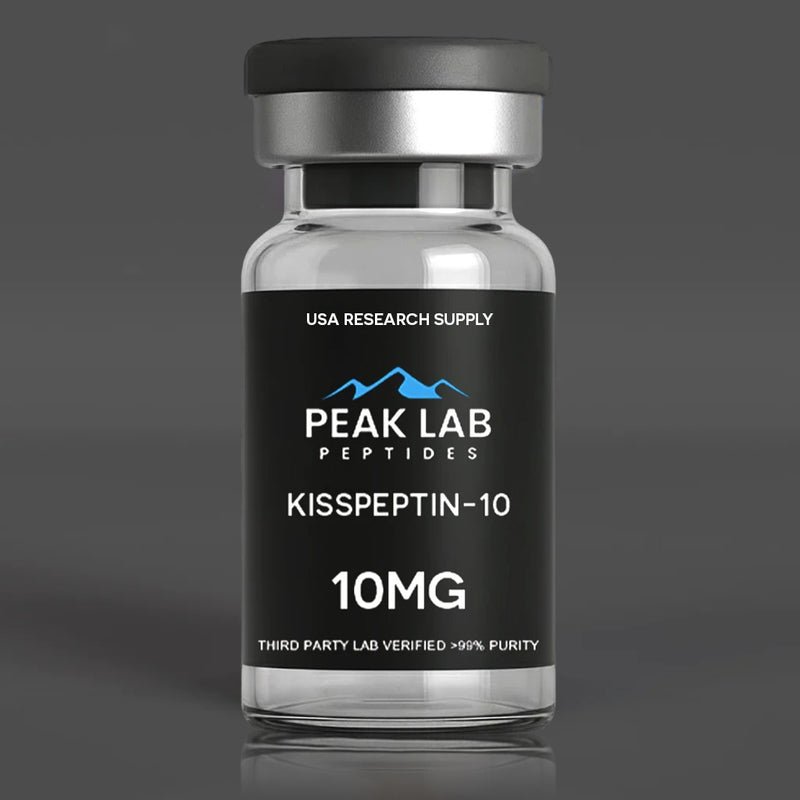
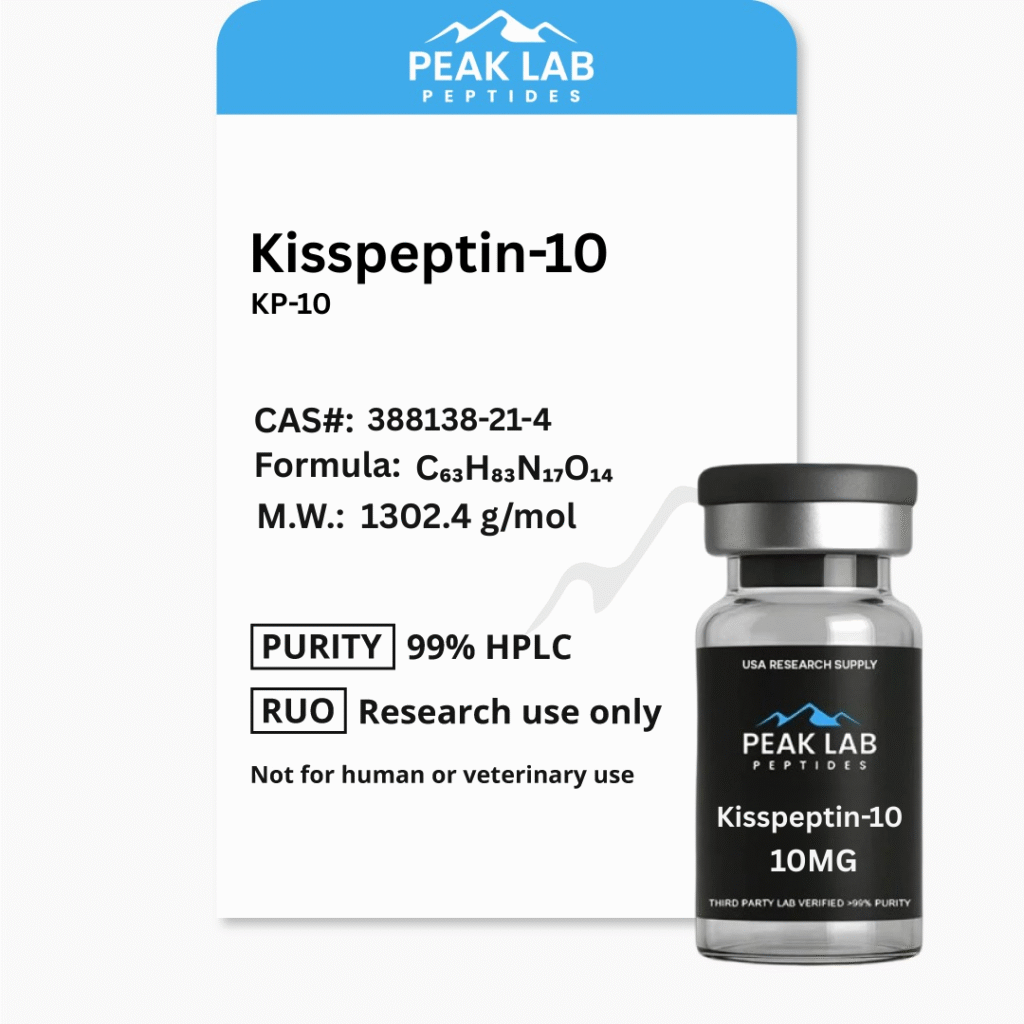
Kisspeptin-10
Kisspeptin-10 – 10mg (Lyophilized Peptide) – For Research Use Only
Kisspeptin-10 is a short-chain peptide fragment of the kisspeptin family, known for its regulatory role in the hypothalamic-pituitary-gonadal (HPG) axis. It is widely studied for its potential to influence GnRH (Gonadotropin-Releasing Hormone) secretion, making it a key subject in research on fertility, reproductive hormone modulation, and endocrine function.
Kisspeptin-10 has also been explored in studies related to puberty onset, reproductive health, and hormone signaling pathways.
Product Details:
-
Peptide: Kisspeptin-10 (Metastin 10 fragment)
-
Purity: >98%
-
Form: Lyophilized powder
-
Quantity: 10mg per vial
-
Storage: Store at -4°F (-20°C). After reconstitution, refrigerate at 36–46°F (2–8°C) and use within 30 days.
-
Grade: For research purposes only. Not for human consumption, therapeutic, or diagnostic use.
Potential Research Applications:
-
Fertility and reproductive hormone studies
-
HPG axis and GnRH secretion models
-
Endocrine signaling and modulation research
-
Studies on puberty and reproductive health
For laboratory research only. This product is not intended to diagnose, treat, cure, or prevent any disease.
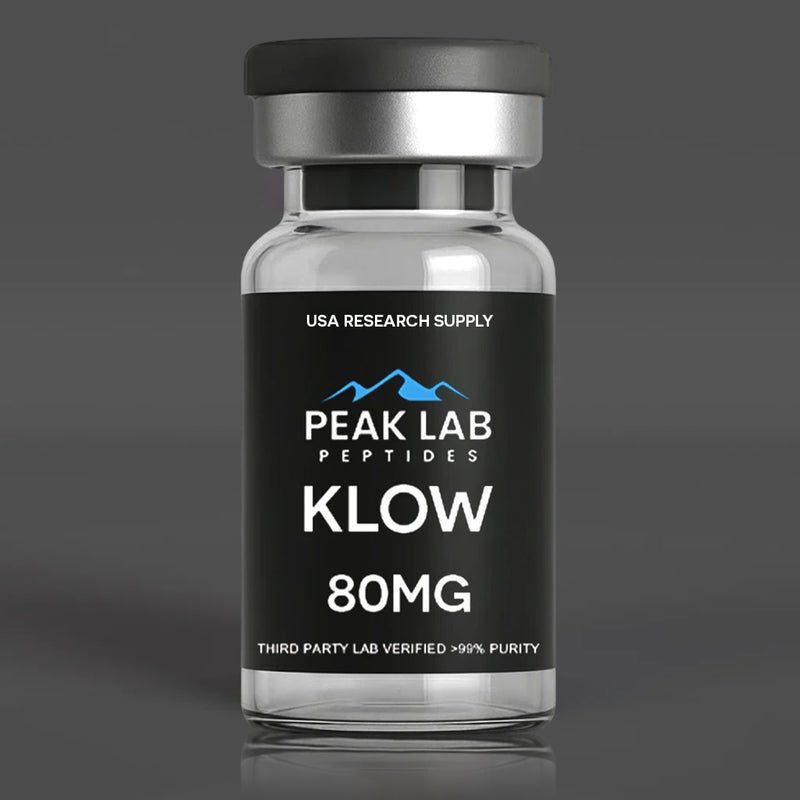
KLOW Blend 80mg – GHK-Cu, TB-500, BPC-157, KPV
KLOW – 80mg Peptide Blend (Lyophilized Powder) – For Research Use Only GHK-Cu • TB-500 • BPC-157 • KPV
KLOW is an advanced 4-in-1 research peptide blend combining 80mg of regenerative and anti-inflammatory compounds studied for their potential in tissue repair, immune modulation, and cellular recovery. Designed for comprehensive healing models, KLOW offers synergistic support across skin, muscle, and gut research applications. Active Ingredients (Per Vial): GHK-Cu – 50mg Studied for skin regeneration, wound healing, collagen stimulation, and hair follicle support. TB-500 – 10mg A fragment of Thymosin Beta-4, known for supporting angiogenesis, cell migration, and muscle recovery. BPC-157 – 10mg Derived from a gastric protein, BPC-157 is studied for gut repair, tendon/ligament healing, and anti-inflammatory effects. KPV – 10mg A tripeptide fragment with strong research interest for localized inflammation and immune modulation, particularly in the gut and skin. Product Details: Total Peptide Content: 80mg per vial: Lyophilized powder Purity: >98% Storage: Store at -4°F (-20°C). After reconstitution, refrigerate at 36–46°F (2–8°C) and use within 30 days. Grade: For research purposes only. Not for human consumption, therapeutic, or diagnostic use. Potential Research Applications: Soft tissue, muscle, and ligament repair Skin rejuvenation and wound healing models Inflammatory bowel and gut barrier integrity studies Anti-inflammatory and immune modulation research For laboratory research only. This product is not intended to diagnose, treat, cure, or prevent any disease.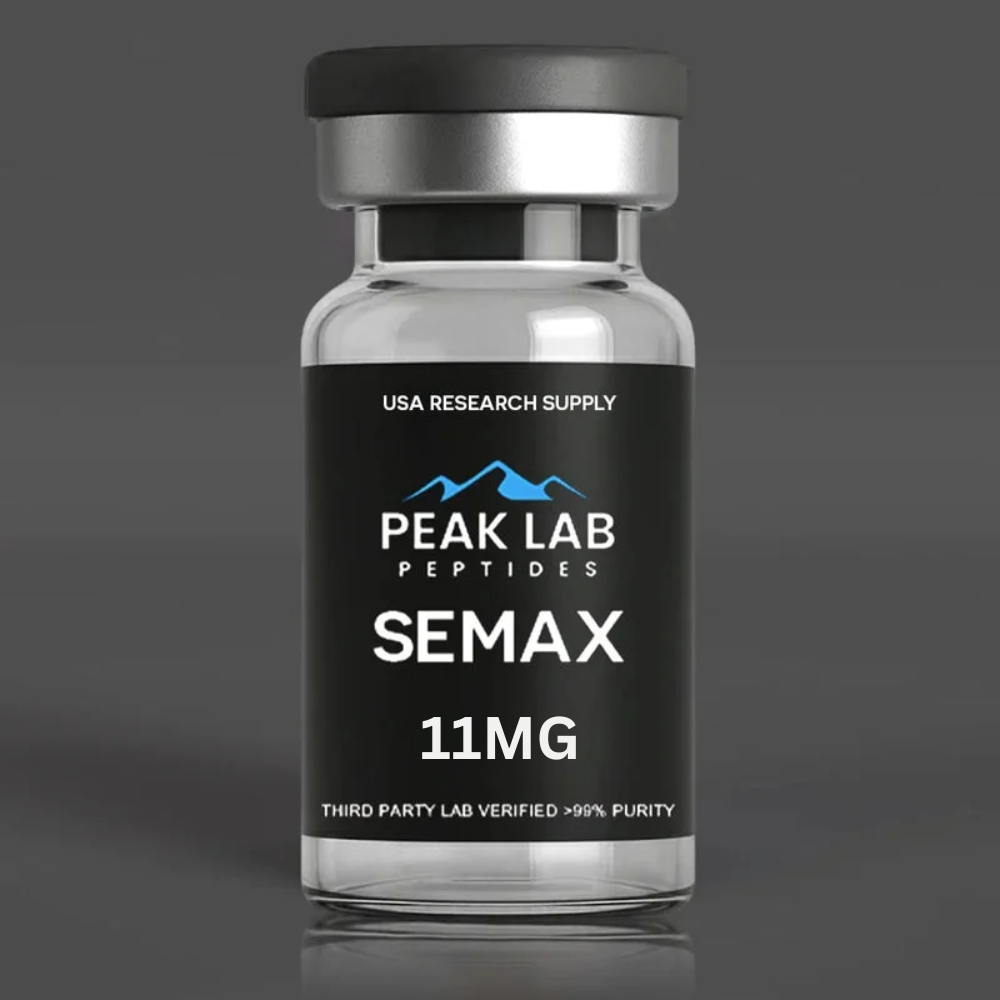
Semax
Semax
Product Details:
Compound: Semax Purity: >98% Form: Lyophilized powder Quantity: 5mg or 11mg per vial Storage: Store lyophilized at -20°C. Reconstituted product should be refrigerated (2–8°C) and used within 30 days. Research Grade: For laboratory research only. Not for human consumption or therapeutic use. Research Applications May Include: Studies on neuroprotection and cognitive function Exploration of BDNF modulation Investigations into stroke recovery and brain injury models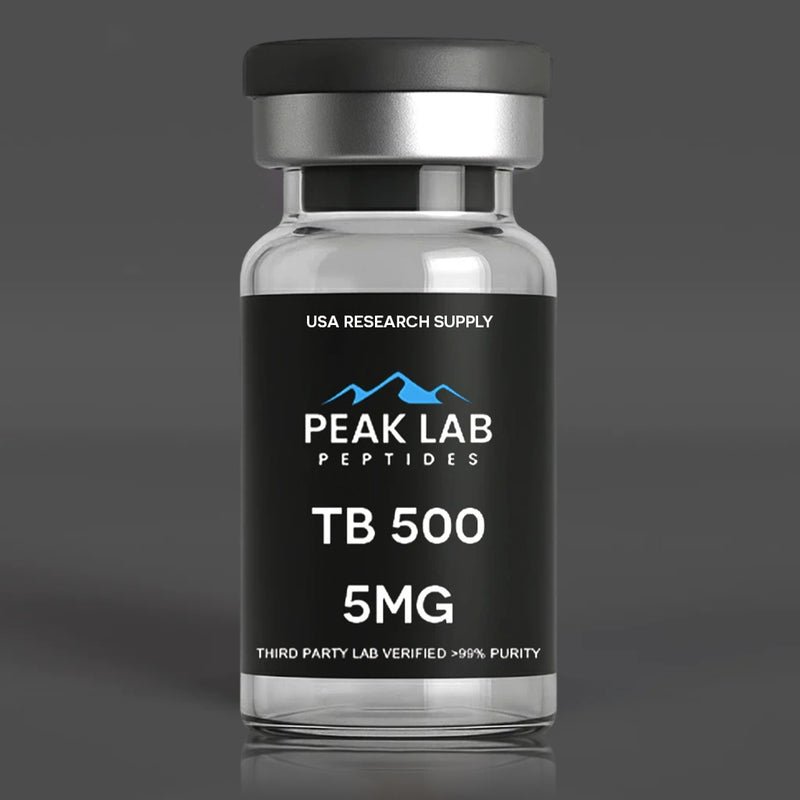
TB-500
TB-500 (TB500)
TB-500 (Thymosin Beta-4 Fragment) – 5mg or 10mg (Lyophilized Peptide) – For Research Use Only
TB-500 is a synthetic Thymosin Beta-4 fragment studied in preclinical models for its roles in actin-binding dynamics, cell migration, angiogenesis, and tissue repair signaling. Supplied as lyophilized powder at 99%+ HPLC verified purity. Batch-specific COA included. For in vitro research use only.
David –
Everything arrived safely with clean, secure, and professional packaging.
Ashley –
Ordering was simple, delivery was fast, and communication was clear throughout.
William –
Product quality has remained consistent across all of my purchases.
Jessica –
Secure sealing and clear labeling gave me full confidence in the products.
John –
The store maintains a very professional and well-organized operation.