KPV (Lysine-Proline-Valine)
$35.00 – $42.00Price range: $35.00 through $42.00
Become a Member and save 20% on Every Order.
Description
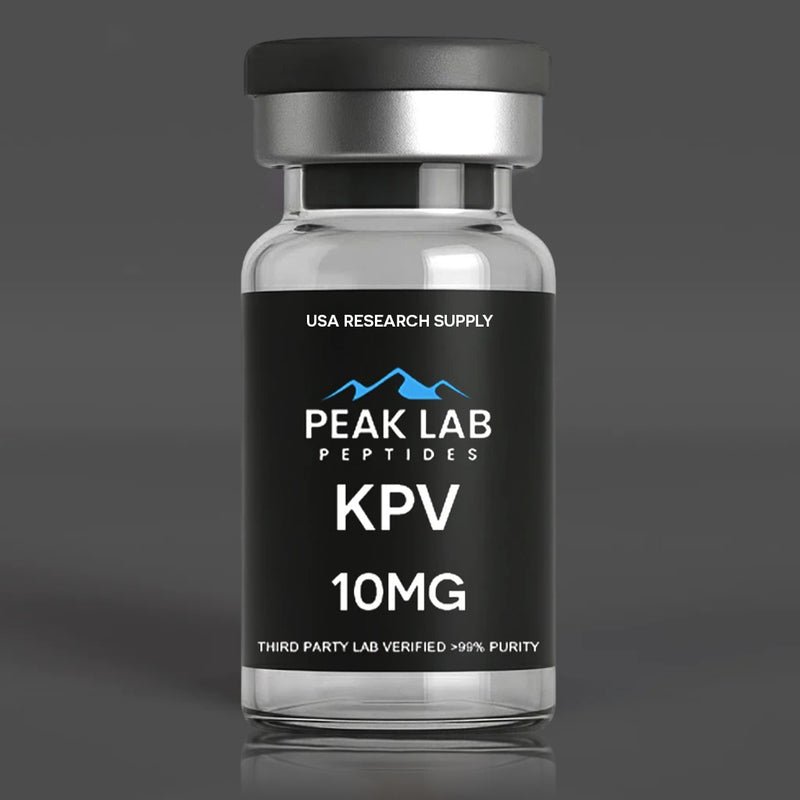
KPV – 10mg (Lyophilized Peptide) – For Research Use Only Lysine-Proline-Valine Tripeptide
KPV is a naturally occurring anti-inflammatory tripeptide derived from the C-terminal end of alpha-melanocyte-stimulating hormone (α-MSH). It is studied for its potent ability to modulate inflammatory responses and support immune regulation, particularly in research involving the gut, skin, and immune-related disorders.
KPV has shown promising results in studies exploring intestinal permeability, colitis, dermatitis, and localized inflammation, making it a valuable peptide for advanced inflammation and healing research.
Product Details:
Peptide: KPV (Lys-Pro-Val)
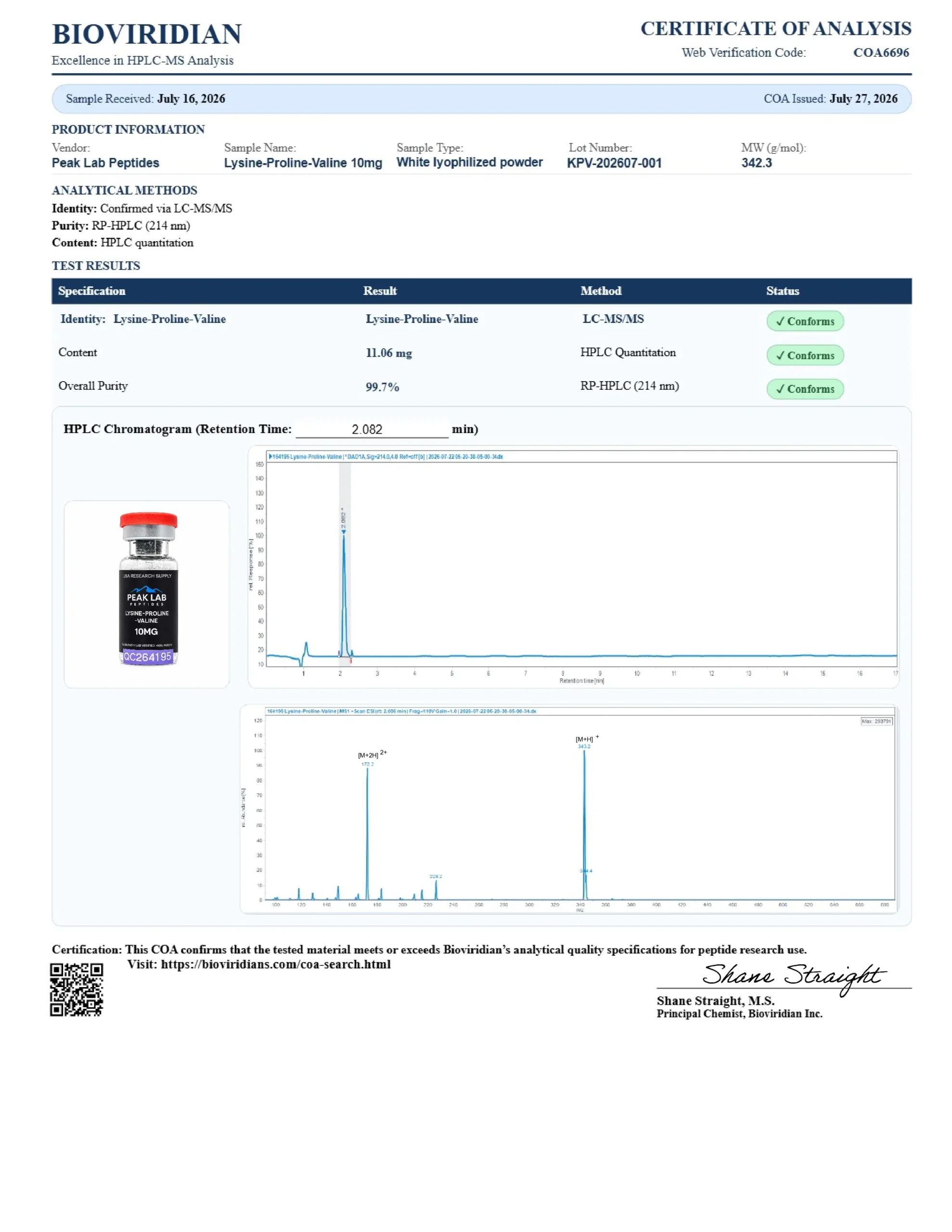
Purity: >98%
Form: Lyophilized powder
Quantity: 10mg per vial
Storage: Store at -4°F (-20°C). After reconstitution, refrigerate at 36–46°F (2–8°C) and use within 30 days.
Grade: For research purposes only. Not for human consumption, therapeutic, or diagnostic use.
Potential Research Applications:
Gut health and intestinal inflammation models (e.g., IBD, leaky gut)
Skin inflammation and dermatitis research
Cytokine modulation and immune response studies
Localized anti-inflammatory peptide therapy research
For laboratory research only. This product is not intended to diagnose, treat, cure, or prevent any disease.
Lysine-Proline-Valine (KPV) is a short tripeptide fragment derived from the C-terminal region of α-melanocyte-stimulating hormone (α-MSH). In experimental systems, KPV is widely studied for its role in modulating cellular responses to environmental stressors, particularly in epithelial and skin-model research. Laboratory data suggest that KPV can influence oxidative-stress pathways, inflammatory signaling, and programmed cell death in keratinocyte models exposed to external insults such as particulate matter.
KPV supplied for research is intended exclusively for laboratory investigation by qualified professionals. It is not approved as a therapeutic, cosmetic, or over-the-counter product and must not be used for human or veterinary administration.
KPV is a naturally occurring peptide sequence (Lys-Pro-Val) derived from α-MSH, a regulatory hormone involved in multiple cell-signaling pathways. Because of its compact size and origin from a well-characterized parent peptide, KPV is frequently used to explore:
- How cells respond to oxidative and inflammatory stress
- The interplay between reactive oxygen species (ROS) and intracellular signaling cascades
- Mechanisms of cell survival, apoptosis, and pyroptosis in barrier tissues such as skin
In keratinocyte studies, KPV has been evaluated under conditions simulating exposure to airborne particulates (e.g., PM10) to better understand how environmental factors may impact skin cells and how specific peptides can modulate downstream signaling and cell-fate decisions.
5 reviews for KPV (Lysine-Proline-Valine)
- KPV and Oxidative Stress in Keratinocytes
Airborne particulate matter (PM), including fine PM10, is commonly used in vitro to model environmental stress on skin cells. In human HaCaT keratinocyte systems:
- PM10 exposure has been observed to reduce cell viability and increase cytotoxicity.
- This is typically accompanied by elevated reactive oxygen species (ROS) production and activation of stress-related signaling pathways.
When KPV was introduced into these models at specific concentrations (e.g., 50 μg/mL in reported studies):
- Keratinocyte viability appeared to be partially restored relative to PM10-only conditions.
- ROS levels were reduced compared to untreated PM10-exposed controls, suggesting that KPV may modulate redox-related pathways at the cellular level.
These outcomes are limited to controlled experimental systems and do not constitute established effects in human subjects.
- KPV and Inflammatory Signaling (IL-1β / NF-κB Axis)
PM10-challenged keratinocyte models often show an increase in pro-inflammatory mediators, including interleukin-1β (IL-1β):
- PM10 exposure can drive IL-1β secretion and activation of redox-sensitive transcription factors, such as nuclear factor-kappa B (NF-κB).
- This is associated with heightened inflammatory signaling and may contribute to various forms of cell stress and injury in vitro.
In the presence of KPV:
- Experimental data reported lower IL-1β secretion compared with PM10-exposed controls.
- KPV was associated with reduced NF-κB activation, consistent with dampening of specific redox-sensitive pathways.
These observations place KPV as a useful tool for dissecting how oxidative stress links to inflammatory transcriptional responses in skin-cell research models.
- KPV, Apoptosis Markers, and Cell-Fate Pathways
PM10 can trigger cell death programs, including apoptosis and pyroptosis, through ROS-mediated signaling and caspase activation. In HaCaT models:
- PM10 exposure elevates apoptosis-related markers, including Bax, Bcl-2 alterations, and cleaved caspase-3, alongside IL-1β changes.
- Caspase-1 activation is commonly explored as part of pyroptosis-related
When KPV was added in these experimental paradigms:
- Levels of ROS-associated caspase activity were reduced compared with PM10-only conditions.
- The expression of Bax, Bcl-2, cleaved caspase-3, and IL-1β was reported to be lower, consistent with a shift toward reduced apoptosis/pyroptosis signaling under the specific in vitro conditions tested.
These findings highlight KPV’s value as a research probe to understand how short peptides might intersect with stress-, apoptosis-, and pyroptosis-related pathways in keratinocytes.
- 3D Skin Models and Environmental Stress
Beyond monolayer cell culture, KPV has also been evaluated in three-dimensional (3D) skin models intended to more closely mimic epidermal architecture:
- PM10 exposure in 3D systems can induce inflammatory cell death and structural changes in the model tissue.
- KPV treatment, under defined experimental conditions, has been reported to attenuate markers of inflammatory cell death, supporting its use in advanced in vitro skin platforms.
These 3D data are exploratory but support the use of KPV in functional skin-model research, especially in projects focused on environmental pollutant responses, barrier integrity, and peptide-based modulation of stress pathways.
Q1: What is Lysine-Proline-Valine (KPV) used for in research?
A1: KPV is primarily used to study cellular responses to oxidative and inflammatory stress, especially in keratinocyte and skin-model systems. Researchers investigate how KPV influences ROS production, inflammatory mediators, and cell-fate pathways such as apoptosis and pyroptosis under controlled conditions.
Q2: Does KPV protect human skin from pollution in real-world use?
A2: Current findings for KPV come from in vitro and model-system research. While these studies provide mechanistic insight, they do not establish proven protective effects in real-world human use. KPV supplied by research vendors is not approved as a therapeutic or cosmetic product.
Q3: Is KPV considered a cosmetic ingredient or skincare active?
A3: In this context, KPV is supplied as a research peptide for laboratory investigation only. Any potential cosmetic or skincare applications remain speculative and would require extensive safety, regulatory, and clinical evaluation before practical use.
Q4: How is KPV typically studied in the laboratory?
A4: KPV is commonly examined in cultured keratinocytes (such as HaCaT cells) and occasionally in 3D reconstructed skin models. It is usually applied at defined concentrations, with researchers monitoring endpoints like ROS levels, IL-1β secretion, caspase activation, and markers of cell viability and death.
Q5: Can KPV be used for self-treatment or topical application?
A5: No. KPV offered for research purposes is not intended for self-use, clinical application, or over-the-counter topical products. It must only be handled by qualified professionals within appropriate research facilities.
Storage & Handling
All peptides are supplied as sterile, lyophilized powder and are stable when handled correctly.
- On arrival: Store vials in a cool, dry place away from heat and direct sunlight.
- Long-term (powder): For optimal longevity, keep lyophilized peptides refrigerated to help maintain integrity.
- After reconstitution: Use an appropriate research diluent (for example, BAC water). Store the reconstituted solution in the refrigerator and use within 20–30 days for best stability.
Note: Minimize exposure to moisture and repeated freeze–thaw cycles. Follow your institution's safety procedures when handling research materials.
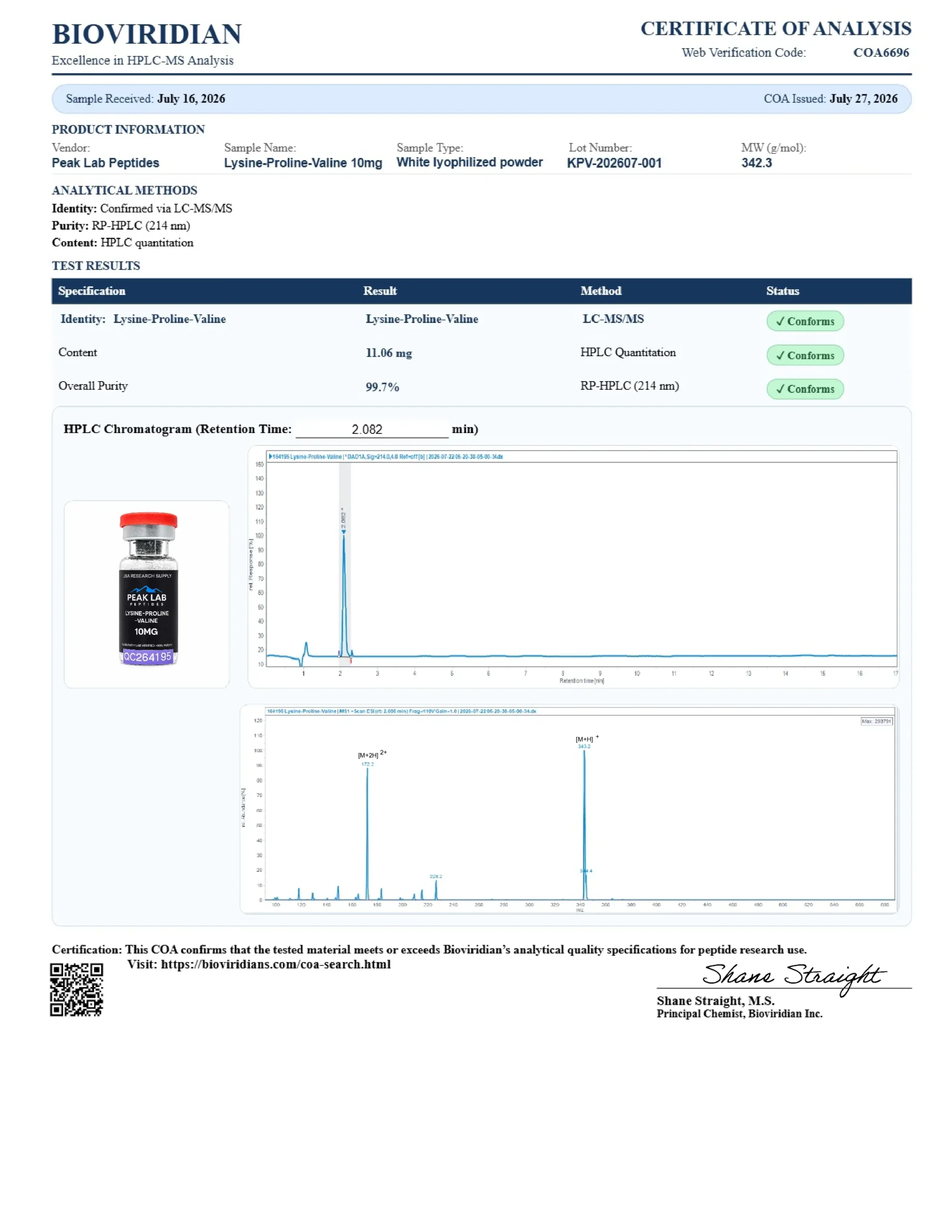
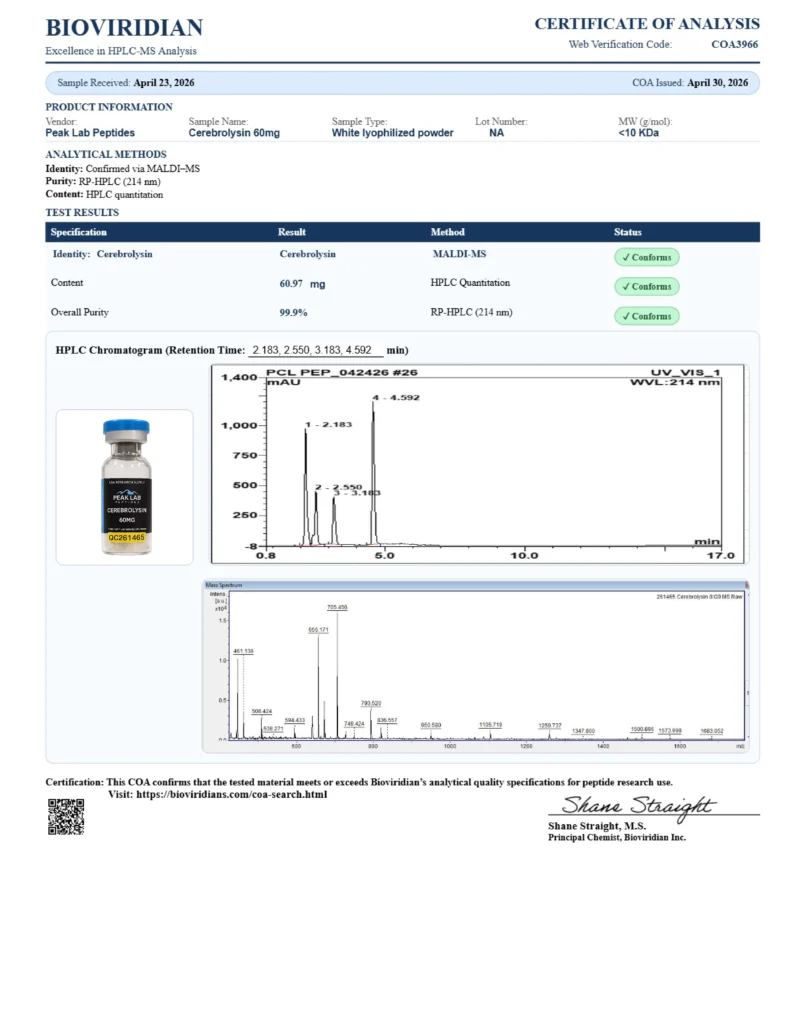
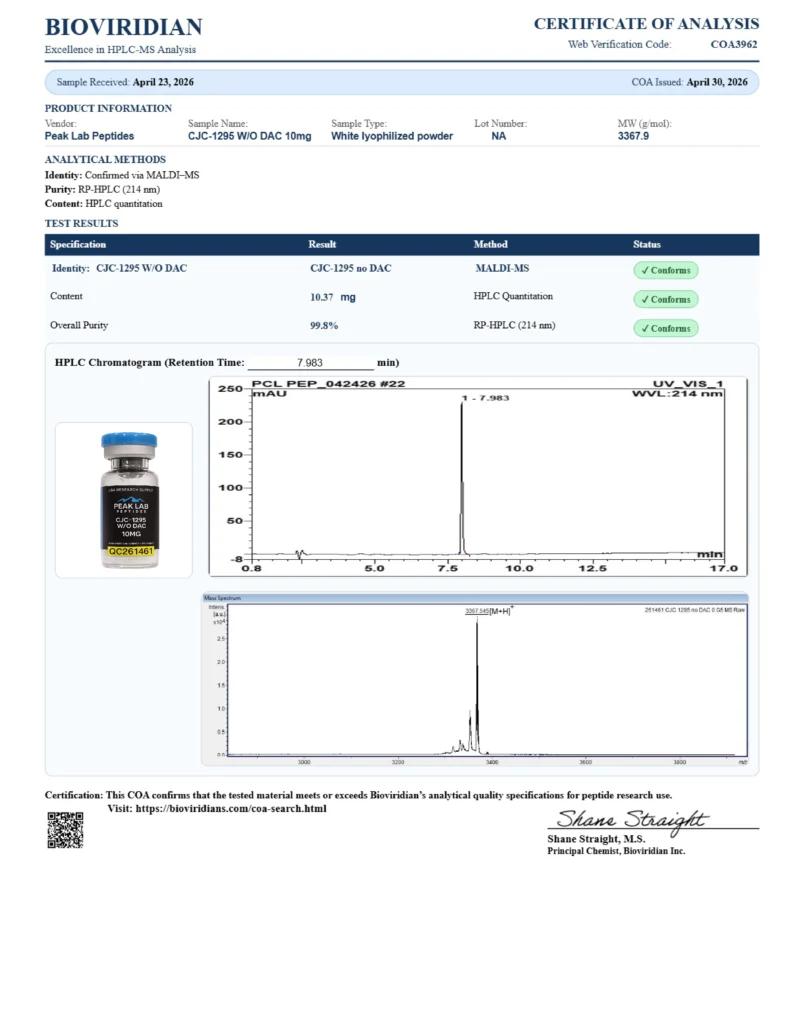
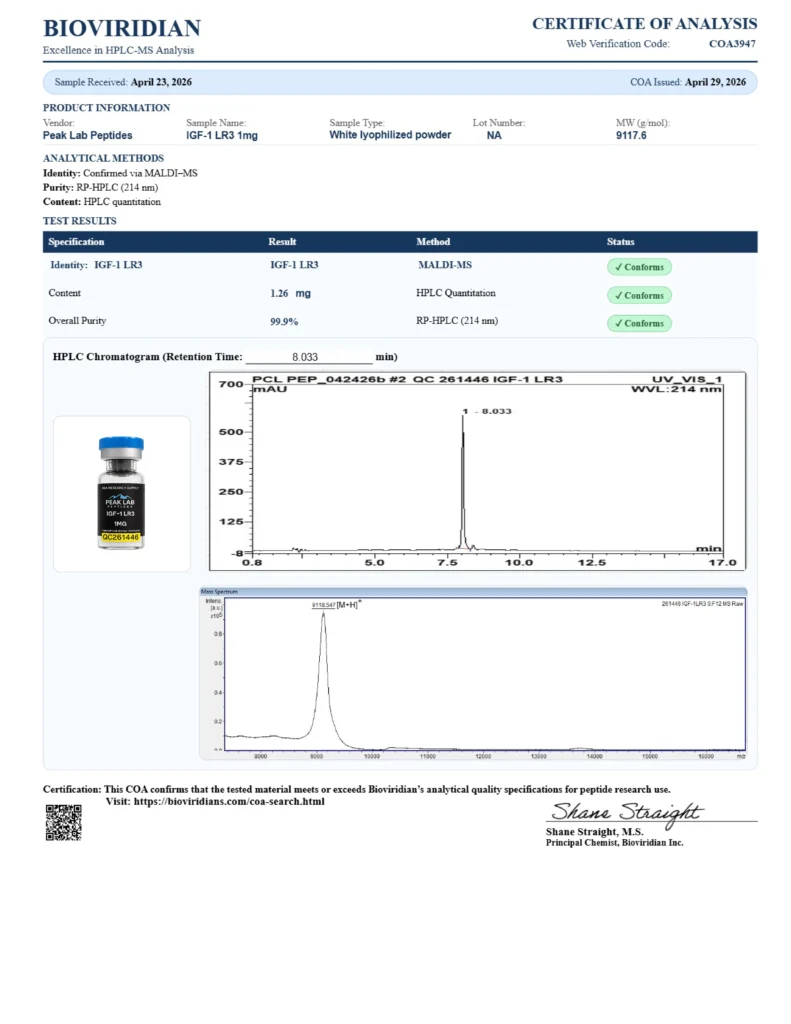
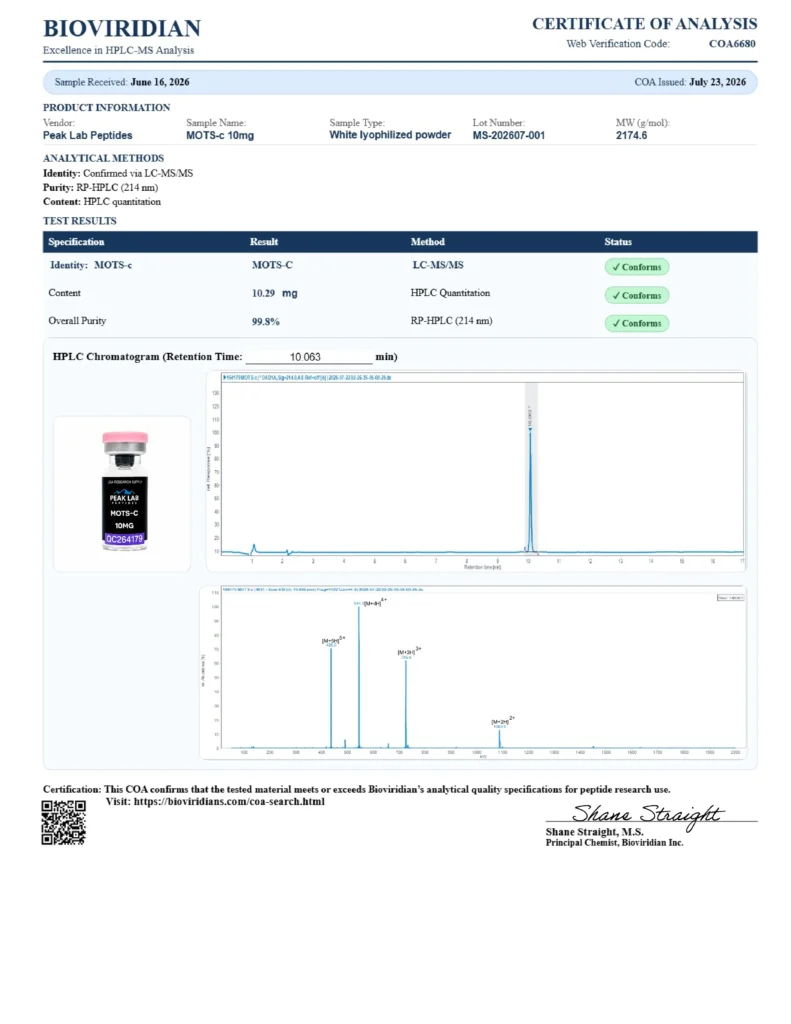
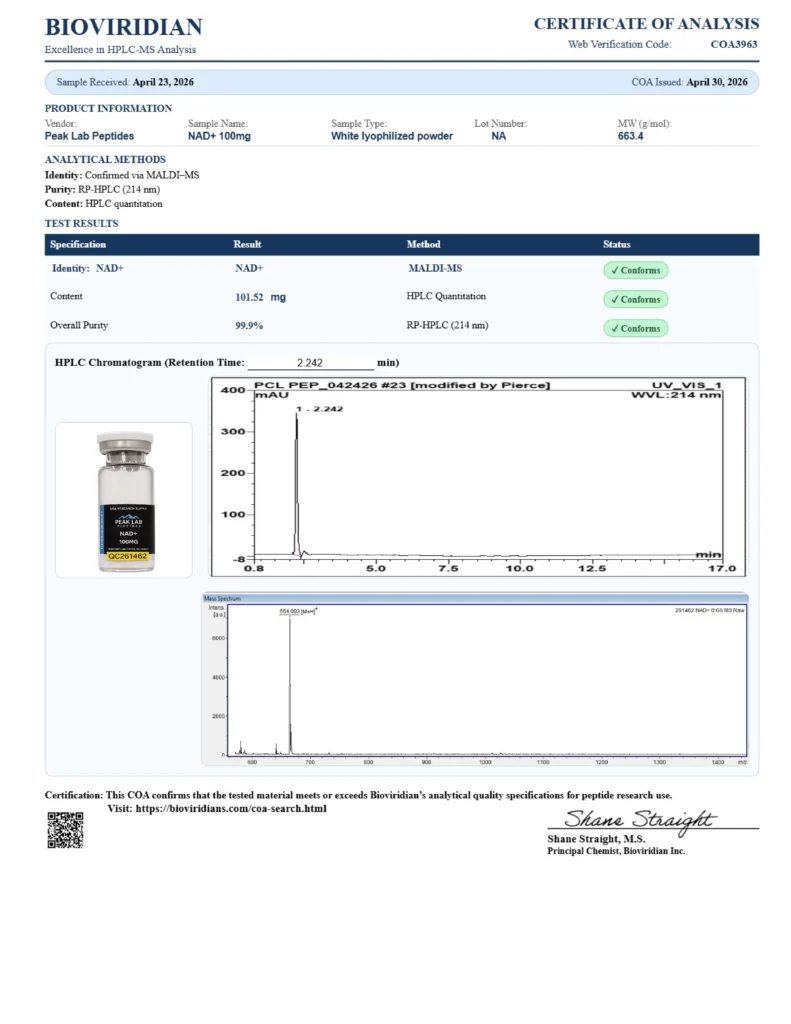
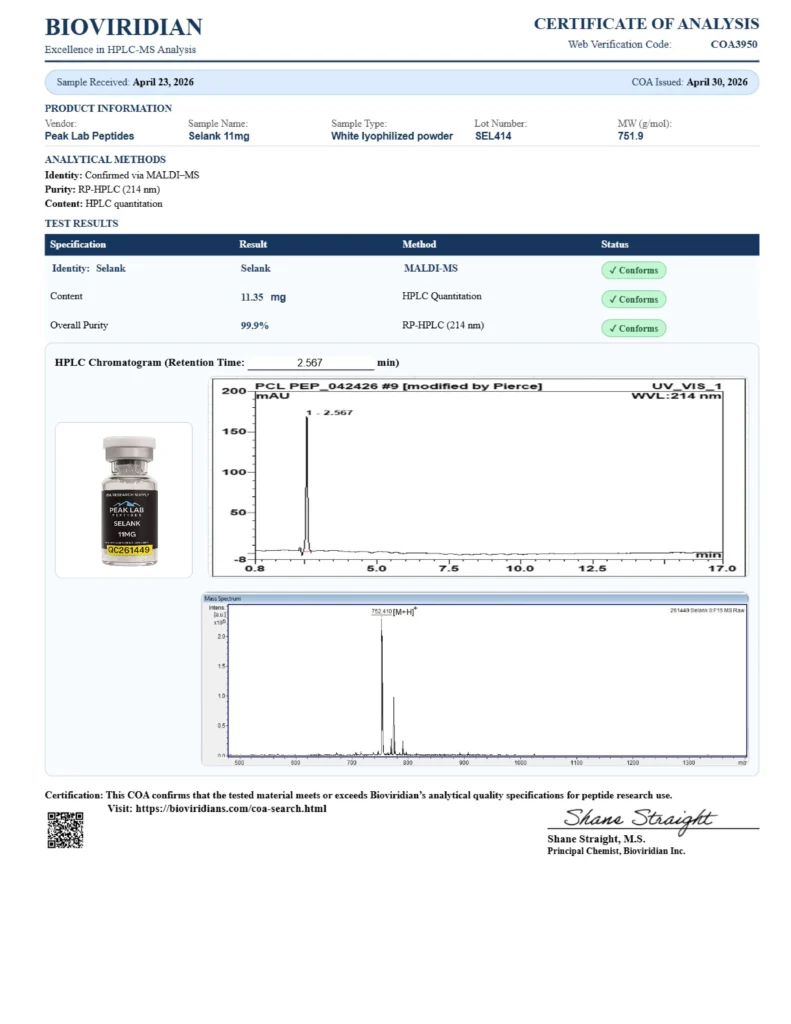
Peak Lab Peptides maintains quality-control processes and routinely performs third-party testing to support purity and identity verification. COAs are available upon request for applicable batches. Documentation may vary depending on production timelines.
We aim to make batch-level documentation available whenever possible. Our goal is to expand COA access across the full catalog as production capacity grows.
All products are for laboratory research use only and are not intended for human consumption.
Related Products
CJC-1295 No DAC
CJC-1295 No DAC
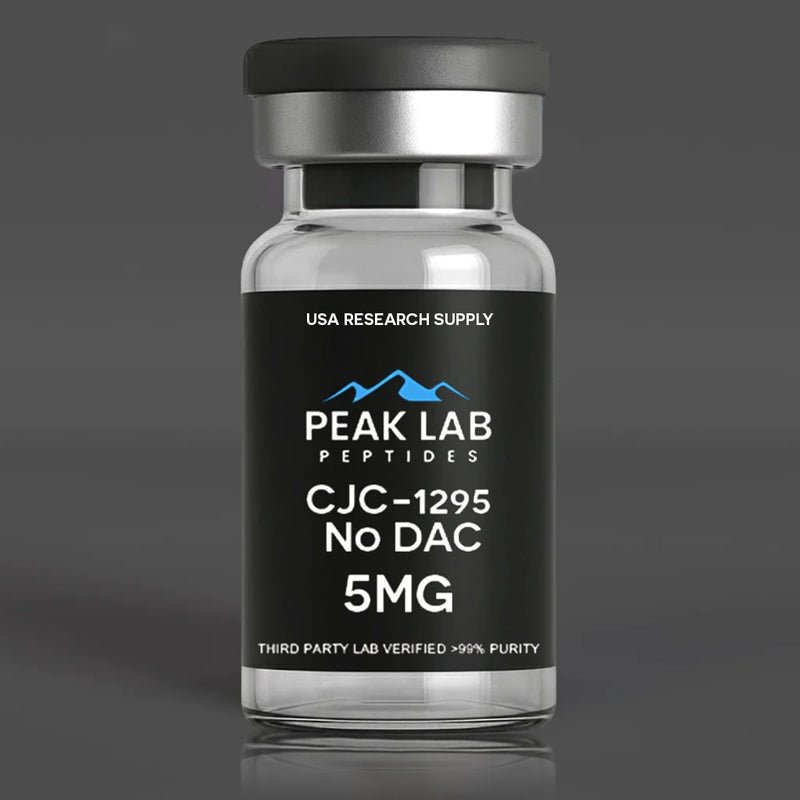
CJC-1295 No DAC – 5mg (Lyophilized Peptide) – For Research Use Only
CJC-1295 No DAC is a synthetic analog of Growth Hormone-Releasing Hormone (GHRH) designed for research on stimulating natural growth hormone (GH) release in a pulsatile manner. The “No DAC” (Drug Affinity Complex) version has a shorter half-life, allowing it to mimic the body’s natural GH secretion rhythm.
CJC-1295 No DAC is commonly studied in models focused on muscle growth, fat metabolism, anti-aging, and recovery when used alone or stacked with other GH secretagogues like Ipamorelin.
Product Details:
-
Peptide: CJC-1295 No DAC
-
Purity: >98%
-
Form: Lyophilized powder
-
Quantity: 5mg per vial
-
Storage: Store at -4°F (-20°C). After reconstitution, refrigerate at 36–46°F (2–8°C) and use within 30 days.
-
Grade: For research purposes only. Not for human use, medical, or diagnostic applications.
Potential Research Applications:
-
Growth hormone release studies
-
Muscle growth and recovery models
-
Anti-aging and longevity research
-
Fat metabolism and body composition investigations
Epithalon
Epithalon – 10mg (Lyophilized Peptide) – For Research Use Only
Epithalon (also known as Epitalon) is a synthetic tetrapeptide (Ala-Glu-Asp-Gly) derived from the naturally occurring pineal gland peptide Epithalamin. It is widely studied for its potential anti-aging, telomerase-activating, and longevity-enhancing effects. Research suggests that Epithalon may promote telomere extension, support circadian rhythm regulation, and improve oxidative stress resistance. It is a popular compound in studies involving cellular aging, pineal gland function, and DNA repair mechanisms. Product Details: Peptide: Epithalon (Ala-Glu-Asp-Gly) Purity: >98% Form: Lyophilized powder Quantity: 10mg per vial Storage: Store at -4°F (-20°C). After reconstitution, refrigerate at 36–46°F (2–8°C) and use within 30 days. Grade: For research purposes only. Not for human consumption, therapeutic, or diagnostic use. Potential Research Applications: Telomerase activation and cellular longevity studies Anti-aging and pineal gland function research Circadian rhythm and melatonin regulation studies DNA repair and oxidative stress resistance models For laboratory research only. This product is not intended to diagnose, treat, cure, or prevent any disease.GHK-Cu
Ipamorelin
Ipamorelin
Ipamorelin – 5mg (Lyophilized Peptide) – For Research Use Only
Ipamorelin is a selective Growth Hormone Secretagogue (GHS) studied for its ability to stimulate natural growth hormone (GH) release without significantly affecting cortisol or prolactin levels. Known for its clean safety profile in research models, Ipamorelin is commonly explored in studies on muscle growth, recovery, fat metabolism, and anti-aging.
Ipamorelin is often paired in research with other GH-releasing peptides like CJC-1295 No DAC for synergistic effects.
Product Details:
-
Peptide: Ipamorelin
-
Purity: >98%
-
Form: Lyophilized powder
-
Quantity: 5mg per vial
-
Storage: Store at -4°F (-20°C). After reconstitution, refrigerate at 36–46°F (2–8°C) and use within 30 days.
-
Grade: For research purposes only. Not for human consumption, therapeutic, or diagnostic use.
Potential Research Applications:
-
Growth hormone secretion and endocrine studies
-
Muscle growth, recovery, and anti-aging research models
-
Fat metabolism and body composition studies
-
GH axis and pituitary function investigations
For laboratory research only. This product is not intended to diagnose, treat, cure, or prevent any disease.
KissPeptin-10
Kisspeptin-10
Kisspeptin-10 – 10mg (Lyophilized Peptide) – For Research Use Only
Kisspeptin-10 is a short-chain peptide fragment of the kisspeptin family, known for its regulatory role in the hypothalamic-pituitary-gonadal (HPG) axis. It is widely studied for its potential to influence GnRH (Gonadotropin-Releasing Hormone) secretion, making it a key subject in research on fertility, reproductive hormone modulation, and endocrine function.
Kisspeptin-10 has also been explored in studies related to puberty onset, reproductive health, and hormone signaling pathways.
Product Details:
-
Peptide: Kisspeptin-10 (Metastin 10 fragment)
-
Purity: >98%
-
Form: Lyophilized powder
-
Quantity: 10mg per vial
-
Storage: Store at -4°F (-20°C). After reconstitution, refrigerate at 36–46°F (2–8°C) and use within 30 days.
-
Grade: For research purposes only. Not for human consumption, therapeutic, or diagnostic use.
Potential Research Applications:
-
Fertility and reproductive hormone studies
-
HPG axis and GnRH secretion models
-
Endocrine signaling and modulation research
-
Studies on puberty and reproductive health
For laboratory research only. This product is not intended to diagnose, treat, cure, or prevent any disease.
Melatonin
Melatonin
Melatonin – 100mg (Lyophilized Powder) – For Research Use Only
Melatonin is a naturally occurring hormone produced by the pineal gland, primarily known for its role in regulating the sleep-wake cycle (circadian rhythm). In research, Melatonin is studied for its potential effects on sleep regulation, antioxidant activity, immune modulation, and neuroprotection.
Studies have also explored its impact on oxidative stress and inflammation in various biological models.
Product Details:
-
Compound: Melatonin (N-Acetyl-5-methoxytryptamine)
-
Purity: >98%
-
Form: Lyophilized powder
-
Quantity: 100mg per vial
-
Storage: Store at -4°F (-20°C). After reconstitution, refrigerate at 36–46°F (2–8°C) and use within 30 days.
-
Grade: For research use only. Not for human consumption or therapeutic use.
Potential Research Applications:
-
Sleep and circadian rhythm studies
-
Antioxidant and oxidative stress research
-
Immune modulation investigations
-
Neuroprotection and anti-aging models
MT-2 (Melanotan 2) -10mg
Melanotan II (MT-2)
MT-2 (Melanotan 2) – 10mg (Lyophilized Peptide) – For Research Use Only
Melanotan 2 (MT-2) is a synthetic analog of the alpha-melanocyte-stimulating hormone (α-MSH), studied for its ability to activate melanocortin receptors involved in skin pigmentation, appetite regulation, and sexual function.
Research has focused on MT-2’s effects on melanin production, UV protection, libido, and energy balance in laboratory models.
Product Details:
-
Peptide: Melanotan 2 (MT-2)
-
Purity: >98%
-
Form: Lyophilized powder
-
Quantity: 10mg per vial
-
Storage: Store at -4°F (-20°C). After reconstitution, refrigerate at 36–46°F (2–8°C) and use within 30 days.
-
Grade: For research purposes only. Not for human consumption, therapeutic, or diagnostic use.
Potential Research Applications:
-
Melanogenesis and skin pigmentation studies
-
UV protection and tanning research models
-
Libido and sexual function investigations
-
Energy regulation and melanocortin receptor research
For laboratory research only. This product is not intended to diagnose, treat, cure, or prevent any disease.
NAD+
NAD+ (Nicotinamide Adenine Dinucleotide)
NAD+ (Nicotinamide Adenine Dinucleotide) – 500mg (Lyophilized Powder) – For Research Use Only
NAD+ is a vital coenzyme found in all living cells, playing a critical role in energy metabolism, mitochondrial function, and cellular repair. It is heavily studied in research models exploring aging, metabolic health, oxidative stress, and neuroprotection.
NAD+ is particularly significant in studies on sirtuin activation, DNA repair pathways, and mitochondrial health, making it a key component of advanced longevity and metabolic research.
Product Details:
-
Compound: NAD+ (Nicotinamide Adenine Dinucleotide)
-
Purity: >98%
-
Form: Lyophilized powder
-
Quantity: 500mg per vial
-
Storage: Store at -4°F (-20°C). After reconstitution, refrigerate at 36–46°F (2–8°C) and use within 30 days.
-
Grade: For research purposes only. Not for human consumption, therapeutic, or diagnostic use.
Potential Research Applications:
-
Mitochondrial function and energy metabolism studies
-
Anti-aging, longevity, and sirtuin pathway research
-
DNA repair and oxidative stress models
-
Neuroprotection and cognitive function investigations
For laboratory research only. This product is not intended to diagnose, treat, cure, or prevent any disease.
TB-500
TB-500 (TB500)
TB-500 (Thymosin Beta-4 Fragment) – 5mg or 10mg (Lyophilized Peptide) – For Research Use Only
TB-500 is a synthetic Thymosin Beta-4 fragment studied in preclinical models for its roles in actin-binding dynamics, cell migration, angiogenesis, and tissue repair signaling. Supplied as lyophilized powder at 99%+ HPLC verified purity. Batch-specific COA included. For in vitro research use only.

Patrick –
Everything arrived correctly and in perfect condition.
Deborah –
Clear labeling adds confidence in the product authenticity.
Sharon –
Service quality remains reliable across repeat orders.
Kimberly –
Secure and premium-style packaging stands out.
Gary –
A trustworthy seller that delivers on its promises.