Melatonin
$41.00 Original price was: $41.00.$33.00Current price is: $33.00.
In stock
Become a Member and save 20% on Every Order.
Description
Melatonin
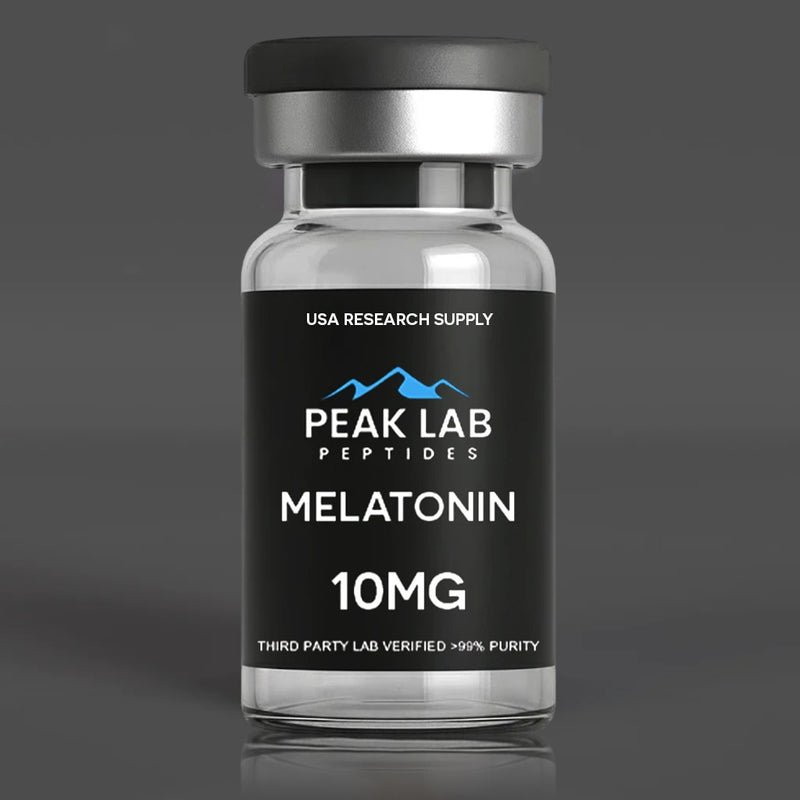
Melatonin – 100mg (Lyophilized Powder) – For Research Use Only
Melatonin is a naturally occurring hormone produced by the pineal gland, primarily known for its role in regulating the sleep-wake cycle (circadian rhythm). In research, Melatonin is studied for its potential effects on sleep regulation, antioxidant activity, immune modulation, and neuroprotection.
Studies have also explored its impact on oxidative stress and inflammation in various biological models.
Product Details:
-
Compound: Melatonin (N-Acetyl-5-methoxytryptamine)
-
Purity: >98%
-
Form: Lyophilized powder
-
Quantity: 100mg per vial
-
Storage: Store at -4°F (-20°C). After reconstitution, refrigerate at 36–46°F (2–8°C) and use within 30 days.
-
Grade: For research use only. Not for human consumption or therapeutic use.
Potential Research Applications:
-
Sleep and circadian rhythm studies
-
Antioxidant and oxidative stress research
-
Immune modulation investigations
-
Neuroprotection and anti-aging models
THIS IS NOT FOR HUMAN CONSUMPTION. SOLD FOR RESEARCH ONLY!
Melatonin is an indoleamine molecule naturally produced by the pineal gland and found across numerous biological systems. In research settings, it is widely used as a model compound to study circadian regulation, cellular redox balance, and neuroendocrine signaling. When supplied as a laboratory reagent, melatonin is intended strictly for controlled experimental use—such as in vitro assays, receptor-binding studies, or cellular signaling investigations—and not for human or veterinary administration.
This designation allows the use of melatonin only for in vitro testing and laboratory experimentation. All product information is provided for educational and research purposes. This material is not a drug, food, or cosmetic and must not be misbranded, misused, or mislabeled as such.
Melatonin is structurally derived from tryptophan and has been extensively studied as a key marker and mediator of circadian timing in diverse model systems. In the laboratory, melatonin is often used to explore:
- Clock-gene expression and circadian rhythm regulation
- Receptor-mediated signaling via MT1/MT2 and related pathways
- Interactions with intracellular antioxidant and redox systems
- Cross-talk between neuroendocrine signals and cellular stress responses
Because melatonin interacts with both membrane-bound and nuclear receptors, it serves as a versatile probe for examining how environmental cues (e.g., light–dark cycles) can influence downstream transcriptional and metabolic processes. Research also frequently evaluates its role in mitochondrial function, reactive oxygen species handling, and cellular protection pathways in various tissues.
5 reviews for Melatonin
- Circadian and Neuroendocrine Signaling Models
Melatonin is a central output of the circadian pacemaker and is closely aligned with dark-phase signaling in many organisms. In vitro and ex vivo experiments frequently use melatonin to:
- Investigate clock-gene expression patterns and feedback loops
- Characterize MT1/MT2 receptor pharmacology and downstream signaling cascades
- Examine how simulated “day–night” exposure profiles affect cellular timing mechanisms
These models help clarify how circadian regulation may influence gene transcription, hormone dynamics, and metabolic responses at the cellular level.
- Oxidative Stress and Redox Homeostasis
Melatonin is also studied as a potent redox-active molecule. Experimental systems often evaluate melatonin in the context of:
- Modulation of reactive oxygen and nitrogen species
- Interaction with enzymatic antioxidant systems (e.g., superoxide dismutase, catalase, glutathione-associated pathways)
- Protection of cellular lipids, proteins, and nucleic acids under oxidative challenge
By examining melatonin’s influence on oxidative signaling and associated damage markers, researchers gain insight into how cells manage stress and maintain homeostasis under various experimental insults.
- Mitochondrial and Cellular Function
Because mitochondria are both a major source and target of reactive species, melatonin has become a tool for exploring:
- Mitochondrial membrane potential and respiratory chain dynamics
- Apoptosis-related pathways and caspase activation
- Bioenergetic adaptation under different metabolic or stress conditions
These studies can illuminate how melatonin-sensitive pathways intersect with cell survival, energy production, and organelle integrity in cultured cells and tissue preparations.
- Receptor and Signal-Transduction Assays
Melatonin’s well-characterized receptor targets make it suitable for:
- Binding studies and ligand–receptor affinity profiling
- Second-messenger pathway analysis (e.g., cAMP modulation, kinase activation)
- Structure–activity relationship (SAR) work using melatonin analogues or derivatives
Such research supports broader efforts to understand how indoleamine-based signaling can shape cellular behavior and responsiveness to environmental cues.
All research uses must comply with applicable institutional, regulatory, and safety requirements. This product is not intended for administration to humans or animals.
Q1: What is melatonin supplied for in this context?
A1: Melatonin is supplied strictly as a laboratory research chemical for in vitro testing and related experimental work by qualified professionals. It is not intended or approved for human or veterinary use.
Q2: Can this melatonin product be used as a sleep aid or dietary supplement?
A2: No. This melatonin is a research-grade reagent only. It must not be used as a sleep aid, supplement, medication, or any other consumer product.
Q3: What types of studies commonly use melatonin?
A3: Researchers frequently use melatonin to investigate circadian biology, receptor-mediated signaling, oxidative stress pathways, and mitochondrial or cellular function in controlled experimental systems.
Q4: Does PeakLab Peptides provide any dosing or usage guidance?
A4: No. All experimental design parameters—including concentration, protocol, and handling—must be determined by the purchasing laboratory. PeakLab Peptides does not provide dosing, administration, or clinical-use guidance.
Q5: Is this melatonin product classified as a drug, food, or cosmetic?
A5: No. This product is not a drug, food, or cosmetic and may not be misbranded, misused, or mislabeled as such. It is designated for research use only.
Storage & Handling
All peptides are supplied as sterile, lyophilized powder and are stable when handled correctly.
- On arrival: Store vials in a cool, dry place away from heat and direct sunlight.
- Long-term (powder): For optimal longevity, keep lyophilized peptides refrigerated to help maintain integrity.
- After reconstitution: Use an appropriate research diluent (for example, BAC water). Store the reconstituted solution in the refrigerator and use within 20–30 days for best stability.
Note: Minimize exposure to moisture and repeated freeze–thaw cycles. Follow your institution's safety procedures when handling research materials.
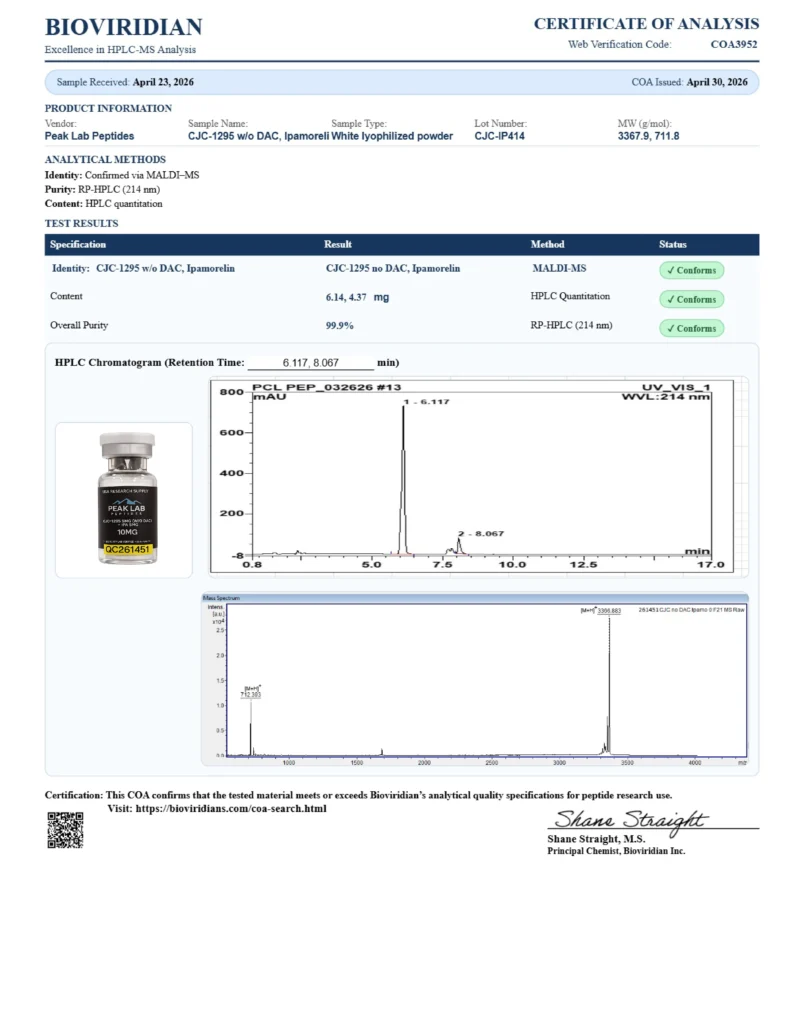
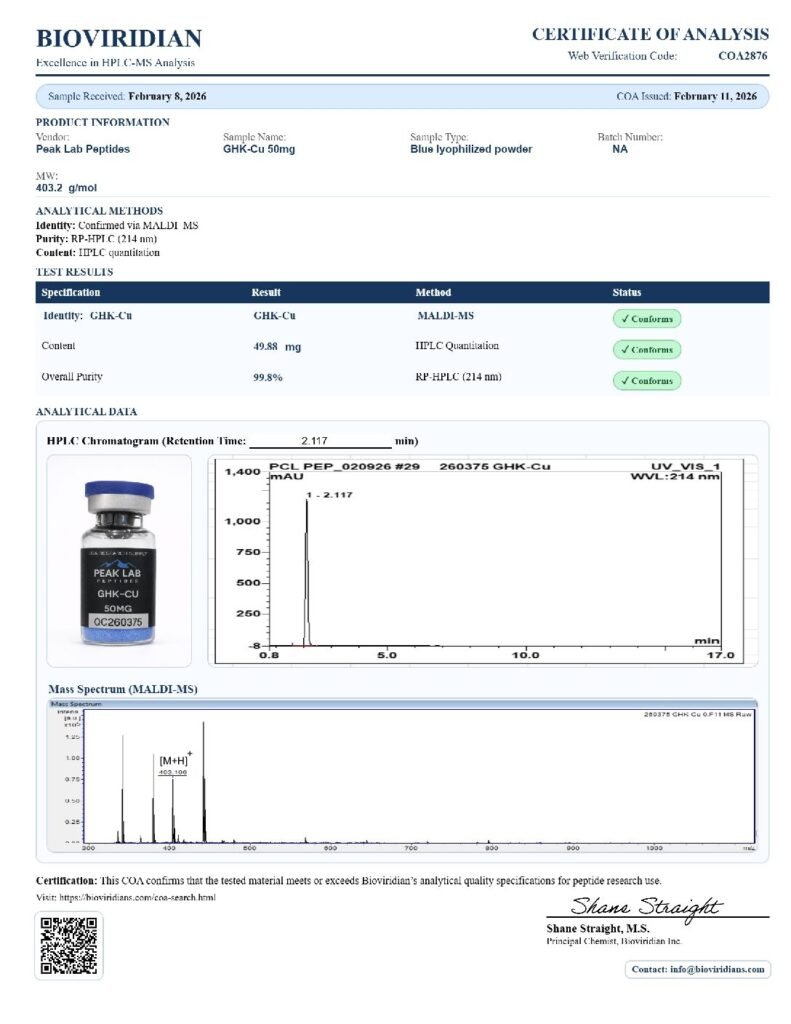
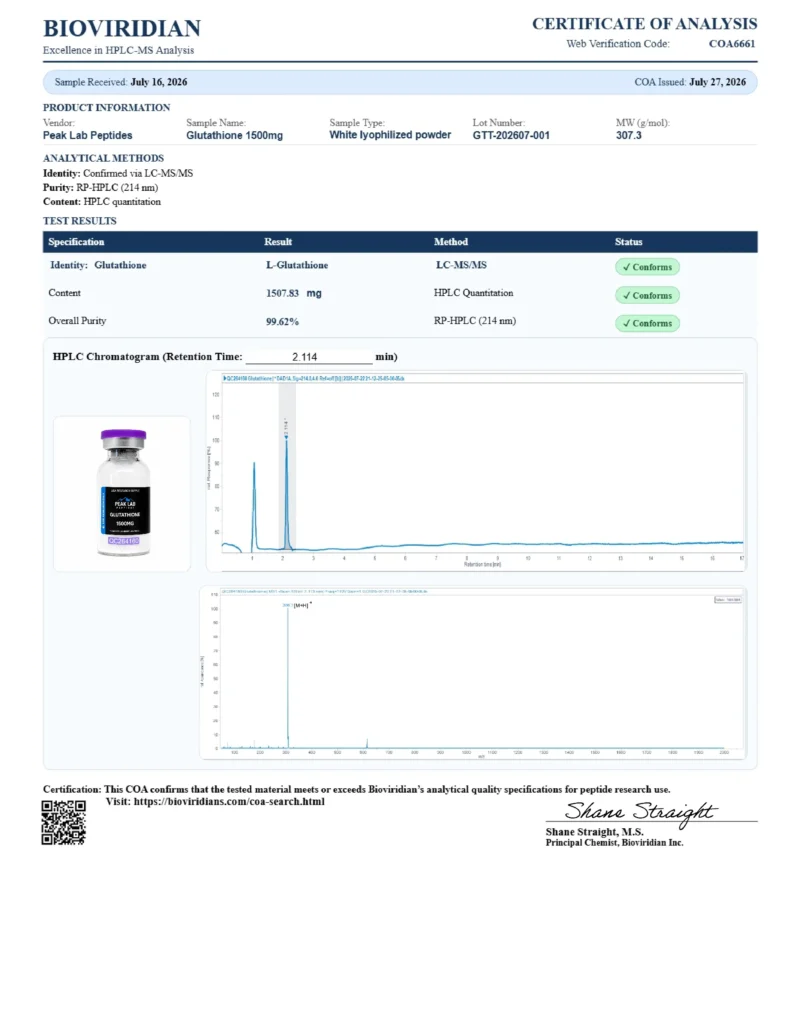
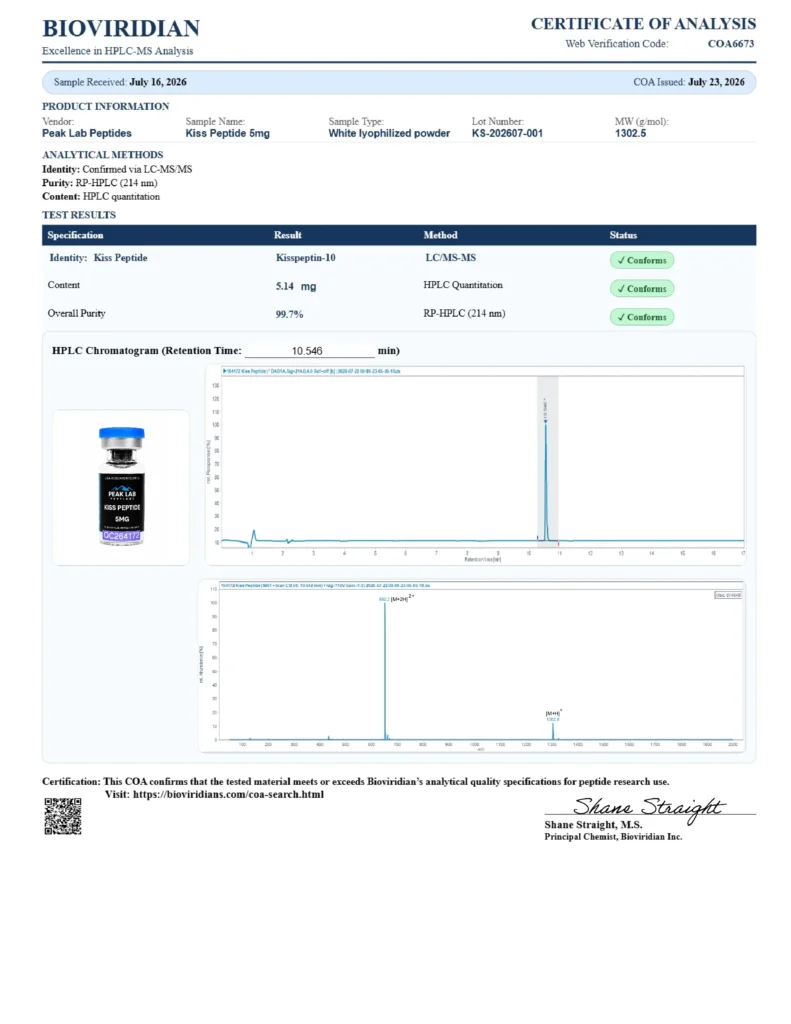
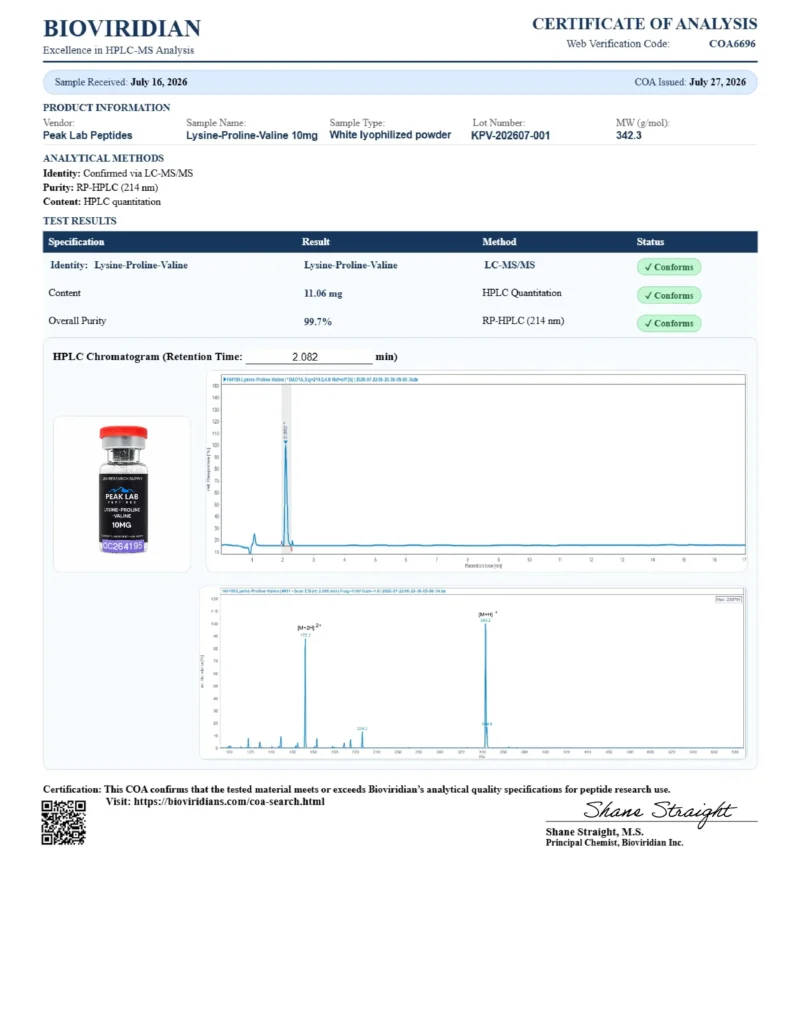
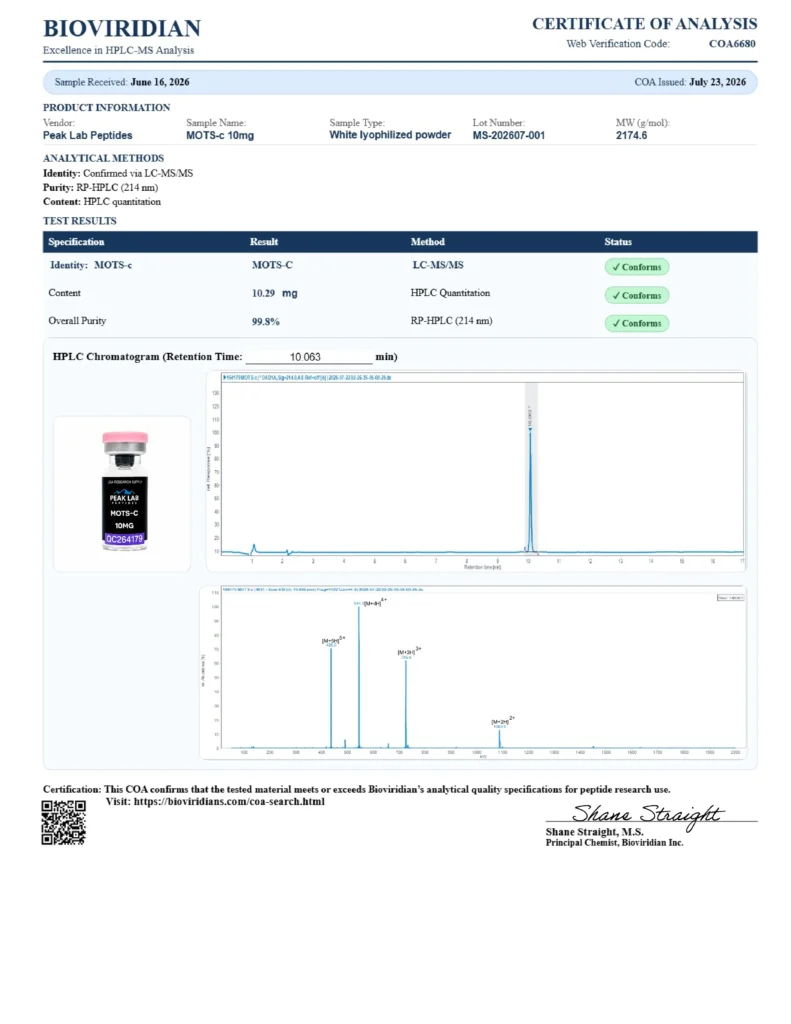
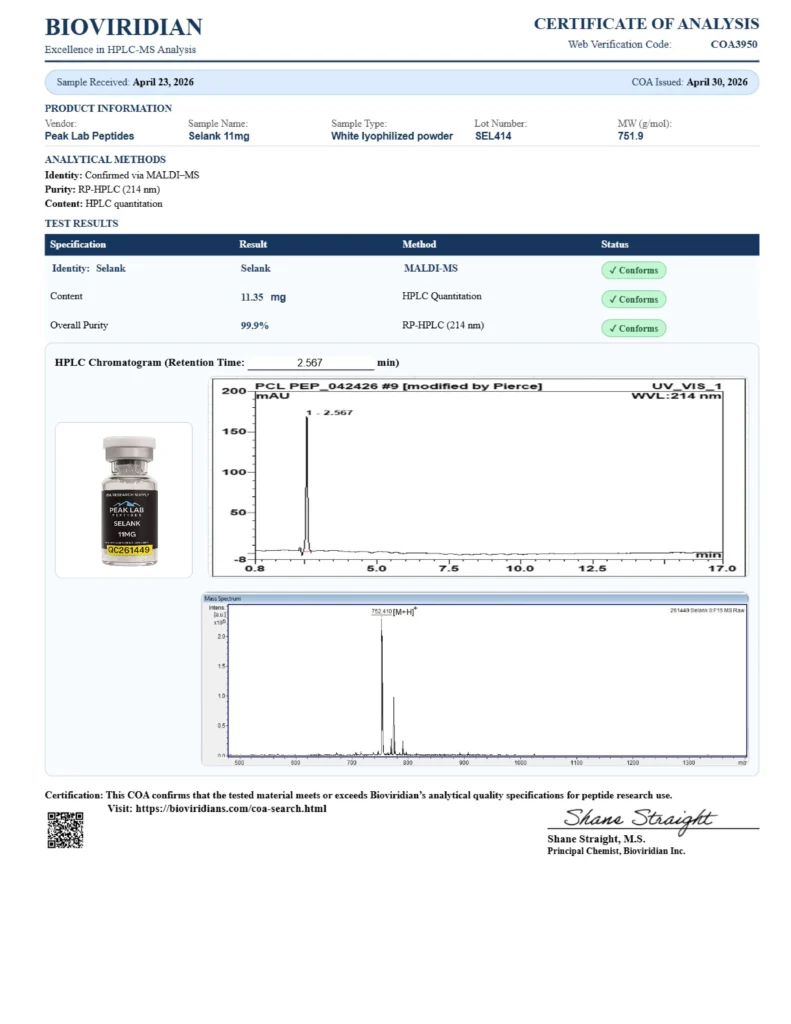
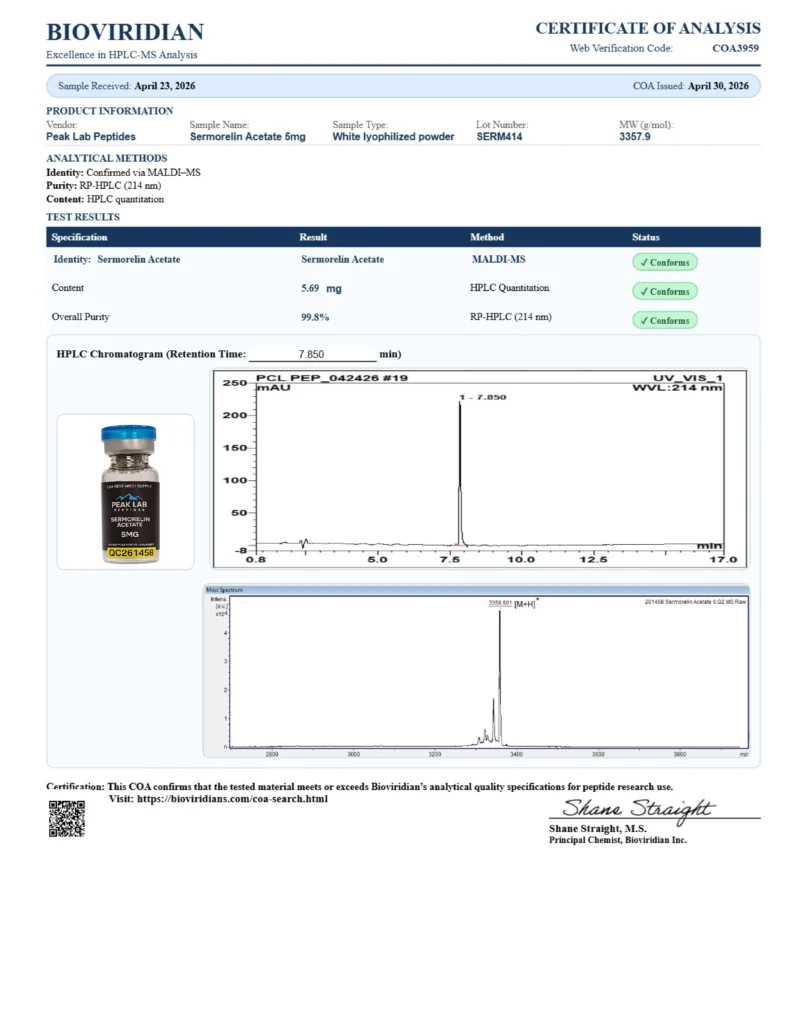
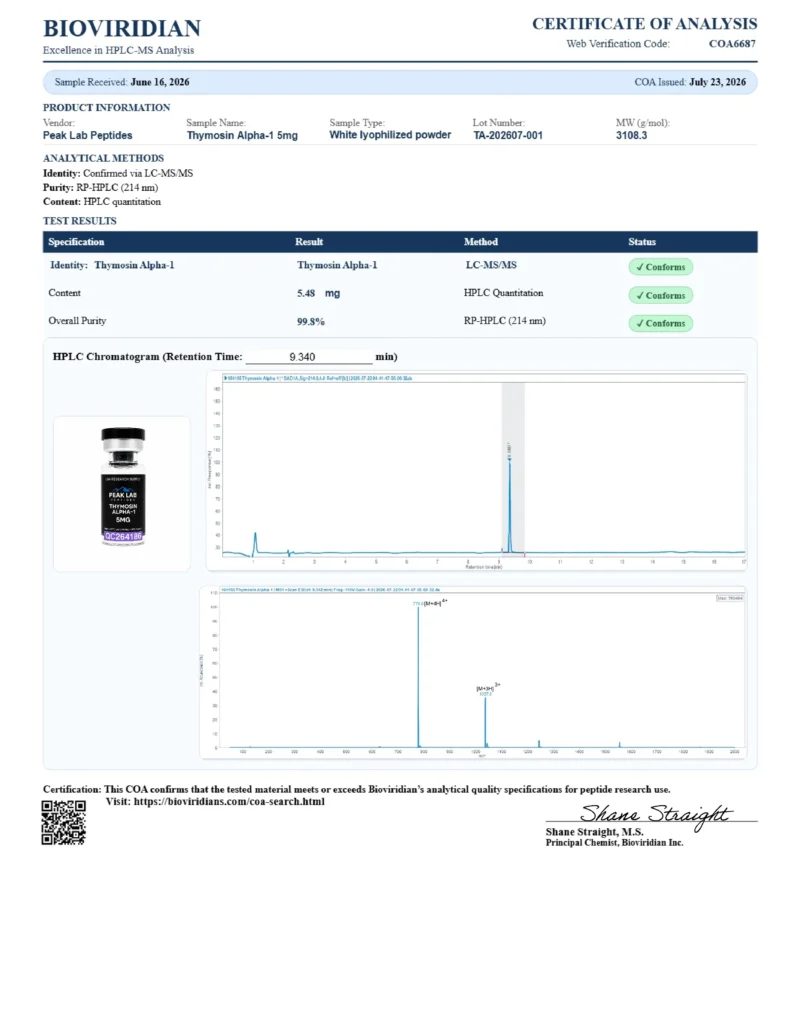
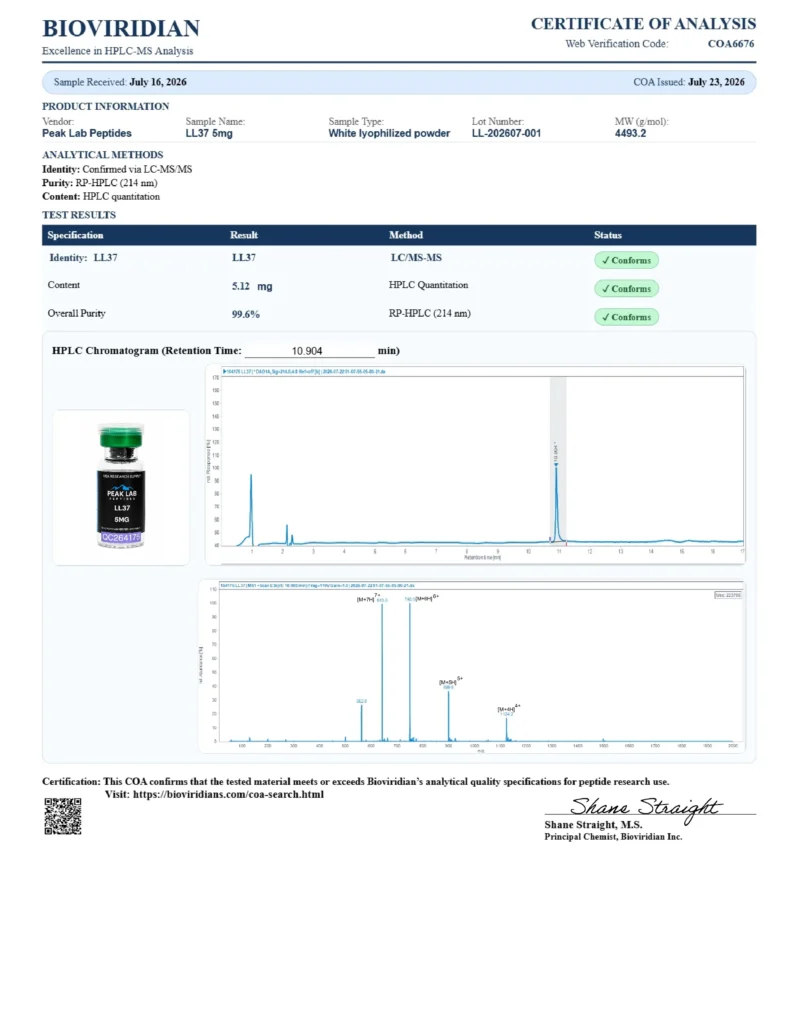
Peak Lab Peptides maintains quality-control processes and routinely performs third-party testing to support purity and identity verification. COAs are available upon request for applicable batches. Documentation may vary depending on production timelines.
We aim to make batch-level documentation available whenever possible. Our goal is to expand COA access across the full catalog as production capacity grows.
All products are for laboratory research use only and are not intended for human consumption.
Related Products
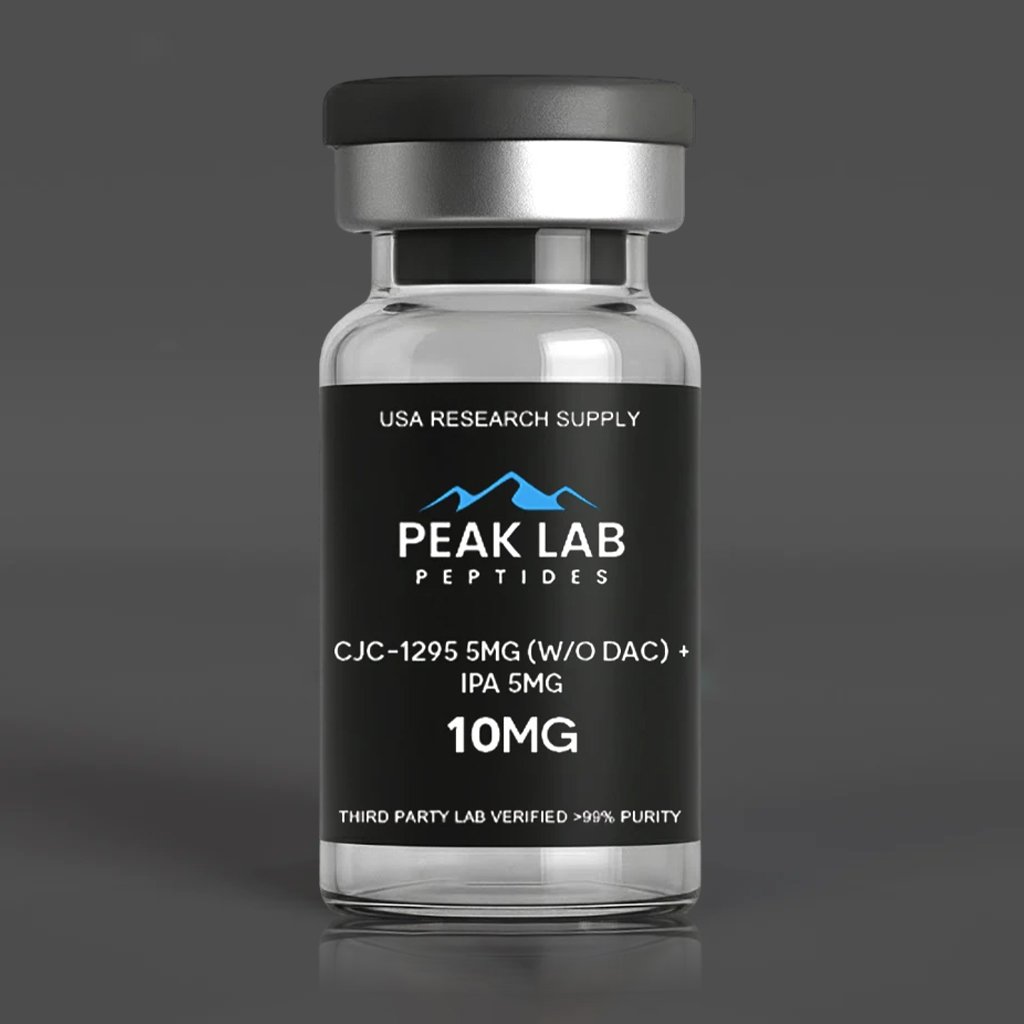
CJC-1295 No DAC + Ipamorelin – 5mg + 5mg (10mg total)
CJC-1295 No DAC + Ipamorelin
Product Details:
Peptides: CJC-1295 No DAC + Ipamorelin Purity: >98% Form: Lyophilized powder Quantity: 10mg total per vial (typically 5mg of each peptide unless otherwise specified) Storage: Store lyophilized powder at -20°C. Once reconstituted, refrigerate (2–8°C) and use within 30 days. Research Grade: For laboratory research purposes only. Not for human use, therapeutic, or diagnostic applications. Research Applications May Include: Synergistic stimulation of natural GH release Studies on recovery, lean mass, and anti-aging Exploration of GH/GHRH/GHRP axis functionalityGHK-Cu
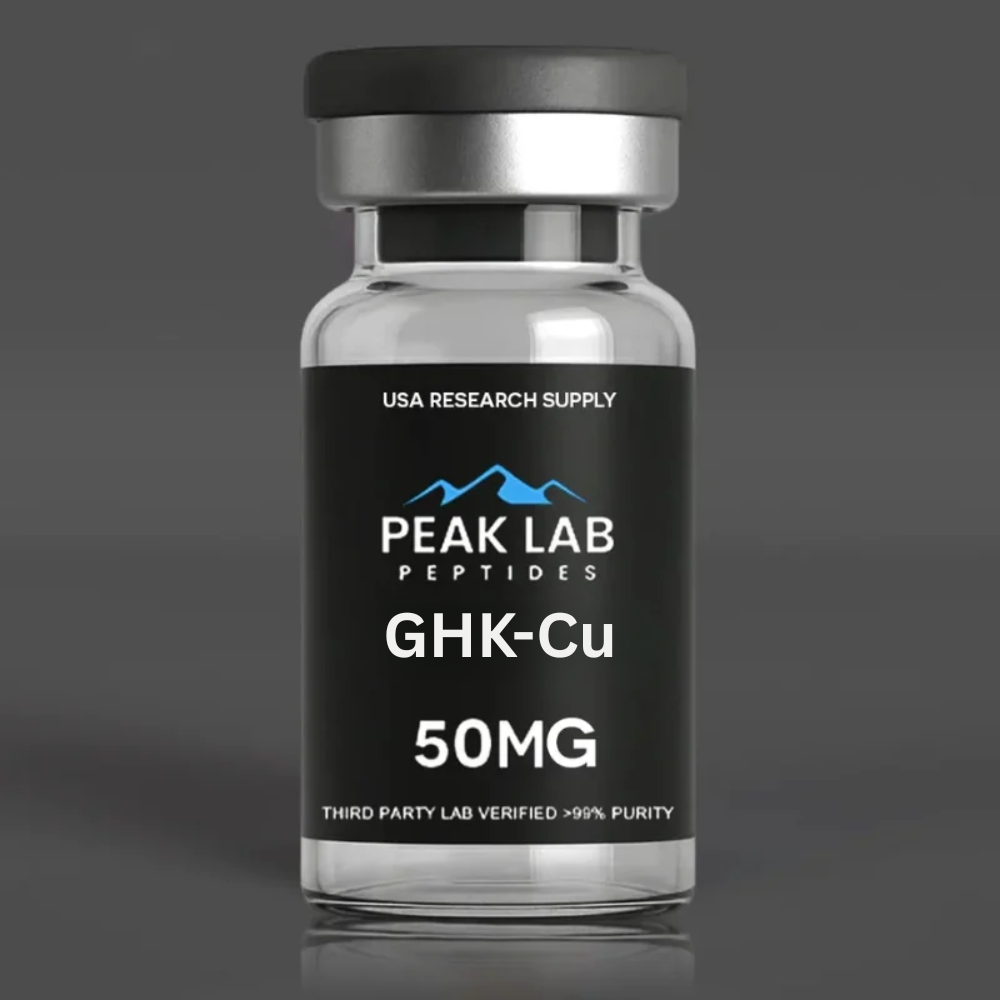
GLOW Blend 70mg (GHK-Cu 50mg, BPC-157 10mg, TB-500 10mg)
HGH 191AA
HGH 191AA (Human Growth Hormone, somatropin)
HGH 191aa – 15IU (Lyophilized Peptide) – For Research Use Only
HGH 191AA (191 amino acid sequence) is a synthetic form of human growth hormone identical to naturally occurring GH produced in the pituitary gland. It is widely researched for its potential roles in cell regeneration, muscle growth, fat metabolism, and anti-aging studies.
The 191aa sequence is considered the gold standard for HGH research due to its full biological activity and low risk of immunogenic response compared to 192aa analogs.
Product Details:
-
Peptide: HGH 191aa (Somatropin)
-
Quantity: 15IU per vial
-
Purity: >98%
-
Form: Lyophilized powder
-
Storage: Store at -4°F (-20°C). After reconstitution, refrigerate at 36–46°F (2–8°C) and use within 30 days.
-
Grade: For research purposes only. Not for human use, medical, or diagnostic applications.
Potential Research Applications:
-
Muscle growth and recovery studies
-
Fat loss and metabolic rate modeling
-
Anti-aging and cellular regeneration research
-
GH receptor signaling exploration
This product is intended for laboratory research use only. Not for human consumption or therapeutic use.
IGF-1 LR3
IGF-1 LR3 1mg – Research Peptide
For Research Use Only – Not for Human Consumption IGF-1 LR3 (Long Arg3 Insulin-Like Growth Factor-1) is a synthetic peptide analog of human IGF-1. It has been modified to extend its half-life in vitro, allowing for enhanced stability and prolonged activity during laboratory testing. The substitution of arginine at position 3 and removal of the first three amino acids in the native IGF-1 sequence make LR3 more resistant to binding proteins, thereby increasing its bioavailability in research environments. Researchers value IGF-1 LR3 for its role in studying cellular growth, differentiation, survival pathways, and metabolic functions. It has been widely used in experimental models to explore muscle cell proliferation, neuroprotection, and regenerative mechanisms. Sequence: 83 amino acids Form: Lyophilized powder Purity: ≥ 98% (HPLC Verified) Unit Size: 1mg vial Storage: Store lyophilized peptide at -4°F. Once reconstituted, keep refrigerated at 36–46°F. ⚠ Disclaimer: All products are sold strictly for laboratory research use only. Not for human use, consumption, or therapeutic applications.LL-37 (5mg)
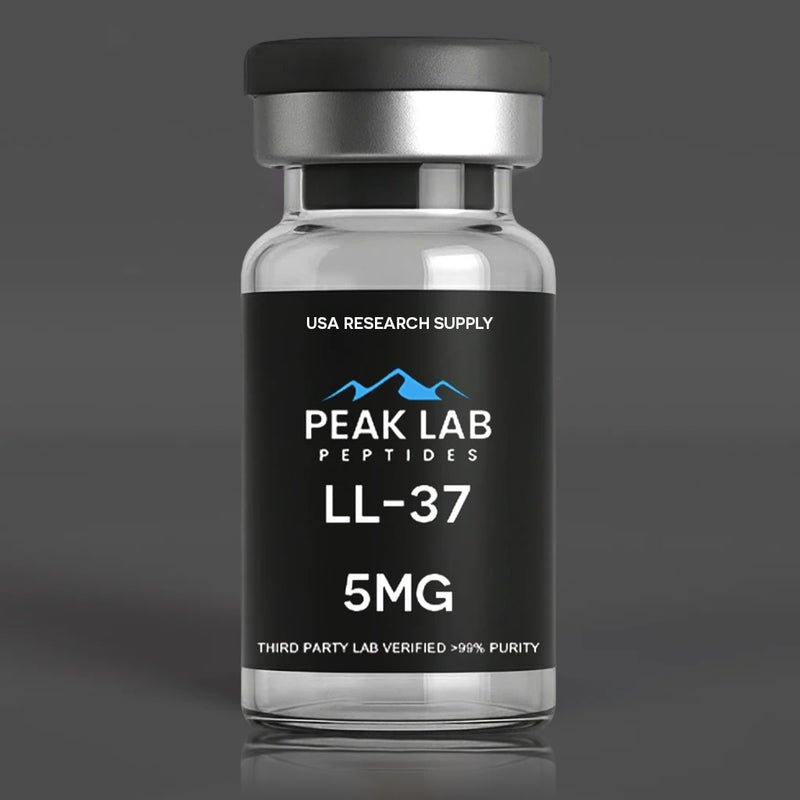
LL-37 – 5mg (Lyophilized Peptide in 3ml Vial) – For Research Use Only
LL-37 is a human antimicrobial peptide derived from the cathelicidin family, extensively studied for its roles in innate immunity, antimicrobial defense, wound healing, and inflammation regulation. LL-37 exhibits broad-spectrum activity against bacteria, viruses, and fungi, and plays a key role in modulating the body’s immune and inflammatory responses. In research, LL-37 is of particular interest in models exploring skin healing, immune signaling, tissue regeneration, and antimicrobial resistance.Product Details:
Peptide: LL-37 Purity: >98% Form: Lyophilized powder Quantity: 5mg per vial Vial Size: 3ml sterile glass vial Storage: Store at -4°F (-20°C). After reconstitution, refrigerate at 36–46°F (2–8°C) and use within 30 days. Grade: For research purposes only. Not for human consumption, therapeutic, or diagnostic use.Potential Research Applications:
Antimicrobial and infection control models Wound healing and skin regeneration studies Immune system modulation and inflammation research Studies on epithelial repair and barrier function For laboratory research use only. This product is not intended to diagnose, treat, cure, or prevent any disease.MT-2 (Melanotan 2) -10mg
Melanotan II (MT-2)
MT-2 (Melanotan 2) – 10mg (Lyophilized Peptide) – For Research Use Only
Melanotan 2 (MT-2) is a synthetic analog of the alpha-melanocyte-stimulating hormone (α-MSH), studied for its ability to activate melanocortin receptors involved in skin pigmentation, appetite regulation, and sexual function.
Research has focused on MT-2’s effects on melanin production, UV protection, libido, and energy balance in laboratory models.
Product Details:
-
Peptide: Melanotan 2 (MT-2)
-
Purity: >98%
-
Form: Lyophilized powder
-
Quantity: 10mg per vial
-
Storage: Store at -4°F (-20°C). After reconstitution, refrigerate at 36–46°F (2–8°C) and use within 30 days.
-
Grade: For research purposes only. Not for human consumption, therapeutic, or diagnostic use.
Potential Research Applications:
-
Melanogenesis and skin pigmentation studies
-
UV protection and tanning research models
-
Libido and sexual function investigations
-
Energy regulation and melanocortin receptor research
For laboratory research only. This product is not intended to diagnose, treat, cure, or prevent any disease.
Sermorelin
Sermorelin
Sermorelin – 10mg (Lyophilized Peptide) – For Research Use Only
Sermorelin is a synthetic peptide analog of Growth Hormone-Releasing Hormone (GHRH 1-29), the active fragment responsible for stimulating natural growth hormone (GH) release. It is widely studied for its potential to enhance endogenous GH production, support recovery, promote muscle growth, and aid in anti-aging research models.
Sermorelin is often researched alongside other GH secretagogues such as Ipamorelin or CJC-1295 for synergistic effects on growth hormone pathways.
Product Details:
-
Peptide: Sermorelin (GHRH 1-29)
-
Purity: >98%
-
Form: Lyophilized powder
-
Quantity: 5mg per vial
-
Storage: Store at -4°F (-20°C). After reconstitution, refrigerate at 36–46°F (2–8°C) and use within 30 days.
-
Grade: For research purposes only. Not for human consumption, therapeutic, or diagnostic use.
Potential Research Applications:
-
Growth hormone stimulation studies
-
Muscle growth and recovery research models
-
Anti-aging and longevity studies
-
GH axis and endocrine function exploration
For laboratory research use only. This product is not intended to diagnose, treat, cure, or prevent any disease.
Protected: SS-31
Tesamorelin
Tesamorelin
Tesamorelin – 10mg (Lyophilized Peptide) – For Research Use Only
Tesamorelin is a synthetic peptide analog of Growth Hormone-Releasing Hormone (GHRH), specifically engineered to increase endogenous growth hormone (GH) secretion. It is widely studied for its potential effects on lipolysis, body composition, and metabolic health, particularly in models focused on visceral fat reduction and aging research.
Tesamorelin has been of special interest in studies involving growth hormone deficiency, fat metabolism, and cardiovascular risk markers.
Product Details:
-
Peptide: Tesamorelin (GHRH analog)
-
Purity: >98%
-
Form: Lyophilized powder
-
Quantity: 2mg per vial
-
Storage: Store at -4°F (-20°C). After reconstitution, refrigerate at 36–46°F (2–8°C) and use within 30 days.
-
Grade: For research purposes only. Not for human consumption, therapeutic, or diagnostic applications.
Potential Research Applications:
-
Growth hormone secretion and lipolysis studies
-
Visceral adipose tissue and metabolic research models
-
Body composition and anti-aging investigations
-
Cardiovascular risk factor and insulin sensitivity studies
For laboratory research only. This product is not intended to diagnose, treat, cure, or prevent any disease.

Steven –
Excellent quality products with professional, secure packaging every time.
Ronald –
Very reliable source with consistent quality across multiple orders.
Edward –
Smooth checkout process and clear communication from order to delivery.
George –
High-quality products at fair prices, especially during discount periods.
Frank –
Every order arrives well protected and professionally presented.