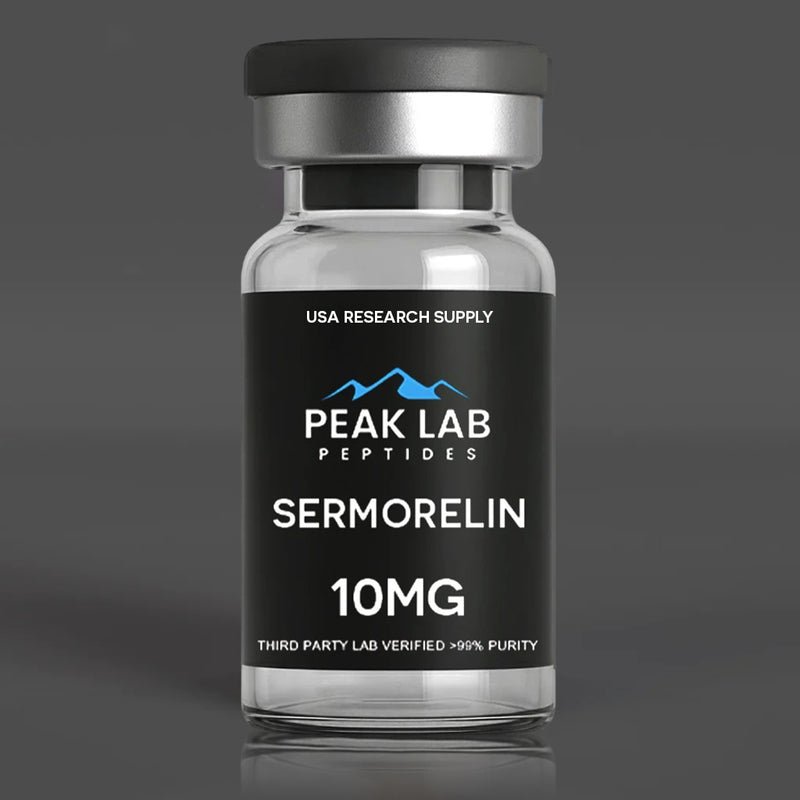
Sermorelin
$47.00 – $86.00Price range: $47.00 through $86.00
Become a Member and save 20% on Every Order.
Description
Sermorelin
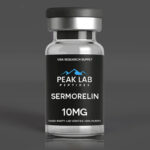
Sermorelin – 10mg (Lyophilized Peptide) – For Research Use Only
Sermorelin is a synthetic peptide analog of Growth Hormone-Releasing Hormone (GHRH 1-29), the active fragment responsible for stimulating natural growth hormone (GH) release. It is widely studied for its potential to enhance endogenous GH production, support recovery, promote muscle growth, and aid in anti-aging research models.
Sermorelin is often researched alongside other GH secretagogues such as Ipamorelin or CJC-1295 for synergistic effects on growth hormone pathways.
Product Details:
-
Peptide: Sermorelin (GHRH 1-29)
-
Purity: >98%
-
Form: Lyophilized powder
-
Quantity: 5mg per vial
-
Storage: Store at -4°F (-20°C). After reconstitution, refrigerate at 36–46°F (2–8°C) and use within 30 days.
-
Grade: For research purposes only. Not for human consumption, therapeutic, or diagnostic use.
Potential Research Applications:
-
Growth hormone stimulation studies
-
Muscle growth and recovery research models
-
Anti-aging and longevity studies
-
GH axis and endocrine function exploration
For laboratory research use only. This product is not intended to diagnose, treat, cure, or prevent any disease.
THIS IS NOT FOR HUMAN CONSUMPTION. SOLD FOR RESEARCH ONLY!
Sermorelin is a synthetic peptide modeled after growth hormone–releasing hormone (GHRH) and used in laboratory research to study pituitary signaling, growth hormone (GH) release pathways, and downstream endocrine regulation. In controlled research settings, sermorelin is commonly included in experiments evaluating GHRH receptor activation, GH/IGF-axis signaling, and feedback-regulated hormone dynamics. Supplied as a research peptide, sermorelin is intended exclusively for qualified laboratory and educational research use. Not for human or veterinary use.
Sermorelin is frequently described as a GHRH analog used as a research tool for exploring how GHRH signaling influences GH secretion patterns and related biological pathways. Researchers may select sermorelin for studies that examine endocrine feedback systems, receptor pharmacology, or model-based investigations involving GH-axis biomarkers.
Common research characteristics:
- Also known as: GHRH analog (research peptide)
- Primary research target: GHRH receptor signaling linked to GH release
- Research focus areas: Pituitary hormone signaling, GH/IGF-axis modeling, receptor activation studies
- Typical lab format: Lyophilized powder for research handling and storage stability
5 reviews for Sermorelin
Sermorelin is used in non-clinical research to investigate GHRH-driven signaling and its relationship to broader endocrine and tissue-response pathways. Because GH release is tightly regulated through feedback mechanisms, GHRH analogs are often studied to better understand how endogenous regulation behaves under controlled stimulation conditions.
Common research themes include:
- Pituitary signaling and hormone dynamics: Sermorelin is used to probe how GHRH receptor activation influences GH secretion in experimental systems, supporting studies of pulsatile signaling and feedback-regulated endocrine output.
- Tissue response and remodeling models: Some research frameworks explore how GH-axis signaling correlates with tissue repair markers, extracellular matrix activity, or vascular-related endpoints in controlled models (research context only; no outcomes implied).
- Neuroendocrine signaling intersections: GHRH-axis signaling is sometimes studied alongside neurochemical pathways linked to sleep–wake regulation in model organisms, supporting exploratory research into hormone–neurotransmitter relationships.
- CNS excitability research (exploratory): Certain experimental designs investigate whether GHRH analog signaling intersects with inhibitory neurotransmission pathways in seizure-model research, using standardized non-clinical endpoints.
Compliance note: Published materials may describe clinical outcomes or therapeutic framing. PeakLab Peptides does not market sermorelin for diagnosis, treatment, prevention, or any physiological outcome. Sermorelin is supplied strictly for laboratory research use only.
Q1: What is sermorelin used for in research?
A1: Sermorelin is used in laboratory research to study GHRH receptor signaling, growth hormone release pathways, and endocrine feedback dynamics in controlled models.
Q2: Is sermorelin the same as growth hormone?
A2: No. Sermorelin is a GHRH analog studied for its ability to stimulate GH release in research settings, whereas growth hormone is a separate hormone. They are different compounds used to probe different points in the GH axis.
Q3: What types of experiments use sermorelin?
A3: Researchers use sermorelin in receptor-activation assays, endocrine pathway studies, GH/IGF-axis modeling, and experimental workflows evaluating hormone-linked biomarkers.
Q4: What form is sermorelin typically supplied in?
A4: Sermorelin is commonly supplied as a lyophilized powder to support stability during storage and shipping for laboratory research.
Q5: How should sermorelin be stored in a lab setting?
A5: Store sealed, dry, and protected from light according to your lab’s SOP. Many labs use cold storage for peptides and minimize moisture exposure and repeated temperature cycling.
Storage & Handling
All peptides are supplied as sterile, lyophilized powder and are stable when handled correctly.
- On arrival: Store vials in a cool, dry place away from heat and direct sunlight.
- Long-term (powder): For optimal longevity, keep lyophilized peptides refrigerated to help maintain integrity.
- After reconstitution: Use an appropriate research diluent (for example, BAC water). Store the reconstituted solution in the refrigerator and use within 20–30 days for best stability.
Note: Minimize exposure to moisture and repeated freeze–thaw cycles. Follow your institution's safety procedures when handling research materials.
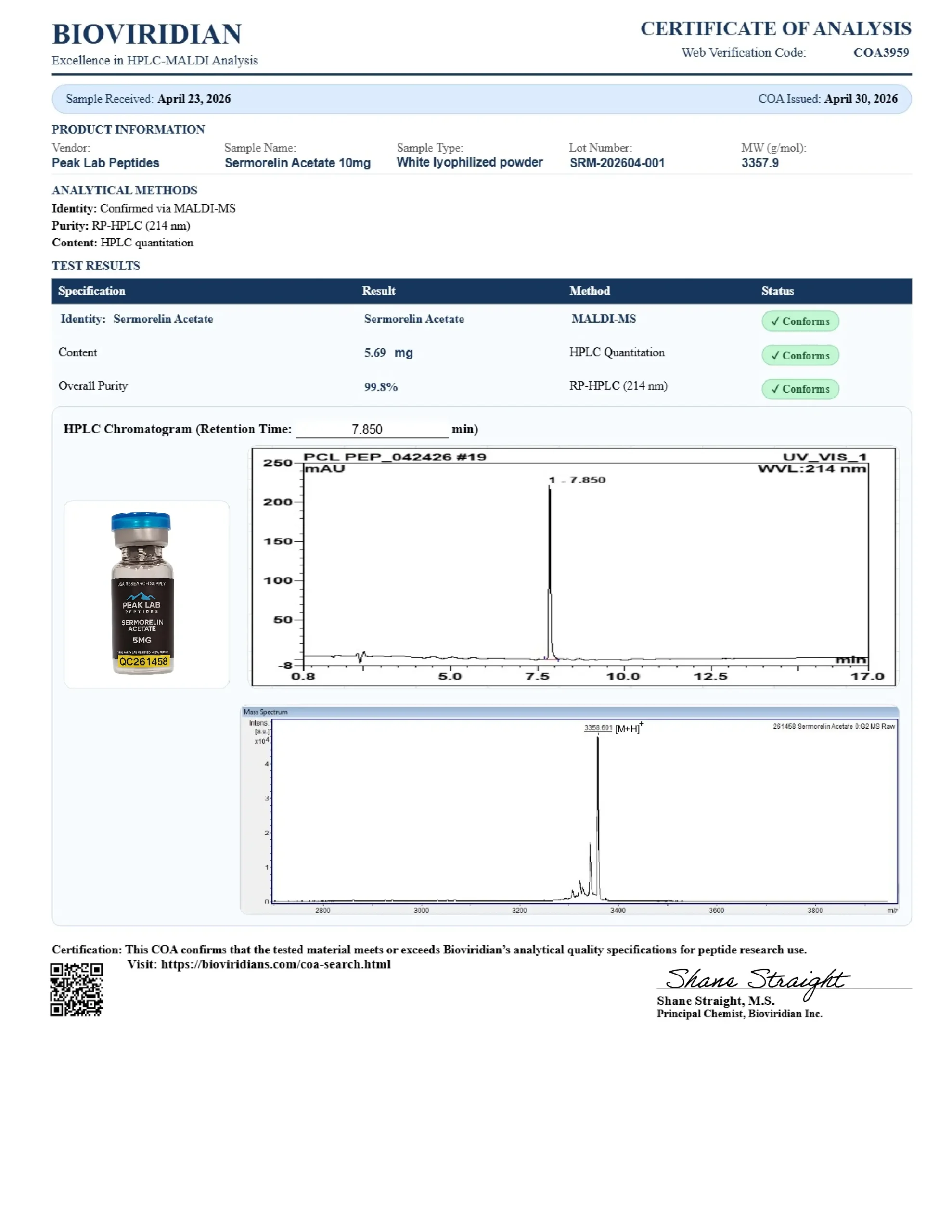
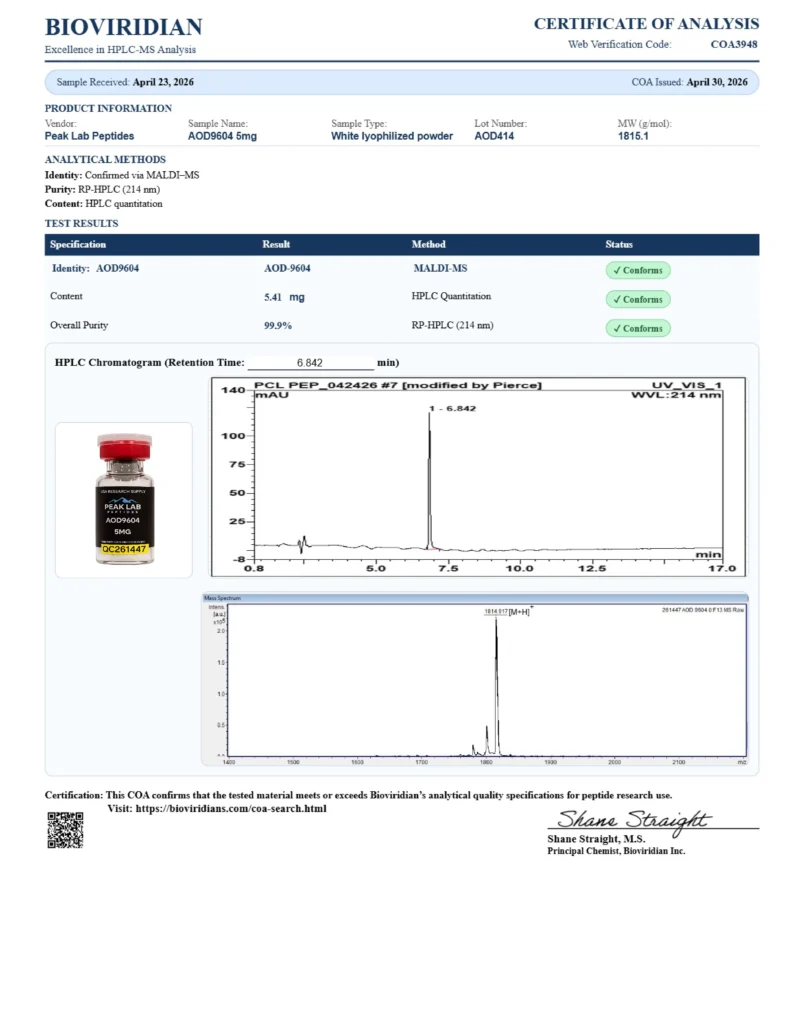
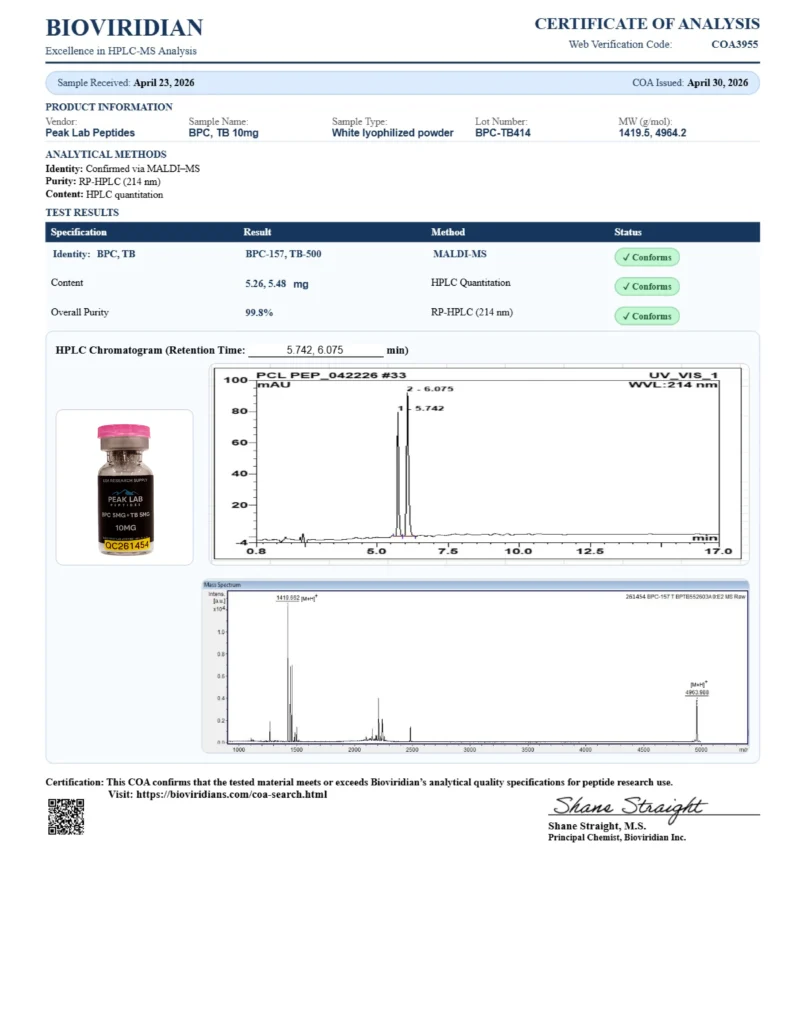
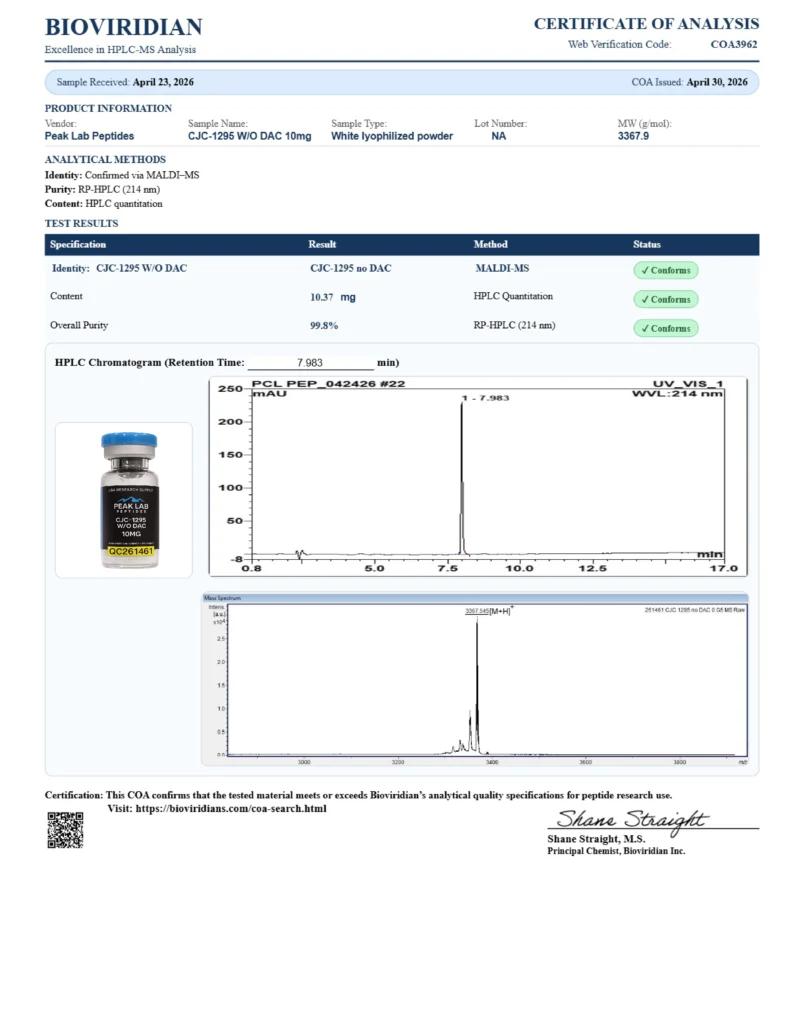
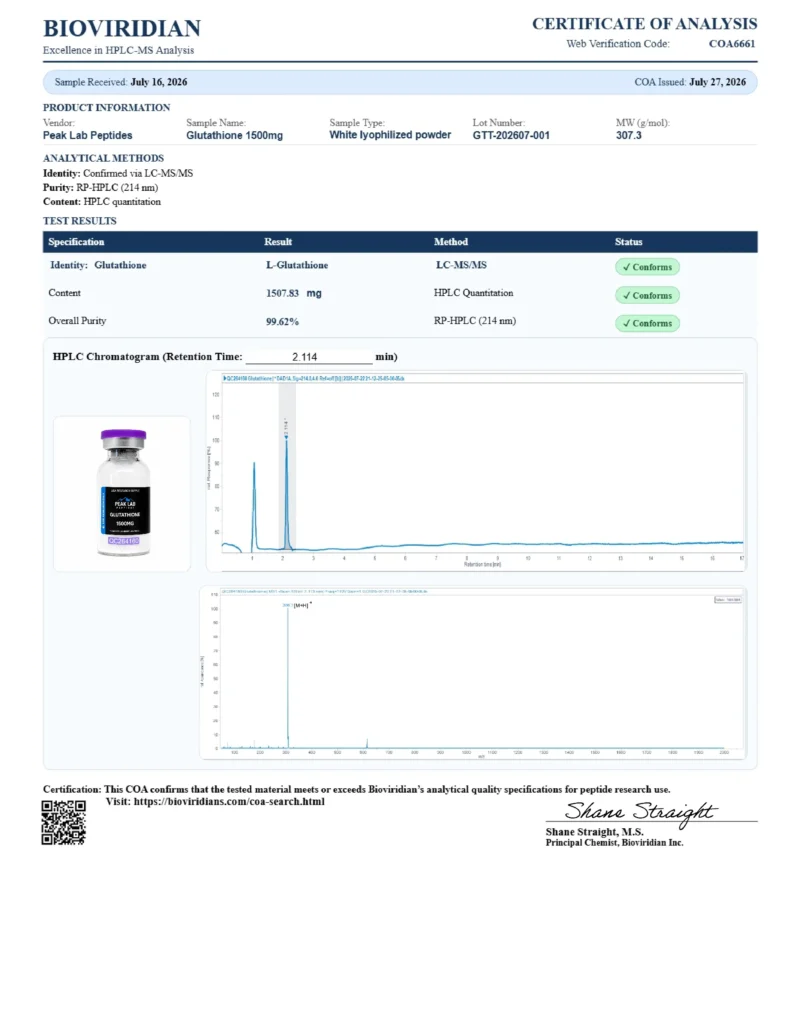
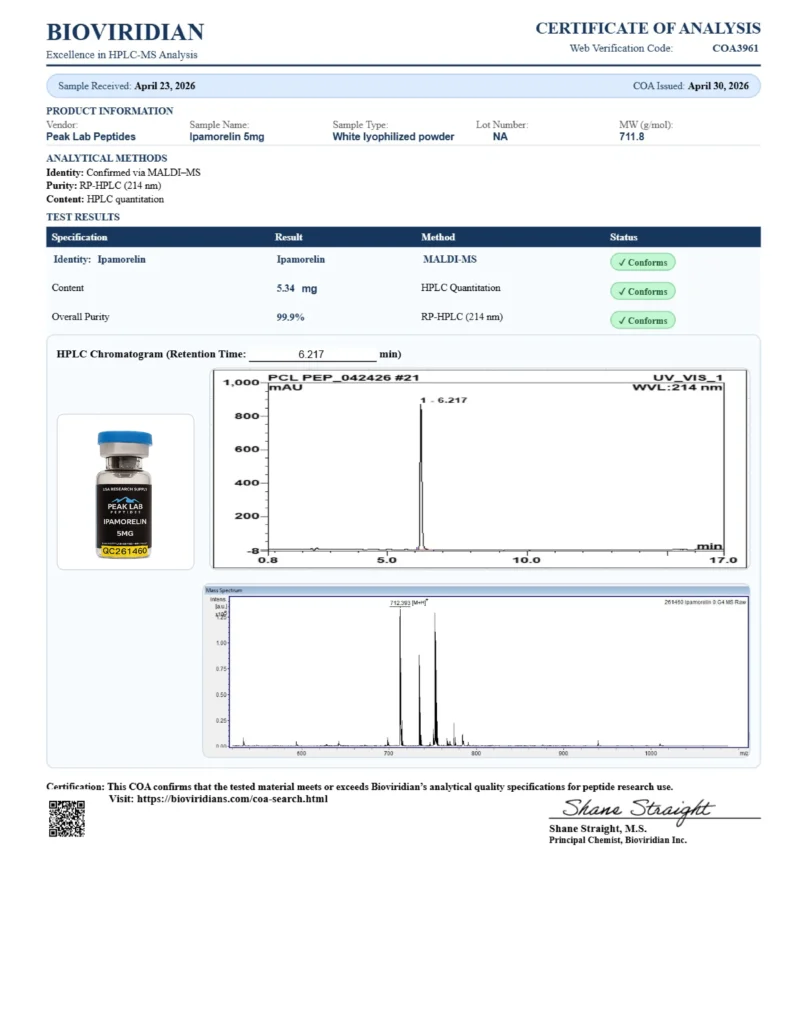
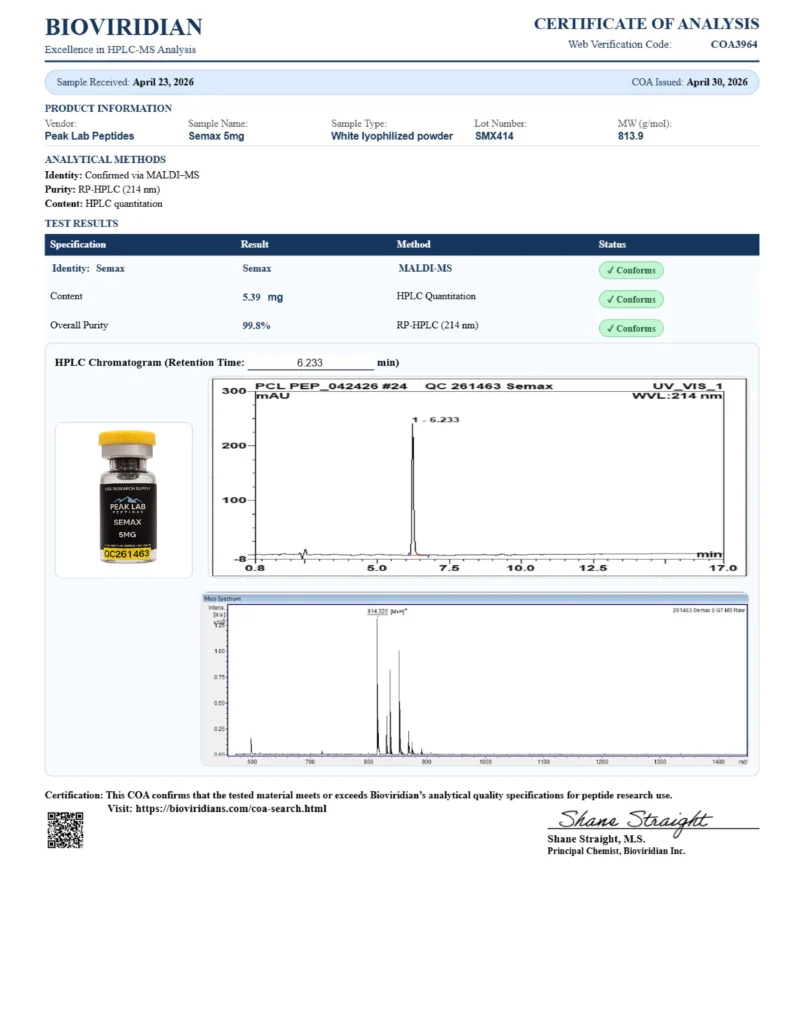
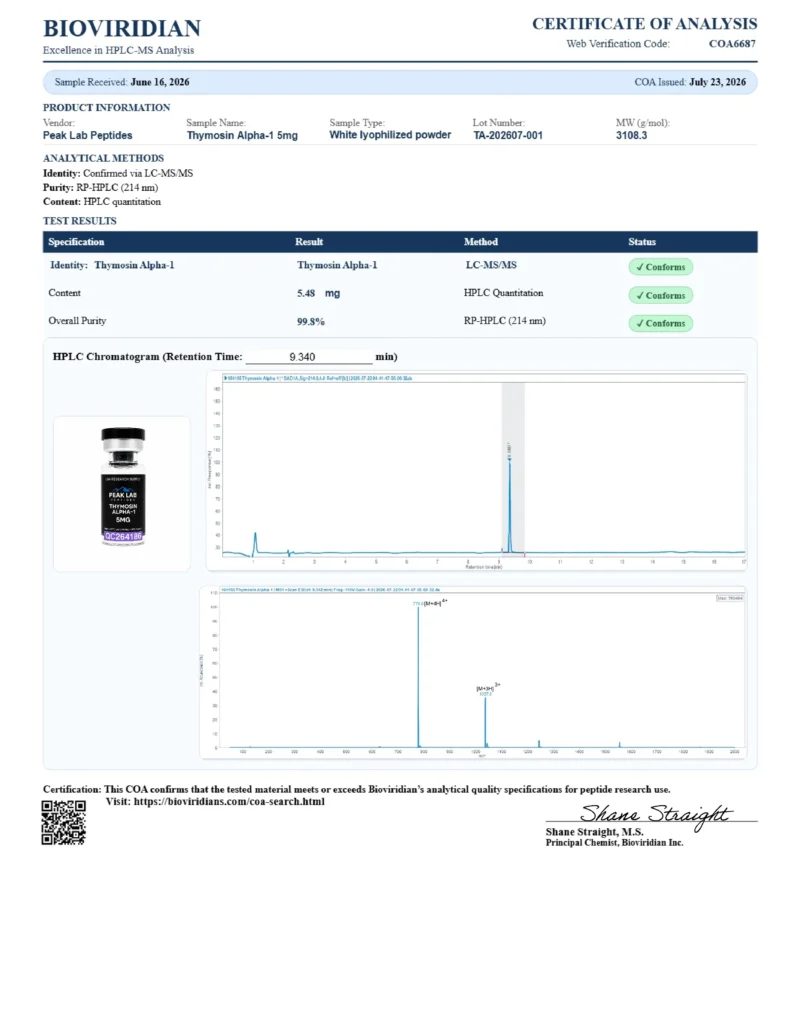
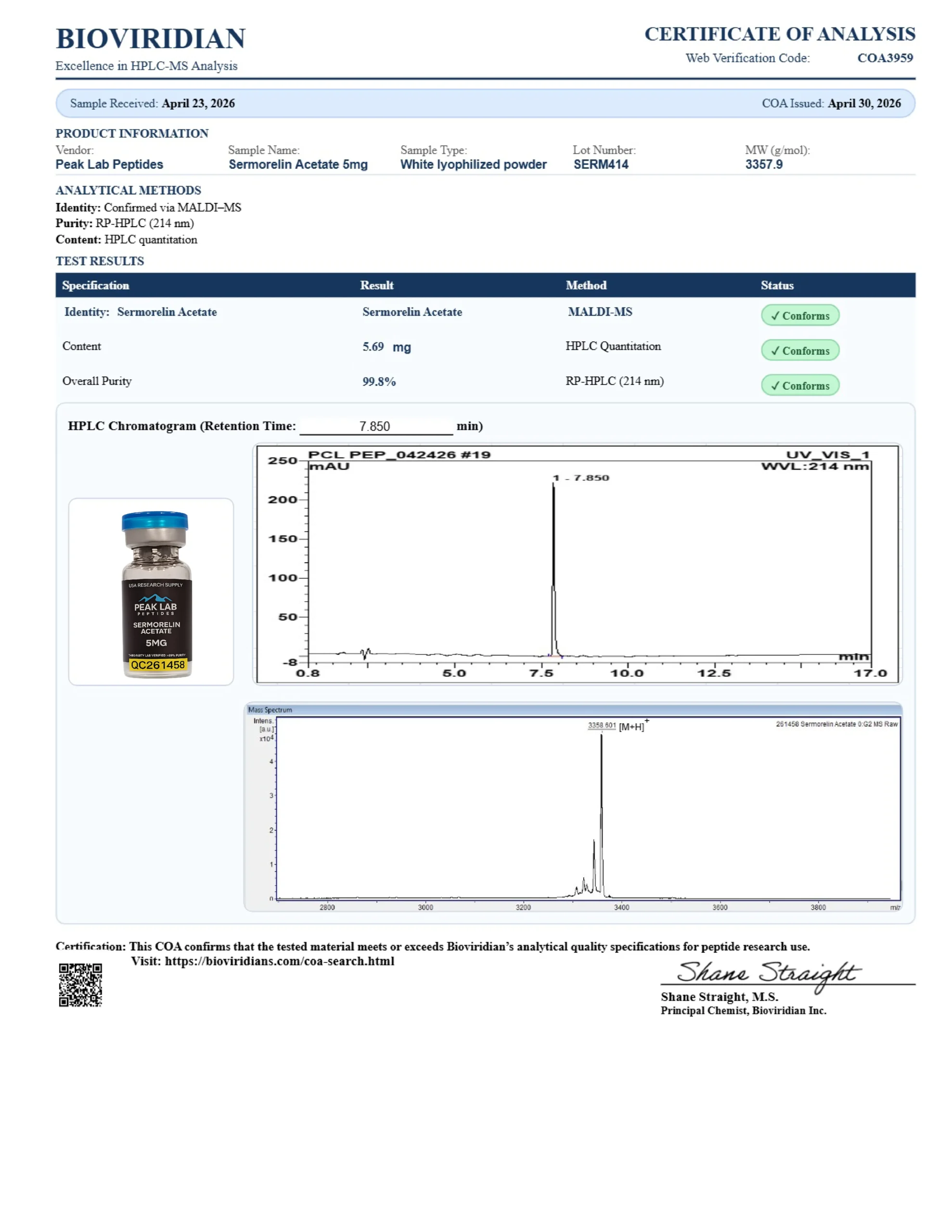
Peak Lab Peptides maintains quality-control processes and routinely performs third-party testing to support purity and identity verification. COAs are available upon request for applicable batches. Documentation may vary depending on production timelines.
We aim to make batch-level documentation available whenever possible. Our goal is to expand COA access across the full catalog as production capacity grows.
All products are for laboratory research use only and are not intended for human consumption.
Related Products
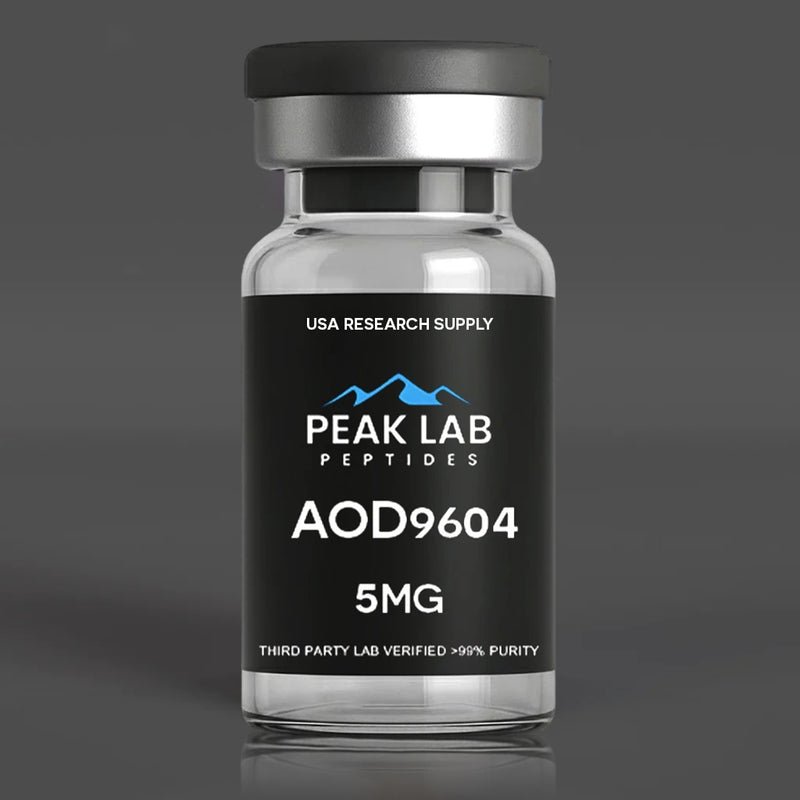
AOD9604
AOD9604
AOD-9604 – 5mg (Lyophilized Peptide) – For Research Use Only
AOD-9604 is a modified fragment of human growth hormone (HGH), specifically amino acids 176–191, developed for its potential role in fat metabolism and lipolysis research. Unlike full-sequence HGH, AOD-9604 is studied for its ability to promote fat breakdown without influencing blood sugar or IGF-1 levels, making it a focus of metabolic and weight management studies.
Research has explored its effects on adipose tissue, body composition, and metabolic rate regulation.
Product Details:
-
Peptide: AOD-9604 (HGH Fragment 176–191)
-
Purity: >98%
-
Form: Lyophilized powder
-
Quantity: 5mg per vial
-
Storage: Store at -4°F (-20°C). After reconstitution, refrigerate at 36–46°F (2–8°C) and use within 30 days.
-
Grade: For research purposes only. Not for human consumption, therapeutic, or diagnostic use.
Potential Research Applications:
-
Fat metabolism and lipolysis studies
-
Obesity and weight management research models
-
Adipose tissue regulation investigations
-
Metabolic health and energy balance research
Ara-290 (10mg)
ARA-290 (Cibinetide)
ARA-290 – 10mg (Lyophilized Peptide) – For Research Use Only
ARA-290 is a synthetic peptide derived from erythropoietin (EPO) that is specifically engineered to retain tissue-protective properties without stimulating erythropoiesis. It is widely studied for its potential in anti-inflammatory, neuroprotective, and tissue repair research.
ARA-290 interacts with the innate repair receptor (IRR), making it a promising candidate in research related to chronic inflammation, neuropathic pain, and autoimmune conditions.
Product Details:
-
Peptide: ARA-290
-
Purity: >98%
-
Form: Lyophilized powder
-
Quantity: 10mg per vial
-
Storage: Store at -4°F (-20°C). After reconstitution, refrigerate at 36–46°F (2–8°C) and use within 30 days.
-
Grade: Research use only. Not for human consumption or therapeutic use.
Potential Research Applications:
-
Anti-inflammatory pathway studies
-
Neuropathic pain models
-
Tissue protection and repair research
-
Innate repair receptor (IRR) exploration
BPC-157
BPC-157
BPC-157 (Body Protection Compound 157) is a synthetic pentadecapeptide studied in preclinical models for its roles in tissue repair signaling, angiogenesis, nitric oxide modulation, and gastrointestinal mucosal research. Supplied as lyophilized powder at 99%+ HPLC verified purity. Batch-specific COA included. For in vitro research use only.
HCG
HCG (Human Chorionic Gonadotropin)
HCG (Human Chorionic Gonadotropin) – 5,000 IU (Lyophilized Powder) – For Research Use Only
Human Chorionic Gonadotropin (HCG) is a glycoprotein hormone naturally produced during pregnancy, commonly studied for its effects on the hypothalamic-pituitary-gonadal (HPG) axis. In research, HCG is used to stimulate testosterone production, luteinizing hormone (LH) activity, and fertility pathways.
HCG is often studied in models exploring spermatogenesis, gonadal function, and hormone regulation in both male and female research subjects.
Product Details:
-
Compound: Human Chorionic Gonadotropin (HCG)
-
Potency: 5,000 IU per vial
-
Form: Lyophilized powder
-
Purity: Research grade
-
Storage: Store at -4°F (-20°C). After reconstitution, refrigerate at 36–46°F (2–8°C) and use within 30 days.
-
Grade: For research purposes only. Not for human consumption, therapeutic, or diagnostic use.
Potential Research Applications:
-
Testosterone stimulation and LH activity studies
-
Fertility and reproductive hormone models
-
Testicular function and spermatogenesis research
-
Endocrine system modulation investigations
For laboratory research use only. This product is not intended to diagnose, treat, cure, or prevent any disease.
IGF-1 LR3
IGF-1 LR3 1mg – Research Peptide
For Research Use Only – Not for Human Consumption IGF-1 LR3 (Long Arg3 Insulin-Like Growth Factor-1) is a synthetic peptide analog of human IGF-1. It has been modified to extend its half-life in vitro, allowing for enhanced stability and prolonged activity during laboratory testing. The substitution of arginine at position 3 and removal of the first three amino acids in the native IGF-1 sequence make LR3 more resistant to binding proteins, thereby increasing its bioavailability in research environments. Researchers value IGF-1 LR3 for its role in studying cellular growth, differentiation, survival pathways, and metabolic functions. It has been widely used in experimental models to explore muscle cell proliferation, neuroprotection, and regenerative mechanisms. Sequence: 83 amino acids Form: Lyophilized powder Purity: ≥ 98% (HPLC Verified) Unit Size: 1mg vial Storage: Store lyophilized peptide at -4°F. Once reconstituted, keep refrigerated at 36–46°F. ⚠ Disclaimer: All products are sold strictly for laboratory research use only. Not for human use, consumption, or therapeutic applications.KissPeptin-10
Kisspeptin-10
Kisspeptin-10 – 10mg (Lyophilized Peptide) – For Research Use Only
Kisspeptin-10 is a short-chain peptide fragment of the kisspeptin family, known for its regulatory role in the hypothalamic-pituitary-gonadal (HPG) axis. It is widely studied for its potential to influence GnRH (Gonadotropin-Releasing Hormone) secretion, making it a key subject in research on fertility, reproductive hormone modulation, and endocrine function.
Kisspeptin-10 has also been explored in studies related to puberty onset, reproductive health, and hormone signaling pathways.
Product Details:
-
Peptide: Kisspeptin-10 (Metastin 10 fragment)
-
Purity: >98%
-
Form: Lyophilized powder
-
Quantity: 10mg per vial
-
Storage: Store at -4°F (-20°C). After reconstitution, refrigerate at 36–46°F (2–8°C) and use within 30 days.
-
Grade: For research purposes only. Not for human consumption, therapeutic, or diagnostic use.
Potential Research Applications:
-
Fertility and reproductive hormone studies
-
HPG axis and GnRH secretion models
-
Endocrine signaling and modulation research
-
Studies on puberty and reproductive health
For laboratory research only. This product is not intended to diagnose, treat, cure, or prevent any disease.
KLOW Blend 80mg – GHK-Cu, TB-500, BPC-157, KPV
KLOW – 80mg Peptide Blend (Lyophilized Powder) – For Research Use Only GHK-Cu • TB-500 • BPC-157 • KPV
KLOW is an advanced 4-in-1 research peptide blend combining 80mg of regenerative and anti-inflammatory compounds studied for their potential in tissue repair, immune modulation, and cellular recovery. Designed for comprehensive healing models, KLOW offers synergistic support across skin, muscle, and gut research applications. Active Ingredients (Per Vial): GHK-Cu – 50mg Studied for skin regeneration, wound healing, collagen stimulation, and hair follicle support. TB-500 – 10mg A fragment of Thymosin Beta-4, known for supporting angiogenesis, cell migration, and muscle recovery. BPC-157 – 10mg Derived from a gastric protein, BPC-157 is studied for gut repair, tendon/ligament healing, and anti-inflammatory effects. KPV – 10mg A tripeptide fragment with strong research interest for localized inflammation and immune modulation, particularly in the gut and skin. Product Details: Total Peptide Content: 80mg per vial: Lyophilized powder Purity: >98% Storage: Store at -4°F (-20°C). After reconstitution, refrigerate at 36–46°F (2–8°C) and use within 30 days. Grade: For research purposes only. Not for human consumption, therapeutic, or diagnostic use. Potential Research Applications: Soft tissue, muscle, and ligament repair Skin rejuvenation and wound healing models Inflammatory bowel and gut barrier integrity studies Anti-inflammatory and immune modulation research For laboratory research only. This product is not intended to diagnose, treat, cure, or prevent any disease.Melatonin
Melatonin
Melatonin – 100mg (Lyophilized Powder) – For Research Use Only
Melatonin is a naturally occurring hormone produced by the pineal gland, primarily known for its role in regulating the sleep-wake cycle (circadian rhythm). In research, Melatonin is studied for its potential effects on sleep regulation, antioxidant activity, immune modulation, and neuroprotection.
Studies have also explored its impact on oxidative stress and inflammation in various biological models.
Product Details:
-
Compound: Melatonin (N-Acetyl-5-methoxytryptamine)
-
Purity: >98%
-
Form: Lyophilized powder
-
Quantity: 100mg per vial
-
Storage: Store at -4°F (-20°C). After reconstitution, refrigerate at 36–46°F (2–8°C) and use within 30 days.
-
Grade: For research use only. Not for human consumption or therapeutic use.
Potential Research Applications:
-
Sleep and circadian rhythm studies
-
Antioxidant and oxidative stress research
-
Immune modulation investigations
-
Neuroprotection and anti-aging models
MT-2 (Melanotan 2) -10mg
Melanotan II (MT-2)
MT-2 (Melanotan 2) – 10mg (Lyophilized Peptide) – For Research Use Only
Melanotan 2 (MT-2) is a synthetic analog of the alpha-melanocyte-stimulating hormone (α-MSH), studied for its ability to activate melanocortin receptors involved in skin pigmentation, appetite regulation, and sexual function.
Research has focused on MT-2’s effects on melanin production, UV protection, libido, and energy balance in laboratory models.
Product Details:
-
Peptide: Melanotan 2 (MT-2)
-
Purity: >98%
-
Form: Lyophilized powder
-
Quantity: 10mg per vial
-
Storage: Store at -4°F (-20°C). After reconstitution, refrigerate at 36–46°F (2–8°C) and use within 30 days.
-
Grade: For research purposes only. Not for human consumption, therapeutic, or diagnostic use.
Potential Research Applications:
-
Melanogenesis and skin pigmentation studies
-
UV protection and tanning research models
-
Libido and sexual function investigations
-
Energy regulation and melanocortin receptor research
For laboratory research only. This product is not intended to diagnose, treat, cure, or prevent any disease.
TB-500
TB-500 (TB500)
TB-500 (Thymosin Beta-4 Fragment) – 5mg or 10mg (Lyophilized Peptide) – For Research Use Only
TB-500 is a synthetic Thymosin Beta-4 fragment studied in preclinical models for its roles in actin-binding dynamics, cell migration, angiogenesis, and tissue repair signaling. Supplied as lyophilized powder at 99%+ HPLC verified purity. Batch-specific COA included. For in vitro research use only.

Cynthia –
Quality control appears well managed and consistent.
Tyler –
Overall experience has been smooth every time.
Deborah –
Definitely worth ordering from again in the future.
Patrick –
Product presentation is clean and professional.
Kimberly –
Packaging and labeling give a premium, high-quality feel.