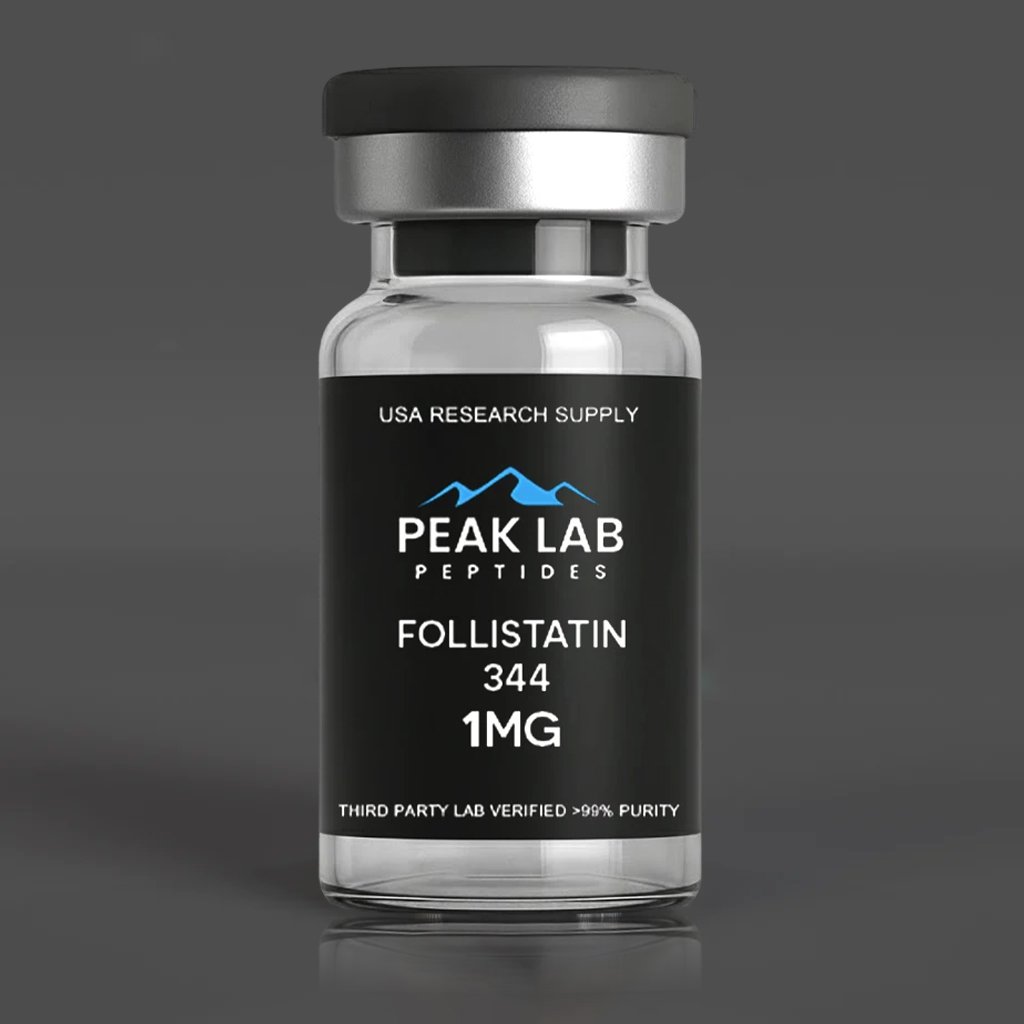
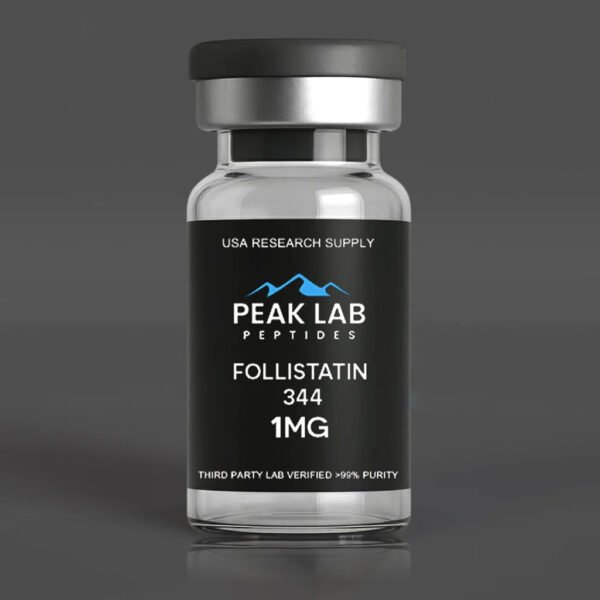
Follistatin-344 (1mg)
$138.00 Original price was: $138.00.$110.40Current price is: $110.40.
In stock

In stock
Become a Member and save 20% on Every Order.
Description
In the field of muscle science and regenerative research, Follistatin-344 has become a standout peptide for its intriguing role in muscle development. This guide breaks down its research uses, potential side effects, and scientific value. Peaklab Peptides remains dedicated to supplying premium-grade research peptides, giving scientists dependable tools for advanced experimentation.
What is Follistatin-344 Peptide?
Follistatin-344 is a naturally occurring protein present in the human body. It is best known for acting as a myostatin blocker, limiting the activity of myostatin — the molecule responsible for restricting muscle growth. Because of this function, researchers are increasingly investigating Follistatin-344 for its potential contributions to muscle regeneration and cellular repair.
Research Applications and Protocols
Current studies explore Follistatin-344 for its potential to:
-
Reduce myostatin activity and encourage muscle cell development
-
Support research involving tissue repair and regenerative therapy
Research dosing varies depending on study design. Scientists typically begin with conservative amounts, observe the outcomes, and adjust protocols as needed.
Documented Research Observations & Side Effects
As with all peptide-related studies, careful documentation is essential. Research has reported:
-
Mild Digestive Reactions: Occasional reports of nausea, bloating, or stomach discomfort
-
Unknown Long-Term Effects: Extended use remains under investigation, making continuous monitoring vital
Following established research procedures and reporting any unexpected results is important for maintaining study integrity.
Scientific Potential of Follistatin-344
The main scientific interest surrounding Follistatin-344 revolves around its potential impact on muscle development, recovery, and cellular growth pathways. As research evolves, this peptide may contribute to future breakthroughs in muscle biology and regenerative medicine. Choosing a trusted supplier like Peaklab Peptides ensures researchers receive reliable, high-purity materials for accurate results.
Purchase Premium Research Peptides at Peaklab Peptides
Peaklab Peptides provides high-quality, USA-manufactured research peptides that are carefully synthesized and purified to meet rigorous standards. Their growing catalog supports various scientific fields, supplying essential components for professional research environments.
With an intuitive ordering process, expert support, and competitive wholesale options, Peaklab Peptides delivers a smooth and dependable purchasing experience. Their commitment to quality, authenticity, and scientific precision makes them a preferred choice for research professionals.
Follistatin-344 is a full-length synthetic analogue of naturally occurring follistatin, a binding protein best known for its ability to sequester and neutralize members of the TGF-β superfamily, including myostatin, activins, and, indirectly, follicle-stimulating hormone (FSH) signaling pathways. In preclinical models, these interactions have been associated with increased skeletal muscle mass, altered fibrosis patterns, and modulation of certain inflammatory responses.
As a research-only compound, Follistatin-344 is used to investigate muscle growth regulation, tissue remodeling, metabolic signaling, and tumor biology in controlled experimental systems. It is not intended for human or veterinary consumption, diagnosis, treatment, or prevention of any disease.
Follistatin is a secreted glycoprotein that binds and neutralizes several TGF-β family ligands, particularly myostatin and activins. Follistatin-344 is a synthetic counterpart of one of the main human isoforms and can be processed in vivo into other follistatin variants.
In research contexts, Follistatin-344 is employed to study:
- Myostatin and activin signaling in skeletal muscle growth and differentiation
- Cross-talk with insulin and IGF-1–related pathways
- Fibrosis, scar formation, and tissue repair biology
- The balance between cell proliferation and metastatic potential in cancer models
- Liver protection, fibrotic progression, and organ regeneration
- Developmental biology, including eye, nervous system, and hair-follicle formation
Because it sits at a key intersection of growth, differentiation, and remodeling signals, follistatin is a versatile tool for dissecting complex biological networks involving TGF-β family ligands.
6 reviews for Follistatin-344 (1mg)
Follistatin and Muscle Growth
Myostatin / Activin Neutralization
Myostatin is a negative regulator of muscle growth; animals lacking myostatin exhibit markedly increased muscle mass and strength. Follistatin binds myostatin and activins, reducing their bioavailability and thereby shifting the balance toward muscle hypertrophy and hyperplasia in research models.
Preclinical Muscle Studies
In mouse and other animal models, follistatin exposure has been associated with:
- Increased lean muscle mass without the requirement for special diets or exercise protocols
- Enhanced muscle cross-sectional area and strength under defined experimental conditions
- Positive functional effects in dystrophic or myopathic models, including Duchenne muscular dystrophy (DMD), where animals showed increased muscle fiber size, reduced inflammation, and decreased fibrosis
Gene-delivery experiments have suggested that a single follistatin gene transfer event can produce long-lasting muscle hypertrophy and strength improvements in both normal and dystrophic animals, indicating that follistatin may influence long-term muscle remodeling programs in vivo.
Insulin / IGF-1 Pathways
Mechanistic work indicates that follistatin’s anabolic effects in muscle involve insulin/IGF-1–linked signaling:
- Follistatin appears to modulate insulin and IGF-related pathways, sometimes reducing local IGF-1 expression while still promoting overall anabolic signaling.
- Experimental data suggest that follistatin may increase pancreatic insulin output in certain models, providing further links between muscle growth, metabolism, and endocrine regulation.
These findings make Follistatin-344 a key reagent for studying how myostatin/activin inhibition intersects with insulin and IGF-1 biology.
Follistatin in Cancer and Tumor Biology
Breast Cancer
In breast-tumor research, follistatin expression has shown a complex relationship with tumor behavior:
- Many breast tumors exhibit reduced follistatin expression; however, a subset displays overexpression.
- Overexpressing tumors may grow faster locally but tend to be less invasive, with follistatin correlating with reduced metastatic spread and improved survival metrics in some studies.
- In HER2-positive breast-cancer mouse models, restoring follistatin levels has been reported to block activin-driven cell migration and significantly reduce lung metastases without necessarily shrinking the primary tumor.
These findings suggest that follistatin can influence the balance between local proliferation and distant dissemination, providing insight into metastasis biology.
Other Cancers and BMP Signaling
Follistatin also interacts with bone morphogenetic proteins (BMPs), which are implicated in multiple cancers and pre-cancerous lesions:
- Overactive BMP signaling has been linked to Barrett’s esophagus (a precursor to esophageal adenocarcinoma) and to progression in colon and other cancers.
- By binding and neutralizing select BMPs and activins, follistatin offers a model system to explore how blocking these signals affects tissue transformation, dysplasia, and tumor evolution.
More broadly, follistatin expression has been associated with differential survival outcomes across tumor types (e.g., improved survival in breast cancer versus shortened survival in some lung, ovarian, or gastric cancers), underscoring a highly context-dependent role in oncology research.
Follistatin, Cell Proliferation, and Liver Biology
Cell Proliferation vs. Metastasis
The “dual” nature of follistatin—promoting localized cell proliferation while suppressing metastatic potential—has been a consistent theme across tissues:
- In the liver, hepatocyte proliferation in regeneration models appears to require inactivation of activins via follistatin.
- This may help explain why follistatin can be associated with larger, more proliferative lesions that are nonetheless less prone to migrate and invade.
Liver Protection and Fibrosis
In hepatic injury and fibrosis models, follistatin has shown protective properties:
- Experimental data indicate lower levels of hepatocyte death and a reduction in early fibrosis indices following follistatin exposure.
- Dysregulation of follistatin and related pathways has been linked to progression from fibrosis to hepatocellular carcinoma, making follistatin a relevant factor in chronic liver-disease research.
These findings support its use in studies of liver regeneration, fibrotic remodeling, and tumor transition in hepatic tissue.
Development, Eye Formation, and Congenital Blindness Models
In developmental biology, follistatin has been studied as a modulator of BMP and TGF-β signaling during early organogenesis:
- Excess BMP activity in the developing optic region can impair fusion of optic structures, which is critical for normal vision.
- Research suggests that follistatin, by dampening BMP signaling, may permit proper optic fissure closure, reducing the risk of congenital defects in experimental models.
This makes follistatin an informative tool compound in studies of craniofacial and ocular development, as well as broader morphogen-gradient biology.
Follistatin and Hair Growth
In human scalp studies, follistatin has been evaluated as part of combination approaches to hair regeneration:
- Small early trials using intradermal follistatin in tandem with other hair-growth–promoting factors (such as Wnt-pathway modulators) have shown measurable increases in hair density and shaft thickness over defined follow-up periods.
- These responses have persisted for months to a year in some subjects, making follistatin a candidate for further exploration in follicular cycling and dermal-papilla biology.
These findings remain investigational and highlight follistatin’s broader role in tissue proliferation and remodeling.
Follistatin, Insulin Deficiency, and Diabetes Models
In pancreatic research, follistatin has been examined for its potential effects on β-cell mass and glucose handling:
- Overexpression of follistatin in rodent models has been associated with increased pancreatic β-cell mass, improved insulin levels, and lower fasting glucose.
- Treated animals have shown attenuation of typical diabetic complications and extended lifespans compared to diabetic controls in certain studies.
These experiments support the use of follistatin as a mechanistic tool for exploring β-cell regeneration, insulin dynamics, and the interplay between TGF-β family ligands and endocrine pancreas function.
Q1: What is Follistatin-344 in a research context?
A1: Follistatin-344 is a full-length synthetic analogue of the naturally occurring follistatin protein, used in laboratory models to study myostatin/activin inhibition, muscle growth regulation, tissue remodeling, and TGF-β family signaling.
Q2: How does follistatin relate to muscle growth research?
A2: Follistatin binds and neutralizes myostatin and activins, which normally inhibit muscle growth. In animal models, this can lead to increased muscle mass and strength, making Follistatin-344 a key tool in skeletal muscle and myopathy research.
Q3: Why is follistatin studied in cancer models?
A3: Follistatin is involved in TGF-β and BMP signaling, which influence cell proliferation, invasion, and metastasis. Research has linked follistatin levels to tumor growth characteristics and metastatic behavior in several cancer types, especially breast cancer.
Q4: Does follistatin have roles beyond muscle and cancer research?
A4: Yes. Follistatin is also investigated in liver protection and fibrosis, developmental eye and nerve formation, hair growth studies, and pancreatic β-cell and diabetes models, reflecting its broad impact on growth and differentiation pathways.
Q5: Is Follistatin-344 intended for human or veterinary use?
A5: No. Follistatin-344 is for laboratory research use only and is not intended for human or veterinary consumption, diagnosis, treatment, or prevention of any disease or condition.
Storage & Handling
All peptides are supplied as sterile, lyophilized powder and are stable when handled correctly.
- On arrival: Store vials in a cool, dry place away from heat and direct sunlight.
- Long-term (powder): For optimal longevity, keep lyophilized peptides refrigerated to help maintain integrity.
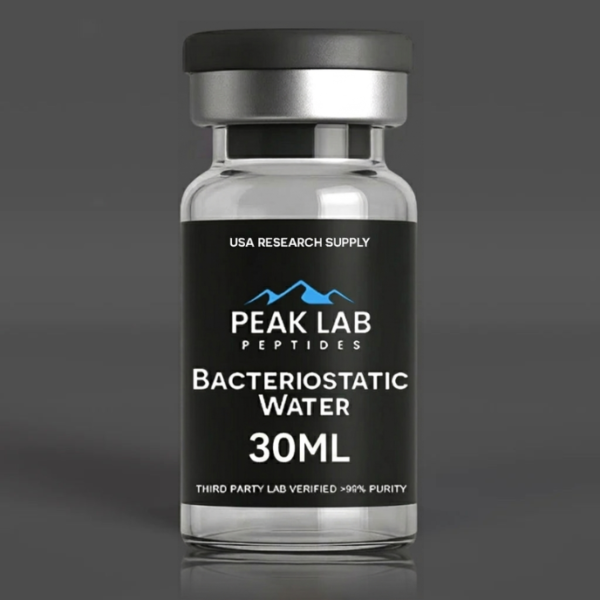
- After reconstitution: Use an appropriate research diluent (for example, BAC water). Store the reconstituted solution in the refrigerator and use within 20–30 days for best stability.
Note: Minimize exposure to moisture and repeated freeze–thaw cycles. Follow your institution's safety procedures when handling research materials.
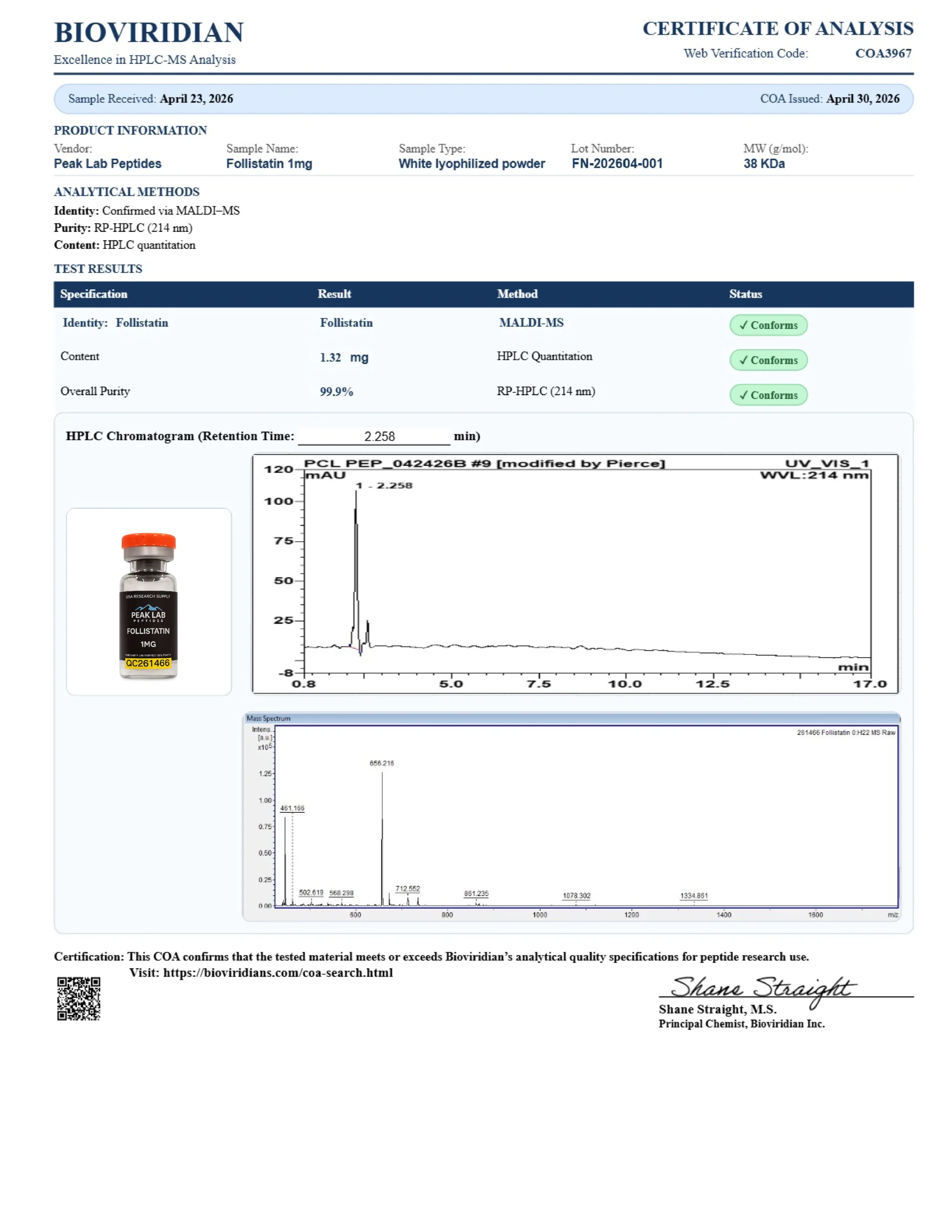
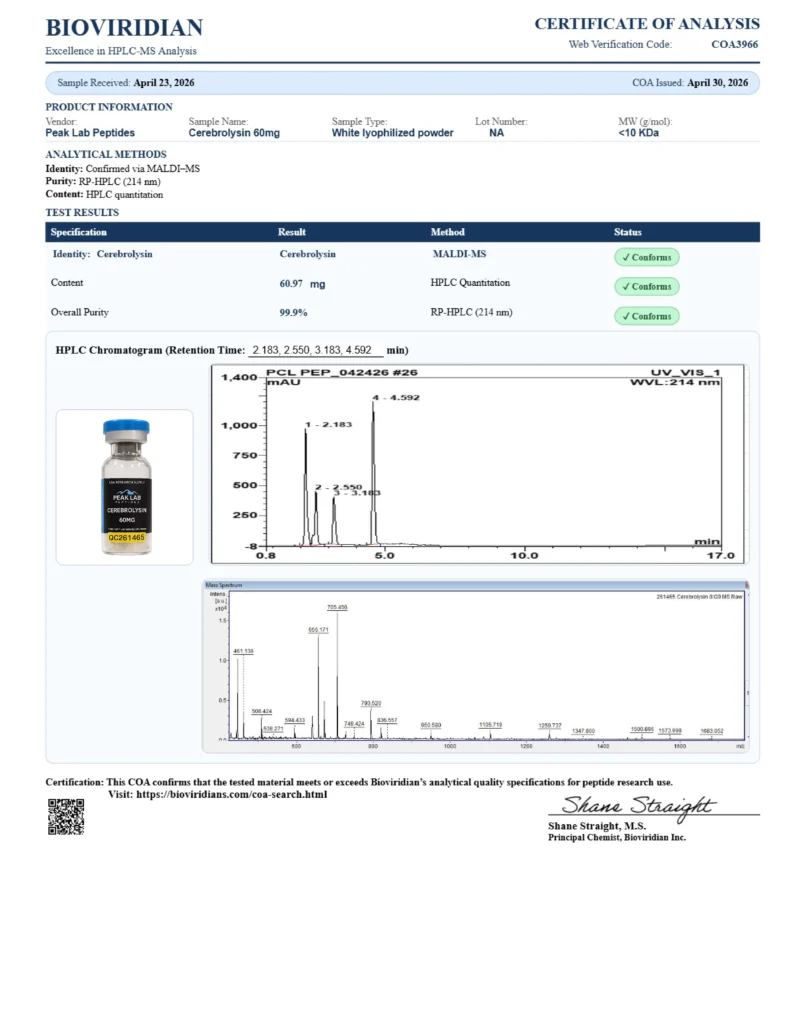
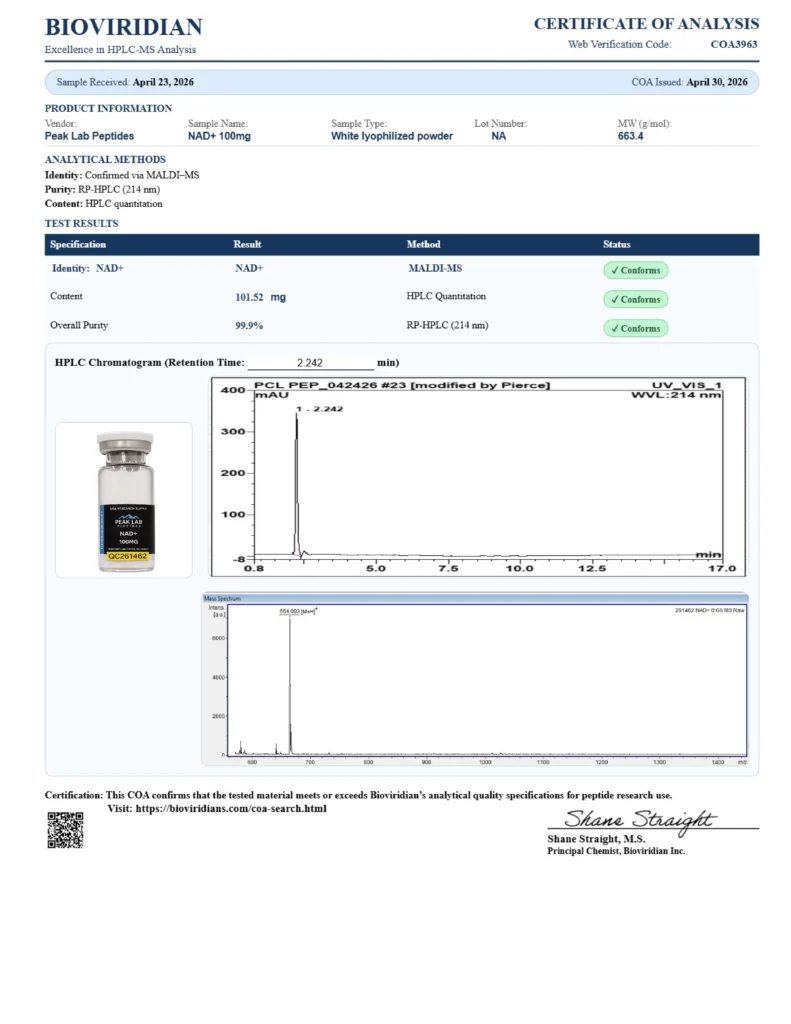
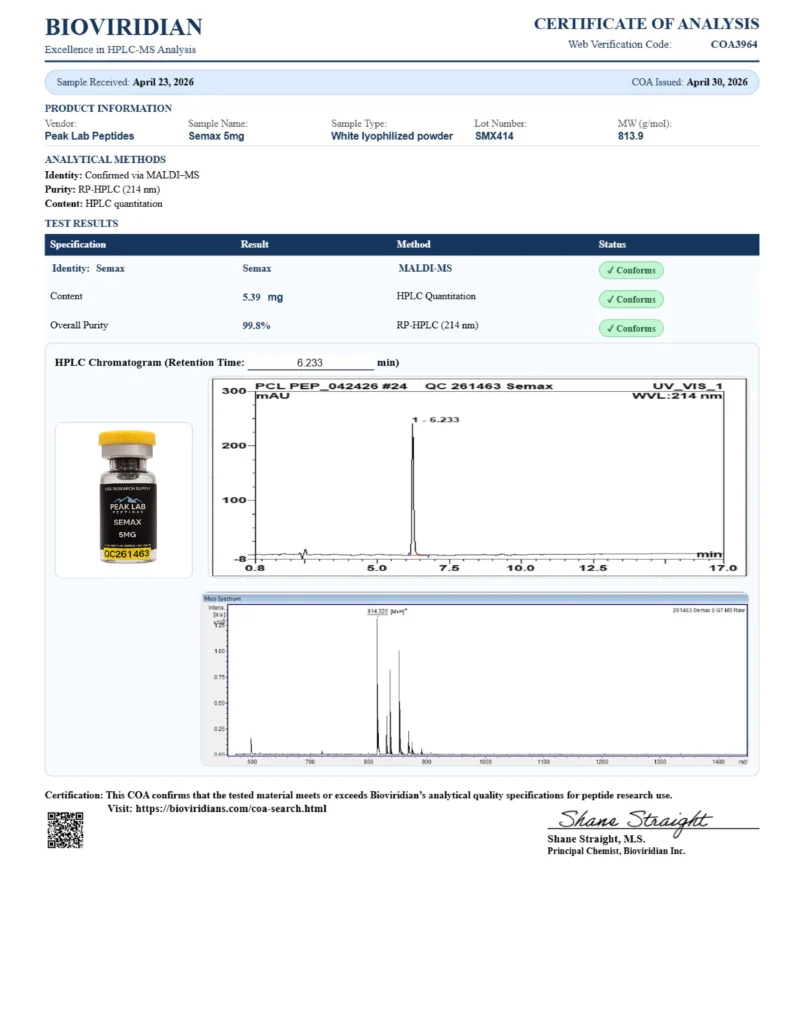
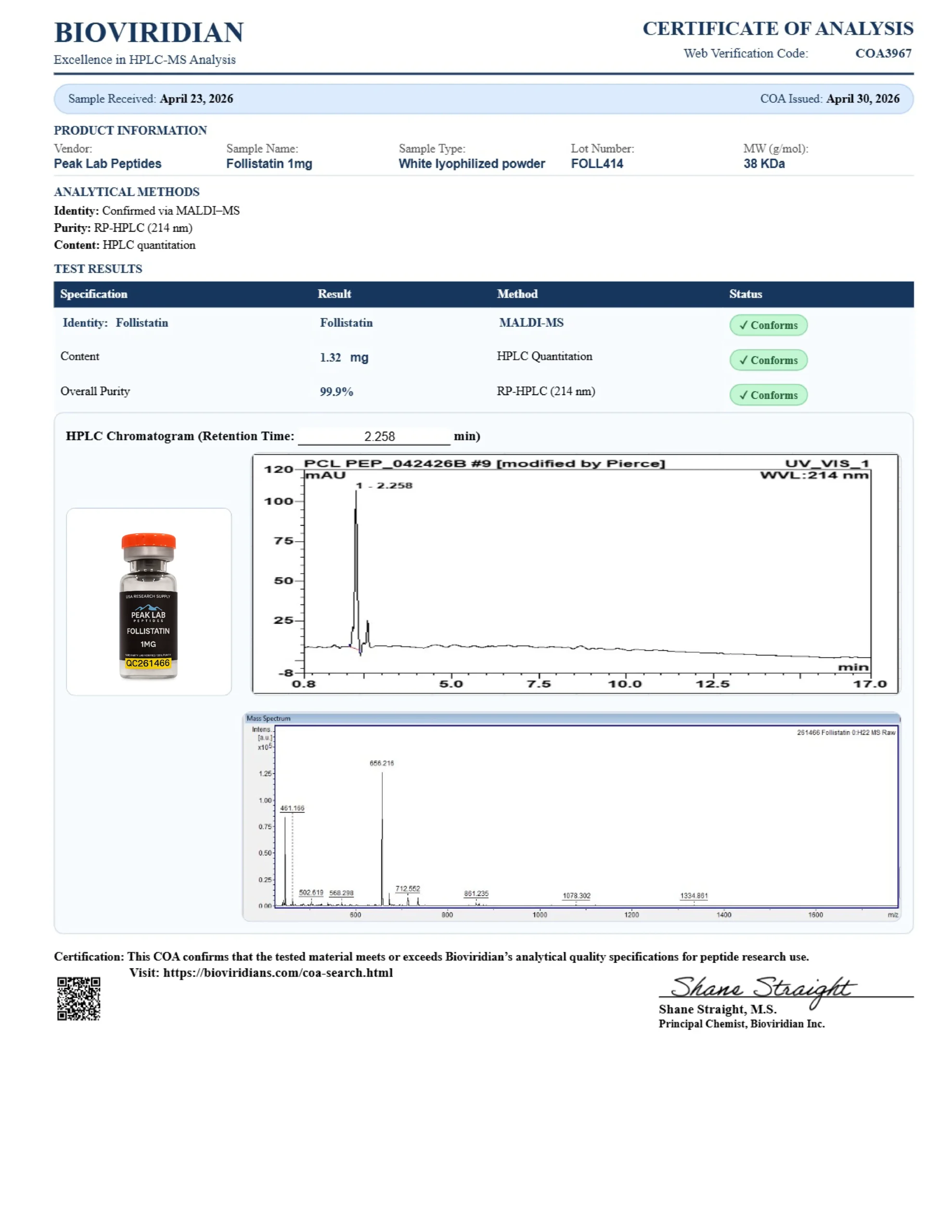
Peak Lab Peptides maintains quality-control processes and routinely performs third-party testing to support purity and identity verification. COAs are available upon request for applicable batches. Documentation may vary depending on production timelines.
We aim to make batch-level documentation available whenever possible. Our goal is to expand COA access across the full catalog as production capacity grows.
All products are for laboratory research use only and are not intended for human consumption.
Related Products
BPC-157
BPC-157
BPC-157 (Body Protection Compound 157) is a synthetic pentadecapeptide studied in preclinical models for its roles in tissue repair signaling, angiogenesis, nitric oxide modulation, and gastrointestinal mucosal research. Supplied as lyophilized powder at 99%+ HPLC verified purity. Batch-specific COA included. For in vitro research use only.
CJC-1295 (WITH DAC)
CJC-1295 with DAC
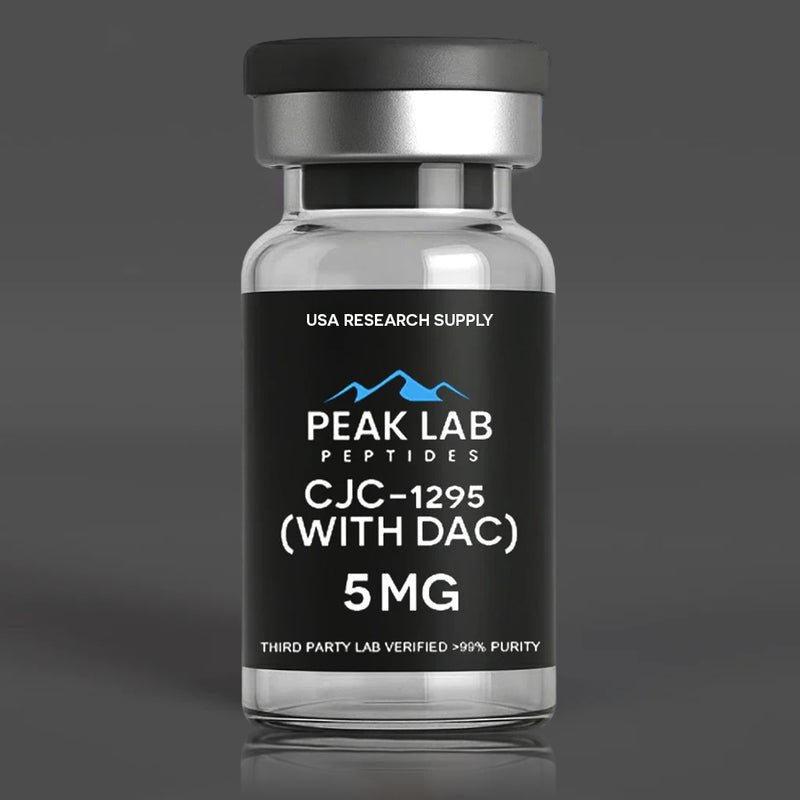
CJC-1295 with DAC – 5mg (Lyophilized Peptide) – For Research Use Only
CJC-1295 with DAC (Drug Affinity Complex) is a long-acting analog of Growth Hormone-Releasing Hormone (GHRH), designed to promote sustained release of growth hormone (GH) in research models. The DAC modification significantly extends its half-life, allowing for prolonged activity and making it ideal for studies on muscle growth, recovery, anti-aging, and fat metabolism.
CJC-1295 with DAC is often paired in research with peptides like Ipamorelin for synergistic GH axis stimulation.
Product Details:
-
Peptide: CJC-1295 with DAC
-
Purity: >98%
-
Form: Lyophilized powder
-
Quantity: 5mg per vial
-
Storage: Store at -4°F (-20°C). After reconstitution, refrigerate at 36–46°F (2–8°C) and use within 30 days.
-
Grade: For research purposes only. Not for human consumption, therapeutic, or diagnostic use.
Potential Research Applications:
-
Sustained growth hormone release studies
-
Muscle growth, recovery, and anti-aging research models
-
Fat metabolism and body composition investigations
-
Long-acting GHRH analog research
For laboratory research only. This product is not intended to diagnose, treat, cure, or prevent any disease.
CJC-1295 No DAC + Ipamorelin – 5mg + 5mg (10mg total)
CJC-1295 No DAC + Ipamorelin
Product Details:
Peptides: CJC-1295 No DAC + Ipamorelin Purity: >98% Form: Lyophilized powder Quantity: 10mg total per vial (typically 5mg of each peptide unless otherwise specified) Storage: Store lyophilized powder at -20°C. Once reconstituted, refrigerate (2–8°C) and use within 30 days. Research Grade: For laboratory research purposes only. Not for human use, therapeutic, or diagnostic applications. Research Applications May Include: Synergistic stimulation of natural GH release Studies on recovery, lean mass, and anti-aging Exploration of GH/GHRH/GHRP axis functionalityIGF-1 LR3
IGF-1 LR3 1mg – Research Peptide
For Research Use Only – Not for Human Consumption IGF-1 LR3 (Long Arg3 Insulin-Like Growth Factor-1) is a synthetic peptide analog of human IGF-1. It has been modified to extend its half-life in vitro, allowing for enhanced stability and prolonged activity during laboratory testing. The substitution of arginine at position 3 and removal of the first three amino acids in the native IGF-1 sequence make LR3 more resistant to binding proteins, thereby increasing its bioavailability in research environments. Researchers value IGF-1 LR3 for its role in studying cellular growth, differentiation, survival pathways, and metabolic functions. It has been widely used in experimental models to explore muscle cell proliferation, neuroprotection, and regenerative mechanisms. Sequence: 83 amino acids Form: Lyophilized powder Purity: ≥ 98% (HPLC Verified) Unit Size: 1mg vial Storage: Store lyophilized peptide at -4°F. Once reconstituted, keep refrigerated at 36–46°F. ⚠ Disclaimer: All products are sold strictly for laboratory research use only. Not for human use, consumption, or therapeutic applications.KLOW Blend 80mg – GHK-Cu, TB-500, BPC-157, KPV
KLOW – 80mg Peptide Blend (Lyophilized Powder) – For Research Use Only GHK-Cu • TB-500 • BPC-157 • KPV
KLOW is an advanced 4-in-1 research peptide blend combining 80mg of regenerative and anti-inflammatory compounds studied for their potential in tissue repair, immune modulation, and cellular recovery. Designed for comprehensive healing models, KLOW offers synergistic support across skin, muscle, and gut research applications. Active Ingredients (Per Vial): GHK-Cu – 50mg Studied for skin regeneration, wound healing, collagen stimulation, and hair follicle support. TB-500 – 10mg A fragment of Thymosin Beta-4, known for supporting angiogenesis, cell migration, and muscle recovery. BPC-157 – 10mg Derived from a gastric protein, BPC-157 is studied for gut repair, tendon/ligament healing, and anti-inflammatory effects. KPV – 10mg A tripeptide fragment with strong research interest for localized inflammation and immune modulation, particularly in the gut and skin. Product Details: Total Peptide Content: 80mg per vial: Lyophilized powder Purity: >98% Storage: Store at -4°F (-20°C). After reconstitution, refrigerate at 36–46°F (2–8°C) and use within 30 days. Grade: For research purposes only. Not for human consumption, therapeutic, or diagnostic use. Potential Research Applications: Soft tissue, muscle, and ligament repair Skin rejuvenation and wound healing models Inflammatory bowel and gut barrier integrity studies Anti-inflammatory and immune modulation research For laboratory research only. This product is not intended to diagnose, treat, cure, or prevent any disease.L-Carnitine – 6000mg (10ml)
L-Carnitine
L-Carnitine – 6000mg (10ml Vial) – For Research Use Only
L-Carnitine is a naturally occurring compound that plays a critical role in the transportation of long-chain fatty acids into the mitochondria for energy production. It is widely researched for its potential effects on metabolism, energy output, and fat oxidation.
Product Details:
Compound: L-Carnitine
Concentration: 600mg per ml(600mg/ml)
Form: Sterile injectable solution
Container: 10ml multi-dose vial
Storage: Store in a cool, dry place. Refrigerate after opening.
Research Grade: For laboratory research purposes only. Not for human use, diagnostic, or therapeutic purposes.
Research Applications May Include: Fatty acid metabolism studies Mitochondrial energy pathway exploration Weight management and metabolic research models
Semax
Semax
Product Details:
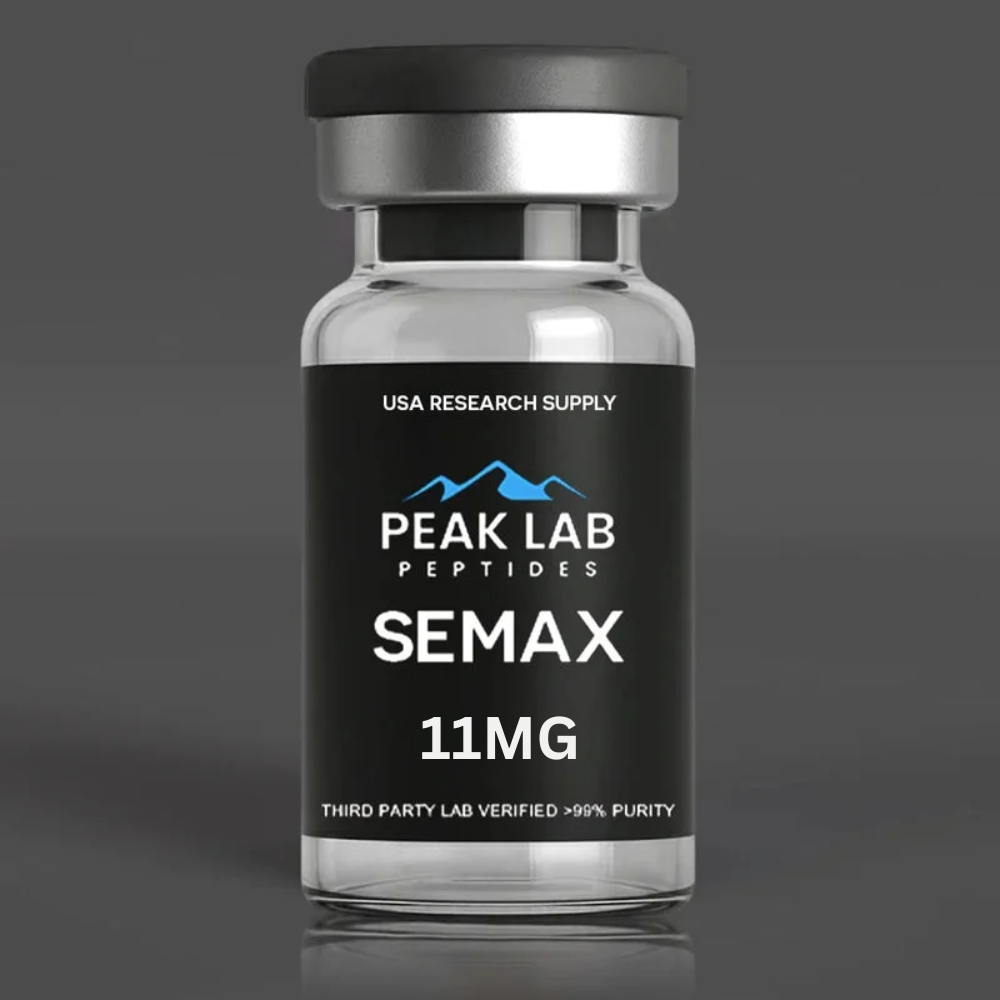
Compound: Semax Purity: >98% Form: Lyophilized powder Quantity: 5mg or 11mg per vial Storage: Store lyophilized at -20°C. Reconstituted product should be refrigerated (2–8°C) and used within 30 days. Research Grade: For laboratory research only. Not for human consumption or therapeutic use. Research Applications May Include: Studies on neuroprotection and cognitive function Exploration of BDNF modulation Investigations into stroke recovery and brain injury modelsProtected: SS-31
TB-500
TB-500 (TB500)
TB-500 (Thymosin Beta-4 Fragment) – 5mg or 10mg (Lyophilized Peptide) – For Research Use Only
TB-500 is a synthetic Thymosin Beta-4 fragment studied in preclinical models for its roles in actin-binding dynamics, cell migration, angiogenesis, and tissue repair signaling. Supplied as lyophilized powder at 99%+ HPLC verified purity. Batch-specific COA included. For in vitro research use only.


Brenda –
Fast delivery, secure packing, and exactly as described.
Pamela –
Very reliable store with consistent quality and professional packaging.
Anna –
Smooth ordering process and excellent customer support.
Helen –
High-quality products at fair prices, especially with discounts.
Shirley –
Trusted seller with consistent service every time.
Angela –
Everything arrived perfectly sealed and well organized.