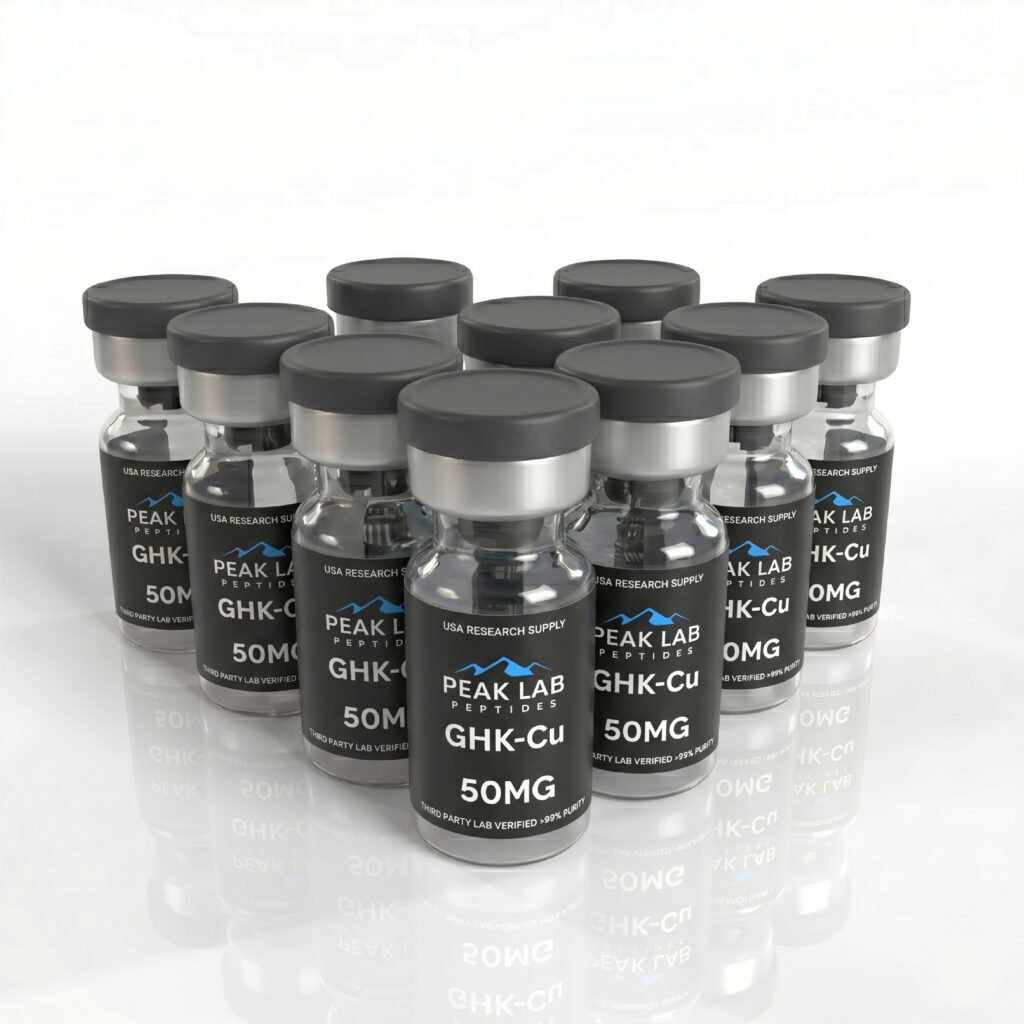
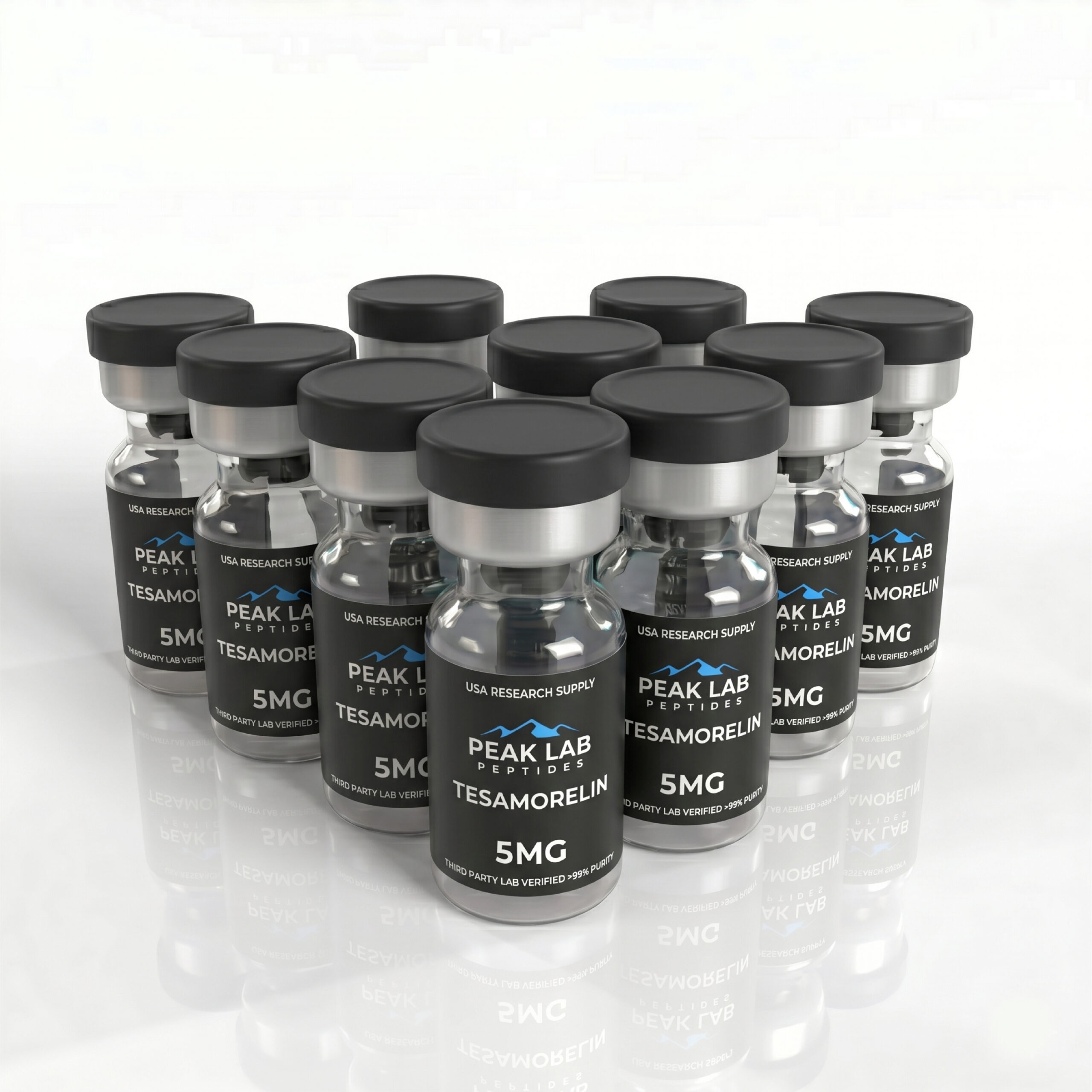
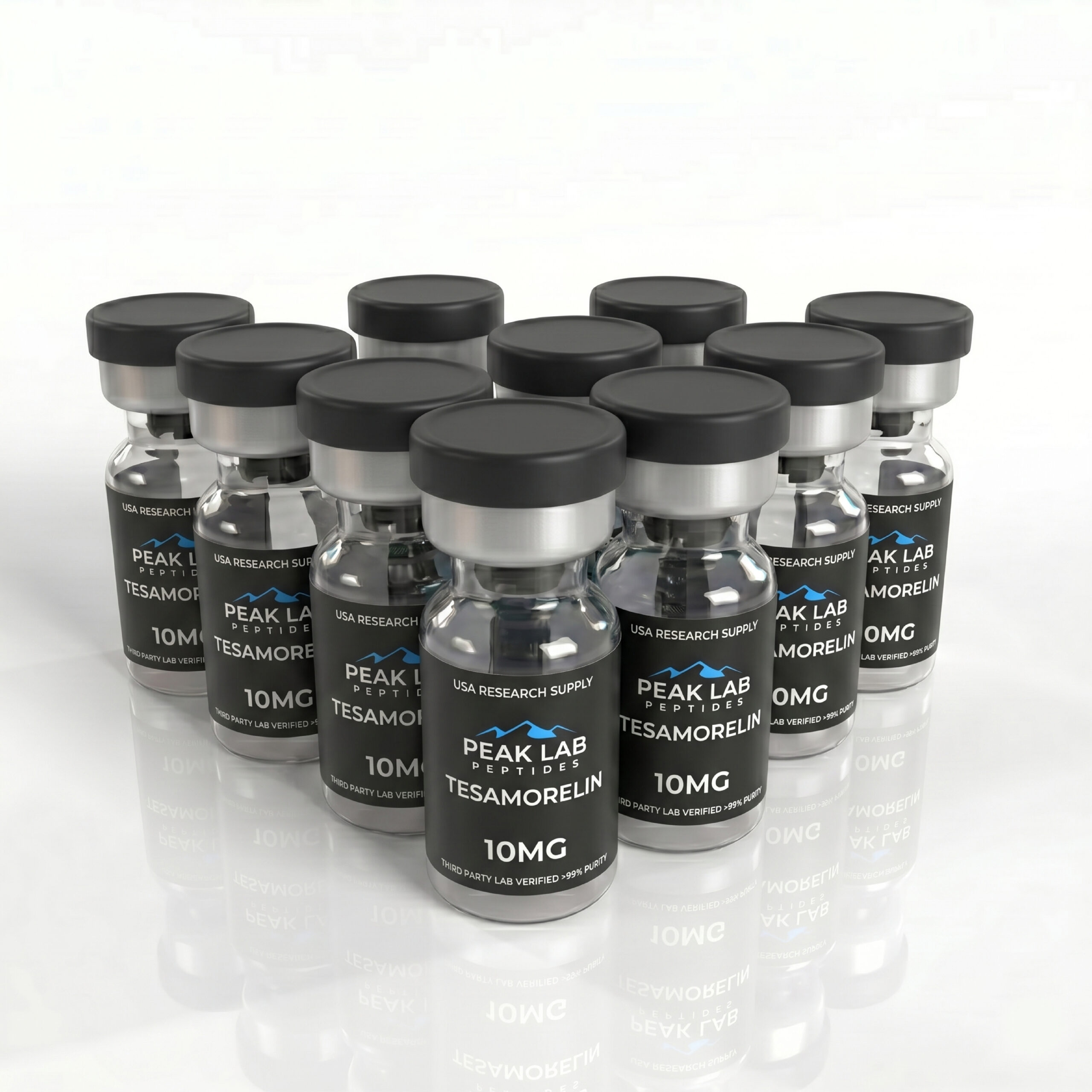
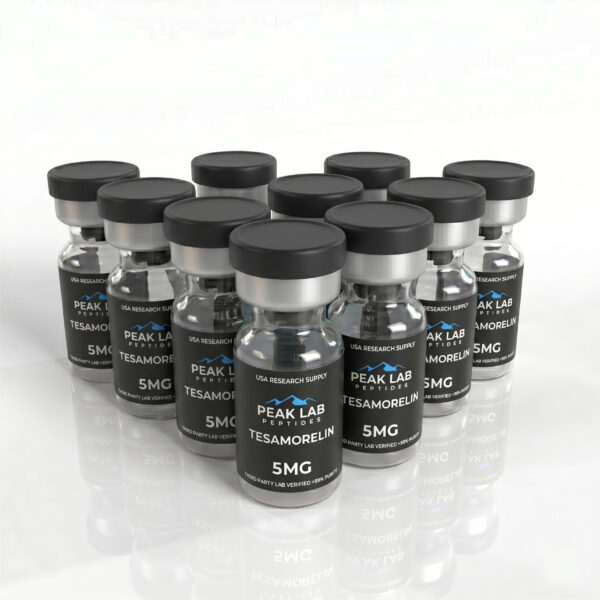
Tesamorelin 10-Vial Kit
$504.00 – $656.00Price range: $504.00 through $656.00

Become a Member and save 20% on Every Order.
Description
Tesamorelin 10 Vial Kit
Tesamorelin – 10mg (Lyophilized Peptide) 10 Vial Kit – For Research Use Only
Tesamorelin is a synthetic peptide analog of Growth Hormone-Releasing Hormone (GHRH), studied for its potential to stimulate endogenous growth hormone secretion in controlled research environments. Research models have explored its role in lipid metabolism, adipose tissue regulation, and metabolic pathway function. Its GHRH analog structure makes it a subject of interest in studies on the GH axis and endocrine signaling mechanisms.
Product Details:
- Peptide: Tesamorelin (GHRH analog)
- Purity: >99%
- Form: Lyophilized powder
- Quantity: 10mg per vial / 10 vials per kit
- Storage: Store at -4°F (-20°C). After reconstitution, refrigerate at 36–46°F (2–8°C) and use within 30 days.
- Grade: For research purposes only. Not for human consumption, therapeutic, or diagnostic use.
Potential Research Applications:
- Growth hormone secretion and GH axis signaling studies
- Lipid metabolism and adipose tissue regulation research
- Metabolic pathway function and energy homeostasis models
- Endocrine system and GHRH receptor interaction investigations
For laboratory research only. This product is not intended to diagnose, treat, cure, or prevent any disease.
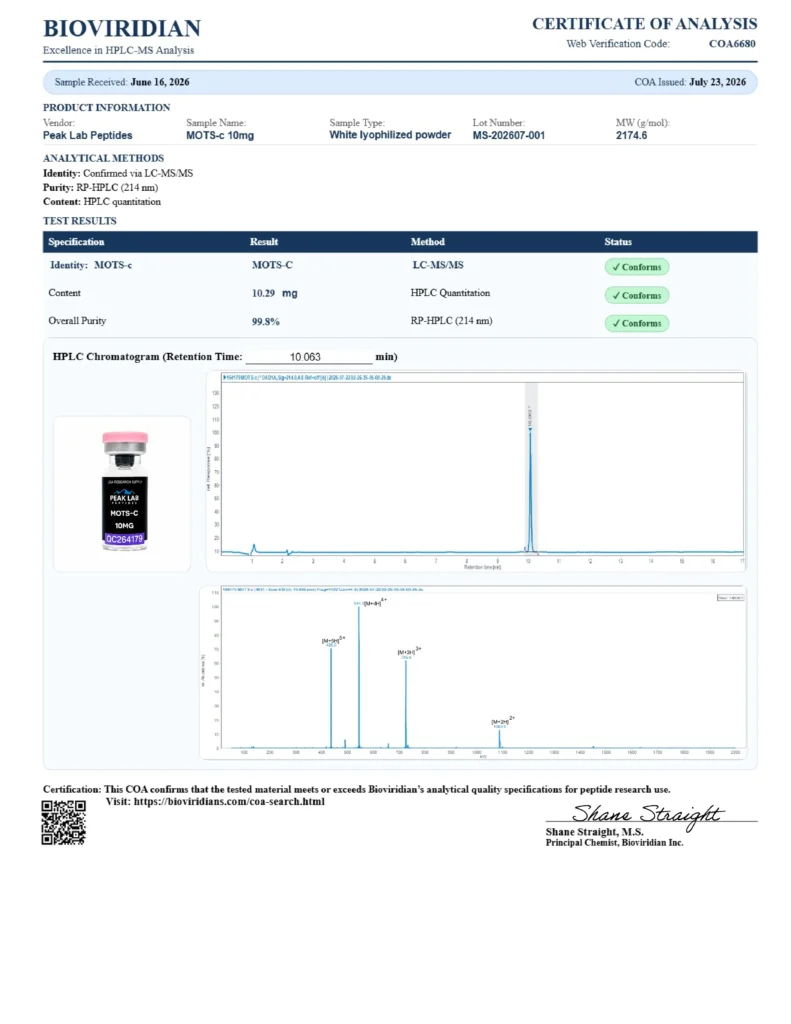
Tesamorelin 10 vial kit peptide Details
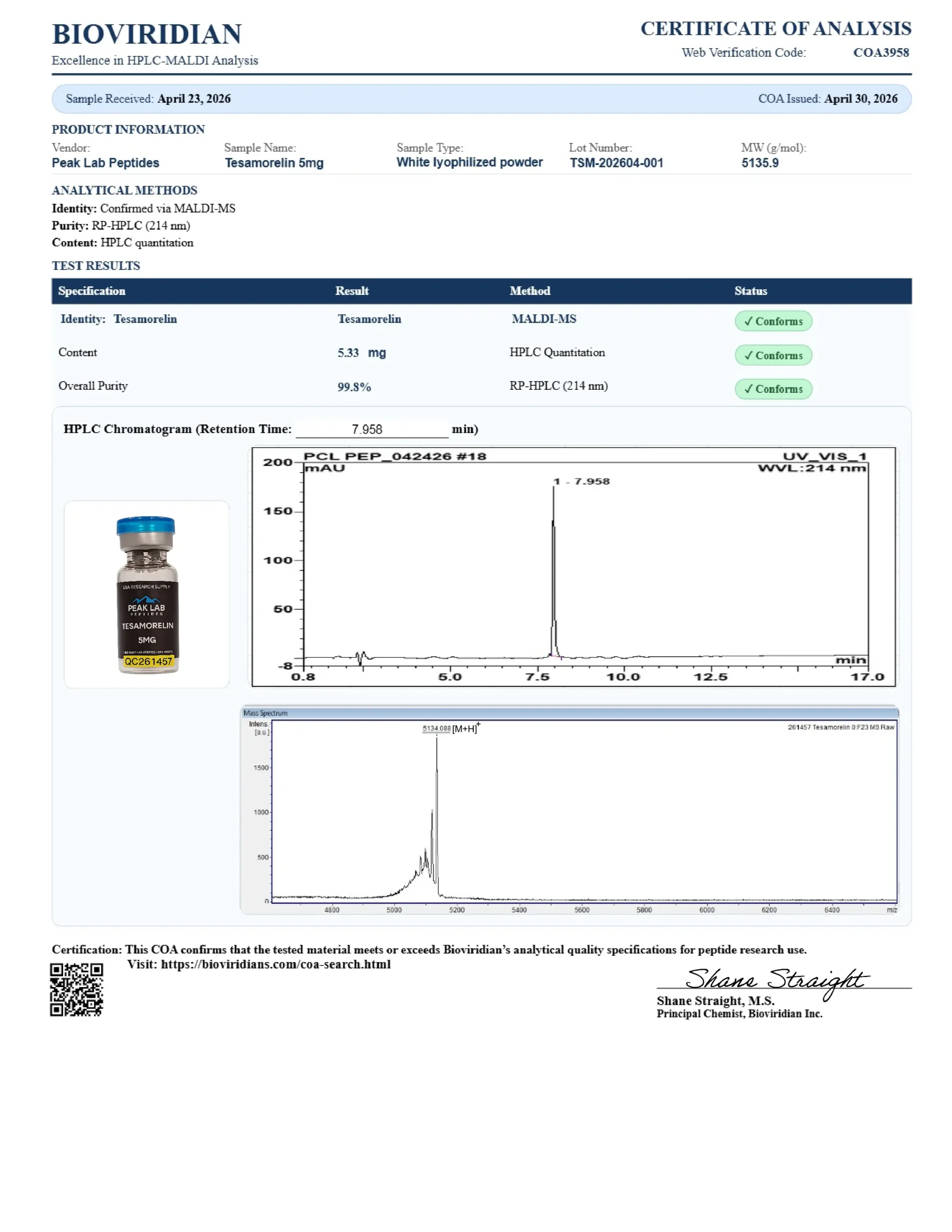
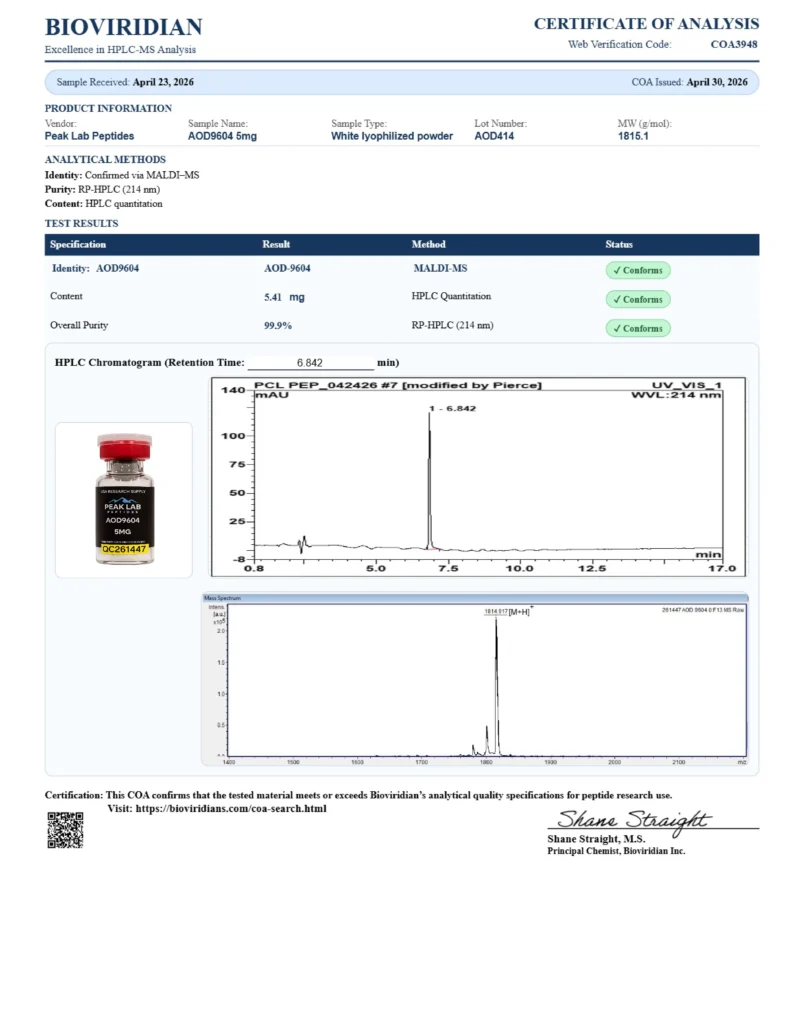
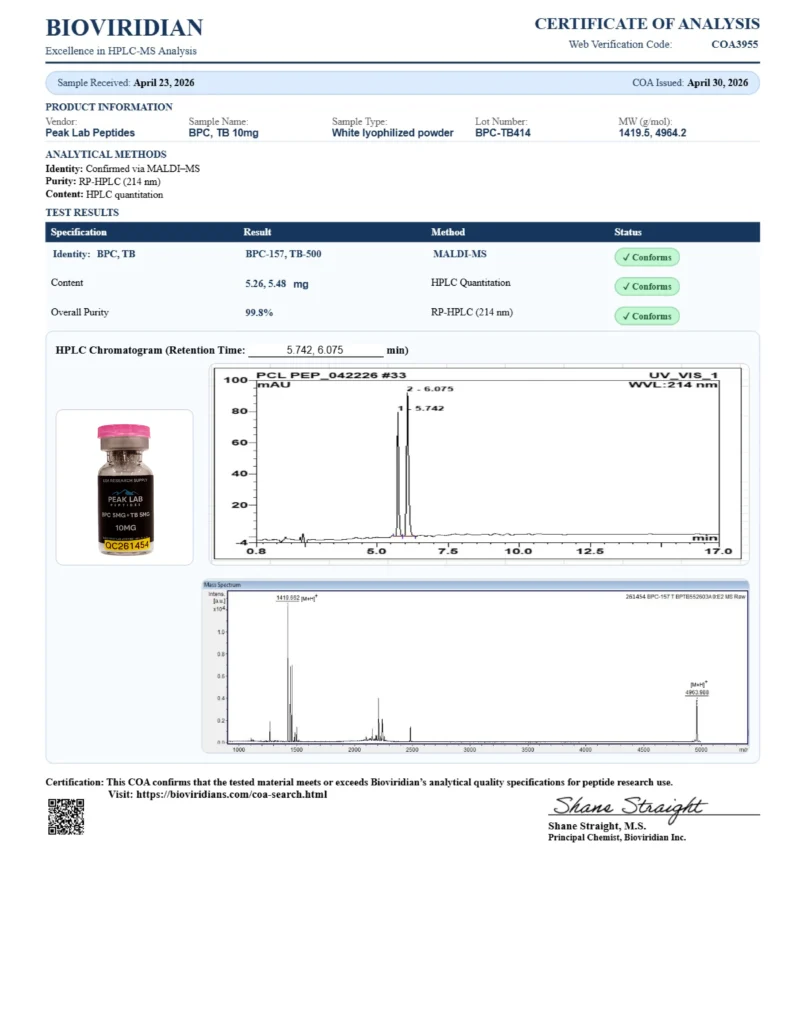
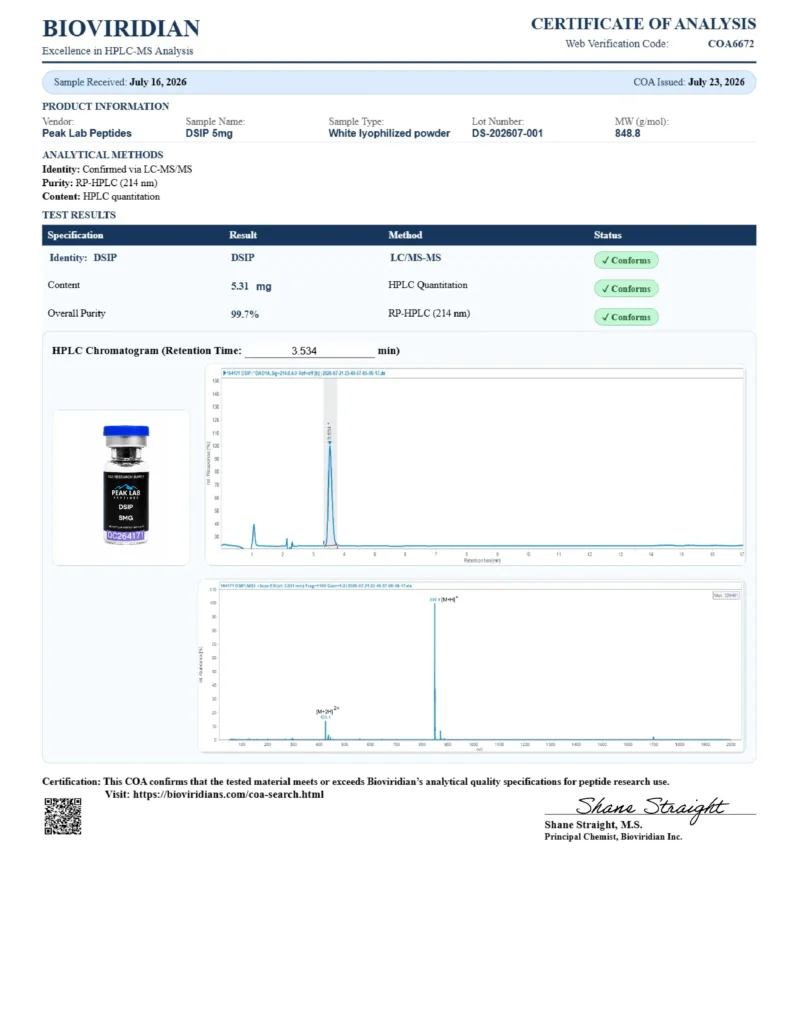
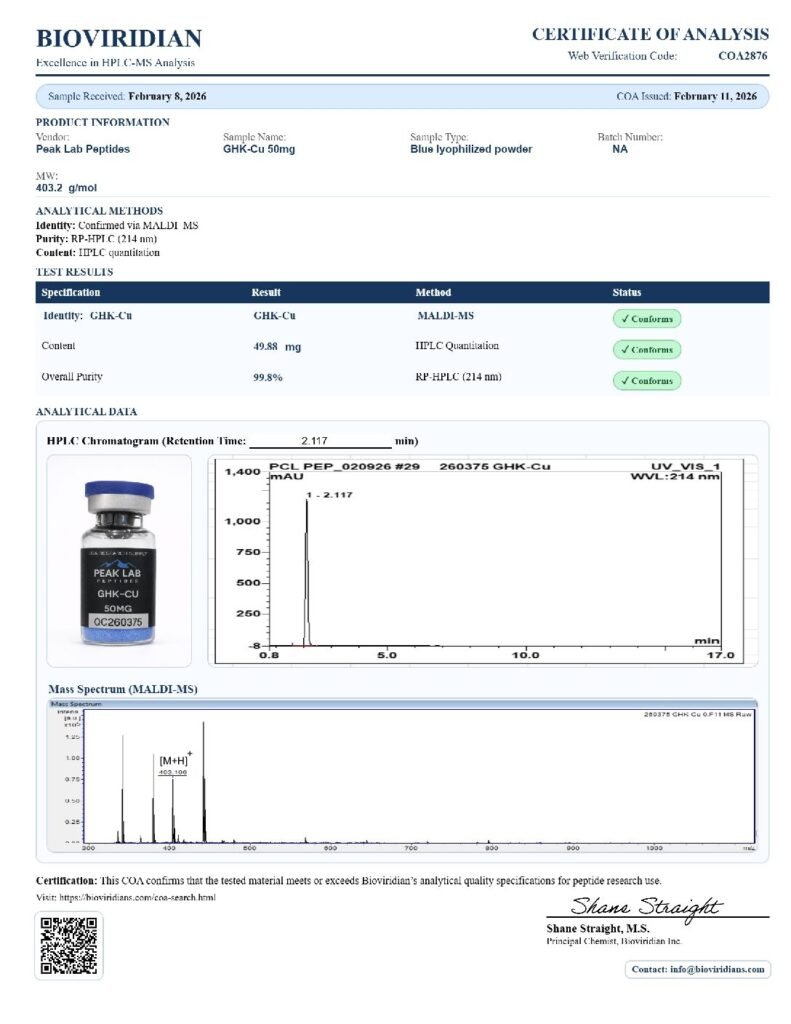
Tesamorelin 10 vial kit Certificate of Analysis
Third-party tested. Click image to view full-resolution certificate.
Tesamorelin is a synthetic 44–amino acid peptide designed as a growth hormone–releasing hormone (GHRH) analog and widely used in research focused on pituitary signaling, growth hormone (GH) release dynamics, and GH/IGF-axis regulation. In controlled laboratory settings, tesamorelin is commonly studied as a tool compound for investigating GHRH receptor activation, endocrine feedback behavior, and downstream biomarkers associated with GH-axis signaling. Tesamorelin is supplied strictly for qualified laboratory and educational research use. Not for human or veterinary use.
About Tesamorelin 10 vial kit peptide
Tesamorelin 10 vial kit is often categorized with other GHRH analog research peptides used to explore physiologic GH signaling patterns. It is also noted for a structural modification that increases peptide stability in plasma-like conditions, supporting research designs that require longer exposure windows or extended assay timepoints.
Common research characteristics:
- Peptide type: Synthetic GHRH analog (44 amino acids)
- Primary research target: GHRH receptor signaling linked to GH release
- Research focus areas: GH/IGF-axis modeling, endocrine feedback dynamics, biomarker-based pathway studies
- Stability feature (research context): Modified structure designed to increase stability in plasma-like environments
- Typical lab format: Lyophilized powder for research handling and storage stability
Tesamorelin 10 vial kit peptide Scientific Research
Tesamorelin 10 vial kit is used in non-clinical and clinical-referenced research discussions because the GHRH axis is central to endocrine regulation and metabolic signaling. In research workflows, Tesamorelin 10 vial kit serves as a probe compound for studying how GHRH receptor stimulation affects GH-axis outputs under standardized conditions.
Common research themes include:
- GHRH receptor activation and GH release modeling: Tesamorelin 10 vial kit is used to evaluate GHRH-driven signaling and GH secretion patterns in experimental systems, supporting studies of pulsatility, receptor responsiveness, and negative feedback behavior.
- Metabolic and adipose-tissue research frameworks: GHRH/GH-axis signaling is commonly examined in studies evaluating adipose-related biomarkers and metabolic pathway markers in controlled models (research context only; no outcomes implied).
- Cardiometabolic biomarker exploration: Some research investigates how GH-axis modulation correlates with lipid-related laboratory markers and inflammation-associated endpoints in specific study populations (research discussion only).
- Peripheral nerve and tissue repair signaling models (exploratory): Because GH-axis pathways intersect with growth and repair signaling, Tesamorelin 10 vial kit is sometimes included in research examining regeneration-associated biomarkers and tissue response markers in controlled systems.
- CNS and cognition-related biomarker studies (exploratory): Certain studies explore whether GHRH analog signaling correlates with measurable neurochemical or imaging biomarkers in research populations, supporting ongoing mechanistic investigation.
Compliance note: Tesamorelin 10 vial kit has appeared in clinical and investigational contexts. PeakLab Peptides supplies Tesamorelin 10 vial kit strictly as a research compound and does not provide it for therapeutic use or human consumption.
Tesamorelin 10 vial kit peptide FAQ
Q1: What is Tesamorelin 10 vial kit used for in research?
A1: Tesamorelin 10 vial kit is used in laboratory research to study GHRH receptor signaling, growth hormone release dynamics, and GH/IGF-axis biomarkers in controlled models.
Q2: How is tesamorelin different from other GHRH analogs?
A2: Tesamorelin is a 44–amino acid GHRH analog with a structural modification designed to improve stability in plasma-like conditions, which can be useful for certain research workflows.
Q3: Is tesamorelin the same as growth hormone?
A3: No. Tesamorelin is a GHRH analog studied for stimulating GH release in research settings, while growth hormone is a separate hormone. They are distinct compounds used to probe different parts of the GH axis.
Q4: What form is tesamorelin typically supplied in?
A4: Tesamorelin is commonly supplied as a lyophilized powder to support stability during storage and shipping for laboratory research.
Q5: How should tesamorelin be stored for lab use?
A5: Store sealed, dry, and protected from light according to your lab’s SOP. Many labs use cold storage for peptides and minimize moisture exposure and repeated temperature cycling.
Storage & Handling
All peptides are supplied as sterile, lyophilized powder and are stable when handled correctly.- On arrival: Store vials in a cool, dry place away from heat and direct sunlight.
- Long-term (powder): For optimal longevity, keep lyophilized peptides refrigerated to help maintain integrity.
- After reconstitution: Use an appropriate research diluent (for example, BAC water). Store the reconstituted solution in the refrigerator and use within 20–30 days for best stability.
Note: Minimize exposure to moisture and repeated freeze–thaw cycles. Follow your institution's safety procedures when handling research materials.
Storage & Handling
All peptides are supplied as sterile, lyophilized powder and are stable when handled correctly.
- On arrival: Store vials in a cool, dry place away from heat and direct sunlight.
- Long-term (powder): For optimal longevity, keep lyophilized peptides refrigerated to help maintain integrity.
- After reconstitution: Use an appropriate research diluent (for example, BAC water). Store the reconstituted solution in the refrigerator and use within 20–30 days for best stability.
Note: Minimize exposure to moisture and repeated freeze–thaw cycles. Follow your institution's safety procedures when handling research materials.
Peak Lab Peptides maintains quality-control processes and routinely performs third-party testing to support purity and identity verification. COAs are available upon request for applicable batches. Documentation may vary depending on production timelines.
We aim to make batch-level documentation available whenever possible. Our goal is to expand COA access across the full catalog as production capacity grows.
All products are for laboratory research use only and are not intended for human consumption.
Related Products
5-amino-1mq
5-Amino-1MQ peptide (5-amino-1-methylquinolinium)
5-Amino-1MQ peptide– Research Use Only
5-Amino-1MQ peptide – 5mg (Lyophilized Powder) – For Research Use Only
5-Amino-1MQ peptide is a small molecule methyltransferase inhibitor studied for its potential impact on cellular metabolism, energy regulation, and fat loss pathways. Research suggests it may inhibit NNMT (Nicotinamide N-Methyltransferase), an enzyme linked to metabolic rate and fat cell energy regulation.
Studies have explored 5-Amino-1MQ peptide for its potential role in increasing NAD+ levels, enhancing energy expenditure, and promoting fat metabolism in various models.
Product Details:
-
Compound: 5-Amino-1MQ (5-Amino-1-Methylquinolinium)
-
Purity: >98%
-
Form: Lyophilized powder
-
Quantity: 50mg per vial
-
Storage: Store at -4°F (-20°C). After reconstitution, refrigerate at 36–46°F (2–8°C) and use within 30 days.
-
Grade: For research use only. Not for human consumption or therapeutic use.
Potential Research Applications:
-
Studies on NNMT inhibition and metabolic regulation
-
NAD+ production and energy pathway research
-
Fat metabolism and weight loss models
-
Investigations into cellular energy expenditure
Ara-290 (10mg)
ARA-290 (Cibinetide)
ARA-290 – 10mg (Lyophilized Peptide) – For Research Use Only
ARA-290 is a synthetic peptide derived from erythropoietin (EPO) that is specifically engineered to retain tissue-protective properties without stimulating erythropoiesis. It is widely studied for its potential in anti-inflammatory, neuroprotective, and tissue repair research.
ARA-290 interacts with the innate repair receptor (IRR), making it a promising candidate in research related to chronic inflammation, neuropathic pain, and autoimmune conditions.
Product Details:
-
Peptide: ARA-290
-
Purity: >98%
-
Form: Lyophilized powder
-
Quantity: 10mg per vial
-
Storage: Store at -4°F (-20°C). After reconstitution, refrigerate at 36–46°F (2–8°C) and use within 30 days.
-
Grade: Research use only. Not for human consumption or therapeutic use.
Potential Research Applications:
-
Anti-inflammatory pathway studies
-
Neuropathic pain models
-
Tissue protection and repair research
-
Innate repair receptor (IRR) exploration
BPC-157, TB-500 – “Wolverine Stack”
BPC-157 and TB-500
BPC-157 + TB-500 – 10mg (Lyophilized Peptide Blend) – For Research Use Only
This advanced research peptide blend combines BPC-157 and TB-500 (Thymosin Beta-4 Fragment) — two well-studied peptides known for their potential in tissue repair, inflammation control, and accelerated recovery.
-
BPC-157 is a synthetic peptide derived from a gastric protein, studied for its possible role in gut health, tendon and ligament repair, and inflammation modulation.
-
TB-500 is a synthetic fragment of Thymosin Beta-4, researched for its potential to promote cell migration, angiogenesis, and muscle recovery.
Together, this combination is highly sought after in research models involving injury recovery, soft tissue repair, and anti-inflammatory studies.
Product Details:
-
Peptides: BPC-157 + TB-500 (5mg each unless otherwise specified)
-
Purity: >98%
-
Form: Lyophilized powder
-
Quantity: 10mg per vial
-
Storage: Store at -4°F (-20°C). After reconstitution, refrigerate at 36–46°F (2–8°C) and use within 30 days.
-
Grade: For research purposes only. Not for human consumption, therapeutic, or diagnostic use.
Potential Research Applications:
-
Injury recovery and soft tissue repair studies
-
Tendon, ligament, and muscle healing models
-
Anti-inflammatory and immune modulation research
-
Angiogenesis and cellular regeneration investigations
For laboratory research only. This product is not intended to diagnose, treat, cure, or prevent any disease.
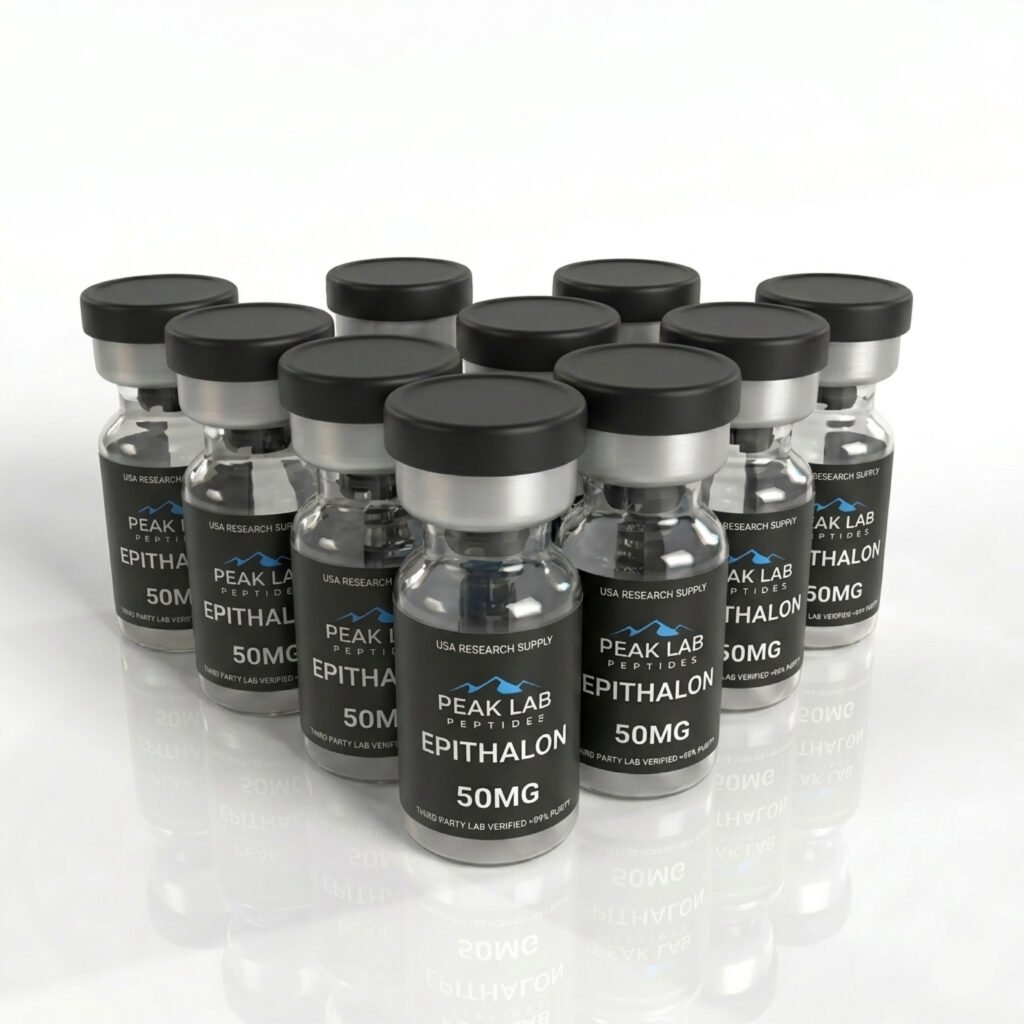
Epithalon 10-Vial Kit
Epithalon – 10mg (Lyophilized Peptide) 10 vial kit – For Research Use Only
Epithalon 10 vial kit (also known as Epitalon) is a synthetic tetrapeptide (Ala-Glu-Asp-Gly) derived from the naturally occurring pineal gland peptide Epithalon 10 vial kit. It is widely studied for its potential anti-aging, telomerase-activating, and longevity-enhancing effects. Research suggests that Epithalon 10 vial kit may promote telomere extension, support circadian rhythm regulation, and improve oxidative stress resistance. It is a popular compound in studies involving cellular aging, pineal gland function, and DNA repair mechanisms. Product Details: Peptide: Epithalon 10 vial kit(Ala-Glu-Asp-Gly) Purity: >98% Form: Lyophilized powder Quantity: 10mg per vial Storage: Store at -4°F (-20°C). After reconstitution, refrigerate at 36–46°F (2–8°C) and use within 30 days. Grade: For research purposes only. Not for human consumption, therapeutic, or diagnostic use. Potential Research Applications: Telomerase activation and cellular longevity studies Anti-aging and pineal gland function research Circadian rhythm and melatonin regulation studies DNA repair and oxidative stress resistance models For laboratory research only. This product is not intended to diagnose, treat, cure, or prevent any disease.GHK-Cu
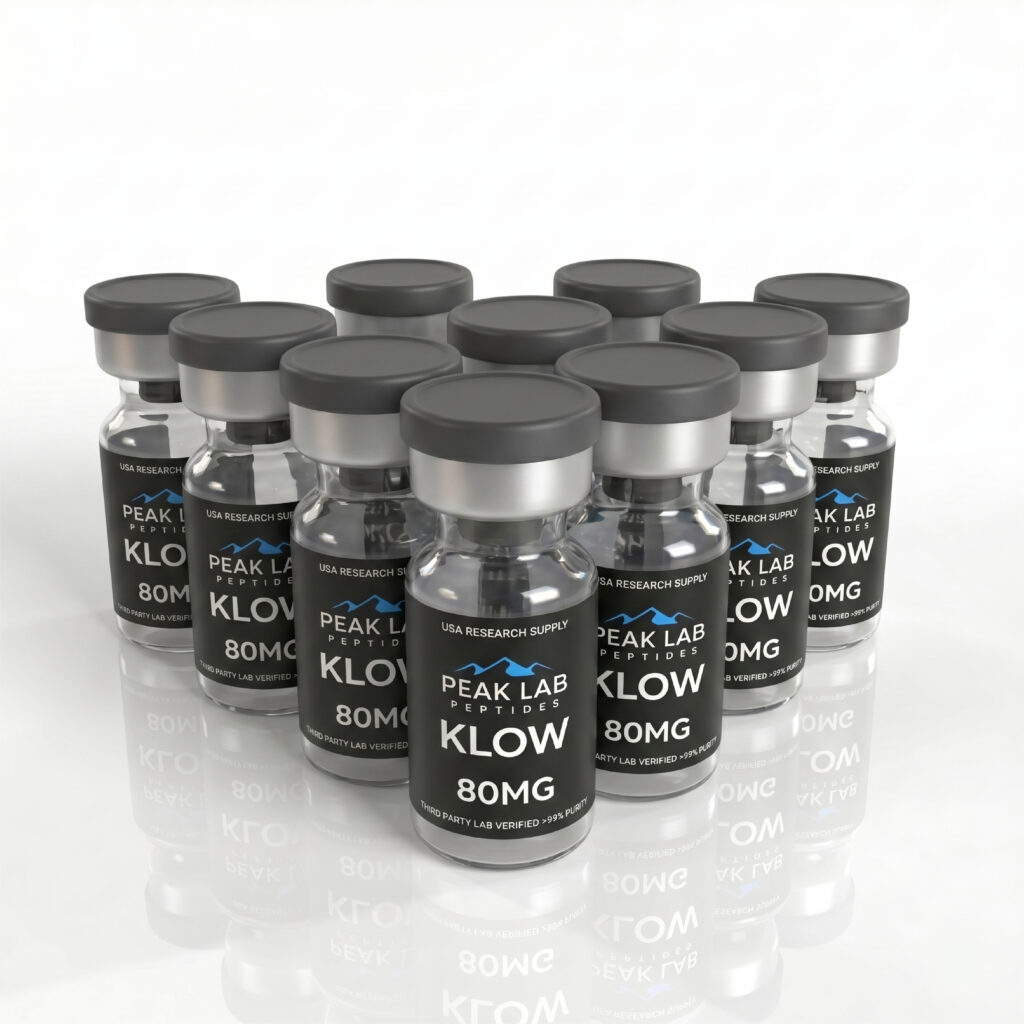
KLOW Blend 10-Vial Kit (GHK-Cu, TB-500, BPC-157, KPV)
KLOW Blend 10 Vial Kit
KLOW – 80mg Peptide Blend (Lyophilized Powder) 10 Vial Kit – For Research Use Only GHK-Cu • TB-500 • BPC-157 • KPV
KLOW is an advanced 4-in-1 research peptide blend combining 80mg of regenerative and anti-inflammatory compounds studied for their potential in tissue repair signaling, immune modulation, and cellular recovery mechanisms in controlled laboratory environments. Each component contributes a distinct and complementary mechanism of action, making KLOW a subject of interest in multi-pathway research models.
Active Ingredients (Per Vial):
GHK-Cu – 50mg A copper-binding tripeptide studied for its role in collagen synthesis, cellular regeneration signaling, and extracellular matrix remodeling in laboratory research models.
TB-500 – 10mg A synthetic fragment of Thymosin Beta-4 studied for its interaction with G-actin sequestration, angiogenesis pathway activity, and cell migration mechanisms in preclinical research.
BPC-157 – 10mg A synthetic pentadecapeptide derived from a gastric protein, studied for its role in tissue repair signaling, NO system modulation, and VEGF pathway activity in controlled research environments.
KPV – 10mg A naturally occurring tripeptide fragment studied for its role in inflammatory signaling pathway modulation and immune regulation mechanisms across multiple tissue types.
Product Details:
- Total Peptide Content: 80mg per vial
- Form: Lyophilized powder
- Purity: >99%
- Quantity: 10 vials per kit
- Storage: Store at -4°F (-20°C). After reconstitution, refrigerate at 36–46°F (2–8°C) and use within 30 days.
- Grade: For research purposes only. Not for human consumption, therapeutic, or diagnostic use.
Potential Research Applications:
- Multi-peptide synergy and complementary pathway mechanism studies
- Cellular regeneration signaling and extracellular matrix research
- Inflammatory pathway modulation and immune regulation models
- Angiogenesis, cell migration, and tissue repair signaling investigations
For laboratory research only. This product is not intended to diagnose, treat, cure, or prevent any disease.
MOTS-c 10-Vial Kit
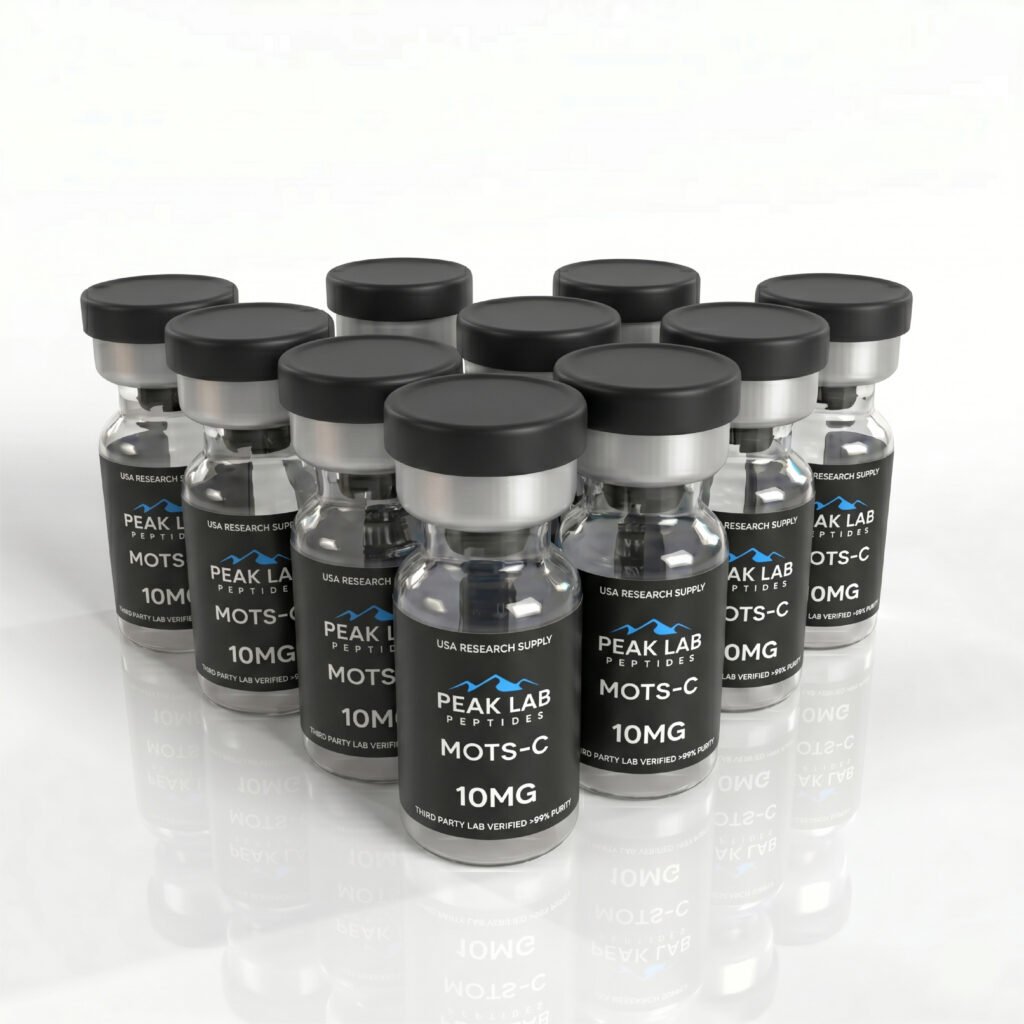
MOTS-c 10 vial kit
MOTS-c – 10mg or 40mg (Lyophilized Peptide) 10 vial kit – For Research Use Only
MOTS-c 10 vial kit is a mitochondrial-derived peptide (MDP) encoded by the mitochondrial genome, widely studied for its potential role in metabolic regulation, energy homeostasis, and cellular protection. Research has focused on its ability to influence glucose metabolism, insulin sensitivity, and mitochondrial function, making it a key subject in studies on metabolic health and aging.
MOTS-c 10 vial kit is of special interest in research exploring exercise mimetic effects, fat metabolism, and metabolic syndrome models.
Product Details:
-
Peptide: MOTS-c 10 vial kit (Mitochondrial Open Reading Frame of the 12S rRNA-c)
-
Purity: >99%
-
Form: Lyophilized powder
-
Quantity: 10mg or 40mg per vial
-
Storage: Store at -4°F (-20°C). After reconstitution, refrigerate at 36–46°F (2–8°C) and use within 30 days.
-
Grade: For research purposes only. Not for human consumption or therapeutic applications.
Potential Research Applications:
-
Glucose metabolism and insulin sensitivity studies
-
Mitochondrial function and energy regulation research
-
Aging, longevity, and metabolic health models
-
Exercise mimetic and fat metabolism investigations
For laboratory research use only. This product is not intended to diagnose, treat, cure, or prevent any disease.
Research Spray Kit
TB-500
TB-500 (TB500)
TB-500 (Thymosin Beta-4 Fragment) – 5mg or 10mg (Lyophilized Peptide) – For Research Use Only
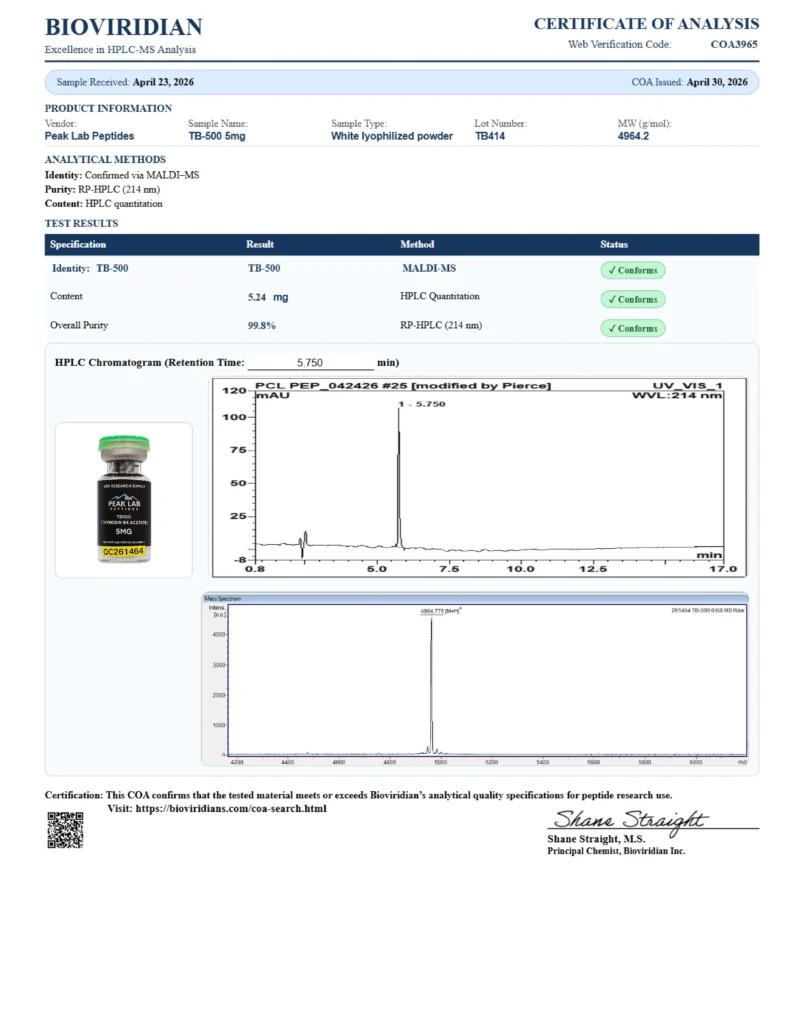
TB-500 is a synthetic Thymosin Beta-4 fragment studied in preclinical models for its roles in actin-binding dynamics, cell migration, angiogenesis, and tissue repair signaling. Supplied as lyophilized powder at 99%+ HPLC verified purity. Batch-specific COA included. For in vitro research use only.
Thymosin Alpha-1
Thymosin Alpha-1 (Tα1)
Thymosin Alpha-1 – Research Use Only
Thymosin Alpha-1 – 5mg (Lyophilized Peptide) – For Research Use Only
Thymosin Alpha-1 (Ta1) is a naturally occurring peptide fragment derived from prothymosin alpha, studied for its potential role in immune modulation, inflammation control, and cellular defense mechanisms. It has been of particular interest in research models exploring immune response enhancement, antiviral activity, and immune regulation.
Thymosin Alpha-1 is often studied in relation to immune system support, chronic infection models, and immune deficiency research.
Product Details:
-
Peptide: Thymosin Alpha-1
-
Purity: >98%
-
Form: Lyophilized powder
-
Quantity: 5mg per vial
-
Storage: Store at -4°F (-20°C). After reconstitution, refrigerate at 36–46°F (2–8°C) and use within 30 days.
-
Grade: For research purposes only. Not for human consumption or therapeutic use.
Potential Research Applications:
-
Immune modulation and enhancement studies
-
Chronic infection and antiviral research models
-
Inflammatory response and cytokine regulation studies
-
Immune deficiency and autoimmune condition research