
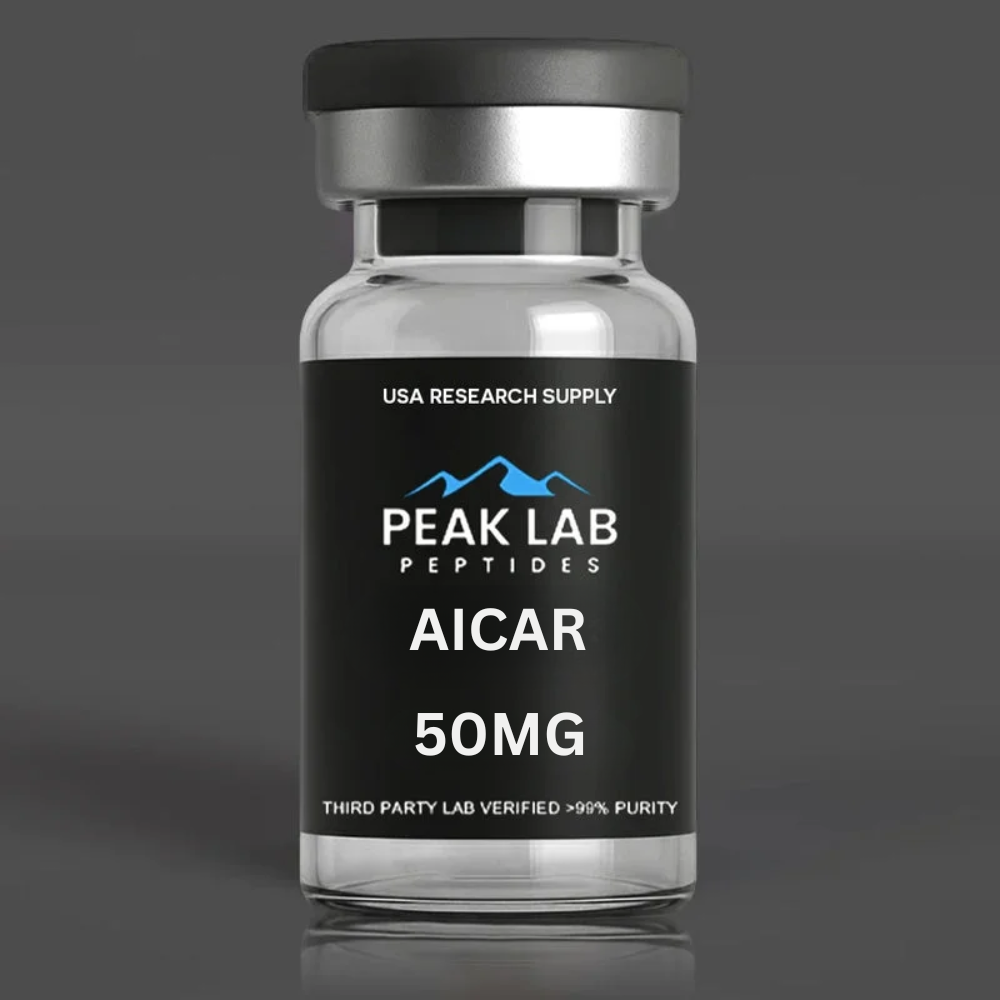
AICAR

$58.00
Out of stock
Become a Member and save 20% on Every Order.
Description
AICAR (5-aminoimidazole-4-carboxamide ribonucleoside) is a research compound widely used to investigate cellular energy regulation and AMP-activated protein kinase (AMPK) signaling. As an AMPK activator, AICAR serves as a valuable tool in studies focused on energy homeostasis, glucose handling, inflammation, and cellular stress responses in a wide range of experimental models.
Researchers frequently employ AICAR to explore how AMPK-related pathways interact with metabolic processes in adipose tissue, skeletal muscle, cardiac tissue, immune cells, and various cancer cell lines. This compound is intended strictly for laboratory research use only and is not approved for human or veterinary consumption.
AICAR is a nucleoside analogue structurally related to the naturally occurring compound acadesine. Inside cells, AICAR is converted to its monophosphate form (ZMP), which mimics AMP and activates AMPK. Because AMPK is a central sensor of cellular energy status, the activation of this pathway by AICAR allows researchers to study:
- Regulation of glucose uptake and insulin signaling in skeletal muscle
- Inflammatory signaling in adipose tissue and immune cells
- Metabolic stress responses in cancer models
- Cardiovascular and vascular cell function under energetic and inflammatory stress
- Sperm energy metabolism and motility in reproductive research
AICAR and related compounds (such as acadesine) have been evaluated in multiple preclinical and experimental settings, particularly where energy balance, cell survival, and stress adaptation are of interest.
AICAR and Insulin Resistance
In rodent models, AICAR has been shown to activate AMPK and modulate inflammatory pathways within adipose tissue. Research has reported that:
- AICAR exposure can reduce inflammatory markers in fat depots
- Inflammation in adipose tissue is closely linked to insulin resistance in experimental models
- Improvements in inflammatory status may correlate with better glucose homeostasis and insulin sensitivity, even without major changes in overall body weight
Mechanistically, AICAR appears to influence multiple signaling pathways, including those involving SIRT1 and macrophage activity in adipose tissue. These findings underscore the use of AICAR as a tool compound for dissecting the interplay between inflammation, adipose biology, and insulin-related signaling in preclinical studies.
Exercise is known to increase the expression and translocation of GLUT4 in skeletal muscle, enhancing glucose uptake. Experimental work has shown that repeated AICAR administration can mimic several molecular effects of endurance exercise in animal models, making it a useful probe for “exercise-mimetic” signaling pathways in muscle research.
AICAR and Cancer Research
AMPK has a nuanced role in tumor biology, sometimes constraining and sometimes facilitating tumor growth depending on context. AICAR, as an AMPK activator, has been utilized to examine:
- How long-term AMPK activation influences cancer cell metabolism and growth
- Synergistic effects between AICAR and established chemotherapeutic agents in cell culture and animal models
- Sensitization of certain tumor cells to metabolic stress or other environmental challenges
In various preclinical systems, AICAR has been studied for its ability to modulate clonal growth of specific cancer cell lines and to influence pathways involved in cell-cycle regulation, apoptosis, and survival. For example, research in thyroid cancer cells has suggested that AICAR can affect proteins such as p21 and caspase-3, which are associated with programmed cell death and proliferation control. These observations remain experimental and are not indicative of clinical utility.
AICAR and Inflammation
AMPK activators, including AICAR, are widely studied in the context of inflammation and immune signaling. Preclinical work has suggested that AICAR may:
- Influence inflammatory responses in models of lung injury, asthma, colitis, atherosclerosis, and hepatitis
- Affect NF-κB signaling and cytokine production in immune cells, particularly macrophages
- Serve as a central modulator of immune responses in certain autoimmune and inflammatory disease models
In colitis models, for instance, AICAR has been evaluated for its role in modulating TH1 and TH17 cytokine profiles and dampening pro-inflammatory cascades at the cellular level. These investigations help clarify how AMPK activation intersects with immune regulation in experimental systems.
AICAR Research and the Heart and Vasculature
Cardiovascular research has employed AICAR to explore how AMPK activation affects vascular and cardiac tissues. In animal models of atherosclerosis and vascular injury, studies have examined:
- Vascular smooth muscle cell proliferation and remodeling
- Inflammatory responses within arterial walls
- Macrophage behavior in response to lipid accumulation (e.g., LDL-related processes)
Some rabbit models have shown that AICAR can influence smooth muscle proliferation and plaque-related processes, providing mechanistic insight into how AMPK signaling may affect vascular biology and long-term vessel integrity in experimental settings.
AICAR Research and Fertility
A significant research focus for AICAR is its role in sperm energy metabolism and motility. Studies in several animal species (including cats, goats, and chickens) indicate that AMPK activation by AICAR can affect:
- Spermatozoa energy utilization and mitochondrial function
- Motility parameters and kinetic properties in vitro
- Activity of key enzymes involved in energetic pathways within sperm cells
These findings suggest that AICAR is a useful experimental tool for reproductive biology and fertility research, particularly where sperm energetics and motility regulation are central endpoints.
Q1: What is AICAR used for in research?
A1: AICAR is primarily used to study AMPK activation and its downstream effects on energy metabolism, insulin signaling, inflammation, cancer cell biology, cardiovascular function, and reproductive physiology in preclinical models.
Q2: How does AICAR work at the cellular level?
A2: Inside cells, AICAR is converted to an AMP-mimetic form that activates AMP-activated protein kinase (AMPK), a key energy sensor. This activation allows researchers to investigate how cells respond to changes in energy status and metabolic stress.
Q3: Is AICAR a peptide or a small molecule?
A3: Although often discussed alongside peptides, AICAR is more accurately described as a nucleoside analogue and small-molecule AMPK activator. It is used as a biochemical tool in a variety of experimental systems.
Q4: Is AICAR intended for human or veterinary use?
A4: No. AICAR supplied by research vendors is for laboratory use only and is not intended for human or veterinary consumption, diagnosis, treatment, or prevention of any condition.
Q5: What are some common research areas where AICAR is studied?
A5: Common research areas include insulin resistance and adipose inflammation, cancer metabolism, inflammatory and autoimmune models, cardiovascular and vascular biology, and sperm motility and fertility-related energetics.
Storage & Handling
All peptides are supplied as sterile, lyophilized powder and are stable when handled correctly.
- On arrival: Store vials in a cool, dry place away from heat and direct sunlight.
- Long-term (powder): For optimal longevity, keep lyophilized peptides refrigerated to help maintain integrity.
- After reconstitution: Use an appropriate research diluent (for example, BAC water). Store the reconstituted solution in the refrigerator and use within 20–30 days for best stability.
Note: Minimize exposure to moisture and repeated freeze–thaw cycles. Follow your institution's safety procedures when handling research materials.
Peak Lab Peptides maintains quality-control processes and routinely performs third-party testing to support purity and identity verification. COAs are available upon request for applicable batches. Documentation may vary depending on production timelines.
We aim to make batch-level documentation available whenever possible. Our goal is to expand COA access across the full catalog as production capacity grows.
All products are for laboratory research use only and are not intended for human consumption.
Related Products
ACE-031
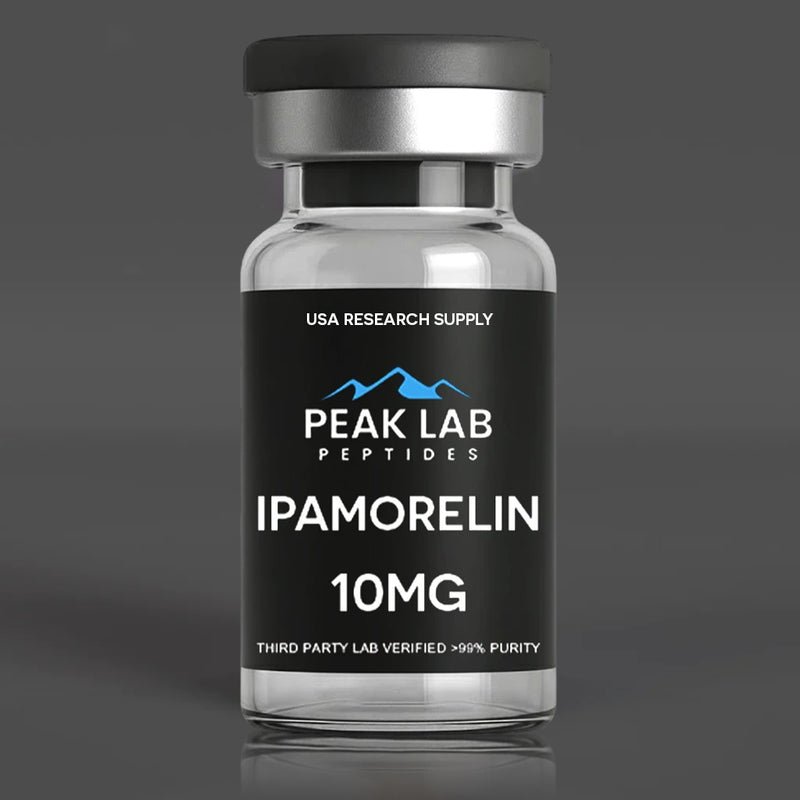
Ipamorelin
Ipamorelin
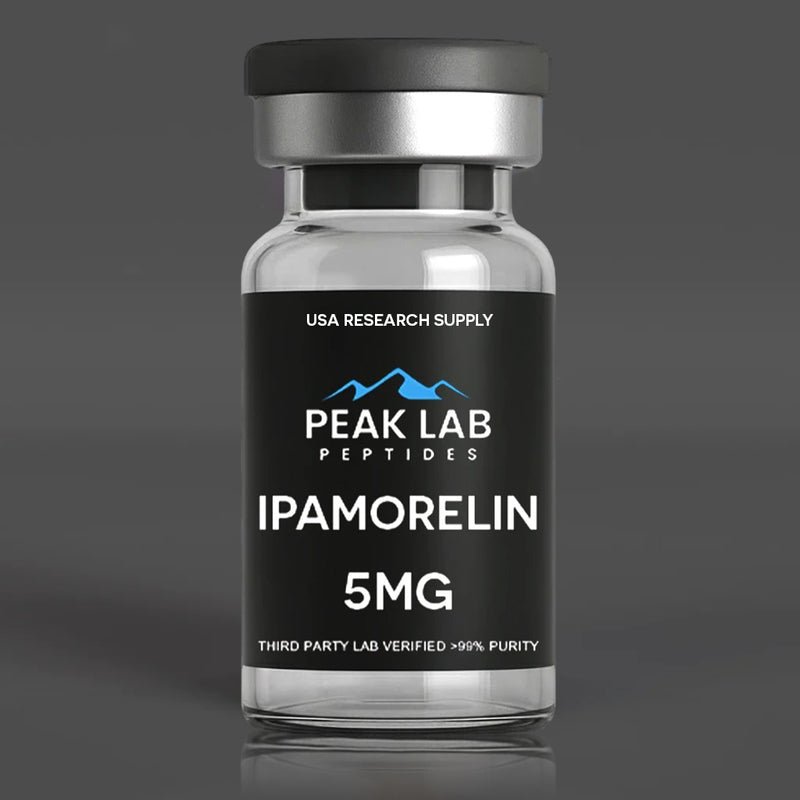
Ipamorelin – 5mg (Lyophilized Peptide) – For Research Use Only
Ipamorelin is a selective Growth Hormone Secretagogue (GHS) studied for its ability to stimulate natural growth hormone (GH) release without significantly affecting cortisol or prolactin levels. Known for its clean safety profile in research models, Ipamorelin is commonly explored in studies on muscle growth, recovery, fat metabolism, and anti-aging.
Ipamorelin is often paired in research with other GH-releasing peptides like CJC-1295 No DAC for synergistic effects.
Product Details:
-
Peptide: Ipamorelin
-
Purity: >98%
-
Form: Lyophilized powder
-
Quantity: 5mg per vial
-
Storage: Store at -4°F (-20°C). After reconstitution, refrigerate at 36–46°F (2–8°C) and use within 30 days.
-
Grade: For research purposes only. Not for human consumption, therapeutic, or diagnostic use.
Potential Research Applications:
-
Growth hormone secretion and endocrine studies
-
Muscle growth, recovery, and anti-aging research models
-
Fat metabolism and body composition studies
-
GH axis and pituitary function investigations
For laboratory research only. This product is not intended to diagnose, treat, cure, or prevent any disease.
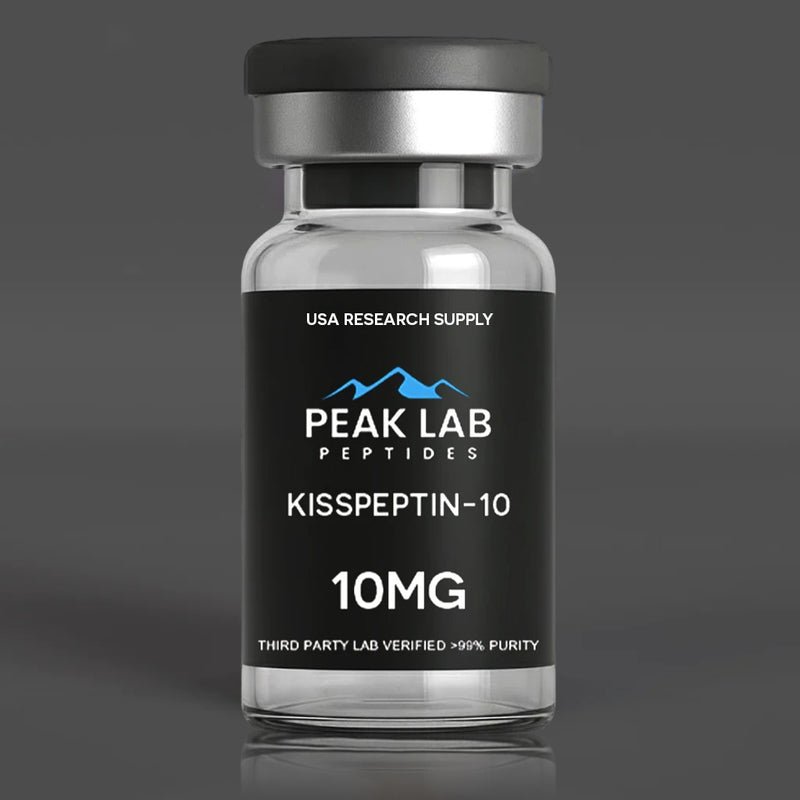
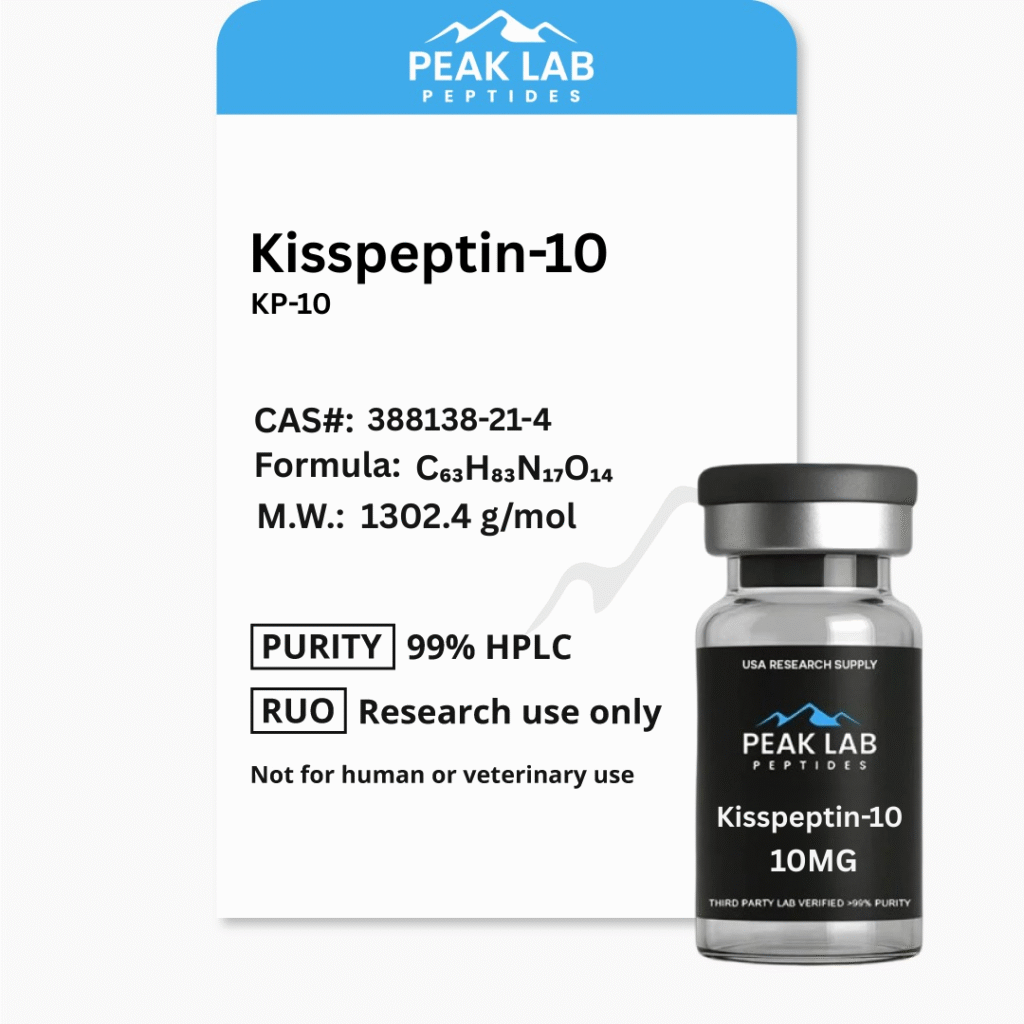
KissPeptin-10
Kisspeptin-10
Kisspeptin-10 – 10mg (Lyophilized Peptide) – For Research Use Only
Kisspeptin-10 is a short-chain peptide fragment of the kisspeptin family, known for its regulatory role in the hypothalamic-pituitary-gonadal (HPG) axis. It is widely studied for its potential to influence GnRH (Gonadotropin-Releasing Hormone) secretion, making it a key subject in research on fertility, reproductive hormone modulation, and endocrine function.
Kisspeptin-10 has also been explored in studies related to puberty onset, reproductive health, and hormone signaling pathways.
Product Details:
-
Peptide: Kisspeptin-10 (Metastin 10 fragment)
-
Purity: >98%
-
Form: Lyophilized powder
-
Quantity: 10mg per vial
-
Storage: Store at -4°F (-20°C). After reconstitution, refrigerate at 36–46°F (2–8°C) and use within 30 days.
-
Grade: For research purposes only. Not for human consumption, therapeutic, or diagnostic use.
Potential Research Applications:
-
Fertility and reproductive hormone studies
-
HPG axis and GnRH secretion models
-
Endocrine signaling and modulation research
-
Studies on puberty and reproductive health
For laboratory research only. This product is not intended to diagnose, treat, cure, or prevent any disease.
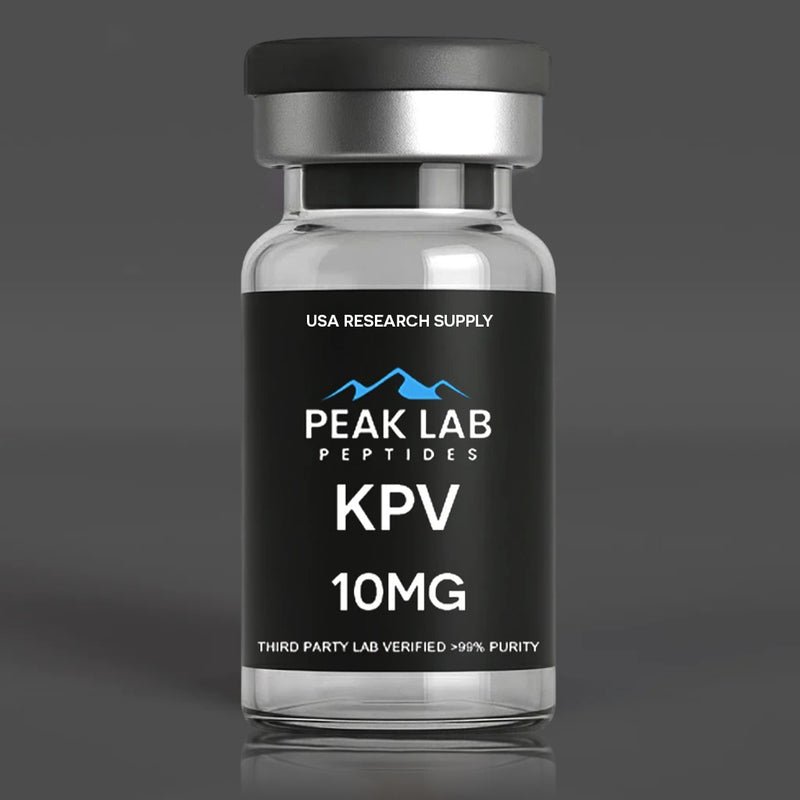
KPV
Product Details:
Peptide: KPV (Lys-Pro-Val) Purity: >98% Form: Lyophilized powder Quantity: 10mg per vial Storage: Store at -4°F (-20°C). After reconstitution, refrigerate at 36–46°F (2–8°C) and use within 30 days. Grade: For research purposes only. Not for human consumption, therapeutic, or diagnostic use. Potential Research Applications: Gut health and intestinal inflammation models (e.g., IBD, leaky gut) Skin inflammation and dermatitis research Cytokine modulation and immune response studies Localized anti-inflammatory peptide therapy research For laboratory research only. This product is not intended to diagnose, treat, cure, or prevent any disease.
LL-37 (5mg)
LL-37 – 5mg (Lyophilized Peptide in 3ml Vial) – For Research Use Only
LL-37 is a human antimicrobial peptide derived from the cathelicidin family, extensively studied for its roles in innate immunity, antimicrobial defense, wound healing, and inflammation regulation. LL-37 exhibits broad-spectrum activity against bacteria, viruses, and fungi, and plays a key role in modulating the body’s immune and inflammatory responses. In research, LL-37 is of particular interest in models exploring skin healing, immune signaling, tissue regeneration, and antimicrobial resistance.Product Details:
Peptide: LL-37 Purity: >98% Form: Lyophilized powder Quantity: 5mg per vial Vial Size: 3ml sterile glass vial Storage: Store at -4°F (-20°C). After reconstitution, refrigerate at 36–46°F (2–8°C) and use within 30 days. Grade: For research purposes only. Not for human consumption, therapeutic, or diagnostic use.Potential Research Applications:
Antimicrobial and infection control models Wound healing and skin regeneration studies Immune system modulation and inflammation research Studies on epithelial repair and barrier function For laboratory research use only. This product is not intended to diagnose, treat, cure, or prevent any disease.
MT-2 (Melanotan 2) -10mg
Melanotan II (MT-2)
MT-2 (Melanotan 2) – 10mg (Lyophilized Peptide) – For Research Use Only
Melanotan 2 (MT-2) is a synthetic analog of the alpha-melanocyte-stimulating hormone (α-MSH), studied for its ability to activate melanocortin receptors involved in skin pigmentation, appetite regulation, and sexual function.
Research has focused on MT-2’s effects on melanin production, UV protection, libido, and energy balance in laboratory models.
Product Details:
-
Peptide: Melanotan 2 (MT-2)
-
Purity: >98%
-
Form: Lyophilized powder
-
Quantity: 10mg per vial
-
Storage: Store at -4°F (-20°C). After reconstitution, refrigerate at 36–46°F (2–8°C) and use within 30 days.
-
Grade: For research purposes only. Not for human consumption, therapeutic, or diagnostic use.
Potential Research Applications:
-
Melanogenesis and skin pigmentation studies
-
UV protection and tanning research models
-
Libido and sexual function investigations
-
Energy regulation and melanocortin receptor research
For laboratory research only. This product is not intended to diagnose, treat, cure, or prevent any disease.
Pinealon
Selank 10/11mg
Selank
Selank – 11mg (Lyophilized Peptide) – For Research Use Only
Selank is a synthetic peptide analog of the naturally occurring tetrapeptide Tuftsin, extensively studied for its potential nootropic, anxiolytic, and immunomodulatory properties. Research suggests that Selank may support cognitive function, anxiety reduction, and immune system regulation through its interaction with neurotransmitter systems, particularly GABA and serotonin pathways.
Product Details:
-
Peptide: Selank (Tuftsin analog)
-
Purity: >98%
-
Form: Lyophilized powder
-
Quantity: 11mg per vial
-
Storage: Store at -4°F (-20°C). After reconstitution, refrigerate at 36–46°F (2–8°C) and use within 30 days.
-
Grade: For research purposes only. Not for human consumption, therapeutic, or diagnostic use.
Potential Research Applications:
-
Nootropic and cognitive function studies
-
Anxiolytic and mood regulation research
-
Immune modulation and cytokine balance exploration
-
Neurotransmitter activity and brain health models
For laboratory research only. This product is not intended to diagnose, treat, cure, or prevent any disease.
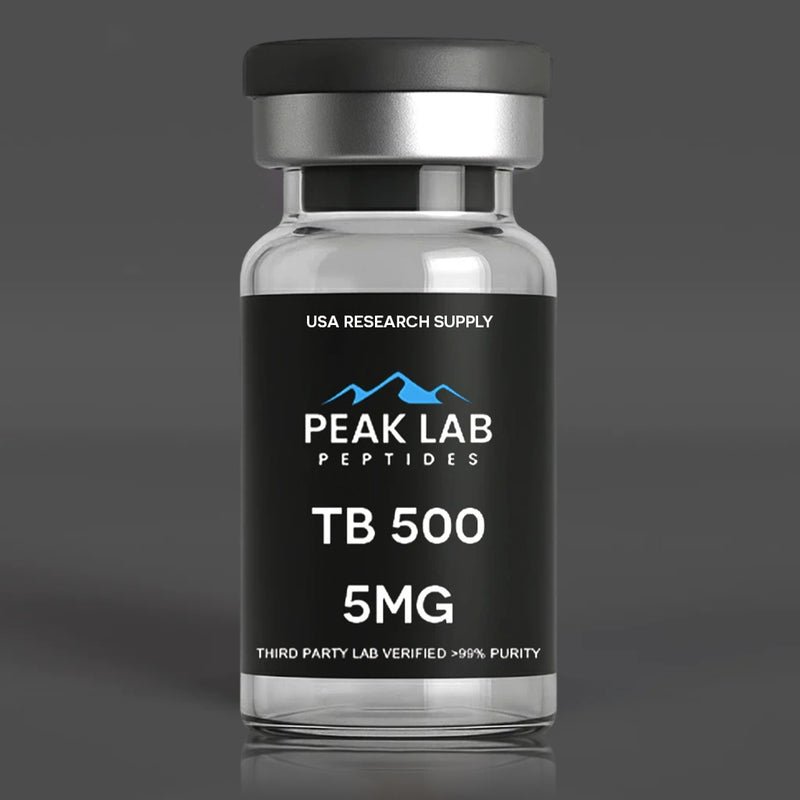
TB-500
TB-500 (TB500)
TB-500 (Thymosin Beta-4 Fragment) – 5mg or 10mg (Lyophilized Peptide) – For Research Use Only
TB-500 is a synthetic Thymosin Beta-4 fragment studied in preclinical models for its roles in actin-binding dynamics, cell migration, angiogenesis, and tissue repair signaling. Supplied as lyophilized powder at 99%+ HPLC verified purity. Batch-specific COA included. For in vitro research use only.