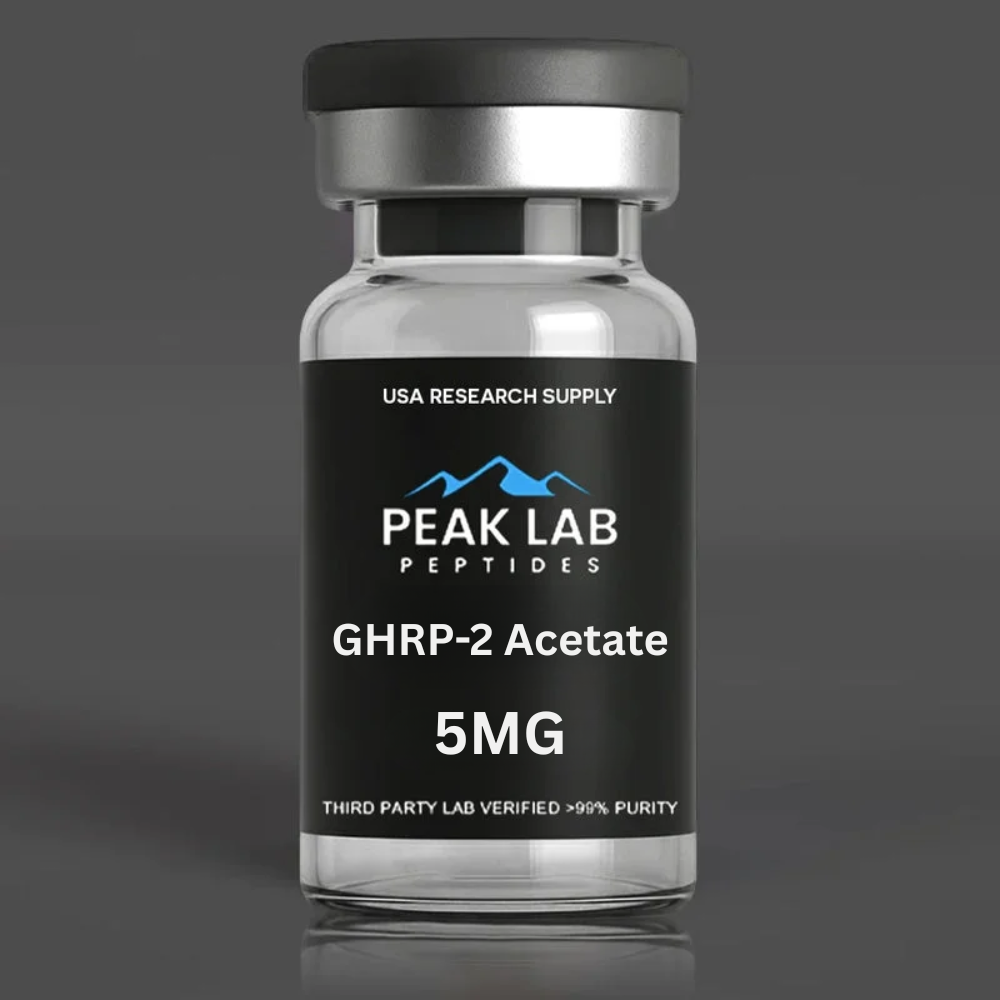
GHRP-2 Acetate
$23.20 – $27.20Price range: $23.20 through $27.20
Become a Member and save 20% on Every Order.
Description
GHRP-2 (Growth Hormone Releasing Peptide-2) is a synthetic growth hormone secretagogue that binds to the ghrelin/growth hormone secretagogue receptor (GHS-R) in experimental models. It is widely used in research to explore regulated growth hormone (GH) release, appetite signaling, immune modulation, and sleep architecture in controlled laboratory settings.
Preclinical and early human research models suggest that GHRP-2 may influence muscle protein balance, thymic activity, food intake, cardiac cell survival, sleep-stage distribution, and pain perception pathways. GHRP-2 is supplied strictly for educational and scientific research use only and is not intended for human or veterinary consumption or any therapeutic application.
GHRP-2 belongs to the GHRP family of synthetic peptides that act as ligands for the ghrelin/GHS-R receptor. Unlike direct GH administration, GHRP-2 works within the endogenous GH axis, often preserving physiological pulse patterns while enhancing secretory activity in research models.
In vitro and in vivo studies have examined GHRP-2 in relation to:
- Growth hormone and IGF-1 release dynamics
- Muscle protein deposition versus degradation
- Appetite and energy-intake regulation
- Cardiomyocyte survival and apoptosis pathways
- Thymic function and T-cell output
- Sleep-stage structure and sleep efficiency
- Experimental pain and opioid-receptor interactions
Because it intersects endocrine, metabolic, immune, and neurophysiologic systems, GHRP-2 is a versatile tool compound for integrative physiology research.
1. Muscle Structure and Protein Turnover
In livestock and large-animal models (including yaks), GHRP-2 has been investigated for its impact on muscle growth under nutritionally or environmentally challenging conditions:
- Protein Deposition and Degradation: Research indicates that GHRP-2 can improve net muscle protein balance by both increasing protein deposition and decreasing protein breakdown in skeletal muscle.
- Atrophy Pathways: GHRP-2 has been reported to downregulate atrogin-1 and MuRF1, key regulators in muscle proteolysis pathways associated with atrophy.
- Growth Plateaus: In conditions such as food deprivation, disease, or cold exposure, GHRP-2 has been observed to help overcome natural growth plateaus in certain models, suggesting a stabilizing effect on lean mass.
These findings make GHRP-2 a valuable experimental agent for studying catabolism, muscle preservation, and GH/IGF-1–linked anabolic signaling in adverse conditions.
2. Appetite and Energy Intake
GHRP-2 is also a probe compound for appetite regulation due to its interaction with ghrelin receptors:
- Experimental studies in rodents and humans have documented increased food intake following GHRP-2 exposure compared to placebo.
- This orexigenic effect is particularly relevant in research focused on chronic illness, cachexia, or other conditions where appetite and caloric intake are impaired.
By leveraging GHRP-2 in controlled settings, researchers can better understand ghrelin-like signaling and its role in energy balance.
3. Cardiac Cell Protection
Cardiac models have explored whether GHRP-2 and related peptides may influence cardiomyocyte survival:
- In cultured fetal heart cell lines, GHRP-2 and structurally related analogues have been associated with reduced apoptosis (programmed cell death) under stress conditions.
- Additional work with similar peptides (e.g., Hexarelin) suggests the existence of specific cardiac receptors or receptor complexes responsive to GHRP-like molecules.
These studies are mechanistic in nature and are used to probe protective signaling pathways in heart cells rather than to define clinical interventions.
4. Immune System and Thymic Function
GHRP-2 has been examined for its effects on the thymus and T-cell populations:
- The thymus, which plays a central role in T-cell maturation, functionally declines with age. GHRP-2 exposure in experimental models has been associated with increased thymic activity and improved output and diversity of T-cell subsets.
- Such changes may enhance adaptive immune responsiveness, tissue repair capacity, and immune surveillance in the models studied.
These observations make GHRP-2 a useful peptide for research into immune senescence and thymic rejuvenation.
5. Sleep Architecture and Sleep Quality
GHRP-2 has also been evaluated in sleep research:
- Controlled studies report that GHRP-2 may increase time spent in deeper sleep stages (stage 3 and 4 slow-wave sleep) and modestly enhance REM sleep duration.
- Experimental data suggest reduced deviations from “normal” sleep architecture, with associated improvements in metrics such as cognitive performance, blood pressure regulation, and perceived energy in study populations.
These findings position GHRP-2 as a tool for examining the relationship between GH secretagogues, sleep structure, and downstream physiological outcomes.
6. Pain Perception and Opioid Receptors
An intriguing line of research has explored the interaction between GHRP-2 and opioid-receptor systems:
- Initial animal models of osteoarthritis showed rapid reductions in pain-related behavior that occurred before structural joint changes, suggesting a direct neuromodulatory effect.
- Subsequent studies identified activity of GHRP-2 at opioid receptors, with evidence of selective receptor engagement.
This receptor selectivity may help inform future design of ligands that target analgesic pathways while minimizing typical opioid-related adverse effects in experimental models.
Q1: What is GHRP-2 in a research context?
A1: GHRP-2 is a synthetic growth hormone secretagogue that binds to the ghrelin/growth hormone secretagogue receptor and is used to study GH release, appetite regulation, immune function, sleep architecture, and pain pathways in controlled laboratory models.
Q2: How does GHRP-2 affect muscle in experimental studies?
A2: In animal models, GHRP-2 has been associated with increased protein deposition, reduced protein degradation, and downregulation of atrophy-related proteins such as atrogin-1 and MuRF1, supporting investigations into muscle preservation and growth.
Q3: Does GHRP-2 influence appetite?
A3: Yes. Studies have shown that GHRP-2 can increase food intake in research subjects, making it a useful tool for exploring ghrelin-like signaling and energy-intake regulation.
Q4: What other systems are commonly studied with GHRP-2?
A4: GHRP-2 is also used to investigate thymic and T-cell function, cardiomyocyte survival, sleep-stage distribution, and experimental pain pathways, including interactions with opioid receptors.
Q5: Is GHRP-2 intended for human or veterinary use?
A5: No. GHRP-2 is supplied for educational and scientific research purposes only. It is not intended for human or veterinary consumption, diagnosis, treatment, or prevention of any disease or condition.
Storage & Handling
All peptides are supplied as sterile, lyophilized powder and are stable when handled correctly.
- On arrival: Store vials in a cool, dry place away from heat and direct sunlight.
- Long-term (powder): For optimal longevity, keep lyophilized peptides refrigerated to help maintain integrity.
- After reconstitution: Use an appropriate research diluent (for example, BAC water). Store the reconstituted solution in the refrigerator and use within 20–30 days for best stability.
Note: Minimize exposure to moisture and repeated freeze–thaw cycles. Follow your institution's safety procedures when handling research materials.
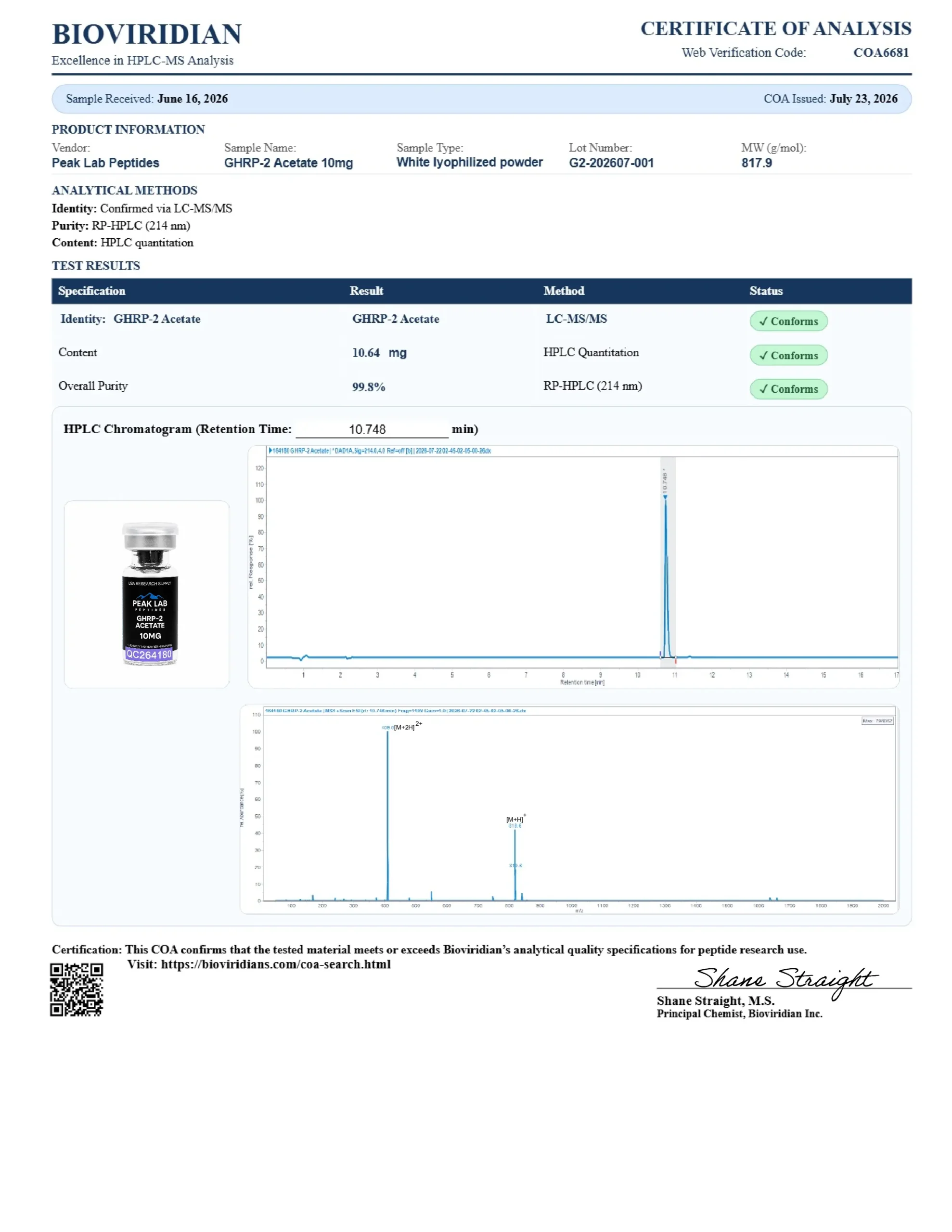
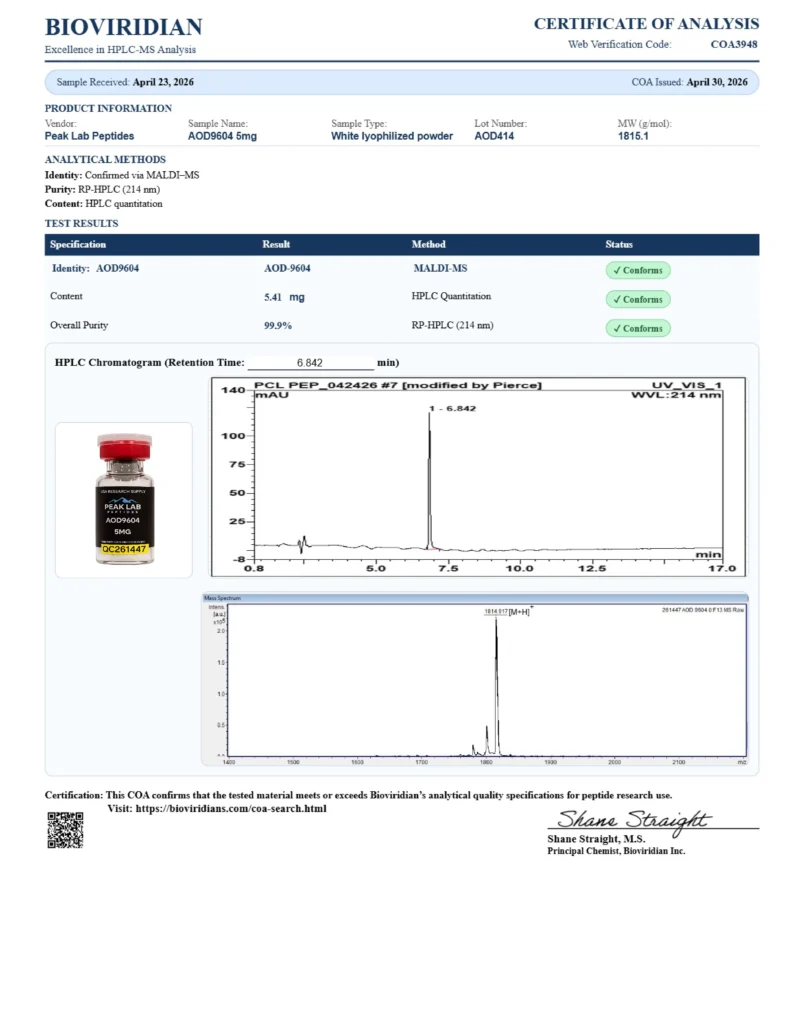
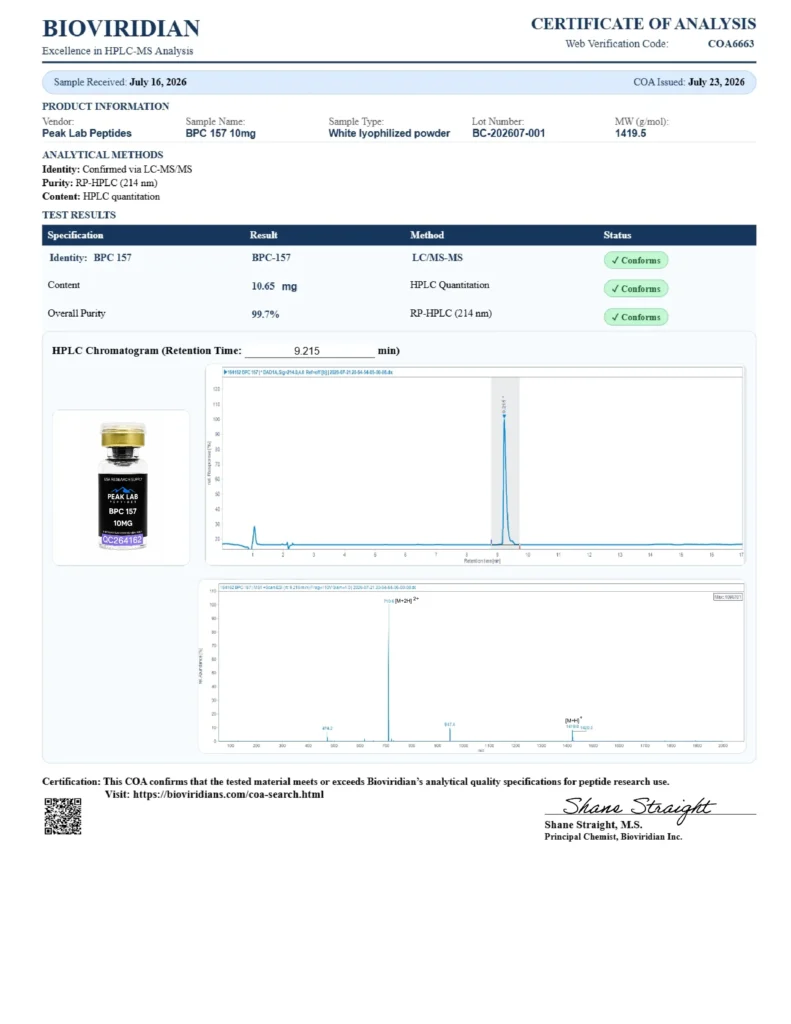
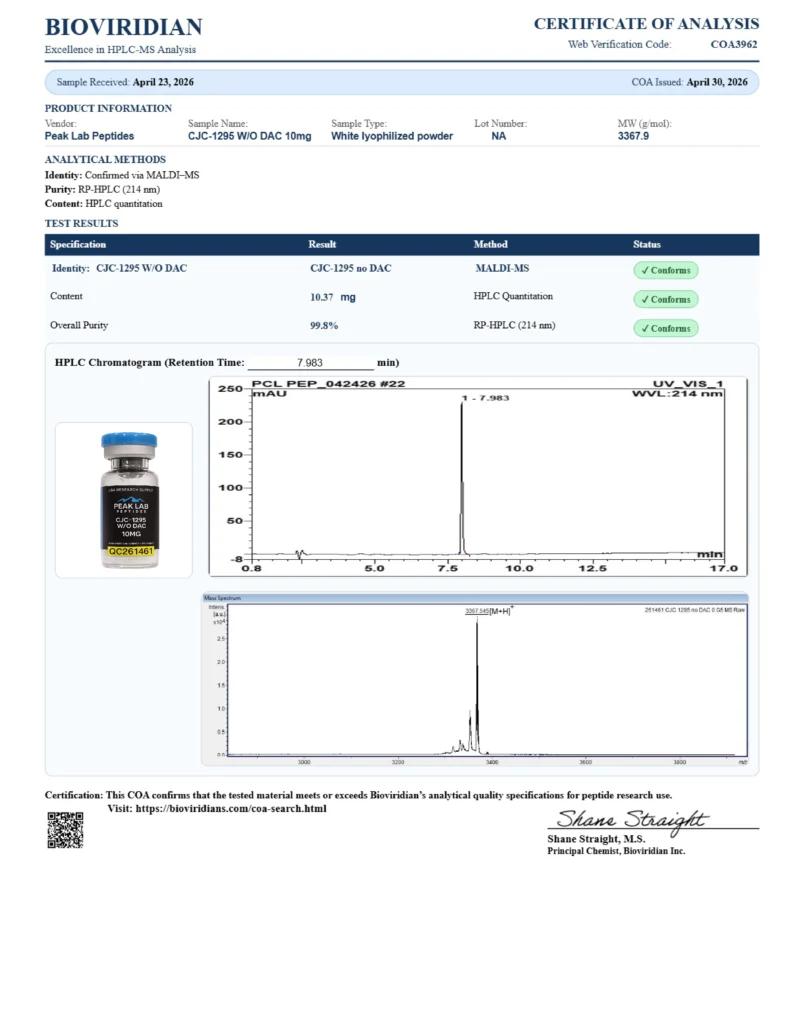
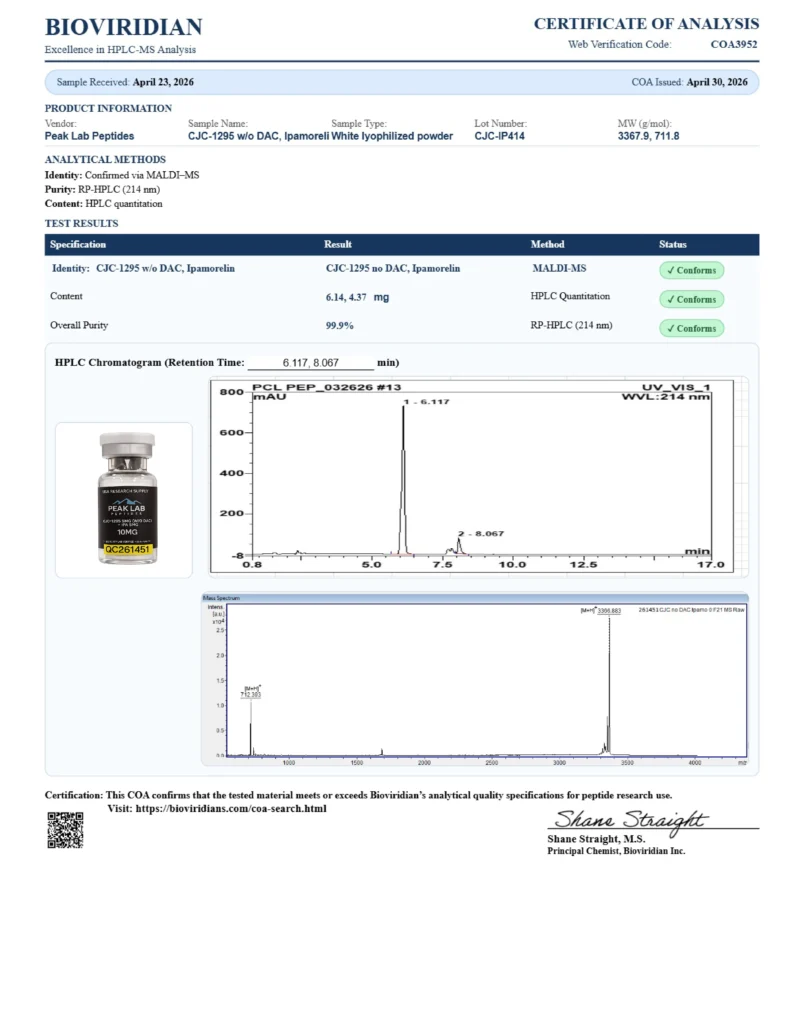
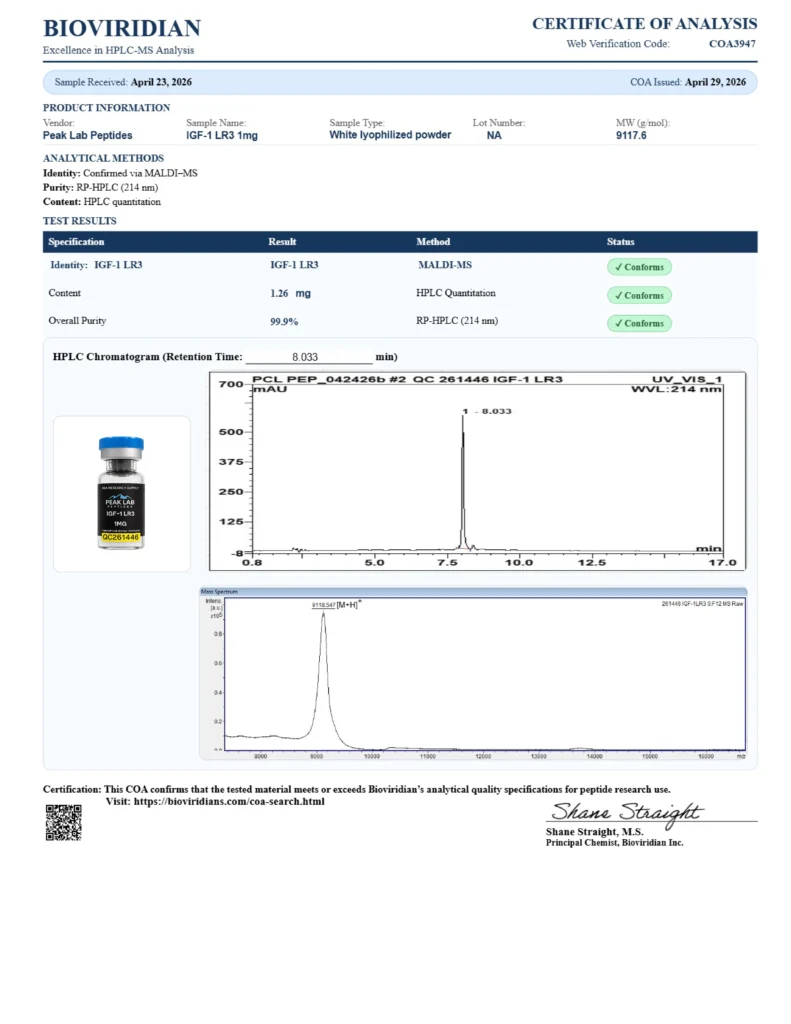
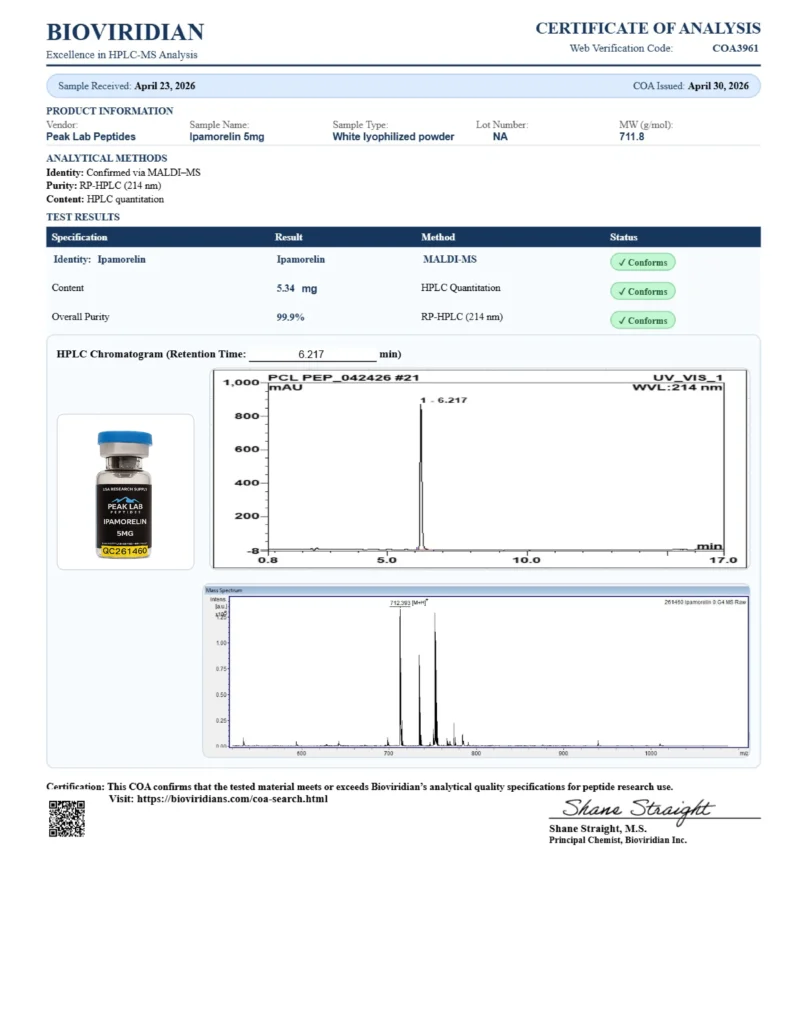
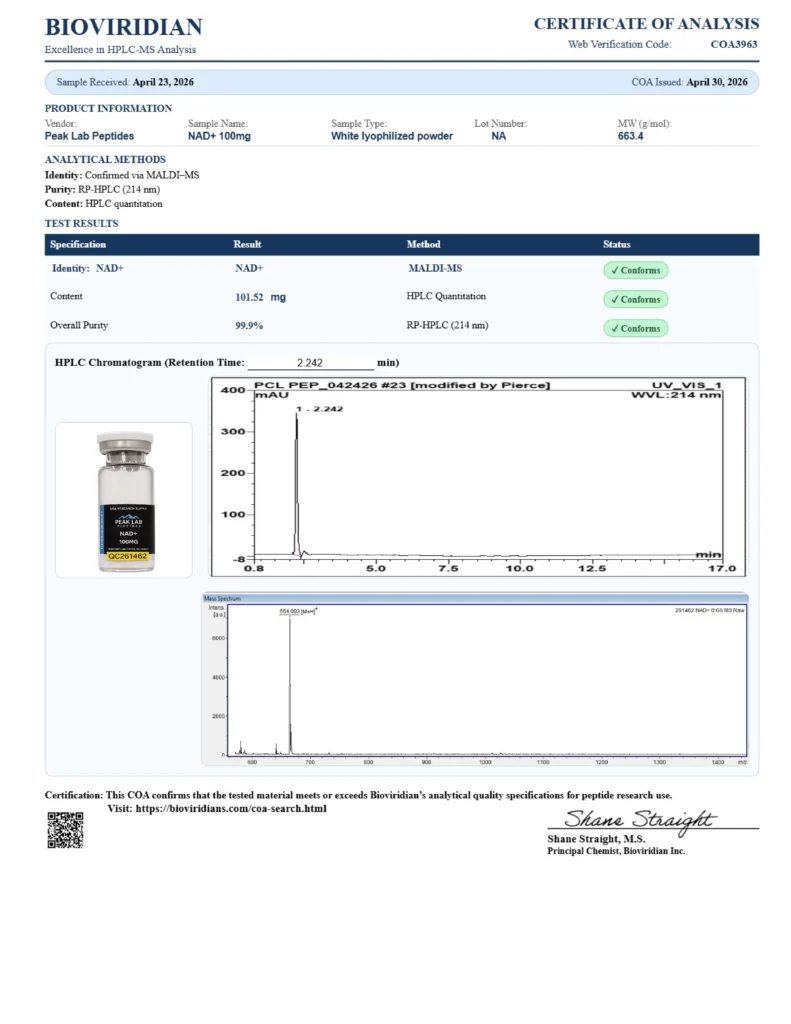
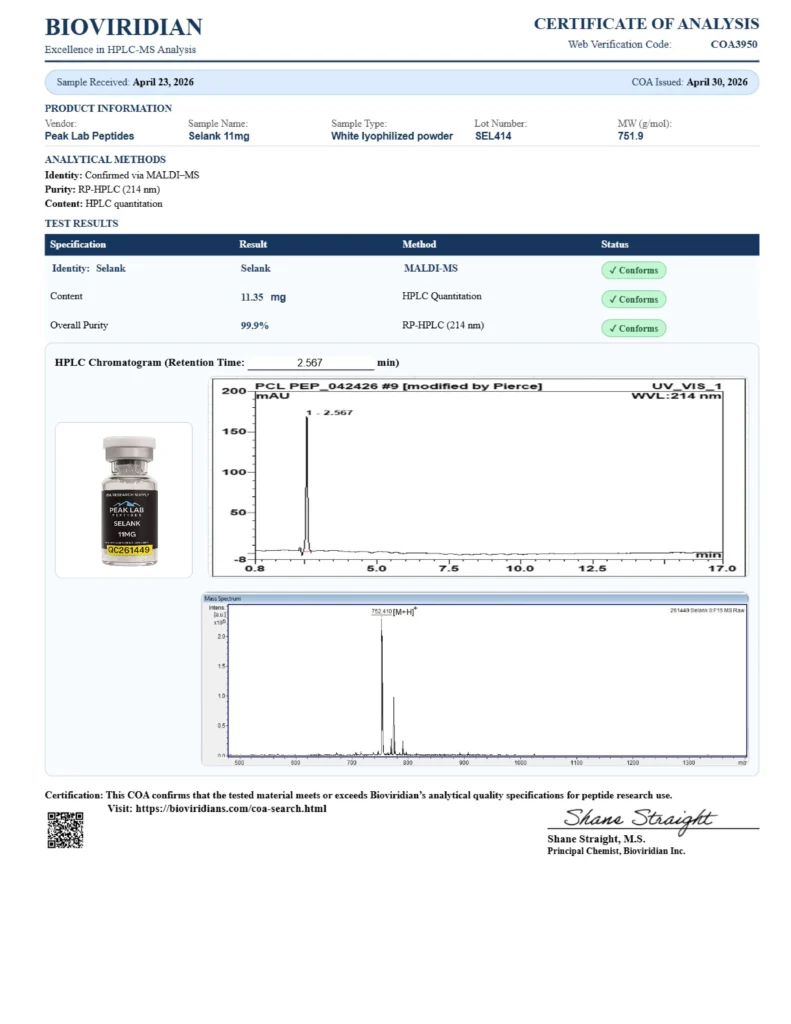
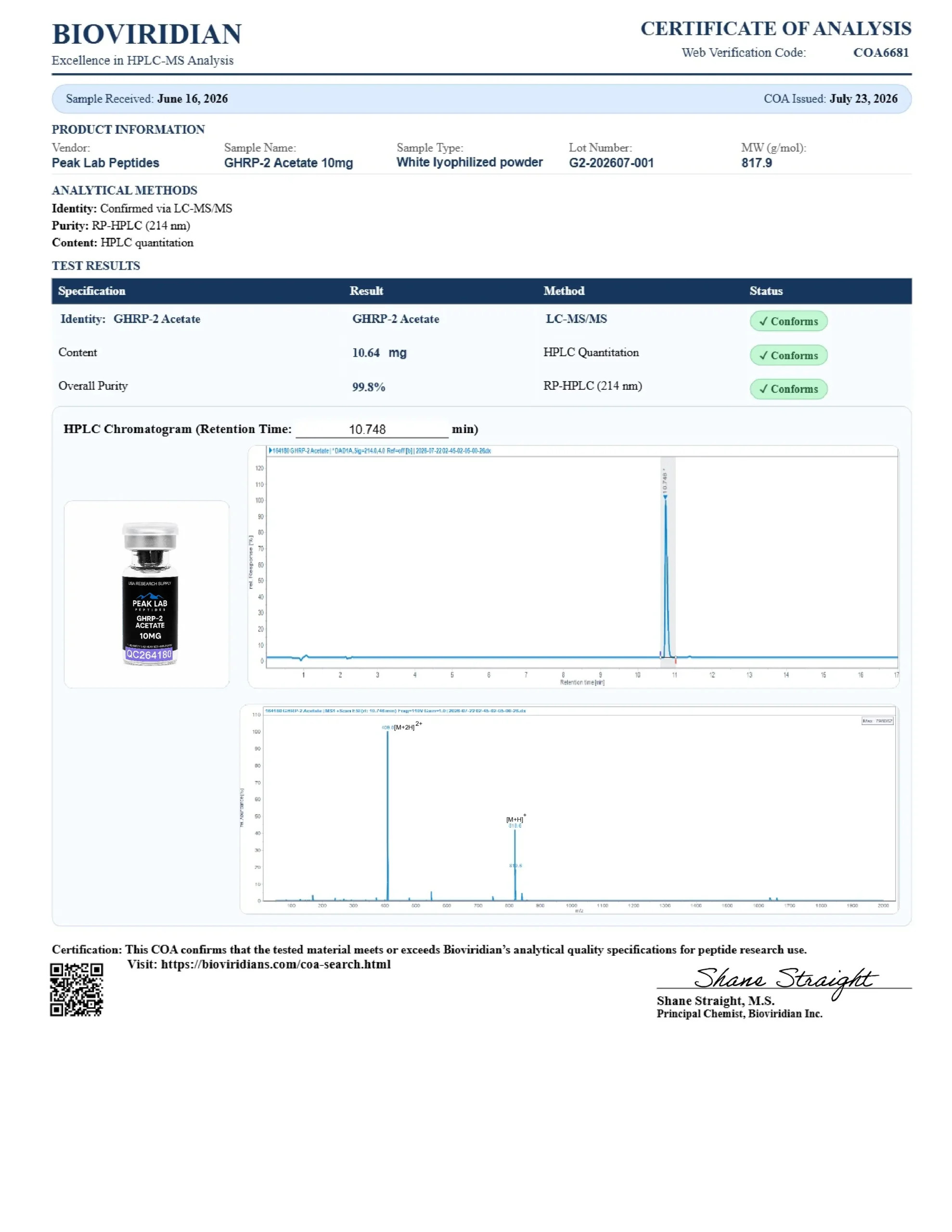
Peak Lab Peptides maintains quality-control processes and routinely performs third-party testing to support purity and identity verification. COAs are available upon request for applicable batches. Documentation may vary depending on production timelines.
We aim to make batch-level documentation available whenever possible. Our goal is to expand COA access across the full catalog as production capacity grows.
All products are for laboratory research use only and are not intended for human consumption.
Related Products
Epithalon
Epithalon – 10mg (Lyophilized Peptide) – For Research Use Only
Epithalon (also known as Epitalon) is a synthetic tetrapeptide (Ala-Glu-Asp-Gly) derived from the naturally occurring pineal gland peptide Epithalamin. It is widely studied for its potential anti-aging, telomerase-activating, and longevity-enhancing effects. Research suggests that Epithalon may promote telomere extension, support circadian rhythm regulation, and improve oxidative stress resistance. It is a popular compound in studies involving cellular aging, pineal gland function, and DNA repair mechanisms. Product Details: Peptide: Epithalon (Ala-Glu-Asp-Gly) Purity: >98% Form: Lyophilized powder Quantity: 10mg per vial Storage: Store at -4°F (-20°C). After reconstitution, refrigerate at 36–46°F (2–8°C) and use within 30 days. Grade: For research purposes only. Not for human consumption, therapeutic, or diagnostic use. Potential Research Applications: Telomerase activation and cellular longevity studies Anti-aging and pineal gland function research Circadian rhythm and melatonin regulation studies DNA repair and oxidative stress resistance models For laboratory research only. This product is not intended to diagnose, treat, cure, or prevent any disease.GHK-Cu
GHRP-6 Acetate
Glutathione
Glutathione
Glutathione – 1500mg (Lyophilized Powder) – For Research Use Only
Glutathione is a naturally occurring tripeptide composed of glutamine, cysteine, and glycine. It functions as a major intracellular antioxidant and plays a critical role in cellular detoxification, oxidative stress reduction, and immune support.
Widely studied for its potential in anti-aging, liver health, and cellular repair models, Glutathione supports the body’s natural defense mechanisms against free radicals and environmental toxins.
Product Details:
-
Compound: Glutathione (γ-L-Glutamyl-L-cysteinylglycine)
-
Purity: >98%
-
Form: Lyophilized powder
-
Quantity: 600mg or 1500mg per vial
-
Storage: Store at -4°F (-20°C). After reconstitution, refrigerate at 36–46°F (2–8°C) and use within 30 days.
-
Grade: For research use only. Not for human consumption or therapeutic applications.
Potential Research Applications:
-
Oxidative stress and antioxidant activity studies
-
Cellular detoxification and immune response research
-
Anti-aging and skin health models
-
Liver function and protective mechanism investigations
IGF-1 LR3
IGF-1 LR3 1mg – Research Peptide
For Research Use Only – Not for Human Consumption IGF-1 LR3 (Long Arg3 Insulin-Like Growth Factor-1) is a synthetic peptide analog of human IGF-1. It has been modified to extend its half-life in vitro, allowing for enhanced stability and prolonged activity during laboratory testing. The substitution of arginine at position 3 and removal of the first three amino acids in the native IGF-1 sequence make LR3 more resistant to binding proteins, thereby increasing its bioavailability in research environments. Researchers value IGF-1 LR3 for its role in studying cellular growth, differentiation, survival pathways, and metabolic functions. It has been widely used in experimental models to explore muscle cell proliferation, neuroprotection, and regenerative mechanisms. Sequence: 83 amino acids Form: Lyophilized powder Purity: ≥ 98% (HPLC Verified) Unit Size: 1mg vial Storage: Store lyophilized peptide at -4°F. Once reconstituted, keep refrigerated at 36–46°F. ⚠ Disclaimer: All products are sold strictly for laboratory research use only. Not for human use, consumption, or therapeutic applications.KLOW Blend 80mg – GHK-Cu, TB-500, BPC-157, KPV
KLOW – 80mg Peptide Blend (Lyophilized Powder) – For Research Use Only GHK-Cu • TB-500 • BPC-157 • KPV
KLOW is an advanced 4-in-1 research peptide blend combining 80mg of regenerative and anti-inflammatory compounds studied for their potential in tissue repair, immune modulation, and cellular recovery. Designed for comprehensive healing models, KLOW offers synergistic support across skin, muscle, and gut research applications. Active Ingredients (Per Vial): GHK-Cu – 50mg Studied for skin regeneration, wound healing, collagen stimulation, and hair follicle support. TB-500 – 10mg A fragment of Thymosin Beta-4, known for supporting angiogenesis, cell migration, and muscle recovery. BPC-157 – 10mg Derived from a gastric protein, BPC-157 is studied for gut repair, tendon/ligament healing, and anti-inflammatory effects. KPV – 10mg A tripeptide fragment with strong research interest for localized inflammation and immune modulation, particularly in the gut and skin. Product Details: Total Peptide Content: 80mg per vial: Lyophilized powder Purity: >98% Storage: Store at -4°F (-20°C). After reconstitution, refrigerate at 36–46°F (2–8°C) and use within 30 days. Grade: For research purposes only. Not for human consumption, therapeutic, or diagnostic use. Potential Research Applications: Soft tissue, muscle, and ligament repair Skin rejuvenation and wound healing models Inflammatory bowel and gut barrier integrity studies Anti-inflammatory and immune modulation research For laboratory research only. This product is not intended to diagnose, treat, cure, or prevent any disease.NAD+
NAD+ (Nicotinamide Adenine Dinucleotide)
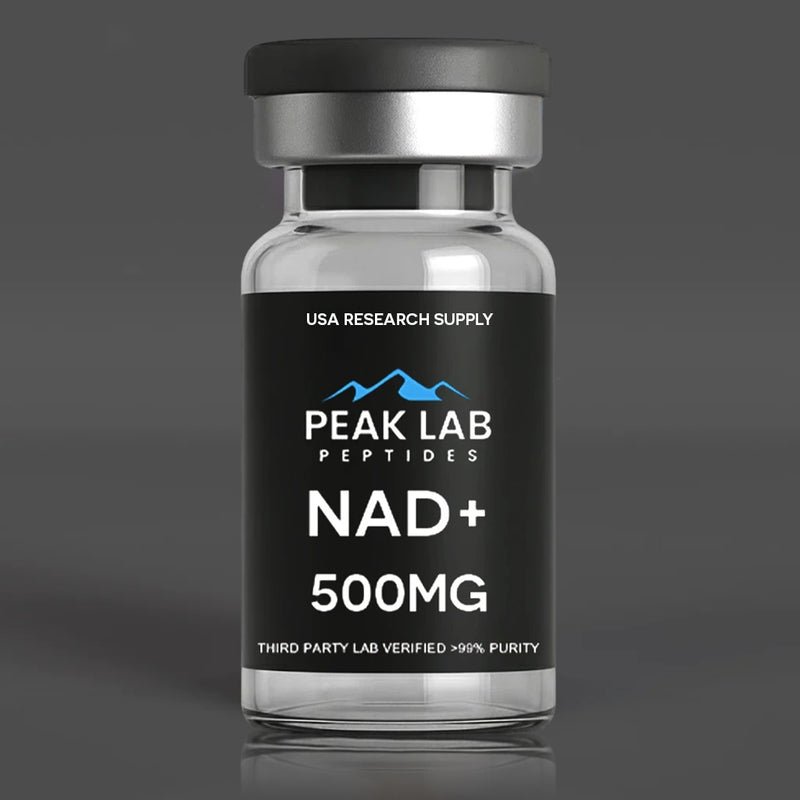
NAD+ (Nicotinamide Adenine Dinucleotide) – 500mg (Lyophilized Powder) – For Research Use Only
NAD+ is a vital coenzyme found in all living cells, playing a critical role in energy metabolism, mitochondrial function, and cellular repair. It is heavily studied in research models exploring aging, metabolic health, oxidative stress, and neuroprotection.
NAD+ is particularly significant in studies on sirtuin activation, DNA repair pathways, and mitochondrial health, making it a key component of advanced longevity and metabolic research.
Product Details:
-
Compound: NAD+ (Nicotinamide Adenine Dinucleotide)
-
Purity: >98%
-
Form: Lyophilized powder
-
Quantity: 500mg per vial
-
Storage: Store at -4°F (-20°C). After reconstitution, refrigerate at 36–46°F (2–8°C) and use within 30 days.
-
Grade: For research purposes only. Not for human consumption, therapeutic, or diagnostic use.
Potential Research Applications:
-
Mitochondrial function and energy metabolism studies
-
Anti-aging, longevity, and sirtuin pathway research
-
DNA repair and oxidative stress models
-
Neuroprotection and cognitive function investigations
For laboratory research only. This product is not intended to diagnose, treat, cure, or prevent any disease.
Oxytocin Acetate
Oxytocin
Oxytocin Acetate – 2mg (Lyophilized Peptide) – For Research Use Only
Oxytocin Acetate is a synthetic peptide analog of the naturally occurring hormone Oxytocin, primarily known for its role in social bonding, reproductive function, and emotional regulation. In research, Oxytocin Acetate is commonly studied for its potential effects on behavioral response, stress adaptation, mood regulation, and social interaction models.
Studies have also explored its influence on neurological pathways, trust behaviors, and hormonal modulation.
Product Details:
-
Peptide: Oxytocin Acetate
-
Purity: >98%
-
Form: Lyophilized powder
-
Quantity: 2mg per vial
-
Storage: Store at -4°F (-20°C). After reconstitution, refrigerate at 36–46°F (2–8°C) and use within 30 days.
-
Grade: For research purposes only. Not for human consumption, therapeutic, or diagnostic use.
Potential Research Applications:
-
Social behavior and bonding studies
-
Stress response and mood regulation research
-
Hormonal modulation and endocrine studies
-
Neurobehavioral and cognitive function models
For laboratory research use only. This product is not intended to diagnose, treat, cure, or prevent any disease.
Peptide Storage Case (3ml x 6) — Hard Shell Compact Organizer
A compact solution for organizing and protecting your research materials.
This hard shell peptide storage case is designed to securely hold up to 6 standard 3ml vials, with a precision-fit interior that keeps each vial stable and separated.
Smaller and more portable than our full-size case, this version is ideal for streamlined setups, travel, or keeping frequently used materials organized.
Key Features:
- Custom-fit layout: Holds 6 × 3ml vials
- Hard shell exterior: Durable, impact-resistant protection
- Secure closure: Keeps contents safely contained
- Precision interior insert: Reduces movement and vibration
- Compact & portable: Perfect for minimal setups or travel
Designed for clean organization and reliable protection in any research environment.
Important:
- For research use only. Not for human consumption.
- Vials not included