
Glutathione

$60.50 Original price was: $60.50.$48.40Current price is: $48.40.
In stock
Become a Member and save 20% on Every Order.
Description
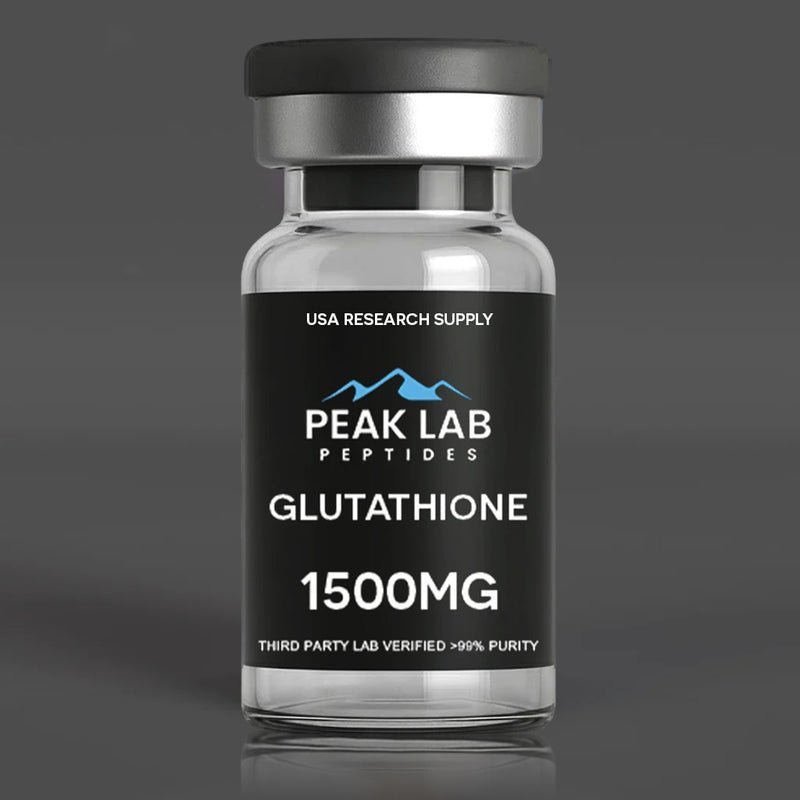
Glutathione
Glutathione – 1500mg (Lyophilized Powder) – For Research Use Only
Glutathione is a naturally occurring tripeptide composed of glutamine, cysteine, and glycine. It functions as a major intracellular antioxidant and plays a critical role in cellular detoxification, oxidative stress reduction, and immune support.
Widely studied for its potential in anti-aging, liver health, and cellular repair models, Glutathione supports the body’s natural defense mechanisms against free radicals and environmental toxins.
Product Details:
-
Compound: Glutathione (γ-L-Glutamyl-L-cysteinylglycine)
-
Purity: >98%
-
Form: Lyophilized powder
-
Quantity: 600mg or 1500mg per vial
-
Storage: Store at -4°F (-20°C). After reconstitution, refrigerate at 36–46°F (2–8°C) and use within 30 days.
-
Grade: For research use only. Not for human consumption or therapeutic applications.
Potential Research Applications:
-
Oxidative stress and antioxidant activity studies
-
Cellular detoxification and immune response research
-
Anti-aging and skin health models
-
Liver function and protective mechanism investigations
THIS IS NOT FOR HUMAN CONSUMPTION. SOLD FOR RESEARCH ONLY!
Glutathione (L-glutathione) is a tripeptide composed of glutamate, cysteine, and glycine, recognized in research as one of the most important low–molecular weight antioxidants produced by cells. It is abundant in many human tissues, including the liver, lungs, and brain, and is central to maintaining redox balance and supporting numerous biochemical pathways.
In experimental models, glutathione is used to study oxidative stress, detoxification, immune function, neurobiology, cartilage and joint health, ocular physiology, and skin-aging mechanisms. Tissue levels appear to decline with age in many species, making glutathione a key focus in aging and longevity research. Glutathione supplied by research vendors is intended strictly for laboratory use and is not a drug, food, cosmetic, or supplement, nor is it intended for human or veterinary consumption.
Glutathione acts as a major intracellular antioxidant and redox buffer, primarily through the reactive sulfur group in its cysteine residue. In its reduced form (GSH), it neutralizes reactive oxygen and nitrogen species and participates in enzyme systems that protect cellular structures, DNA, and extracellular matrix components from oxidative damage.
Key research themes involving glutathione include:
- Scavenging of free radicals (e.g., peroxides, nitrogen dioxide, hypochlorous acid)
- Support of other antioxidant systems (e.g., vitamin C and vitamin E recycling)
- Detoxification via glutathione S-transferases and related enzymes
- Regulation of protein folding, disulfide-bond formation, and thiol redox status
- Modulation of inflammatory mediators, nitric oxide pathways, and cellular metabolism
Because endogenous glutathione synthesis capacity appears to decrease with age in many models, glutathione is frequently used as both an experimental variable and a biomarker in studies of aging, disease susceptibility, and redox imbalance.
5 reviews for Glutathione
Core Antioxidant and Redox Roles
L-glutathione has long been recognized as a primary low–molecular weight antioxidant synthesized by cells:
- Free Radical Neutralization: The sulfur group in cysteine allows GSH to react with potent oxidants such as peroxides, nitrogen dioxide, hypochlorous acid (HOCl), and numerous electrophilic toxins.
- Redox Cycling: In the process, GSH is converted to its oxidized form (GSSG) and then regenerated by glutathione reductase, supporting continuous redox cycling.
- Antioxidant Network Support: Glutathione also assists other antioxidants—such as vitamins C and E—by helping maintain them in their reduced, active forms.
Because of these functions, the GSH/GSSG ratio is widely used as a biochemical indicator of oxidative stress in tissues and cell systems.
Distribution, Biosynthesis, and Disease Associations
Glutathione is found both intracellularly and in the extracellular matrix, with particularly high levels in:
- Lung tissue
- Brain tissue
- Liver tissue
It is synthesized endogenously through a two-step enzymatic pathway involving γ-glutamylcysteine synthetase and glutathione synthetase.
Experimental and epidemiological research has associated low glutathione levels with a range of conditions—such as metabolic disorders, chronic infections, and various degenerative states—making glutathione a candidate biomarker for disease severity and progression in some studies. Researchers are actively exploring standardized methods to measure glutathione in clinical-style settings as a potential complement to markers like blood pressure, cholesterol, and blood glucose.
Biological Roles Beyond Antioxidant Activity
Inflammation and Lipid Mediators
Glutathione is involved in the synthesis of leukotrienes and prostaglandins, both of which are important mediators of inflammation and immune signaling. This positions GSH as a regulator of certain inflammatory cascades and immune responses.
Nitric Oxide and Vascular Modulation
Glutathione serves as a cofactor in several biochemical reactions and enhances the role of citrulline in the nitric oxide cycle. As a result, it is frequently studied in models of vascular tone, blood-pressure regulation, and cardiovascular biochemistry.
Protein Folding and Disulfide Bonds
In the endoplasmic reticulum, glutathione supports proper protein folding, especially through formation and rearrangement of disulfide bonds:
- It helps proteins achieve correct three-dimensional structure, which is essential for receptor binding and normal function.
- While not the only mechanism for ensuring proper folding, glutathione is a significant component of the cellular machinery that maintains proteostasis.
Neuromodulation
Although not universally classified as a classical neurotransmitter, glutathione can influence neural functions:
- It modulates the redox state of receptors such as the NMDA receptor, consistent with a neuromodulatory role.
- It appears to interact with ionotropic receptors and the purinergic P2X7 receptor on Müller cells in the retina, which are involved in neurotransmitter regulation and retinal homeostasis.
These findings suggest that glutathione may participate in neurotransmitter regulation and synaptic physiology across several neural systems.
Research on Administration and Bioavailability
Studies indicate that oral glutathione is variably absorbed due to enzymatic breakdown in the gastrointestinal tract. Approaches evaluated to modulate or support glutathione status include:
- Precursor Support: Compounds such as N-acetyl cysteine (NAC), curcumin, and certain sulfur-containing or phytochemical-rich foods (e.g., broccoli, spinach) may support endogenous synthesis by providing precursors or upregulating synthesis pathways.
- Parenteral and Inhaled Routes: Research suggests that direct injection or inhalation can produce more substantial and controllable changes in tissue glutathione levels compared to conventional oral intake.
- Topical / Transdermal Approaches: Experimental transdermal delivery systems are being investigated, though they are not yet widely standardized.
These data are primarily gathered in preclinical or early-stage human studies focused on pharmacokinetics and delivery mechanisms.
Glutathione, Aging, and Oxidative Stress
Oxidative damage is a major focus in aging research, and glutathione is central to many of these investigations:
- Glutathione levels appear to decline with age in many tissues, including the brain, with a corresponding increase in oxidative markers after a delay.
- Animal models suggest that reductions in glutathione synthesis capacity in mid-life may precede later elevations in reactive oxygen species (ROS) and oxidative damage.
- These patterns have been used to explore links between glutathione status and cellular senescence, DNA damage, metabolic aging, and neurodegenerative processes.
In this context, glutathione is often discussed as a key component of “anti-aging” redox defenses in experimental systems, while still being studied to clarify optimal ways to modulate its levels.
Cancer Research and Context-Dependent Effects
Glutathione’s role in cancer research is notably complex and context-dependent:
- Protective Aspects: Glutathione participates in detoxification of many carcinogens and reactive metabolites, particularly in barrier tissues such as the lungs, where it can help neutralize harmful compounds in inhaled smoke and pollutants.
- Tumor Cell Protection: Once malignant cells have developed, elevated glutathione within tumors can protect those cells from oxidative damage and reduce the effectiveness of certain chemotherapeutic agents.
As a result:
- Preclinical strategies are exploring selective reduction of glutathione in tumor cells to increase chemosensitivity.
- At the same time, maintaining robust glutathione defenses in non-tumor tissues remains a priority to protect normal cells from oxidative injury.
This duality makes glutathione a focal point in efforts to fine-tune redox modulation during cancer prevention versus cancer treatment.
Brain and Neurodegeneration
In neurobiology, glutathione is examined for its impact on brain aging and neurodegenerative mechanisms:
- Ferroptosis: Glutathione is a key determinant in iron-dependent cell death (ferroptosis), a pathway implicated in certain neurodegenerative conditions. Low glutathione allows peroxidative damage to proceed unchecked, leading to neuronal vulnerability.
- Aging Brain: Glutathione levels decline with age, particularly in the central nervous system, which may increase susceptibility to degenerative processes and oxidative injury after stroke or other insults.
- Precursor and Direct Supplementation: Studies using N-acetyl cysteine and direct glutathione exposure (including parenteral or inhaled routes) suggest partial mitigation of oxidative damage and support for neuroprotective pathways in experimental systems.
These findings position glutathione as a central factor in investigations of brain resilience and age-related neurological decline.
Ocular Research (Retina, Lens, and Eye Health)
Glutathione plays several roles in ocular biology:
- Retina and Müller Cells: In the retina, glutathione acts as an antioxidant and supports Müller cells, which maintain retinal neuron structure, regulate neurotransmitter levels, and manage nutrient supply and waste removal.
- Lens Transparency: In the lens, glutathione helps maintain protein thiols in a reduced state, supporting normal transparency and limiting protein aggregation that can lead to cataracts.
- Experimental Eye Models: Animal studies using topical or systemic glutathione and related antioxidant combinations indicate reductions in oxidative stress markers and slower progression of age-related ocular changes in certain models.
These data support ongoing research into glutathione as a contributor to long-term ocular health in preclinical systems.
Cartilage and Joint Models
Glutathione is also examined in cartilage and joint biology:
- Research suggests that glutathione contributes to the ability of chondrocytes (cartilage cells) to adapt to mechanical and oxidative stress.
- Combined strategies involving controlled mechanical loading (exercise) followed by rest, along with glutathione optimization, have been associated with improved redox balance in joint tissues in animal models.
This line of research helps clarify how redox status influences cartilage maintenance and age-related joint changes.
Skin and Visible Aging
Glutathione is studied in dermatologic and cosmetic-focused research models:
- Moderate-duration supplementation in certain trials has been associated with changes in wrinkle appearance, skin elasticity, and pigmentation parameters, including reduced melanin synthesis and fewer dark spots under specific conditions.
- These outcomes are generally interpreted in the context of antioxidant effects, redox support, and modulation of melanogenesis pathways.
Such studies contribute to the view of glutathione as a key player in skin-aging research, while remaining within investigational and non-therapeutic frameworks.
Immune System and Infectious Disease Models
The immune system is highly sensitive to glutathione status:
- In healthy states, changes in glutathione can have subtle or minimal observable effects on resting immune parameters.
- In disease settings—such as chronic viral infections—glutathione or precursor supplementation has been associated with improved markers of immune function, including natural killer (NK) cell activity and lymphocyte proliferation in some studies.
- Pilot research on liposomal glutathione has shown that boosting intracellular stores may “prime” immune cells for more robust responses upon challenge.
These observations support using glutathione as a variable of interest in immunology research, particularly in the context of oxidative stress and chronic infection.
Q1: What is glutathione in a research context?
A1: Glutathione is a naturally occurring tripeptide and major intracellular antioxidant used in laboratory models to investigate redox balance, detoxification, immune function, neurobiology, cartilage and joint health, ocular physiology, and skin-aging mechanisms.
Q2: Why is glutathione considered a key antioxidant?
A2: Glutathione contains a reactive sulfur group that allows it to neutralize a variety of reactive oxygen and nitrogen species. It also participates in enzyme systems that recycle other antioxidants and maintains the cellular reduced/oxidized (GSH/GSSG) balance, making it central to redox homeostasis.
Q3: How is glutathione related to aging research?
A3: Glutathione levels tend to decline with age in many tissues, including the brain. Experimental work links this decline with increased oxidative stress, changes in cellular resilience, and age-related functional changes, making glutathione a core focus in longevity and neurodegeneration research.
Q4: Does glutathione play a role in the immune system?
A4: Yes. Glutathione influences immune-cell function, redox-sensitive signaling, and responses to infection. Studies show that low glutathione is associated with impaired immune responses, while optimizing glutathione status can support certain immune parameters in disease-focused models.
Q5: Is this glutathione product intended for supplementation or therapeutic use?
A5: No. Glutathione offered by research suppliers is intended strictly for laboratory and in vitro experimentation by qualified professionals. It is not a drug, food, or cosmetic, and is not intended for human or veterinary consumption, diagnosis, treatment, or prevention of any condition.
Storage & Handling
All peptides are supplied as sterile, lyophilized powder and are stable when handled correctly.
- On arrival: Store vials in a cool, dry place away from heat and direct sunlight.
- Long-term (powder): For optimal longevity, keep lyophilized peptides refrigerated to help maintain integrity.
- After reconstitution: Use an appropriate research diluent (for example, BAC water). Store the reconstituted solution in the refrigerator and use within 20–30 days for best stability.
Note: Minimize exposure to moisture and repeated freeze–thaw cycles. Follow your institution's safety procedures when handling research materials.
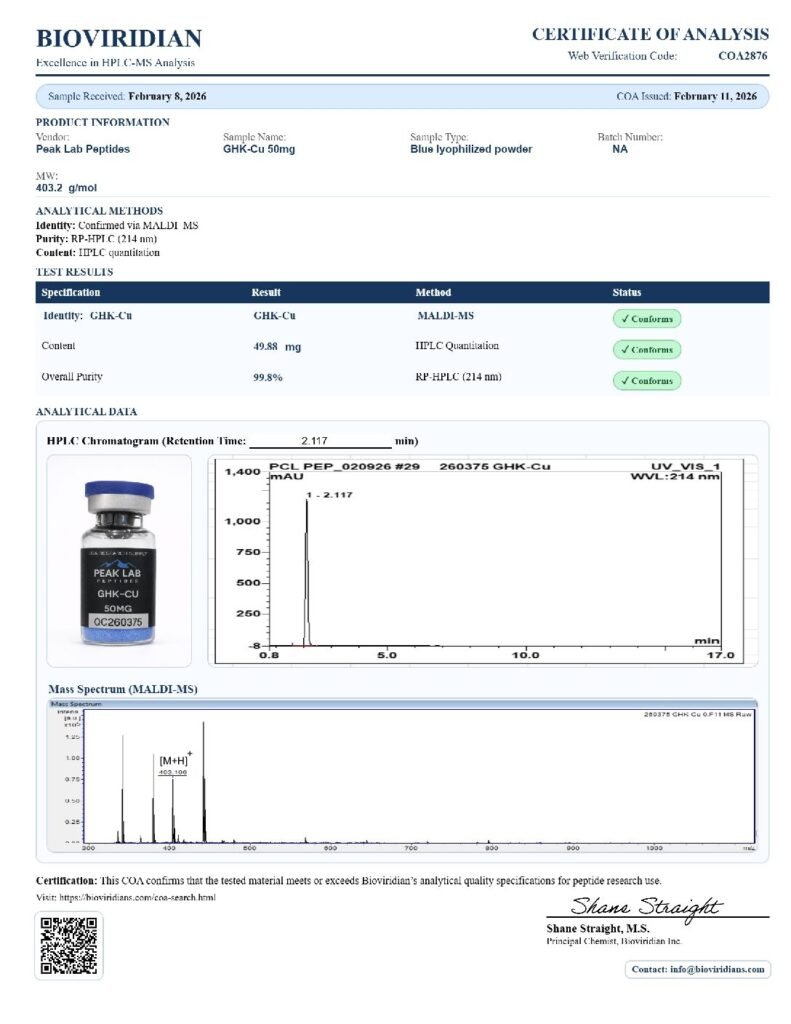
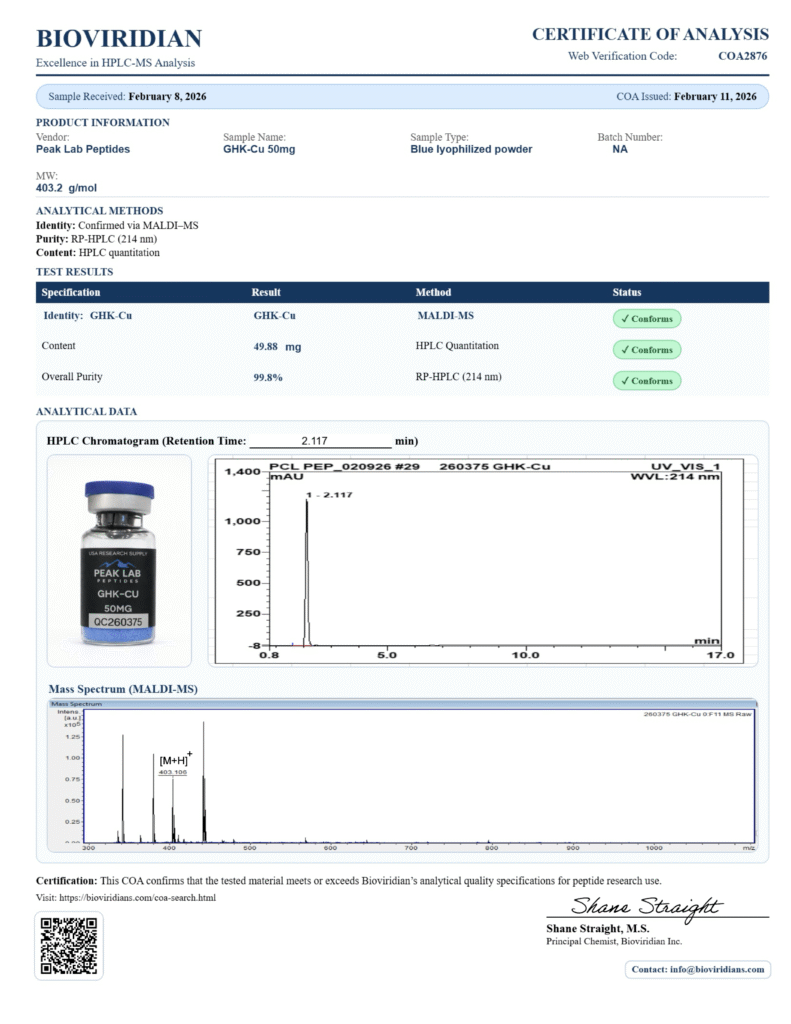
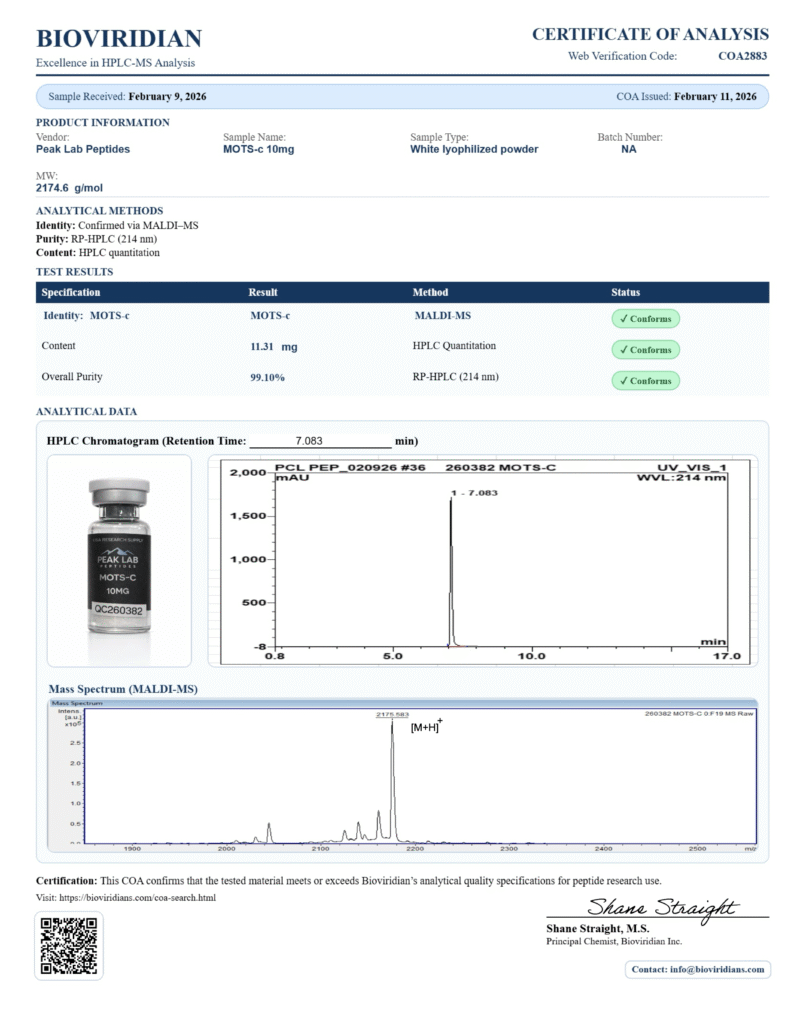
Peak Lab Peptides maintains quality-control processes and routinely performs third-party testing to support purity and identity verification. COAs are available upon request for applicable batches. Documentation may vary depending on production timelines.
We aim to make batch-level documentation available whenever possible. Our goal is to expand COA access across the full catalog as production capacity grows.
All products are for laboratory research use only and are not intended for human consumption.
Related Products
Adipotide 5mg
GHK-Cu
GHRP-6 Acetate
Ipamorelin
Ipamorelin
Ipamorelin – 5mg (Lyophilized Peptide) – For Research Use Only
Ipamorelin is a selective Growth Hormone Secretagogue (GHS) studied for its ability to stimulate natural growth hormone (GH) release without significantly affecting cortisol or prolactin levels. Known for its clean safety profile in research models, Ipamorelin is commonly explored in studies on muscle growth, recovery, fat metabolism, and anti-aging.
Ipamorelin is often paired in research with other GH-releasing peptides like CJC-1295 No DAC for synergistic effects.
Product Details:
-
Peptide: Ipamorelin
-
Purity: >98%
-
Form: Lyophilized powder
-
Quantity: 5mg per vial
-
Storage: Store at -4°F (-20°C). After reconstitution, refrigerate at 36–46°F (2–8°C) and use within 30 days.
-
Grade: For research purposes only. Not for human consumption, therapeutic, or diagnostic use.
Potential Research Applications:
-
Growth hormone secretion and endocrine studies
-
Muscle growth, recovery, and anti-aging research models
-
Fat metabolism and body composition studies
-
GH axis and pituitary function investigations
For laboratory research only. This product is not intended to diagnose, treat, cure, or prevent any disease.
KLOW Blend 80mg – GHK-Cu, TB-500, BPC-157, KPV
KLOW – 80mg Peptide Blend (Lyophilized Powder) – For Research Use Only GHK-Cu • TB-500 • BPC-157 • KPV
KLOW is an advanced 4-in-1 research peptide blend combining 80mg of regenerative and anti-inflammatory compounds studied for their potential in tissue repair, immune modulation, and cellular recovery. Designed for comprehensive healing models, KLOW offers synergistic support across skin, muscle, and gut research applications. Active Ingredients (Per Vial): GHK-Cu – 50mg Studied for skin regeneration, wound healing, collagen stimulation, and hair follicle support. TB-500 – 10mg A fragment of Thymosin Beta-4, known for supporting angiogenesis, cell migration, and muscle recovery. BPC-157 – 10mg Derived from a gastric protein, BPC-157 is studied for gut repair, tendon/ligament healing, and anti-inflammatory effects. KPV – 10mg A tripeptide fragment with strong research interest for localized inflammation and immune modulation, particularly in the gut and skin. Product Details: Total Peptide Content: 80mg per vial: Lyophilized powder Purity: >98% Storage: Store at -4°F (-20°C). After reconstitution, refrigerate at 36–46°F (2–8°C) and use within 30 days. Grade: For research purposes only. Not for human consumption, therapeutic, or diagnostic use. Potential Research Applications: Soft tissue, muscle, and ligament repair Skin rejuvenation and wound healing models Inflammatory bowel and gut barrier integrity studies Anti-inflammatory and immune modulation research For laboratory research only. This product is not intended to diagnose, treat, cure, or prevent any disease.
MOTS-c
MOTS-c
MOTS-c – 10mg (Lyophilized Peptide) – For Research Use Only
MOTS-c is a mitochondrial-derived peptide (MDP) encoded by the mitochondrial genome, widely studied for its potential role in metabolic regulation, energy homeostasis, and cellular protection. Research has focused on its ability to influence glucose metabolism, insulin sensitivity, and mitochondrial function, making it a key subject in studies on metabolic health and aging.
MOTS-c is of special interest in research exploring exercise mimetic effects, fat metabolism, and metabolic syndrome models.
Product Details:
-
Peptide: MOTS-c (Mitochondrial Open Reading Frame of the 12S rRNA-c)
-
Purity: >98%
-
Form: Lyophilized powder
-
Quantity: 10mg per vial
-
Storage: Store at -4°F (-20°C). After reconstitution, refrigerate at 36–46°F (2–8°C) and use within 30 days.
-
Grade: For research purposes only. Not for human consumption or therapeutic applications.
Potential Research Applications:
-
Glucose metabolism and insulin sensitivity studies
-
Mitochondrial function and energy regulation research
-
Aging, longevity, and metabolic health models
-
Exercise mimetic and fat metabolism investigations
For laboratory research use only. This product is not intended to diagnose, treat, cure, or prevent any disease.
MT-2 (Melanotan 2) -10mg
Melanotan II (MT-2)
MT-2 (Melanotan 2) – 10mg (Lyophilized Peptide) – For Research Use Only
Melanotan 2 (MT-2) is a synthetic analog of the alpha-melanocyte-stimulating hormone (α-MSH), studied for its ability to activate melanocortin receptors involved in skin pigmentation, appetite regulation, and sexual function.
Research has focused on MT-2’s effects on melanin production, UV protection, libido, and energy balance in laboratory models.
Product Details:
-
Peptide: Melanotan 2 (MT-2)
-
Purity: >98%
-
Form: Lyophilized powder
-
Quantity: 10mg per vial
-
Storage: Store at -4°F (-20°C). After reconstitution, refrigerate at 36–46°F (2–8°C) and use within 30 days.
-
Grade: For research purposes only. Not for human consumption, therapeutic, or diagnostic use.
Potential Research Applications:
-
Melanogenesis and skin pigmentation studies
-
UV protection and tanning research models
-
Libido and sexual function investigations
-
Energy regulation and melanocortin receptor research
For laboratory research only. This product is not intended to diagnose, treat, cure, or prevent any disease.
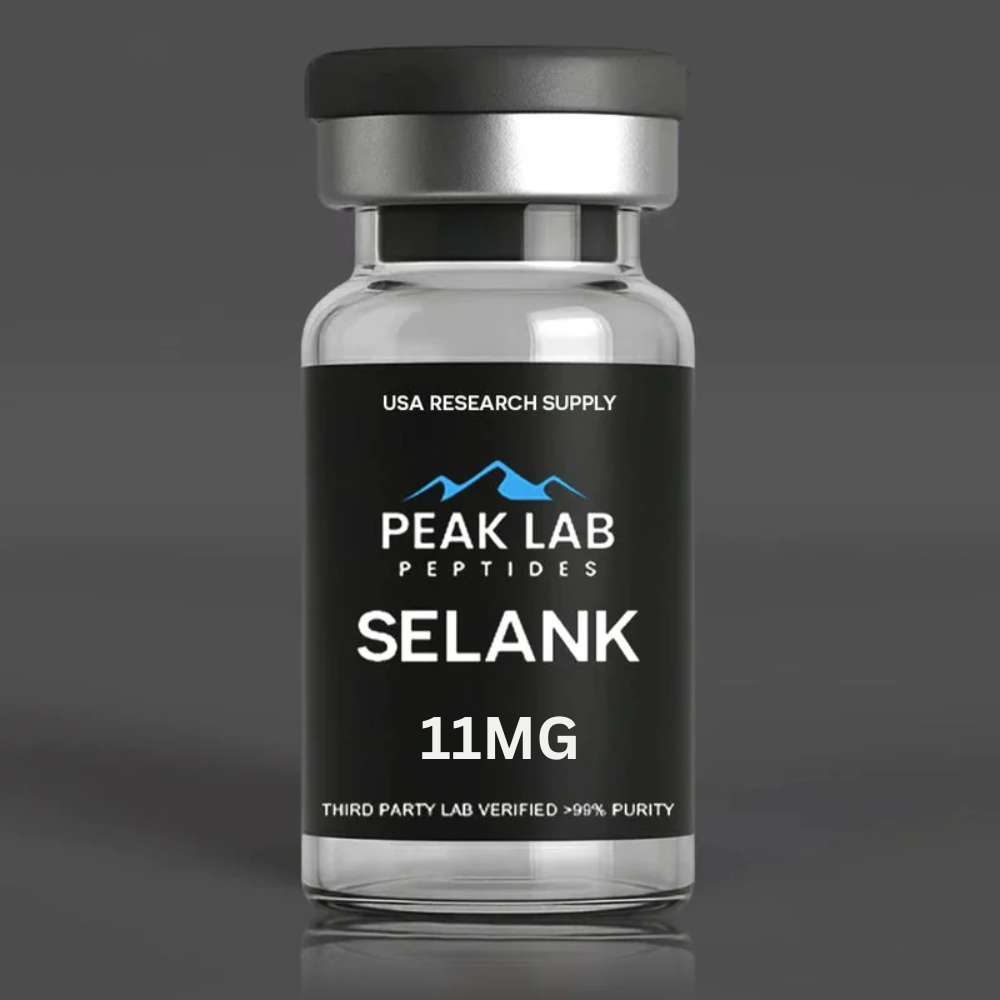
Selank 10/11mg
Selank
Selank – 11mg (Lyophilized Peptide) – For Research Use Only
Selank is a synthetic peptide analog of the naturally occurring tetrapeptide Tuftsin, extensively studied for its potential nootropic, anxiolytic, and immunomodulatory properties. Research suggests that Selank may support cognitive function, anxiety reduction, and immune system regulation through its interaction with neurotransmitter systems, particularly GABA and serotonin pathways.
Product Details:
-
Peptide: Selank (Tuftsin analog)
-
Purity: >98%
-
Form: Lyophilized powder
-
Quantity: 11mg per vial
-
Storage: Store at -4°F (-20°C). After reconstitution, refrigerate at 36–46°F (2–8°C) and use within 30 days.
-
Grade: For research purposes only. Not for human consumption, therapeutic, or diagnostic use.
Potential Research Applications:
-
Nootropic and cognitive function studies
-
Anxiolytic and mood regulation research
-
Immune modulation and cytokine balance exploration
-
Neurotransmitter activity and brain health models
For laboratory research only. This product is not intended to diagnose, treat, cure, or prevent any disease.
Nicholas –
Orders always arrive on time and in perfect condition.
Heather –
Reliable store with consistent standards across every order.
Jason –
Clear product information and accurate descriptions.
Matthew –
Fast processing and dependable shipping service.
Karen –
Quality has remained excellent with every purchase.