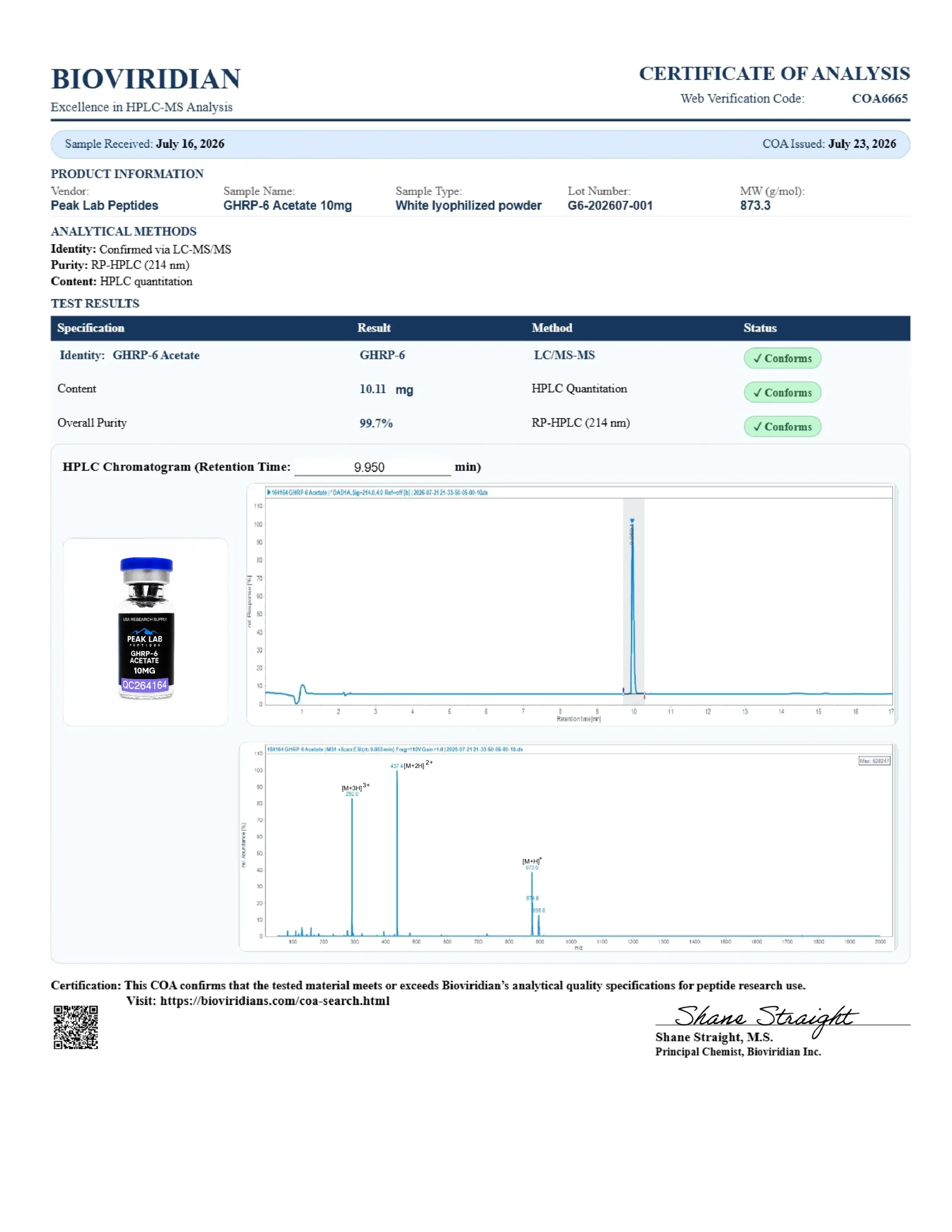
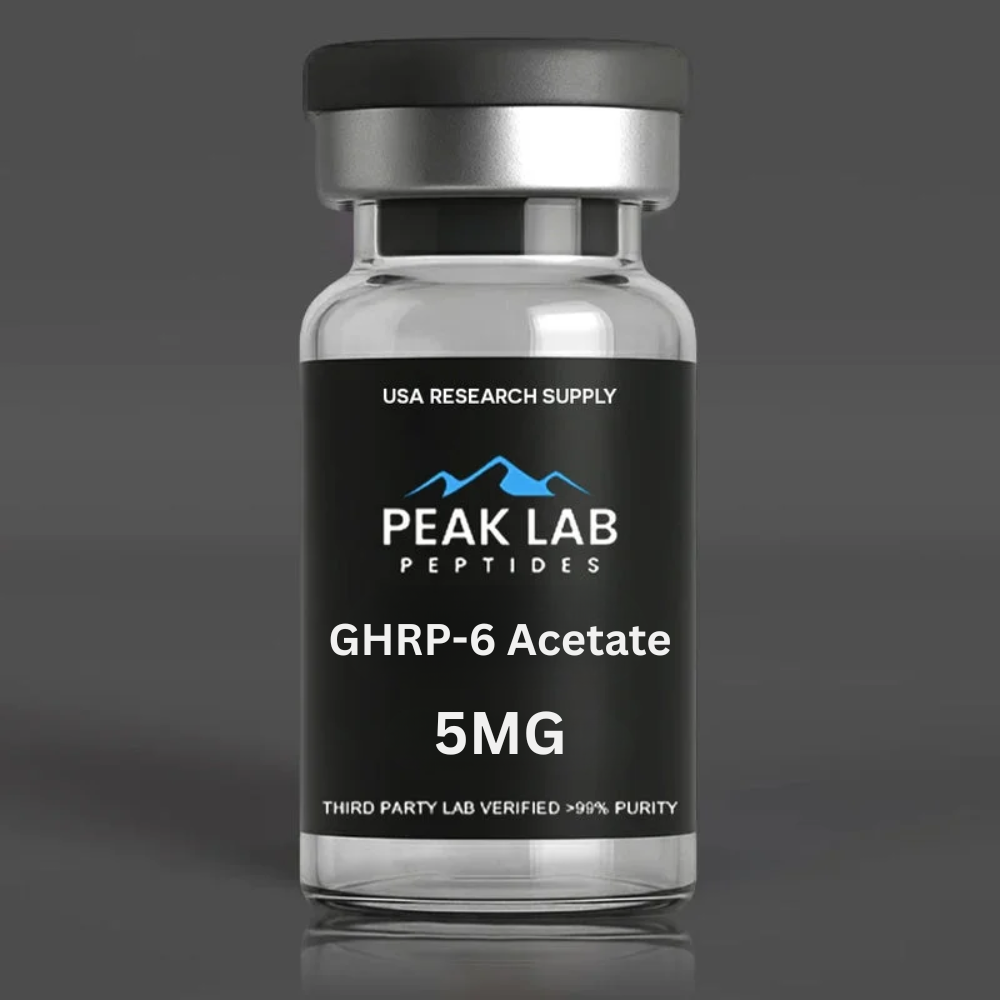
GHRP-6 Acetate
$26.20 – $42.00Price range: $26.20 through $42.00
Become a Member and save 20% on Every Order.
Description
GHRP-6 Acetate peptide Details
GHRP-6 (Growth Hormone Releasing Peptide-6) is a synthetic agonist of the ghrelin/growth hormone secretagogue receptor (GHS-R). In research environments, it is widely used to explore growth hormone (GH) secretagogue biology, neuroprotection, cognition, wound repair, cardiovascular stress responses, and motivation-related signaling.
Preclinical studies indicate that GHRP-6 may influence memory consolidation, neuronal survival under ischemic conditions, wound-closure dynamics, scar architecture, cardiac oxidative stress responses, and central pathways related to sexual motivation and mood—always within controlled experimental models. GHRP-6 is provided strictly for laboratory research use and is not intended for human or veterinary consumption or any therapeutic or cosmetic application.
About GHRP-6 Acetate peptide
GHRP-6 is a hexapeptide designed to mimic endogenous ghrelin-like activity at the growth hormone secretagogue receptor. By engaging this receptor, GHRP-6 can modulate GH release and activate downstream pathways in multiple tissues.
In experimental settings, GHRP-6 has been applied to:
- Investigate GH-dependent and GH-independent contributions to learning and memory
- Model neuroprotection and anti-apoptotic signaling in stroke and neurodegenerative paradigms
- Examine wound healing, extracellular matrix organization, and scar formation
- Study cardiomyocyte responses to oxidative injury
- Explore the neural circuitry of reward, sexual motivation, and mood-related behavior
These diverse applications make GHRP-6 a useful tool for probing how ghrelin/secretagogue signaling integrates metabolic, neural, and tissue-repair processes.
GHRP-6 Acetate peptide Scientific Research
1. GHRP-6 and Memory / Cognitive Function
Physical activity is known to support learning and memory, and GH/ghrelin signaling is thought to be part of this interface. GHRP-6 has been used in rodent models to examine this relationship:
- Studies show that exposure to GHRP-6 around learning tasks can facilitate the consolidation of newly formed memories and support the transition from short-term to longer-term storage in certain paradigms.
- Additional work suggests involvement of ghrelin/GHRP-6 pathways in spatial learning tasks, indicating that receptors activated by GHRP-6 may contribute to cognitive mapping and navigation performance.
These findings support the use of GHRP-6 as a probe for linking GH-secretagogue signaling, synaptic plasticity, and learning mechanisms.
2. Neuroprotection and Brain Tissue Preservation
GHRP-6 has been evaluated in experimental stroke and cerebral ischemia models:
- In rodent systems mimicking acute stroke, GHRP-6 exposure has been associated with reduced neuronal injury indices and improved preservation of brain tissue in select regions.
- In some studies, timely GHRP-6 administration has also been linked to partial rescue of memory deficits arising after ischemic events.
- Mechanistic data indicate that ghrelin analogues, including GHRP-6, may inhibit apoptosis and reduce inflammatory signaling in neural tissue, thereby limiting secondary damage following impaired blood flow.
These experiments are strictly preclinical and provide insight into how ghrelin-pathway agonists may influence brain resilience under stress.
3. Parkinsonian Models and Substantia Nigra Signaling
Research has identified ghrelin receptors in the substantia nigra, a region heavily implicated in Parkinsonian processes:
- Genetic models associated with Parkinson’s-like phenotypes often show altered ghrelin receptor expression in substantia nigra neurons.
- Rodent experiments demonstrate that disrupting ghrelin receptor signaling can induce Parkinson’s-like motor patterns, suggesting a protective role for the pathway.
- GHRP-6, as a ghrelin receptor agonist, is being used to explore whether receptor activation can modulate apoptosis and survival of dopaminergic neurons in Parkinson’s models.
These studies aim to clarify how ghrelin/GHS-R signaling contributes to dopaminergic neuron health and long-term motor function.
4. Wound Healing, Skin Structure, and Scar Modulation
GHRP-6 has been studied in cutaneous wound and scar-formation models:
- The peptide appears to reduce programmed cell death (apoptosis) in several cell types involved in wound repair.
- It interacts with the CD36 receptor, a molecule associated with vascular and tissue remodeling, and has been linked to enhanced blood-vessel formation within wounds.
- In rodent models, GHRP-6 accelerates wound closure, supports more organized extracellular matrix deposition (including collagen), and reduces disorganized scarring.
- Research indicates that GHRP-6 may help limit hypertrophic or keloid-like scar formation by influencing fibroblast behavior and matrix architecture.
These findings make GHRP-6 a relevant tool in cutaneous biology for understanding how ghrelin-like signaling impacts tissue repair and structural outcomes.
5. Cardiac Protection and Oxidative Stress
Cardiovascular models have been used to test whether GHRP-6 can affect heart-tissue responses to injury:
- In porcine models of myocardial infarction, GHRP-6 has been associated with reduced oxidant-induced cytotoxicity in cardiomyocytes.
- By moderating oxidative stress and cell-death pathways, GHRP-6 may help delineate molecular mechanisms that preserve viable but vulnerable heart tissue in the peri-infarct region.
These studies inform ongoing research into cardioprotective strategies that focus on signaling modulation rather than direct structural intervention.
6. Sexual Motivation, Reward, and Mood Pathways
Ghrelin receptors are present in brain regions involved in reward and motivational behavior, and GHRP-6 has been leveraged to explore these circuits:
- Male rodent studies show that manipulation of ghrelin signaling—both through GHRP-6 (agonist) and modified antagonists—can alter sexual motivation and related behaviors.
- These observations indicate that ghrelin receptors contribute to the modulation of reward-seeking, which may extend to domains beyond sexual behavior, such as appetite and other motivational states.
- Additional studies suggest that ghrelin-pathway activation can influence mood-related parameters; GHRP-6 and similar agonists have been reported to affect stress-related behaviors and depressive-like metrics in rodent models.
Collectively, this supports GHRP-6’s use as an experimental probe in neuropsychiatric and behavioral research, with a focus on stress, reward, and mood circuitry.
GHRP-6 Acetate peptide FAQ
Q1: What is GHRP-6 in a research setting?
A1: GHRP-6 is a synthetic growth hormone secretagogue and ghrelin-receptor agonist used in laboratory models to study GH release, cognition, neuroprotection, wound healing, cardiovascular responses, and motivational pathways.
Q2: How does GHRP-6 relate to memory research?
A2: In rodent studies, GHRP-6 has been associated with improved consolidation of newly formed memories and enhanced performance in certain spatial learning tasks, making it a useful tool for exploring GH/ghrelin-related cognitive mechanisms.
Q3: Why is GHRP-6 studied in stroke and Parkinson’s models?
A3: GHRP-6 is evaluated for its potential to reduce neuronal apoptosis and inflammation after ischemic injury, and for its interaction with ghrelin receptors in the substantia nigra, which may influence dopaminergic neuron survival in Parkinsonian paradigms.
Q4: Does GHRP-6 have roles outside the brain?
A4: Yes. GHRP-6 is also studied in skin and wound models for its effects on healing and scar formation, and in cardiac models for its influence on oxidative stress and cardiomyocyte survival.
Q5: Is GHRP-6 intended for human or veterinary use?
A5: No. GHRP-6 supplied by research vendors is for scientific and educational research use only and is not intended for human or veterinary consumption, diagnosis, treatment, or prevention of any disease.
Storage & Handling
All peptides are supplied as sterile, lyophilized powder and are stable when handled correctly.
- On arrival: Store vials in a cool, dry place away from heat and direct sunlight.
- Long-term (powder): For optimal longevity, keep lyophilized peptides refrigerated to help maintain integrity.
- After reconstitution: Use an appropriate research diluent (for example, BAC water). Store the reconstituted solution in the refrigerator and use within 20–30 days for best stability.
Note: Minimize exposure to moisture and repeated freeze–thaw cycles. Follow your institution's safety procedures when handling research materials.
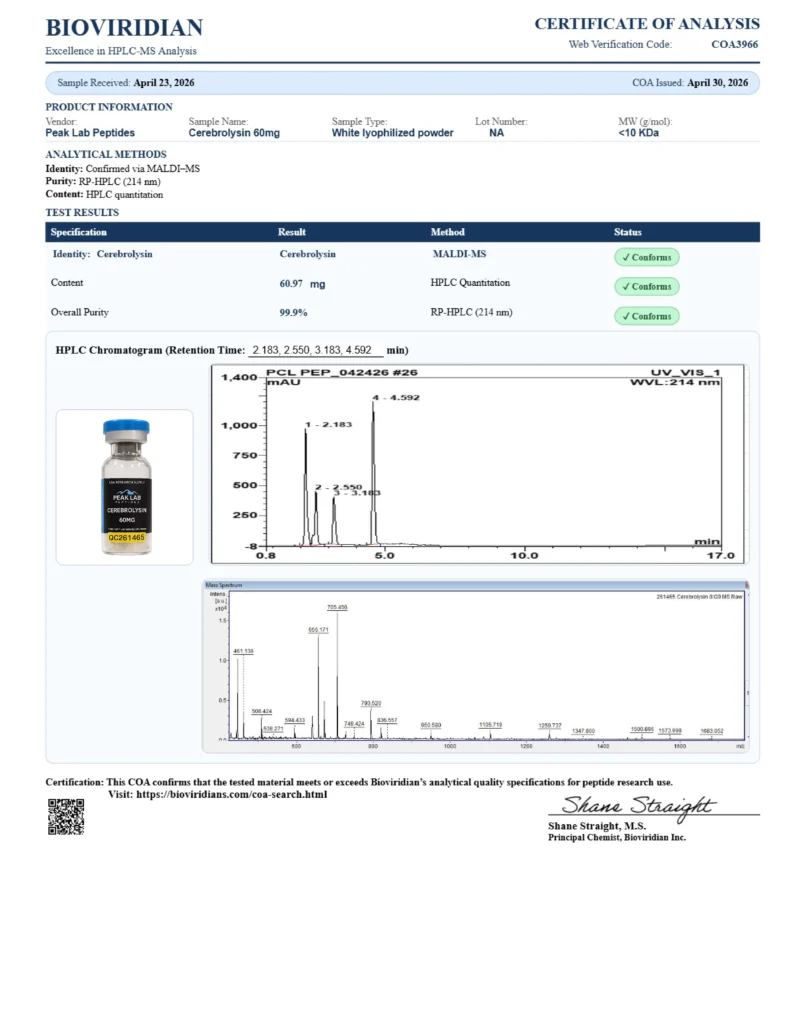
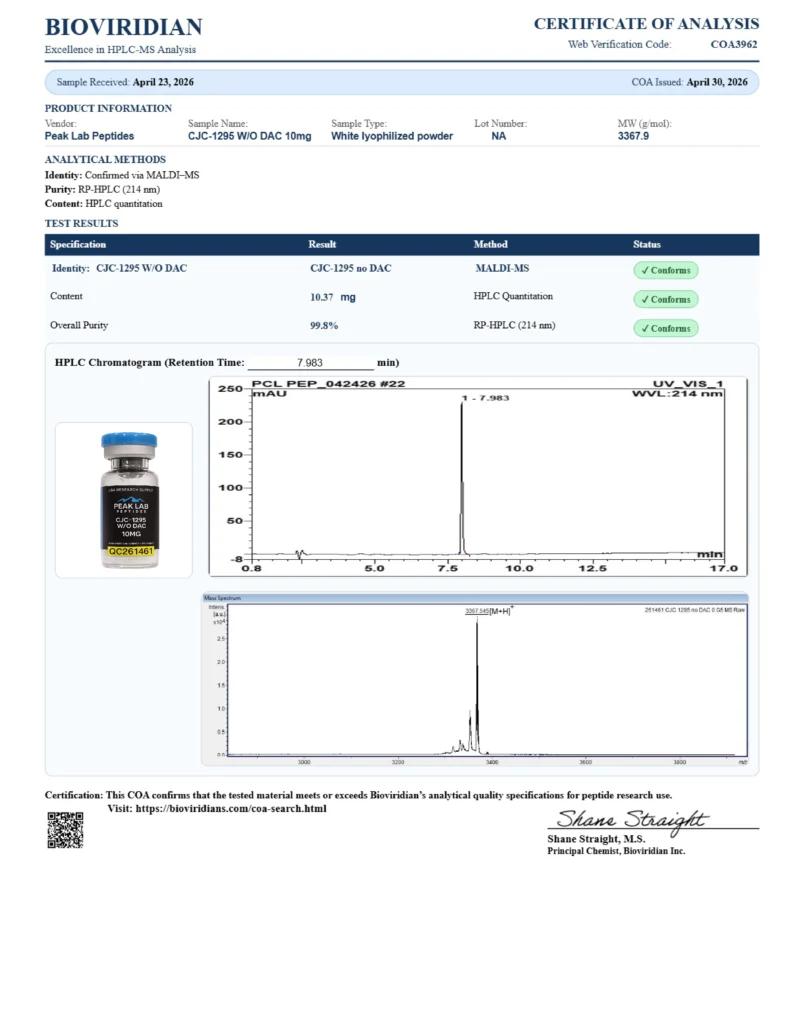
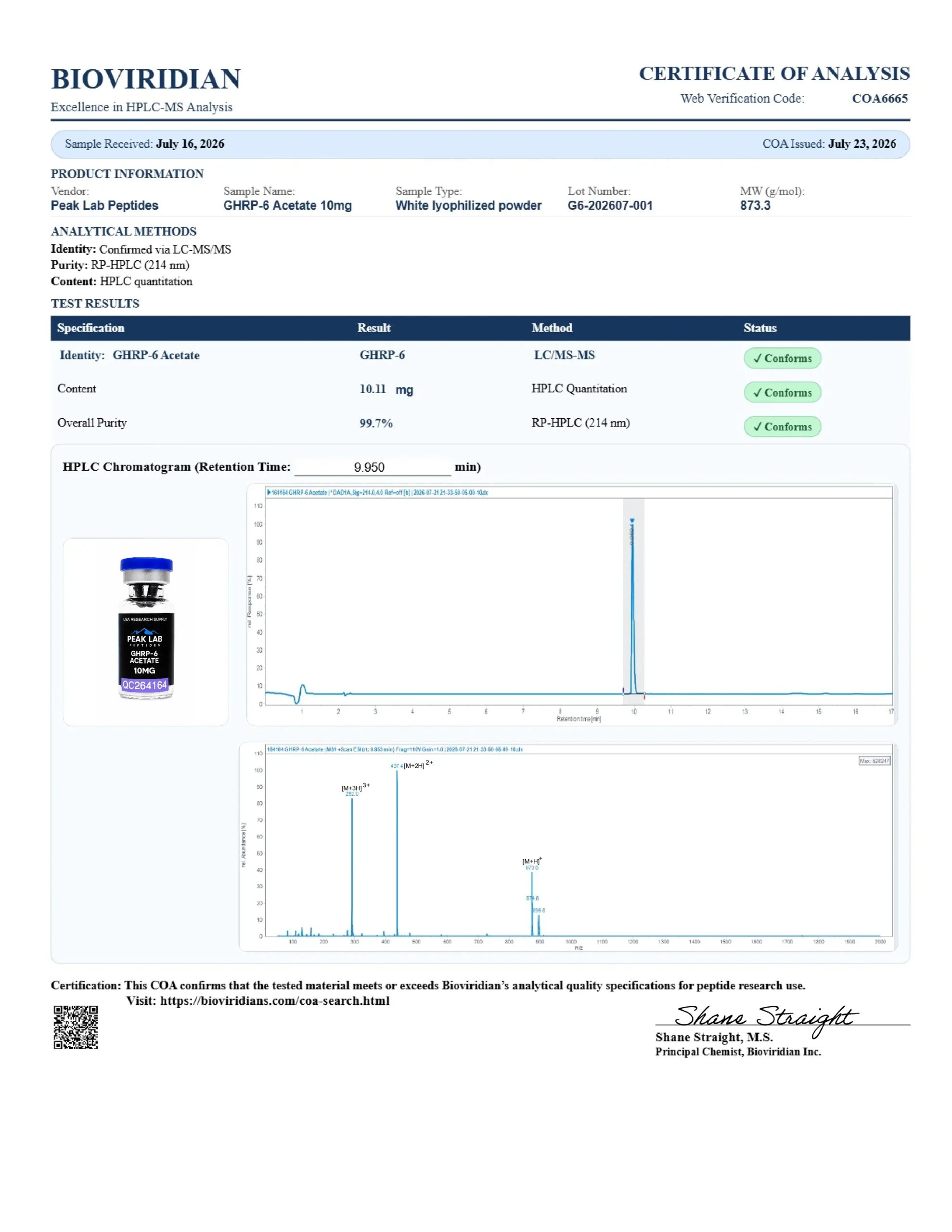
Peak Lab Peptides maintains quality-control processes and routinely performs third-party testing to support purity and identity verification. COAs are available upon request for applicable batches. Documentation may vary depending on production timelines.
We aim to make batch-level documentation available whenever possible. Our goal is to expand COA access across the full catalog as production capacity grows.
All products are for laboratory research use only and are not intended for human consumption.
Related Products
ACE-031
AHK-Cu Peptide
B12 (1ml / 1mg)
Vitamin B12 (Cyanocobalamin)
Product Details:
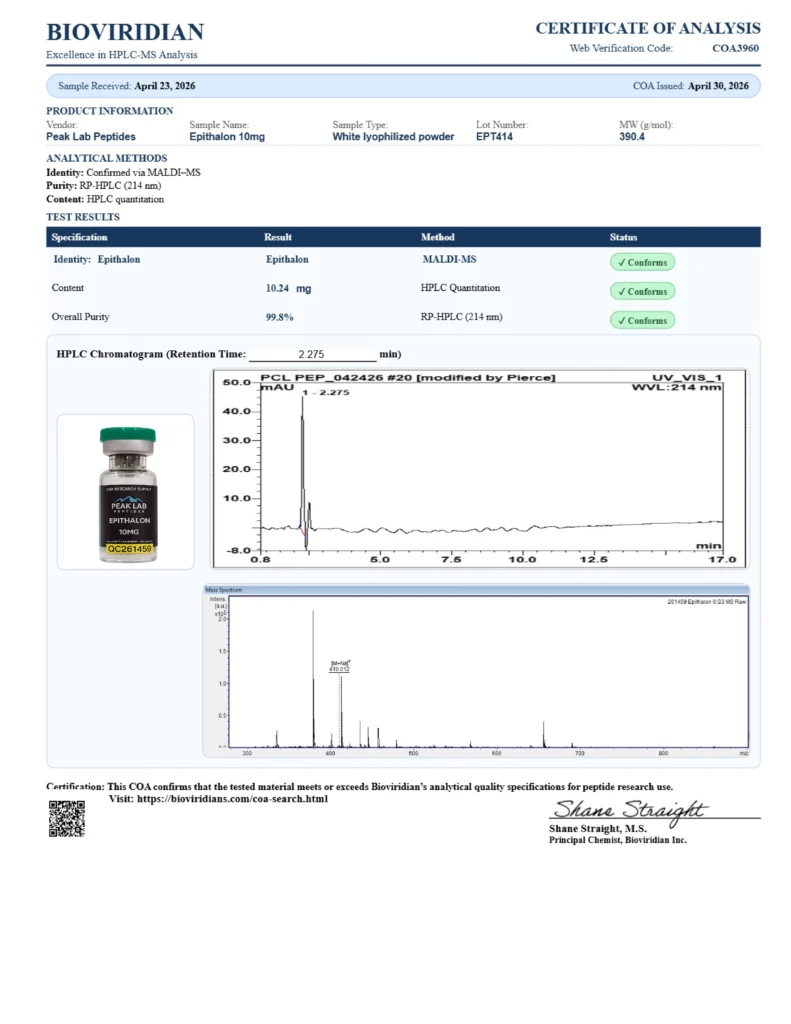
Compound: Cyanocobalamin (Vitamin B12) Concentration: 1mg / 1ml per vial Form: Sterile injectable solution Container: 3ml / 10ml multi-dose vial Storage: Store in a cool, dry place. Refrigerate after opening. Research Grade: For laboratory research purposes only. Not for human consumption or therapeutic use. Research Applications May Include: Studies on energy metabolism and fatigue Neurological repair and neuroprotection research Red blood cell production modelsEpithalon
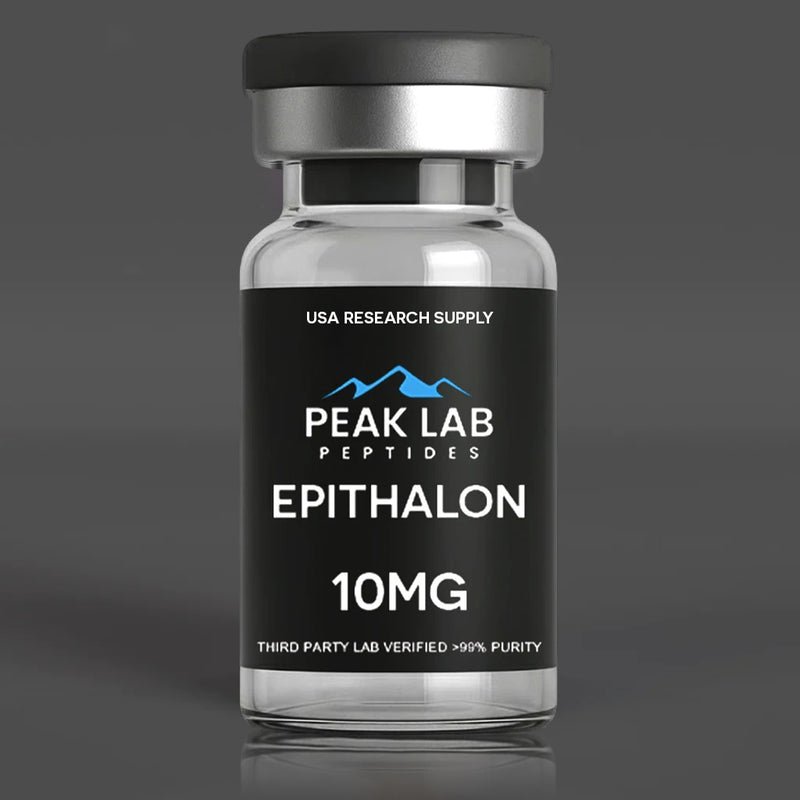
Epithalon – 10mg (Lyophilized Peptide) – For Research Use Only
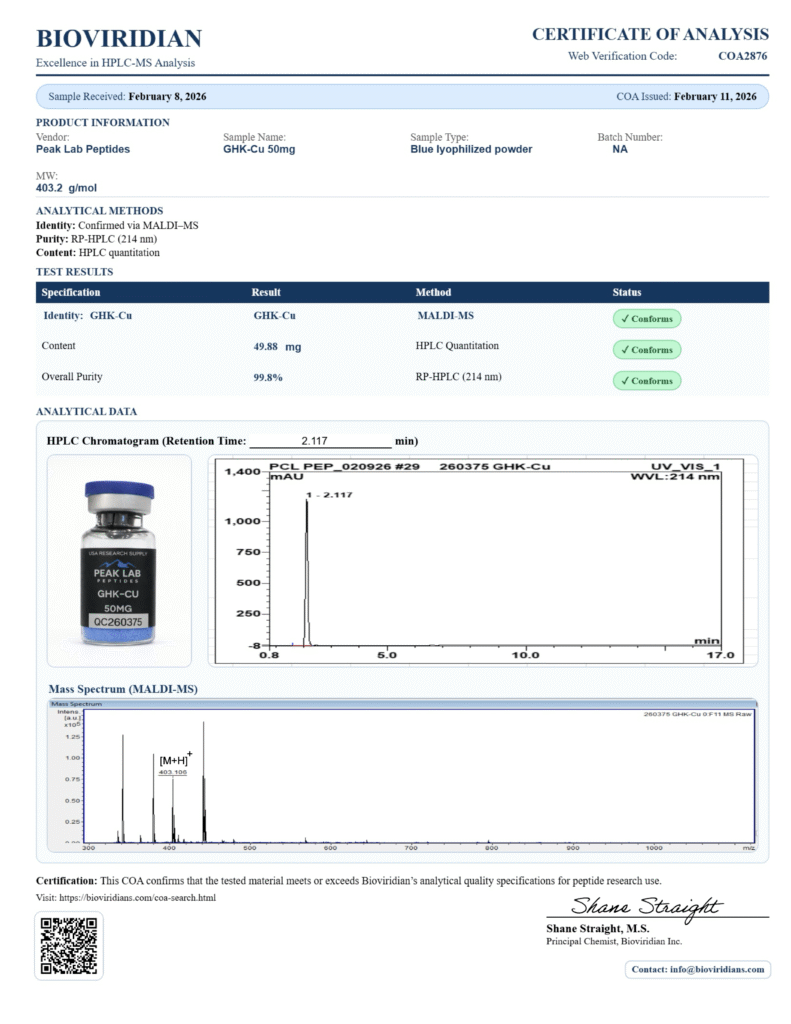
Epithalon (also known as Epitalon) is a synthetic tetrapeptide (Ala-Glu-Asp-Gly) derived from the naturally occurring pineal gland peptide Epithalamin. It is widely studied for its potential anti-aging, telomerase-activating, and longevity-enhancing effects. Research suggests that Epithalon may promote telomere extension, support circadian rhythm regulation, and improve oxidative stress resistance. It is a popular compound in studies involving cellular aging, pineal gland function, and DNA repair mechanisms. Product Details: Peptide: Epithalon (Ala-Glu-Asp-Gly) Purity: >98% Form: Lyophilized powder Quantity: 10mg per vial Storage: Store at -4°F (-20°C). After reconstitution, refrigerate at 36–46°F (2–8°C) and use within 30 days. Grade: For research purposes only. Not for human consumption, therapeutic, or diagnostic use. Potential Research Applications: Telomerase activation and cellular longevity studies Anti-aging and pineal gland function research Circadian rhythm and melatonin regulation studies DNA repair and oxidative stress resistance models For laboratory research only. This product is not intended to diagnose, treat, cure, or prevent any disease.GLOW Blend 70mg (GHK-Cu 50mg, BPC-157 10mg, TB-500 10mg)
LL-37 (5mg)
LL-37 – 5mg (Lyophilized Peptide in 3ml Vial) – For Research Use Only
LL-37 is a human antimicrobial peptide derived from the cathelicidin family, extensively studied for its roles in innate immunity, antimicrobial defense, wound healing, and inflammation regulation. LL-37 exhibits broad-spectrum activity against bacteria, viruses, and fungi, and plays a key role in modulating the body’s immune and inflammatory responses. In research, LL-37 is of particular interest in models exploring skin healing, immune signaling, tissue regeneration, and antimicrobial resistance.Product Details:
Peptide: LL-37 Purity: >98% Form: Lyophilized powder Quantity: 5mg per vial Vial Size: 3ml sterile glass vial Storage: Store at -4°F (-20°C). After reconstitution, refrigerate at 36–46°F (2–8°C) and use within 30 days. Grade: For research purposes only. Not for human consumption, therapeutic, or diagnostic use.Potential Research Applications:
Antimicrobial and infection control models Wound healing and skin regeneration studies Immune system modulation and inflammation research Studies on epithelial repair and barrier function For laboratory research use only. This product is not intended to diagnose, treat, cure, or prevent any disease.MOTS-c
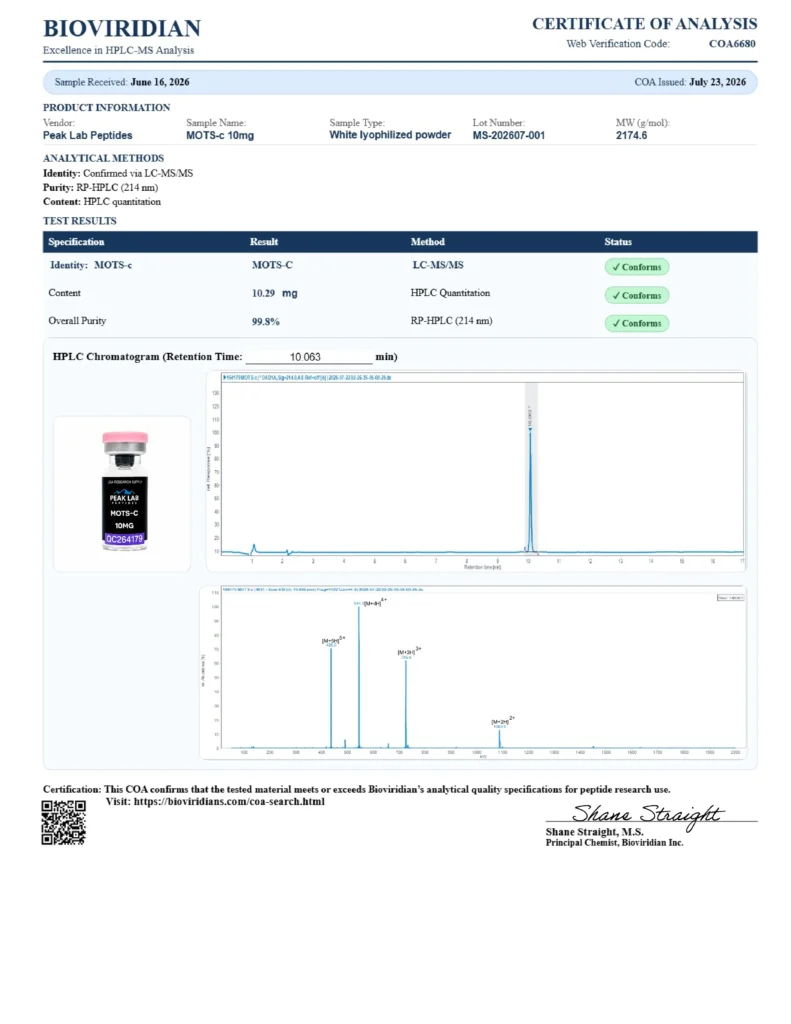
MOTS-c
MOTS-c – 10mg (Lyophilized Peptide) – For Research Use Only
MOTS-c is a mitochondrial-derived peptide (MDP) encoded by the mitochondrial genome, widely studied for its potential role in metabolic regulation, energy homeostasis, and cellular protection. Research has focused on its ability to influence glucose metabolism, insulin sensitivity, and mitochondrial function, making it a key subject in studies on metabolic health and aging.
MOTS-c is of special interest in research exploring exercise mimetic effects, fat metabolism, and metabolic syndrome models.
Product Details:
-
Peptide: MOTS-c (Mitochondrial Open Reading Frame of the 12S rRNA-c)
-
Purity: >98%
-
Form: Lyophilized powder
-
Quantity: 10mg per vial
-
Storage: Store at -4°F (-20°C). After reconstitution, refrigerate at 36–46°F (2–8°C) and use within 30 days.
-
Grade: For research purposes only. Not for human consumption or therapeutic applications.
Potential Research Applications:
-
Glucose metabolism and insulin sensitivity studies
-
Mitochondrial function and energy regulation research
-
Aging, longevity, and metabolic health models
-
Exercise mimetic and fat metabolism investigations
For laboratory research use only. This product is not intended to diagnose, treat, cure, or prevent any disease.
NAD+
NAD+ (Nicotinamide Adenine Dinucleotide)
NAD+ (Nicotinamide Adenine Dinucleotide) – 500mg (Lyophilized Powder) – For Research Use Only
NAD+ is a vital coenzyme found in all living cells, playing a critical role in energy metabolism, mitochondrial function, and cellular repair. It is heavily studied in research models exploring aging, metabolic health, oxidative stress, and neuroprotection.
NAD+ is particularly significant in studies on sirtuin activation, DNA repair pathways, and mitochondrial health, making it a key component of advanced longevity and metabolic research.
Product Details:
-
Compound: NAD+ (Nicotinamide Adenine Dinucleotide)
-
Purity: >98%
-
Form: Lyophilized powder
-
Quantity: 500mg per vial
-
Storage: Store at -4°F (-20°C). After reconstitution, refrigerate at 36–46°F (2–8°C) and use within 30 days.
-
Grade: For research purposes only. Not for human consumption, therapeutic, or diagnostic use.
Potential Research Applications:
-
Mitochondrial function and energy metabolism studies
-
Anti-aging, longevity, and sirtuin pathway research
-
DNA repair and oxidative stress models
-
Neuroprotection and cognitive function investigations
For laboratory research only. This product is not intended to diagnose, treat, cure, or prevent any disease.