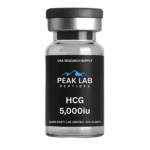
HCG
$48.80 – $86.20Price range: $48.80 through $86.20
Become a Member and save 20% on Every Order.
Description
HCG (Human Chorionic Gonadotropin)
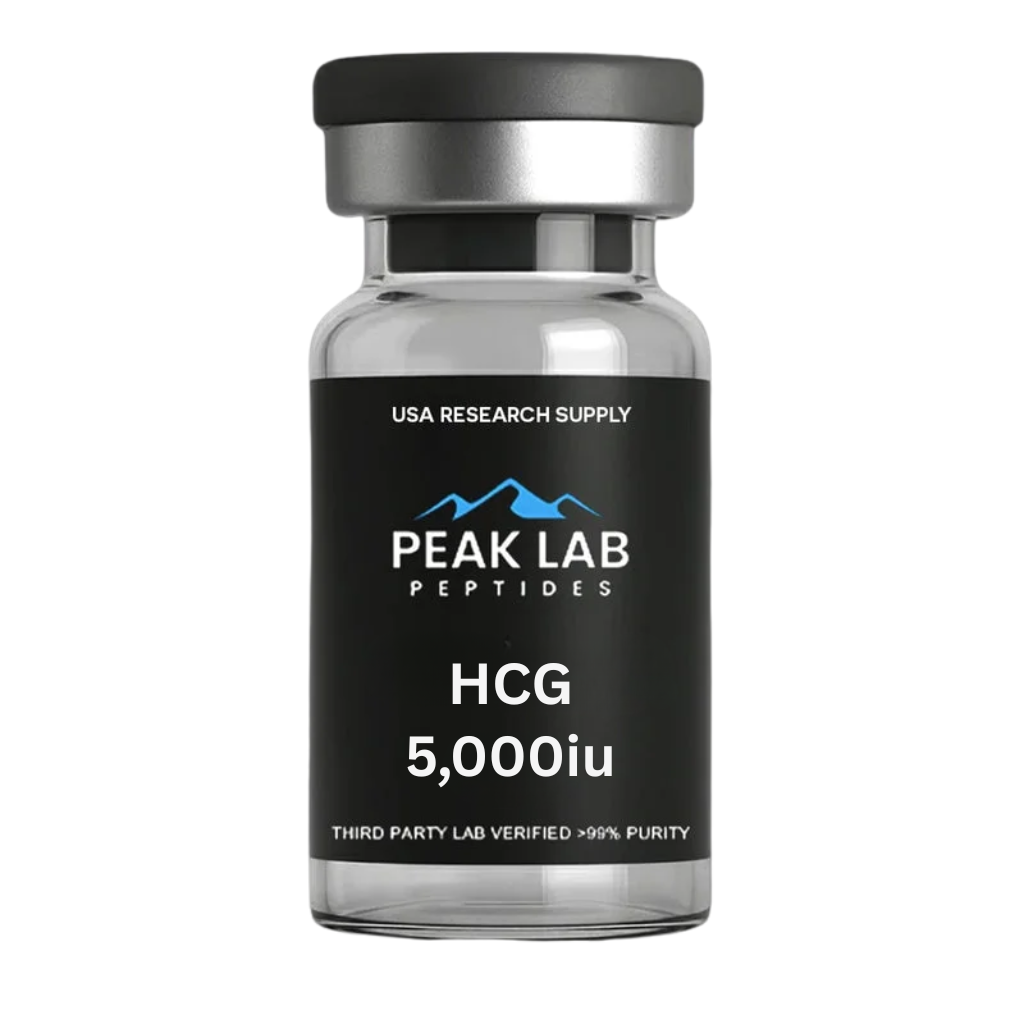
HCG (Human Chorionic Gonadotropin) – 5,000 IU (Lyophilized Powder) – For Research Use Only
Human Chorionic Gonadotropin (HCG) is a glycoprotein hormone naturally produced during pregnancy, commonly studied for its effects on the hypothalamic-pituitary-gonadal (HPG) axis. In research, HCG is used to stimulate testosterone production, luteinizing hormone (LH) activity, and fertility pathways.
HCG is often studied in models exploring spermatogenesis, gonadal function, and hormone regulation in both male and female research subjects.
Product Details:
-
Compound: Human Chorionic Gonadotropin (HCG)
-
Potency: 5,000 IU per vial
-
Form: Lyophilized powder
-
Purity: Research grade
-
Storage: Store at -4°F (-20°C). After reconstitution, refrigerate at 36–46°F (2–8°C) and use within 30 days.
-
Grade: For research purposes only. Not for human consumption, therapeutic, or diagnostic use.
Potential Research Applications:
-
Testosterone stimulation and LH activity studies
-
Fertility and reproductive hormone models
-
Testicular function and spermatogenesis research
-
Endocrine system modulation investigations
For laboratory research use only. This product is not intended to diagnose, treat, cure, or prevent any disease.
THIS IS NOT FOR HUMAN CONSUMPTION. SOLD FOR RESEARCH ONLY!
Human Chorionic Gonadotropin (hCG) is a glycoprotein hormone commonly used in research to model and investigate hypothalamic–pituitary–gonadal (HPG) axis function. Structurally related to luteinizing hormone (LH), hCG is frequently employed in experimental systems to stimulate LH-like signaling and to study downstream effects on steroidogenesis, gonadal development, and gametogenic pathways.
In laboratory settings, hCG serves as a tool compound to explore testicular and ovarian physiology, Leydig and Sertoli cell function, receptor activation, and endocrine feedback loops. hCG supplied for research is intended strictly for in vitro and controlled in vivo experimental use by qualified professionals and is not approved for human or veterinary treatment, fertility protocols, or any therapeutic application.
hCG is a heterodimeric glycoprotein composed of an alpha and beta subunit, with the beta subunit conferring its biological specificity. Because of its long circulating half-life and strong affinity for the LH/hCG receptor, it is extensively used as an LH-mimetic in research.
Key research applications include:
- Modeling LH receptor activation in gonadal cell lines
- Studying steroid hormone biosynthesis (e.g., testosterone and estrogen pathways)
- Investigating testicular development and germ cell support in animal models
- Probing signaling cascades in Leydig, Sertoli, and granulosa cells
- Exploring endocrine feedback mechanisms within the HPG axis
These properties make hCG a standard reference and functional agonist in reproductive endocrinology and gonadal biology studies.
5 reviews for HCG
- HPG Axis and LH Receptor Signaling
hCG is widely used to study how LH/hCG receptor activation influences gonadal function:
- Receptor Activation: In cell culture and animal models, hCG exposure activates LH/hCG receptors, allowing researchers to map downstream second messenger systems, such as cAMP-dependent pathways and kinase cascades.
- Steroidogenesis: hCG stimulation is used to assess the capacity of gonadal cells to synthesize steroids, including testosterone and related intermediates, and to characterize enzyme activity in steroidogenic pathways.
- Feedback and Regulation: By providing a controlled LH-like stimulus, hCG helps clarify how gonadal hormones feed back on the hypothalamus and pituitary in experimental systems.
These studies support a detailed mechanistic understanding of reproductive hormone signaling and regulation.
- Testicular Function and Spermatogenic Support Models
In testes-focused research, hCG is frequently used as a tool to examine hormone-dependent testicular processes:
- Leydig Cell Studies: hCG is a standard agonist to study Leydig cell steroidogenesis, receptor density, and signaling adaptation over time.
- Sertoli and Germ Cell Context: By modulating intratesticular hormone levels in animal models, hCG exposure allows researchers to assess how endocrine signals support spermatogenic environment and germ-cell maturation.
- Developmental and Functional Assessments: Experimental paradigms sometimes use hCG to explore testicular descent, structural maturation, and hormone responsiveness in developmental models.
These investigations support broader insights into testicular physiology and spermatogenic support mechanisms.
- Ovarian and Follicular Research
Because hCG can act via the same receptor as LH, it is also utilized to model aspects of ovarian function:
- Follicular Response: In controlled models, hCG exposure is used to study late follicular signaling, luteinization processes, and steroid production.
- Corpus Luteum Models: hCG serves as an LH surrogate to investigate corpus luteum formation, maintenance, and hormone output.
Such work helps clarify the timing, magnitude, and biochemical consequences of LH-like surges in ovarian physiology.
- Endocrine and Signal-Transduction Studies
hCG is a valuable reagent for dissecting signal-transduction pathways:
- GPCR Mechanisms: Since the LH/hCG receptor is a G-protein–coupled receptor, hCG is used to explore Gs-mediated cAMP production and downstream kinase activation.
- Desensitization and Internalization: Repeated or sustained hCG exposure is used to study receptor desensitization, internalization, and recycling, shedding light on hormone-responsiveness dynamics.
These experiments contribute to general GPCR signaling frameworks and receptor pharmacology beyond reproductive biology alone.
- Biomarker and Assay Development
Due to its well-characterized structure and role, hCG also appears in methodological research:
- Assay Calibration: hCG is frequently used as a standard or calibrator in immunoassays that quantify hormone levels in biological samples.
- Binding Studies: Radiolabeled or tagged hCG variants are applied to measure receptor binding kinetics, affinity, and receptor density in various tissues or cell lines.
This assay-oriented research underpins many of the measurement techniques used in endocrine and clinical research laboratories.
Q1: What is hCG in a research setting?
A1: Human Chorionic Gonadotropin (hCG) is a glycoprotein hormone used as a laboratory reagent to model LH-like signaling, study gonadal steroidogenesis, and investigate hypothalamic–pituitary–gonadal (HPG) axis regulation in experimental systems.
Q2: Why is hCG often used instead of LH in experiments?
A2: hCG has a longer circulating half-life and strong affinity for the LH/hCG receptor, making it convenient for controlled stimulation of LH-like pathways and for studying prolonged receptor activation and downstream signaling.
Q3: What kinds of cells or tissues are typically studied with hCG?
A3: hCG is commonly applied in studies involving Leydig and Sertoli cells, ovarian granulosa and luteal cells, testicular and ovarian tissue explants, and cell lines engineered to express the LH/hCG receptor.
Q4: Is research-grade hCG intended for fertility treatment or medical use?
A4: No. Research-grade hCG is intended strictly for in vitro and controlled preclinical research by qualified professionals. It is not labeled, marketed, or approved for human or veterinary treatment, fertility protocols, or any diagnostic or therapeutic purpose.
Q5: Who should handle hCG in the laboratory?
A5: hCG should only be handled by trained laboratory personnel following appropriate safety, handling, and disposal procedures, in accordance with institutional and regulatory guidelines.
Storage & Handling
All peptides are supplied as sterile, lyophilized powder and are stable when handled correctly.
- On arrival: Store vials in a cool, dry place away from heat and direct sunlight.
- Long-term (powder): For optimal longevity, keep lyophilized peptides refrigerated to help maintain integrity.
- After reconstitution: Use an appropriate research diluent (for example, BAC water). Store the reconstituted solution in the refrigerator and use within 20–30 days for best stability.
Note: Minimize exposure to moisture and repeated freeze–thaw cycles. Follow your institution's safety procedures when handling research materials.
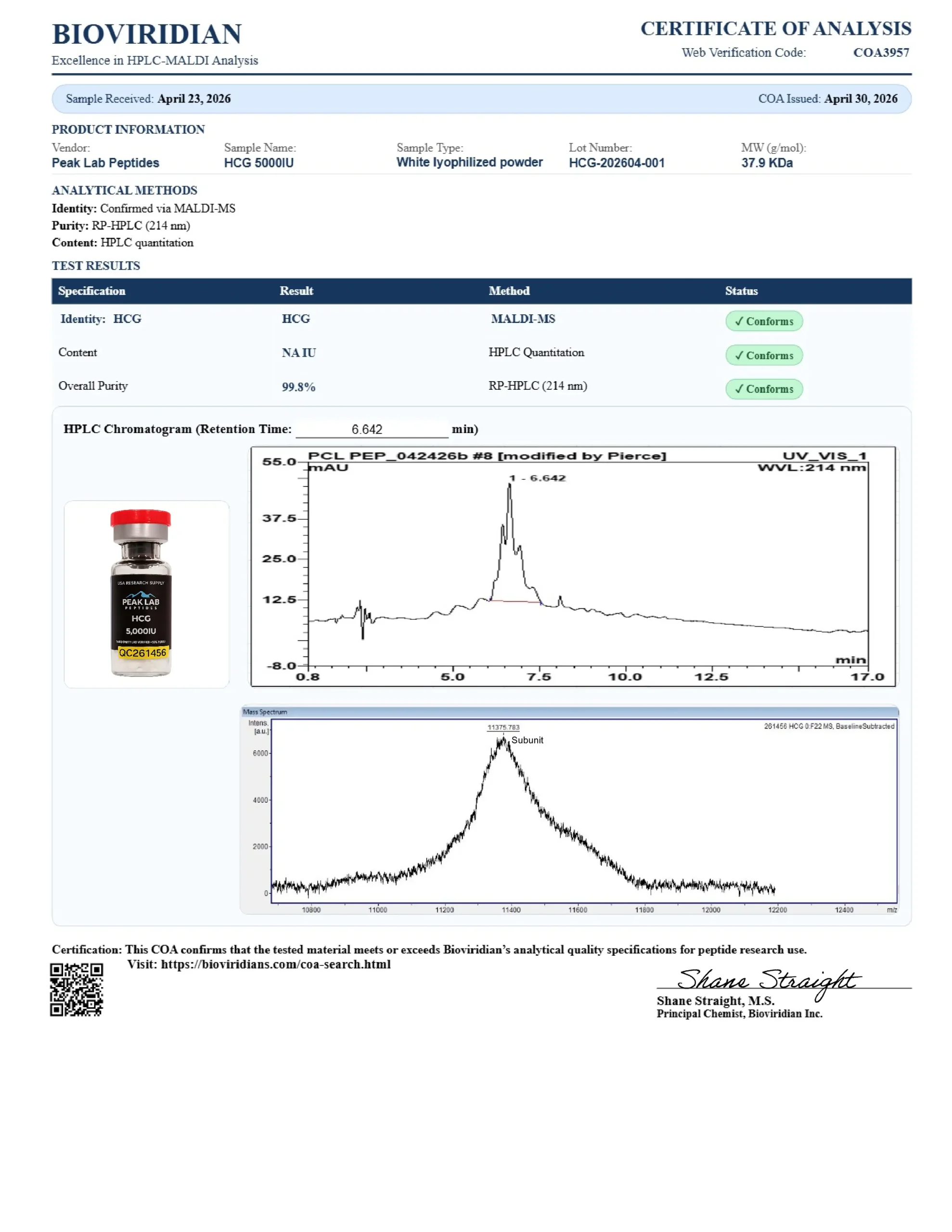
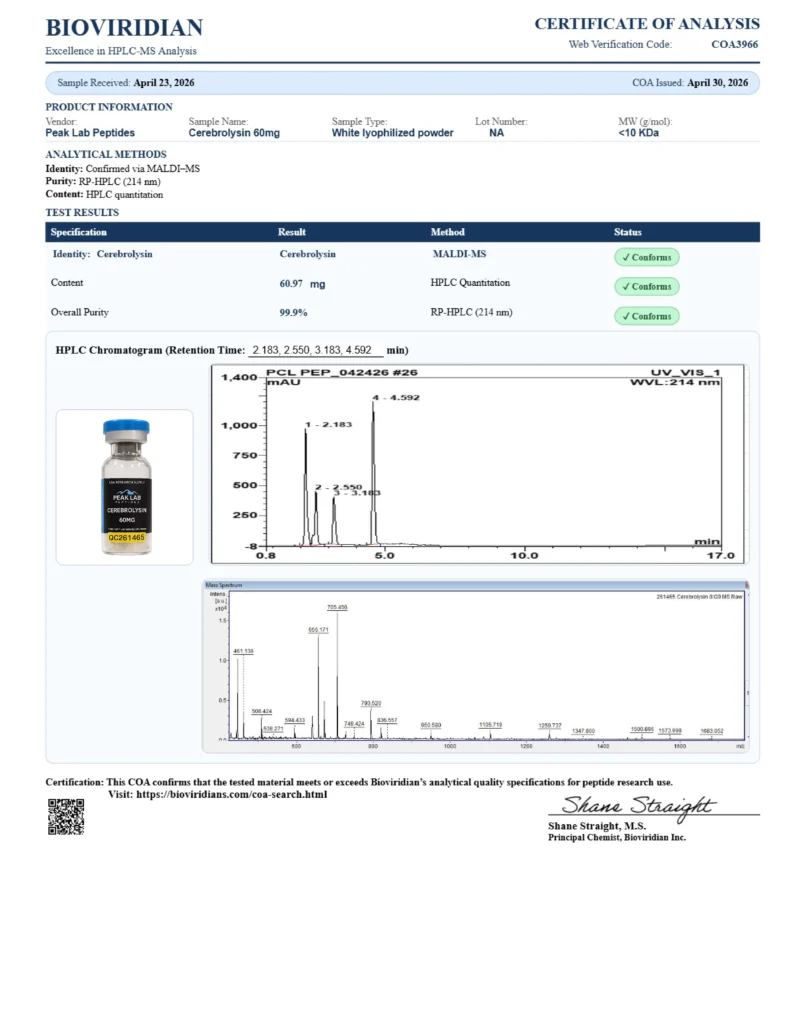
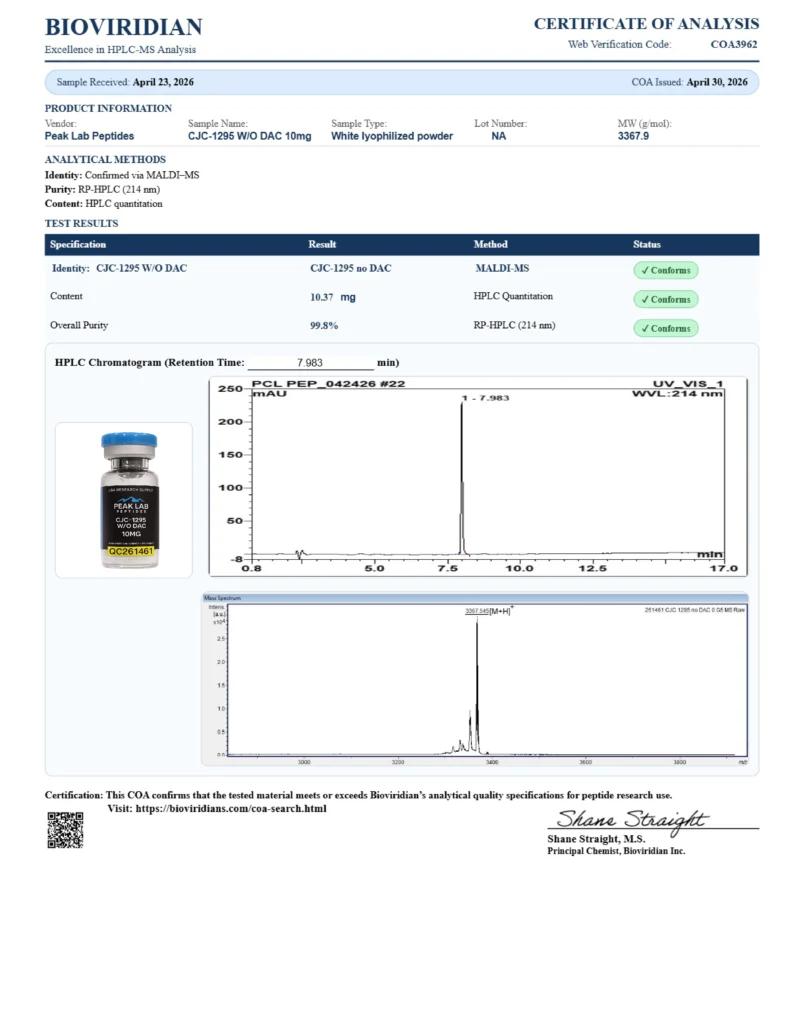
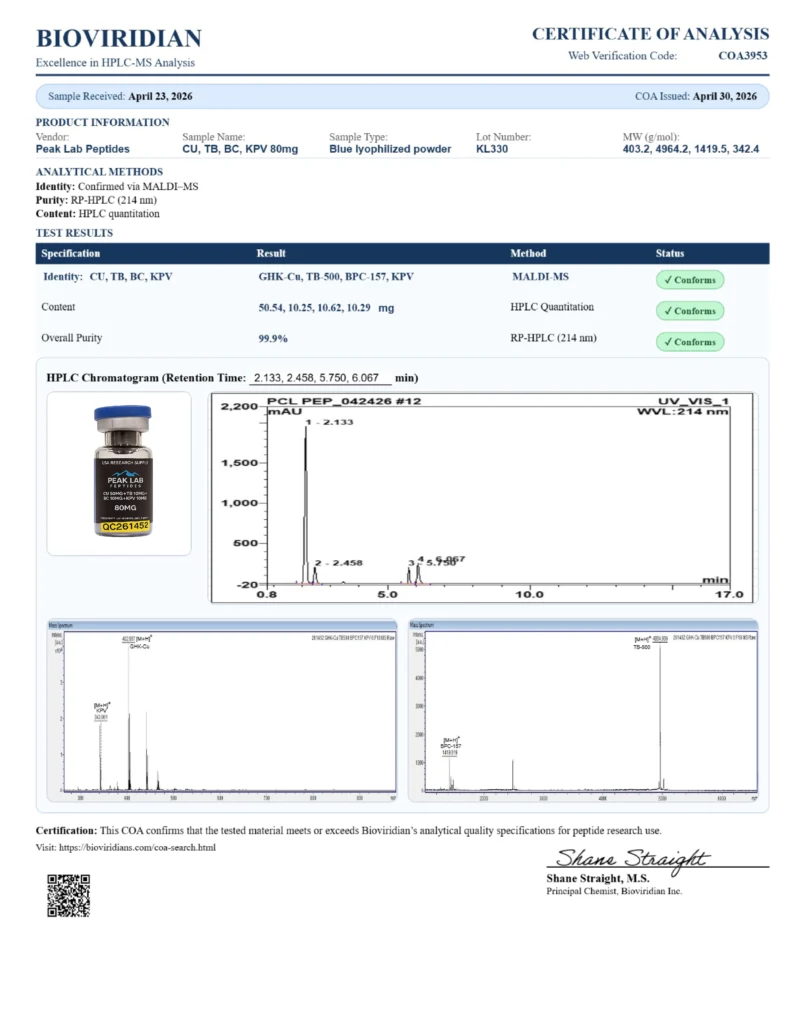
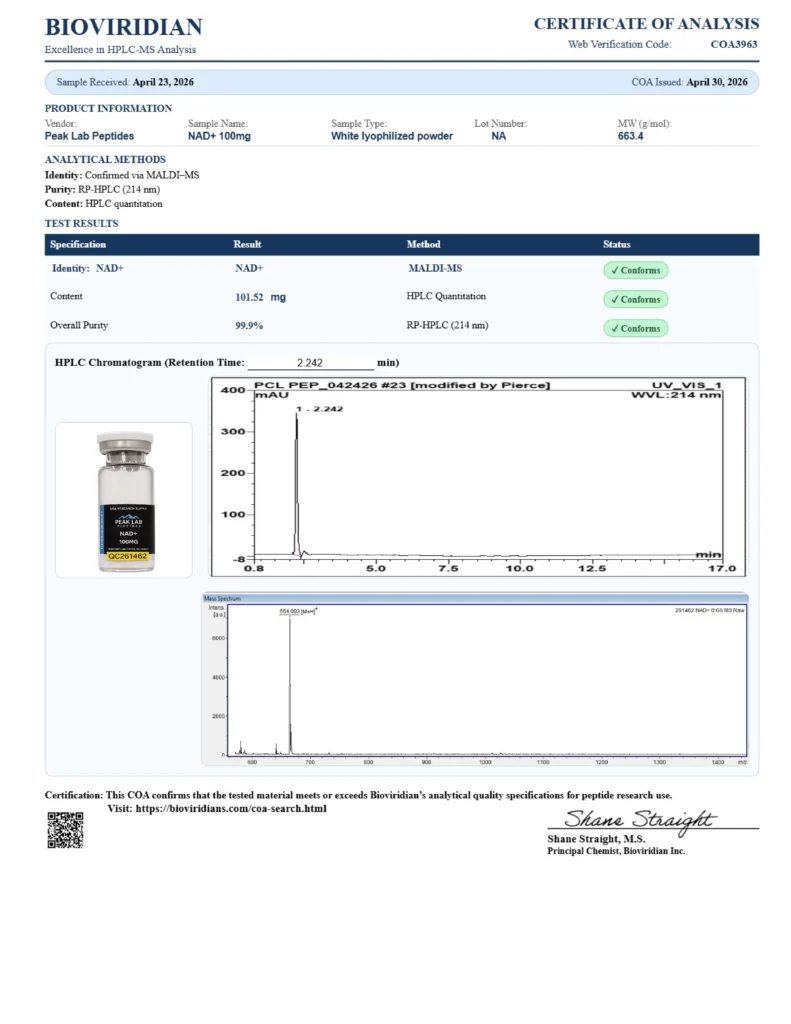
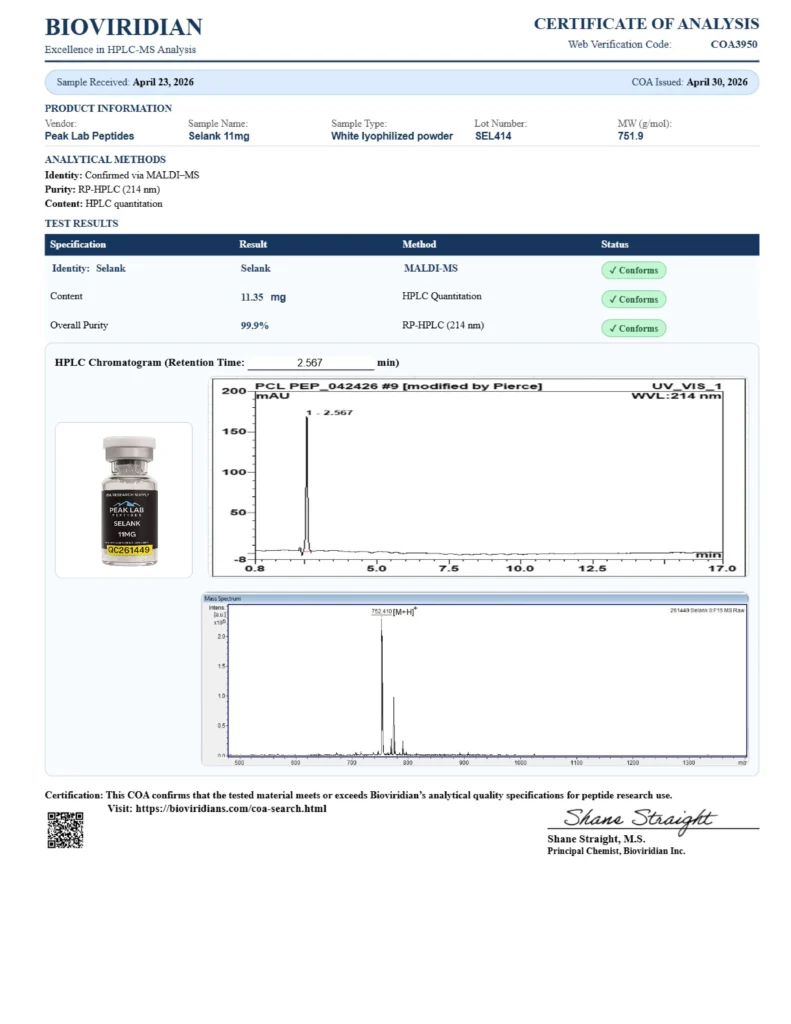
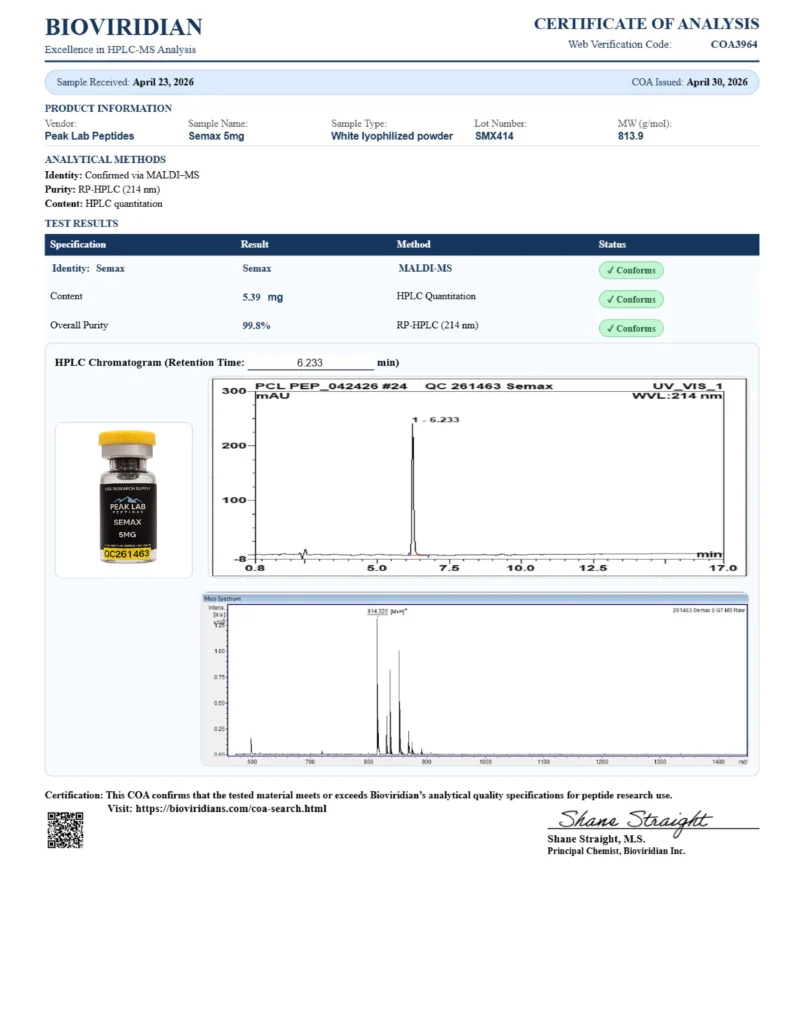
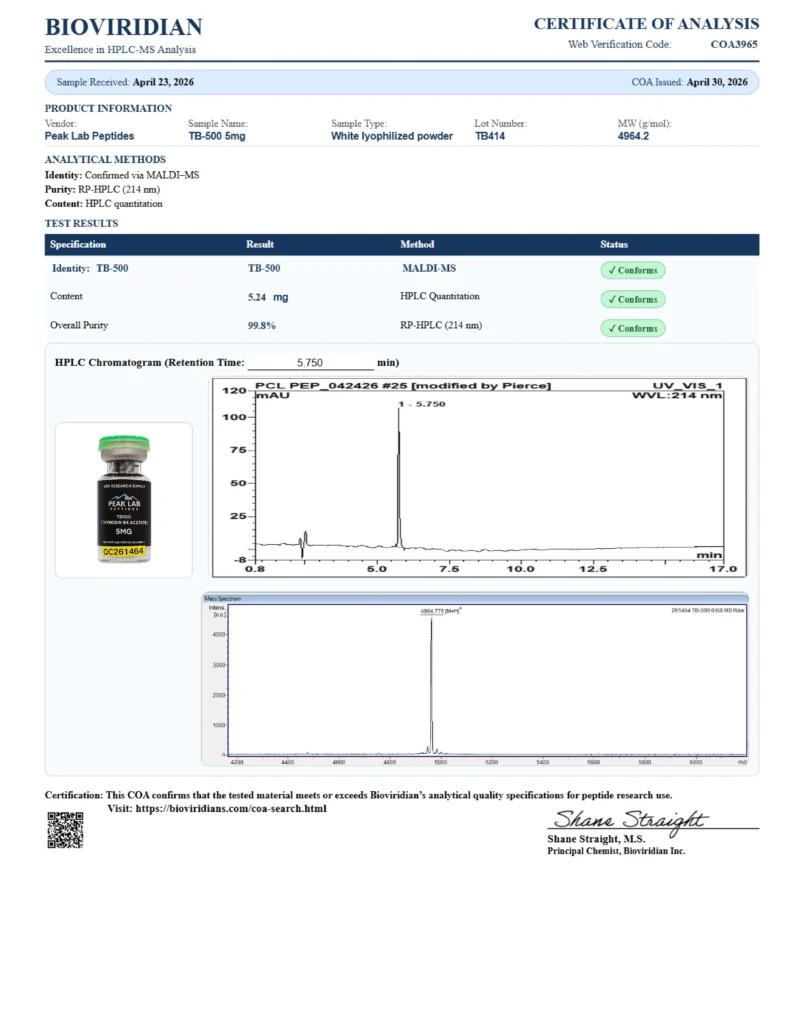
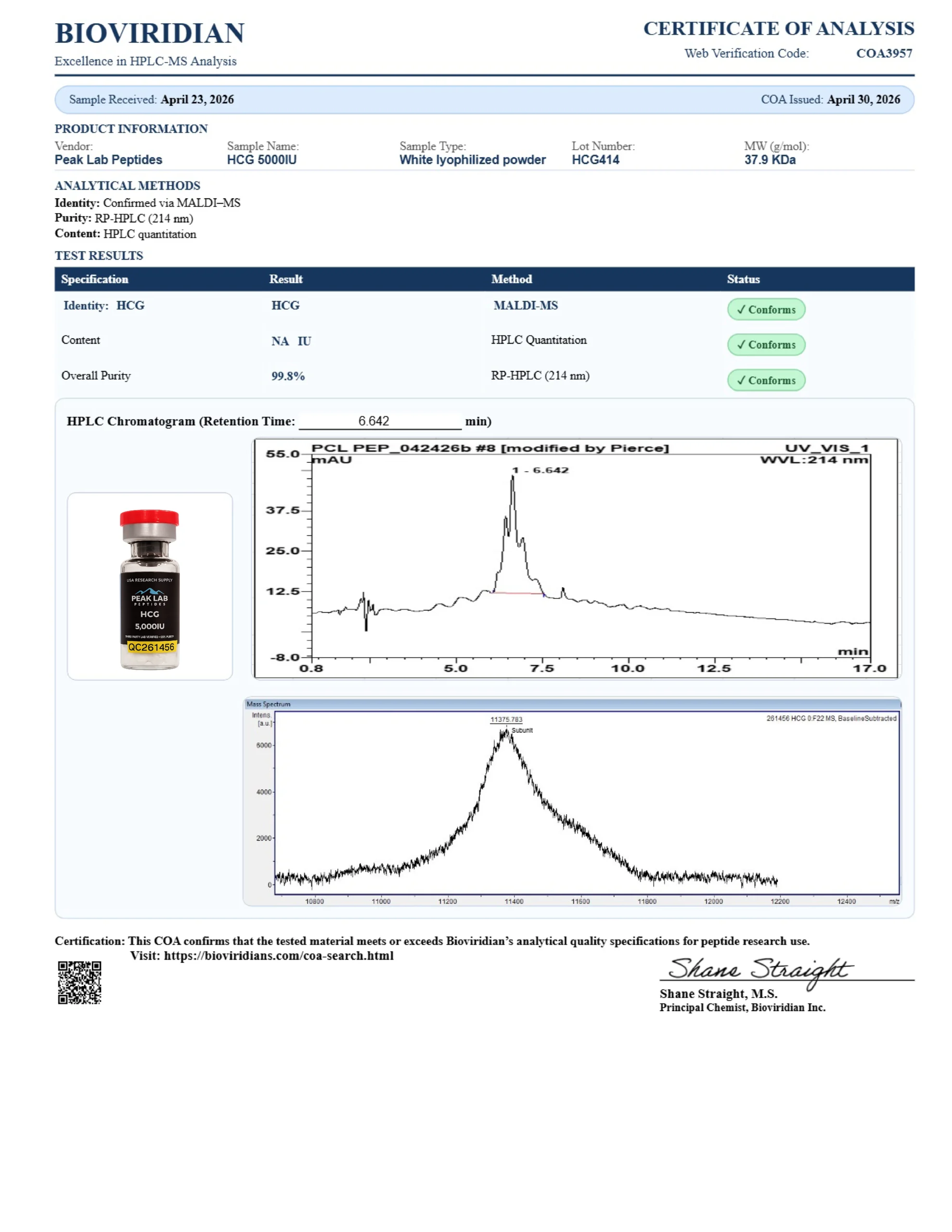
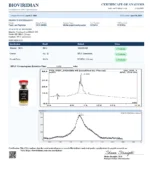
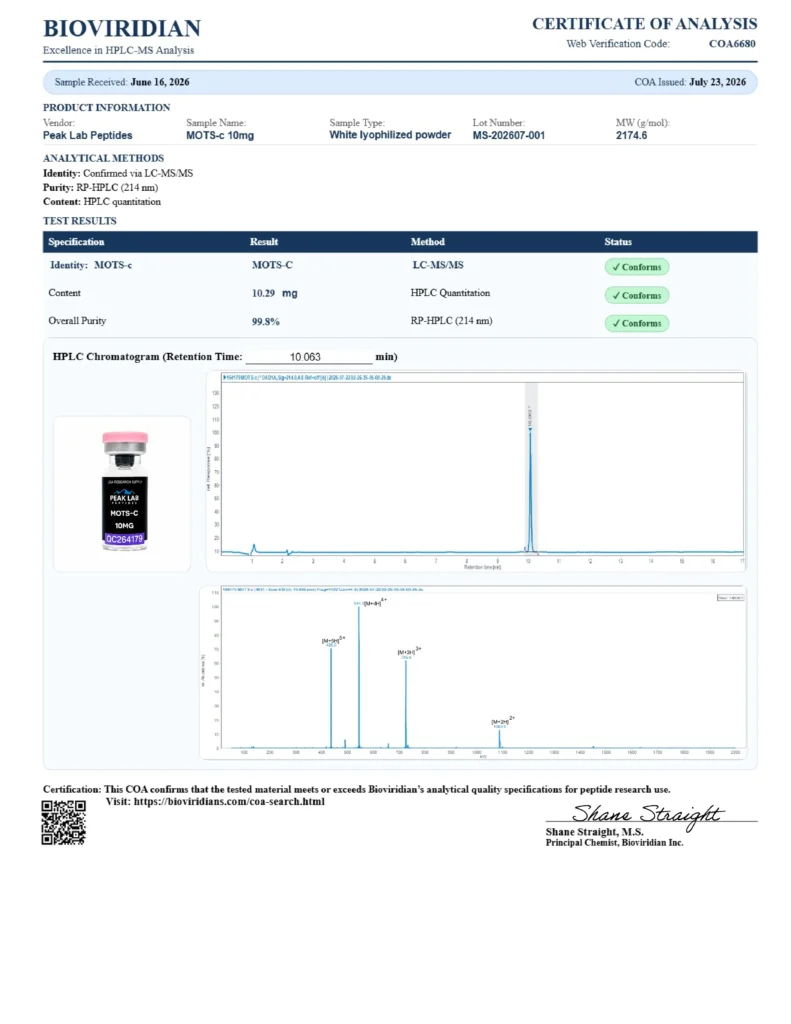
Peak Lab Peptides maintains quality-control processes and routinely performs third-party testing to support purity and identity verification. COAs are available upon request for applicable batches. Documentation may vary depending on production timelines.
We aim to make batch-level documentation available whenever possible. Our goal is to expand COA access across the full catalog as production capacity grows.
All products are for laboratory research use only and are not intended for human consumption.
Related Products
AOD9604
AOD9604
AOD-9604 – 5mg (Lyophilized Peptide) – For Research Use Only
AOD-9604 is a modified fragment of human growth hormone (HGH), specifically amino acids 176–191, developed for its potential role in fat metabolism and lipolysis research. Unlike full-sequence HGH, AOD-9604 is studied for its ability to promote fat breakdown without influencing blood sugar or IGF-1 levels, making it a focus of metabolic and weight management studies.
Research has explored its effects on adipose tissue, body composition, and metabolic rate regulation.
Product Details:
-
Peptide: AOD-9604 (HGH Fragment 176–191)
-
Purity: >98%
-
Form: Lyophilized powder
-
Quantity: 5mg per vial
-
Storage: Store at -4°F (-20°C). After reconstitution, refrigerate at 36–46°F (2–8°C) and use within 30 days.
-
Grade: For research purposes only. Not for human consumption, therapeutic, or diagnostic use.
Potential Research Applications:
-
Fat metabolism and lipolysis studies
-
Obesity and weight management research models
-
Adipose tissue regulation investigations
-
Metabolic health and energy balance research
BPC-157
BPC-157
BPC-157 (Body Protection Compound 157) is a synthetic pentadecapeptide studied in preclinical models for its roles in tissue repair signaling, angiogenesis, nitric oxide modulation, and gastrointestinal mucosal research. Supplied as lyophilized powder at 99%+ HPLC verified purity. Batch-specific COA included. For in vitro research use only.
BPC-157, TB-500 – “Wolverine Stack”
BPC-157 and TB-500
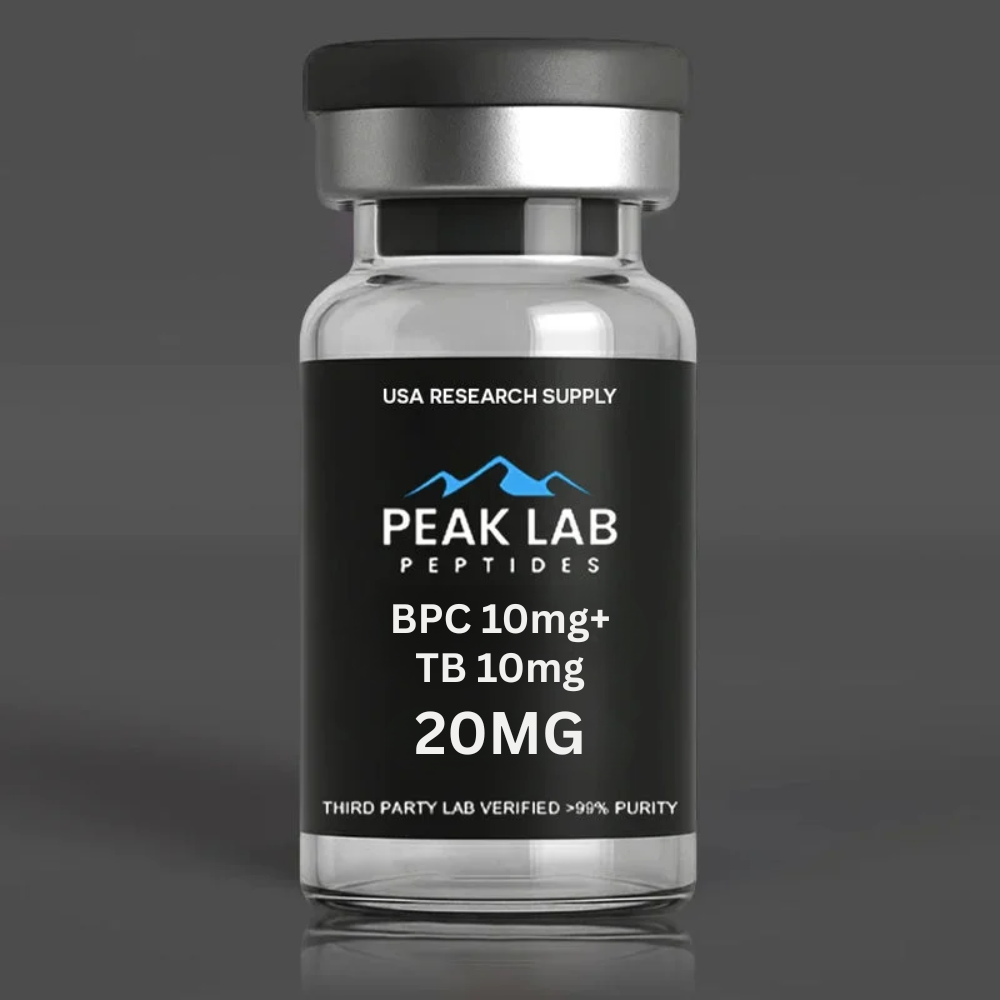
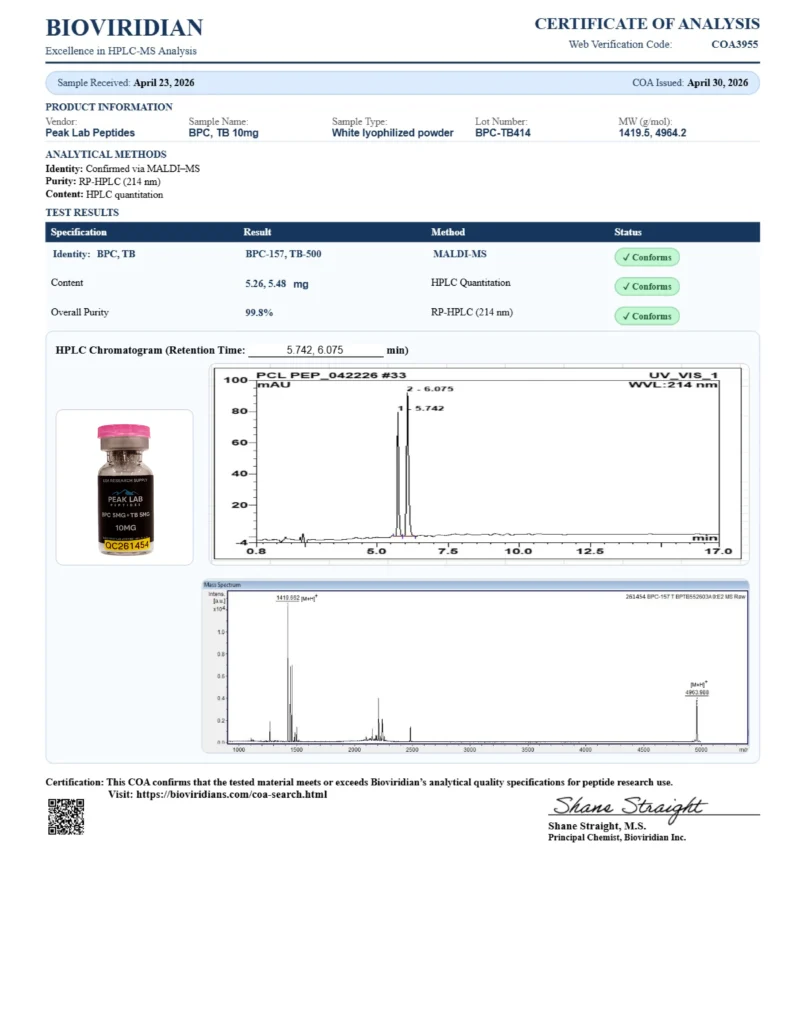
BPC-157 + TB-500 – 10mg (Lyophilized Peptide Blend) – For Research Use Only
This advanced research peptide blend combines BPC-157 and TB-500 (Thymosin Beta-4 Fragment) — two well-studied peptides known for their potential in tissue repair, inflammation control, and accelerated recovery.
-
BPC-157 is a synthetic peptide derived from a gastric protein, studied for its possible role in gut health, tendon and ligament repair, and inflammation modulation.
-
TB-500 is a synthetic fragment of Thymosin Beta-4, researched for its potential to promote cell migration, angiogenesis, and muscle recovery.
Together, this combination is highly sought after in research models involving injury recovery, soft tissue repair, and anti-inflammatory studies.
Product Details:
-
Peptides: BPC-157 + TB-500 (5mg each unless otherwise specified)
-
Purity: >98%
-
Form: Lyophilized powder
-
Quantity: 10mg per vial
-
Storage: Store at -4°F (-20°C). After reconstitution, refrigerate at 36–46°F (2–8°C) and use within 30 days.
-
Grade: For research purposes only. Not for human consumption, therapeutic, or diagnostic use.
Potential Research Applications:
-
Injury recovery and soft tissue repair studies
-
Tendon, ligament, and muscle healing models
-
Anti-inflammatory and immune modulation research
-
Angiogenesis and cellular regeneration investigations
For laboratory research only. This product is not intended to diagnose, treat, cure, or prevent any disease.
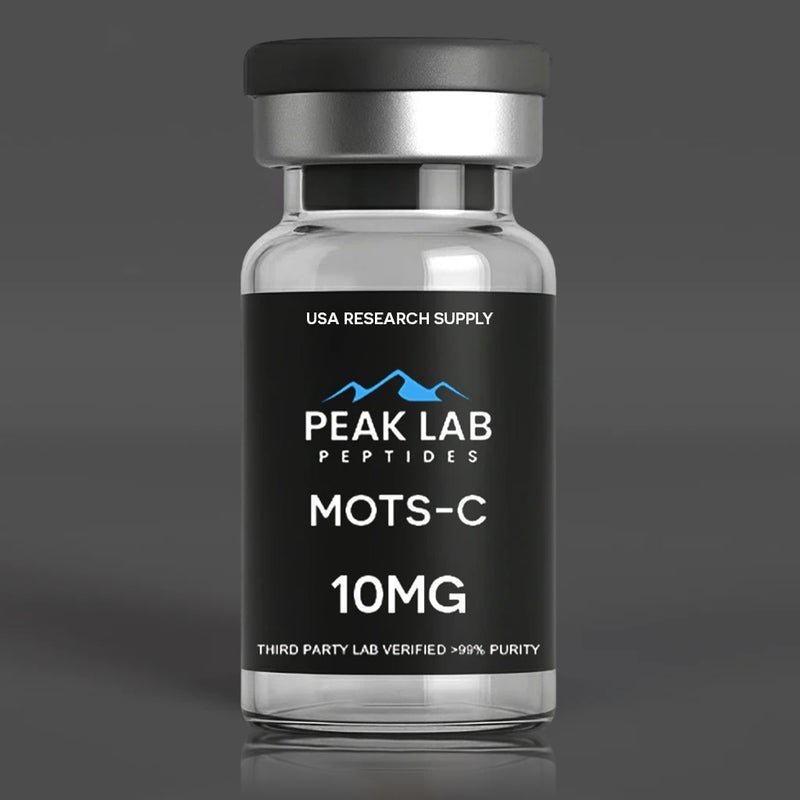
CJC-1295 with DAC
CJC-1295 with DAC
CJC-1295 with DAC – 5mg (Lyophilized Peptide) – For Research Use Only
CJC-1295 with DAC (Drug Affinity Complex) is a long-acting analog of Growth Hormone-Releasing Hormone (GHRH), designed to promote sustained release of growth hormone (GH) in research models. The DAC modification significantly extends its half-life, allowing for prolonged activity and making it ideal for studies on muscle growth, recovery, anti-aging, and fat metabolism.
CJC-1295 with DAC is often paired in research with peptides like Ipamorelin for synergistic GH axis stimulation.
Product Details:
-
Peptide: CJC-1295 with DAC
-
Purity: >98%
-
Form: Lyophilized powder
-
Quantity: 5mg per vial
-
Storage: Store at -4°F (-20°C). After reconstitution, refrigerate at 36–46°F (2–8°C) and use within 30 days.
-
Grade: For research purposes only. Not for human consumption, therapeutic, or diagnostic use.
Potential Research Applications:
-
Sustained growth hormone release studies
-
Muscle growth, recovery, and anti-aging research models
-
Fat metabolism and body composition investigations
-
Long-acting GHRH analog research
For laboratory research only. This product is not intended to diagnose, treat, cure, or prevent any disease.
Epithalon
Epithalon – 10mg (Lyophilized Peptide) – For Research Use Only
Epithalon (also known as Epitalon) is a synthetic tetrapeptide (Ala-Glu-Asp-Gly) derived from the naturally occurring pineal gland peptide Epithalamin. It is widely studied for its potential anti-aging, telomerase-activating, and longevity-enhancing effects. Research suggests that Epithalon may promote telomere extension, support circadian rhythm regulation, and improve oxidative stress resistance. It is a popular compound in studies involving cellular aging, pineal gland function, and DNA repair mechanisms. Product Details: Peptide: Epithalon (Ala-Glu-Asp-Gly) Purity: >98% Form: Lyophilized powder Quantity: 10mg per vial Storage: Store at -4°F (-20°C). After reconstitution, refrigerate at 36–46°F (2–8°C) and use within 30 days. Grade: For research purposes only. Not for human consumption, therapeutic, or diagnostic use. Potential Research Applications: Telomerase activation and cellular longevity studies Anti-aging and pineal gland function research Circadian rhythm and melatonin regulation studies DNA repair and oxidative stress resistance models For laboratory research only. This product is not intended to diagnose, treat, cure, or prevent any disease.GLOW Blend 70mg (GHK-Cu 50mg, BPC-157 10mg, TB-500 10mg)
IGF-1 LR3
IGF-1 LR3 1mg – Research Peptide
For Research Use Only – Not for Human Consumption IGF-1 LR3 (Long Arg3 Insulin-Like Growth Factor-1) is a synthetic peptide analog of human IGF-1. It has been modified to extend its half-life in vitro, allowing for enhanced stability and prolonged activity during laboratory testing. The substitution of arginine at position 3 and removal of the first three amino acids in the native IGF-1 sequence make LR3 more resistant to binding proteins, thereby increasing its bioavailability in research environments. Researchers value IGF-1 LR3 for its role in studying cellular growth, differentiation, survival pathways, and metabolic functions. It has been widely used in experimental models to explore muscle cell proliferation, neuroprotection, and regenerative mechanisms. Sequence: 83 amino acids Form: Lyophilized powder Purity: ≥ 98% (HPLC Verified) Unit Size: 1mg vial Storage: Store lyophilized peptide at -4°F. Once reconstituted, keep refrigerated at 36–46°F. ⚠ Disclaimer: All products are sold strictly for laboratory research use only. Not for human use, consumption, or therapeutic applications.KPV (Lysine-Proline-Valine)
Product Details:
Peptide: KPV (Lys-Pro-Val) Purity: >98% Form: Lyophilized powder Quantity: 10mg per vial Storage: Store at -4°F (-20°C). After reconstitution, refrigerate at 36–46°F (2–8°C) and use within 30 days. Grade: For research purposes only. Not for human consumption, therapeutic, or diagnostic use. Potential Research Applications: Gut health and intestinal inflammation models (e.g., IBD, leaky gut) Skin inflammation and dermatitis research Cytokine modulation and immune response studies Localized anti-inflammatory peptide therapy research For laboratory research only. This product is not intended to diagnose, treat, cure, or prevent any disease.MT-2 (Melanotan 2) -10mg
Melanotan II (MT-2)
MT-2 (Melanotan 2) – 10mg (Lyophilized Peptide) – For Research Use Only
Melanotan 2 (MT-2) is a synthetic analog of the alpha-melanocyte-stimulating hormone (α-MSH), studied for its ability to activate melanocortin receptors involved in skin pigmentation, appetite regulation, and sexual function.
Research has focused on MT-2’s effects on melanin production, UV protection, libido, and energy balance in laboratory models.
Product Details:
-
Peptide: Melanotan 2 (MT-2)
-
Purity: >98%
-
Form: Lyophilized powder
-
Quantity: 10mg per vial
-
Storage: Store at -4°F (-20°C). After reconstitution, refrigerate at 36–46°F (2–8°C) and use within 30 days.
-
Grade: For research purposes only. Not for human consumption, therapeutic, or diagnostic use.
Potential Research Applications:
-
Melanogenesis and skin pigmentation studies
-
UV protection and tanning research models
-
Libido and sexual function investigations
-
Energy regulation and melanocortin receptor research
For laboratory research only. This product is not intended to diagnose, treat, cure, or prevent any disease.

Melissa –
Everything was neatly packed and properly sealed.
Jonathan –
Customer service handled inquiries quickly and professionally.
Rebecca –
High-quality products at reasonable and competitive prices.
Anna –
Products arrived exactly as expected, no surprises.
Benjamin –
The checkout process is simple and hassle-free.