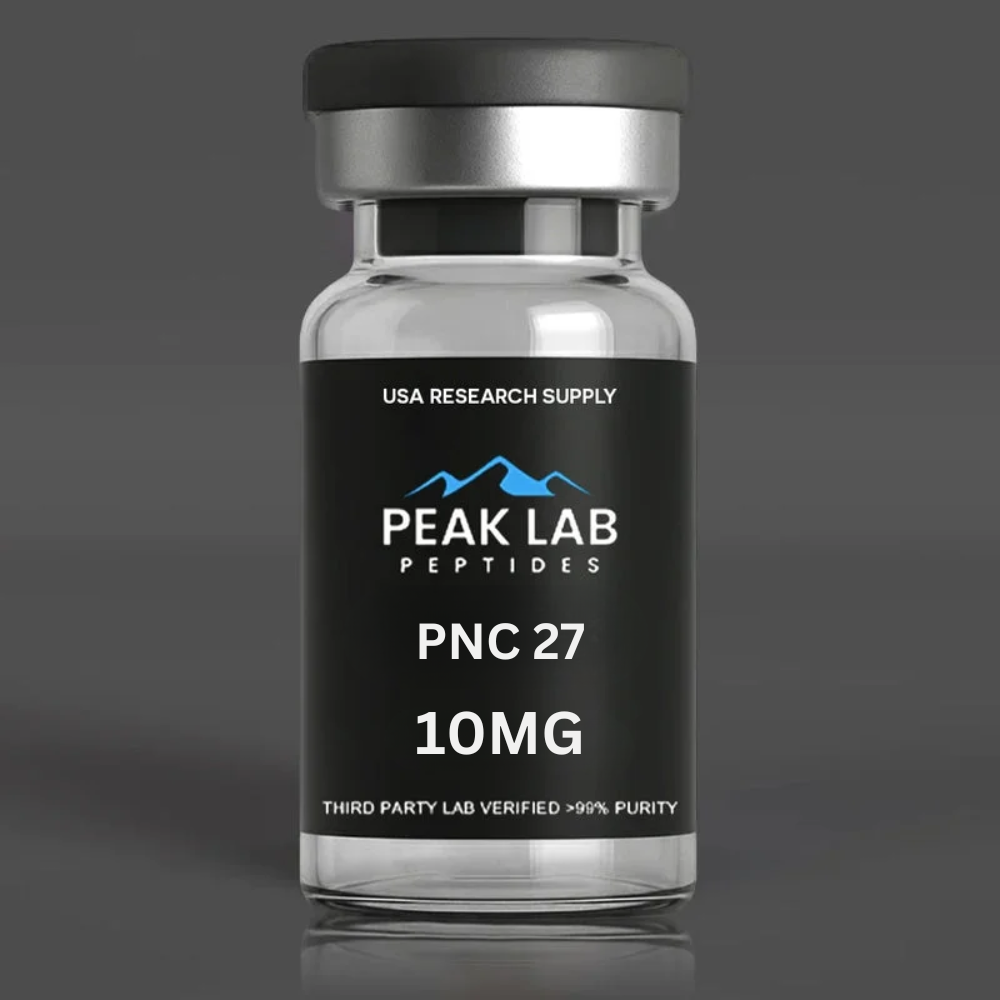
PNC-27
$75.00 – $121.00Price range: $75.00 through $121.00
Become a Member and save 20% on Every Order.
Description
PNC-27 is a synthetic research peptide engineered from a functional domain of the tumor suppressor protein p53, specifically incorporating residues 12–26 associated with MDM2 binding, coupled to a membrane-targeting sequence. In laboratory research settings, PNC-27 is studied for its ability to interact with cancer cell membranes through HDM-2–associated mechanisms, providing a model for investigating selective peptide–membrane interactions in oncology research.
Preclinical studies conducted in vitro have demonstrated that PNC-27 associates preferentially with malignant cell membranes, where it can induce membrane pore formation and destabilization. These properties make PNC-27 a valuable molecular tool for exploring tumor-selective cytolytic mechanisms, apoptotic signaling pathways, and structure–function relationships between peptides and cancer cell membranes under controlled experimental conditions.
PNC-27 is supplied exclusively for scientific and laboratory research use. It is not intended for human or veterinary consumption, clinical investigation, diagnostic use, or therapeutic application.
Chemical Identity & Classification
- Synthetic p53-derived research peptide
- Incorporates p53 residues 12–26 with membrane-targeting domain
- Oncology and peptide–membrane interaction research compound
Why Researchers Study PNC-27
- To investigate p53–MDM2 interaction domains in isolation
- To study cancer cell membrane selectivity in peptide research
- To explore mechanisms of peptide-induced membrane disruption
Key Research Systems & Pathways
- p53–MDM2 (HDM-2) binding interactions
- Cancer cell membrane composition and targeting
- Apoptotic and cytolytic signaling pathways
- Peptide-induced pore formation mechanisms
PNC-27 is synthesized under controlled laboratory conditions to ensure high purity, structural accuracy, and reproducibility for preclinical oncology research.
Mechanism of Action & Pathways
In experimental models, PNC-27 is studied for its interaction with HDM-2 localized at cancer cell membranes, enabling targeted association and membrane destabilization. Research focuses on how this interaction leads to pore formation, altered membrane integrity, and downstream signaling events associated with cell death in malignant cell lines.
Cellular & Molecular Research
PNC-27 is commonly utilized in laboratory studies examining:
- Peptide binding to cancer cell membranes
- Membrane permeability and pore formation assays
- p53-derived peptide structure–function relationships
All investigations are conducted in controlled in vitro or biochemical assay environments.
Oncology & Tumor-Selective Signaling Research
Research applications may include:
- Comparative studies between malignant and non-malignant cell membranes
- Apoptotic and necrotic signaling pathway analysis
- Evaluation of tumor-selective peptide activity in cellular models
These investigations remain exploratory and mechanistic, without therapeutic interpretation.
Experimental Models
- In vitro cancer cell membrane and viability assays
- Ex vivo tumor-derived tissue studies
- Non-clinical in vivo preclinical research models
All use is strictly limited to laboratory research contexts.
What is PNC-27 used for in research?
PNC-27 is used in laboratory research to study peptide–membrane interactions, p53-derived signaling domains, and tumor-selective cytolytic mechanisms in oncology models.
What makes PNC-27 selective for cancer cells in experimental studies?
Selectivity is studied in relation to HDM-2 localization and membrane composition differences observed in malignant cells under experimental conditions.
Which pathways are investigated using PNC-27?
Research focuses on p53–MDM2 interactions, membrane disruption mechanisms, and downstream apoptotic signaling pathways.
Is PNC-27 approved for human or clinical use?
No. PNC-27 is strictly for research use only and is not intended for human consumption, veterinary use, or clinical application.
How should PNC-27 be stored and handled?
PNC-27 should be stored and handled according to standard laboratory peptide storage and handling practices to maintain stability and integrity.
Storage & Handling
All peptides are supplied as sterile, lyophilized powder and are stable when handled correctly.
- On arrival: Store vials in a cool, dry place away from heat and direct sunlight.
- Long-term (powder): For optimal longevity, keep lyophilized peptides refrigerated to help maintain integrity.
- After reconstitution: Use an appropriate research diluent (for example, BAC water). Store the reconstituted solution in the refrigerator and use within 20–30 days for best stability.
Note: Minimize exposure to moisture and repeated freeze–thaw cycles. Follow your institution's safety procedures when handling research materials.
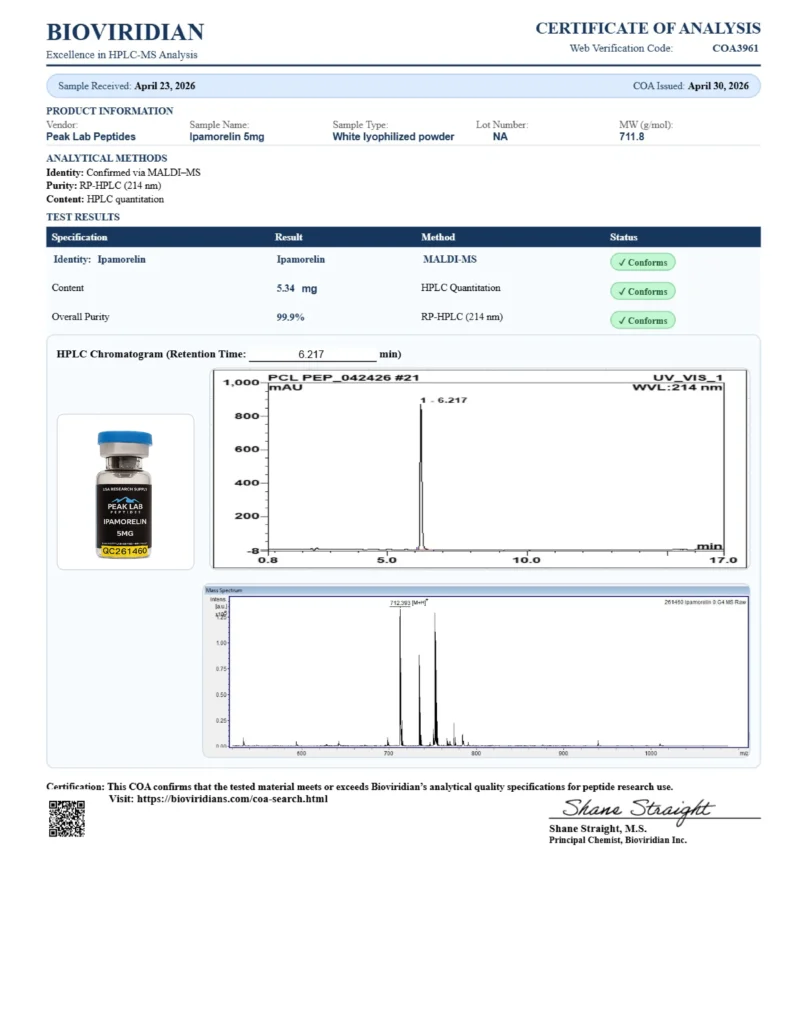
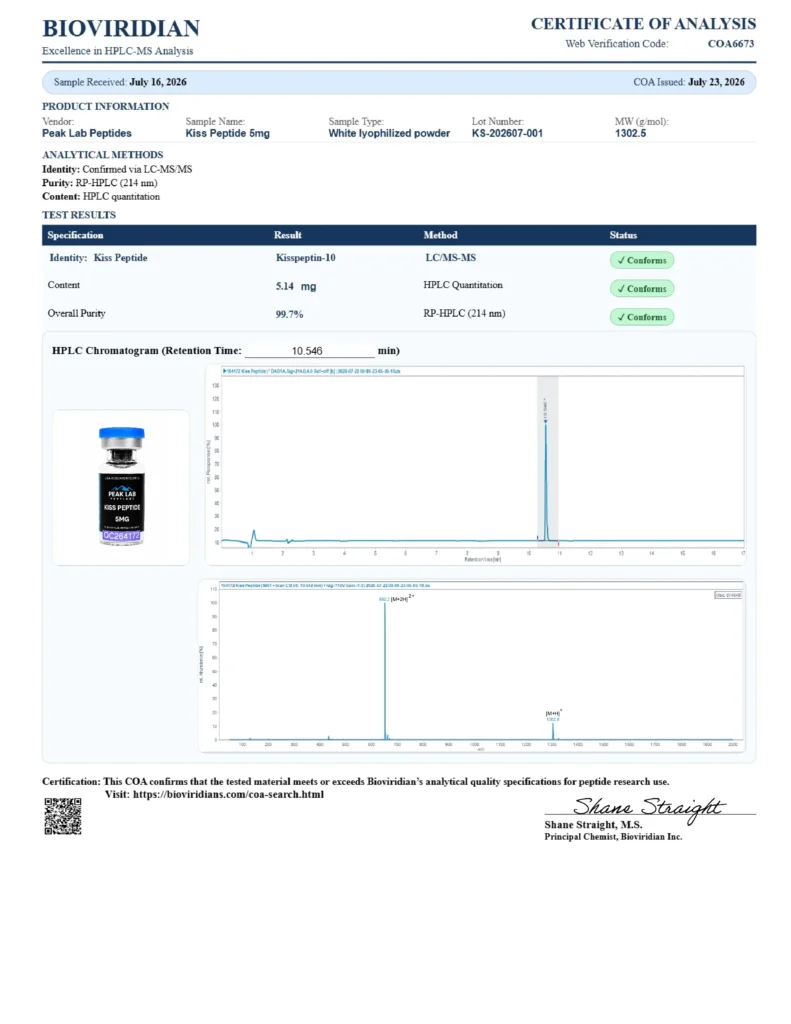
Peak Lab Peptides maintains quality-control processes and routinely performs third-party testing to support purity and identity verification. COAs are available upon request for applicable batches. Documentation may vary depending on production timelines.
We aim to make batch-level documentation available whenever possible. Our goal is to expand COA access across the full catalog as production capacity grows.
All products are for laboratory research use only and are not intended for human consumption.
Related Products
GHK-Cu
Glutathione
Glutathione
Glutathione – 1500mg (Lyophilized Powder) – For Research Use Only
Glutathione is a naturally occurring tripeptide composed of glutamine, cysteine, and glycine. It functions as a major intracellular antioxidant and plays a critical role in cellular detoxification, oxidative stress reduction, and immune support.
Widely studied for its potential in anti-aging, liver health, and cellular repair models, Glutathione supports the body’s natural defense mechanisms against free radicals and environmental toxins.
Product Details:
-
Compound: Glutathione (γ-L-Glutamyl-L-cysteinylglycine)
-
Purity: >98%
-
Form: Lyophilized powder
-
Quantity: 600mg or 1500mg per vial
-
Storage: Store at -4°F (-20°C). After reconstitution, refrigerate at 36–46°F (2–8°C) and use within 30 days.
-
Grade: For research use only. Not for human consumption or therapeutic applications.
Potential Research Applications:
-
Oxidative stress and antioxidant activity studies
-
Cellular detoxification and immune response research
-
Anti-aging and skin health models
-
Liver function and protective mechanism investigations
HGH Fragment 176-191
IGF-1 LR3
IGF-1 LR3 1mg – Research Peptide
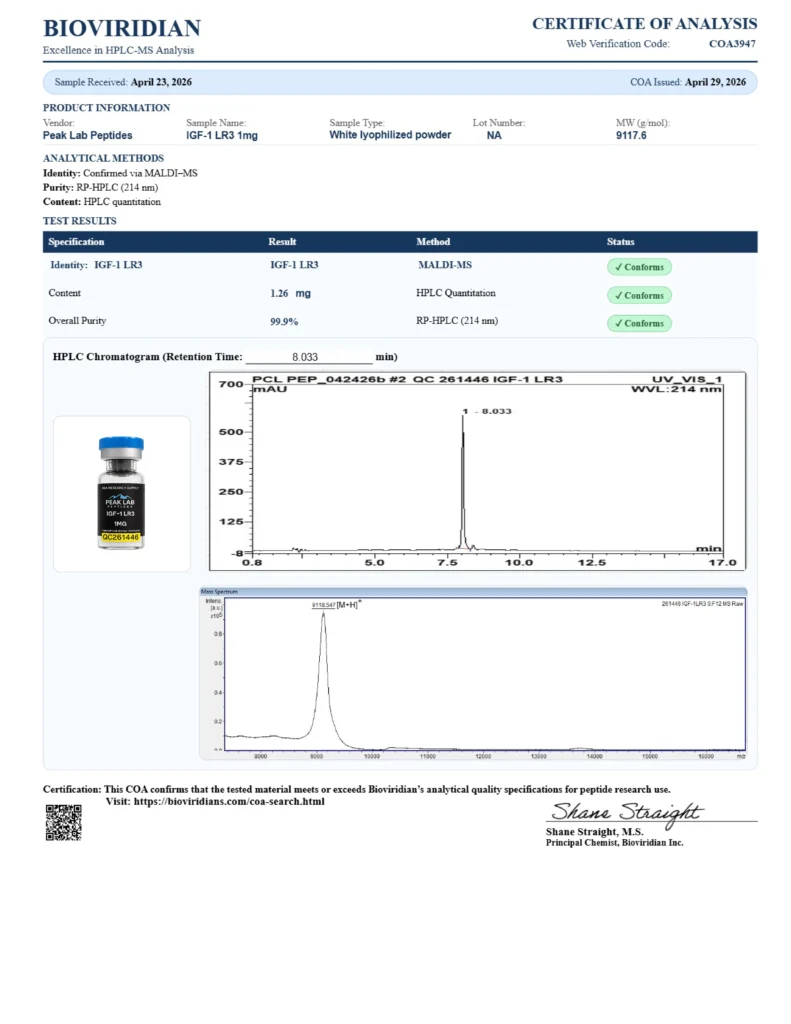
For Research Use Only – Not for Human Consumption IGF-1 LR3 (Long Arg3 Insulin-Like Growth Factor-1) is a synthetic peptide analog of human IGF-1. It has been modified to extend its half-life in vitro, allowing for enhanced stability and prolonged activity during laboratory testing. The substitution of arginine at position 3 and removal of the first three amino acids in the native IGF-1 sequence make LR3 more resistant to binding proteins, thereby increasing its bioavailability in research environments. Researchers value IGF-1 LR3 for its role in studying cellular growth, differentiation, survival pathways, and metabolic functions. It has been widely used in experimental models to explore muscle cell proliferation, neuroprotection, and regenerative mechanisms. Sequence: 83 amino acids Form: Lyophilized powder Purity: ≥ 98% (HPLC Verified) Unit Size: 1mg vial Storage: Store lyophilized peptide at -4°F. Once reconstituted, keep refrigerated at 36–46°F. ⚠ Disclaimer: All products are sold strictly for laboratory research use only. Not for human use, consumption, or therapeutic applications.KLOW Blend 80mg – GHK-Cu, TB-500, BPC-157, KPV
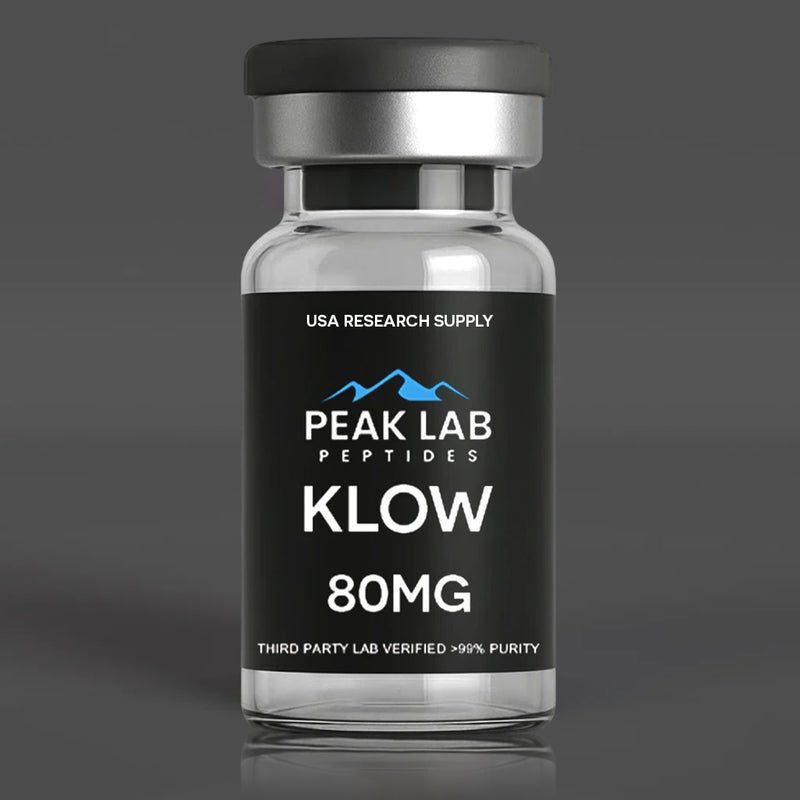
KLOW – 80mg Peptide Blend (Lyophilized Powder) – For Research Use Only GHK-Cu • TB-500 • BPC-157 • KPV
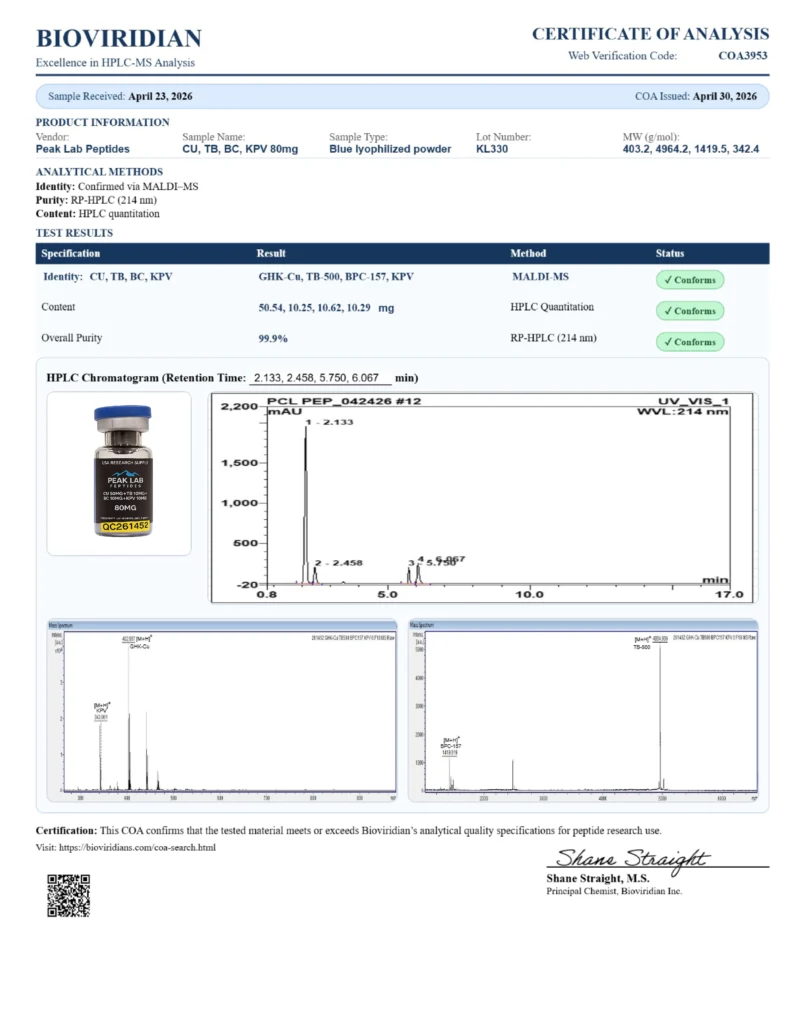
KLOW is an advanced 4-in-1 research peptide blend combining 80mg of regenerative and anti-inflammatory compounds studied for their potential in tissue repair, immune modulation, and cellular recovery. Designed for comprehensive healing models, KLOW offers synergistic support across skin, muscle, and gut research applications. Active Ingredients (Per Vial): GHK-Cu – 50mg Studied for skin regeneration, wound healing, collagen stimulation, and hair follicle support. TB-500 – 10mg A fragment of Thymosin Beta-4, known for supporting angiogenesis, cell migration, and muscle recovery. BPC-157 – 10mg Derived from a gastric protein, BPC-157 is studied for gut repair, tendon/ligament healing, and anti-inflammatory effects. KPV – 10mg A tripeptide fragment with strong research interest for localized inflammation and immune modulation, particularly in the gut and skin. Product Details: Total Peptide Content: 80mg per vial: Lyophilized powder Purity: >98% Storage: Store at -4°F (-20°C). After reconstitution, refrigerate at 36–46°F (2–8°C) and use within 30 days. Grade: For research purposes only. Not for human consumption, therapeutic, or diagnostic use. Potential Research Applications: Soft tissue, muscle, and ligament repair Skin rejuvenation and wound healing models Inflammatory bowel and gut barrier integrity studies Anti-inflammatory and immune modulation research For laboratory research only. This product is not intended to diagnose, treat, cure, or prevent any disease.MT-2 (Melanotan 2) – 10mg
Melanotan II (MT-2)
MT-2 (Melanotan 2) – 10mg (Lyophilized Peptide) – For Research Use Only
Melanotan 2 (MT-2) is a synthetic analog of the alpha-melanocyte-stimulating hormone (α-MSH), studied for its ability to activate melanocortin receptors involved in skin pigmentation, appetite regulation, and sexual function.
Research has focused on MT-2’s effects on melanin production, UV protection, libido, and energy balance in laboratory models.
Product Details:
-
Peptide: Melanotan 2 (MT-2)
-
Purity: >98%
-
Form: Lyophilized powder
-
Quantity: 10mg per vial
-
Storage: Store at -4°F (-20°C). After reconstitution, refrigerate at 36–46°F (2–8°C) and use within 30 days.
-
Grade: For research purposes only. Not for human consumption, therapeutic, or diagnostic use.
Potential Research Applications:
-
Melanogenesis and skin pigmentation studies
-
UV protection and tanning research models
-
Libido and sexual function investigations
-
Energy regulation and melanocortin receptor research
For laboratory research only. This product is not intended to diagnose, treat, cure, or prevent any disease.
NAD+
NAD+ (Nicotinamide Adenine Dinucleotide)
NAD+ (Nicotinamide Adenine Dinucleotide) – 500mg (Lyophilized Powder) – For Research Use Only
NAD+ is a vital coenzyme found in all living cells, playing a critical role in energy metabolism, mitochondrial function, and cellular repair. It is heavily studied in research models exploring aging, metabolic health, oxidative stress, and neuroprotection.
NAD+ is particularly significant in studies on sirtuin activation, DNA repair pathways, and mitochondrial health, making it a key component of advanced longevity and metabolic research.
Product Details:
-
Compound: NAD+ (Nicotinamide Adenine Dinucleotide)
-
Purity: >98%
-
Form: Lyophilized powder
-
Quantity: 500mg per vial
-
Storage: Store at -4°F (-20°C). After reconstitution, refrigerate at 36–46°F (2–8°C) and use within 30 days.
-
Grade: For research purposes only. Not for human consumption, therapeutic, or diagnostic use.
Potential Research Applications:
-
Mitochondrial function and energy metabolism studies
-
Anti-aging, longevity, and sirtuin pathway research
-
DNA repair and oxidative stress models
-
Neuroprotection and cognitive function investigations
For laboratory research only. This product is not intended to diagnose, treat, cure, or prevent any disease.
Selank 10/11mg
Selank
Selank – 11mg (Lyophilized Peptide) – For Research Use Only
Selank is a synthetic peptide analog of the naturally occurring tetrapeptide Tuftsin, extensively studied for its potential nootropic, anxiolytic, and immunomodulatory properties. Research suggests that Selank may support cognitive function, anxiety reduction, and immune system regulation through its interaction with neurotransmitter systems, particularly GABA and serotonin pathways.
Product Details:
-
Peptide: Selank (Tuftsin analog)
-
Purity: >98%
-
Form: Lyophilized powder
-
Quantity: 11mg per vial
-
Storage: Store at -4°F (-20°C). After reconstitution, refrigerate at 36–46°F (2–8°C) and use within 30 days.
-
Grade: For research purposes only. Not for human consumption, therapeutic, or diagnostic use.
Potential Research Applications:
-
Nootropic and cognitive function studies
-
Anxiolytic and mood regulation research
-
Immune modulation and cytokine balance exploration
-
Neurotransmitter activity and brain health models
For laboratory research only. This product is not intended to diagnose, treat, cure, or prevent any disease.
Snap-8
Thymosin Alpha-1
Thymosin Alpha-1 (Tα1)
Thymosin Alpha-1 – Research Use Only
Thymosin Alpha-1 – 5mg (Lyophilized Peptide) – For Research Use Only
Thymosin Alpha-1 (Ta1) is a naturally occurring peptide fragment derived from prothymosin alpha, studied for its potential role in immune modulation, inflammation control, and cellular defense mechanisms. It has been of particular interest in research models exploring immune response enhancement, antiviral activity, and immune regulation.
Thymosin Alpha-1 is often studied in relation to immune system support, chronic infection models, and immune deficiency research.
Product Details:
-
Peptide: Thymosin Alpha-1
-
Purity: >98%
-
Form: Lyophilized powder
-
Quantity: 5mg per vial
-
Storage: Store at -4°F (-20°C). After reconstitution, refrigerate at 36–46°F (2–8°C) and use within 30 days.
-
Grade: For research purposes only. Not for human consumption or therapeutic use.
Potential Research Applications:
-
Immune modulation and enhancement studies
-
Chronic infection and antiviral research models
-
Inflammatory response and cytokine regulation studies
-
Immune deficiency and autoimmune condition research