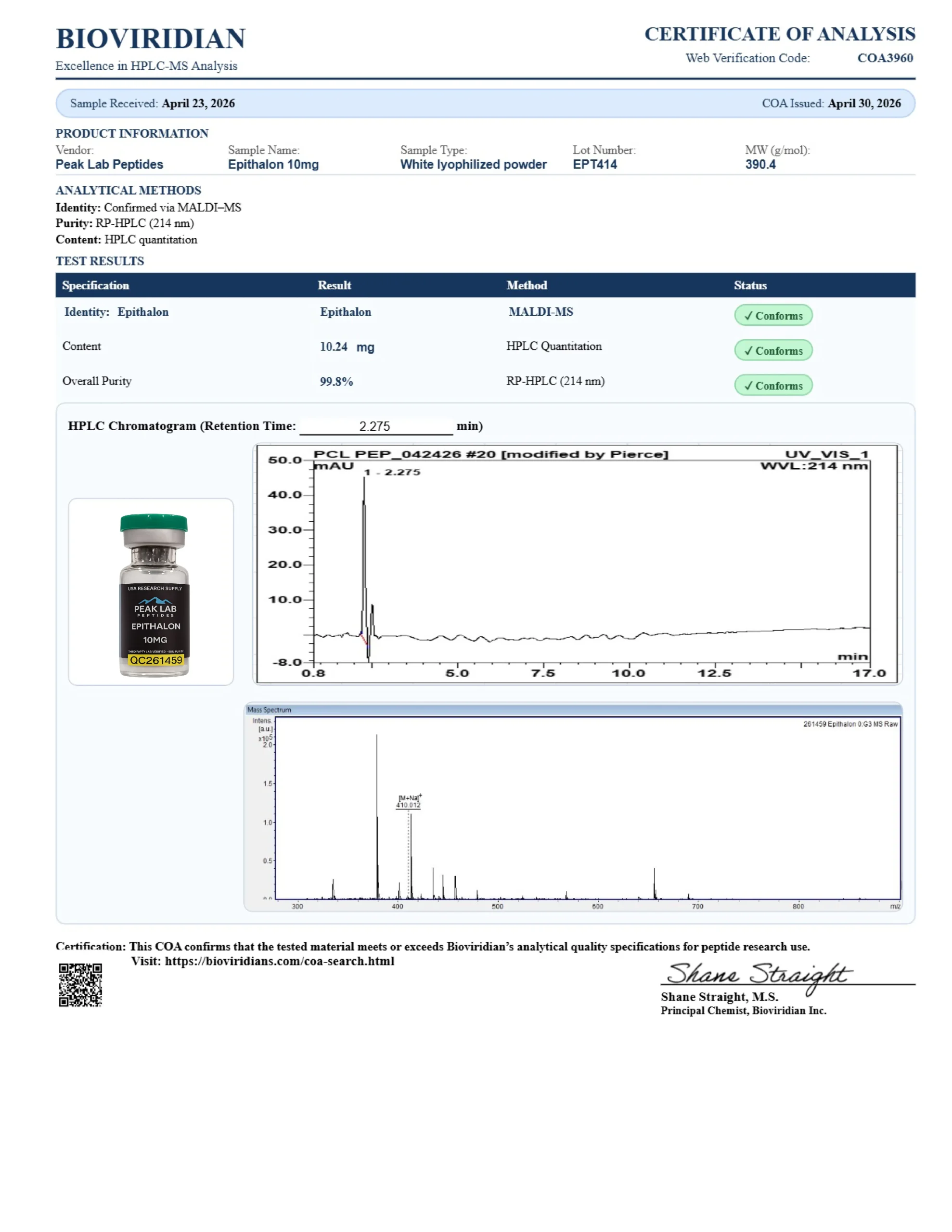
Epithalon
$32.30 – $76.80Price range: $32.30 through $76.80
Become a Member and save 20% on Every Order.
Description
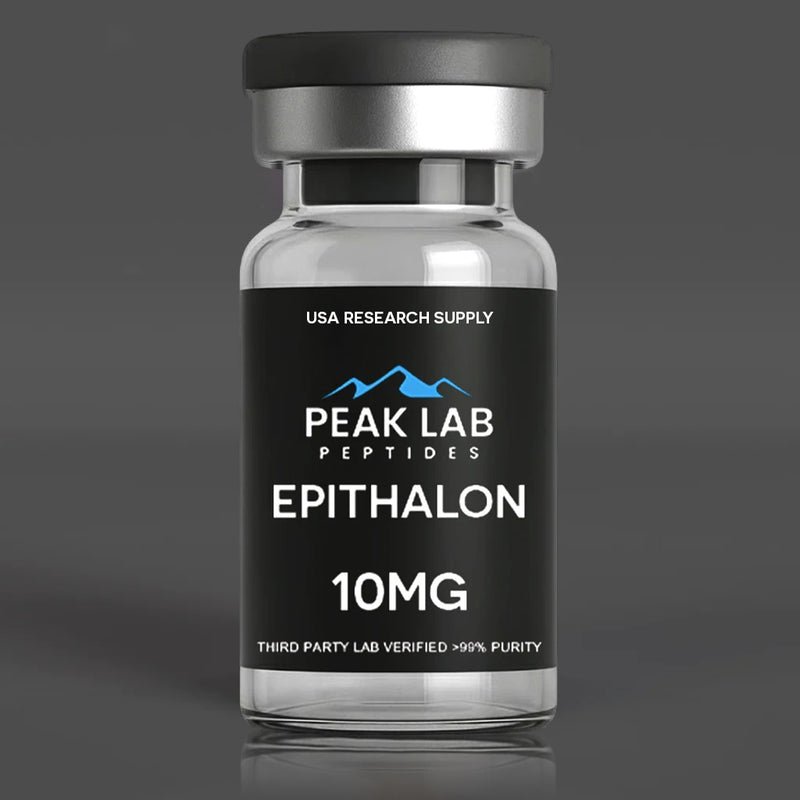
Epithalon – 10mg (Lyophilized Peptide) – For Research Use Only
Epithalon (also known as Epitalon) is a synthetic tetrapeptide (Ala-Glu-Asp-Gly) derived from the naturally occurring pineal gland peptide Epithalamin. It is widely studied for its potential anti-aging, telomerase-activating, and longevity-enhancing effects. Research suggests that Epithalon may promote telomere extension, support circadian rhythm regulation, and improve oxidative stress resistance.
It is a popular compound in studies involving cellular aging, pineal gland function, and DNA repair mechanisms.
Product Details:
Peptide: Epithalon (Ala-Glu-Asp-Gly)
Purity: >98%
Form: Lyophilized powder
Quantity: 10mg per vial
Storage: Store at -4°F (-20°C). After reconstitution, refrigerate at 36–46°F (2–8°C) and use within 30 days.
Grade: For research purposes only. Not for human consumption, therapeutic, or diagnostic use.
Potential Research Applications:
Telomerase activation and cellular longevity studies
Anti-aging and pineal gland function research
Circadian rhythm and melatonin regulation studies
DNA repair and oxidative stress resistance models
For laboratory research only. This product is not intended to diagnose, treat, cure, or prevent any disease.
Epithalon (Epitalon) is a synthetic tetrapeptide derivative of Epithalamin, originally associated with the pineal gland and circadian-regulation research. In laboratory settings, Epithalon is primarily investigated as a potential modulator of telomerase activity—the enzyme complex involved in maintaining telomere integrity at the ends of chromosomes.
Preclinical and in vitro studies suggest that Epithalon may influence telomere dynamics, oxidative stress responses, gene expression patterns, and tissue-specific cell functions. Epithalon offered by PeakLab Peptides is intended strictly for laboratory research use only and is not approved for human or veterinary consumption, diagnosis, treatment, or prevention of any disease.
Epithalon is a short peptide that has attracted interest in aging-related research due to its reported effects on telomerase activity and telomere maintenance in experimental systems. Telomeres are repetitive DNA sequences that help preserve chromosomal stability; telomerase contributes to their upkeep in certain cell types.
In controlled research environments, Epithalon has been used to explore:
- Telomerase activation and telomere length dynamics in cell culture
- Oxidative stress and free-radical–related cellular damage
- Regulation of specific gene promoters related to immune function, extracellular matrix integrity, and circadian signaling
- Fibroblast activity, collagen and extracellular matrix maintenance in skin models
- Experimental tumor-growth kinetics and radiation-response pathways
- Melatonin synthesis and circadian-related protein expression
- Retinal structure and electrophysiologic function in selected ocular models
All findings remain exploratory and model-dependent, and are interpreted strictly within the context of basic and translational research.
5 reviews for Epithalon
1. Telomerase Modulation and Longevity Models
Early experimental work in insects and rodents reported that Epithalon exposure could influence lifespan parameters in certain models. In fruit flies and rats, some studies observed a reduction in age-related mortality indices, and in specific mouse strains predisposed to cardiovascular and oncologic conditions, trends toward longer survival were reported under defined conditions.
Mechanistic investigations in human somatic cell cultures have suggested that Epithalon may:
- Activate telomerase in vitro
- Support telomere maintenance and reduce the accumulation of DNA replication–associated errors
- Potentially modulate the balance between cellular senescence and replicative capacity in experimental systems
In parallel, Epithalon has been examined for its ability to interact with oxidative stress pathways and free radical markers, which may contribute to observed longevity-related effects in certain preclinical models. These findings are preliminary and are not indicative of clinical anti-aging outcomes.
2. Epithalon and Gene Expression
Beyond telomerase, Epithalon appears to interact with the promoter regions of several genes in cell culture research, with reported influences on transcriptional activity. Experimental work has associated Epithalon with modulation of genes such as:
- CD5 – linked to immune cell differentiation and adaptive immune responses
- IL-2 – involved in T-cell regulation and broader white blood cell signaling
- MMP2 – associated with extracellular matrix remodeling, collagen dynamics, and tissue repair
- Tram1 – related to protein processing and transport
- Arylalkylamine-N-acetyltransferase (AANAT) – a key enzyme in melatonin synthesis
- pCREB-related targets – transcription factors involved in circadian signaling and potentially anti-neoplastic pathways
- Telomerase-associated components – consistent with observations on telomere biology
These gene-level interactions position Epithalon as a useful tool compound for studying how small peptides might influence transcriptional regulation in immune, connective, circadian, and genomic-maintenance pathways.
3. Skin and Extracellular Matrix Research
Epithalon has been studied in connective tissue and skin-related models focusing on fibroblast function and extracellular matrix integrity:
- Rodent studies indicate that Epithalon may increase fibroblast activation and proliferation parameters, with reported relative increases in fibroblast activity in certain skin models.
- Fibroblasts are central to collagen, elastin, and matrix protein production, making them a key focus in wound-repair and structural-aging research.
- Research has also suggested that Epithalon can influence apoptotic markers such as caspase-3 activity in fibroblast populations, potentially supporting cell survival in defined stress contexts.
These findings support the use of Epithalon as a probe for skin biology, wound-healing, and extracellular matrix maintenance in preclinical systems.
4. Tumor Growth, Circadian Genes, and Radiation Response
Epithalon has been evaluated in several experimental oncology models:
- In rodent tumor models, repeated Epithalon administration has been associated with slower tumor growth kinetics and reduced incidence of metastasis under specific conditions.
- Mechanistic work suggests that Epithalon may interact with circadian-related genes such as PER1, a clock gene that can be under-expressed in certain tumor contexts. Altered PER1 expression has been linked to changes in tumor behavior and sensitivity to external stressors.
- Experimental data indicate that increased PER1 expression may enhance the susceptibility of tumor cells to ionizing radiation, potentially affecting thresholds for radiation-induced cell death in in vitro and in vivo systems.
These observations are strictly preclinical and are used to explore how circadian gene regulation intersects with tumor biology and treatment-response research.
5. Epithalon, Melatonin, and Circadian Regulation
Because Epithalon is associated with pineal and circadian research, its impact on melatonin-related pathways has received particular attention:
- Rat studies suggest that Epithalon may influence both synthesis and release of melatonin by modulating AANAT and pCREB-related transcription factors, which play central roles in the melatonin production pathway.
- In primate models, Epithalon has been reported to normalize or modulate melatonin secretion patterns in age-related or experimentally altered conditions.
These findings support Epithalon’s use in circadian-rhythm and neuroendocrine research, especially where melatonin and day–night regulation are key endpoints.
6. Ocular / Retinal Models
Epithalon has also been tested in visual system research:
- In rodent models of retinal degeneration, Epithalon has been associated with preservation of retinal structure and improvement in electrophysiologic measures of retinal function in a subset of treated subjects.
- These experiments suggest that Epithalon may be useful in exploring mechanisms of photoreceptor preservation, retinal signaling, and neuroprotective strategies in the eye.
Again, these results are specific to experimental systems and do not imply established clinical efficacy.
Q1: What is Epithalon in a research context?
A1: Epithalon (Epitalon) is a synthetic peptide derivative of Epithalamin studied for its potential to modulate telomerase activity, telomere maintenance, gene expression, and tissue-specific cell functions in controlled laboratory models.
Q2: Why is Epithalon associated with telomerase and telomeres?
A2: In vitro studies suggest that Epithalon can activate telomerase in certain cell types and support telomere maintenance, making it a useful tool compound for exploring how telomere biology relates to genomic stability and cellular aging mechanisms.
Q3: What other pathways does Epithalon appear to influence?
A3: Research indicates that Epithalon may affect genes involved in immune regulation, extracellular matrix remodeling, circadian rhythm, melatonin synthesis, and stress responses, providing a multifaceted platform for mechanistic studies.
Q4: Is Epithalon intended for human or veterinary use?
A4: No. Epithalon from PeakLab Peptides is supplied for research use only and is not intended for human or veterinary consumption, diagnosis, treatment, or prevention of any disease or condition.
Q5: In what types of models is Epithalon commonly studied?
A5: Epithalon is commonly used in cell culture systems, rodent and other animal models examining telomere dynamics, immune function, skin and connective tissue biology, circadian regulation, tumor growth, melatonin production, and retinal function.
Storage & Handling
All peptides are supplied as sterile, lyophilized powder and are stable when handled correctly.
- On arrival: Store vials in a cool, dry place away from heat and direct sunlight.
- Long-term (powder): For optimal longevity, keep lyophilized peptides refrigerated to help maintain integrity.
- After reconstitution: Use an appropriate research diluent (for example, BAC water). Store the reconstituted solution in the refrigerator and use within 20–30 days for best stability.
Note: Minimize exposure to moisture and repeated freeze–thaw cycles. Follow your institution's safety procedures when handling research materials.
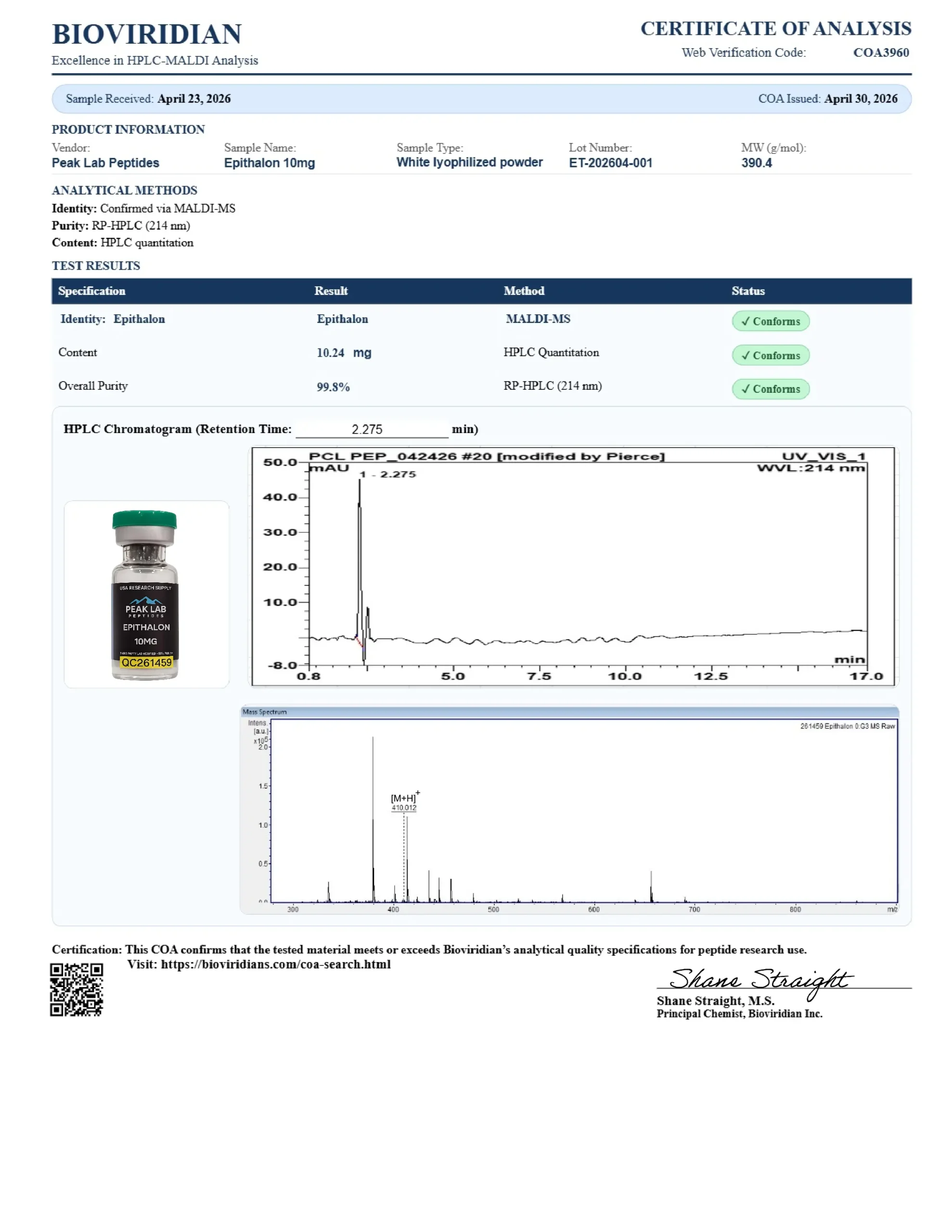
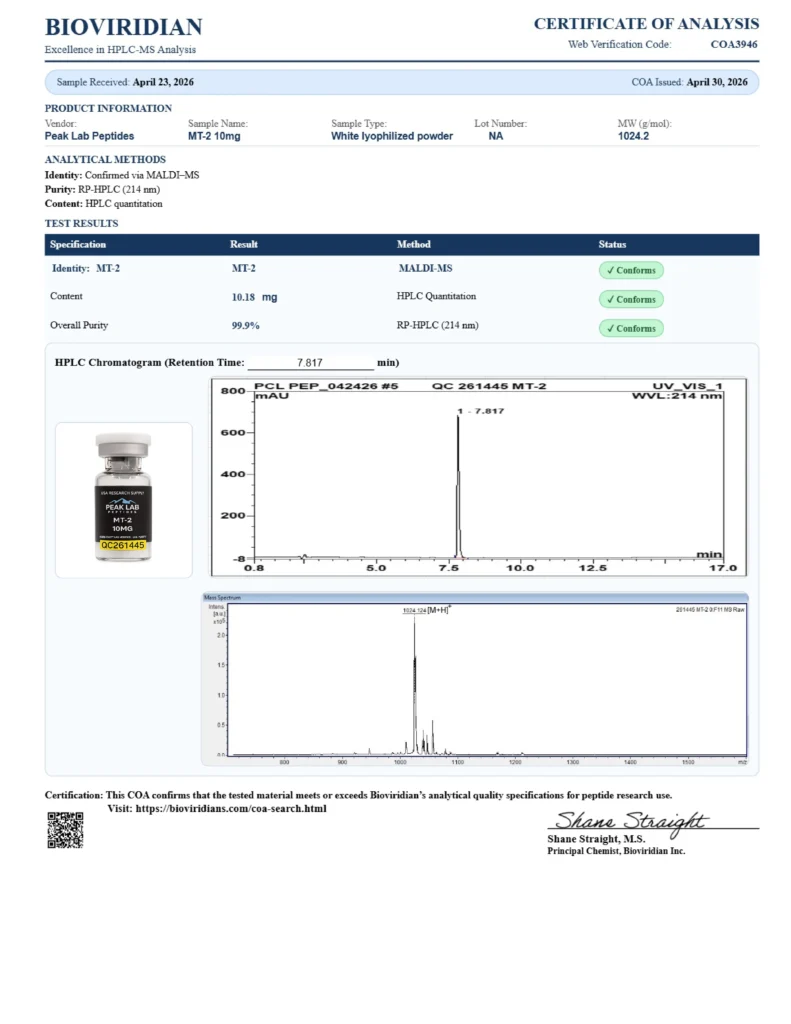
Peak Lab Peptides maintains quality-control processes and routinely performs third-party testing to support purity and identity verification. COAs are available upon request for applicable batches. Documentation may vary depending on production timelines.
We aim to make batch-level documentation available whenever possible. Our goal is to expand COA access across the full catalog as production capacity grows.
All products are for laboratory research use only and are not intended for human consumption.
Related Products
GHRP-2 Acetate
GHRP-6 Acetate
GLOW Blend 70mg (GHK-Cu 50mg, BPC-157 10mg, TB-500 10mg)
Ipamorelin
Ipamorelin
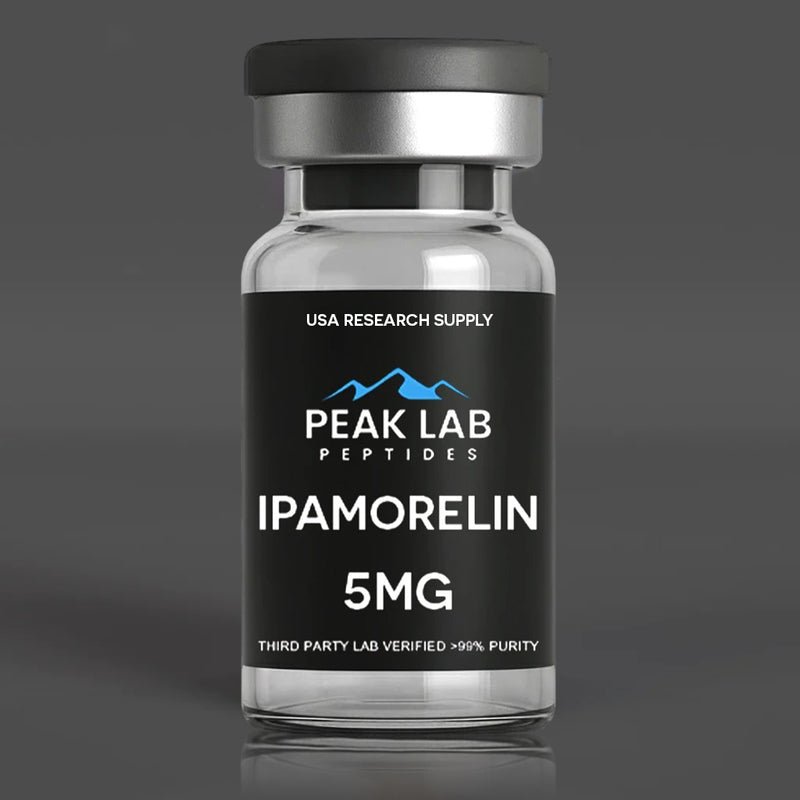
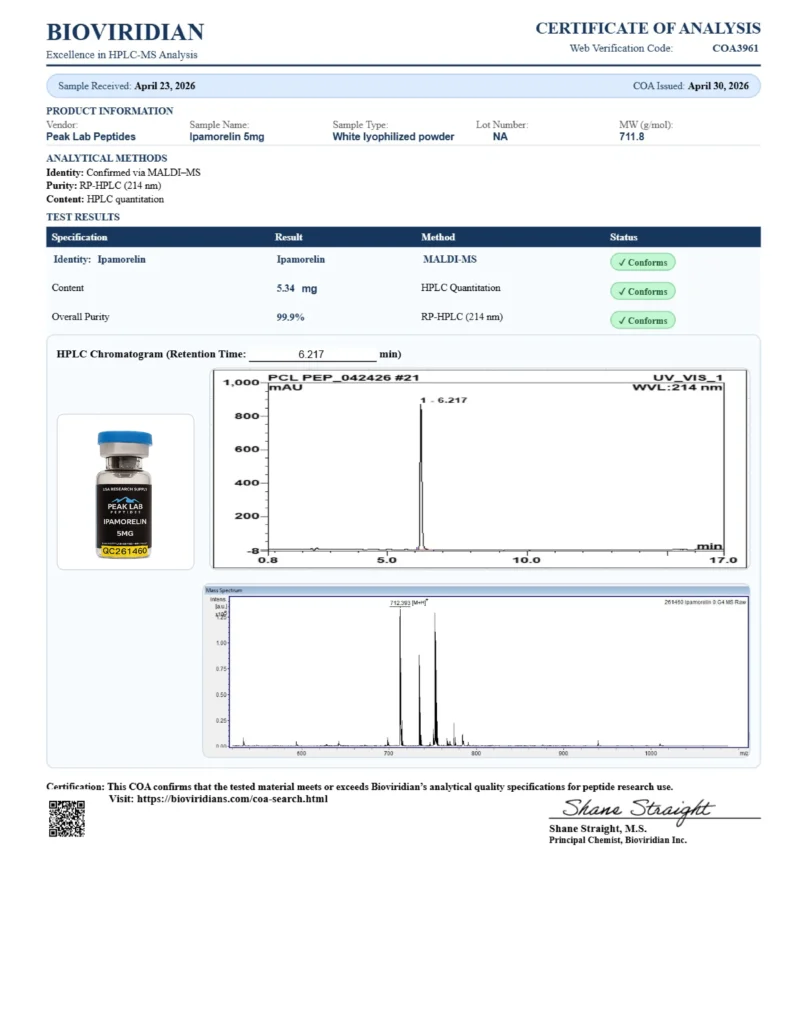
Ipamorelin – 5mg (Lyophilized Peptide) – For Research Use Only
Ipamorelin is a selective Growth Hormone Secretagogue (GHS) studied for its ability to stimulate natural growth hormone (GH) release without significantly affecting cortisol or prolactin levels. Known for its clean safety profile in research models, Ipamorelin is commonly explored in studies on muscle growth, recovery, fat metabolism, and anti-aging.
Ipamorelin is often paired in research with other GH-releasing peptides like CJC-1295 No DAC for synergistic effects.
Product Details:
-
Peptide: Ipamorelin
-
Purity: >98%
-
Form: Lyophilized powder
-
Quantity: 5mg per vial
-
Storage: Store at -4°F (-20°C). After reconstitution, refrigerate at 36–46°F (2–8°C) and use within 30 days.
-
Grade: For research purposes only. Not for human consumption, therapeutic, or diagnostic use.
Potential Research Applications:
-
Growth hormone secretion and endocrine studies
-
Muscle growth, recovery, and anti-aging research models
-
Fat metabolism and body composition studies
-
GH axis and pituitary function investigations
For laboratory research only. This product is not intended to diagnose, treat, cure, or prevent any disease.
LL-37 (5mg)
LL-37 – 5mg (Lyophilized Peptide in 3ml Vial) – For Research Use Only
LL-37 is a human antimicrobial peptide derived from the cathelicidin family, extensively studied for its roles in innate immunity, antimicrobial defense, wound healing, and inflammation regulation. LL-37 exhibits broad-spectrum activity against bacteria, viruses, and fungi, and plays a key role in modulating the body’s immune and inflammatory responses. In research, LL-37 is of particular interest in models exploring skin healing, immune signaling, tissue regeneration, and antimicrobial resistance.Product Details:
Peptide: LL-37 Purity: >98% Form: Lyophilized powder Quantity: 5mg per vial Vial Size: 3ml sterile glass vial Storage: Store at -4°F (-20°C). After reconstitution, refrigerate at 36–46°F (2–8°C) and use within 30 days. Grade: For research purposes only. Not for human consumption, therapeutic, or diagnostic use.Potential Research Applications:
Antimicrobial and infection control models Wound healing and skin regeneration studies Immune system modulation and inflammation research Studies on epithelial repair and barrier function For laboratory research use only. This product is not intended to diagnose, treat, cure, or prevent any disease.Melatonin
Melatonin
Melatonin – 100mg (Lyophilized Powder) – For Research Use Only
Melatonin is a naturally occurring hormone produced by the pineal gland, primarily known for its role in regulating the sleep-wake cycle (circadian rhythm). In research, Melatonin is studied for its potential effects on sleep regulation, antioxidant activity, immune modulation, and neuroprotection.
Studies have also explored its impact on oxidative stress and inflammation in various biological models.
Product Details:
-
Compound: Melatonin (N-Acetyl-5-methoxytryptamine)
-
Purity: >98%
-
Form: Lyophilized powder
-
Quantity: 100mg per vial
-
Storage: Store at -4°F (-20°C). After reconstitution, refrigerate at 36–46°F (2–8°C) and use within 30 days.
-
Grade: For research use only. Not for human consumption or therapeutic use.
Potential Research Applications:
-
Sleep and circadian rhythm studies
-
Antioxidant and oxidative stress research
-
Immune modulation investigations
-
Neuroprotection and anti-aging models
NAD+
NAD+ (Nicotinamide Adenine Dinucleotide)
NAD+ (Nicotinamide Adenine Dinucleotide) – 500mg (Lyophilized Powder) – For Research Use Only
NAD+ is a vital coenzyme found in all living cells, playing a critical role in energy metabolism, mitochondrial function, and cellular repair. It is heavily studied in research models exploring aging, metabolic health, oxidative stress, and neuroprotection.
NAD+ is particularly significant in studies on sirtuin activation, DNA repair pathways, and mitochondrial health, making it a key component of advanced longevity and metabolic research.
Product Details:
-
Compound: NAD+ (Nicotinamide Adenine Dinucleotide)
-
Purity: >98%
-
Form: Lyophilized powder
-
Quantity: 500mg per vial
-
Storage: Store at -4°F (-20°C). After reconstitution, refrigerate at 36–46°F (2–8°C) and use within 30 days.
-
Grade: For research purposes only. Not for human consumption, therapeutic, or diagnostic use.
Potential Research Applications:
-
Mitochondrial function and energy metabolism studies
-
Anti-aging, longevity, and sirtuin pathway research
-
DNA repair and oxidative stress models
-
Neuroprotection and cognitive function investigations
For laboratory research only. This product is not intended to diagnose, treat, cure, or prevent any disease.
Oxytocin Acetate
Oxytocin
Oxytocin Acetate – 2mg (Lyophilized Peptide) – For Research Use Only
Oxytocin Acetate is a synthetic peptide analog of the naturally occurring hormone Oxytocin, primarily known for its role in social bonding, reproductive function, and emotional regulation. In research, Oxytocin Acetate is commonly studied for its potential effects on behavioral response, stress adaptation, mood regulation, and social interaction models.
Studies have also explored its influence on neurological pathways, trust behaviors, and hormonal modulation.
Product Details:
-
Peptide: Oxytocin Acetate
-
Purity: >98%
-
Form: Lyophilized powder
-
Quantity: 2mg per vial
-
Storage: Store at -4°F (-20°C). After reconstitution, refrigerate at 36–46°F (2–8°C) and use within 30 days.
-
Grade: For research purposes only. Not for human consumption, therapeutic, or diagnostic use.
Potential Research Applications:
-
Social behavior and bonding studies
-
Stress response and mood regulation research
-
Hormonal modulation and endocrine studies
-
Neurobehavioral and cognitive function models
For laboratory research use only. This product is not intended to diagnose, treat, cure, or prevent any disease.
Selank 10/11mg
Selank
Selank – 11mg (Lyophilized Peptide) – For Research Use Only
Selank is a synthetic peptide analog of the naturally occurring tetrapeptide Tuftsin, extensively studied for its potential nootropic, anxiolytic, and immunomodulatory properties. Research suggests that Selank may support cognitive function, anxiety reduction, and immune system regulation through its interaction with neurotransmitter systems, particularly GABA and serotonin pathways.
Product Details:
-
Peptide: Selank (Tuftsin analog)
-
Purity: >98%
-
Form: Lyophilized powder
-
Quantity: 11mg per vial
-
Storage: Store at -4°F (-20°C). After reconstitution, refrigerate at 36–46°F (2–8°C) and use within 30 days.
-
Grade: For research purposes only. Not for human consumption, therapeutic, or diagnostic use.
Potential Research Applications:
-
Nootropic and cognitive function studies
-
Anxiolytic and mood regulation research
-
Immune modulation and cytokine balance exploration
-
Neurotransmitter activity and brain health models
For laboratory research only. This product is not intended to diagnose, treat, cure, or prevent any disease.

Rebecca –
Products were properly sealed, neatly packed, and arrived in perfect condition.
Stephanie –
Customer support was responsive and helpful, making the entire process stress-free.
Deborah –
High-quality research peptides at fair prices, especially during discount sales.
Melissa –
Orders are processed quickly and delivered without unnecessary delays.
Amanda –
Packaging and presentation reflect strong attention to detail and professionalism.