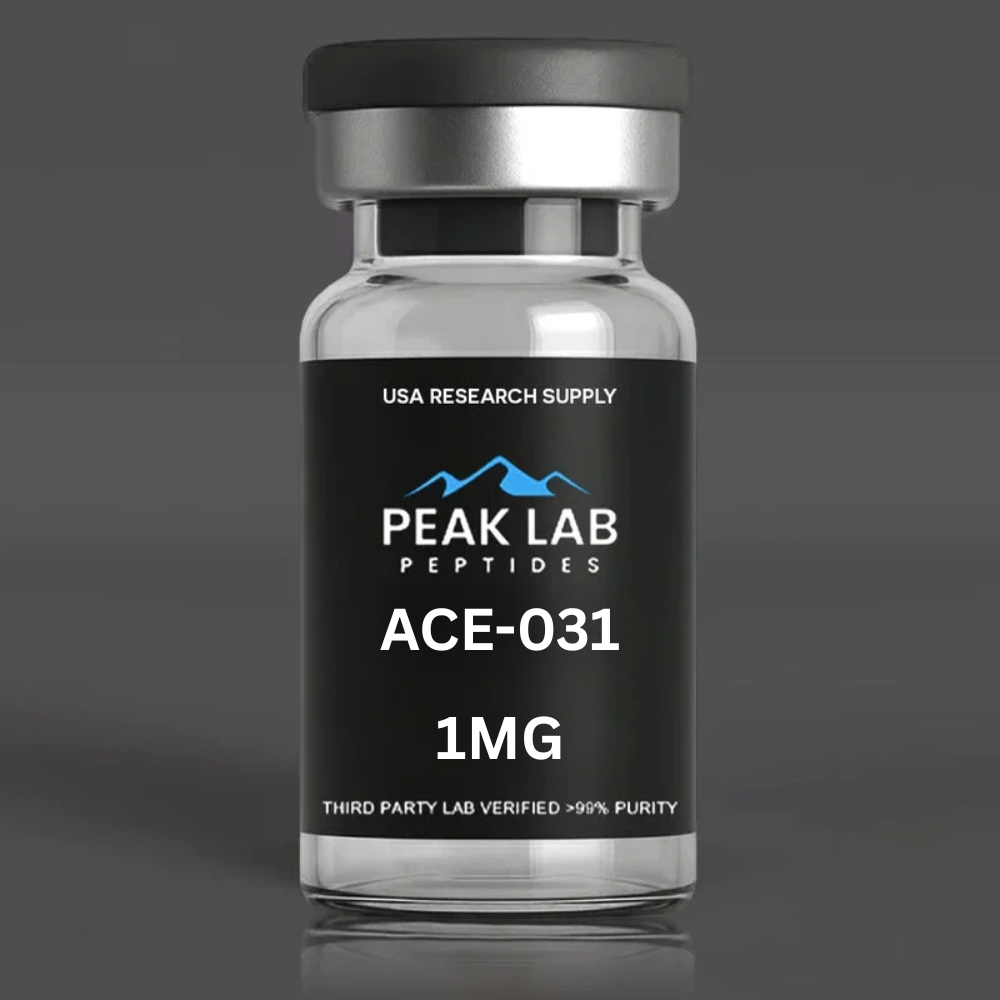
ACE-031

$134.00 Original price was: $134.00.$107.20Current price is: $107.20.
In stock
Become a Member and save 20% on Every Order.
Description
ACE-031 is a soluble research protein designed as a fusion of the activin receptor type IIB (ACVR2B) extracellular domain with an IgG1-Fc fragment. It has been widely explored as a tool compound in studies focused on myostatin and related members of the TGF-β superfamily, which are known regulators of skeletal muscle mass, bone remodeling, and metabolic signaling in experimental systems.
In preclinical and experimental settings, ACE-031 is used to investigate how modulation of the myostatin/ActRIIB pathway may influence muscle cell biology, bone density parameters, lipid handling, and broader energy metabolism. ACE-031 from PeakLab Peptides is intended strictly for laboratory research use only and is not approved for human or veterinary consumption.
ACE-031 is often described as a recombinant fusion protein that acts as a decoy receptor for myostatin and related ligands. By presenting the ligand-binding domain of ACVR2B linked to an IgG1-Fc backbone, ACE-031 is engineered to bind circulating myostatin and similar molecules in research models, thereby preventing their interaction with native activin receptors.
Because myostatin is a well-characterized negative regulator of muscle growth in animal systems, ACE-031 has become a central molecule in studies examining:
- Skeletal muscle mass regulation and muscle fiber morphology
- Bone metabolism and mineral density in preclinical models
- Lipid storage and adipose tissue signaling
- Energy metabolism, oxidative stress, and mitochondrial function
- Muscle wasting and cachexia in neuromuscular and oncology research models
All investigations remain confined to controlled experimental environments, and any findings are exploratory in nature.
ACE-031 and Muscle Cells
In laboratory models, ACE-031 has been examined for its ability to interfere with myostatin signaling, a pathway associated with limiting muscle cell growth and differentiation. By binding myostatin and related ligands, ACE-031 is used to probe how reduced myostatin activity might affect:
- Muscle fiber size and lean mass in animal studies
- Muscle tissue volume (e.g., thigh muscle volume) over defined study periods
- Cross-talk between muscle cells, bone cells, and adipose tissue in complex metabolic models
Some preclinical experiments have reported increases in lean mass and regional muscle volume shortly after ACE-031 exposure, along with monitored changes in bone and fat-related markers. These observations are specific to controlled research systems and are not indicative of clinical performance.
ACE-031 and Energy Metabolism
Researchers have also used ACE-031 to investigate links between myostatin/ActRIIB signaling and muscle energy metabolism. Experimental work has assessed endpoints such as:
- Serum lactate concentrations and markers of metabolic stress
- Capillarization and vascular features within muscle tissue
- Indicators of oxidative damage and mitochondrial function
By blocking myostatin in these models, ACE-031 provides a platform for studying how altered signaling may influence fatigue-related parameters, oxidative balance, and oxygen delivery within skeletal muscle. These studies are mechanistic and are not designed to evaluate clinical outcomes.
ACE-031 and Muscle Force
Several preclinical studies have evaluated how ACE-031 exposure may influence muscle contractile properties. In these models, researchers have measured:
- Maximum force output and total contractile force of isolated muscles
- Thermodynamic variables, including oxidative respiration metrics
- ATP levels and indicators of contractile efficiency
Some reports describe increased force-generation metrics with relatively stable ATP and efficiency parameters, suggesting that myostatin pathway modulation can be used to explore the relationship between structural muscle changes and functional output in vitro and in vivo experimental systems.
ACE-031 and Muscle Repair
Muscle-wasting models, including those designed to mimic Duchenne Muscular Dystrophy (DMD) and related neuromuscular disorders, have been used to study ACE-031 as a myostatin-pathway probe. In these systems:
- Loss of functional dystrophin and elevated myostatin release from damaged fibers are key features
- Myostatin may influence surrounding muscle cells and contribute to ongoing atrophy
ACE-031 has been introduced in such research models to evaluate whether interference with myostatin signaling affects markers of muscle integrity, lean mass, and structural preservation. Investigators have monitored endpoints such as lean body mass, bone-related parameters, and adipose markers, but these results remain preliminary and confined to non-clinical contexts.
ACE-031 and Bone Density
The ActRIIB/myostatin axis is also implicated in bone turnover, leading to interest in ACE-031 as a tool compound in bone metabolism research. In certain animal models where ACE-031 was administered over several weeks, researchers have reported:
- Changes in total body weight and lean mass
- Increases in bone mineral density and bone mineral content
- Decreases in osteoclast populations and alterations in bone biomechanics, including stiffness and load-bearing capacity
Some data suggest substantial relative increases in bone mass and regional bone density (e.g., in the femur and vertebrae) in these models. These findings are experimental and are interpreted in the context of understanding bone remodeling pathways rather than as evidence of clinical benefit.
ACE-031 and Cancer-Associated Muscle Loss
Cancer cachexia and other malignancy-associated muscle-wasting phenomena are characterized by muscle fiber atrophy, altered mitochondrial function, and elevated oxidative stress. In such research settings, ACE-031 has been used to explore:
- Activation of signaling cascades such as the ERK1/2 pathway in muscle tissue
- Markers of apoptosis and muscle fiber atrophy
- Mitochondrial metabolism, ATP production, and free radical generation
Certain laboratory models have reported that modulation of myostatin/ActRIIB signaling with ACE-031 may influence these endpoints, leading to ongoing interest in its use as a research probe in cancer-related muscle loss. Additional exploratory work has examined how myostatin pathway interference may relate to insulin sensitivity, fat storage, tissue inflammation, and bone remodeling, all strictly within experimental contexts.
Q1: What is ACE-031?
A1: ACE-031 is a recombinant fusion protein combining the extracellular domain of activin receptor type IIB (ACVR2B) with an IgG1-Fc fragment. It is studied as a soluble myostatin-binding protein in laboratory research.
Q2: What are the main research applications of ACE-031?
A2: ACE-031 is commonly used to investigate myostatin and TGF-β superfamily signaling in studies of skeletal muscle biology, bone metabolism, lipid storage, and energy regulation in preclinical models.
Q3: Is ACE-031 intended for human or veterinary use?
A3: No. ACE-031 from PeakLab Peptides is supplied strictly for laboratory research use only. It is not intended for human or veterinary consumption, diagnosis, treatment, or prevention of any disease.
Q4: In what form is ACE-031 typically supplied for research?
A4: ACE-031 is generally supplied as a sterile, research-grade protein preparation (commonly as a lyophilized material or solution) suitable for controlled experimental use by qualified professionals. Packaging format may vary by supplier.
Q5: How should ACE-031 be stored in the laboratory?
A5: Researchers usually store ACE-031 according to standard protein-handling practices—typically in a cool, dry environment and, once reconstituted, at appropriate refrigerated or frozen conditions as defined by internal lab protocols and stability data.
Storage & Handling
All peptides are supplied as sterile, lyophilized powder and are stable when handled correctly.
- On arrival: Store vials in a cool, dry place away from heat and direct sunlight.
- Long-term (powder): For optimal longevity, keep lyophilized peptides refrigerated to help maintain integrity.
- After reconstitution: Use an appropriate research diluent (for example, BAC water). Store the reconstituted solution in the refrigerator and use within 20–30 days for best stability.
Note: Minimize exposure to moisture and repeated freeze–thaw cycles. Follow your institution's safety procedures when handling research materials.
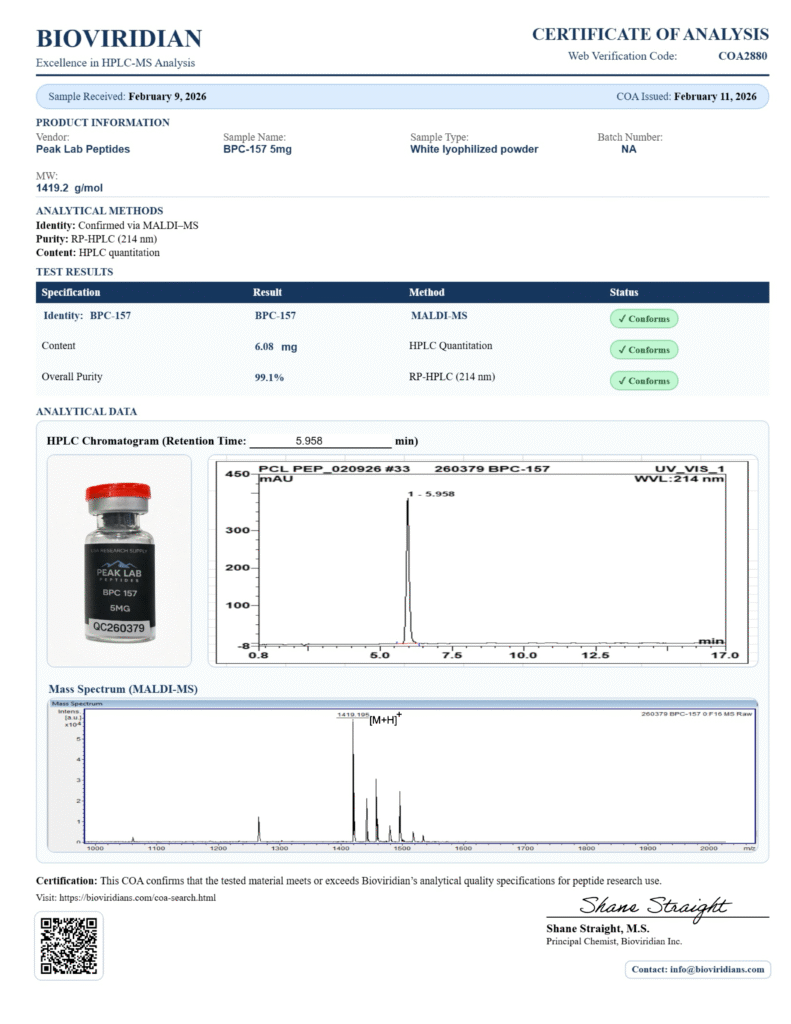
Peak Lab Peptides maintains quality-control processes and routinely performs third-party testing to support purity and identity verification. COAs are available upon request for applicable batches. Documentation may vary depending on production timelines.
We aim to make batch-level documentation available whenever possible. Our goal is to expand COA access across the full catalog as production capacity grows.
All products are for laboratory research use only and are not intended for human consumption.
Related Products
AOD9604
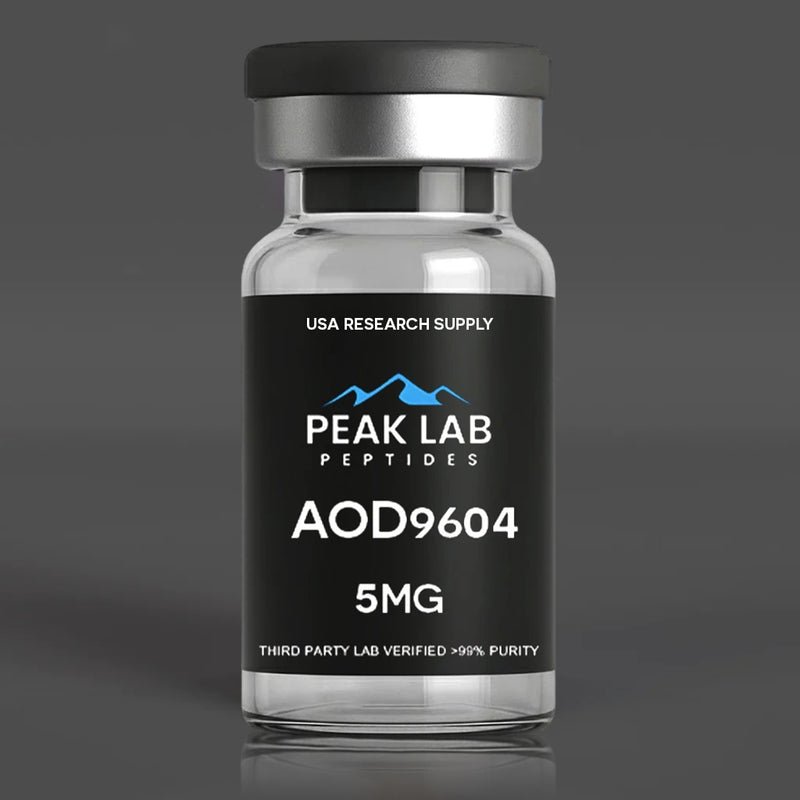
AOD9604
AOD-9604 – 5mg (Lyophilized Peptide) – For Research Use Only
AOD-9604 is a modified fragment of human growth hormone (HGH), specifically amino acids 176–191, developed for its potential role in fat metabolism and lipolysis research. Unlike full-sequence HGH, AOD-9604 is studied for its ability to promote fat breakdown without influencing blood sugar or IGF-1 levels, making it a focus of metabolic and weight management studies.
Research has explored its effects on adipose tissue, body composition, and metabolic rate regulation.
Product Details:
-
Peptide: AOD-9604 (HGH Fragment 176–191)
-
Purity: >98%
-
Form: Lyophilized powder
-
Quantity: 5mg per vial
-
Storage: Store at -4°F (-20°C). After reconstitution, refrigerate at 36–46°F (2–8°C) and use within 30 days.
-
Grade: For research purposes only. Not for human consumption, therapeutic, or diagnostic use.
Potential Research Applications:
-
Fat metabolism and lipolysis studies
-
Obesity and weight management research models
-
Adipose tissue regulation investigations
-
Metabolic health and energy balance research
BPC-157, TB-500 – “Wolverine Stack”
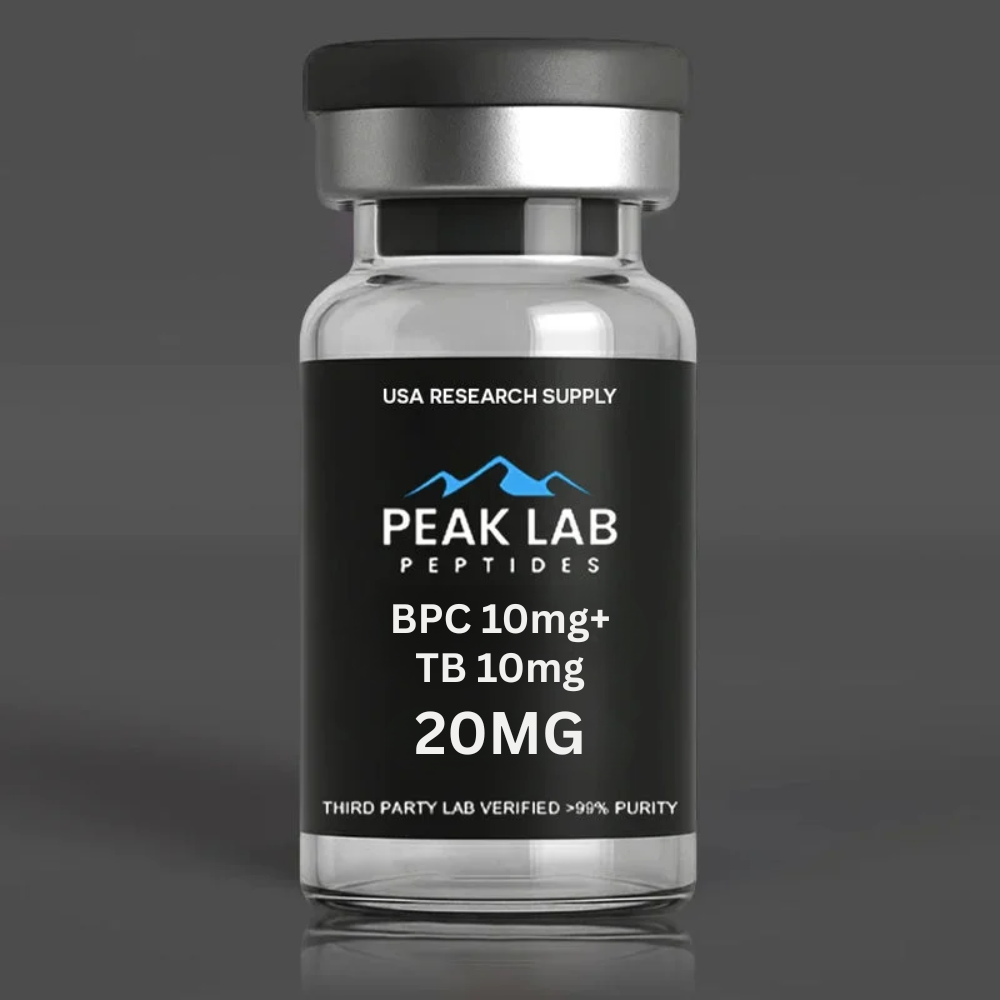
BPC-157 and TB-500
BPC-157 + TB-500 – 10mg (Lyophilized Peptide Blend) – For Research Use Only
This advanced research peptide blend combines BPC-157 and TB-500 (Thymosin Beta-4 Fragment) — two well-studied peptides known for their potential in tissue repair, inflammation control, and accelerated recovery.
-
BPC-157 is a synthetic peptide derived from a gastric protein, studied for its possible role in gut health, tendon and ligament repair, and inflammation modulation.
-
TB-500 is a synthetic fragment of Thymosin Beta-4, researched for its potential to promote cell migration, angiogenesis, and muscle recovery.
Together, this combination is highly sought after in research models involving injury recovery, soft tissue repair, and anti-inflammatory studies.
Product Details:
-
Peptides: BPC-157 + TB-500 (5mg each unless otherwise specified)
-
Purity: >98%
-
Form: Lyophilized powder
-
Quantity: 10mg per vial
-
Storage: Store at -4°F (-20°C). After reconstitution, refrigerate at 36–46°F (2–8°C) and use within 30 days.
-
Grade: For research purposes only. Not for human consumption, therapeutic, or diagnostic use.
Potential Research Applications:
-
Injury recovery and soft tissue repair studies
-
Tendon, ligament, and muscle healing models
-
Anti-inflammatory and immune modulation research
-
Angiogenesis and cellular regeneration investigations
For laboratory research only. This product is not intended to diagnose, treat, cure, or prevent any disease.
CJC-1295 (WITH DAC)
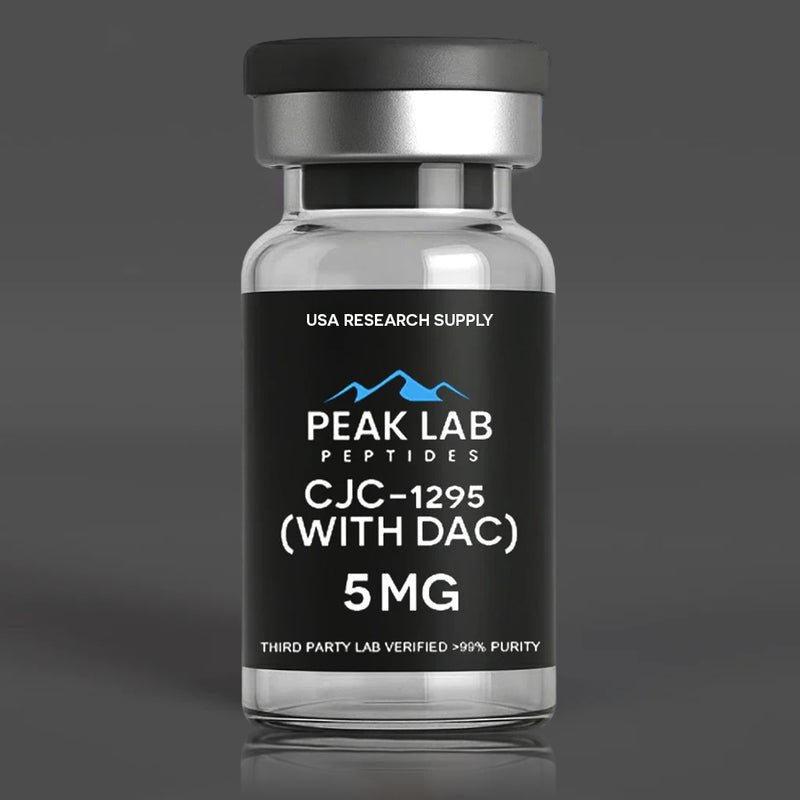
CJC-1295 with DAC
CJC-1295 with DAC – 5mg (Lyophilized Peptide) – For Research Use Only
CJC-1295 with DAC (Drug Affinity Complex) is a long-acting analog of Growth Hormone-Releasing Hormone (GHRH), designed to promote sustained release of growth hormone (GH) in research models. The DAC modification significantly extends its half-life, allowing for prolonged activity and making it ideal for studies on muscle growth, recovery, anti-aging, and fat metabolism.
CJC-1295 with DAC is often paired in research with peptides like Ipamorelin for synergistic GH axis stimulation.
Product Details:
-
Peptide: CJC-1295 with DAC
-
Purity: >98%
-
Form: Lyophilized powder
-
Quantity: 5mg per vial
-
Storage: Store at -4°F (-20°C). After reconstitution, refrigerate at 36–46°F (2–8°C) and use within 30 days.
-
Grade: For research purposes only. Not for human consumption, therapeutic, or diagnostic use.
Potential Research Applications:
-
Sustained growth hormone release studies
-
Muscle growth, recovery, and anti-aging research models
-
Fat metabolism and body composition investigations
-
Long-acting GHRH analog research
For laboratory research only. This product is not intended to diagnose, treat, cure, or prevent any disease.
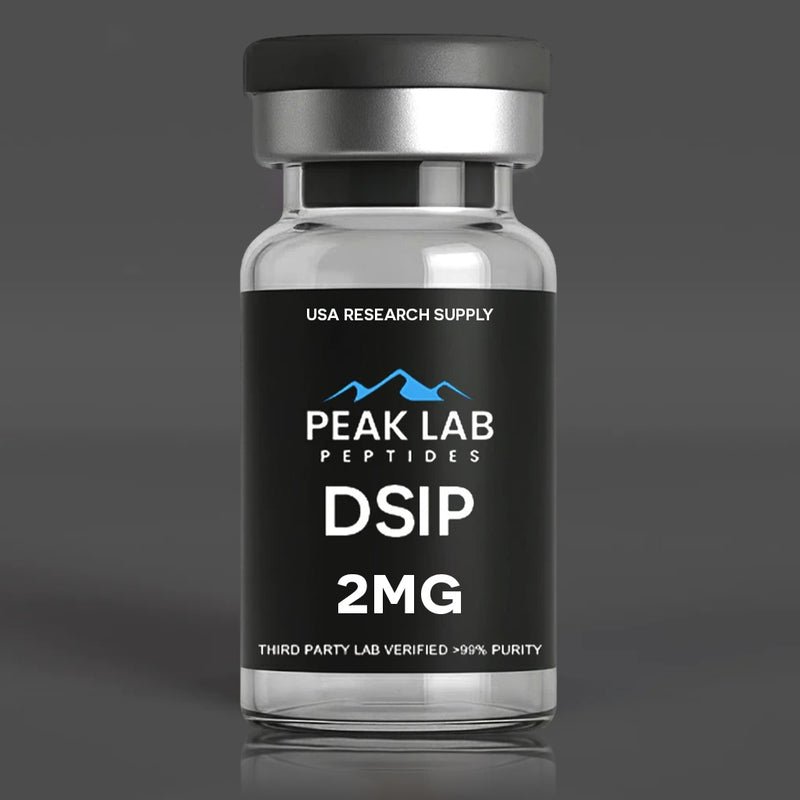
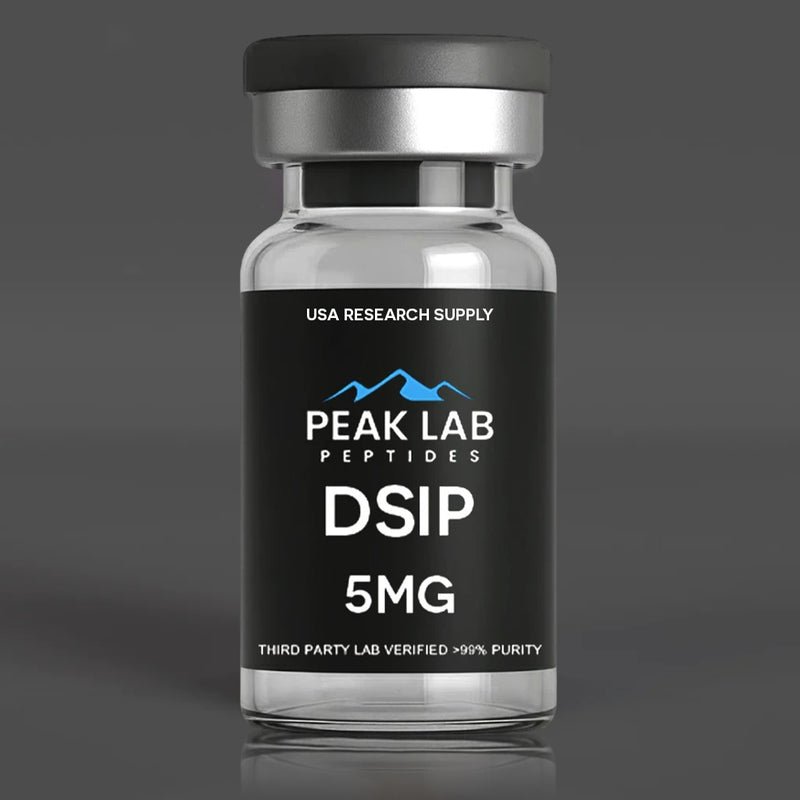
DSIP
DSIP (Delta Sleep-Inducing Peptide)
DSIP (Delta Sleep-Inducing Peptide) – 5mg (Lyophilized Powder) – For Research Use Only
DSIP is a naturally occurring neuropeptide studied for its potential role in sleep regulation, stress response, and neuroendocrine function. Originally isolated from the brain, DSIP is of particular interest in research on sleep patterns, circadian rhythm modulation, and stress adaptation mechanisms.
Studies have also explored its potential influence on hormone release, oxidative stress, and neuroprotection.
Product Details:
-
Peptide: DSIP (Delta Sleep-Inducing Peptide)
-
Purity: >98%
-
Form: Lyophilized powder
-
Quantity: 5mg per vial
-
Storage: Store at -4°F (-20°C). After reconstitution, refrigerate at 36–46°F (2–8°C) and use within 30 days.
-
Grade: For research purposes only. Not for human consumption, therapeutic, or diagnostic use.
Potential Research Applications:
-
Sleep regulation and circadian rhythm studies
-
Stress adaptation and cortisol modulation research
-
Neuroprotection and oxidative stress models
-
Endocrine system and hormone balance investigations
For laboratory research only. This product is not intended to diagnose, treat, cure, or prevent any disease.
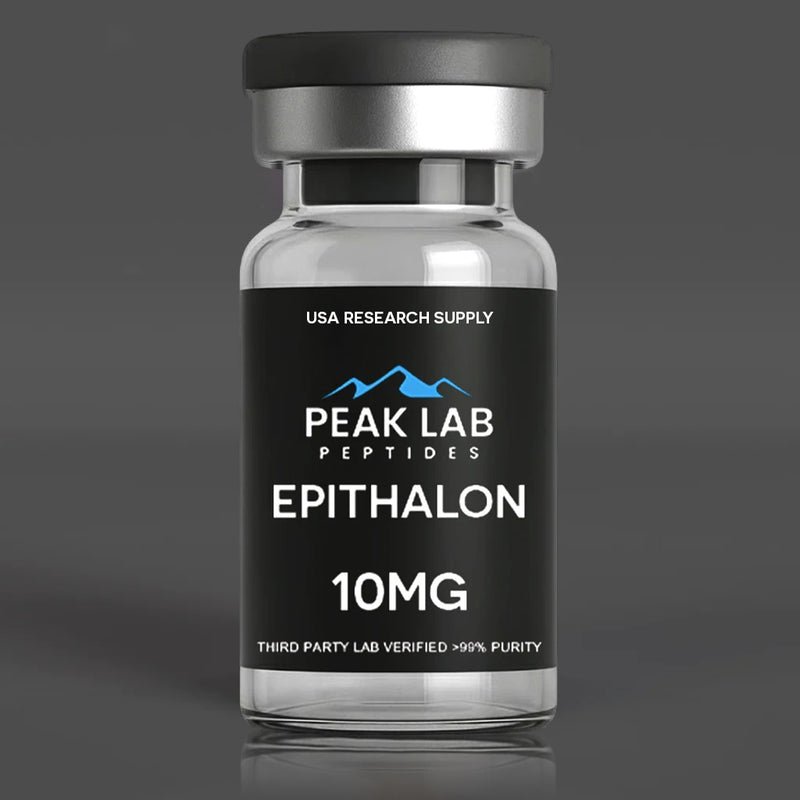
Epithalon
Epithalon – 10mg (Lyophilized Peptide) – For Research Use Only
Epithalon (also known as Epitalon) is a synthetic tetrapeptide (Ala-Glu-Asp-Gly) derived from the naturally occurring pineal gland peptide Epithalamin. It is widely studied for its potential anti-aging, telomerase-activating, and longevity-enhancing effects. Research suggests that Epithalon may promote telomere extension, support circadian rhythm regulation, and improve oxidative stress resistance. It is a popular compound in studies involving cellular aging, pineal gland function, and DNA repair mechanisms. Product Details: Peptide: Epithalon (Ala-Glu-Asp-Gly) Purity: >98% Form: Lyophilized powder Quantity: 10mg per vial Storage: Store at -4°F (-20°C). After reconstitution, refrigerate at 36–46°F (2–8°C) and use within 30 days. Grade: For research purposes only. Not for human consumption, therapeutic, or diagnostic use. Potential Research Applications: Telomerase activation and cellular longevity studies Anti-aging and pineal gland function research Circadian rhythm and melatonin regulation studies DNA repair and oxidative stress resistance models For laboratory research only. This product is not intended to diagnose, treat, cure, or prevent any disease.
GHRP-2 Acetate
Glutathione
Glutathione
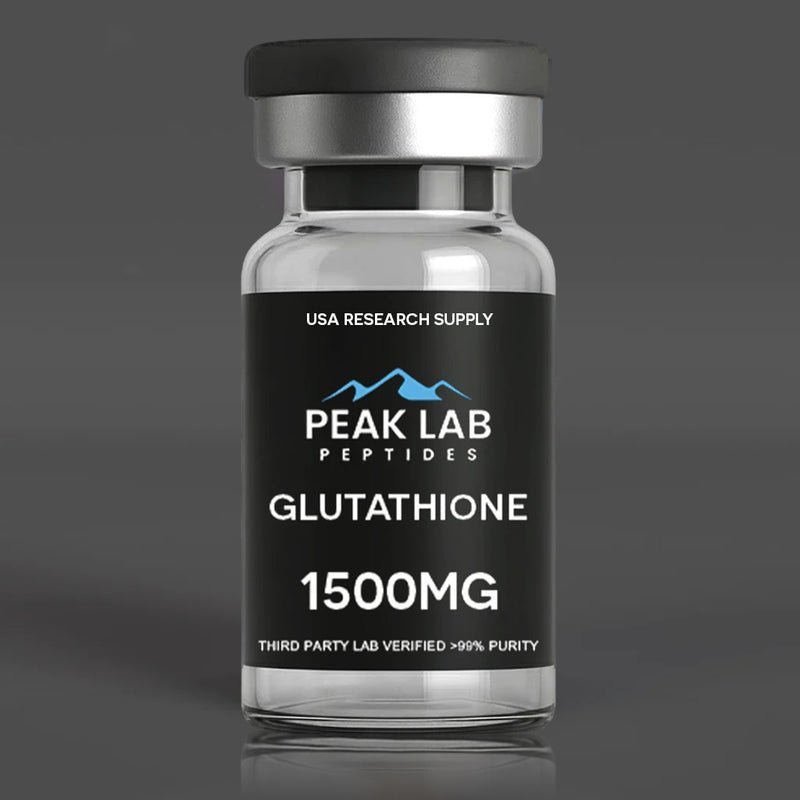
Glutathione – 1500mg (Lyophilized Powder) – For Research Use Only
Glutathione is a naturally occurring tripeptide composed of glutamine, cysteine, and glycine. It functions as a major intracellular antioxidant and plays a critical role in cellular detoxification, oxidative stress reduction, and immune support.
Widely studied for its potential in anti-aging, liver health, and cellular repair models, Glutathione supports the body’s natural defense mechanisms against free radicals and environmental toxins.
Product Details:
-
Compound: Glutathione (γ-L-Glutamyl-L-cysteinylglycine)
-
Purity: >98%
-
Form: Lyophilized powder
-
Quantity: 600mg or 1500mg per vial
-
Storage: Store at -4°F (-20°C). After reconstitution, refrigerate at 36–46°F (2–8°C) and use within 30 days.
-
Grade: For research use only. Not for human consumption or therapeutic applications.
Potential Research Applications:
-
Oxidative stress and antioxidant activity studies
-
Cellular detoxification and immune response research
-
Anti-aging and skin health models
-
Liver function and protective mechanism investigations