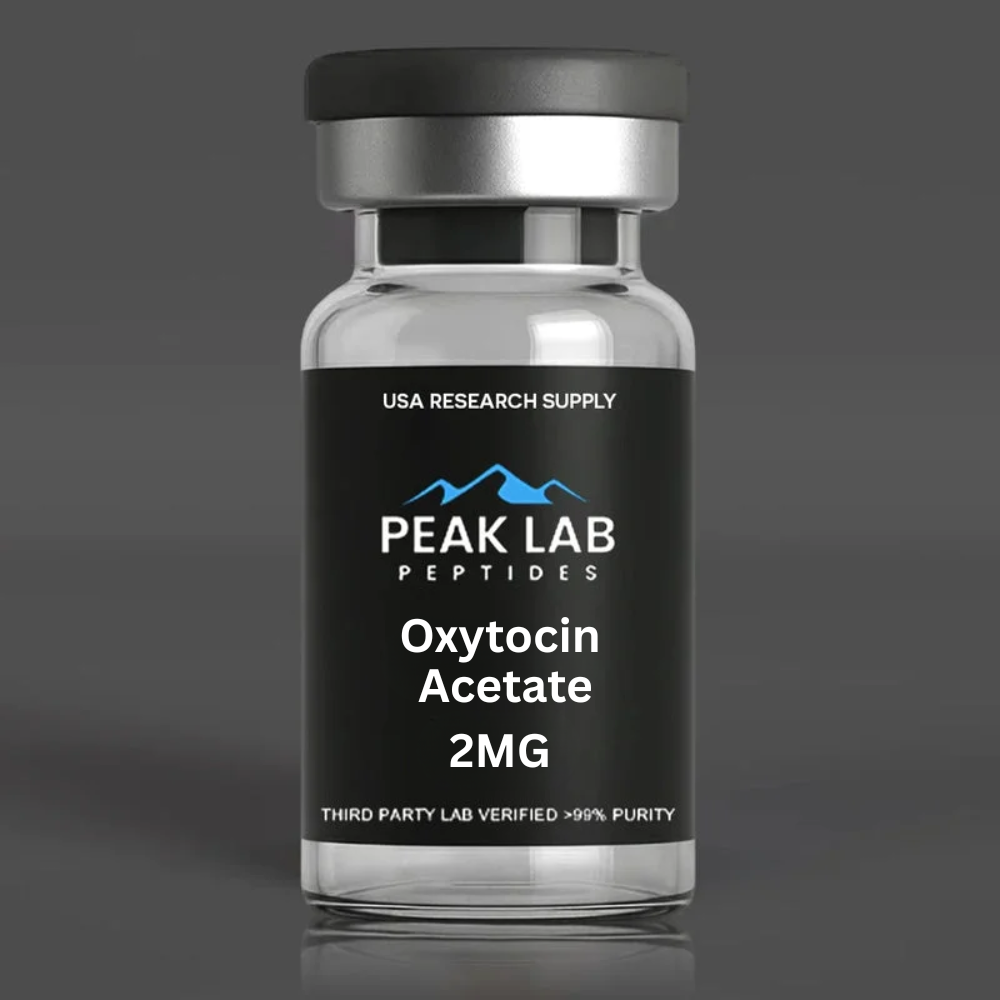
Oxytocin Acetate
$33.00 Original price was: $33.00.$26.00Current price is: $26.00.
In stock

In stock
Become a Member and save 20% on Every Order.
Description
Oxytocin
Oxytocin Acetate – 2mg (Lyophilized Peptide) – For Research Use Only
Oxytocin Acetate is a synthetic peptide analog of the naturally occurring hormone Oxytocin, primarily known for its role in social bonding, reproductive function, and emotional regulation. In research, Oxytocin Acetate is commonly studied for its potential effects on behavioral response, stress adaptation, mood regulation, and social interaction models.
Studies have also explored its influence on neurological pathways, trust behaviors, and hormonal modulation.
Product Details:
-
Peptide: Oxytocin Acetate
-
Purity: >98%
-
Form: Lyophilized powder
-
Quantity: 2mg per vial
-
Storage: Store at -4°F (-20°C). After reconstitution, refrigerate at 36–46°F (2–8°C) and use within 30 days.
-
Grade: For research purposes only. Not for human consumption, therapeutic, or diagnostic use.
Potential Research Applications:
-
Social behavior and bonding studies
-
Stress response and mood regulation research
-
Hormonal modulation and endocrine studies
-
Neurobehavioral and cognitive function models
For laboratory research use only. This product is not intended to diagnose, treat, cure, or prevent any disease.
THIS IS NOT FOR HUMAN CONSUMPTION. SOLD FOR RESEARCH ONLY!
Oxytocin is a naturally occurring peptide hormone and neuropeptide widely studied for its role in cell-to-cell signaling across both the nervous and endocrine systems. In research settings, oxytocin is commonly used to investigate oxytocin receptor (OXTR) signaling, neuroendocrine communication, and the biochemical mechanisms that influence social-behavioral and peripheral physiology models. Because oxytocin participates in tightly regulated signaling pathways, it is frequently included in controlled laboratory work focused on receptor binding, downstream signaling, and pathway mapping. Supplied as a research peptide, oxytocin is intended for qualified laboratory and educational research only. Not for human or veterinary use.
Oxytocin is often described in the scientific literature as a peptide with both central (neural) and peripheral (hormonal) signaling roles, depending on where it is released and which tissues express oxytocin receptors. In research models, oxytocin is used as a tool compound to explore how OXTR activation influences signaling cascades in cell-based systems and how oxytocin-related pathways interact with broader neuroendocrine networks.
Common research characteristics:
- Category: Neuropeptide / peptide hormone (research use)
- Primary target studied: Oxytocin receptor (OXTR) signaling
- Typical research use cases: Receptor binding studies, signaling assays, pathway characterization
- Format: Commonly supplied as a lyophilized peptide for laboratory handling and storage stability
Oxytocin is a frequent subject of non-clinical research due to its involvement in receptor-mediated signaling in multiple tissues and its broader role as a communication molecule between cells.
Common research applications include:
- Receptor pharmacology and signaling: Oxytocin is used in controlled assays to evaluate OXTR activation, dose–response behavior (for research measurement only), and downstream pathway activity in receptor-expressing cell lines.
- Neuroendocrine and behavioral-model research: Researchers may use oxytocin as a pathway probe when studying neuroendocrine signaling frameworks and social-behavioral paradigms in non-human models.
- Inflammation and tissue signaling models: Oxytocin-related signaling is sometimes explored in laboratory studies examining how peptide signaling interacts with cytokine and tissue-repair pathways (research context only; no outcomes implied).
- Metabolic and cardiovascular signaling pathways (model-based research): Oxytocin is also studied in exploratory research assessing how peptide signaling may relate to broader systemic signaling networks in non-clinical models.
Compliance note: Oxytocin appears in diverse scientific discussions, including topics like mood, metabolism, and recovery. PeakLab Peptides does not market oxytocin for any therapeutic, diagnostic, or performance purpose. This product is supplied strictly for laboratory research use by qualified professionals.
Q1: What is oxytocin used for in research?
A1: Oxytocin is commonly used to study oxytocin receptor (OXTR) binding and signaling, as well as neuroendocrine pathway dynamics in controlled laboratory models.
Q2: Is oxytocin a peptide or a small molecule?
A2: Oxytocin is a peptide (a short chain of amino acids) and is typically handled as a peptide research material in lab environments.
Q3: What form is oxytocin typically supplied in?
A3: Oxytocin is commonly supplied as a lyophilized powder to support stability during storage and shipping for research use.
Q4: How should oxytocin be stored in a lab?
A4: Store sealed, dry, and protected from light according to your laboratory’s SOP. Many labs use cold storage for long-term preservation and minimize moisture exposure and temperature cycling.
Q5: Does oxytocin target only one receptor?
A5: Research primarily focuses on oxytocin’s activity at the oxytocin receptor (OXTR), though experimental design should account for potential off-target interactions depending on model and conditions.
Storage & Handling
All peptides are supplied as sterile, lyophilized powder and are stable when handled correctly.
- On arrival: Store vials in a cool, dry place away from heat and direct sunlight.
- Long-term (powder): For optimal longevity, keep lyophilized peptides refrigerated to help maintain integrity.
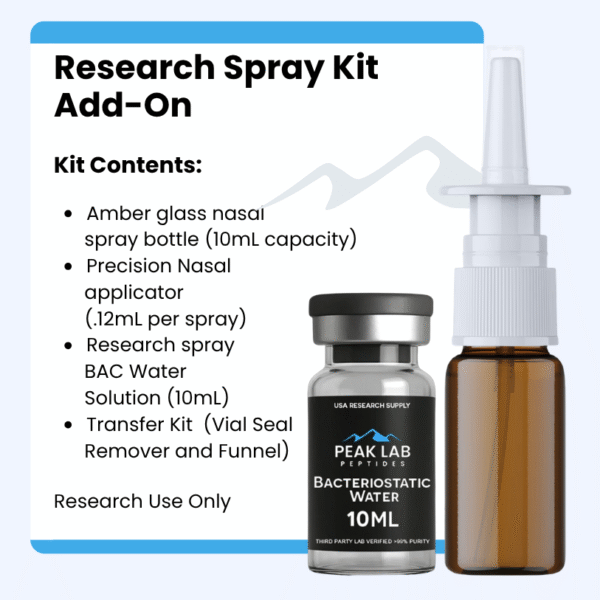
- After reconstitution: Use an appropriate research diluent (for example, BAC water). Store the reconstituted solution in the refrigerator and use within 20–30 days for best stability.
Note: Minimize exposure to moisture and repeated freeze–thaw cycles. Follow your institution's safety procedures when handling research materials.
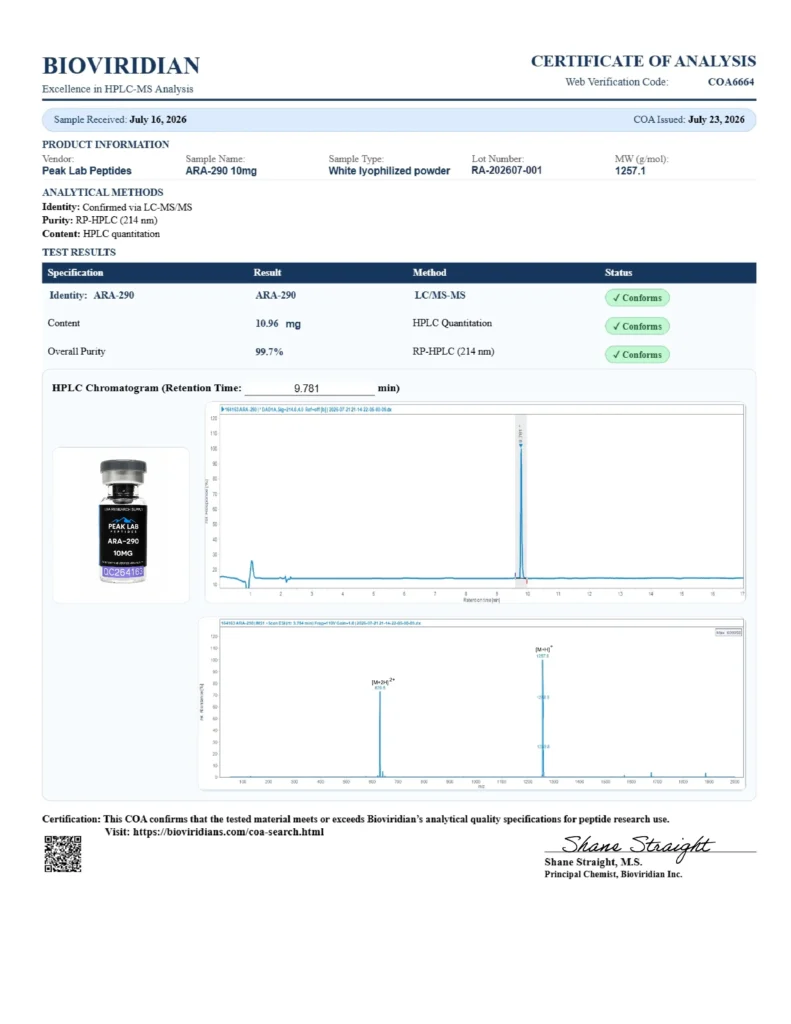
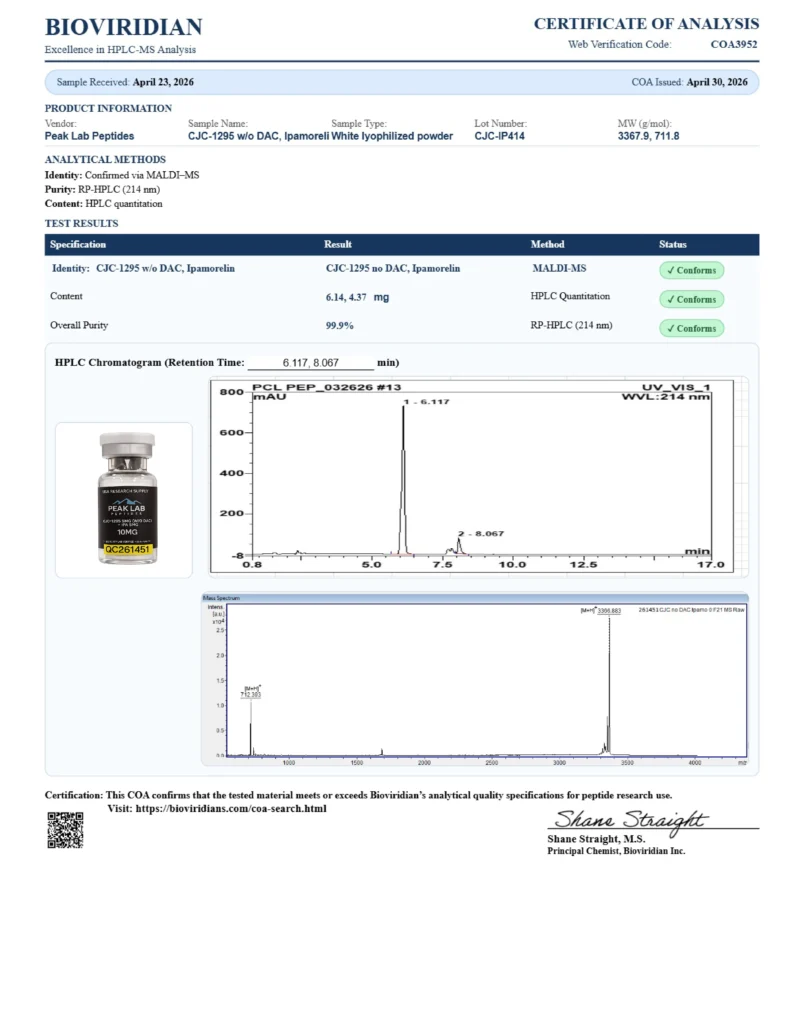
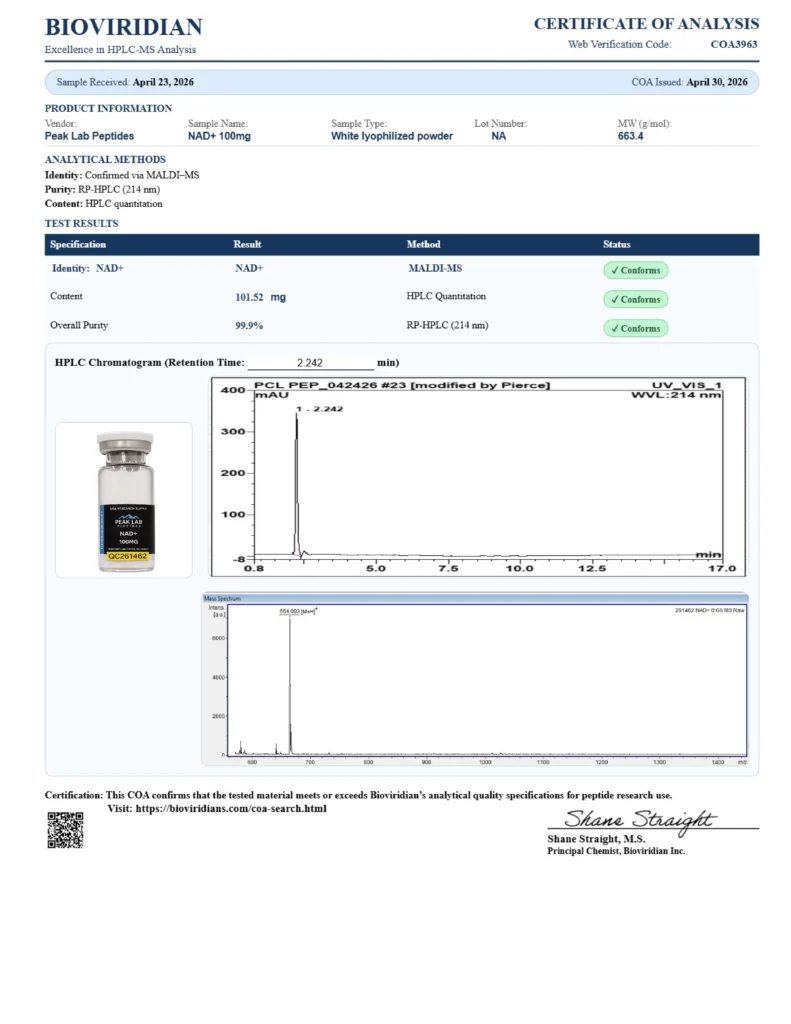
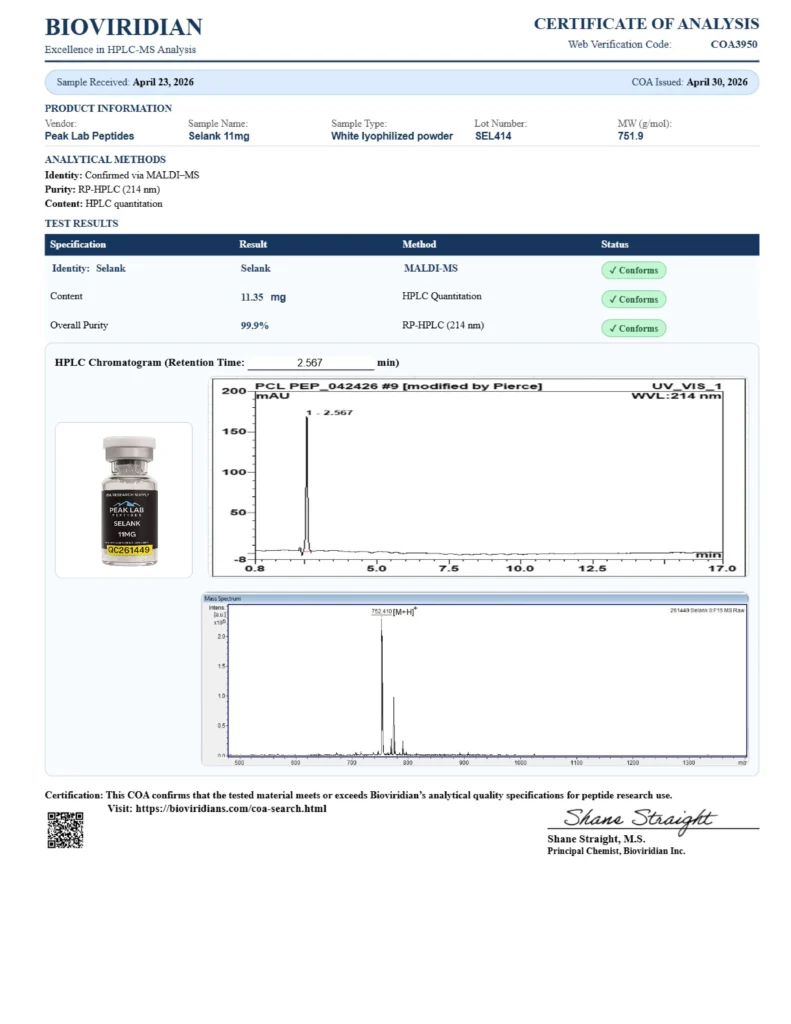
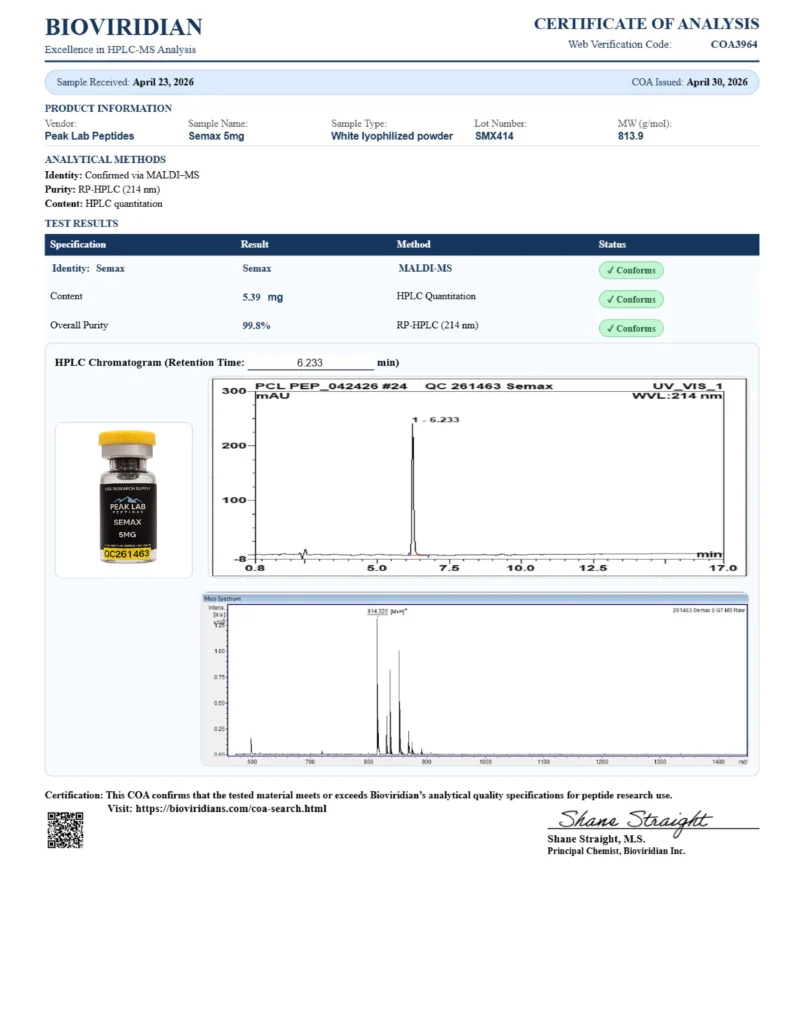
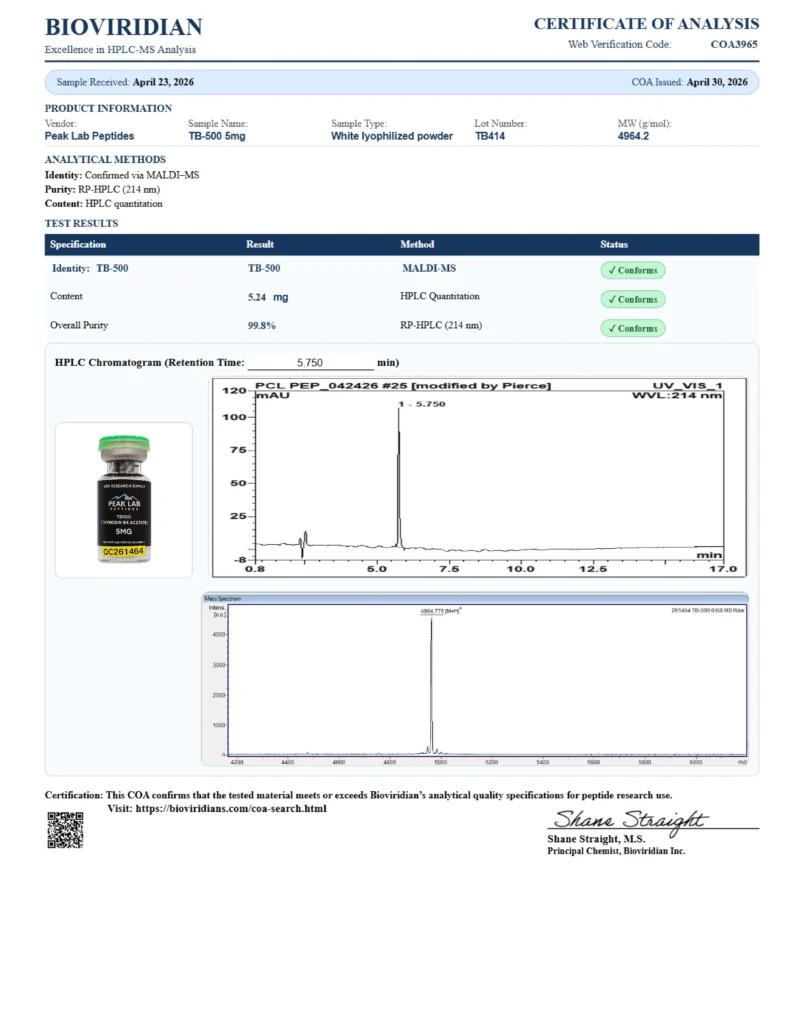
Peak Lab Peptides maintains quality-control processes and routinely performs third-party testing to support purity and identity verification. COAs are available upon request for applicable batches. Documentation may vary depending on production timelines.
We aim to make batch-level documentation available whenever possible. Our goal is to expand COA access across the full catalog as production capacity grows.
All products are for laboratory research use only and are not intended for human consumption.
Related Products
ACE-031
CJC-1295 No DAC
CJC-1295 No DAC
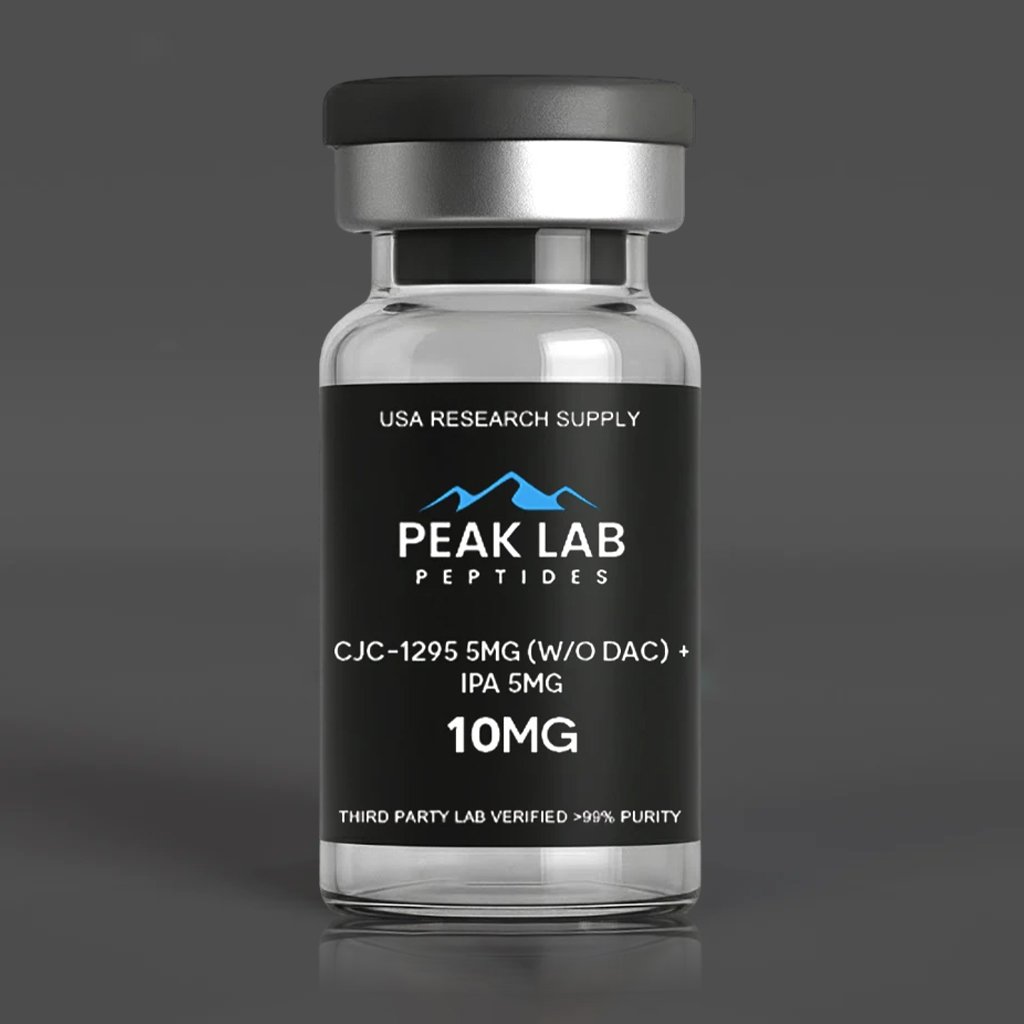
CJC-1295 No DAC – 5mg (Lyophilized Peptide) – For Research Use Only
CJC-1295 No DAC is a synthetic analog of Growth Hormone-Releasing Hormone (GHRH) designed for research on stimulating natural growth hormone (GH) release in a pulsatile manner. The “No DAC” (Drug Affinity Complex) version has a shorter half-life, allowing it to mimic the body’s natural GH secretion rhythm.
CJC-1295 No DAC is commonly studied in models focused on muscle growth, fat metabolism, anti-aging, and recovery when used alone or stacked with other GH secretagogues like Ipamorelin.
Product Details:
-
Peptide: CJC-1295 No DAC
-
Purity: >98%
-
Form: Lyophilized powder
-
Quantity: 5mg per vial
-
Storage: Store at -4°F (-20°C). After reconstitution, refrigerate at 36–46°F (2–8°C) and use within 30 days.
-
Grade: For research purposes only. Not for human use, medical, or diagnostic applications.
Potential Research Applications:
-
Growth hormone release studies
-
Muscle growth and recovery models
-
Anti-aging and longevity research
-
Fat metabolism and body composition investigations
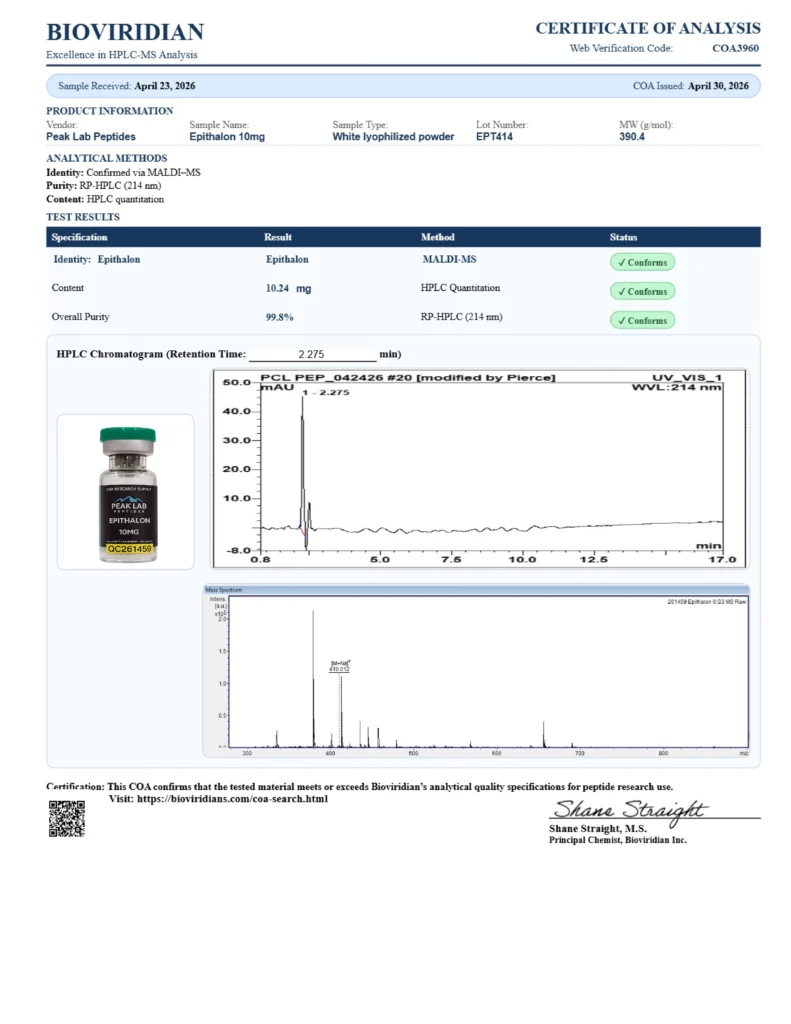
Epithalon
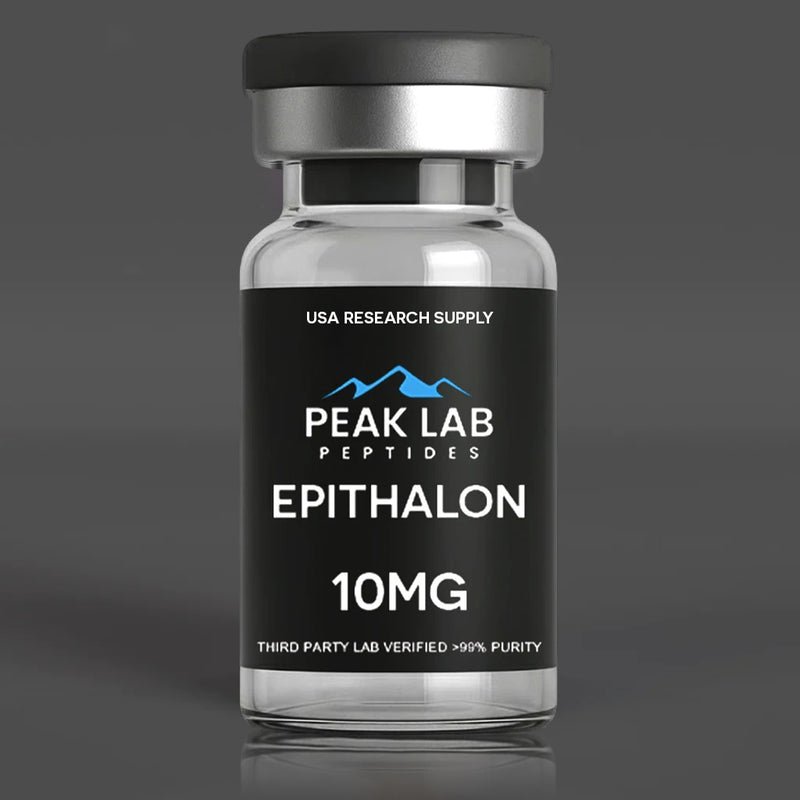
Epithalon – 10mg (Lyophilized Peptide) – For Research Use Only
Epithalon (also known as Epitalon) is a synthetic tetrapeptide (Ala-Glu-Asp-Gly) derived from the naturally occurring pineal gland peptide Epithalamin. It is widely studied for its potential anti-aging, telomerase-activating, and longevity-enhancing effects. Research suggests that Epithalon may promote telomere extension, support circadian rhythm regulation, and improve oxidative stress resistance. It is a popular compound in studies involving cellular aging, pineal gland function, and DNA repair mechanisms. Product Details: Peptide: Epithalon (Ala-Glu-Asp-Gly) Purity: >98% Form: Lyophilized powder Quantity: 10mg per vial Storage: Store at -4°F (-20°C). After reconstitution, refrigerate at 36–46°F (2–8°C) and use within 30 days. Grade: For research purposes only. Not for human consumption, therapeutic, or diagnostic use. Potential Research Applications: Telomerase activation and cellular longevity studies Anti-aging and pineal gland function research Circadian rhythm and melatonin regulation studies DNA repair and oxidative stress resistance models For laboratory research only. This product is not intended to diagnose, treat, cure, or prevent any disease.GHK-Cu
GLOW Blend 70mg (GHK-Cu 50mg, BPC-157 10mg, TB-500 10mg)
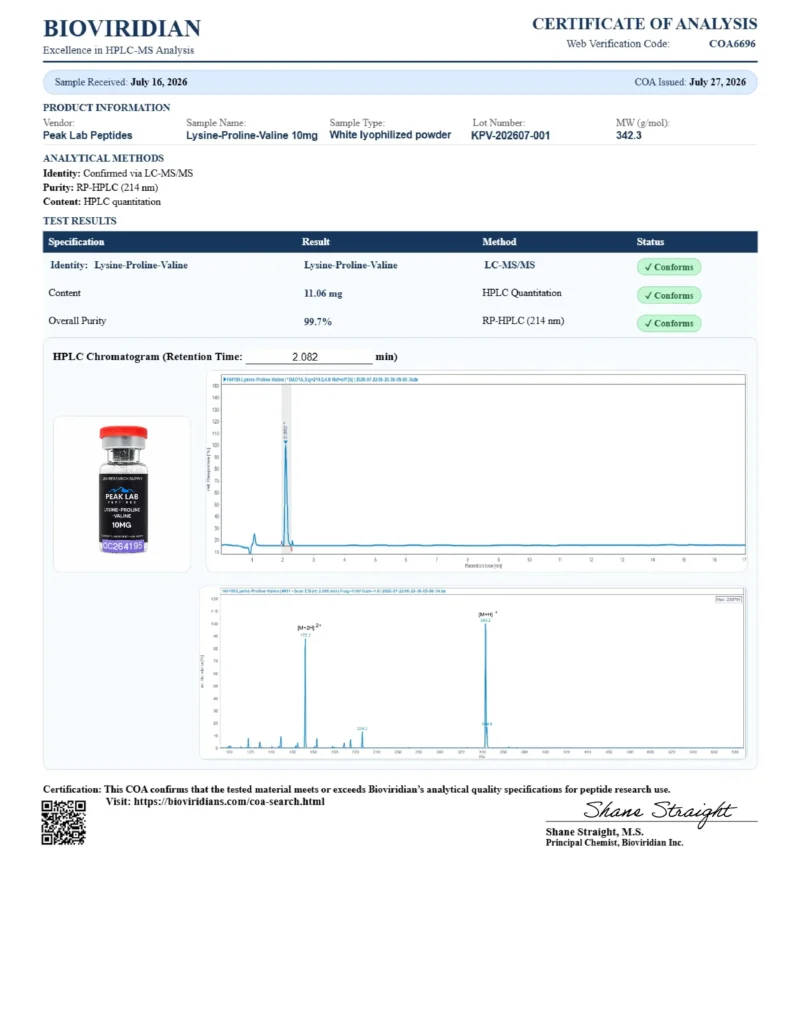
KLOW Blend 80mg – GHK-Cu, TB-500, BPC-157, KPV
KLOW – 80mg Peptide Blend (Lyophilized Powder) – For Research Use Only GHK-Cu • TB-500 • BPC-157 • KPV
KLOW is an advanced 4-in-1 research peptide blend combining 80mg of regenerative and anti-inflammatory compounds studied for their potential in tissue repair, immune modulation, and cellular recovery. Designed for comprehensive healing models, KLOW offers synergistic support across skin, muscle, and gut research applications. Active Ingredients (Per Vial): GHK-Cu – 50mg Studied for skin regeneration, wound healing, collagen stimulation, and hair follicle support. TB-500 – 10mg A fragment of Thymosin Beta-4, known for supporting angiogenesis, cell migration, and muscle recovery. BPC-157 – 10mg Derived from a gastric protein, BPC-157 is studied for gut repair, tendon/ligament healing, and anti-inflammatory effects. KPV – 10mg A tripeptide fragment with strong research interest for localized inflammation and immune modulation, particularly in the gut and skin. Product Details: Total Peptide Content: 80mg per vial: Lyophilized powder Purity: >98% Storage: Store at -4°F (-20°C). After reconstitution, refrigerate at 36–46°F (2–8°C) and use within 30 days. Grade: For research purposes only. Not for human consumption, therapeutic, or diagnostic use. Potential Research Applications: Soft tissue, muscle, and ligament repair Skin rejuvenation and wound healing models Inflammatory bowel and gut barrier integrity studies Anti-inflammatory and immune modulation research For laboratory research only. This product is not intended to diagnose, treat, cure, or prevent any disease.LL-37 (5mg)
LL-37 – 5mg (Lyophilized Peptide in 3ml Vial) – For Research Use Only
LL-37 is a human antimicrobial peptide derived from the cathelicidin family, extensively studied for its roles in innate immunity, antimicrobial defense, wound healing, and inflammation regulation. LL-37 exhibits broad-spectrum activity against bacteria, viruses, and fungi, and plays a key role in modulating the body’s immune and inflammatory responses. In research, LL-37 is of particular interest in models exploring skin healing, immune signaling, tissue regeneration, and antimicrobial resistance.Product Details:
Peptide: LL-37 Purity: >98% Form: Lyophilized powder Quantity: 5mg per vial Vial Size: 3ml sterile glass vial Storage: Store at -4°F (-20°C). After reconstitution, refrigerate at 36–46°F (2–8°C) and use within 30 days. Grade: For research purposes only. Not for human consumption, therapeutic, or diagnostic use.Potential Research Applications:
Antimicrobial and infection control models Wound healing and skin regeneration studies Immune system modulation and inflammation research Studies on epithelial repair and barrier function For laboratory research use only. This product is not intended to diagnose, treat, cure, or prevent any disease.MOTS-c
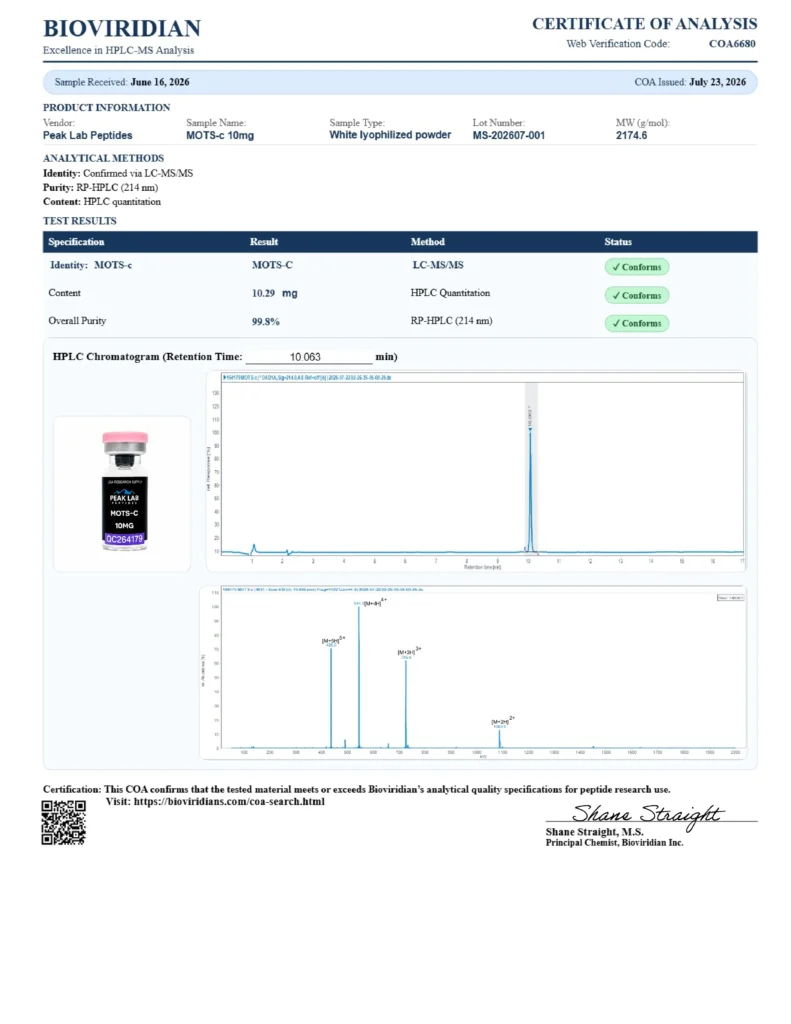
MOTS-c
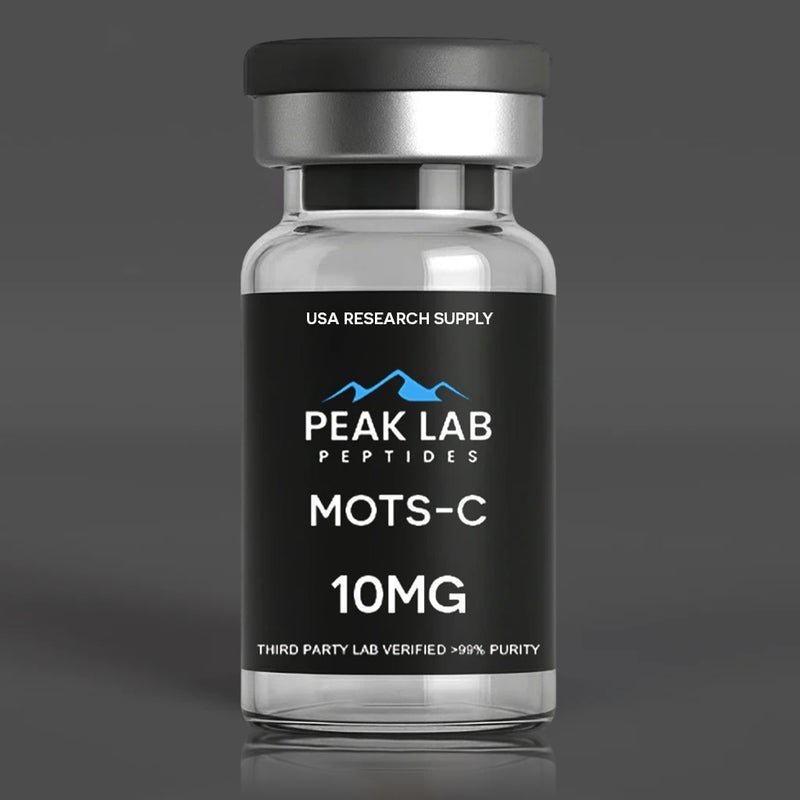
MOTS-c – 10mg (Lyophilized Peptide) – For Research Use Only
MOTS-c is a mitochondrial-derived peptide (MDP) encoded by the mitochondrial genome, widely studied for its potential role in metabolic regulation, energy homeostasis, and cellular protection. Research has focused on its ability to influence glucose metabolism, insulin sensitivity, and mitochondrial function, making it a key subject in studies on metabolic health and aging.
MOTS-c is of special interest in research exploring exercise mimetic effects, fat metabolism, and metabolic syndrome models.
Product Details:
-
Peptide: MOTS-c (Mitochondrial Open Reading Frame of the 12S rRNA-c)
-
Purity: >98%
-
Form: Lyophilized powder
-
Quantity: 10mg per vial
-
Storage: Store at -4°F (-20°C). After reconstitution, refrigerate at 36–46°F (2–8°C) and use within 30 days.
-
Grade: For research purposes only. Not for human consumption or therapeutic applications.
Potential Research Applications:
-
Glucose metabolism and insulin sensitivity studies
-
Mitochondrial function and energy regulation research
-
Aging, longevity, and metabolic health models
-
Exercise mimetic and fat metabolism investigations
For laboratory research use only. This product is not intended to diagnose, treat, cure, or prevent any disease.
MT-2 (Melanotan 2) -10mg
Melanotan II (MT-2)
MT-2 (Melanotan 2) – 10mg (Lyophilized Peptide) – For Research Use Only
Melanotan 2 (MT-2) is a synthetic analog of the alpha-melanocyte-stimulating hormone (α-MSH), studied for its ability to activate melanocortin receptors involved in skin pigmentation, appetite regulation, and sexual function.
Research has focused on MT-2’s effects on melanin production, UV protection, libido, and energy balance in laboratory models.
Product Details:
-
Peptide: Melanotan 2 (MT-2)
-
Purity: >98%
-
Form: Lyophilized powder
-
Quantity: 10mg per vial
-
Storage: Store at -4°F (-20°C). After reconstitution, refrigerate at 36–46°F (2–8°C) and use within 30 days.
-
Grade: For research purposes only. Not for human consumption, therapeutic, or diagnostic use.
Potential Research Applications:
-
Melanogenesis and skin pigmentation studies
-
UV protection and tanning research models
-
Libido and sexual function investigations
-
Energy regulation and melanocortin receptor research
For laboratory research only. This product is not intended to diagnose, treat, cure, or prevent any disease.