
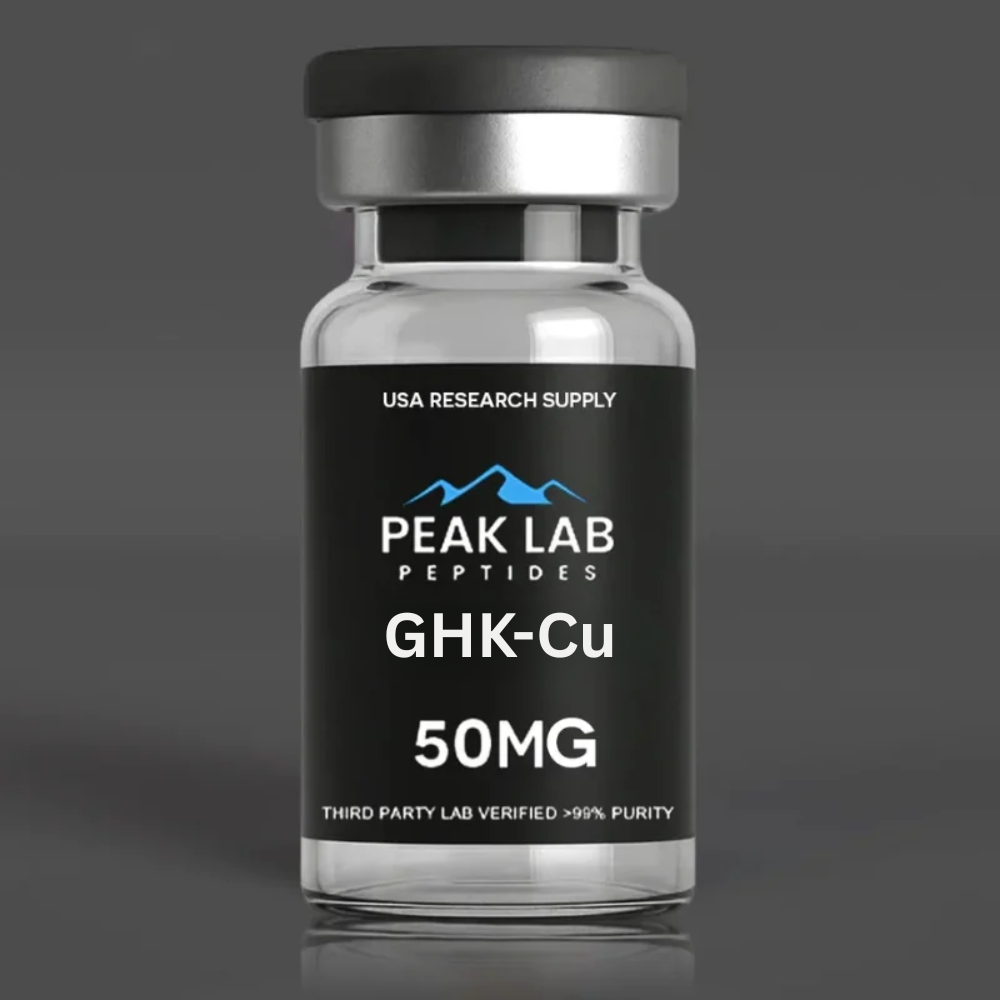
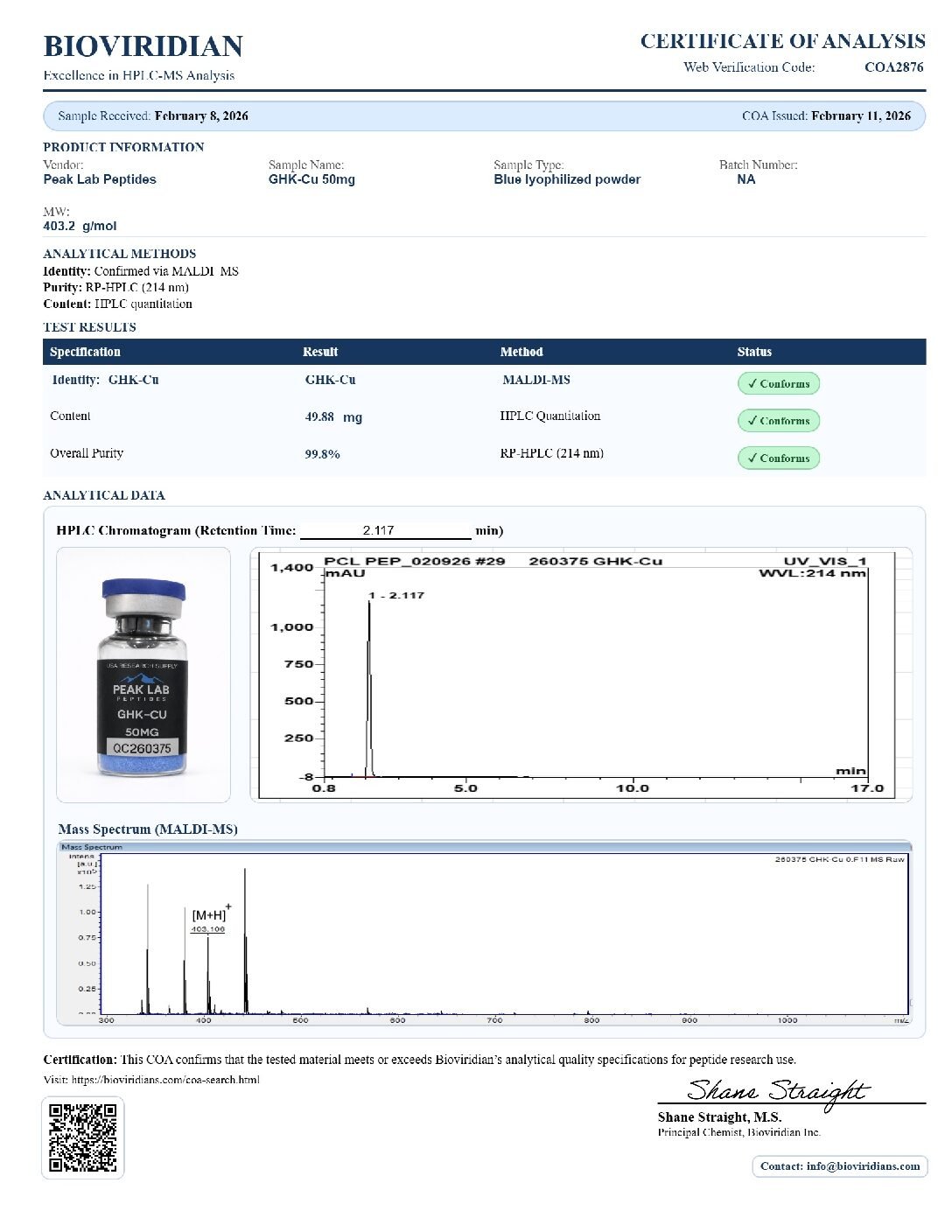

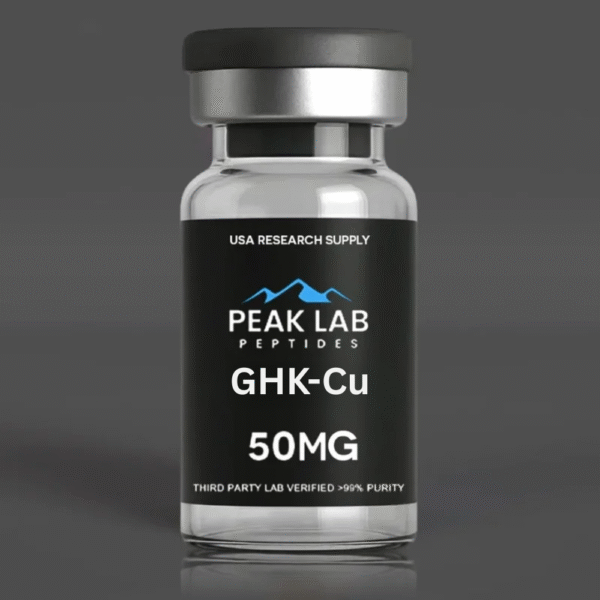
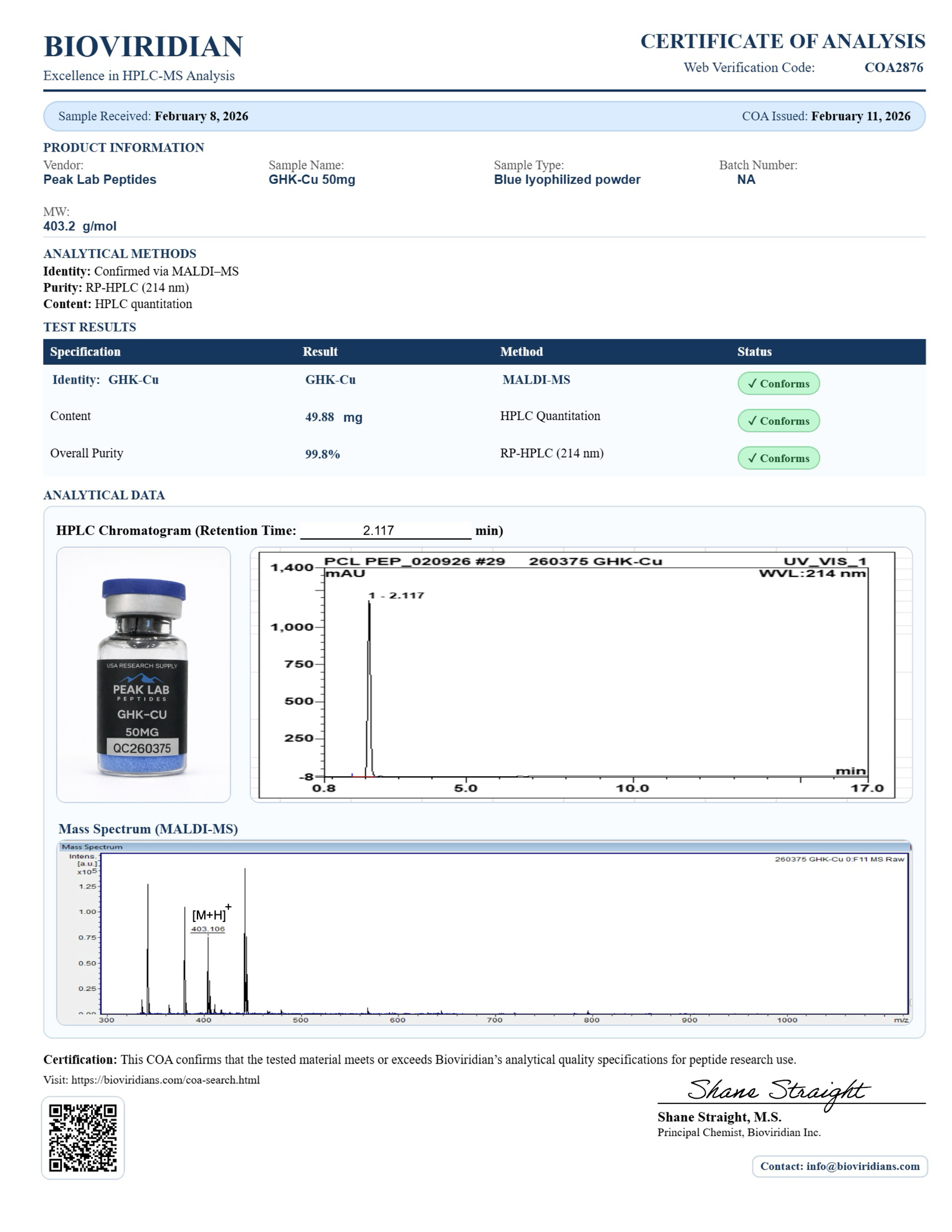
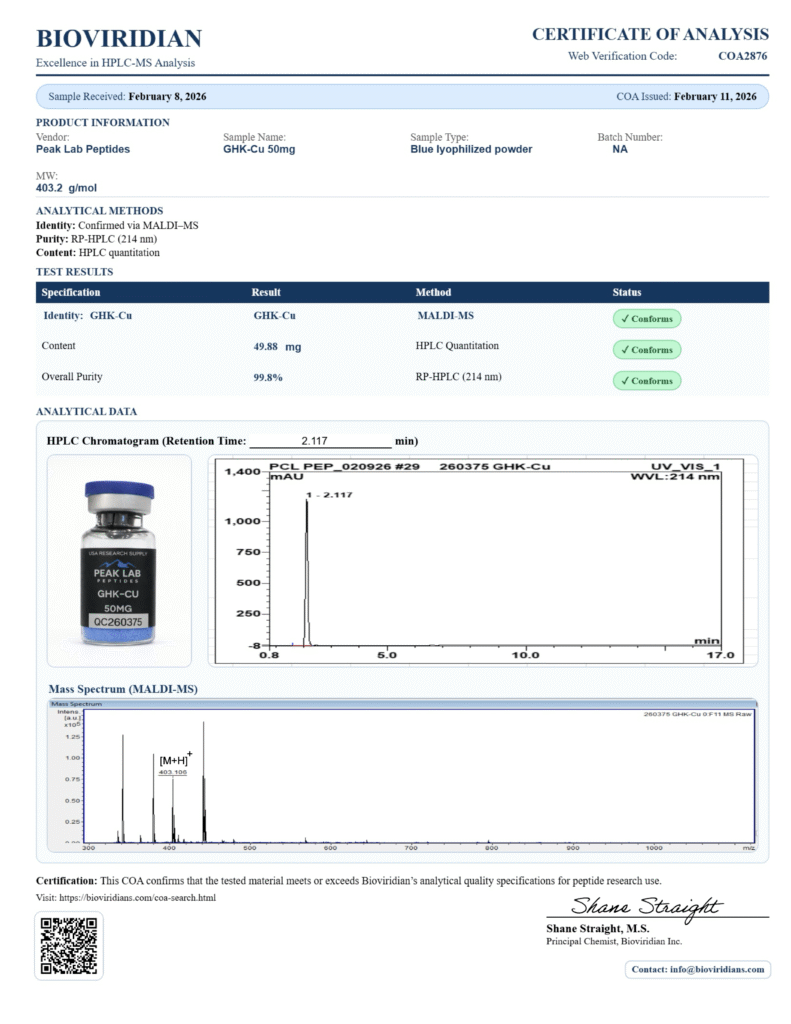
GHK-Cu Certificate of Analysis
Third-party tested. Click image to view full-resolution certificate.
Description
GHK-Cu (glycyl-L-histidyl-L-lysine–copper) is a naturally occurring copper-binding tripeptide found in human plasma, saliva, and urine. In experimental systems, GHK-Cu is widely used to investigate wound-repair mechanisms, extracellular matrix dynamics, angiogenesis, and antioxidant responses.
Preclinical and in vitro work suggests that GHK-Cu can modulate collagen and glycosaminoglycan turnover, influence fibroblast and immune-cell behavior, and interact with pathways related to oxidative stress and tissue injury signaling. GHK-Cu from research suppliers is intended strictly for laboratory use only and is not approved for human or veterinary consumption, cosmetic use, or any therapeutic application.
GHK-Cu is formed when the endogenous tripeptide GHK chelates copper(II) ions. Because of its presence in blood and tissue fluids, it is considered a physiologic carrier of copper, with roles in signaling and tissue maintenance that remain under active investigation.
In controlled research environments, GHK-Cu is commonly used to study:
- Skin and connective-tissue repair processes
- Fibroblast recruitment, proliferation, and matrix production
- Angiogenesis and endothelial-cell behavior
- Antimicrobial activity in wound models (when combined with selected co-factors)
- Neurobiological and gene-expression changes in nervous system models
- Experimental modulation of inflammatory and fibrotic responses
These applications make GHK-Cu a versatile tool for probing how small copper-peptide complexes participate in tissue-regeneration and stress-response pathways.
5 reviews for GHK-Cu
1. GHK-Cu and Skin / Wound Healing
GHK-Cu has been extensively investigated in skin-derived cell cultures and animal models focused on tissue repair:
- Extracellular Matrix Modulation: Studies in skin cultures indicate that GHK can stimulate both synthesis and controlled breakdown of collagen, glycosaminoglycans, and proteoglycans such as chondroitin sulfate.
- Cell Recruitment: GHK-Cu has been reported to promote the recruitment and activity of fibroblasts, immune cells, and endothelial cells at sites of experimental injury, supporting coordinated tissue-remodeling responses.
- Angiogenesis: In rodent burn models, GHK-Cu exposure has been associated with faster wound closure metrics and increased blood-vessel formation in damaged areas, suggesting a role in revascularization of compromised tissue.
These findings support the use of GHK-Cu as a probe compound in wound-healing, dermal biology, and extracellular matrix research.
2. GHK-Cu and Antimicrobial / Infection Models
Infection is a major impediment to timely wound repair, particularly in compromised tissues:
- Experimental work has shown that GHK-Cu, when combined with certain fatty acids, can form complexes with antimicrobial activity against selected bacterial and fungal strains relevant to wound contamination.
- Clinical-style research designs in diabetic and ischemic wound care have compared standard care alone versus standard care plus GHK-Cu–containing formulations, reporting improved closure rates and reduced infection incidence in the GHK-Cu groups under specific conditions.
These studies are interpreted within a research and exploratory context and highlight GHK-Cu’s potential relevance to host–microbe interactions and infection-related healing dynamics.
3. GHK-Cu, Nervous System, and Gene Expression
GHK-Cu has also been evaluated in nervous system and cognition-related models:
- Research suggests that GHK-Cu may promote angiogenesis in neural tissues, support neurite outgrowth, and modulate neuroinflammatory markers in experimental systems.
- Gene-expression analyses indicate that GHK-Cu can influence large sets of genes associated with repair, stress responses, and cell survival, leading to proposals that it may help “reset” certain pathological expression profiles toward patterns more consistent with homeostasis.
- In rodent brain-injury models, GHK-Cu has been linked to decreased neuronal apoptosis and reduced edema, with one proposed mechanism involving the miR-339-5p/VEGFA pathway, which is active in post-ischemic and hemorrhagic conditions.
These observations make GHK-Cu a useful research tool in neuroprotection, angiogenic signaling, and transcriptomic-response studies.
4. GHK-Cu and Inflammation / Fibrosis (e.g., Chemotherapy & ARDS Models)
GHK-Cu’s potential role in modulating inflammatory and fibrotic processes has been explored in several preclinical settings:
- In murine models treated with bleomycin (a chemotherapeutic agent associated with lung fibrosis), GHK-Cu has been reported to reduce fibrotic markers and structural changes in lung tissue.
- Mechanistic investigations point to modulation of inflammatory cytokines such as TNF-α and IL-6, along with altered extracellular matrix remodeling profiles.
- Similar protective trends have been observed in animal models of acute respiratory distress syndrome (ARDS), where GHK-Cu exposure correlated with reduced inflammatory injury parameters and improved histological findings.
These studies position GHK-Cu as an experimental modulator of inflammation and fibrotic remodeling, particularly in pulmonary research models.
5. GHK-Cu and Pain / Amino Acid Signaling
Analgesia and pain signaling represent another emerging area of GHK-Cu research:
- Rodent behavior studies indicate that GHK-Cu administration can produce dose-dependent changes in pain-related responses.
- Some work suggests that these effects may be linked to changes in levels of amino acids such as L-lysine and L-arginine, which have been associated with endogenous pain-modulating pathways.
While early-stage, these findings support the use of GHK-Cu in experimental pain models that do not rely on classical opioid or NSAID pathways.
Q1: What is GHK-Cu in a research context?
A1: GHK-Cu is a naturally occurring copper tripeptide found in human plasma and other body fluids, used in laboratory research to study wound healing, extracellular matrix dynamics, angiogenesis, antioxidant responses, and gene-expression changes.
Q2: Why is GHK-Cu associated with skin and wound-healing research?
A2: In cell and animal models, GHK-Cu has been shown to influence collagen and matrix turnover, recruit fibroblasts and endothelial cells, and support revascularization, making it a key tool for investigating skin repair and tissue-regeneration pathways.
Q3: Does GHK-Cu have antimicrobial properties?
A3: GHK-Cu itself and particularly GHK-Cu combined with certain fatty acids have demonstrated antimicrobial activity in experimental settings, providing a basis for research into infection control and wound-healing complications.
Q4: Is GHK-Cu intended for cosmetic or therapeutic use?
A4: No. GHK-Cu supplied by research-focused vendors is for laboratory use only. It is not approved or intended for cosmetic application, human or veterinary consumption, or any diagnostic or therapeutic purpose.
Q5: In what other systems is GHK-Cu being studied?
A5: Beyond skin and wounds, GHK-Cu is being explored in nervous system, pulmonary, inflammatory, and pain models, including investigations into gene-expression modulation, neuroprotection, lung fibrosis, ARDS, and experimental analgesia.
Debra –
Clean packaging and clear labeling gave full confidence.
Christine –
Quick shipping and accurate tracking information.
Katherine –
Simple checkout and professional handling of orders.
Samantha –
Always receive exactly what I order.
Nicole –
Very satisfied with the overall quality, packaging, and fast delivery. Everything arrived in perfect condition and was clearly labeled.