(6 customer reviews)

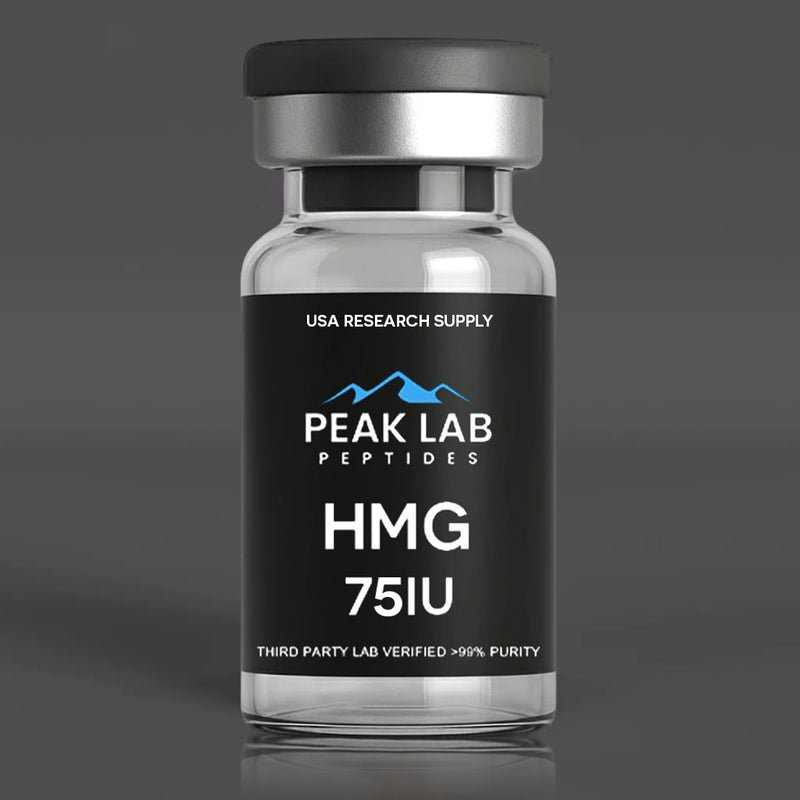
HMG (75iu)

Original price was: $45.00.Current price is: $36.00.

Member Price: $28.80 Become a member →

In stock

...
99%+ purity guaranteed
USA Lab Verified

Become a Member and save 20% on Every Order. 

Become a Member

EMAIL US FOR WHOLESALE PRICING
Orders of $5,000 or more

Description

HMG (Human Menopausal Gonadotropin)

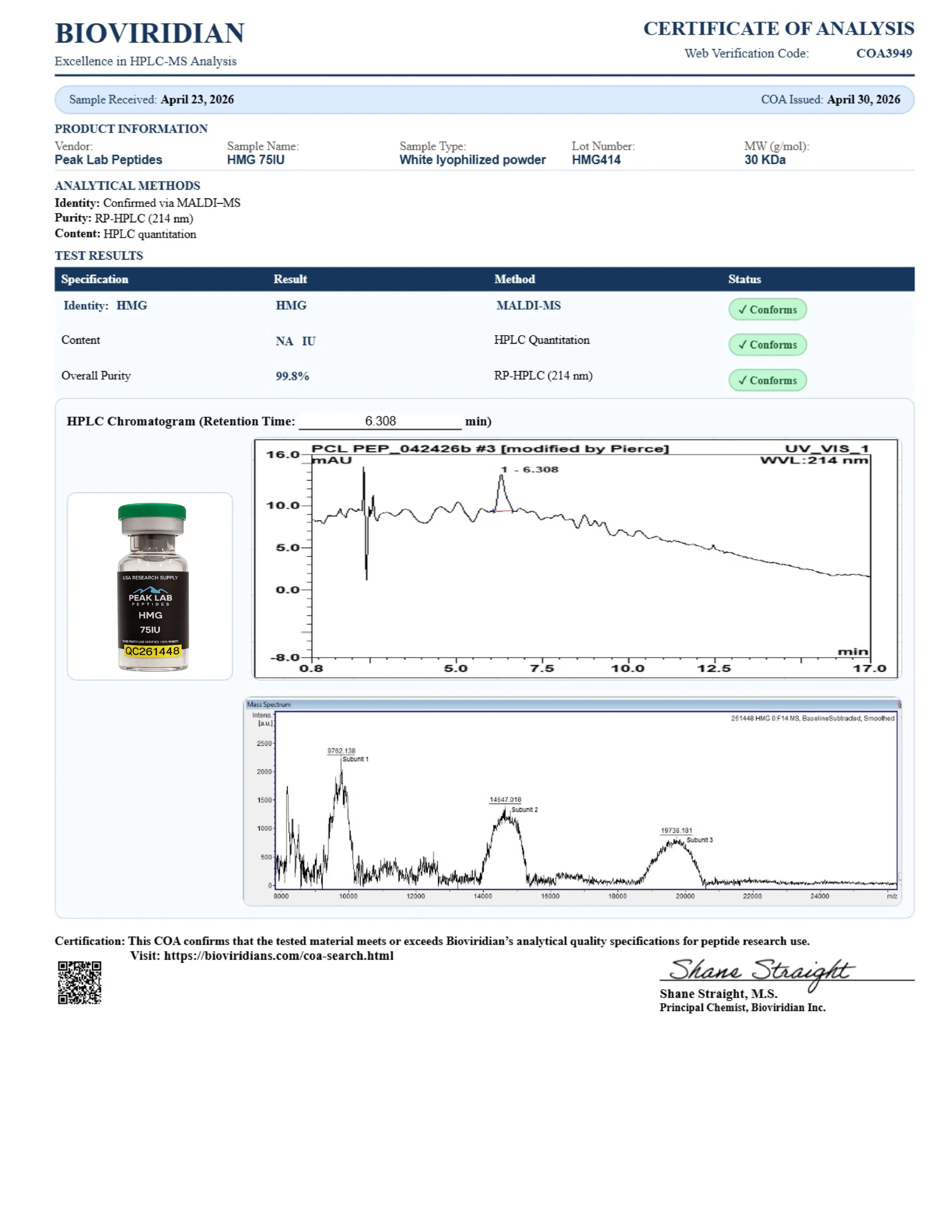
HMG (Human Menopausal Gonadotropin) – 75IU – For Research Use Only

HMG, or Human Menopausal Gonadotropin, is a purified combination of Follicle-Stimulating Hormone (FSH) and Luteinizing Hormone (LH) extracted from the urine of postmenopausal women. It is commonly studied for its effects on gonadal function, hormone regulation, and fertility pathways.

HMG is of particular interest in research focused on spermatogenesis, ovarian stimulation, and endocrine axis modulation.

Product Details:

  • Compound: HMG (Human Menopausal Gonadotropin)

  • Potency: 75IU per vial

  • Form: Lyophilized powder

  • Purity: Research grade

  • Storage: Store at -4°F (-20°C). After reconstitution, refrigerate at 36–46°F (2–8°C) and use within 30 days.

  • Grade: For research purposes only. Not for human use or therapeutic applications.

Potential Research Applications:

  • Studies on fertility and reproductive hormones

  • Gonadotropin axis research models

  • Testicular function and spermatogenesis exploration

  • Endocrine modulation research

THIS IS NOT FOR HUMAN CONSUMPTION. SOLD FOR RESEARCH ONLY!

Description

HMG 75 IU/vial is a human menopausal gonadotropin preparation containing both follicle-stimulating hormone (FSH) and luteinizing hormone (LH) bioactivity. In research settings, it is used to model and investigate gonadotropin-driven processes in ovarian and testicular physiology, including follicular development, steroidogenesis, Sertoli cell maturation, and spermatogenic support.

This product is intended strictly for controlled laboratory research by qualified professionals. It is not approved or labeled for therapeutic use, fertility treatment, or human or veterinary consumption.


Overview

gonadotropic signaling in the gonads:

  • Ovarian Research: The FSH component can be used to study follicular recruitment and growth, granulosa cell function, and estradiol production. The LH component supports models of theca cell androgen production and LH–FSH interplay in steroidogenesis.
  • Testicular Research: In testicular models, FSH can be applied to examine Sertoli cell maturation, seminiferous tubule development, and spermatogenic support under defined endocrine conditions.

Pharmacokinetic data from product-specific studies indicate that, following intramuscular (i.m.) or subcutaneous (s.c.) administration in research models, peak FSH concentrations are reached within defined time windows, with relatively prolonged half-lives and primarily renal elimination. These characteristics make HMG suitable for experiments that require sustained gonadotropic signaling over time.

Reviews (6)

6 reviews for HMG (75iu)

  1. Alexander

    Clean presentation and well-organized packaging.

  2. Sharon

    Orders are always handled with care.

  3. Amy

    Excellent balance between price, quality, and service.

  4. Kimberly

    Products arrived intact and well protected.

  5. Gary

    Clear communication throughout the entire order process.

  6. Scott

    A dependable choice for repeat purchases.

Add a review

Your email address will not be published. Required fields are marked *

Research

Gonadotropin Biology and Ovarian Models
HMG 75 IU/vial is frequently used to investigate FSH- and LH-mediated events in ovarian tissue:

  • Follicle Development: The FSH component is used to induce an increase in the number of growing follicles and to study dose–response relationships in follicular recruitment and maturation.
  • Granulosa and Theca Cell Interactions:
    • FSH is applied to granulosa cells to examine estradiol biosynthesis.
    • LH is used to stimulate theca cells to produce androgens that can be aromatized to estrogens under FSH influence.
  • Steroidogenesis Pathways: By adjusting the relative contribution of FSH and LH activity, researchers can dissect enzymatic steps and regulatory loops in ovarian steroid production.

These models are useful for characterizing follicular dynamics and hormone production without making clinical claims regarding ovulation induction or treatment outcomes.

Testicular and Sertoli Cell Research
In testicular research, HMG 75 IU/vial provides an experimental tool for studying FSH-dependent processes:

  • Sertoli Cell Maturation: FSH is used to explore the transformation of premature into mature Sertoli cells and to assess how these cells support germ-cell development within the seminiferous tubules.
  • Seminiferous Tubule Development: HMG exposure allows investigators to monitor structural and functional changes in seminiferous canals under defined endocrine conditions.
  • Spermatogenic Environment: When combined with appropriate intratesticular androgen environments (e.g., modeled via separate hCG exposure in research), HMG can be used to examine how FSH/LH activity shapes the milieu necessary for sperm development.

Such work is carried out purely for mechanistic insight and is not equivalent to clinical protocols in humans.

Pharmacokinetic Properties in Experimental Systems
Product-specific pharmacokinetic evaluations provide the following general characteristics for the FSH component of HMG 75 IU/vial in research models:

  • Route of Administration: Not effective orally; used via intramuscular (i.m.) or subcutaneous (s.c.) injection in experimental settings.
  • Time to Peak (Tmax):
    • 6–48 hours after i.m. administration
    • 6–36 hours after s.c. administration
  • Half-Life:
    • ~56 hours following i.m. injection
    • ~51 hours following s.c. injection
  • Elimination: Predominantly renal excretion of administered gonadotropin fractions.

These parameters help researchers design dosing schedules, sampling schemes, and kinetic models when examining gonadotropin exposure and downstream endocrine responses.

Steroidogenic and Gametotropic Effects (Research Context)
In aggregate, the combined FSH/LH action of HMG 75 IU/vial is used to model:

  • Gametotropic Effects: Follicular development in the ovary and Sertoli cell–mediated support of spermatogenesis in the testes.
  • Steroidogenic Effects: Androgen and estrogen production via granulosa–theca and Leydig–Sertoli cell interactions, enabling detailed study of enzyme regulation and feedback within the hypothalamic–pituitary–gonadal axis.

All such effects are investigated strictly within controlled preclinical or in vitro frameworks.

FAQ 

Q1: What is HMG 75 IU/vial used for in research?
A1: HMG 75 IU/vial is a human menopausal gonadotropin preparation with FSH and LH bioactivity, used to study ovarian follicle development, testicular Sertoli cell maturation, steroidogenesis, and gonadotropin signaling within the hypothalamic–pituitary–gonadal axis in experimental models.

Q2: How does HMG 75 IU/vial act at the ovarian level in laboratory studies?
A2:
In ovarian models, the FSH activity supports growth and development of follicles and stimulates estradiol production in granulosa cells, while the LH activity drives androgen production in theca cells, providing a platform to study coordinated follicular and steroidogenic processes.

Q3: What role does HMG 75 IU/vial play in testicular research?
A3: In testicular systems, FSH activity is used to examine Sertoli cell maturation, seminiferous tubule development, and the hormonal environment that supports spermatogenesis, often in conjunction with separate androgen-modulating agents.

Q4: What are the pharmacokinetic characteristics of HMG 75 IU/vial in experimental use?
A4: In research models, HMG 75 IU/vial is administered i.m. or s.c., with peak FSH levels typically reached within 6–48 hours (i.m.) or 6–36 hours (s.c.), half-lives around 51–56 hours, and predominantly renal elimination.

Q5: Is HMG 75 IU/vial suitable for clinical fertility treatment or self-use?
A5:
No. HMG 75 IU/vial supplied by research vendors is intended exclusively for laboratory research by qualified professionals. It is not approved, labeled, or marketed for human or veterinary treatment, fertility protocols, or self-administration.

Shipping & Delivery

Storage & Handling

All peptides are supplied as sterile, lyophilized powder and are stable when handled correctly.

  • On arrival: Store vials in a cool, dry place away from heat and direct sunlight.
  • Long-term (powder): For optimal longevity, keep lyophilized peptides refrigerated to help maintain integrity.
  • After reconstitution: Use an appropriate research diluent (for example, BAC water). Store the reconstituted solution in the refrigerator and use within 20–30 days for best stability.

Note: Minimize exposure to moisture and repeated freeze–thaw cycles. Follow your institution's safety procedures when handling research materials.

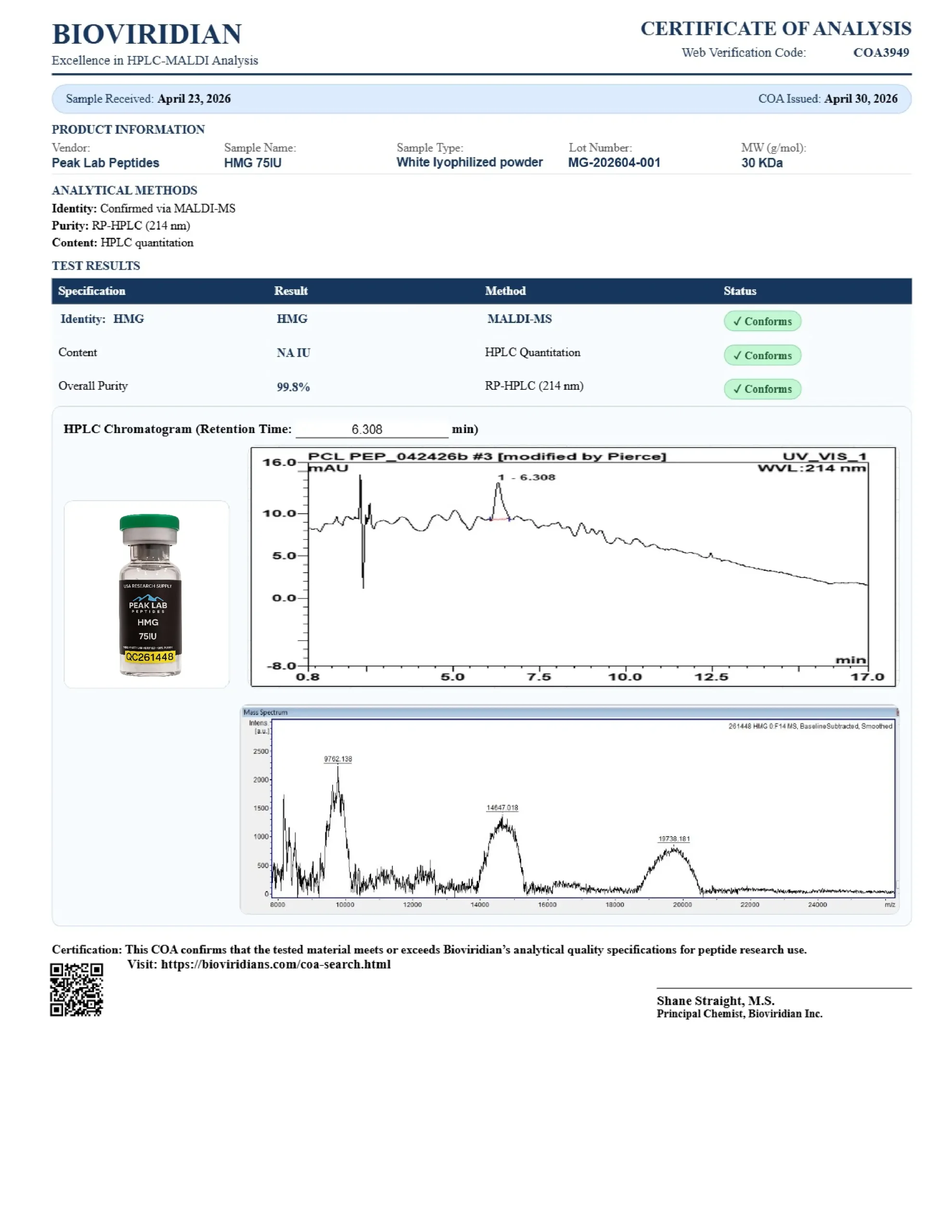
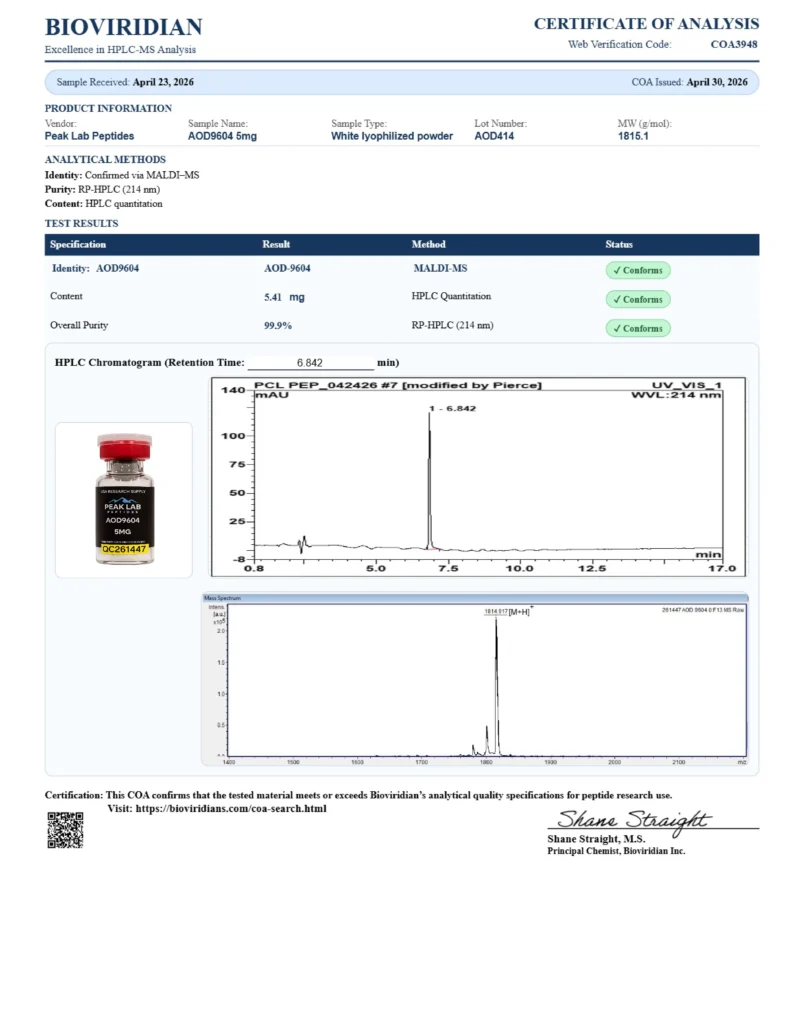
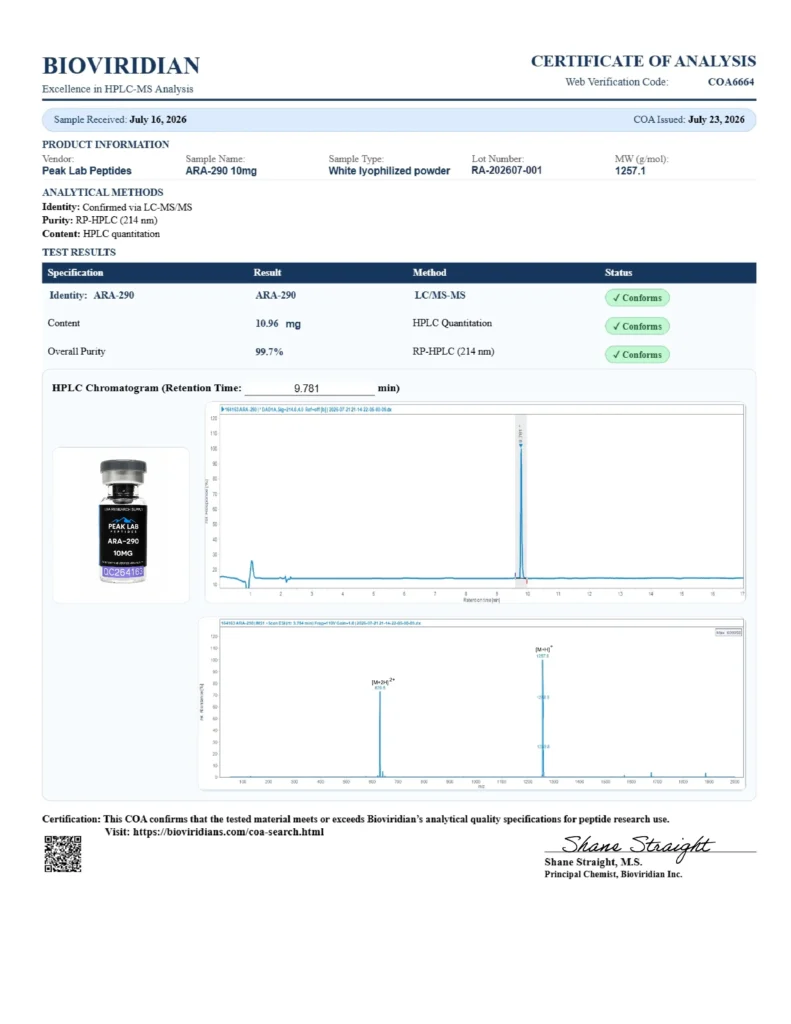
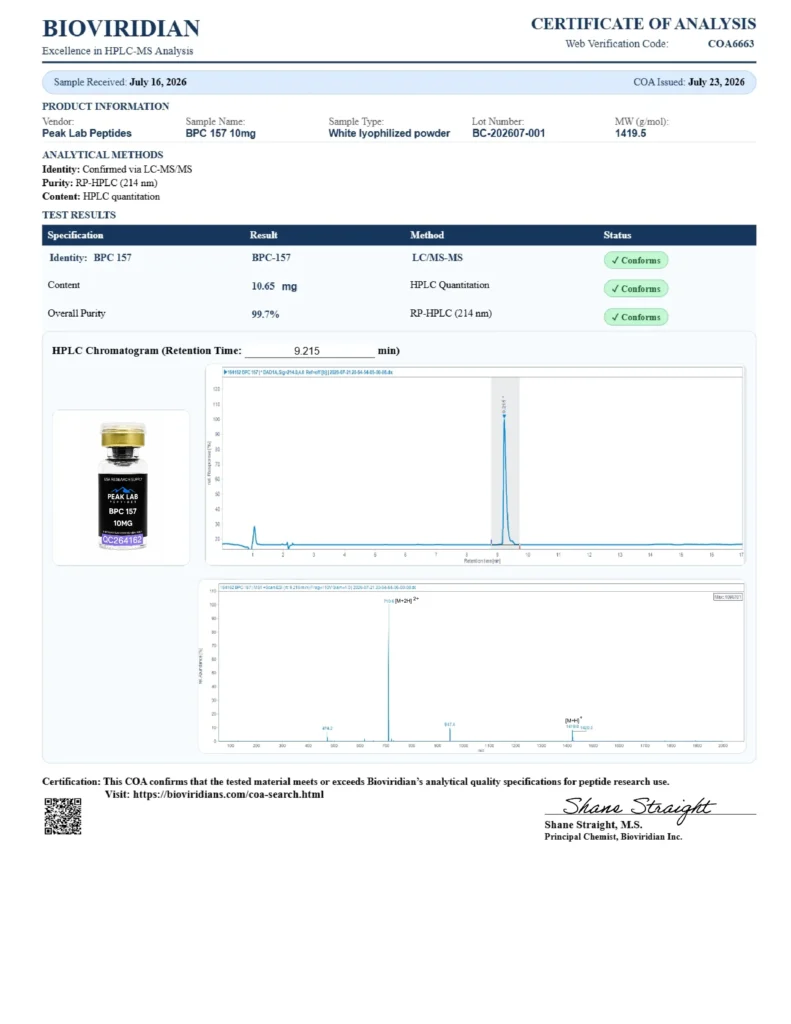
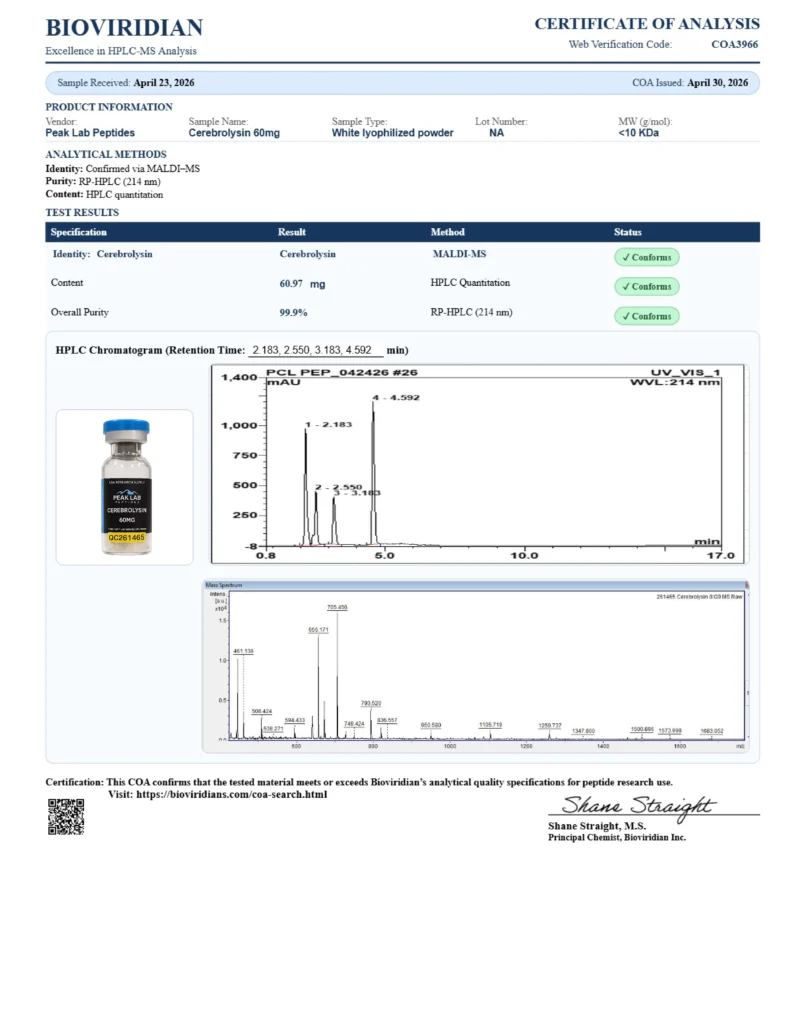
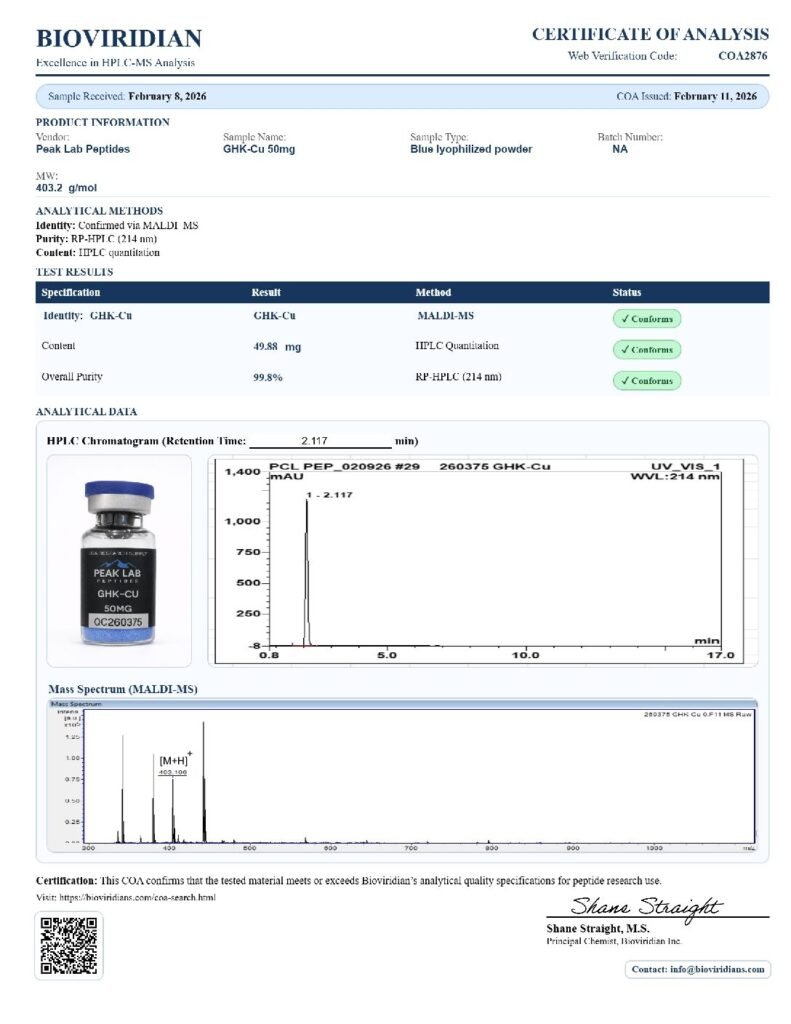
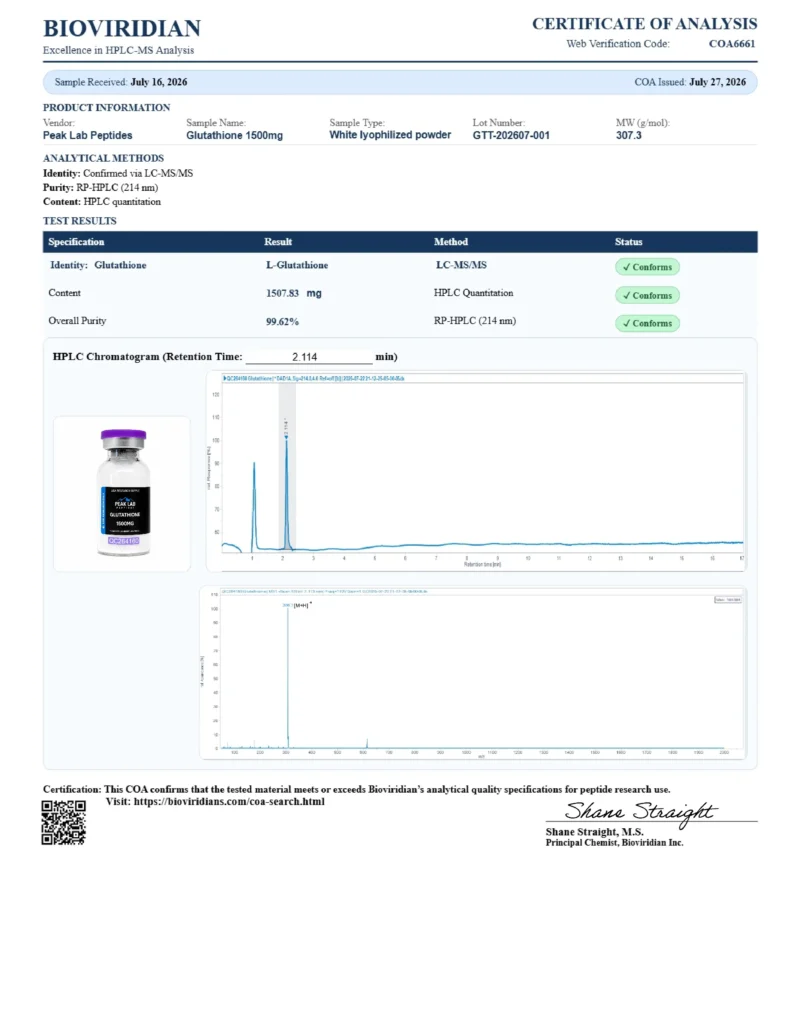
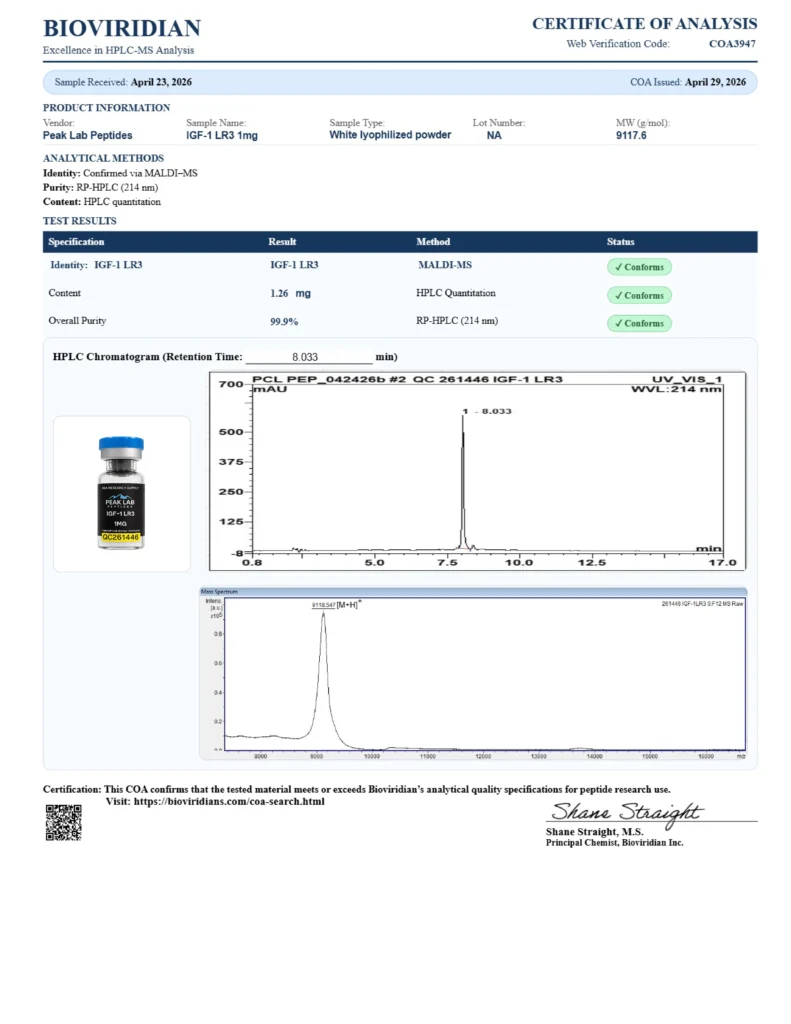
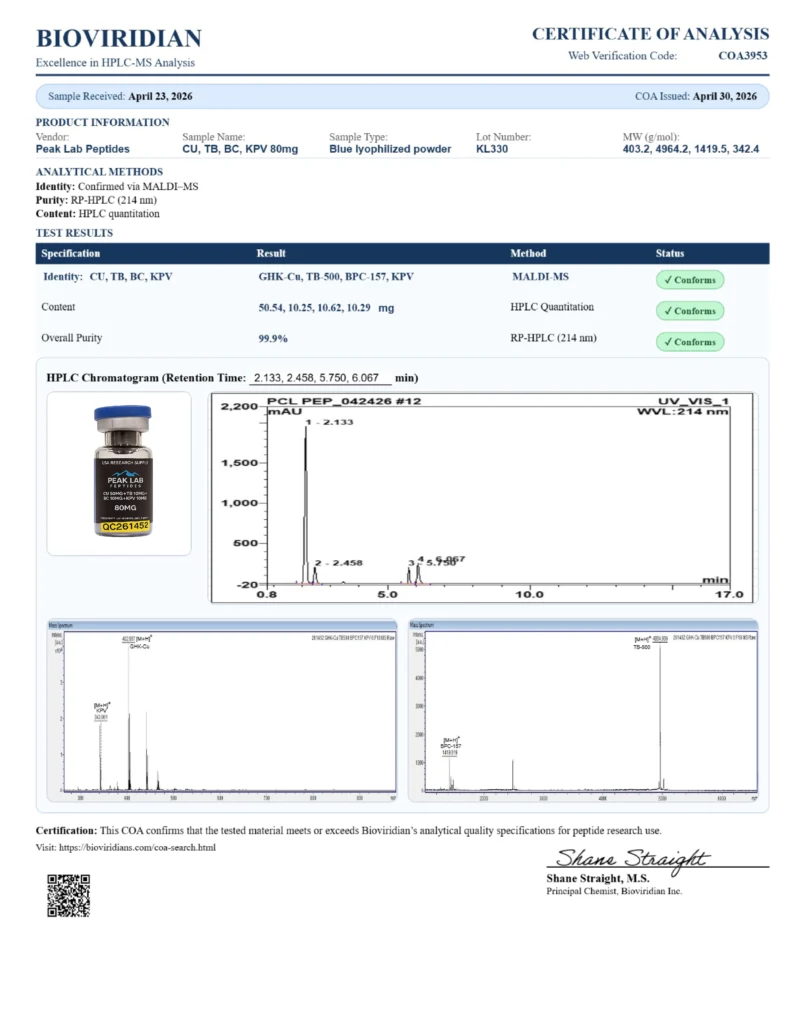
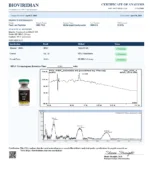
Peak Lab Peptides maintains quality-control processes and routinely performs third-party testing to support purity and identity verification. COAs are available upon request for applicable batches. Documentation may vary depending on production timelines.

We aim to make batch-level documentation available whenever possible. Our goal is to expand COA access across the full catalog as production capacity grows.

All products are for laboratory research use only and are not intended for human consumption.