(5 customer reviews)

DSIP

Price range: $26.40 through $47.20

Member Price: $21.12$37.76 Become a member →
DSIP
This item: DSIP
Price range: $26.40 through $47.20
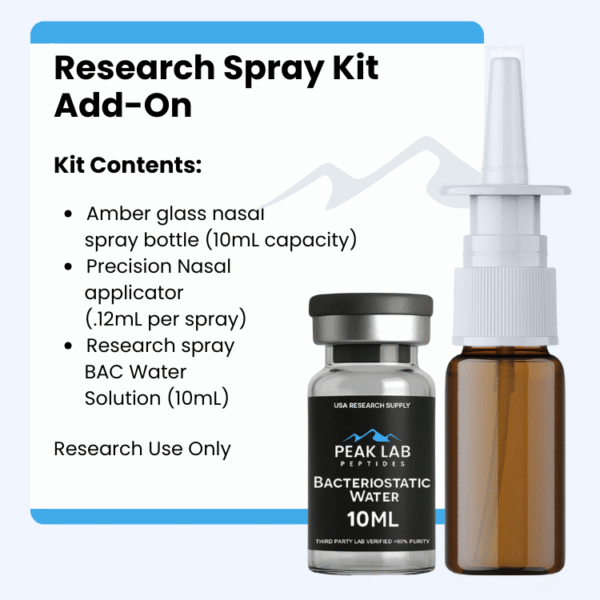
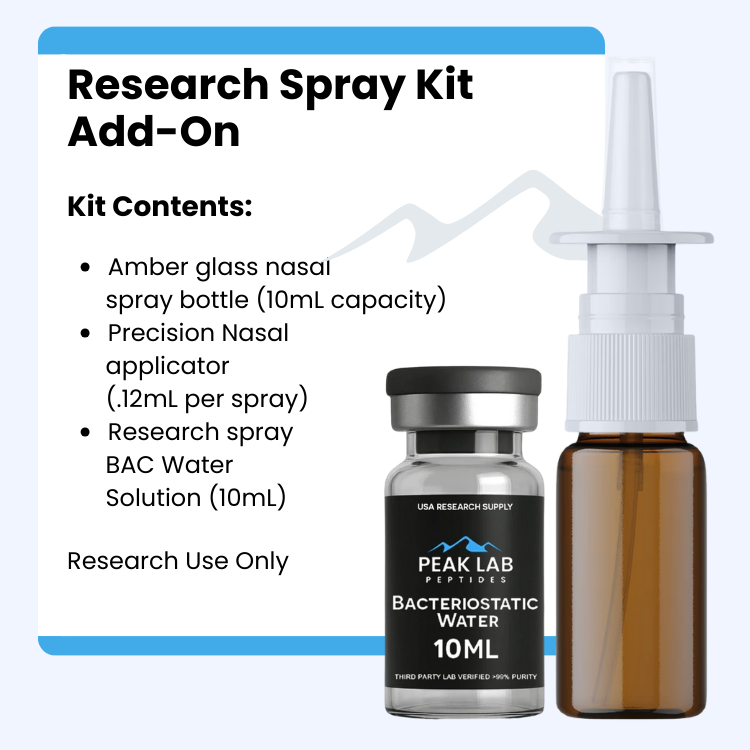
Research Spray Kit
1 × Research Spray Kit

In stock

Original price was: $29.99.Current price is: $24.99.
...
99%+ purity guaranteed
USA Lab Verified

Become a Member and save 20% on Every Order. 

Become a Member

EMAIL US FOR WHOLESALE PRICING
Orders of $5,000 or more

Description

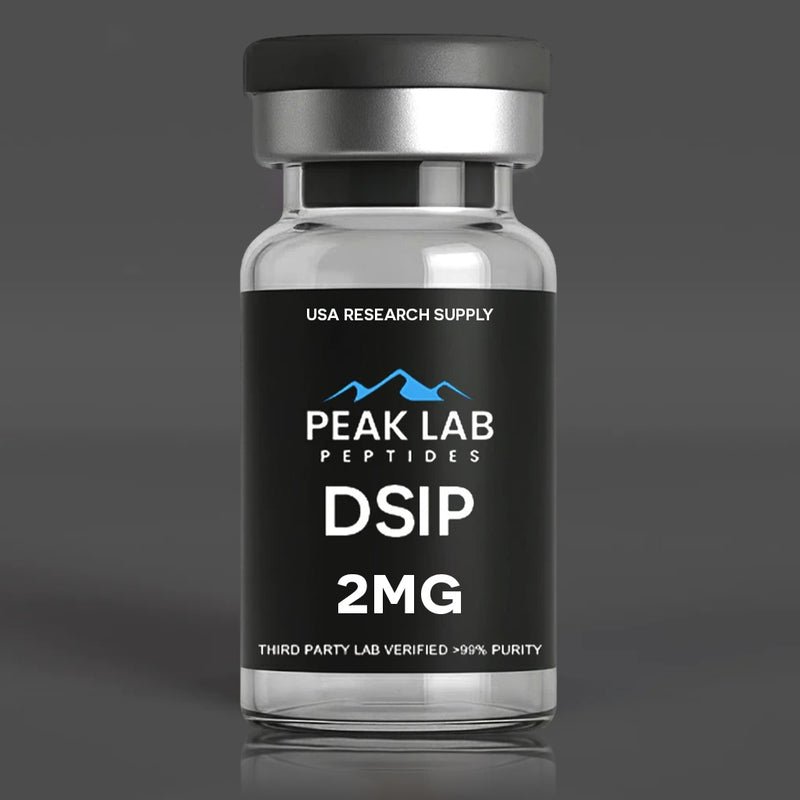
DSIP (Delta Sleep-Inducing Peptide)

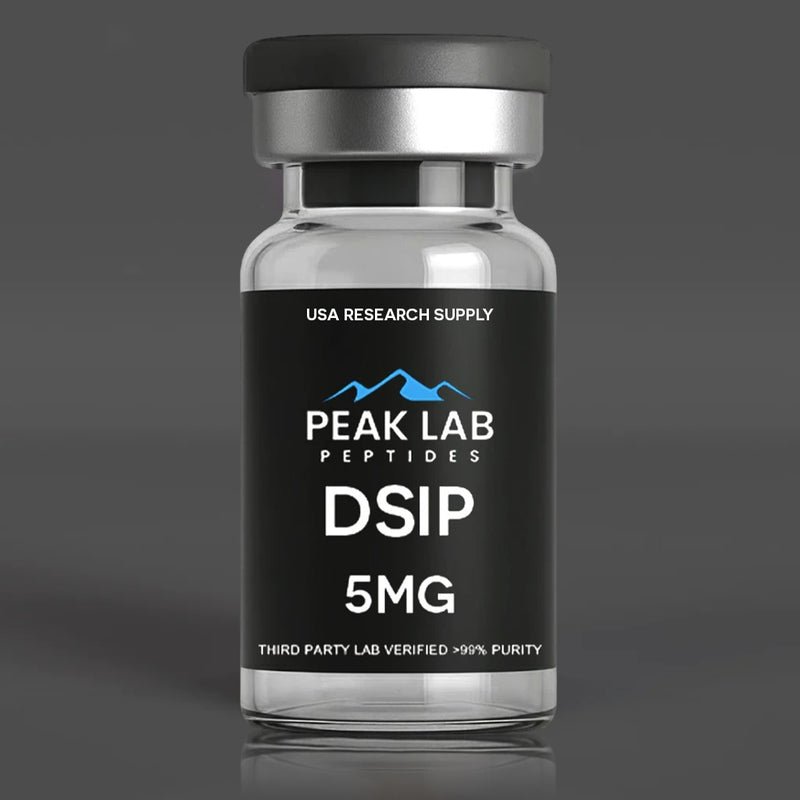
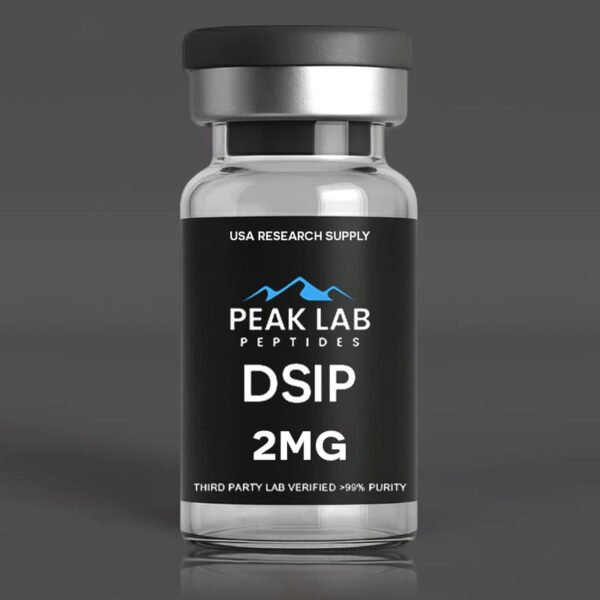
DSIP (Delta Sleep-Inducing Peptide) – 5mg (Lyophilized Powder) – For Research Use Only

DSIP is a naturally occurring neuropeptide studied for its potential role in sleep regulation, stress response, and neuroendocrine function. Originally isolated from the brain, DSIP is of particular interest in research on sleep patterns, circadian rhythm modulation, and stress adaptation mechanisms.

Studies have also explored its potential influence on hormone release, oxidative stress, and neuroprotection.

Product Details:

  • Peptide: DSIP (Delta Sleep-Inducing Peptide)

  • Purity: >98%

  • Form: Lyophilized powder

  • Quantity: 5mg per vial

  • Storage: Store at -4°F (-20°C). After reconstitution, refrigerate at 36–46°F (2–8°C) and use within 30 days.

  • Grade: For research purposes only. Not for human consumption, therapeutic, or diagnostic use.

Potential Research Applications:

  • Sleep regulation and circadian rhythm studies

  • Stress adaptation and cortisol modulation research

  • Neuroprotection and oxidative stress models

  • Endocrine system and hormone balance investigations


For laboratory research only. This product is not intended to diagnose, treat, cure, or prevent any disease.

THIS IS NOT FOR HUMAN CONSUMPTION. SOLD FOR RESEARCH ONLY!

Description

DSIP (Delta Sleep-Inducing Peptide) is a naturally occurring nonapeptide composed of eight amino acids (Trp-Ala-Gly-Gly-Asp-Ala-Ser-Gly-Glu), originally isolated from mammalian brain tissue. It is recognized for its role in modulating sleep architecture, neuroendocrine balance, and stress-responsive biochemical signaling in laboratory models.

DSIP is widely studied in peptide neurobiology due to its ability to influence hypothalamic function, monoaminergic pathways, and circadian rhythm regulation. Preclinical research suggests it interacts with GABAergic and HPA-axis-linked signaling, making it a central tool for investigations related to sleep disorders, stress management, and neuropeptide modulation under defined experimental conditions.


Overview
  • Peptide Name: Delta Sleep-Inducing Peptide (DSIP)
  • Sequence: Trp-Ala-Gly-Gly-Asp-Ala-Ser-Gly-Glu
  • Purity: ≥98% (HPLC-verified)
  • Molecular Weight: ~848 Da
  • Primary Focus Areas: Sleep modulation, stress-response, HPA axis, mitochondrial signaling
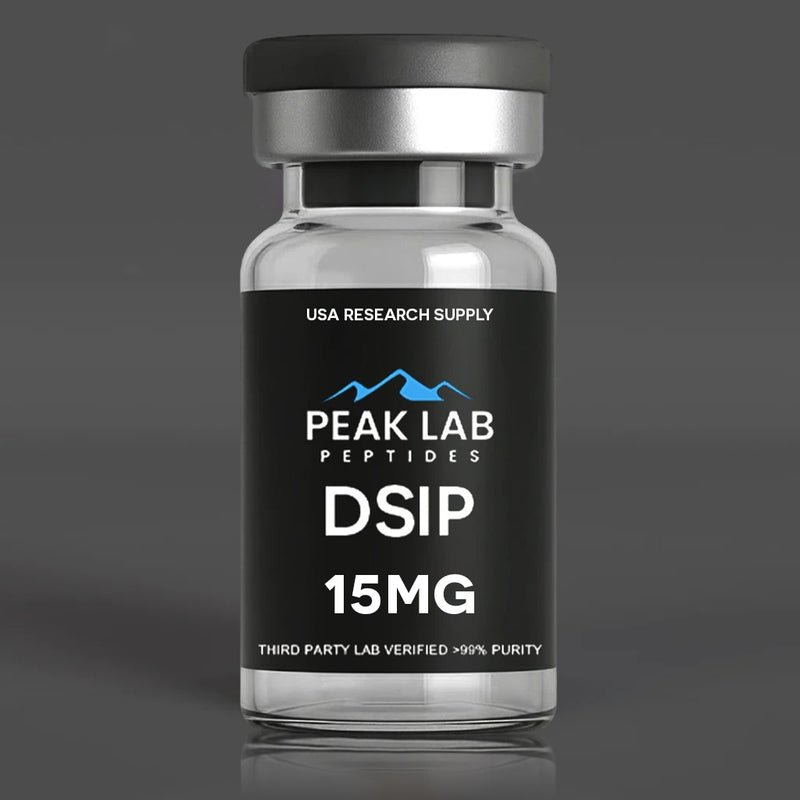
  • Format: Lyophilized powder, 15mg vial
  • For Research Use Only: Not for human or veterinary use
Reviews (5)

5 reviews for DSIP

  1. Carol

    Very satisfied with the product quality, secure packaging, and smooth ordering process from start to finish.

  2. Michelle

    Everything arrived safely, well-labeled, and exactly as described on the website.

  3. Donna

    Fast shipping, accurate tracking, and professional packaging made the experience excellent.

  4. Kimberly

    The website is easy to navigate, checkout is simple, and communication is always clear.

  5. Emily

    Consistent quality across multiple orders has earned my full trust in this store.

Add a review

Your email address will not be published. Required fields are marked *

Research

1. Neuroendocrine Signaling & Hypothalamic Regulation

DSIP is used in experimental systems to explore regulation of hypothalamic–pituitary signaling. Preclinical studies have observed its modulatory effects on corticotropin and somatostatin secretion, suggesting its role in neuropeptide feedback loops relevant to stress adaptation and hormonal rhythms.

2. Sleep and Circadian Rhythm Studies

DSIP has been employed in rodent models and neuronal cell lines to investigate sleep-promoting activity, phase-shifting properties, and oscillatory peptide expression. It serves as a model compound in sleep-related signal transduction and circadian biochemistry workflows.

3. GABAergic and Monoaminergic Pathway Analysis

Research indicates DSIP may influence GABAergic tone and monoamine oxidase (MAO-A) activity, potentially impacting serotonin and dopamine metabolism. These actions are relevant in research studying emotional regulation, anxiety response, and central neurotransmitter turnover.

4. Stress Adaptation and HPA Axis Dynamics

DSIP is investigated in stress models for its regulatory influence on hypothalamic–pituitary–adrenal (HPA) signaling. It may downregulate ACTH release and affect cortisol dynamics, contributing to studies on neuroendocrine recovery and homeostasis under chronic or acute stress.

5. Mitochondrial Bioenergetics

In cellular bioenergetics research, DSIP is used to assess its impact on mitochondrial respiration, ATP production, and oxidative phosphorylation, particularly under stress or hypoxic conditions in neural tissues.

FAQ 

Q: What is DSIP used for in research?
A: DSIP is utilized in research involving sleep regulation, circadian rhythm control, neuroendocrine signaling, stress adaptation, and mitochondrial bioenergetics.

Q: Is DSIP a synthetic or natural peptide?
A: It is a naturally occurring peptide originally identified in the CNS, but supplied in synthetic form for research applications.

Q: Does DSIP affect neurotransmitter activity?
A: Yes, it has been shown to influence GABA and monoamine metabolism in experimental systems, particularly affecting enzymes like MAO-A.

Q: Can DSIP be used in human sleep studies?
A: No. DSIP is for laboratory research use only and is not approved for human or clinical use.

Q: What are common model systems for DSIP research?
A: DSIP is typically used in rodent models, neuronal and glial cell cultures, and molecular signaling assays.

Shipping & Delivery

Storage & Handling

All peptides are supplied as sterile, lyophilized powder and are stable when handled correctly.

  • On arrival: Store vials in a cool, dry place away from heat and direct sunlight.
  • Long-term (powder): For optimal longevity, keep lyophilized peptides refrigerated to help maintain integrity.
  • After reconstitution: Use an appropriate research diluent (for example, BAC water). Store the reconstituted solution in the refrigerator and use within 20–30 days for best stability.

Note: Minimize exposure to moisture and repeated freeze–thaw cycles. Follow your institution's safety procedures when handling research materials.

Peak Lab Peptides maintains quality-control processes and routinely performs third-party testing to support purity and identity verification. COAs are available upon request for applicable batches. Documentation may vary depending on production timelines.

We aim to make batch-level documentation available whenever possible. Our goal is to expand COA access across the full catalog as production capacity grows.

All products are for laboratory research use only and are not intended for human consumption.