Showing 97–108 of 117 results
Research categories
All Products
- 5-amino-1mq
- Acetic Acid 0.6%
- AHK-Cu Peptide
- AICAR
- AOD9604
- Ara-290 (10mg)
- B12 (1ml / 1mg)
- BPC-157
- BPC-157, TB-500 – “Wolverine Stack”
- BPC-157, TB-500 Nasal Spray
- Cerebroprotein Hydrolysate 60mg
- CJC-1295 No DAC
- CJC-1295 No DAC + Ipamorelin – 5mg + 5mg (10mg total)
- CJC-1295 with DAC
- CJC-1295 with DAC Nasal Spray
- DSIP
- DSIP Nasal Spray
- Epithalon
- Follistatin-344 (1mg)
- GHK-Cu
- GHK-Cu Nasal Spray
- GLOW Blend 70mg (GHK-Cu 50mg, BPC-157 10mg, TB-500 10mg)
- GLP-1 Cag
- GLP-1 Cag + GLP-1 Sema
- GLP-1 Sema
- GLP-1 Tirz
- GLP-3 Reta
- Glutathione
- HCG
- HGH 191AA
- HGH Fragment 176-191
- HMG (75iu)
- IGF-1 LR3
- IGF-DES 2mg Nasal Spray
- Ipamorelin
- Ipamorelin Nasal Spray
- KissPeptin-10
- KissPeptin-10 Nasal Spray
- KLOW Blend 80mg – GHK-Cu, TB-500, BPC-157, KPV
- KPV (Lysine-Proline-Valine)
- L-Carnitine – 6000mg (10ml)
- Lipo-C (w/ B12 & w/o B12)
- LL-37 (5mg)
- Melatonin
- Melanotan I Nasal Spray
- MOTS-c
- MOTS-c Nasal Spray
- MT-2 (Melanotan 2) – 10mg
- MT-2 (Melanotan 2) – 10mg Nasal Spray
- NAD+
- NAD+ Nasal Spray
- Oxytocin-Acetate (2mg)
- Oxytocin Acetate Nasal Spray
- PEG-MGF 2mg
- Pinealon
- PT-141 10mg
- PT-141 10mg Nasal Spray
- Selank 10/11mg
- Selank 10/11mg Nasal Spray
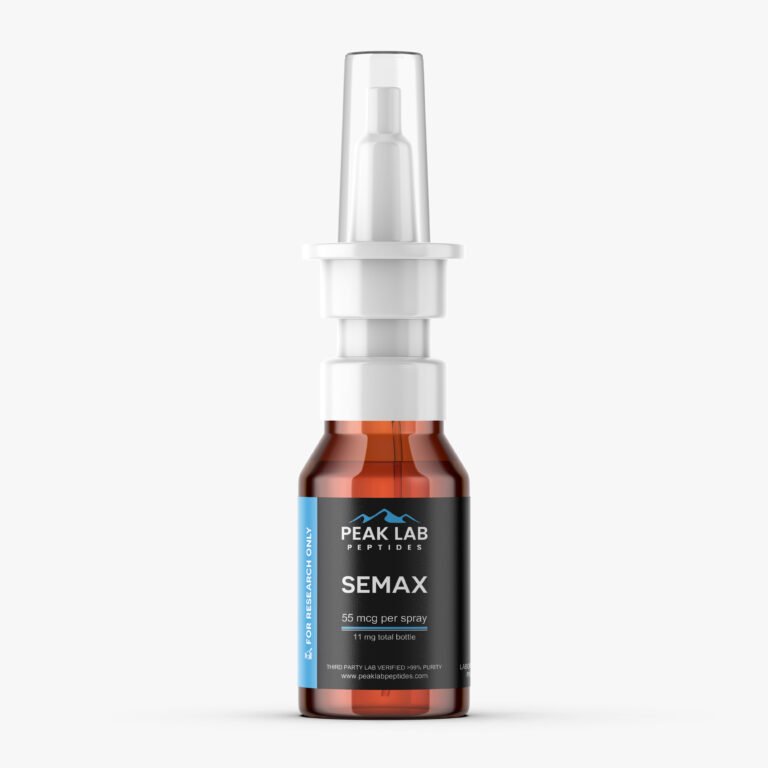
- Semax
- Semax Nasal Spray
- Sermorelin
- SLU-PP-332
- Snap-8
- SS-31
- TB-500
- Tesamorelin
- TB-500 Nasal Spray
- Thymosin Alpha-1
- Thymosin Alpha-1 Nasal Spray
- VIP
- VIP Nasal Spray
- Peptide Storage Case (3ml x 5 + Multi-Compartment) — Hard Shell Complete Organizer
- Peptide Storage Case (3ml x 10) — Hard Shell Mid-Size Organizer
- Peptide Storage Case (3ml x 6) — Hard Shell Compact Organizer
- Peptide Storage Case (3ml x 8, 10ml x 1) — Hard Shell Protective Organizer
Selank 10/11mg Nasal Spray
Selank
Selank – 11mg (Lyophilized Peptide) – For Research Use Only
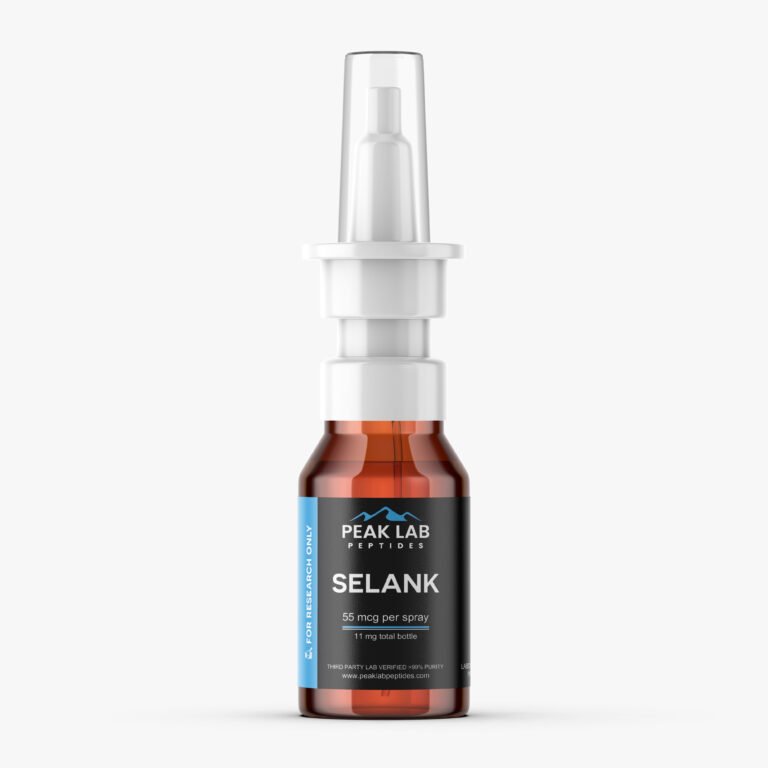
Selank is a synthetic peptide analog of the naturally occurring tetrapeptide Tuftsin, extensively studied for its potential nootropic, anxiolytic, and immunomodulatory properties. Research suggests that Selank may support cognitive function, anxiety reduction, and immune system regulation through its interaction with neurotransmitter systems, particularly GABA and serotonin pathways.
Product Details:
-
Peptide: Selank (Tuftsin analog)
-
Purity: >98%
-
Form: Lyophilized powder
-
Quantity: 11mg per vial
-
Storage: Store at -4°F (-20°C). After reconstitution, refrigerate at 36–46°F (2–8°C) and use within 30 days.
-
Grade: For research purposes only. Not for human consumption, therapeutic, or diagnostic use.
Potential Research Applications:
-
Nootropic and cognitive function studies
-
Anxiolytic and mood regulation research
-
Immune modulation and cytokine balance exploration
-
Neurotransmitter activity and brain health models
For laboratory research only. This product is not intended to diagnose, treat, cure, or prevent any disease.
Semax
Semax
Product Details:
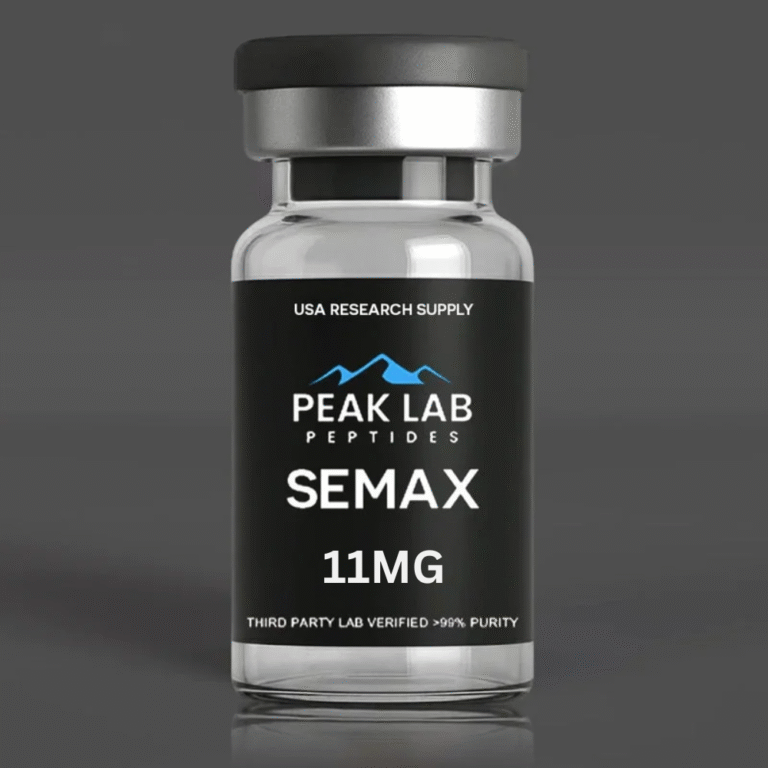
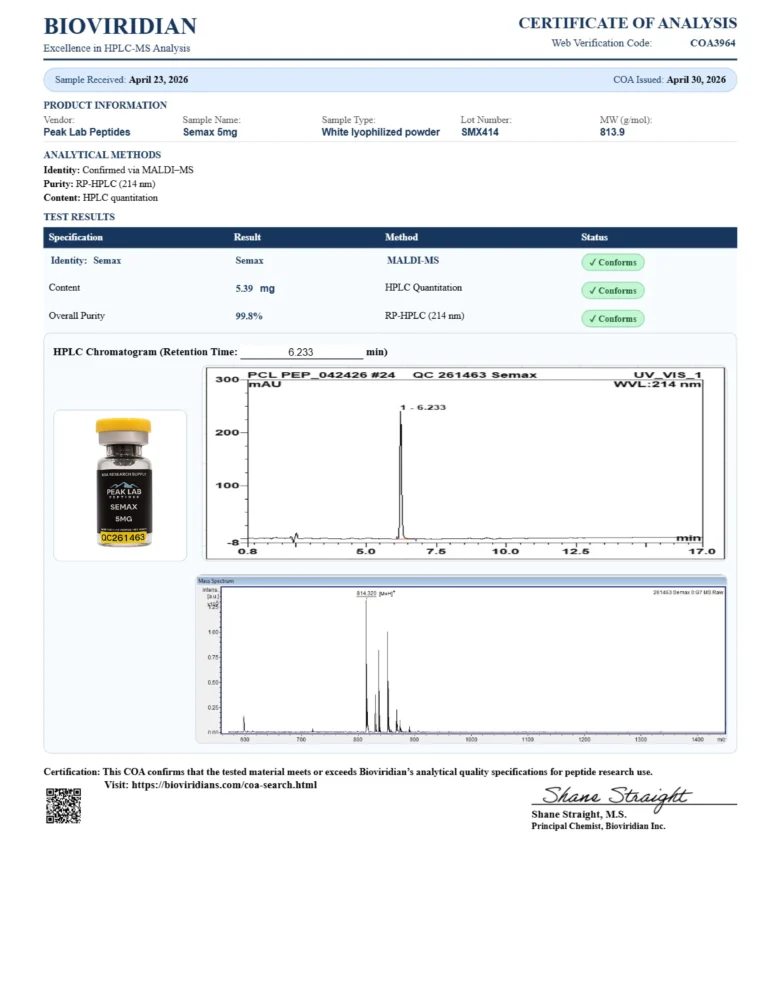
Compound: Semax Purity: >98% Form: Lyophilized powder Quantity: 5mg or 11mg per vial Storage: Store lyophilized at -20°C. Reconstituted product should be refrigerated (2–8°C) and used within 30 days. Research Grade: For laboratory research only. Not for human consumption or therapeutic use. Research Applications May Include: Studies on neuroprotection and cognitive function Exploration of BDNF modulation Investigations into stroke recovery and brain injury modelsSemax Nasal Spray
Semax
Product Details:
Compound: Semax Purity: >98% Form: Lyophilized powder Quantity: 5mg or 11mg per vial Storage: Store lyophilized at -20°C. Reconstituted product should be refrigerated (2–8°C) and used within 30 days. Research Grade: For laboratory research only. Not for human consumption or therapeutic use. Research Applications May Include: Studies on neuroprotection and cognitive function Exploration of BDNF modulation Investigations into stroke recovery and brain injury modelsSermorelin
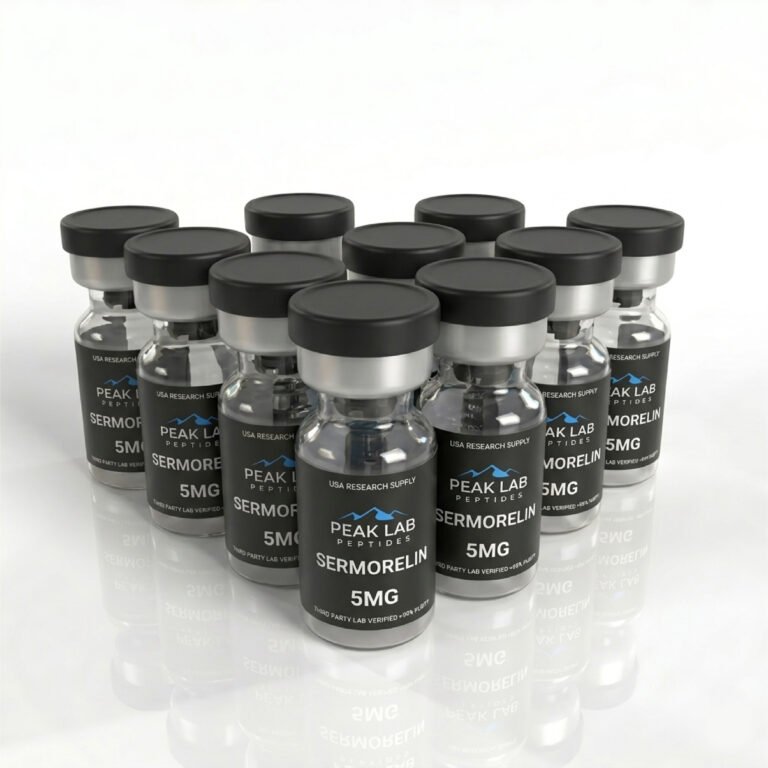
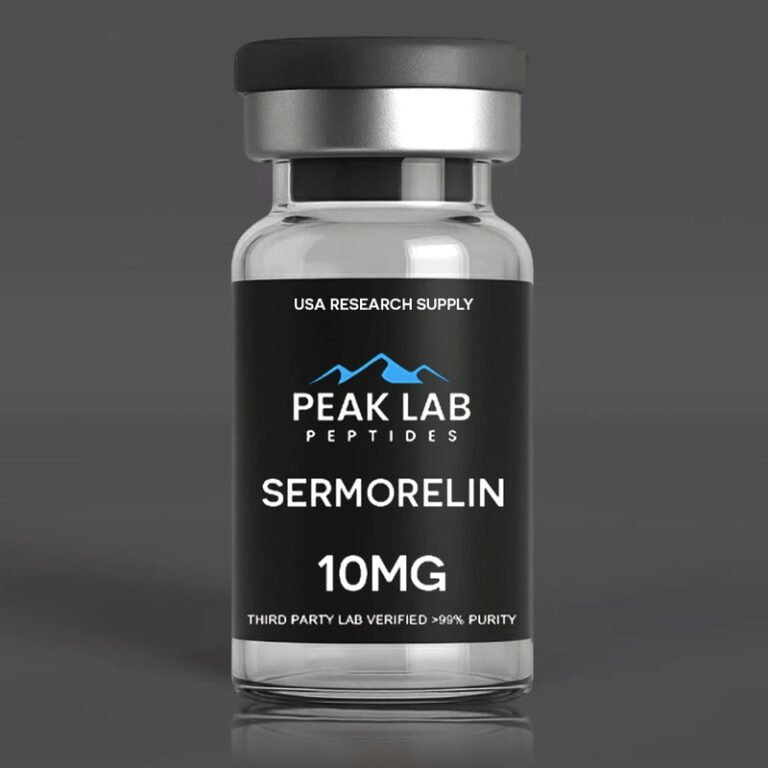
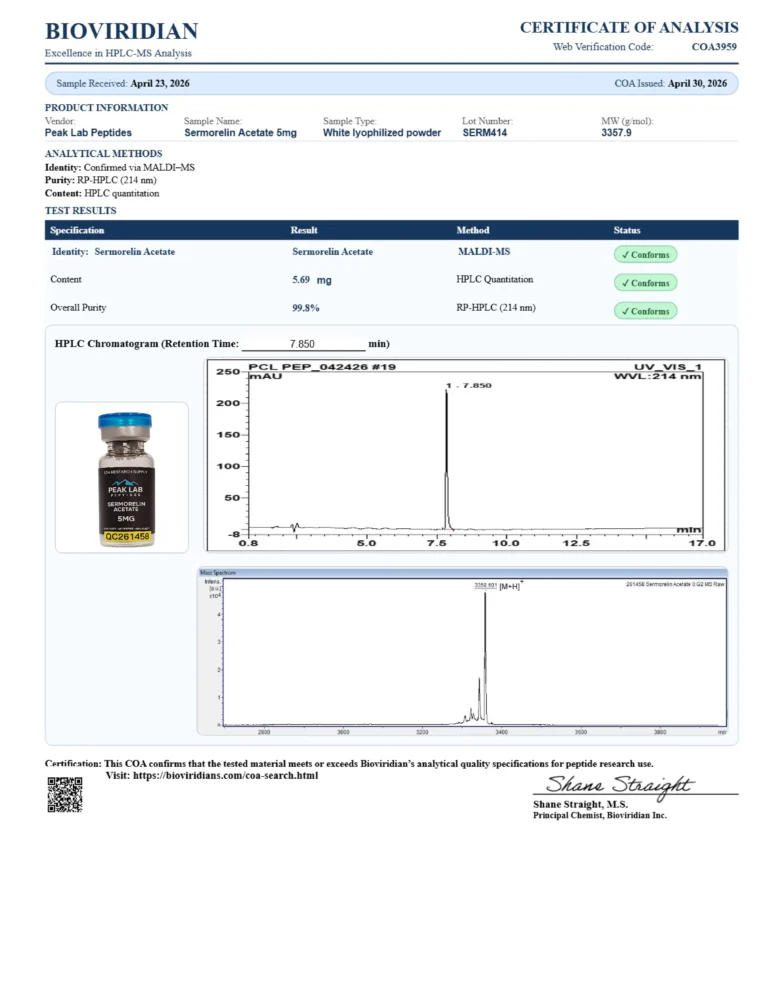
Sermorelin
Sermorelin – 10mg (Lyophilized Peptide) – For Research Use Only
Sermorelin is a synthetic peptide analog of Growth Hormone-Releasing Hormone (GHRH 1-29), the active fragment responsible for stimulating natural growth hormone (GH) release. It is widely studied for its potential to enhance endogenous GH production, support recovery, promote muscle growth, and aid in anti-aging research models.
Sermorelin is often researched alongside other GH secretagogues such as Ipamorelin or CJC-1295 for synergistic effects on growth hormone pathways.
Product Details:
-
Peptide: Sermorelin (GHRH 1-29)
-
Purity: >98%
-
Form: Lyophilized powder
-
Quantity: 5mg per vial
-
Storage: Store at -4°F (-20°C). After reconstitution, refrigerate at 36–46°F (2–8°C) and use within 30 days.
-
Grade: For research purposes only. Not for human consumption, therapeutic, or diagnostic use.
Potential Research Applications:
-
Growth hormone stimulation studies
-
Muscle growth and recovery research models
-
Anti-aging and longevity studies
-
GH axis and endocrine function exploration
For laboratory research use only. This product is not intended to diagnose, treat, cure, or prevent any disease.
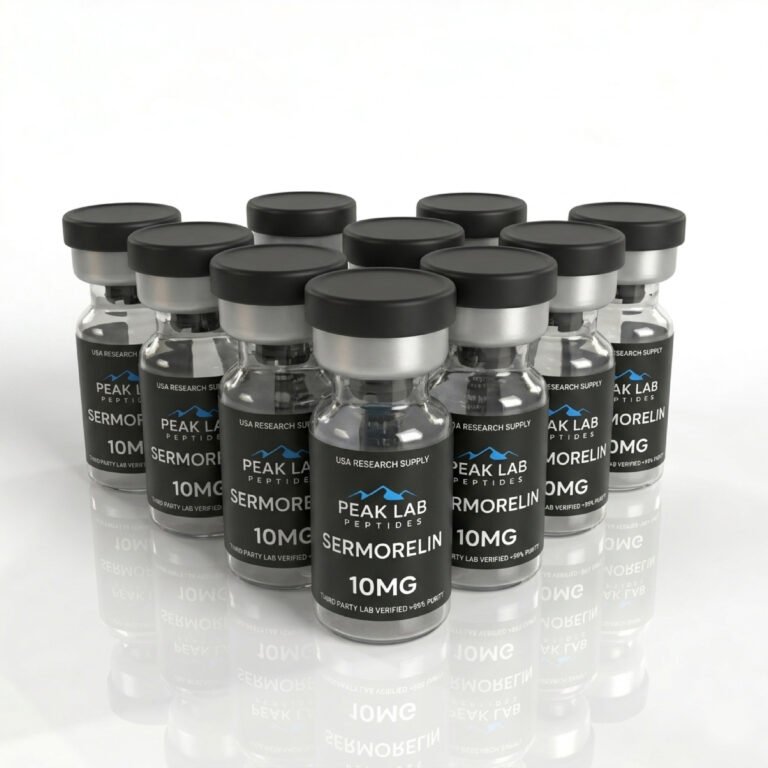
Sermorelin 10-Vial Kit
Sermorelin 10 Vial Kit
Sermorelin – 10mg (Lyophilized Peptide) 10 Vial Kit – For Research Use Only
Sermorelin is a synthetic peptide analog of Growth Hormone-Releasing Hormone (GHRH 1-29), the active fragment studied for its role in stimulating endogenous growth hormone secretion. Research has explored its potential effects on GH axis signaling, pituitary function, and endocrine pathway regulation in controlled laboratory models. Sermorelin is often examined alongside other GH secretagogues such as Ipamorelin or CJC-1295 in studies investigating synergistic effects on growth hormone pathway dynamics.
Product Details:
- Peptide: Sermorelin (GHRH 1-29)
- Purity: >99%
- Form: Lyophilized powder
- Quantity: 10mg per vial / 10 vials per kit
- Storage: Store at -4°F (-20°C). After reconstitution, refrigerate at 36–46°F (2–8°C) and use within 30 days.
- Grade: For research purposes only. Not for human consumption, therapeutic, or diagnostic use.
Potential Research Applications:
- Growth hormone secretion and GH axis signaling studies
- Pituitary function and GHRH receptor interaction research
- Endocrine pathway regulation and GH secretagogue mechanism models
- GH axis and multi-peptide synergy investigations
For laboratory research only. This product is not intended to diagnose, treat, cure, or prevent any disease.
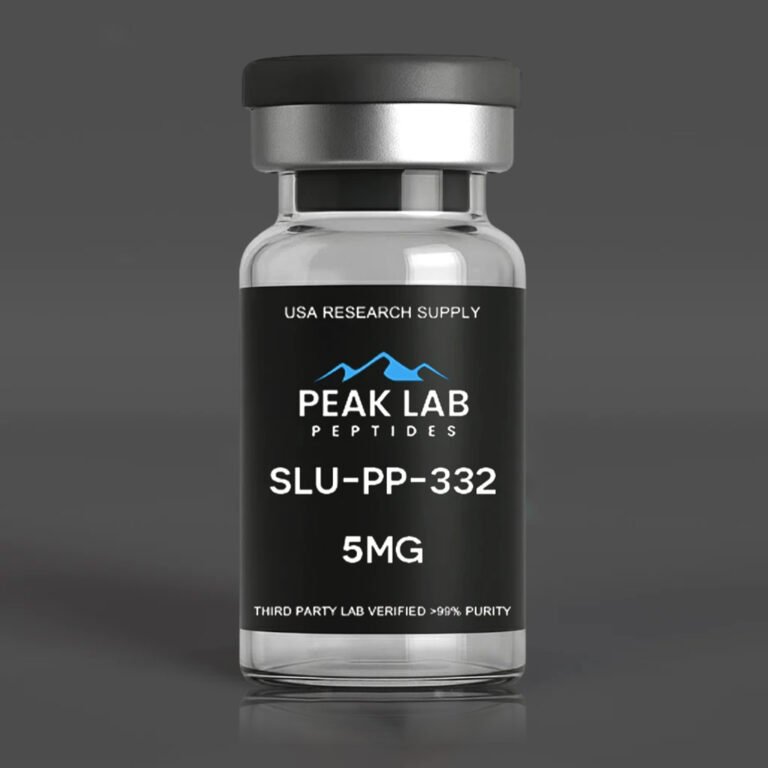
SLU-PP-332
SLU-PP-332
SLU-PP-332 is a synthetic research compound investigated for its interaction with metabolic and cellular regulatory pathways. Early laboratory studies suggest that SLU-PP-332 may influence energy homeostasis, mitochondrial activity, and cellular signaling mechanisms involved in metabolic balance. Because of these characteristics, SLU-PP-332 has become a subject of interest in preclinical research exploring metabolic function, energy utilization, and adaptive cellular responses under controlled conditions. As with all research compounds, SLU-PP-332 is supplied for laboratory and scientific use only. It is not approved for human use, medical purposes, or diagnostic applications. Researchers typically examine SLU-PP-332 in vitro or in controlled animal models to better understand its structure, stability, and functional characteristics within biological systems.SLU-PP-332 10-Vial Kit
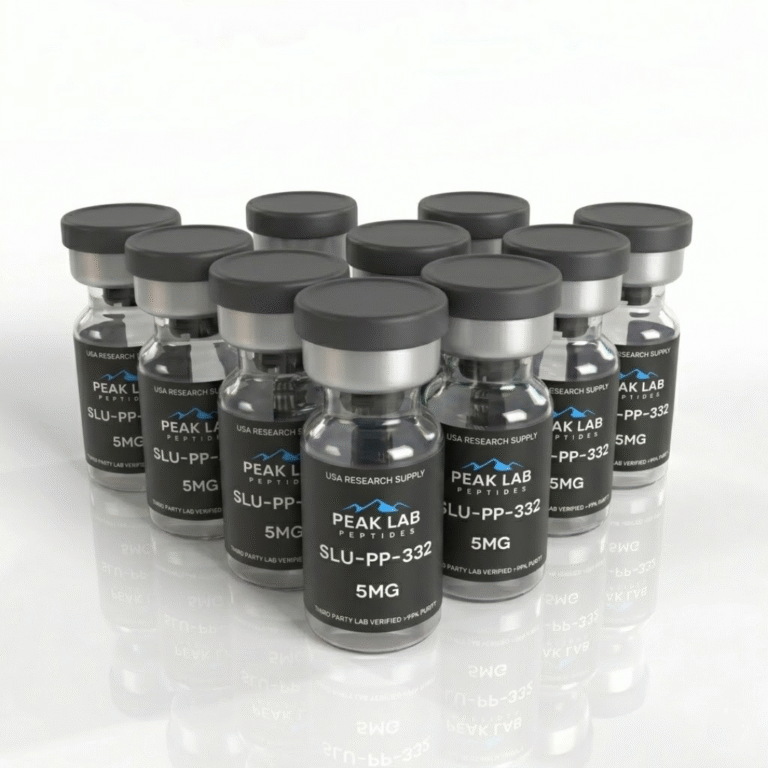
SLU-PP-332 10 vial kit
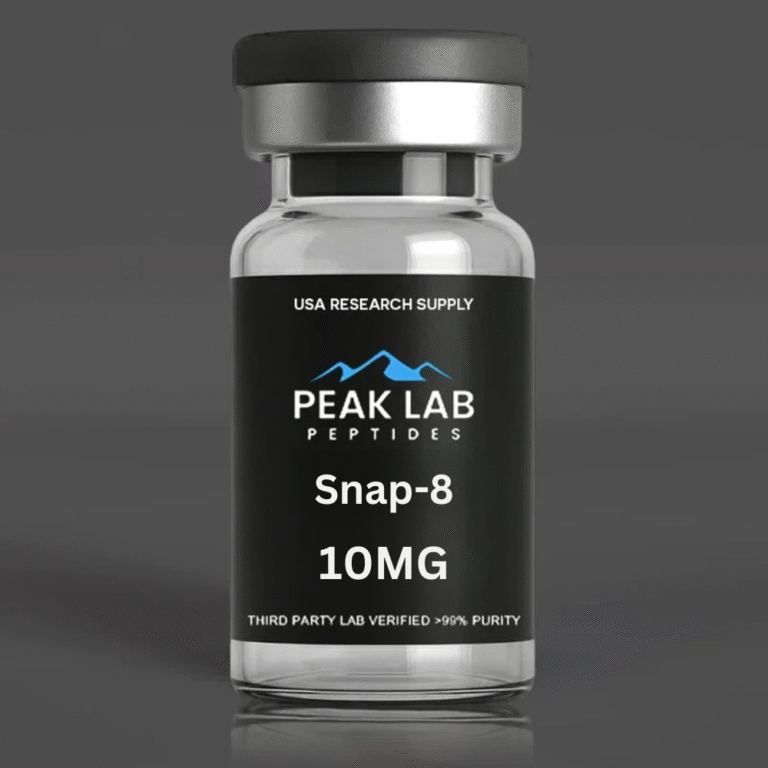
SLU-PP-332 10 vial kit is a synthetic research compound investigated for its interaction with metabolic and cellular regulatory pathways. Early laboratory studies suggest that SLU-PP-332 may influence energy homeostasis, mitochondrial activity, and cellular signaling mechanisms involved in metabolic balance. Because of these characteristics, SLU-PP-332 10 vial kit has become a subject of interest in preclinical research exploring metabolic function, energy utilization, and adaptive cellular responses under controlled conditions. As with all research compounds, SLU-PP-332 10 vial kit is supplied for laboratory and scientific use only. It is not approved for human use, medical purposes, or diagnostic applications. Researchers typically examine SLU-PP-332 in vitro or in controlled animal models to better understand its structure, stability, and functional characteristics within biological systems.Snap-8
Protected: SS-31
Survodutide
TB-500
TB-500 (TB500)
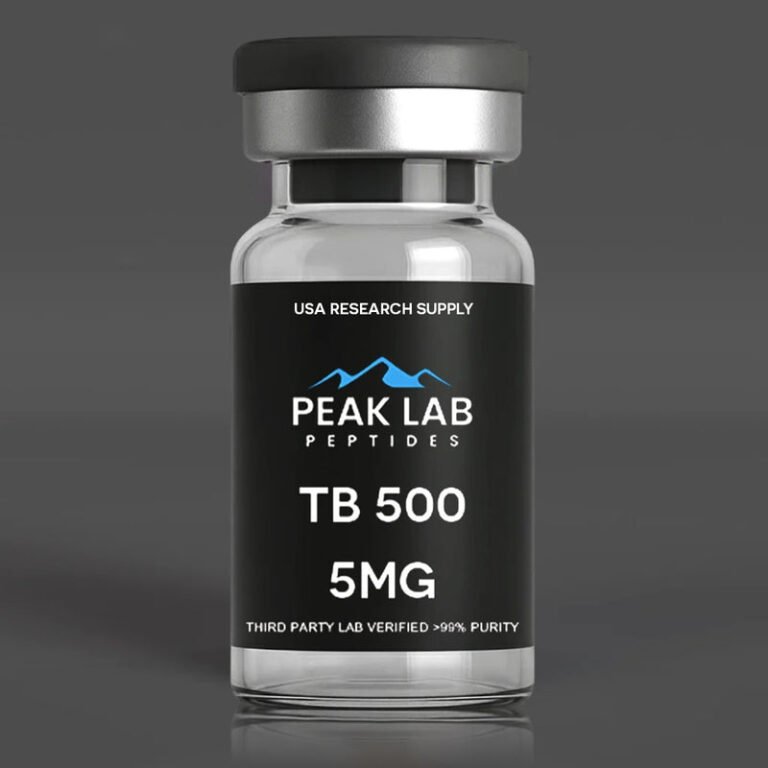
TB-500 (Thymosin Beta-4 Fragment) – 5mg or 10mg (Lyophilized Peptide) – For Research Use Only
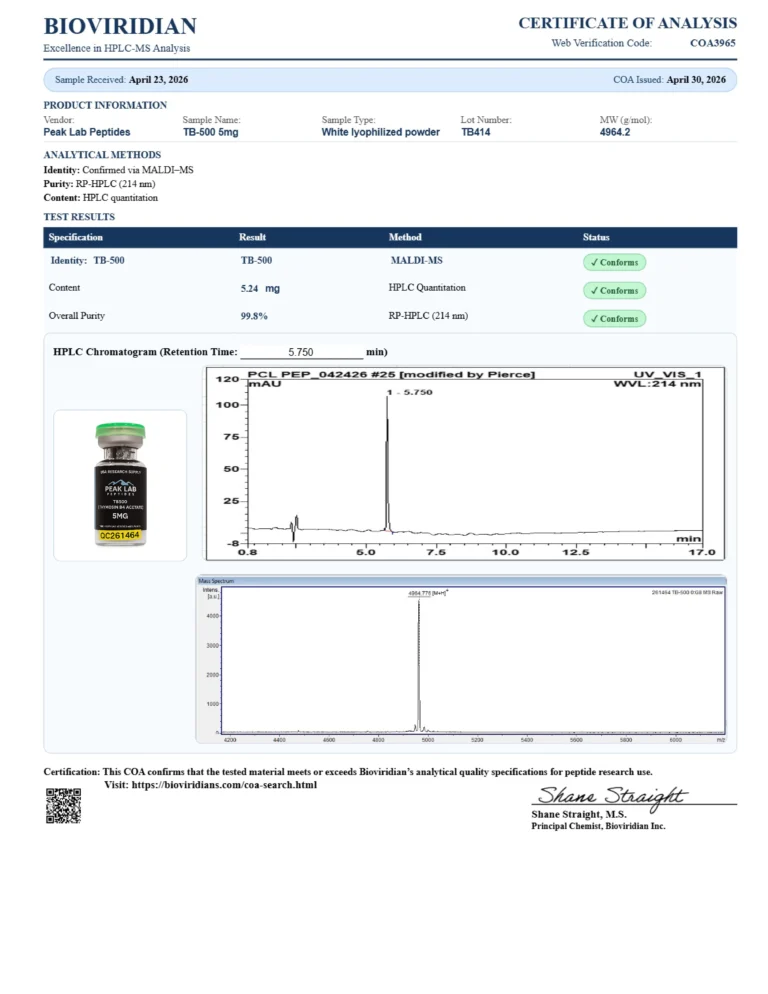
TB-500 is a synthetic Thymosin Beta-4 fragment studied in preclinical models for its roles in actin-binding dynamics, cell migration, angiogenesis, and tissue repair signaling. Supplied as lyophilized powder at 99%+ HPLC verified purity. Batch-specific COA included. For in vitro research use only.
TB-500 10-Vial Kit
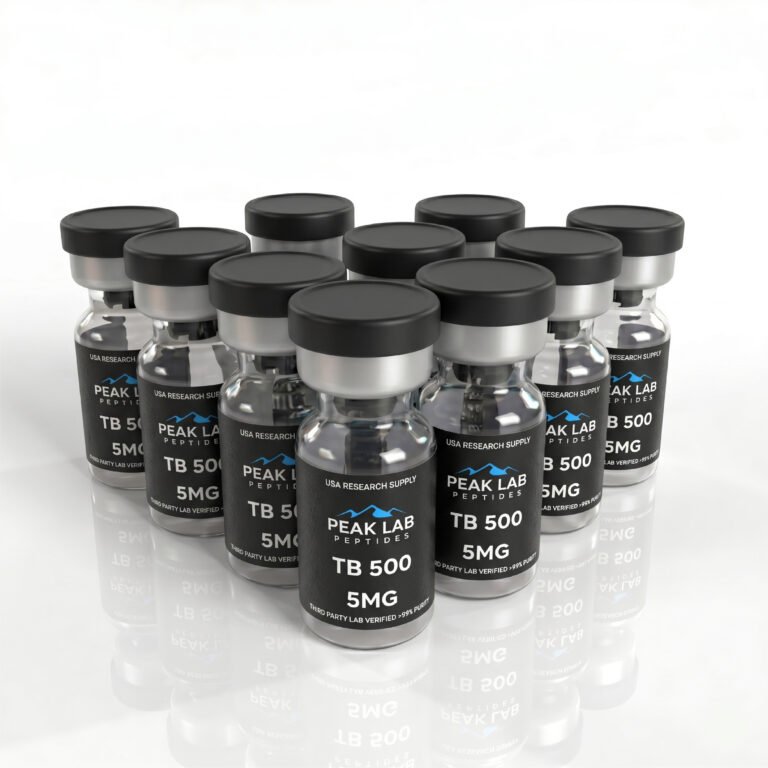
TB-500 (Thymosin Beta-4 Fragment) 10 Vial Kit
TB-500 – 5mg (Lyophilized Peptide) 10 Vial Kit – For Research Use Only
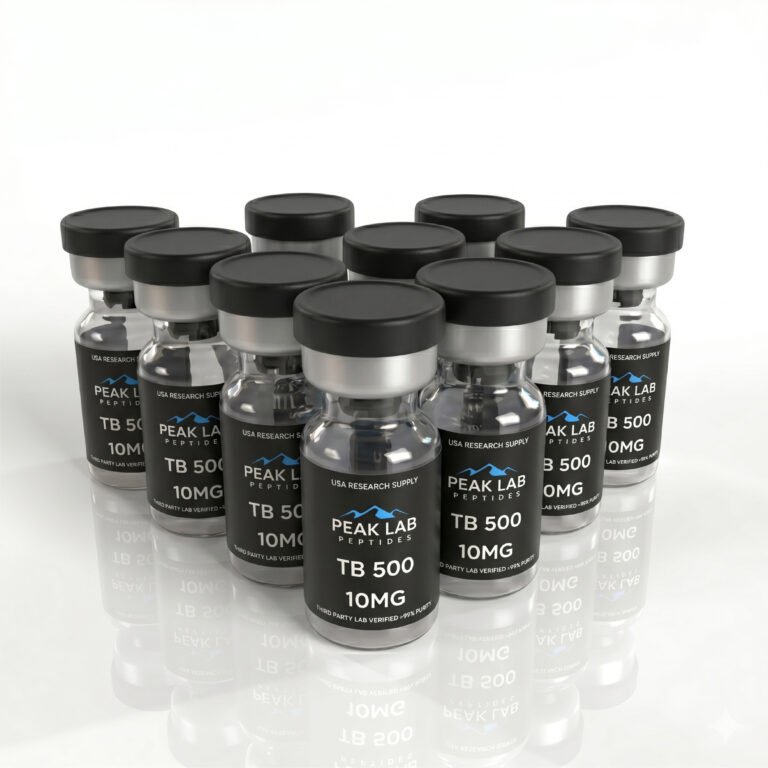
TB-500 is a synthetic peptide corresponding to a 43-amino acid sequence of Thymosin Beta-4 (Tβ4), an actin-binding protein naturally distributed across mammalian tissues. It is one of the most widely studied regenerative research peptides in preclinical science, with a substantial body of literature examining its roles in cell migration, angiogenesis, cytoskeletal dynamics, and tissue repair signaling.
Chemical Profile
- Sequence: Ac-Ser-Asp-Lys-Pro-Asp-Met-Ala-Glu-Ile-Glu-Lys-Phe-Asp-Lys-Ser-Lys-Leu-Lys-Lys-Thr-Glu-Thr-Gln-Glu-Lys-Asn-Pro-Leu-Pro-Ser-Lys-Glu-Thr-Ile-Glu-Gln-Glu-Lys-Gln-Ala-Gly-Glu-Ser
- Molecular Formula: C₂₁₂H₃₅₀N₅₆O₇₈S
- Molecular Weight: 4,963 Da
- CAS Number: 77591-33-4
- Form: Lyophilized powder
- Purity: >99% (HPLC verified)
- Quantity: 5mg per vial / 10 vials per kit
- Storage: Store at -20°C long term / 4°C after reconstitution
TB-500 in Preclinical Research
Actin Binding and Cytoskeletal Dynamics TB-500's primary mechanism of interest involves its interaction with G-actin (globular actin), the monomeric form of actin that regulates filament assembly. By sequestering G-actin, TB-500 influences the G-actin/F-actin balance, which in turn affects cellular processes dependent on cytoskeletal remodeling including cell migration, membrane dynamics, and cytokinesis.
Cell Migration Research One of the most studied properties of TB-500 in preclinical systems is its role in promoting cell migration. Research has examined how TB-500's actin-modulating activity influences the motility of endothelial cells, keratinocytes, and fibroblasts — cell types central to tissue regeneration processes.
Angiogenesis Research TB-500 has been studied in the context of angiogenesis, the formation of new blood vessels from pre-existing vasculature. Preclinical models suggest it may influence VEGF-related transcriptional programs and endothelial cell behavior relevant to vascular repair and tissue perfusion research.
Tissue Repair and Wound Healing Models Multiple preclinical studies have examined TB-500 in wound healing models, investigating its effects on repair timelines, cellular recruitment, and extracellular matrix dynamics. A 2024 study identified TB-500 metabolites — particularly Ac-LKKTE — as potentially contributing to observed wound healing activity in vitro.
Inflammatory Signaling Research Preclinical research has investigated TB-500 in the context of inflammatory pathway modulation, examining its interactions with oxidative stress signaling and innate pathway nodes under experimentally defined stress conditions.
Cardiac and Vascular Research Emerging preclinical literature has studied TB-500 in cardiac tissue models, examining its potential interactions with cardiomyocyte survival signaling and vascular integrity mechanisms following experimental injury.
TB-500 vs BPC-157: Research Distinctions
TB-500 and BPC-157 are frequently studied together due to their complementary preclinical research profiles, but they have distinct molecular mechanisms:
| TB-500 | BPC-157 | |
|---|---|---|
| Type | Thymosin Beta-4 fragment | Gastric pentadecapeptide |
| Size | 43 amino acids | 15 amino acids |
| Primary Mechanism | Actin binding / G-actin sequestration | NO system / VEGF modulation |
| Key Research Area | Cell migration, cytoskeletal dynamics | Tissue repair, GI mucosal research |
Both are available individually or as the Wolverine Research Combo — BPC-157 and TB-500 bundled together for researchers studying complementary repair pathways.
Quality and Testing Standards
- HPLC Analysis — Confirms >99% purity
- Mass Spectrometry — Confirms correct peptide sequence and molecular identity
- Batch-Specific COA — Certificate of Analysis included with every order
- Third-Party Verified — Independent laboratory testing on every production run
Frequently Asked Questions
What is TB-500? TB-500 is a synthetic peptide corresponding to the active region of Thymosin Beta-4, an actin-binding protein studied for its roles in cell migration, angiogenesis, and tissue repair mechanisms in preclinical models.
What purity is Peak Lab Peptides TB-500? Our TB-500 is HPLC verified to >99% purity with mass spectrometry identity confirmation. Every batch includes a third-party Certificate of Analysis.
Is TB-500 the same as Thymosin Beta-4? TB-500 corresponds to a specific 43-amino acid sequence of Thymosin Beta-4 (Tβ4). It is a synthetic analog used in research to study the biological activity associated with the Tβ4 actin-binding domain.
How should TB-500 be stored? Store lyophilized TB-500 at -20°C for long-term stability. After reconstitution with bacteriostatic water, store at 4°C and use within 28 days.
What is the difference between TB-500 and BPC-157? TB-500 is primarily studied for actin-binding dynamics and cell migration mechanisms. BPC-157 is primarily studied for NO system modulation and VEGF signaling. Both are available as the Wolverine Research Combo for researchers studying complementary pathways.
For laboratory research use only. Not for human or veterinary use, consumption, or medical application.